WHY TRANSFER SYSTEMS DEMAND ENGINEERING PARTNERSHIPS, NOT EQUIPMENT PURCHASES

Materials transfer systems sit at the heart of every minerals processing operation, quietly moving thousands of tonnes of ore every hour between crushers, screens, conveyors and processing equipment. Yet despite their importance, transfer systems are frequently approached as isolated equipment purchases rather than strategic engineering assets that influence the performance of the entire plant.

Dewald Tintinger, Technical Director at Weba Chute Systems, says that this mindset often prevents operations from achieving the best long-term outcomes.

"Transfer systems should never be viewed simply as products," Tintinger says. "They are engineered components within a much larger materials handling system and their performance affects everything from plant availability and maintenance costs to dust control, safety and energy consumption."

A Weba Chute Systems head chute engineered to handle abrasive materials while controlling material flow, reducing maintenance requirements and extending service intervals.

He explains that many operational challenges attributed to transfer chutes are, in fact, symptoms of broader materials flow issues.

Poor flow characteristics, excessive wear, belt mistracking, blockages, spillage and dust generation are often interconnected, meaning that replacing one component without understanding the overall transfer process rarely delivers a sustainable solution.

"The first question should never be 'Which chute should we install?'," he says. "The first question should always be 'What is causing the problem?’”

Dewald Tintinger, Technical Director at Weba Chute Systems.

Answering that question requires a detailed understanding of material behaviour, operating conditions and the interaction between multiple pieces of equipment throughout the processing circuit.

"Every ore behaves differently," Tintinger explains. "Particle size, moisture content, fragmentation, throughput variability and wear characteristics all influence how material flows through a plant. Unless those variables are understood it becomes very easy to treat symptoms instead of addressing the root cause."

This is where the relationship between an OEM and its customer becomes critical. Tintinger believes mines and minerals processing plant derive significantly greater value from partners whose objective is improving plant performance rather than simply supplying equipment.

A Weba Chute Systems head chute designed to control material flow, minimise wear and maintain reliable throughput in demanding mining applications.

"Sometimes the solution is considerably simpler than originally envisaged," he says. "A modification to transfer geometry, a change in material flow or adjustments to an existing installation may resolve the issue without requiring a completely new chute. Those are conversations that only happen when the relationship is built on trust and engineering integrity."

Conversely, when success is measured primarily by product sales, opportunities for simpler and more cost effective solutions can easily be overlooked.
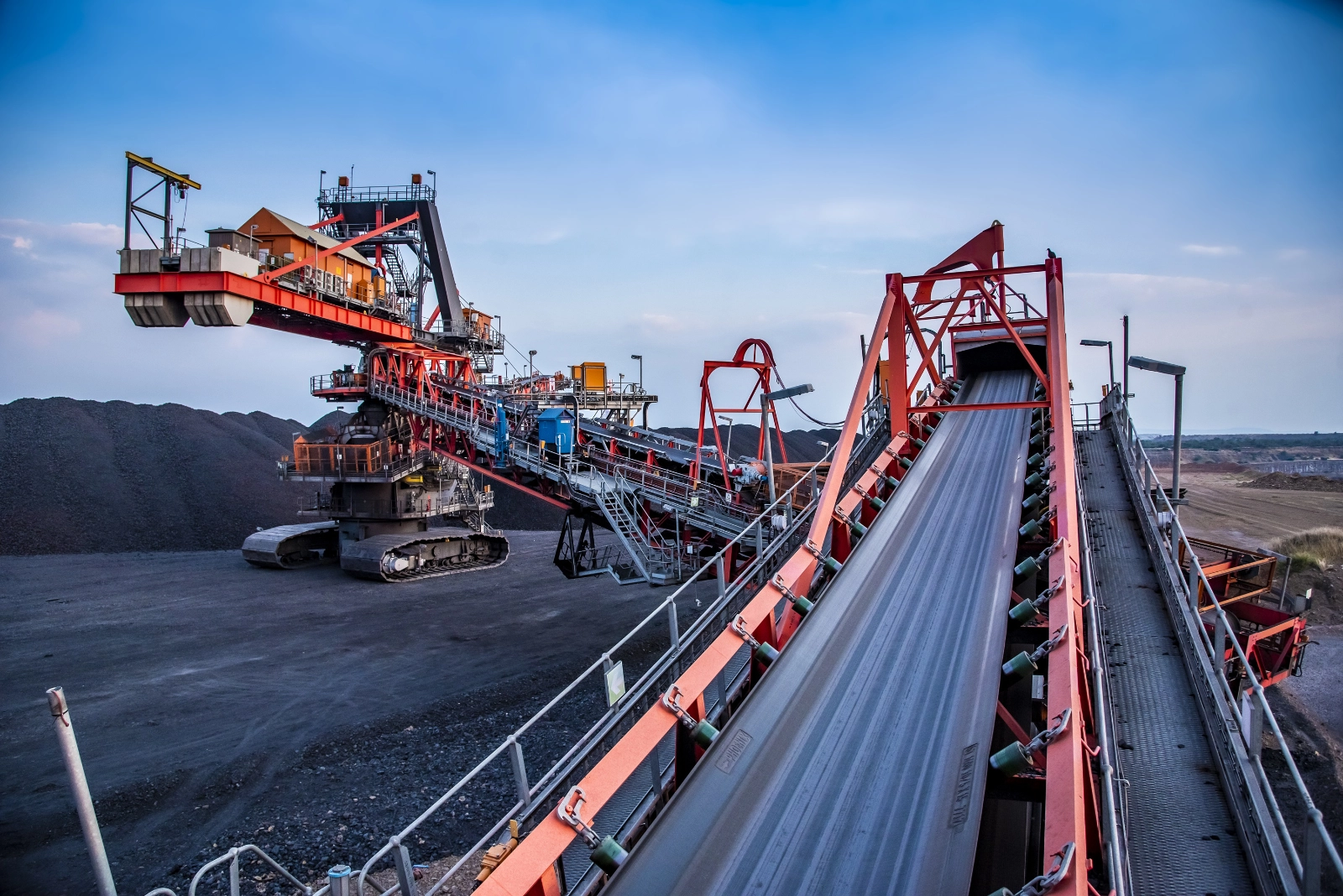
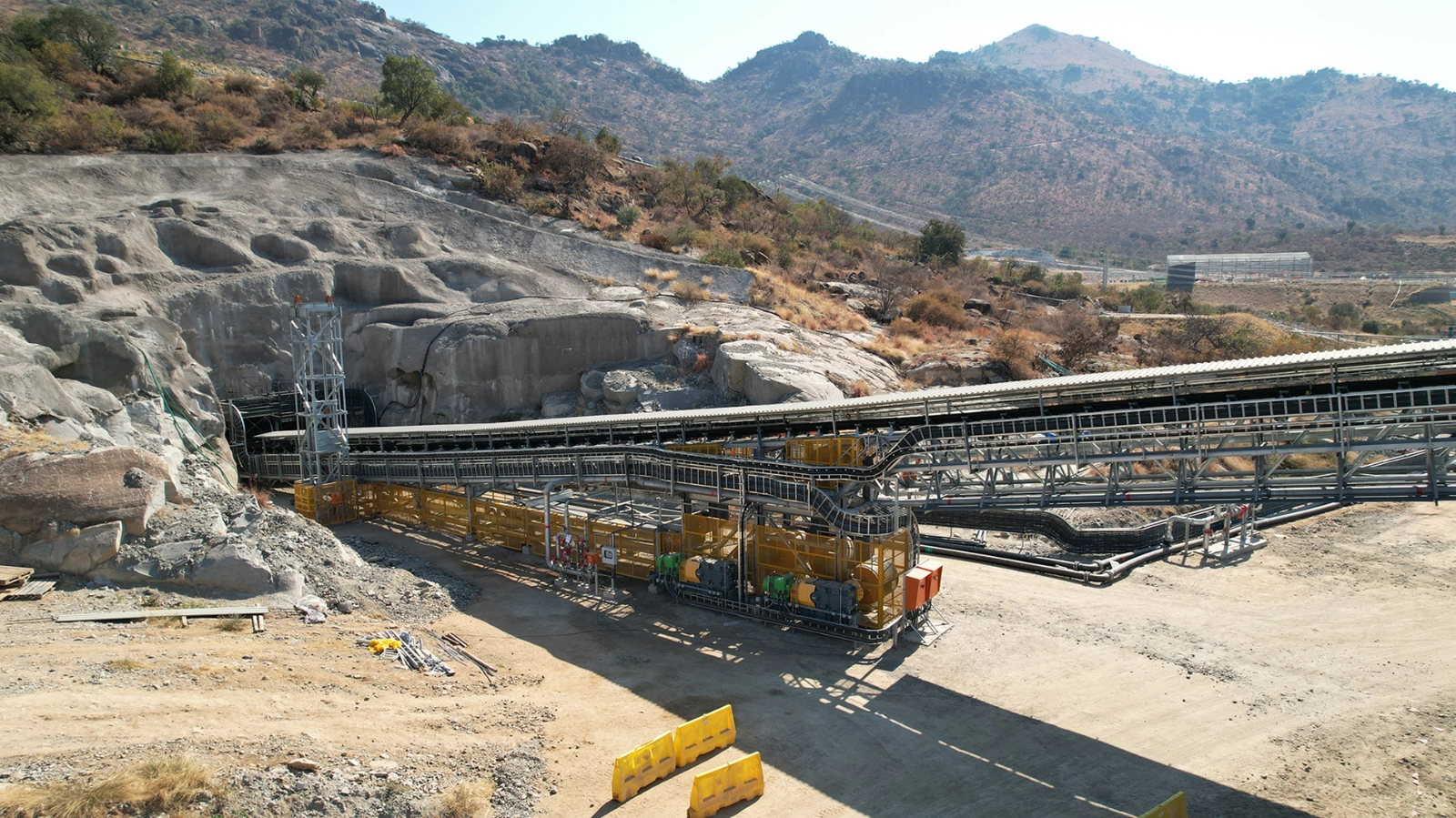
Conveyor belts transfer ore into a custom-engineered Weba Chute Systems transfer chute, ensuring controlled material flow while minimising wear in abrasive mining environments.

"The best engineering recommendation is not always the one that results in the largest equipment order," Tintinger says. "It is the one that delivers the greatest long-term operational benefit."

This philosophy underpins Weba Chute Systems' approach to customer engagement. Rather than viewing projects as standalone equipment installations, the company works with mines and minerals processing plants throughout the lifecycle of their operations, recognising that transfer requirements evolve as ore bodies change, production targets increase and plants undergo expansion or optimisation.

"Very few processing plants operate exactly as they did when they were commissioned," Tintinger says. "Throughput changes, ore characteristics evolve, equipment is upgraded and production priorities shift. Transfer systems need to evolve alongside those changes."
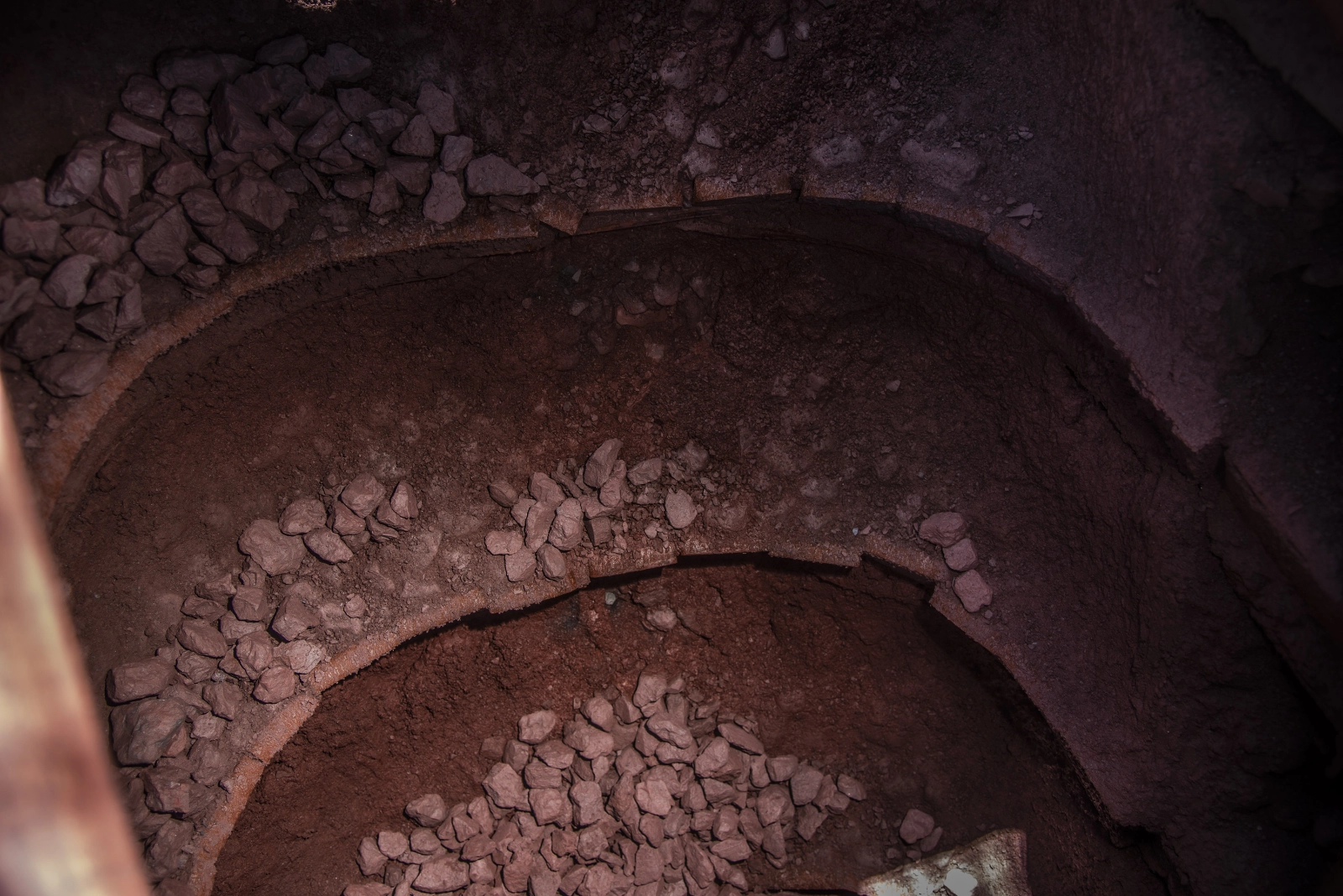
A Weba Chute Systems transfer chute featuring engineered dead boxes and replaceable lips that create a protective material layer to reduce wear and extend equipment life.

Ongoing collaboration allows transfer performance to be continuously reviewed and refined, enabling incremental improvements that reduce maintenance, extend equipment life and improve operational reliability.

"The value of a long-term partnership is that knowledge accumulates over time," he explains. "As we develop a deeper understanding of a customer's operation, we are better positioned to identify opportunities that improve performance, often before problems begin affecting production."

With many mining companies focusing on extracting greater value from existing assets rather than investing in new processing facilities, Tintinger believes this lifecycle approach is becoming increasingly important.

A Weba Chute Systems conveyor feeds material into an engineered transfer chute designed to optimise throughput, control material flow and protect downstream equipment from unnecessary wear and downtime.

"The industry is looking for sustainable productivity improvements," he says. "That requires engineering partners who understand the complete material transfer process, challenge assumptions where necessary and recommend solutions based on operational performance rather than equipment sales."

Tintinger concludes that successful transfer systems are ultimately measured not by the equipment installed, but by the long-term value they create.

"When mines collaborate with OEMs that are invested in the performance of the operation over its entire lifecycle, they gain much more than transfer equipment," he concludes. "They gain an engineering partner committed to continuously improving the efficiency, reliability and sustainability of the complete materials handling process."
WEIR ADVOCATES EARLY-STAGE WATER MANAGEMENT TO REDUCE MINING RISK

The most effective water management strategies in mining are those embedded at the design stage rather than retrofitted once problems emerge. This is according to Marnus Koorts, Director of Capital and Process at Weir, who says mines must treat water as a core design variable from the earliest phases of a project, rather than as an issue to be addressed later at the tailings facility.

According to Koorts, water management can no longer be viewed as a box to tick during the tailings design phase. Instead, it must be integrated into project planning alongside geology, metallurgy and financial considerations. “This shift is essential if mines are to manage risk, cost and ESG obligations over the life of mine,” he says.

Weir focuses on integrated flowsheets that help customers cut water and energy use while improving mine stability.

In practical terms, this means feasibility teams should begin with the end state in mind by defining what a safe and stable tailings product should look like and then designing backwards from that point. “You need to start at the end and then design holistically,” Koorts explains. “This includes asking what the ideal tailings solution looks like and what material is going to be fed into that solution.”

Designing tailings facilities for extreme water volumes is critical to managing risk is a key focus with Weir.

One of the most important design principles, he notes, is recognising that every cubic metre of water added at the front end of the process will ultimately need to be pumped, treated and stored. “If you design a system that runs on less water and reduces your water input into the system, you have automatically got less water to remove on the downside.”

When this reality is not addressed during the feasibility stage, mines often end up with flowsheets that are overly diluted, energy-intensive to pump and difficult to dewater before deposition. Retrofitting additional thickeners or filters at a later stage is significantly more expensive than designing water-lean circuits from the outset.

Weir works with customers to optimise the full system so dewatering pumps and hydrocyclones work in harmony.

In many African mining jurisdictions, the assumptions underpinning older tailings facilities are already being challenged by increasingly extreme rainfall events. This makes early and integrated water management thinking even more critical.

“If a mine designs tailings facilities to handle a certain amount of water, it could run into problems as a result of unprecedented rainfall,” Koorts points out. “This is directly linked to safety, production continuity and reputation.”

ENDURON® high pressure grinding rolls are becoming more popular as they use no water and are an energy efficient comminution option.

For Weir, embedding water and tailings considerations into the original flowsheet is not merely an environmental exercise, but a core life-of-mine risk management strategy.

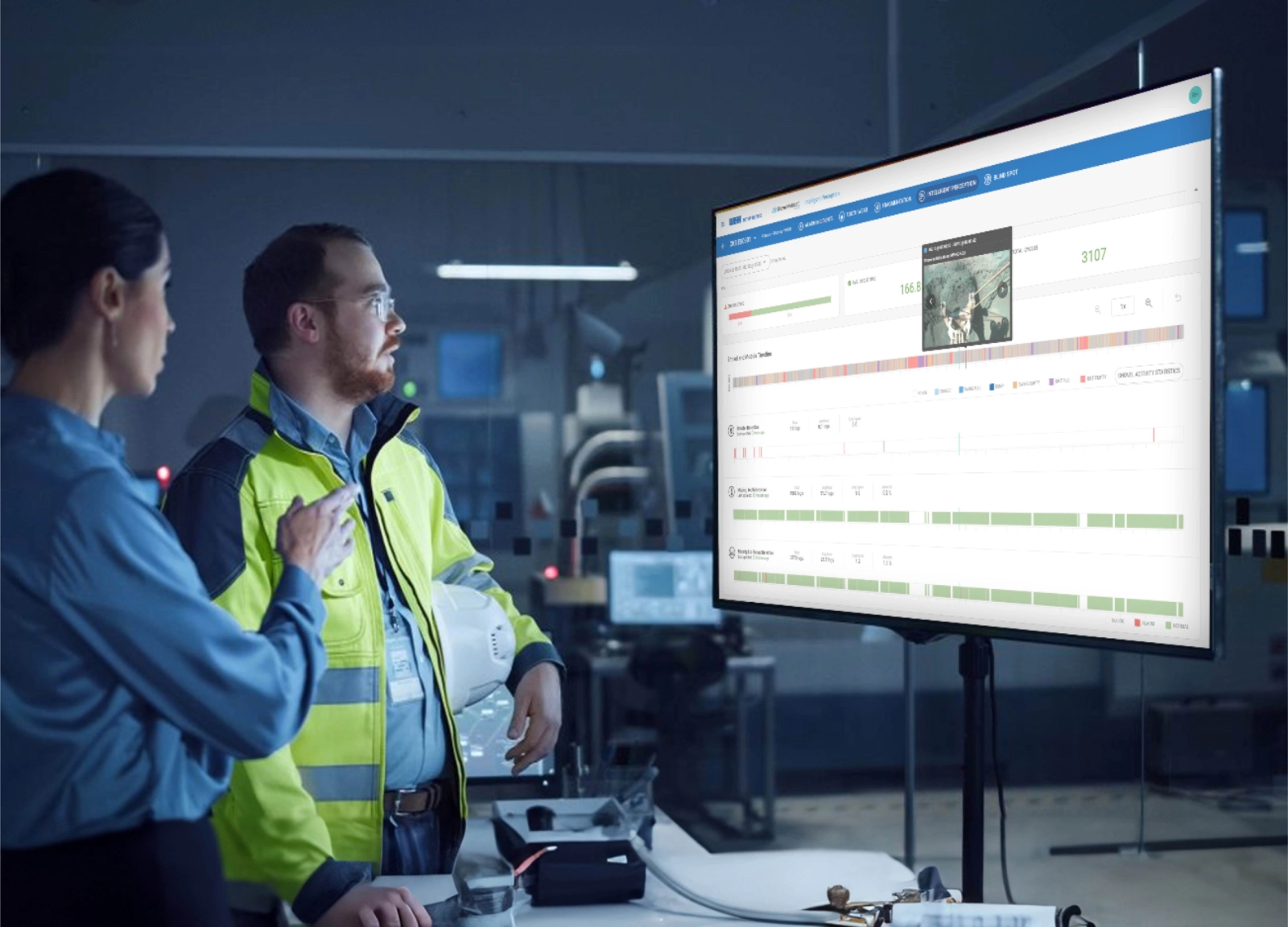
Weir’s digital solutions monitor equipment in real time, keeping performance in check, even when access is tough.

“The conclusion is clear: water and tailings management must be built into the flowsheet from the very first scoping study, otherwise operations risk locking in higher capital costs, increased operating expenditure and long-term liabilities that will be far more difficult – and costly – to address later,” he says.

“In a world where water risk is rapidly becoming capital risk, projects that treat water management as a front-end design discipline rather than a back-end compliance exercise are the ones most likely to secure funding, operate reliably and retain their social licence over the long term,” Koorts concludes.

SEW-EURODRIVE MARKS 40 YEARS OF DRIVING INDUSTRIAL PROGRESS IN SOUTH AFRICA

Four decades of engineering expertise, sustained local investment and close customer partnerships have positioned SEW-EURODRIVE South Africa as a significant drive technology and lifecycle solutions provider to industry across Africa.

SEW-EURODRIVE South Africa is celebrating its 40th anniversary in 2026, marking four decades of continuous investment in the engineering capability, infrastructure, skills and technologies needed to support an increasingly sophisticated industrial market.

SEW-EURODRIVE South Africa celebrates 40 years of engineering excellence, innovation and sustained investment in drive technology solutions for industry across Africa.

Established in South Africa in 1986, the company has evolved from its original geared motor offering into a comprehensive drive technology business encompassing industrial gear units, motors, electronics, automation, mechatronics, condition monitoring, application engineering and lifecycle services.

SEW-EURODRIVE South Africa has evolved over four decades from a geared motor supplier into a comprehensive provider of integrated drive technology, automation and lifecycle solutions.

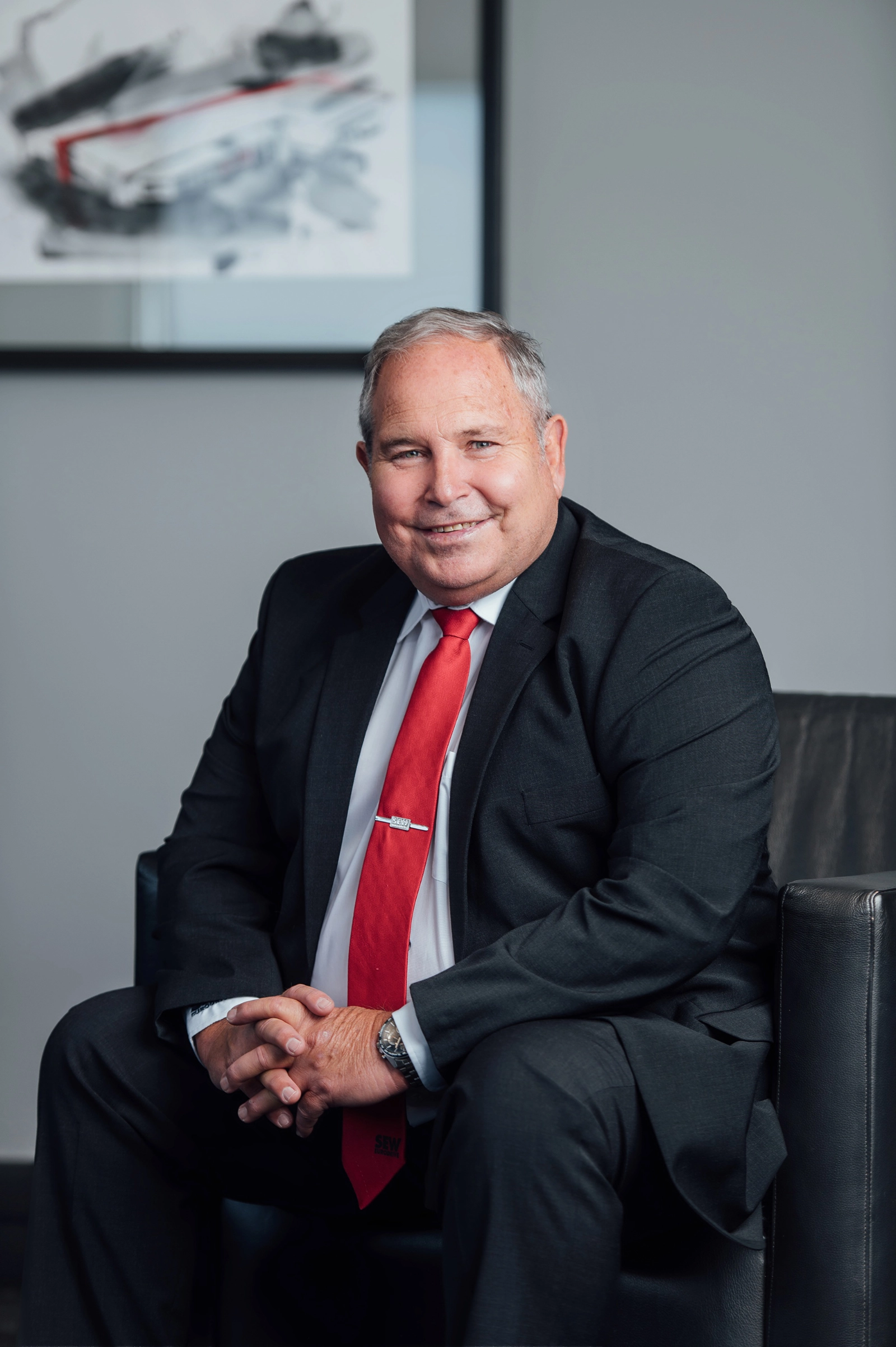
For Raymond Obermeyer, Managing Director of SEW-EURODRIVE South Africa, the significance of the milestone lies less in longevity than in the capability accumulated over that time.

“Forty years gives us a substantial heritage, but heritage only has value when it translates into something meaningful for our customers,” Obermeyer SAYS. “What we have built over four decades is a depth of engineering knowledge, local infrastructure and application experience that enables us to understand industrial challenges and take greater responsibility for the performance of a customer’s drivetrain throughout its lifecycle.”

SEW-EURODRIVE South Africa’s commitment to local engineering expertise enables the company to deliver application-specific drive solutions that improve reliability, efficiency and productivity.

This engineering philosophy was evident relatively early in the company’s local development. By the beginning of the 1990s, its engineers were moving beyond conventional product selection and considering factors such as torque requirements, load spectra, starting characteristics, duty cycles and environmental conditions when configuring solutions.

As customer applications became more demanding, SEW-EURODRIVE progressively expanded its technical capability. Its successful entry into large industrial gear units opened opportunities in heavy-duty mining and materials handling, while the introduction of mechatronics, variable speed drives and increasingly sophisticated automation technologies broadened its role beyond purely mechanical drive systems.

Continued investment in infrastructure, technology and technical capability has strengthened SEW-EURODRIVE South Africa’s ability to support increasingly complex industrial applications.

Today, platforms such as MOVI-C® integrate motion, control and automation, while DriveRadar® condition monitoring provides greater visibility into drivetrain condition by monitoring parameters including vibration, temperature, oil condition and gearbox performance.

According to Obermeyer, these developments reflect a fundamental shift in industrial engineering.

SEW-EURODRIVE South Africa combines mechanical engineering, electronics and automation expertise to deliver integrated drivetrain solutions tailored to customer requirements.

“A modern drivetrain cannot be considered as isolated components,” he says. “Mechanical equipment, motors, electronics, automation, energy consumption and operating conditions all influence performance. Increasingly, our value lies in understanding how that complete system works together and how it can be made more reliable, efficient and productive.”

SEW-EURODRIVE South Africa’s extensive local infrastructure and technical resources support customers throughout the drivetrain lifecycle, from initial engineering and installation to maintenance and refurbishment.

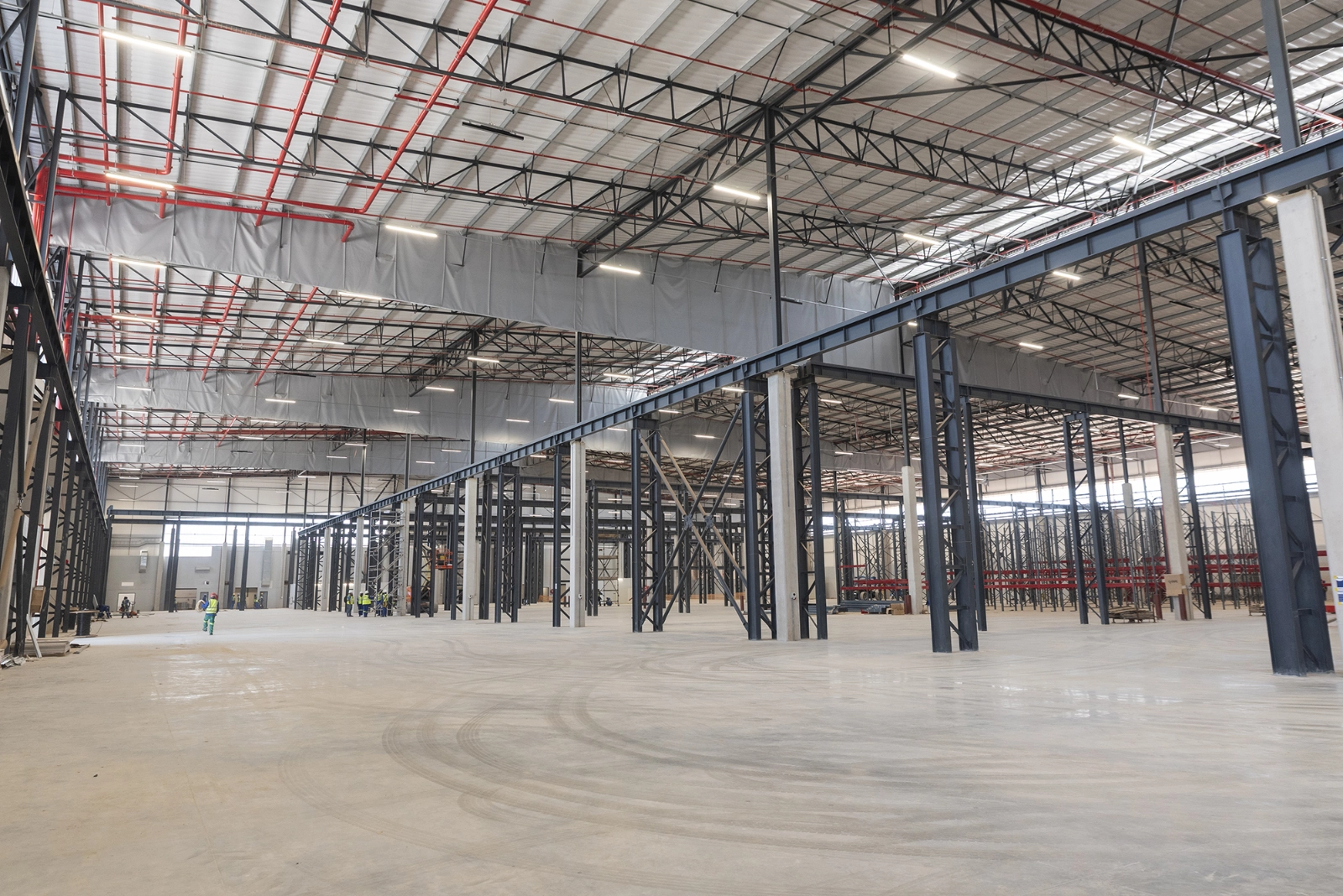
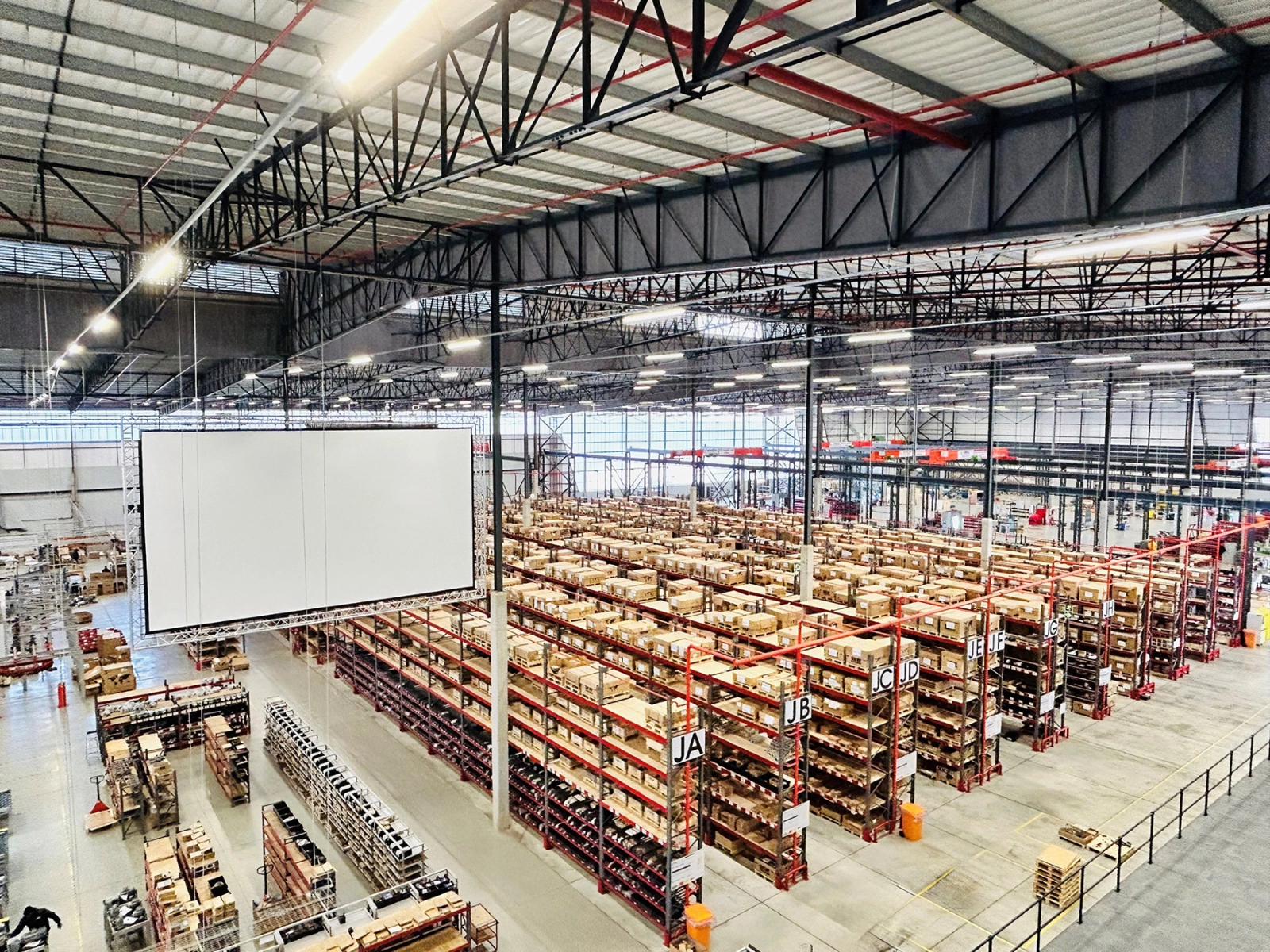
This capability is underpinned by significant investment in South Africa. SEW-EURODRIVE’s approximately 26 000 m² Aeroton headquarters, fully operational since 2022, consolidates engineering, assembly, stockholding, testing and project execution capability. Its substantial local inventory allows modular components to be configured around specific customer requirements, supporting faster response and reducing reliance on importing complete finished units.

The company has subsequently extended this investment into lifecycle support through its new Service and Repair Centre at Aeroton. The facility expands local capability in inspection, repair, refurbishment, remanufacturing, machining, motor repairs, coupling refurbishment, reverse engineering and drivetrain testing.

Skills development remains central to SEW-EURODRIVE South Africa’s long-term strategy, ensuring that technical expertise keeps pace with advances in industrial drive technology and automation.

Importantly, this expertise extends beyond SEW-EURODRIVE equipment, allowing the company to support ageing and legacy drivetrain assets from other manufacturers.

“For customers operating capital-intensive plants, replacing equipment is not automatically the best engineering or commercial solution,” Obermeyer says. “The ability to understand why an asset has failed, repair or improve it where appropriate and extend its productive life can deliver significant value.”

With 40 years of experience and a growing footprint across Africa, SEW-EURODRIVE South Africa continues to invest in the engineering capabilities, technologies and services needed to meet future industrial challenges.

Skills development remains equally important. Established in 2011, the SEW-EURODRIVE DriveAcademy® develops the technical competencies needed to support increasingly complex mechanical, electronic and automation technologies.

The scale of the South African operation also reflects its expanding regional role. By 2026, it supports activities across 24 African countries, with South Africa providing engineering, assembly, stockholding, service and project execution capability to customers across the continent.

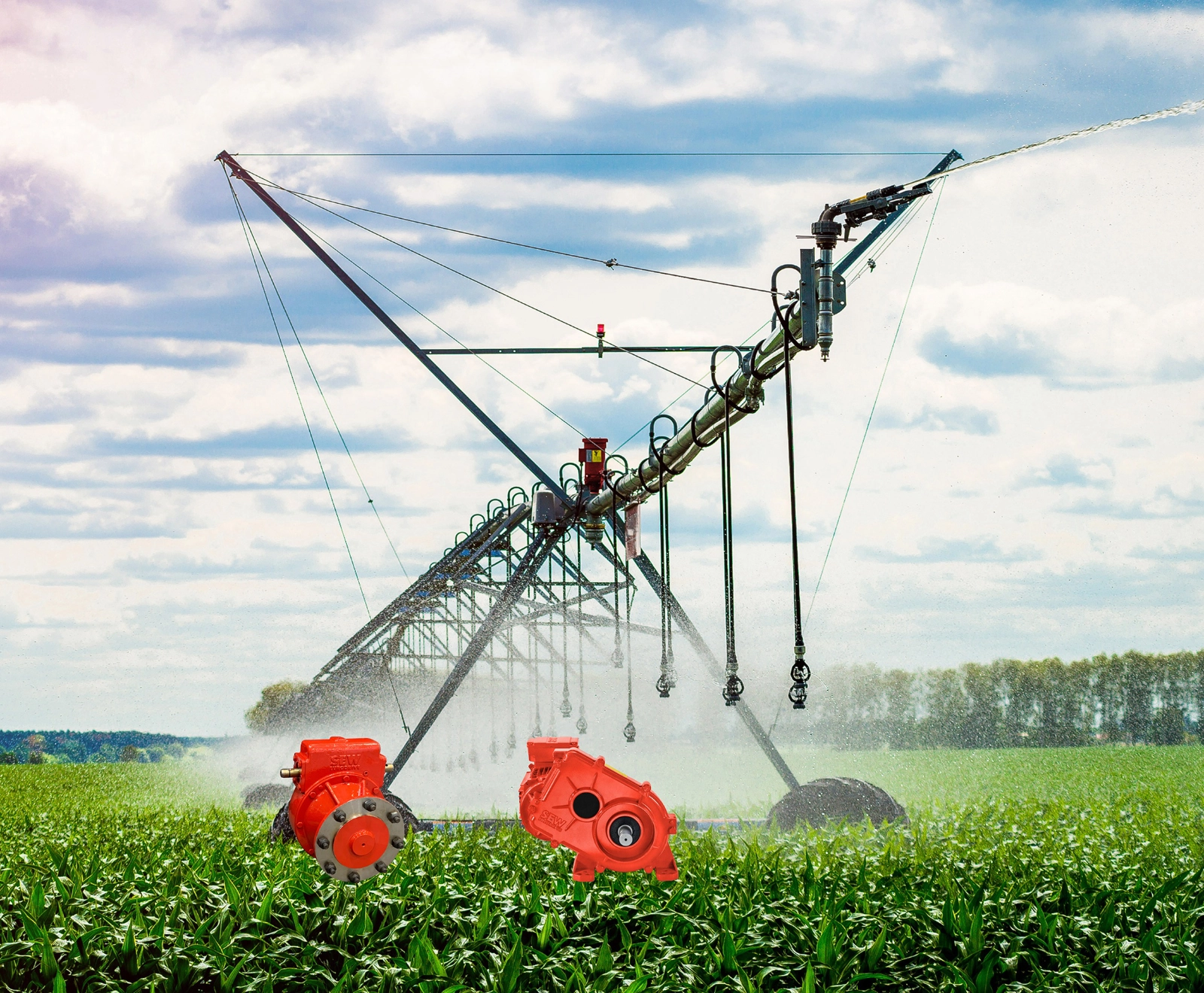
SEW-EURODRIVE South Africa supports the agricultural sector with robust, energy-efficient drive technology solutions designed to improve equipment reliability, optimise productivity and minimise downtime across agricultural processing and materials handling applications.

Obermeyer believes this depth of local competence will become even more important as African mining, manufacturing, infrastructure, energy and processing industries develop.

Raymond Obermeyer, Managing Director of SEW-EURODRIVE.

“Our 40th anniversary is an opportunity to recognise what has been built, but it is equally about where we go next,” he concludes. “Industry will continue to demand higher availability, greater efficiency, more intelligence and stronger lifecycle support.”

“The real value of our 40 years is the engineering knowledge we can now apply to the next generation of industrial challenges.”

SANDVIK REBORN PROGRAMME GIVES AGEING CRUSHERS A SECOND UPGRADED LIFE

Mines and quarries across Africa are pushing to maximise output from existing infrastructure while keeping capital expenditure under tight control – and Sandvik Rock Processing’s Reborn programme does just this for ageing crushing equipment.

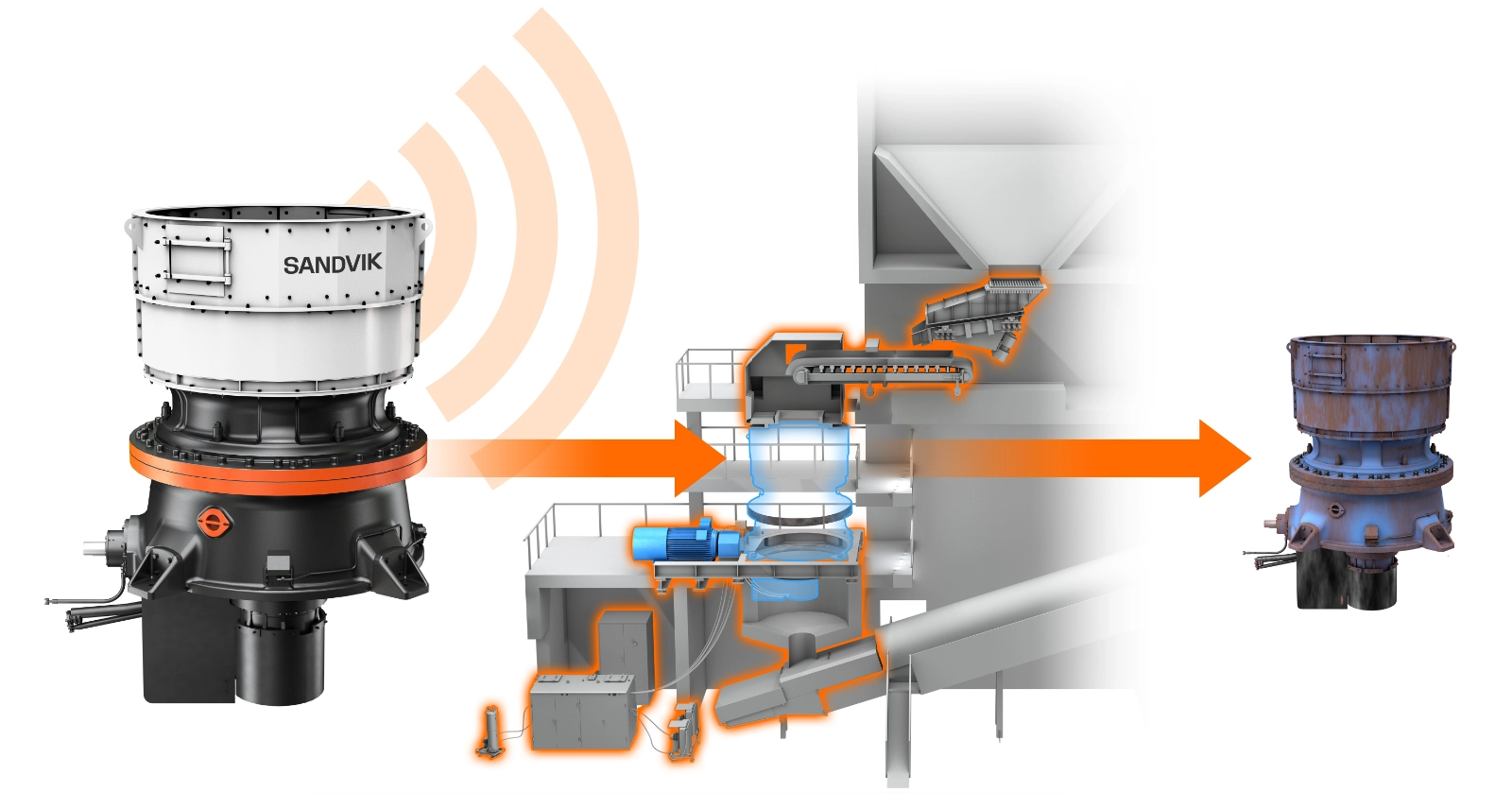
“Our Reborn programme is more than a refurbishment,” says PC Kruger, Business Line Manager Crushing at Sandvik Rock Processing. “Rather, it is a strategic lifecycle solution that enables customers to renew critical crushing assets while improving reliability, incorporating newer technology and extending operational life.”

This approach has become increasingly relevant in Africa, Kruger points out, where many crushing circuits installed during earlier mining and quarrying expansions are now reaching maturity. He highlights that a crusher is not an equipment item that customers replace every few years.

“If it was installed two decades ago and is still at the heart of the process plant, the question becomes: how do you restore performance and reliability without rebuilding the whole operation around it?” he explains.

PC Kruger, Business Line Manager Crushing at Sandvik Rock Processing.

The Reborn programme answers this question by replacing the crusher itself – fully assembled and factory tested – while retaining supporting infrastructure such as motors, lubrication systems, filters and structural steelwork wherever practical.

“The footprint remains the same, so the replacement crusher fits directly into the existing plant layout,” Kruger says. “That means customers can remove their old unit during a planned shutdown and install the Reborn crusher in its place with minimal disruption. It becomes a plug-and-play replacement with the benefit of modern technology.”

This approach carries significant advantages over a traditional site-based refurbishment. Transport logistics alone severely complicate the conventional process of refurbishment. Removing a crusher from a remote site, transporting it to a workshop, rebuilding it and returning it to operation can create extended downtime and substantial cost – especially in regions where access to specialised engineering infrastructure is limited.

“In many parts of Africa, the logistics are incredibly challenging and costly, especially when moving heavy equipment across borders to a workshop and back again,” Kruger says. “With Reborn, the customer gets a factory-approved replacement installed quickly, while avoiding the downtime and risk associated with stripping and rebuilding an ageing machine in the field.”

Benita Gajoo, Sandvik Rock Processing’s Aftermarket Lead for Africa.

Installing a Reborn crusher also ensures that OEM tolerances, materials and testing are observed. He notes that when crushers are repaired component by component over many years wear accumulates and parts often do not mesh the way they should.

“With Reborn, customers receive a crusher built to original specifications, tested in the factory and backed by Sandvik Rock Processing,” he says. “That gives them confidence in reliability and performance from day one.”

Benita Gajoo, Sandvik Rock Processing’s Aftermarket Lead for Africa, highlights that Reborn crushers incorporate the latest upgrades such as redesigned internal components, improved wear performance, updated mechanical assemblies and refinements that make servicing easier and safer.

“These upgrades also help to support customers’ growing priorities around sustainability and resource efficiency,” Gajoo says. “Beyond throughput and economy, customers are increasingly focused on efficiency, energy use and environmental performance. Reborn supports that by upgrading critical equipment without replacing everything around it.”

Sandvik Rock Processing's Reborn programme restores crusher performance, improves reliability and extends operational life.

This allows the mine to avoid scrapping its entire crusher installation and to instead retain components with service life.

“That is a more sustainable use of resources and a smarter long term approach to plant management,” she says.

The widely varying conditions across Africa mean that Sandvik Rock Processing treats each Reborn project as site-specific. Existing infrastructure is assessed, ancillary systems are inspected and recommendations are made based on plant condition, duty cycle and customer production targets.

“We are happy to go to site for inspections and discussions, to help the customer decide what makes sense,” Kruger says. “In some cases, most of the existing auxiliary equipment can be retained while in others, it may be worthwhile to conduct additional upgrades. It is about finding the best technical and economic fit for that operation.”

SANDVIK LEADS THE SHIFT TOWARDS PROCESS-LED ROCK PROCESSING

Electra Mining Africa underscored a significant shift in the priorities of mining and quarrying operations. As producers face mounting pressure to increase productivity while reducing energy consumption, operating costs and environmental impact, attention is increasingly turning towards optimising entire processing circuits rather than focusing on the performance of individual pieces of equipment.

According to Tarynn Yatras, Vice-President Sales Area Africa for Sandvik Rock Processing, discussions with customers throughout the exhibition consistently reinforced the growing importance of adopting a process-wide approach to improving plant performance.

"Across both mining and quarrying, customers are looking beyond individual machines," Yatras explains. "Interactions at Electra Mining Africa confirmed that operators increasingly want partners who understand the complete process and can help optimise the entire crushing and screening circuit. The greatest opportunities now lie in improving how the whole system performs rather than simply replacing individual pieces of equipment."

This marks a significant evolution in how optimisation is approached. Historically, improvements focused on individual assets, with crushers configured to maximise throughput, screens adjusted to improve separation efficiency and downstream equipment optimised independently. While these initiatives delivered benefits, they often overlooked the highly interconnected nature of modern processing plants.

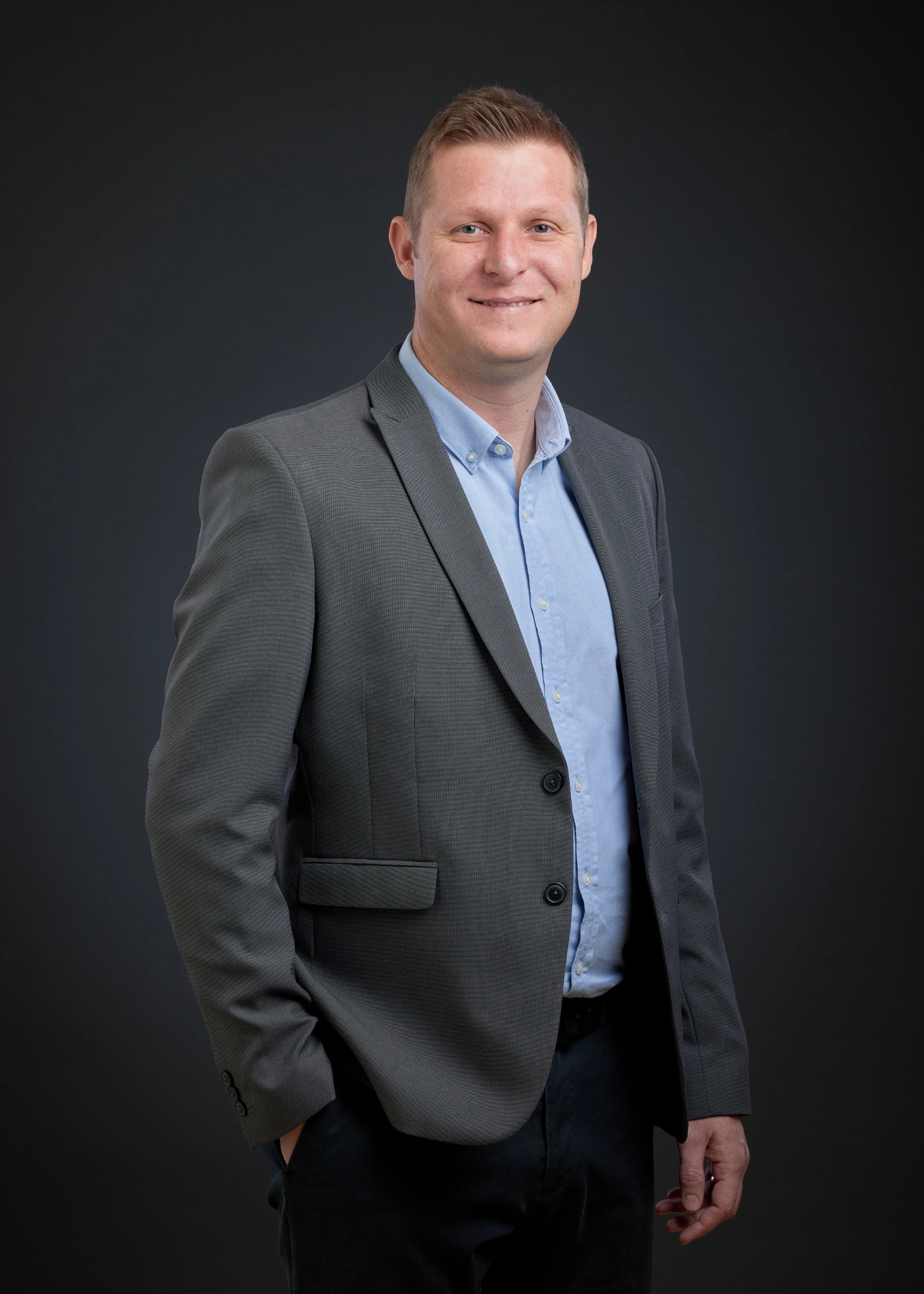
Tarynn Yatras, Vice-President Sales Area Africa for Sandvik Rock Processing

"In reality, every stage of the process influences the next," Yatras says. "A change to crushing performance affects screening efficiency, downstream classification, grinding performance, recovery and ultimately overall plant productivity. True optimisation requires understanding these interactions and designing the process accordingly."

The increasing complexity of ore bodies, ongoing pressure to maximise existing infrastructure and tighter capital budgets have made this systems-based approach more important than ever.

Supporting this shift is Sandvik Rock Processing's Engineering-to-Order (ETO) philosophy which recognises that no two operations are identical. Rather than offering standardised solutions, the company works closely with customers to engineer processing solutions around their specific orebody characteristics, production targets and operational requirements.

The Sandvik CH442 cone crusher delivers dependable hard rock crushing performance, combining a robust design with advanced automation to support consistent product quality, higher productivity and improved uptime.

Yatras explains that Engineering-to-Order reflects a fundamentally customer-centric approach to process optimisation.

"Every operation presents its own combination of ore characteristics, production targets, site constraints and operating conditions," she says. "Engineering-to-Order allows us to develop solutions specifically around each customer's process rather than expecting customers to adapt their process to standard equipment."

She says this philosophy is becoming increasingly important as mines seek to improve productivity without necessarily investing in entirely new plants.

"Much of today's opportunity lies in helping customers unlock more value from existing assets through better process design, improved equipment integration and continuous optimisation. That requires close collaboration with customers and a detailed understanding of how their complete operation functions."

The Sandvik UJ443E jaw crusher brings fully electric operation to high-capacity primary crushing, helping reduce operating costs and emissions while maintaining reliable performance in demanding mining environments.

This collaborative engineering approach is supported by Sandvik Rock Processing's broad portfolio of stationary and mobile jaw, cone and impact crushers, vibrating screens, feeders, scalpers, rock breakers and digital process technologies. However, Yatras stresses that equipment is only one component of the overall solution.

"Our role begins long before equipment selection," she says. "It starts with understanding the customer's application, production objectives and operational challenges so that we can engineer the most effective processing solution. Equipment is simply the platform that enables that solution."
One of the clearest examples of system-level optimisation can be found in comminution. Grinding remains one of the largest consumers of energy within mineral processing. By improving crushing efficiency, optimising screening performance and delivering a more consistent feed to downstream grinding circuits, operators can significantly reduce energy demand while improving throughput, plant stability and overall operating efficiency.

Sandvik rock breakers provide controlled, high-impact breaking of oversized material, helping prevent blockages and maintain a steady, efficient flow through the crushing process.

"Every millimetre of size reduction achieved efficiently during crushing reduces the amount of work required later in the process, where energy consumption is significantly higher," Yatras explains. "That benefits both operating costs and sustainability."
Digital technologies are further accelerating this transition. Advanced process monitoring, equipment automation and real-time performance data now enable operators to identify developing bottlenecks before they impact production. Rather than reacting to process disturbances, plants can increasingly maintain stable operating conditions through continuous monitoring and optimisation.

"The objective is predictable, consistent performance," Yatras says. "Greater visibility across the processing circuit enables operators to make informed decisions that improve throughput, extend equipment life and reduce unnecessary energy consumption."

Yatras believes this combination of engineering expertise, digital technologies, equipment tailored to customer processing requirements and long-term customer collaboration is redefining what process optimisation means for the industry.

The Sandvik ACS-c 5 ASRi HMI provides operators with real-time process visibility and advanced automation capabilities to optimise crusher performance, improve availability and maintain consistent product quality.

"The strong interest shown at Electra Mining Africa reinforced that customers increasingly value technical partners who understand the complete processing ecosystem," she says. "As operations become more complex and sustainability expectations continue to rise, process optimisation will increasingly depend on integrating engineering expertise, equipment, automation and customer knowledge into one continuous improvement journey."

Yatras concludes that the future of rock processing will not be defined by individual machines, but by how effectively complete processing systems are engineered, integrated and continuously refined.

"Performance is no longer measured by what one crusher or one screen can achieve," she says. "It is measured by how efficiently the entire process works together. That systems approach is ultimately what will deliver the next generation of productivity, sustainability and operational resilience."

POWER QUALITY BECOMES A STRATEGIC PRIORITY FOR MODERN INDUSTRIAL OPERATIONS

As industrial facilities become increasingly automated and electrically complex, power quality is emerging as one of the most important factors influencing operational reliability, equipment lifespan and energy efficiency. While much attention is often focused on ensuring a continuous power supply, the quality of that power is equally critical in determining how effectively electrical infrastructure performs.

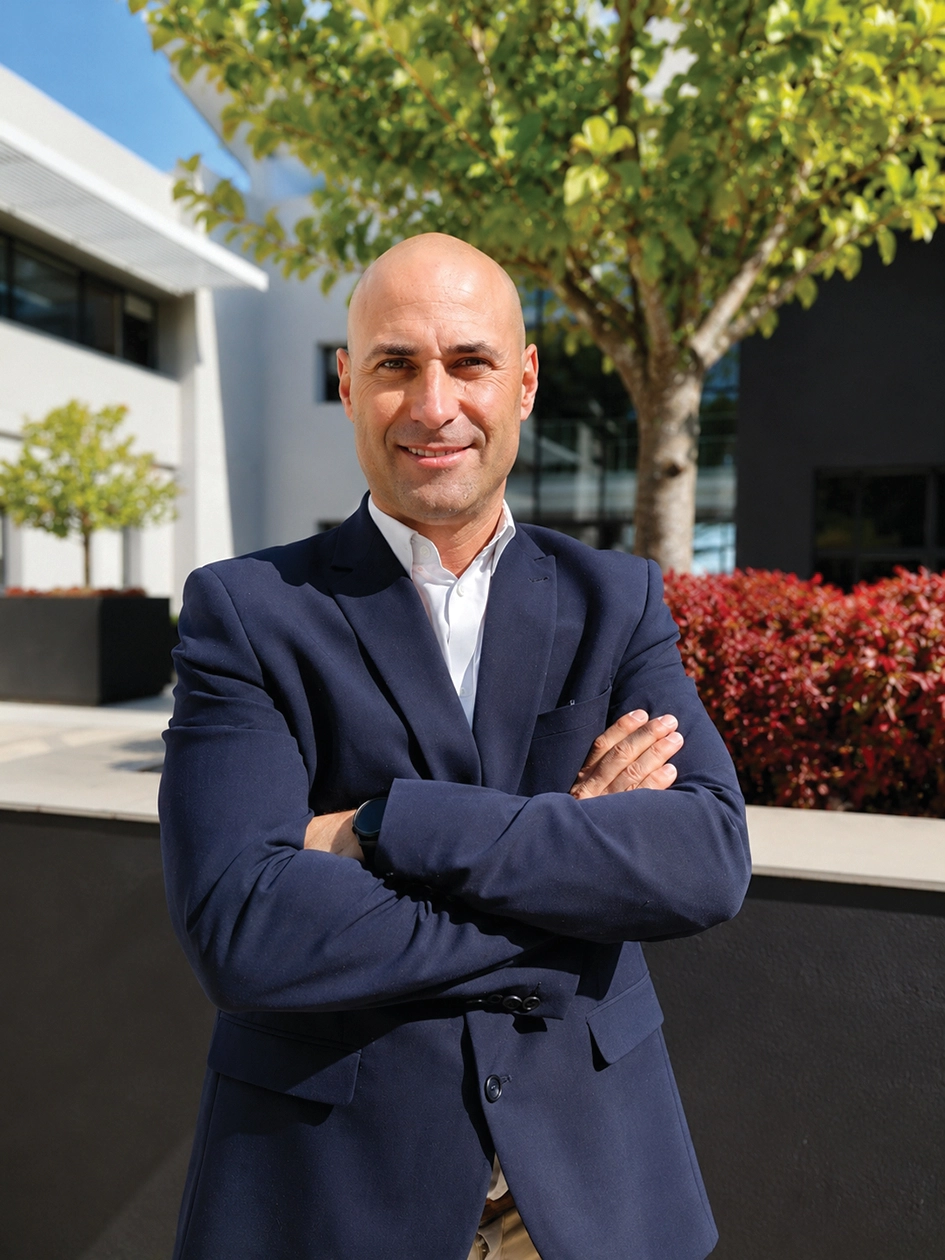
David Claassen, Managing Director of Trafo Power Solutions, says many operations continue to underestimate the cumulative impact that poor power quality can have across an entire plant.

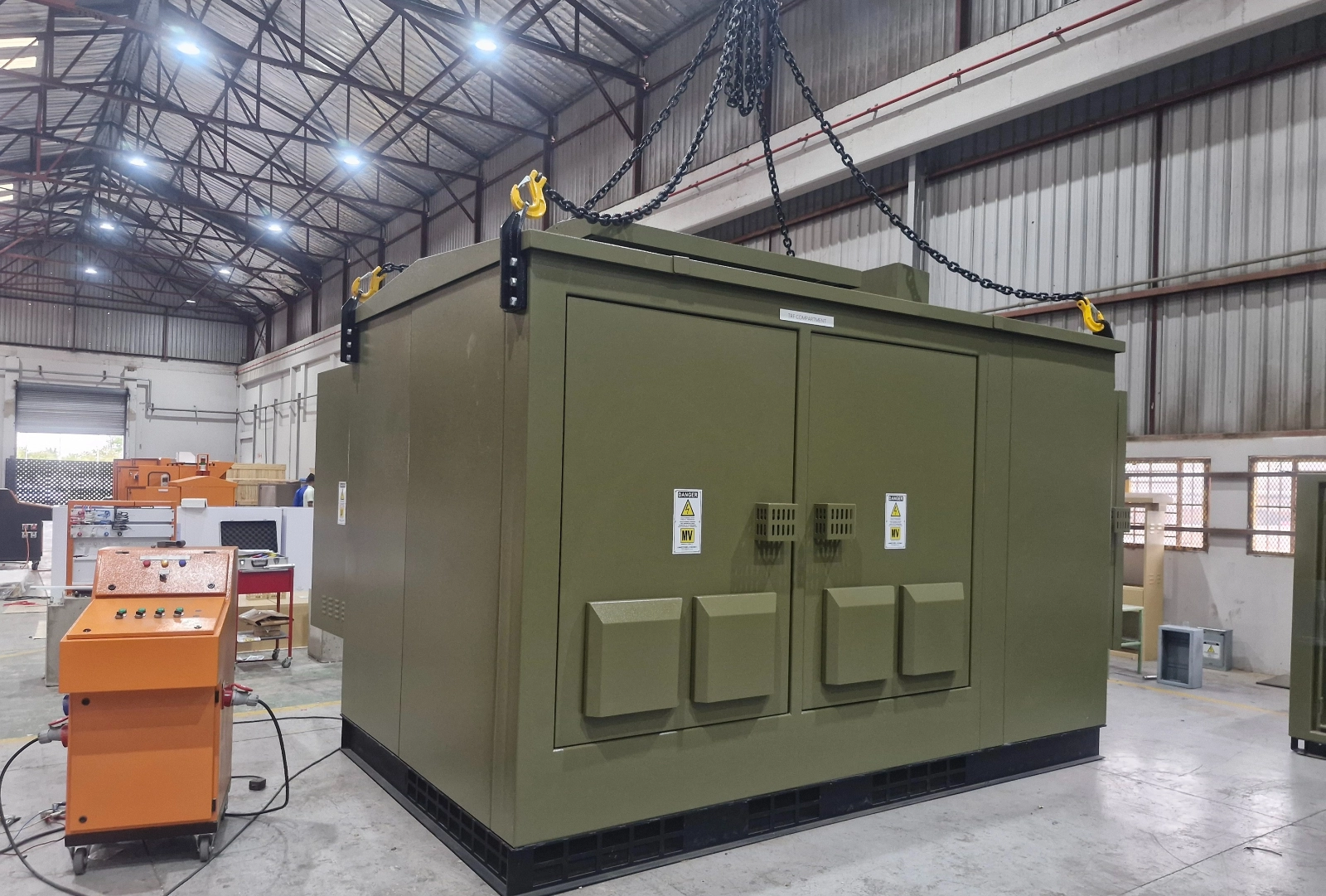
Power quality plays a critical role in protecting electrical equipment, improving efficiency and maintaining reliable industrial operations.

"Reliable electricity is about far more than simply keeping the lights on. Voltage stability, harmonic distortion, phase balance and transient events all influence how efficiently electrical equipment operates. Poor power quality can silently reduce equipment life, increase maintenance costs and cause unnecessary production interruptions," Claassen explains.

Properly engineered transformer solutions help stabilise electrical networks and minimise the impact of voltage fluctuations and harmonics.

Modern industrial facilities typically operate a wide range of sophisticated electrical equipment including variable speed drives (VSDs), programmable logic controllers (PLCs), automation systems, high efficiency motors, switchgear and sensitive electronic controls. While these technologies improve productivity and energy efficiency, they are also significantly more sensitive to fluctuations in power quality than conventional equipment.

Voltage sags, swells and short-duration interruptions can cause drives to trip, PLCs to reset and automated production lines to stop unexpectedly. Even brief disturbances lasting only milliseconds may result in costly downtime, product losses and lengthy restart procedures in continuous process industries.

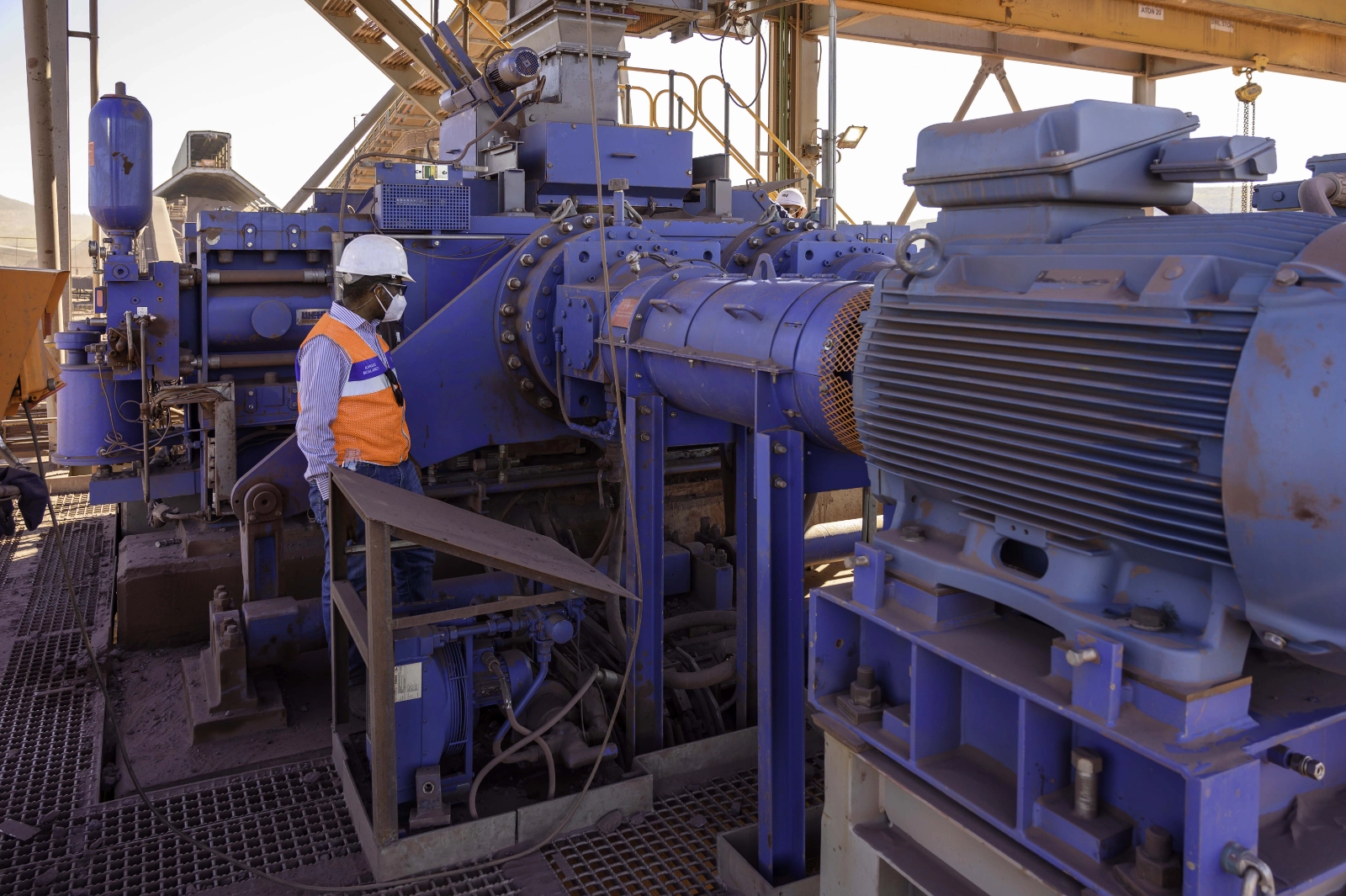
Reliable power quality is essential for reducing downtime, extending equipment life and supporting continuous production.

Equally problematic are harmonic distortions generated by non-linear electrical loads such as VSDs, rectifiers, UPS systems and renewable energy inverters. These harmonics distort the normal sinusoidal waveform of the electrical supply, increasing heat generation within transformers, motors and cables while reducing overall system efficiency.

Excessive harmonic currents can accelerate insulation ageing, overload neutral conductors, increase transformer losses and interfere with the operation of protective relays and communication equipment. Over time, these effects contribute to higher maintenance costs and premature equipment replacement.

Modern industrial facilities depend on stable electrical networks to maximise automation, productivity and operational performance.

Power factor also plays an important role in overall power quality. Poor power factor forces electrical networks to carry higher currents than necessary, increasing losses throughout the distribution system and reducing available network capacity. Correctly engineered transformer systems form an important part of an integrated approach to maintaining stable voltage profiles and supporting efficient power factor correction.

Effective transformer design forms a key part of building resilient, efficient and reliable electrical infrastructure.

Claassen notes that transformer selection should never be based solely on voltage conversion requirements. "A transformer is a critical component of the entire electrical network. Its impedance, insulation system, thermal design, short-circuit withstand capability and efficiency all influence how the network performs under varying operating conditions. A properly engineered transformer contributes directly to network stability and long-term reliability."

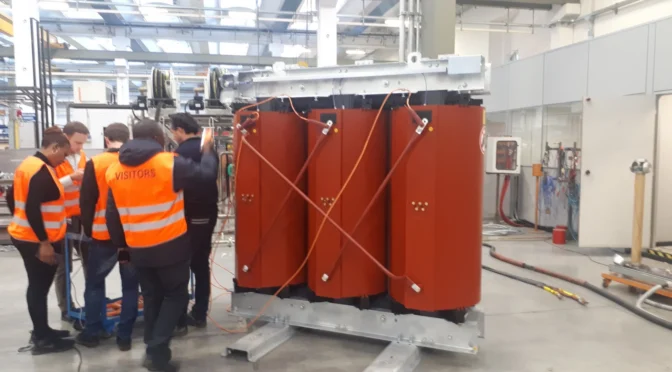
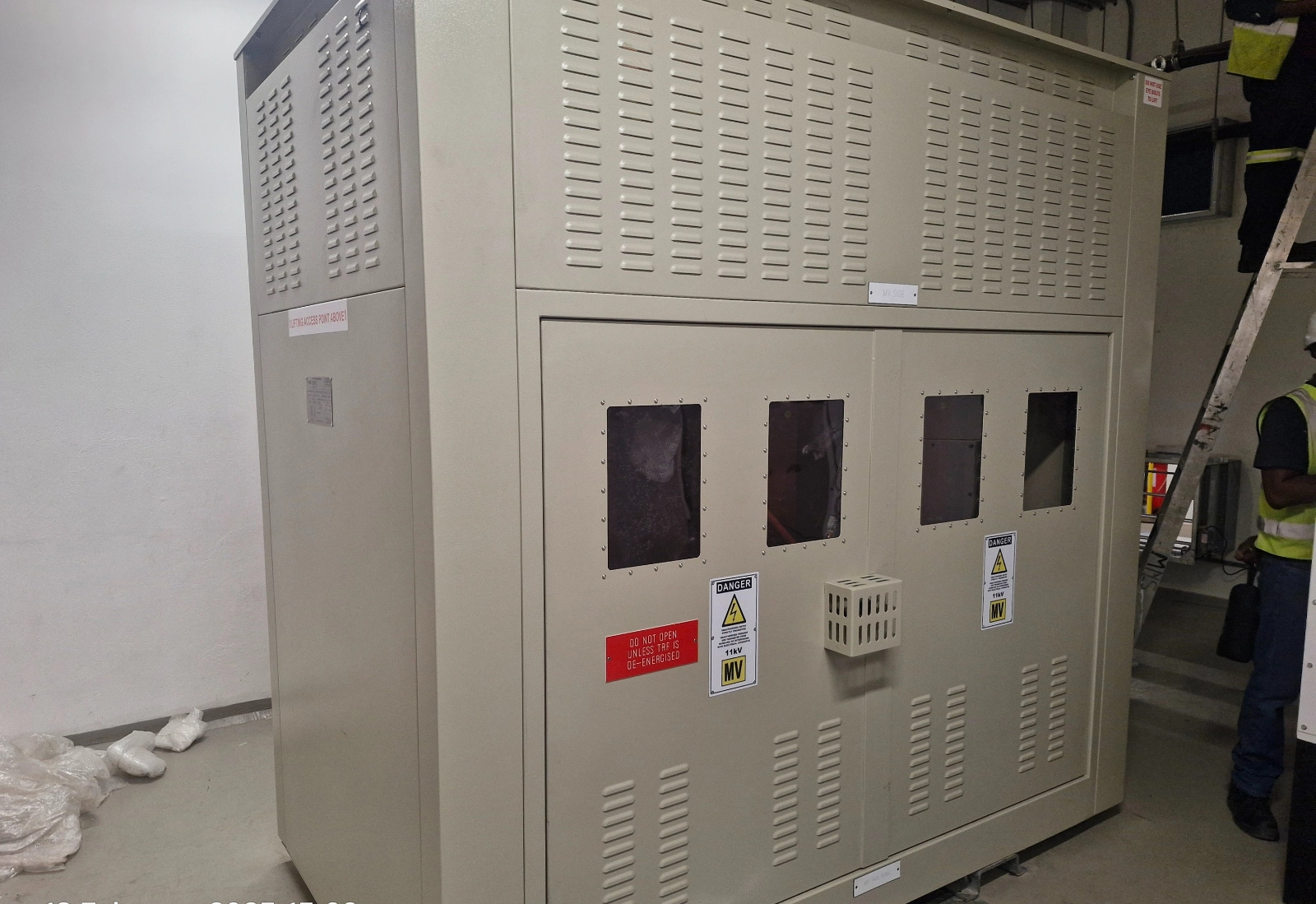
Dry-type transformers are increasingly being selected for applications where stable performance, safety and reduced maintenance are priorities. Their robust insulation systems, excellent thermal characteristics and resistance to environmental contamination make them well suited to demanding industrial environments including mining, processing plants, data centres, manufacturing facilities and renewable energy installations.

Managing power quality helps industrial operations optimise energy efficiency while protecting critical electrical assets.

Modern dry-type transformers also offer low losses under both no-load and full-load conditions, improving overall system efficiency while reducing operating costs throughout the equipment's service life. When designed specifically for the application's load profile, ambient temperature and installation environment, they help maintain voltage regulation under varying demand conditions and minimise unnecessary energy losses.

However, Claassen emphasises that transformers alone cannot solve every power quality issue.

Well-engineered electrical systems provide the stable power foundation required for today's increasingly automated industries.

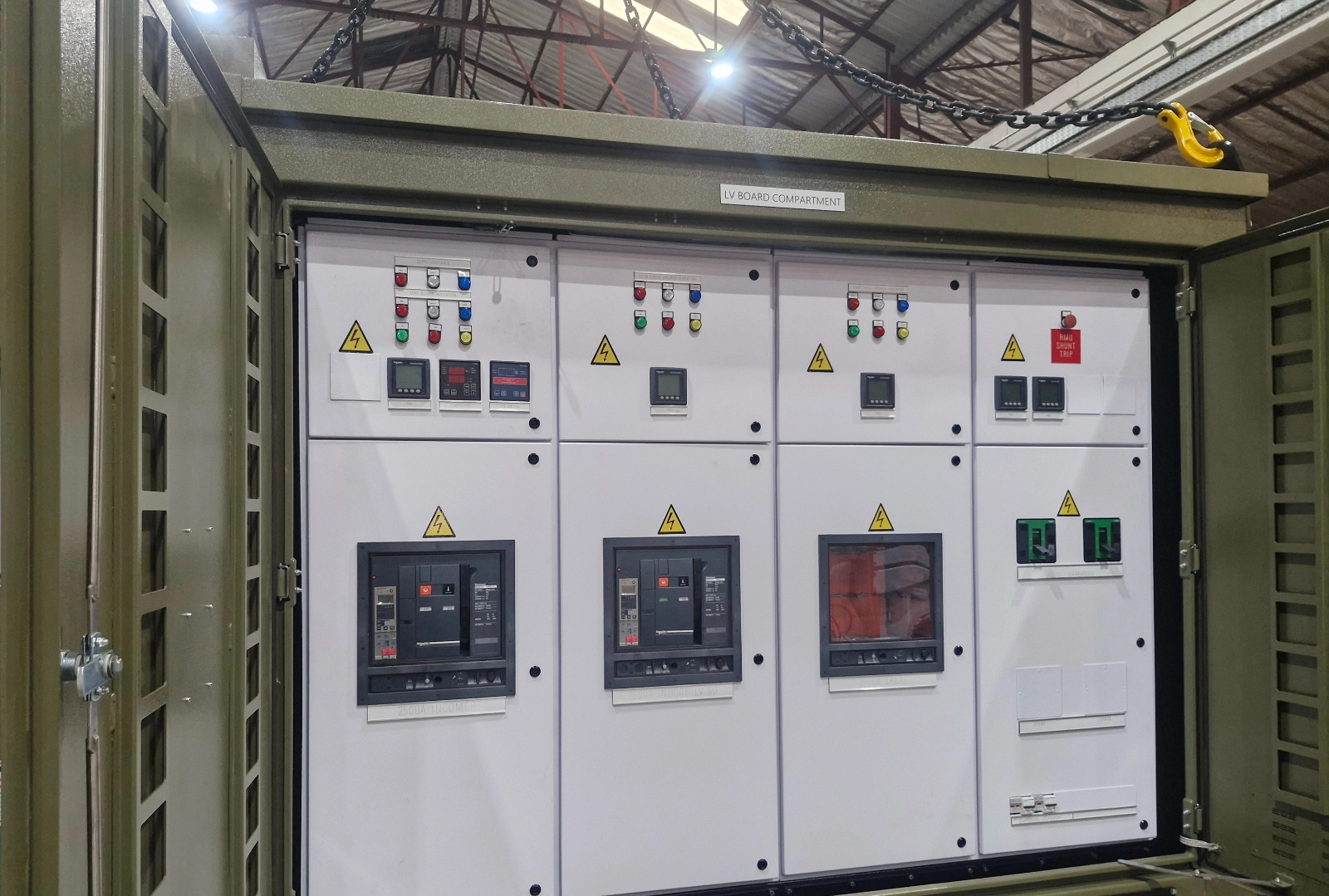
"Effective power quality management requires a holistic engineering approach. Every installation must consider load characteristics, fault levels, harmonic content, environmental conditions and future expansion. Transformers need to be correctly integrated with switchgear, protection systems and the wider electrical distribution network to deliver optimum performance," he says.

David Claassen, Managing Director of Trafo Power Solutions

As industries continue adopting digital technologies, automation and renewable energy integration, electrical networks are becoming increasingly dynamic and technically demanding. Distributed generation, battery energy storage systems, electric drives and intelligent control systems all place additional emphasis on maintaining stable power quality.

"The electrical network has become a strategic asset rather than simply a utility service," Claassen concludes. "Investing in properly engineered transformer solutions and sound electrical system design protects valuable equipment, improves operational efficiency and creates the stable power platform that modern industry depends on."

PILOT CRUSHTEC USES DECADES OF EXPERIENCE TO DE-RISK CRUSHING AND SCREENING PROJECTS

For many mining and quarrying projects, the temptation is to rush from concept to equipment selection, with front-end engineering design (FEED) treated as a formality. Crushing and screening specialist Pilot Crushtec takes the opposite view. Drawing on decades of experience in Africa, the company has made proper FEED studies the cornerstone of its project approach. The company uses this wealth of knowledge to identify gaps, challenge assumptions and guide its customers towards proven, optimised solutions.

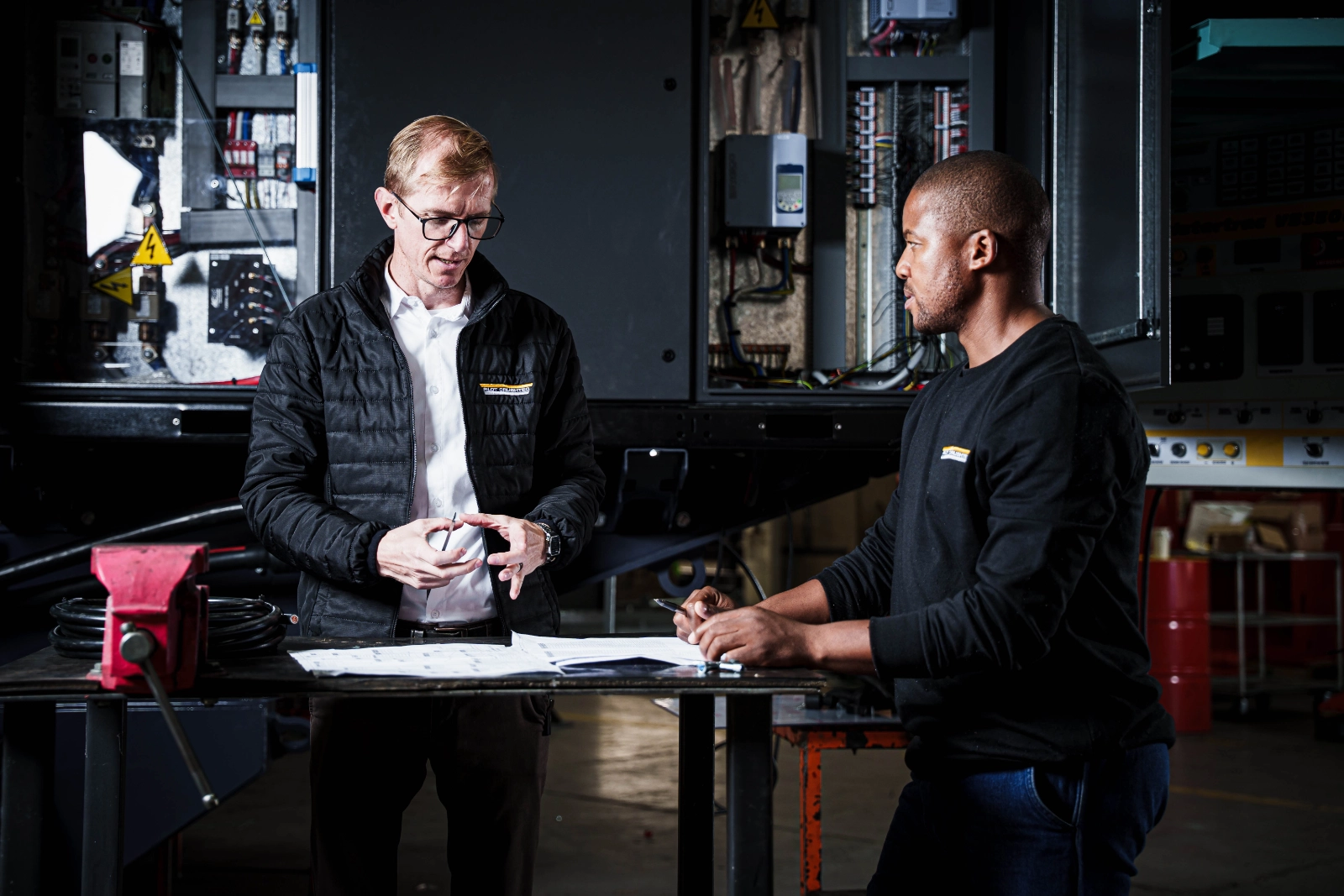
Jorge Abelho, Director Technical Support at Pilot Crushtec.

Jorge Abelho, Director of Technical Support at Pilot Crushtec, states that it is vital to do the correct FEED study. “If this is not done, the equipment selection, the plant layout and the process won’t work out correctly and you end up having to do changes later. This can be very costly and difficult.”

Successful plants are built on collaboration, technical expertise and a commitment to achieving the right solution from the outset.

He points out that once a plant is built, the room for correction is limited. “If you have got the wrong process layout and you want to try to change it in an operational plant, that is a major disruption. So, it is a lot more costly down the line.”

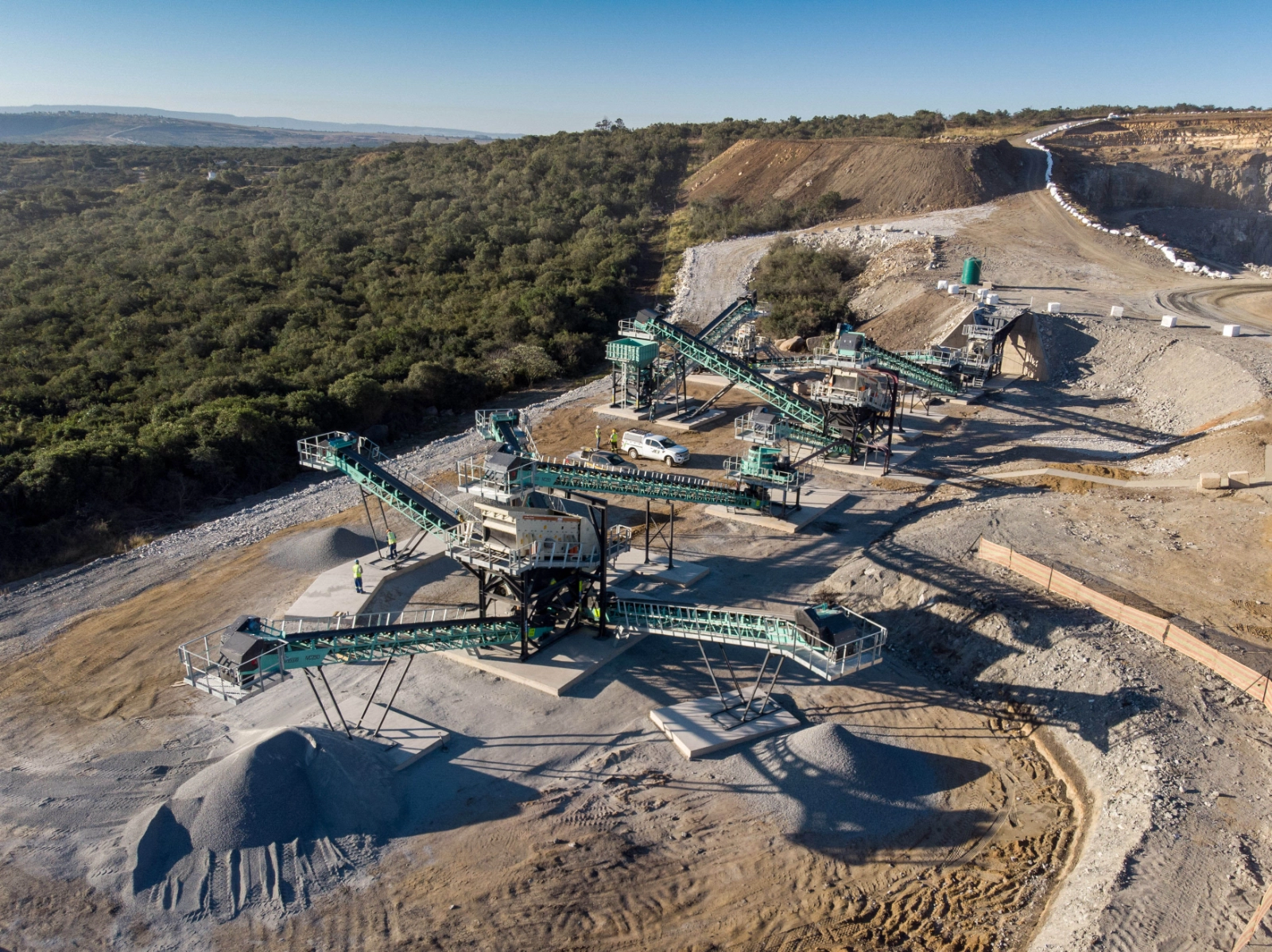
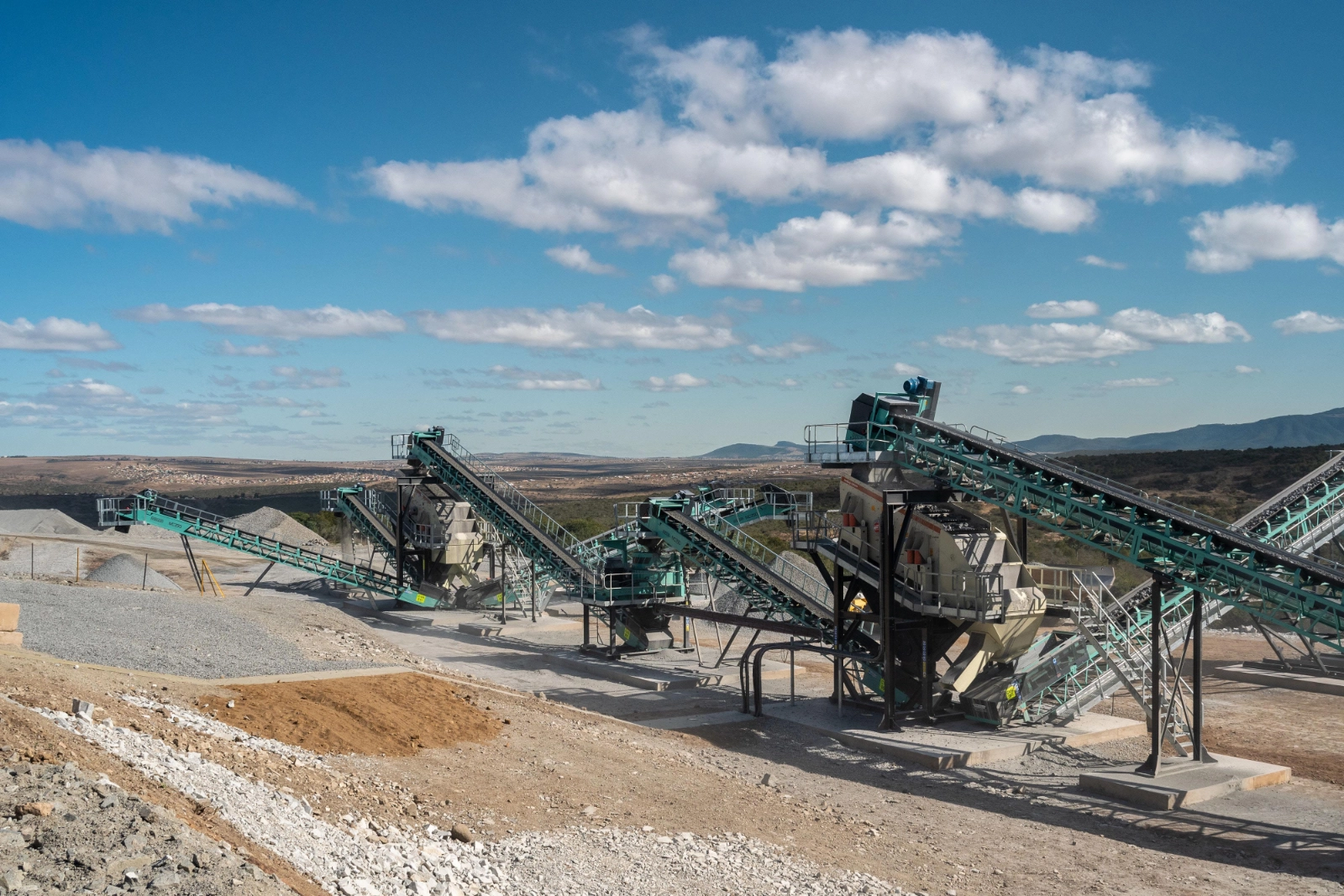
Modular plant designs deliver scalable and efficient solutions configured around each customer’s specific operational requirements.

In practice, many FEED studies sent to Pilot Crushtec require further refining. Here, experience plays a critical role in exposing what is missing and, more importantly, what that means for the plant. “Often, to identify potential gaps, a sales engineer will go to a site and engage with a customer. Here we ask questions such as: What are your challenges? What is your maximum feed size? What is your grading?” Abelho adds.

Standardised modular components enable faster implementation while maintaining the required levels of performance.

Once the gaps are understood, Pilot Crushtec leans heavily on decades of installations across Africa to challenge initial concepts. That experience allows the team to propose process routes and equipment selections that may differ from a client’s starting point but are grounded in real-world performance.

According to Abelho, in some cases, this means rethinking the entire flowsheet. “For example, sometimes depending on the grading and the blasting, you should choose a screening plant and not necessarily a crushing plant. This is a more cost effective option. That insight, backed by reference cases, can materially reduce both CAPEX and OPEX,” he states.

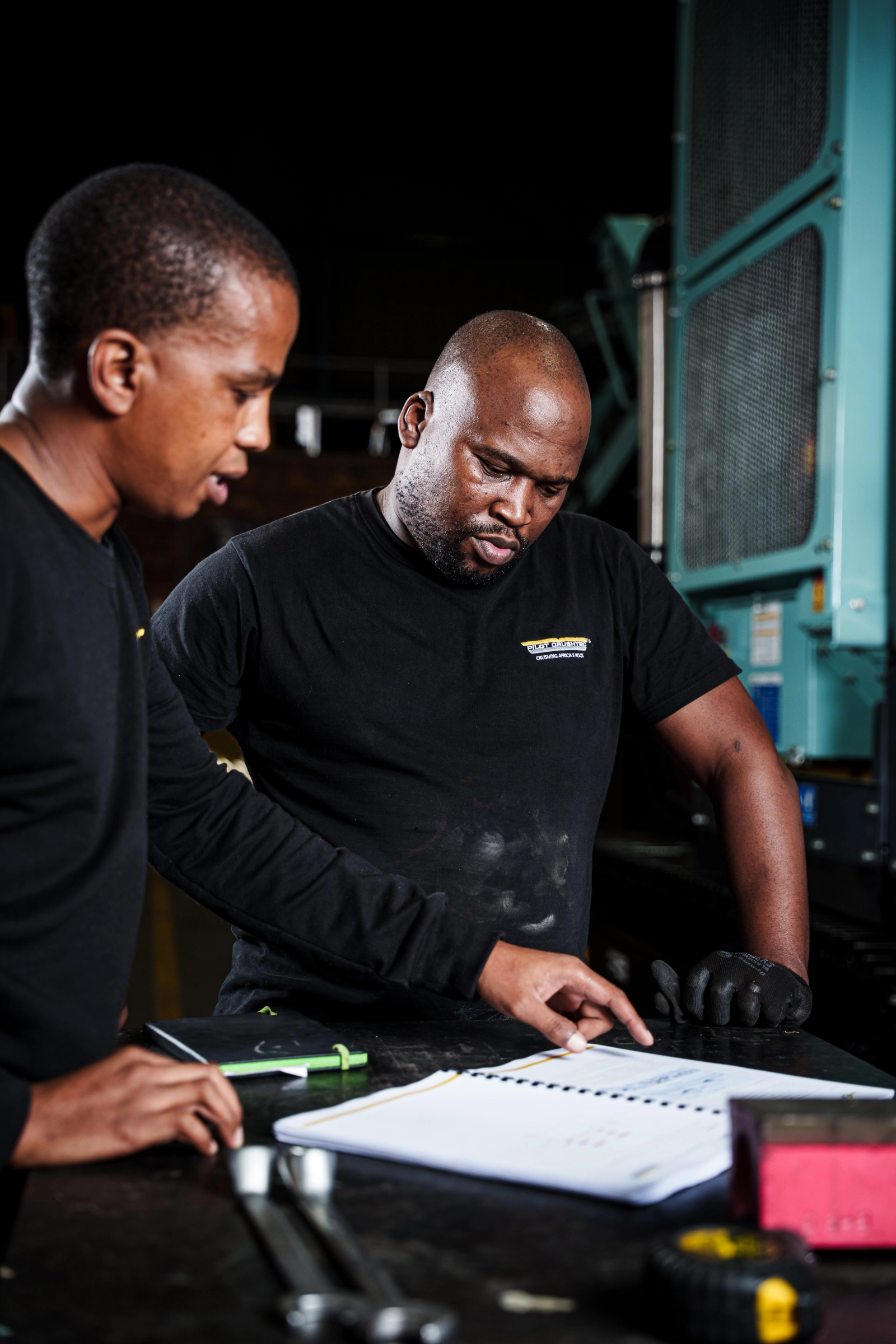
From initial concept through to completion, our team works collaboratively to deliver solutions engineered for reliable performance.

Beyond identifying gaps and proposing concepts, Pilot Crushtec actively supports both its customers and consulting engineers in turning FEED into buildable, operable plants. Its in-house engineering team develops modular layouts, checks fit and interfaces and translates process concepts into practical configurations. “Our approach is that we design modular equipment for a plant. This means selecting equipment depending on the customer’s specific application,” Abelho explains.

The modular approach simplifies installation, ongoing support and future expansion while helping to maximise productivity.

He adds that the company follows a “simple by design” philosophy that avoids unnecessary complexity in its crushing and screening plants, especially for remote African operations. Instead of layering on advanced, electronics-heavy systems, the company focuses on robust modular equipment that is easy to understand, operate and maintain. “This simplicity starts at the design stage where in-house engineers configure proven building blocks into practical plant layouts. The result is a plant that costs less to build, is quicker to commission and can be easily maintained, ” he states.

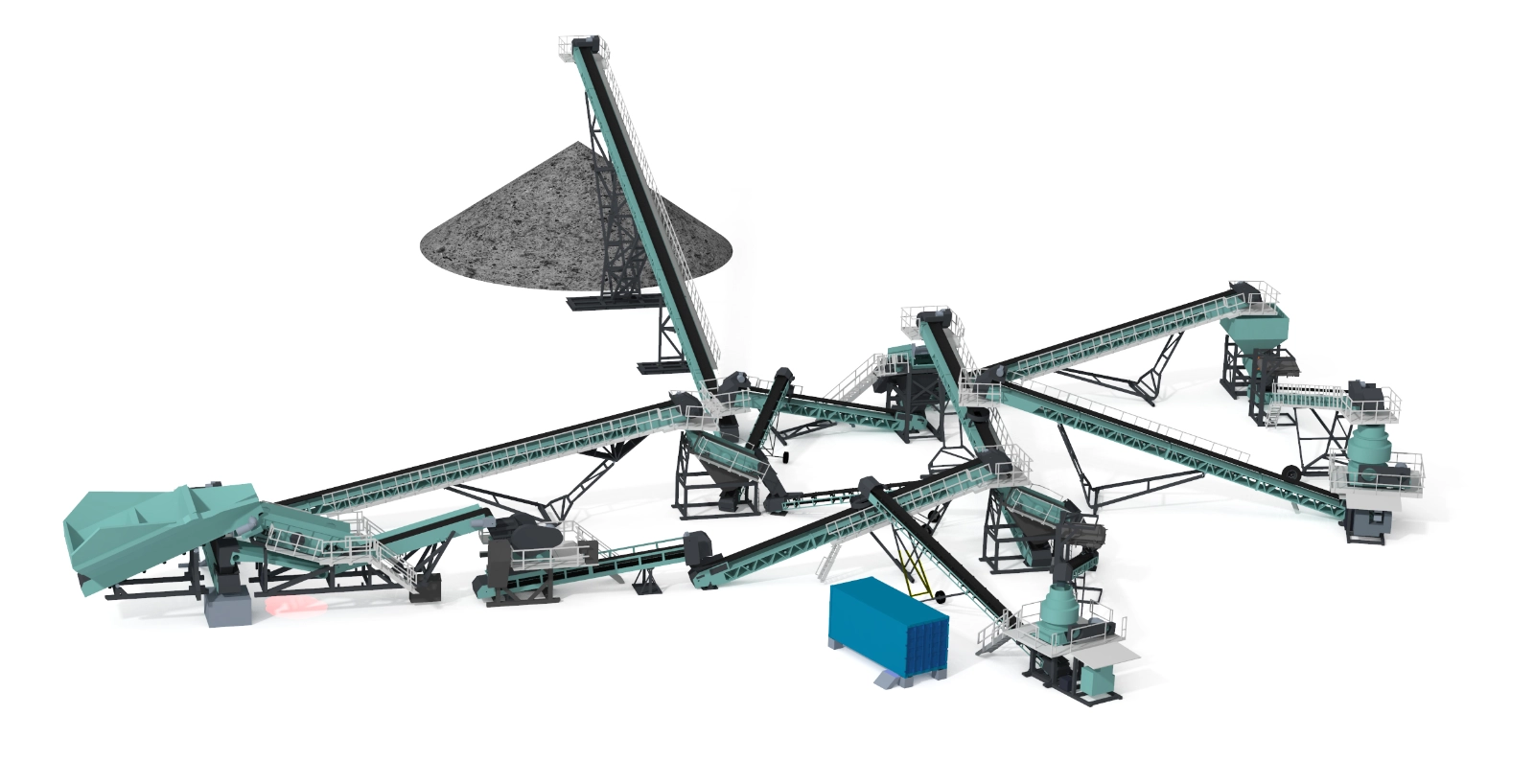
Digital mapping ensures plant designs take the mine’s footprint, site access and operational requirements into account.

Furthermore, because these modules are standardised and proven, Pilot Crushtec can quickly provide detailed site drawings and practical operating guidance. This gives consultants and customers a clear basis for decision-making. On the operational side, the company’s support includes manuals, training and ongoing technical assistance.

CAD technology enables plant layouts to be optimised and refined before fabrication gets underway.

From identifying missing data in FEED studies to challenging assumptions with proven references to guiding equipment selection and configuration, Pilot Crushtec uses its decades of crushing, screening and materials handling experience to ensure that FEED is not just a document but a robust foundation for long-term performance.

PILOT CRUSHTEC EXPANDS AUSTRALIAN FOOTPRINT OF TWISTERTRAC VS350 RANGE

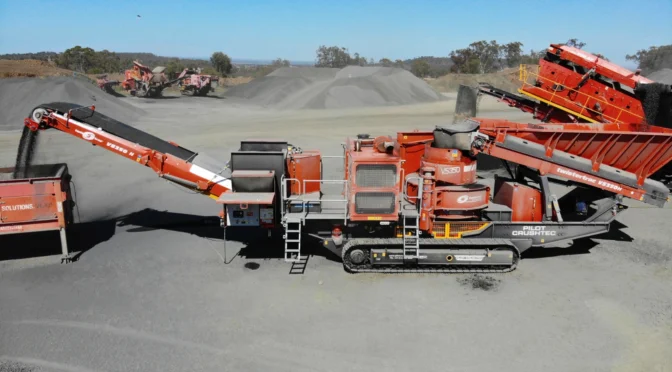
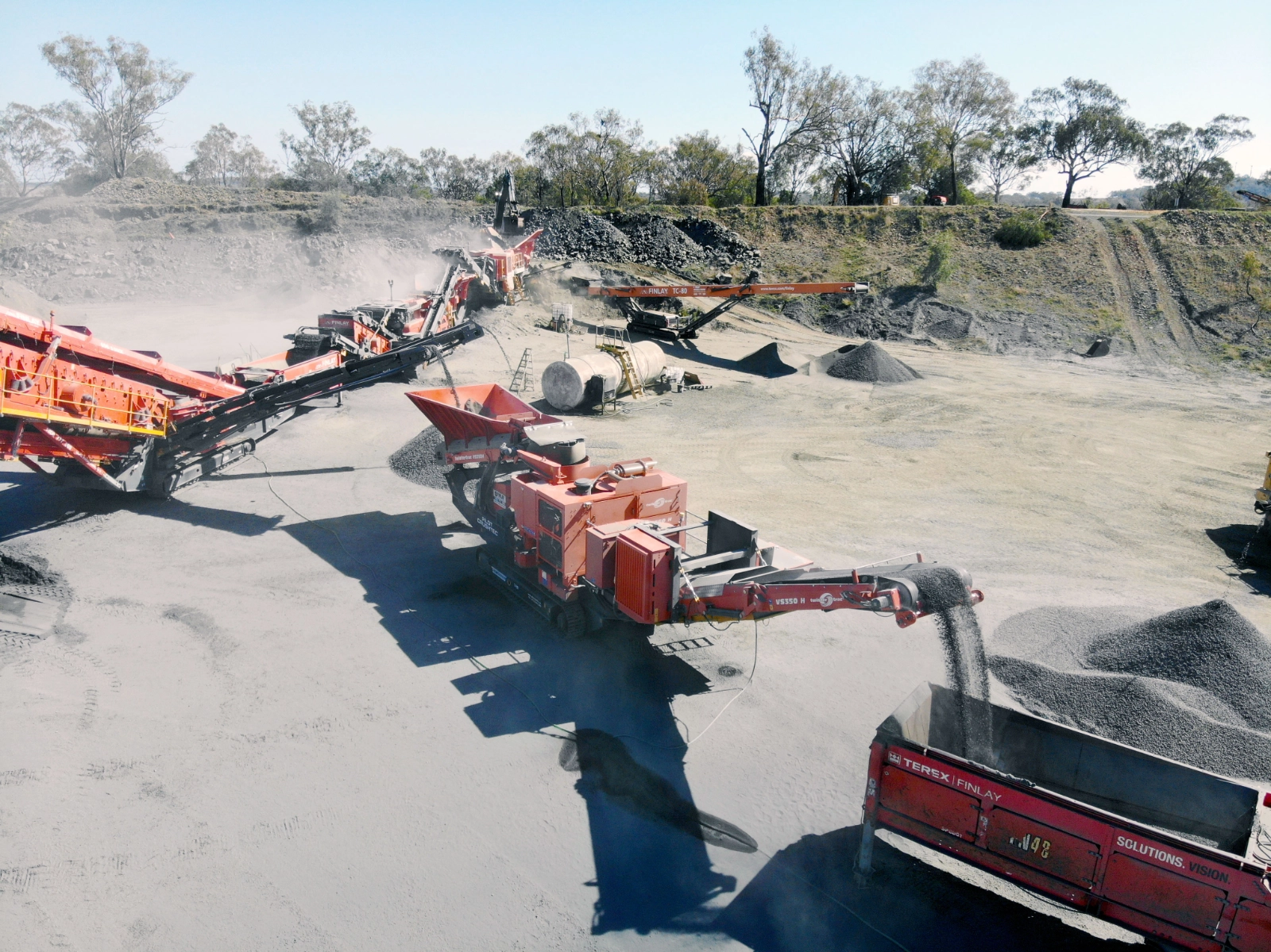
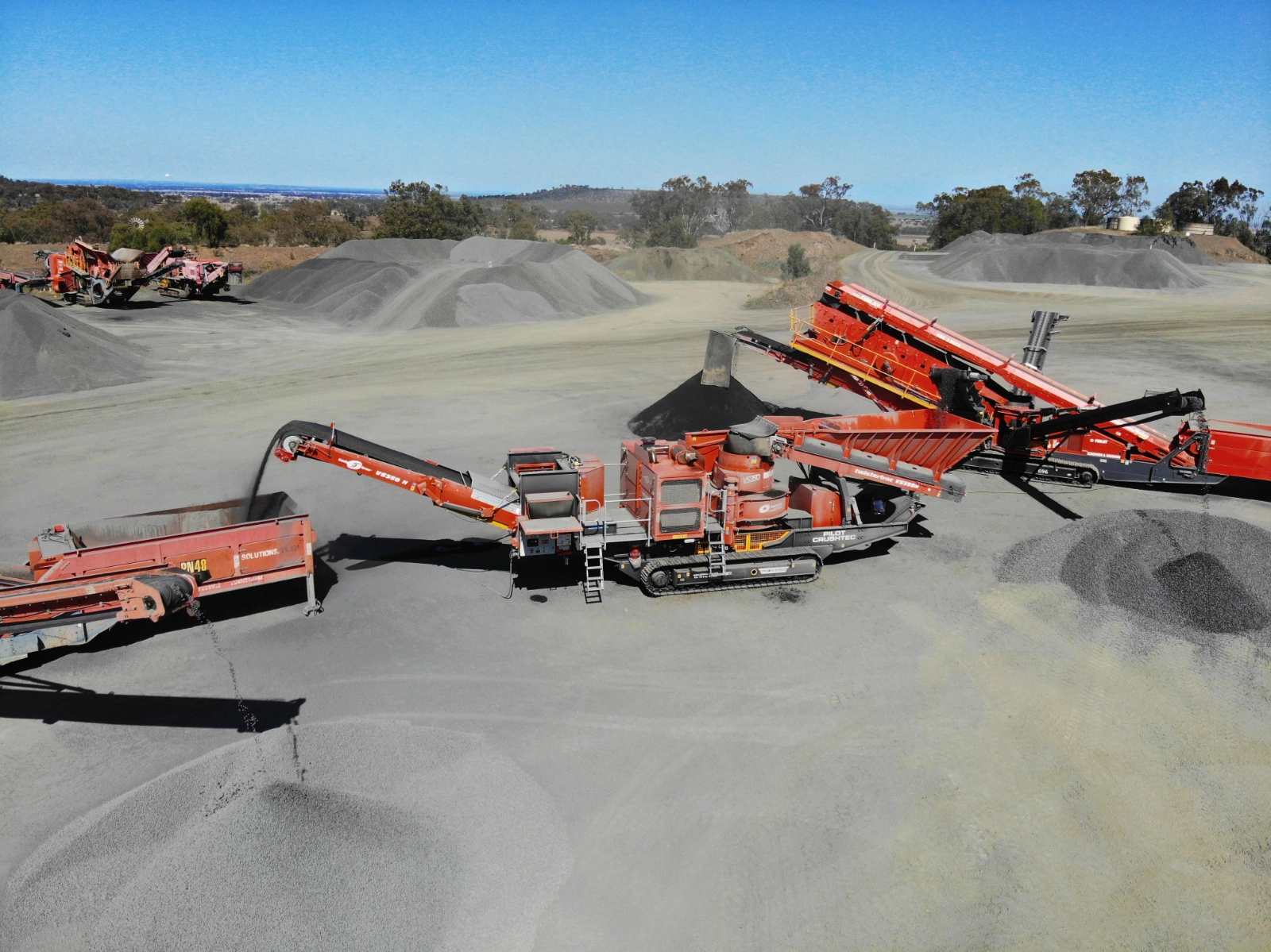
South African crushing and screening specialist Pilot Crushtec is continuing to strengthen its footprint in the Australian market, with two new TwisterTrac VS350 hydraulic vertical shaft impact (VSI) crushers recently supplied for distributor Finlay Screening and Crushing Australia.

The latest units, finished in Finlay Australia’s distinctive orange and grey livery, were shipped in May and June 2026 respectively.

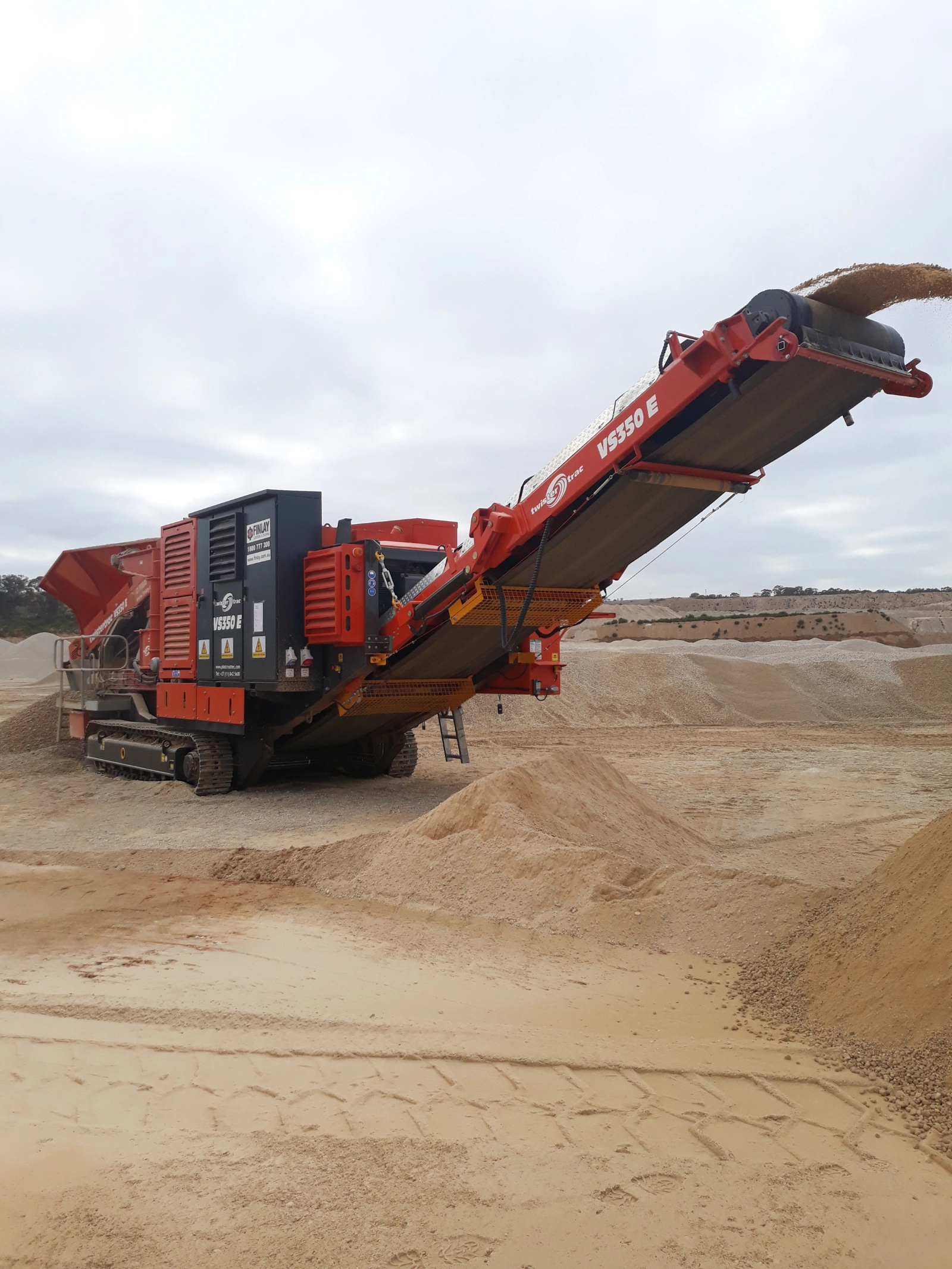
More than 15 TwisterTrac VS350E electric machines have been supplied to Australia alongside the hydraulic VS350 range.

Francois Marais, Sales and Marketing Director from Pilot Crushtec, says the machines further build on the growing installed base of TwisterTrac VS350 crushers across Australia, where the range has established a strong reputation for reliability, versatility and ease of maintenance in demanding crushing applications.

The TwisterTrac VS350E is contributing to the growing installed base of electric-drive crushers across Australia.

“The Australian market continues to show strong demand for the TwisterTrac VS350 platform with Finlay Australia, as our distributor, already having supplied more than 10 TwisterTrac VS350 hydraulic units and over 15 VS350E electric machines across the country.

As part of the latest production programme, Pilot Crushtec recently hosted the Service Manager at Finlay Screening and Crushing Australia, at its South African production facility for a technical visit and product review.

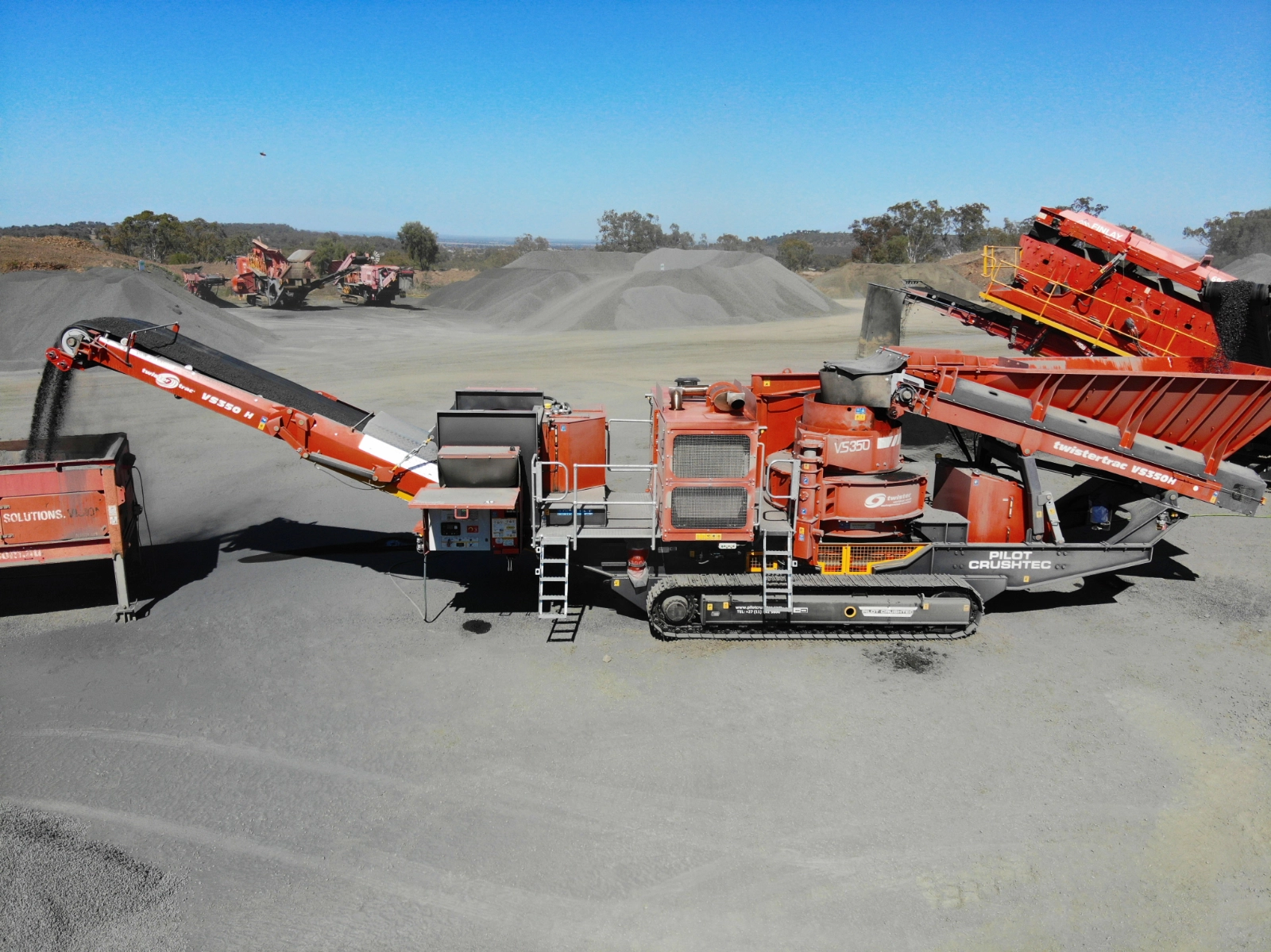
TwisterTrac VS350H units are strengthening Pilot Crushtec’s growing Australian footprint.

The visit provided an opportunity for Jones to inspect the latest TwisterTrac VS350 hydraulic machines currently under construction and engage directly with Pilot Crushtec’s engineering and production teams to review product developments and manufacturing progress.

The latest TwisterTrac VS350H features several upgrades introduced since the previous hydraulic unit supplied to Australia in 2017.

“While the TwisterTrac VS350 retains its proven core design, the latest machines incorporate several important upgrades since the last hydraulic VS350 delivered into Australia in 2017,” Marais says.

These include a newer engine platform as well as enhancements to the electrical and hydraulic systems, further improving machine performance, serviceability and long-term reliability.

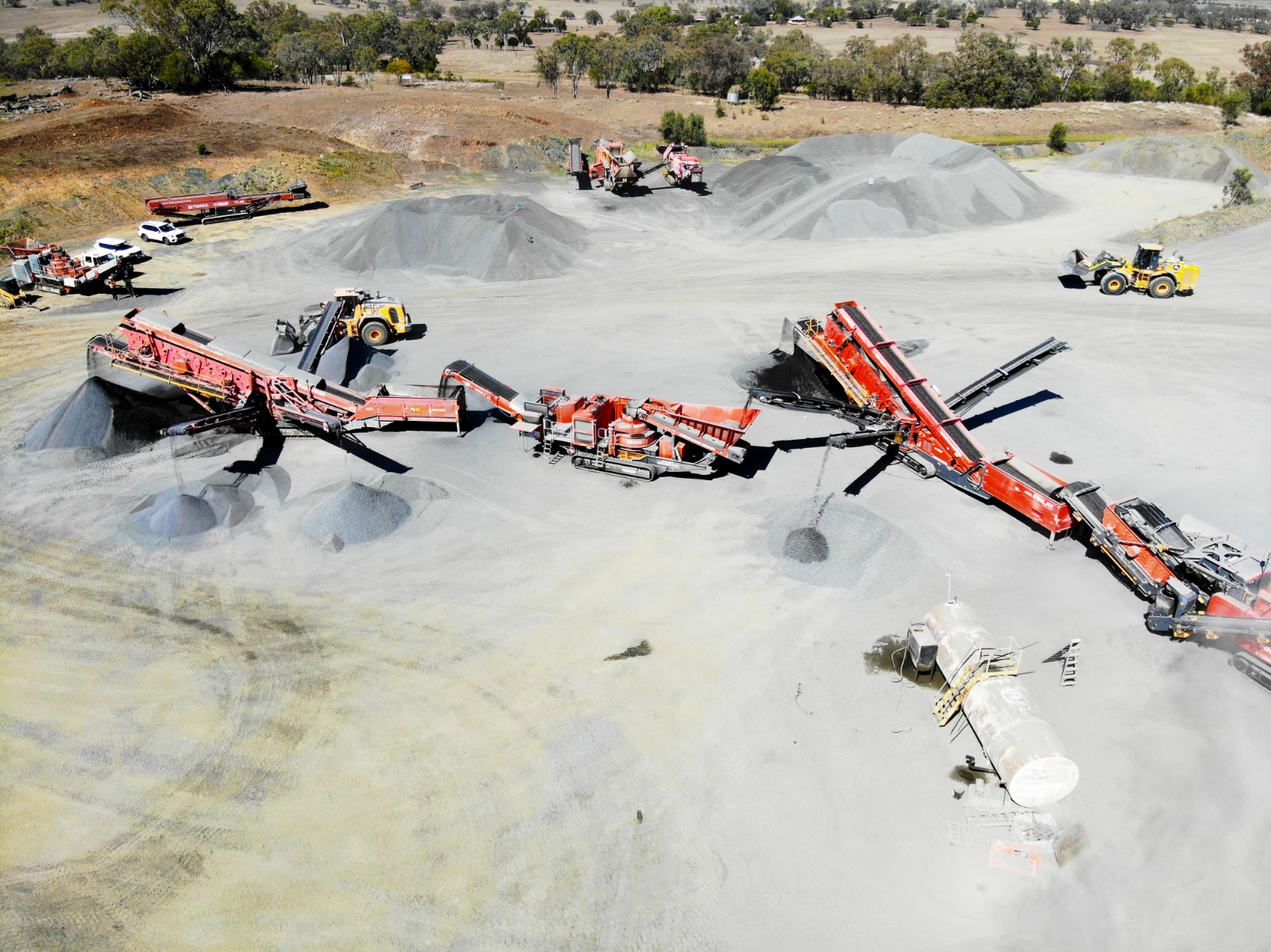
The TwisterTrac VS350H units strengthen Pilot Crushtec’s growing presence in the Australian crushing market.

Marais notes that maintaining close collaboration with distribution partners remains a key part of its strategy, particularly in export markets where local support and technical confidence are critical to customer success.

The TwisterTrac VS350H builds on a proven platform with important updates to its engine, electrical and hydraulic systems.

“Visits such as these not only ensure alignment on product specifications and technical developments but also provide an opportunity to showcase the engineering capability, manufacturing standards and technical expertise behind the TwisterTrac range,” he says.

With the Australian market continuing to expand for both diesel-hydraulic and electric-drive crushing solutions, Pilot Crushtec says it remains committed to supporting Finlay Australia as it grows the TwisterTrac VS350 footprint across the region.

INTEGRATED PUMP TECHNOLOGY STRENGTHENS DEWATERING RESILIENCE IN CENTRAL AFRICA’S MINES

Central Africa’s mining sector is grappling with more unpredictable rainfall as a result of climate change. Integrated Pump Technology, distributor of Grindex submersible and Godwin surface pumps, is responding with a blend of robust equipment, local partnerships and application-driven support tailored to the region’s unique conditions.

Integrated Pump Technology delivers Grindex and Godwin dewatering solutions for demanding mining applications.

Integrated Pump Technology’s involvement in Central Africa has evolved alongside the region’s mining boom, particularly in copper and gold. JD Nel, Godwin Product Manager, explains: “We have had a presence in the regions for a while now. Over the years, it expanded because of growing commodity demand, such as copper. Also, mines in Central Africa are often up to five times bigger than what we are used to in Africa. That is why we need to have a comprehensive equipment offering along with aftersales and technical support.”

According to Nel, the biggest dewatering challenge in the region is no longer just groundwater ingress, but increasingly intense and erratic storms. “The biggest challenge for the mining operations is rain and climate change. The rain is coming down on a more frequent basis, and it’s double the amount it previously was. Unforeseen rains have a huge impact on any mining operation, which can bring production to a halt.”

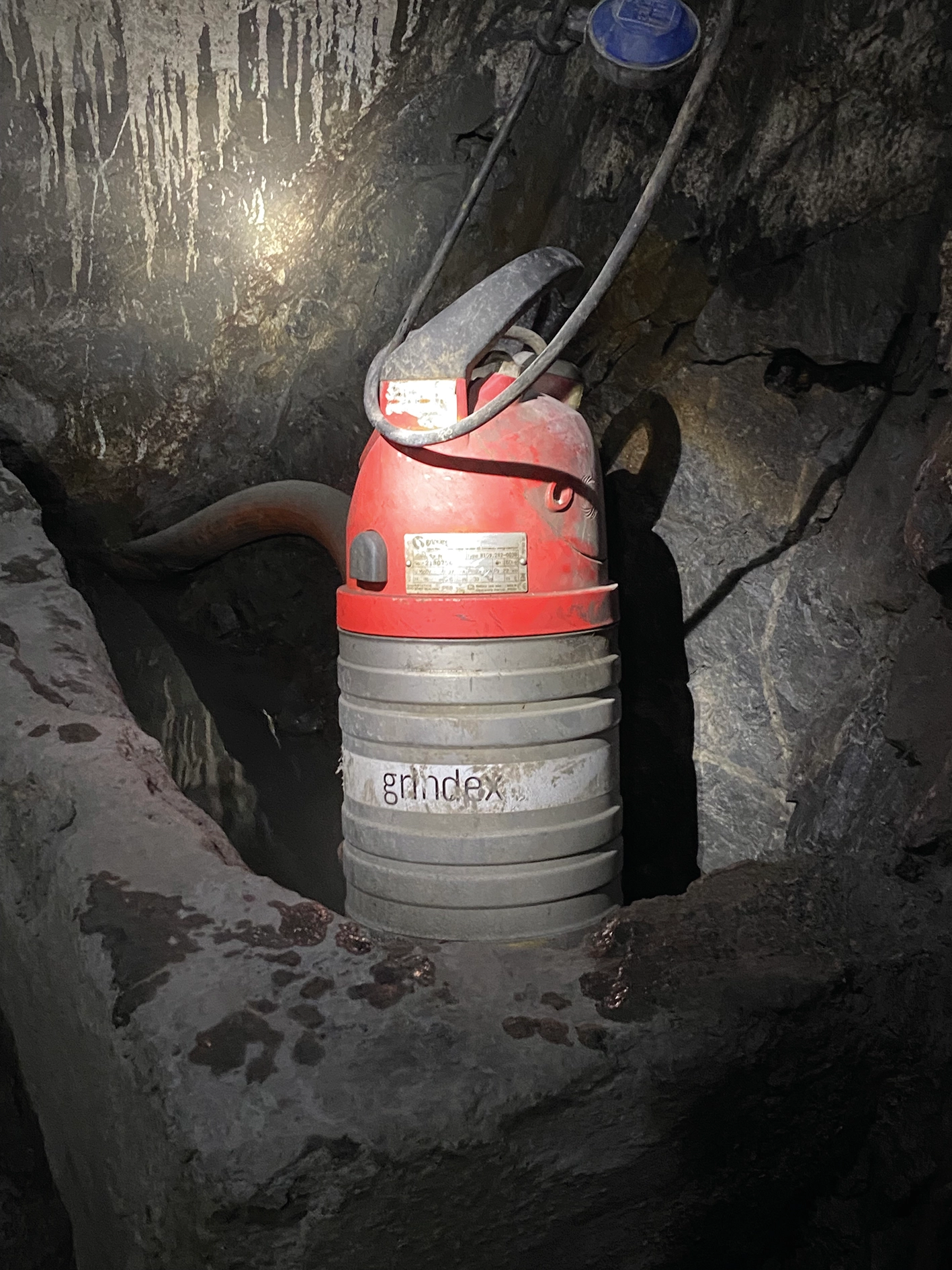
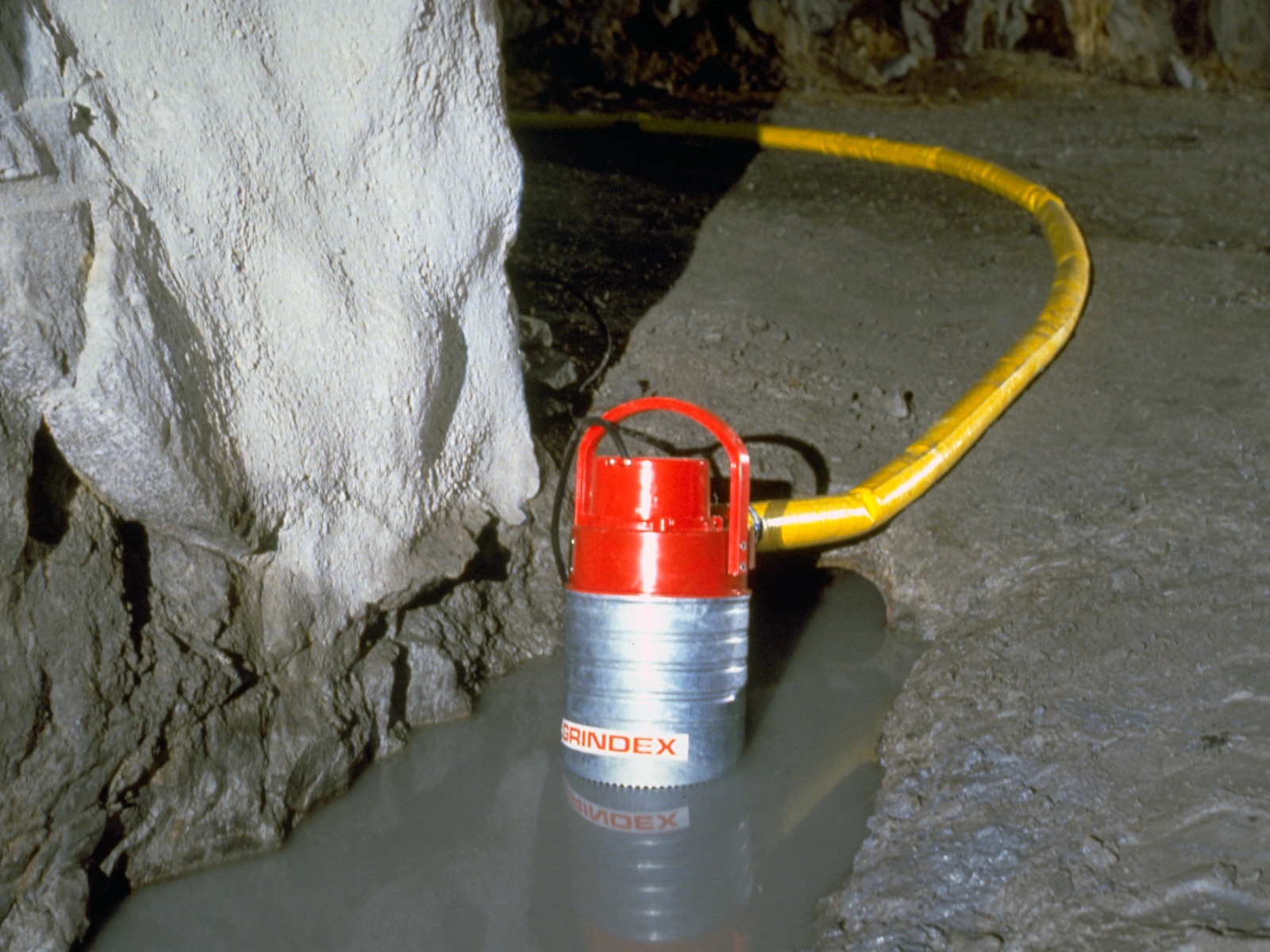
Grindex submersible pumps from Integrated Pump Technology keep underground mines dry and productive.

To meet these conditions, Integrated Pump Technology differentiates clearly between underground and surface dewatering needs. Underground, the company relies on Grindex electrical submersible pumps as an essential consumable.

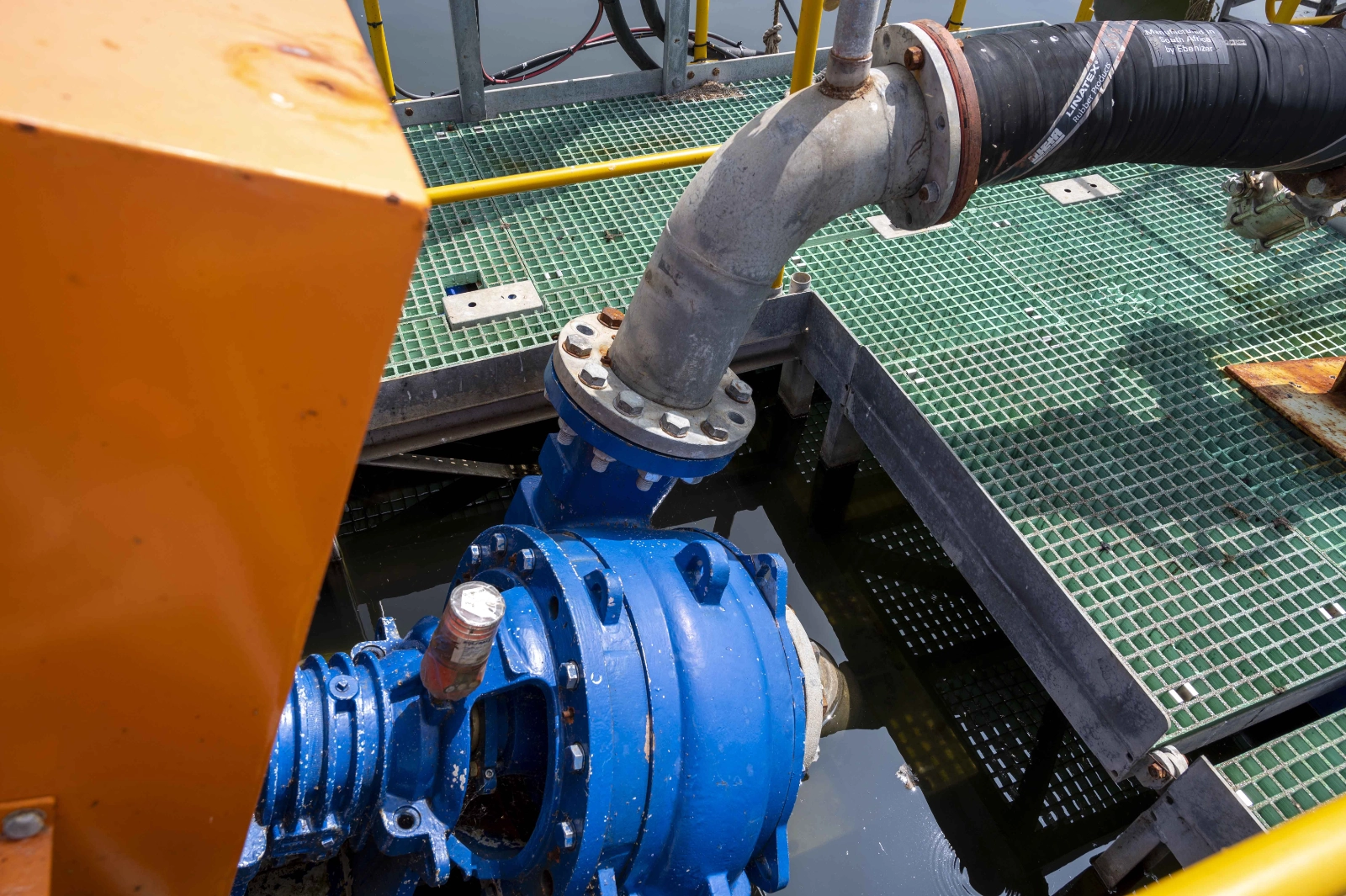
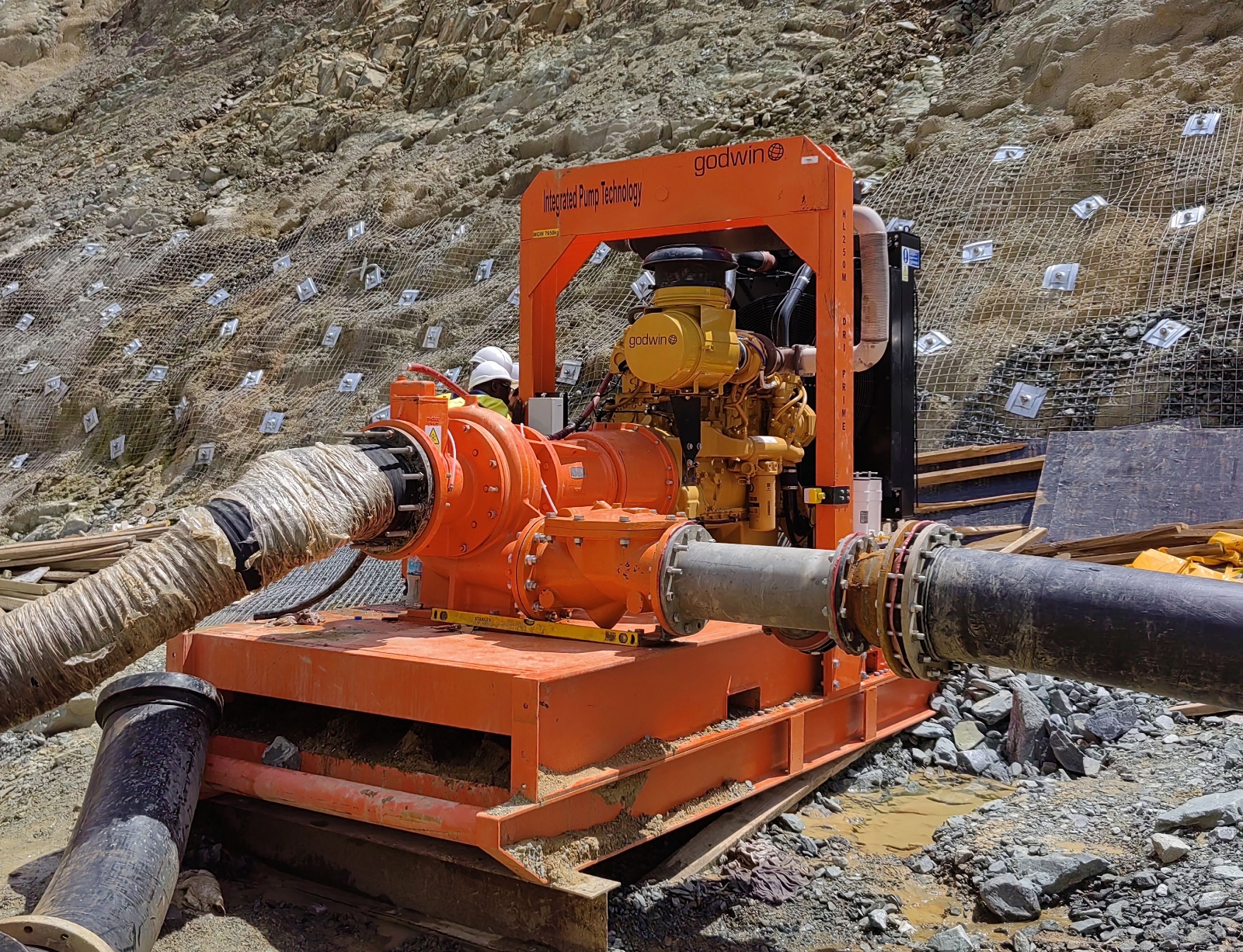
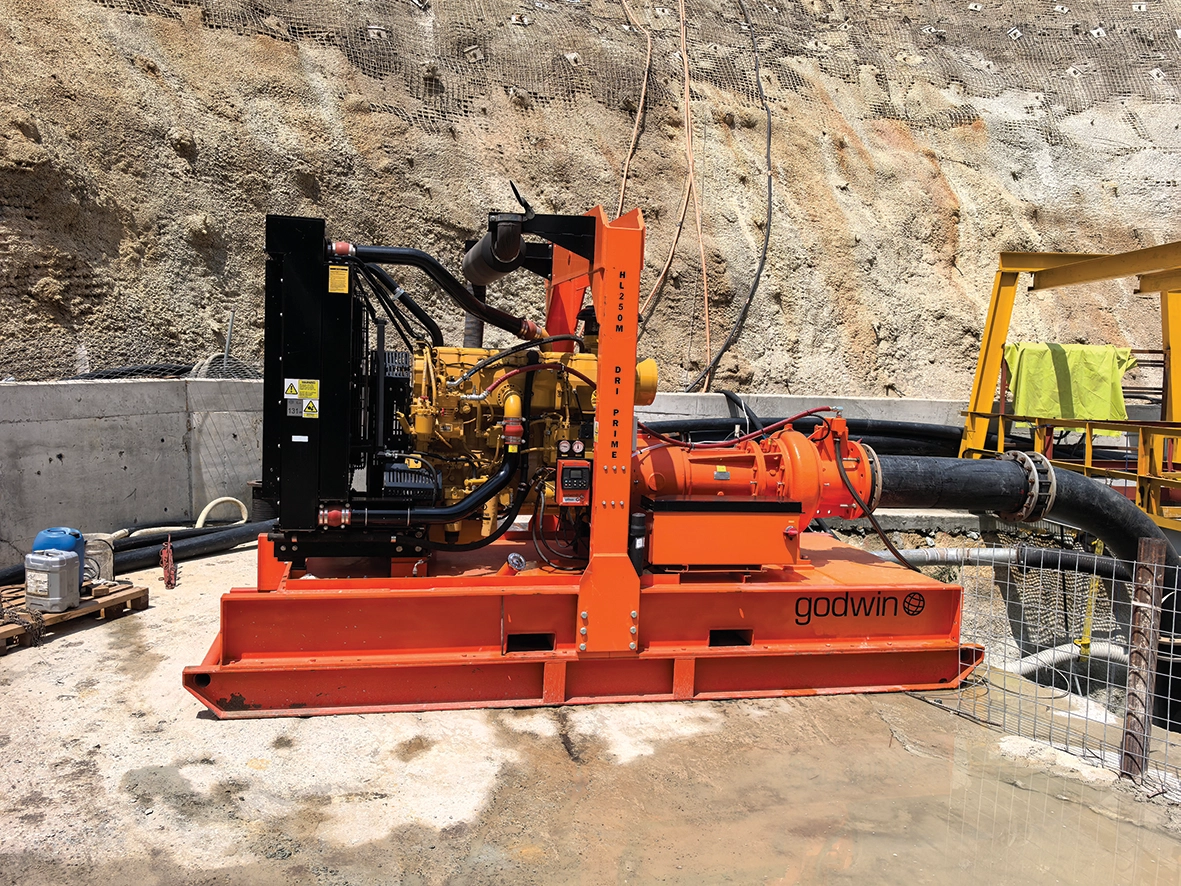
Godwin pumps supplied by Integrated Pump Technology handle high-volume dewatering with ease.

Since it was first introduced in the 1960s, these submersible pumps have gained a global reputation for working effectively in heavy-duty applications. Built for harsh and abrasive conditions, they are designed for continuous, unattended dewatering operations.

Unpredictable rainfall is increasing the importance of effective dewatering across Central African mines.

In open pit operations, Integrated Pump Technology combines Grindex electrical units with Godwin self-priming diesel and electric pumps to manage large, often storm-driven water volumes. “The selection of a suitable pump depends on a few factors that need to be kept in mind such as power availability and volumes of water,” Nel adds.

Local technical support from Integrated Pump Technology helps maximise pump reliability and uptime.

Reliability in remote regions is underpinned by strong local distributors. In Zambia, Integrated Engineering Services stocks pumps and spares and operates a fully equipped workshop, while in the Democratic Republic of Congo Integrated Pump Technology is represented by Congo Pump Solutions. These teams provide daily on-site support. “Our local partners understand a mining operation and our product offering. This ensures that we can change the pump out or select the correct pump for a specific application, which adds value towards the mining operations,” Nel states.

He further points out that Integrated Pump Technology also treats failures as opportunities to improve applications. “There should be a reason why a pump fails. So, we’ll go and have a look at the application to ensure that the pump is the correct pump for that specific application.”

Every dewatering application is matched with the right solution by Integrated Pump Technology.

With plans to add more personnel and expand its footprint in the region, Integrated Pump Technology is positioning itself not just as a pump supplier, but as a dewatering partner helping Central African mines stay ahead of mounting water management risks.

IMPROVED ADOPTION OF PDS/CAS TECHNOLOGY IN THE QUARRYING SECTOR

As quarry operators place greater emphasis on workplace safety, investment in Proximity Detection Systems (PDS) and Collision Prevention Systems (CPS) is gaining momentum. Once regarded as slow adopters of safety technology, the sector is increasingly investing in solutions that not only meet legislative requirements but also address the practical and financial realities of quarry operations.

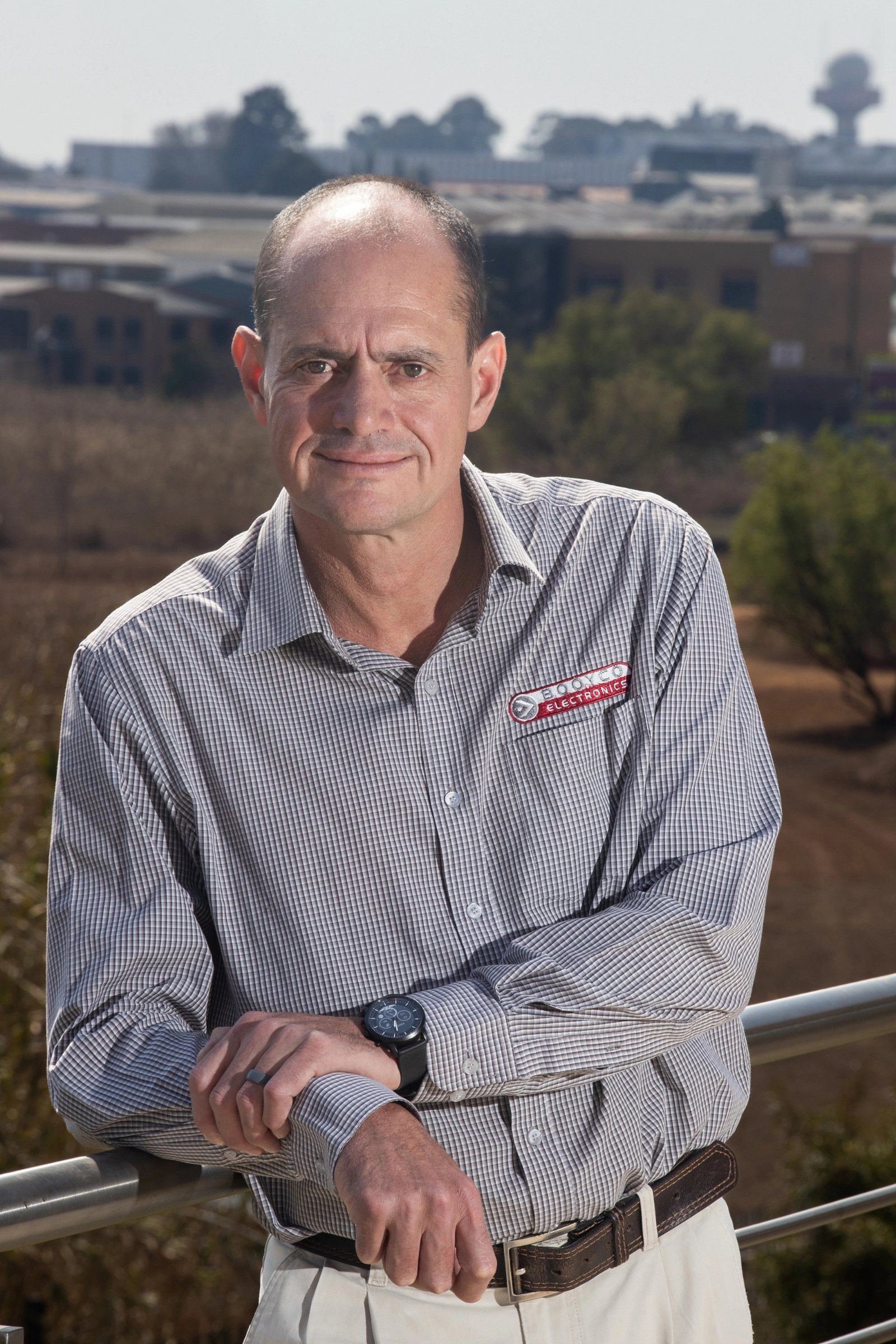
Anton Lourens, CEO of Booyco Electronics.

According to Booyco Electronics CEO Anton Lourens, demand for PDS/CPS solutions has risen notably over the past six months across both the quarrying and mining sectors, reflecting a broader shift towards proactive risk management. While compliance with safety legislation remains an important driver, operators are increasingly recognising the role of these technologies in preventing incidents and creating safer working environments.

“Safety has become a strategic priority for many operations,” Lourens says. “Beyond meeting legislative requirements, quarry operators are investing in technologies that help mitigate risk and improve overall operational safety.”

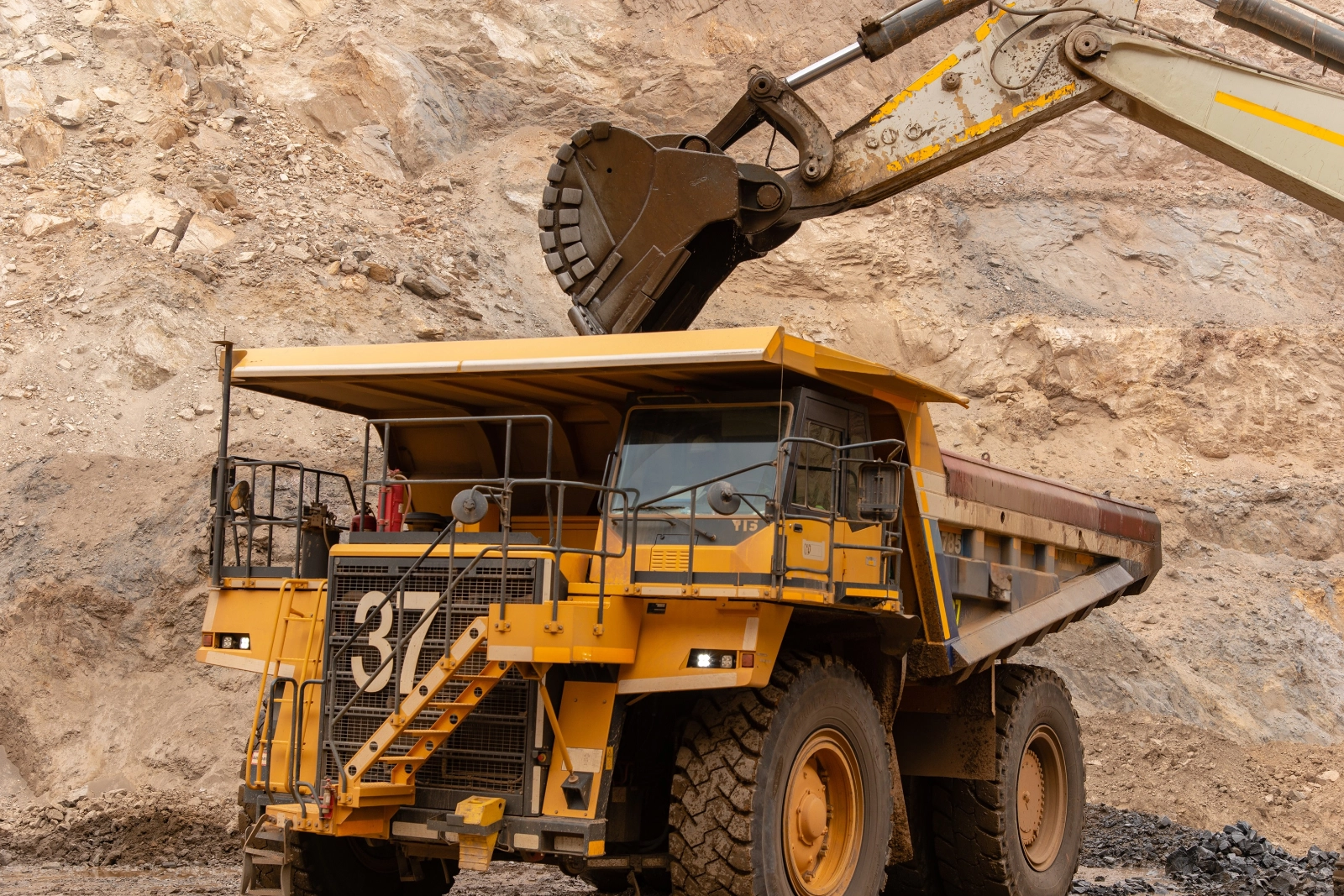
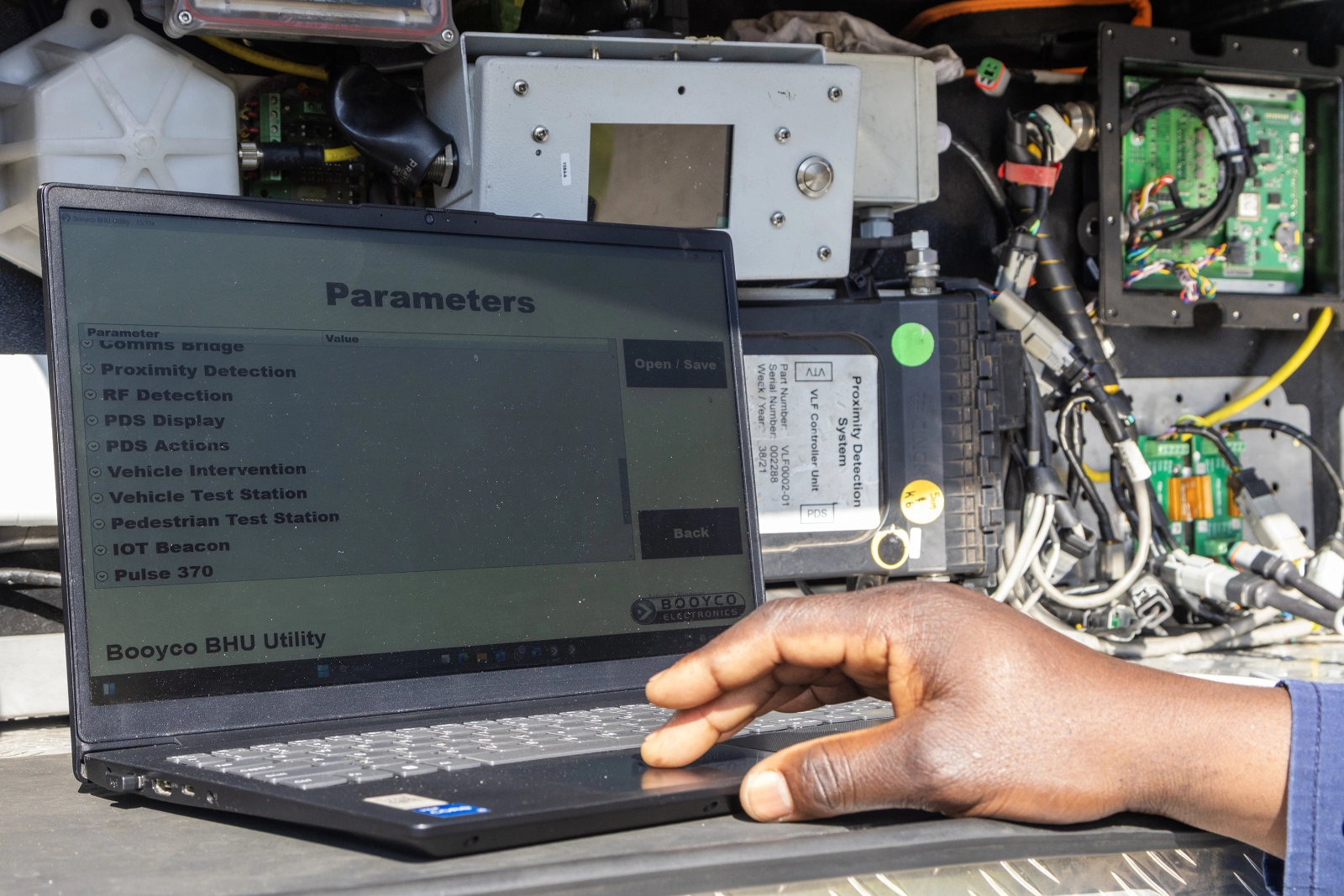
Booyco Electronics’ PDS/CPS technology supports quarry operators in reducing collision risk while meeting increasingly stringent safety requirements.

One of the key factors supporting wider adoption is improved interoperability between PDS technologies and mobile equipment. Advances in interface kits, together with growing collaboration between original equipment manufacturers (OEMs), independent interface providers and technology suppliers, have simplified the integration of collision prevention systems across mixed equipment fleets.

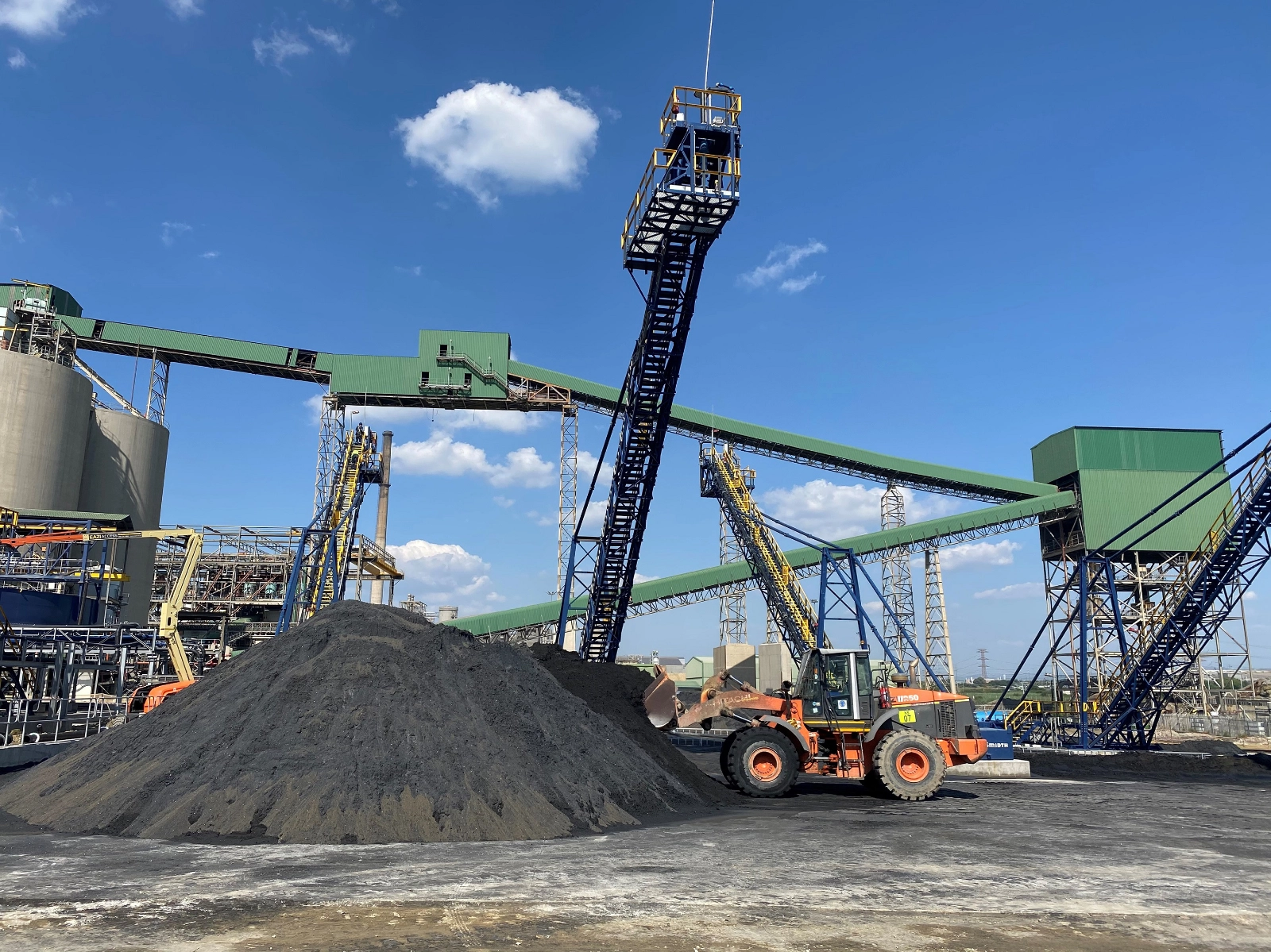
Growing investment in proximity detection and collision prevention systems reflects the quarrying sector’s stronger focus on proactive risk management.

The adoption of the ISO 21815 standard has further strengthened this process by providing a technology-neutral communication protocol that enables different systems to work together more effectively, streamlining implementation across the industry.

Improved interoperability allows Booyco Electronics’ collision prevention technology to be integrated more effectively across mixed mobile equipment fleets.

For quarry operators, however, adopting PDS/CPS technology requires solutions that are bespoke to the realities of their operating environments. Lourens says successful implementation depends on tailoring each solution to the site’s unique operating conditions.

“No two operations are the same. Every implementation begins with a detailed assessment of the fleet, traffic patterns and operating practices to ensure the system delivers effective detection without compromising productivity,” he explains.

ISO 21815 supports technology-neutral communication between different systems, helping streamline the implementation of collision prevention solutions.

Cost remains another important consideration for quarry operators, many of whom operate on tighter margins than larger mining companies. Booyco Electronics believes, however, that safety technology should not be determined by the size or financial capacity of an operation.

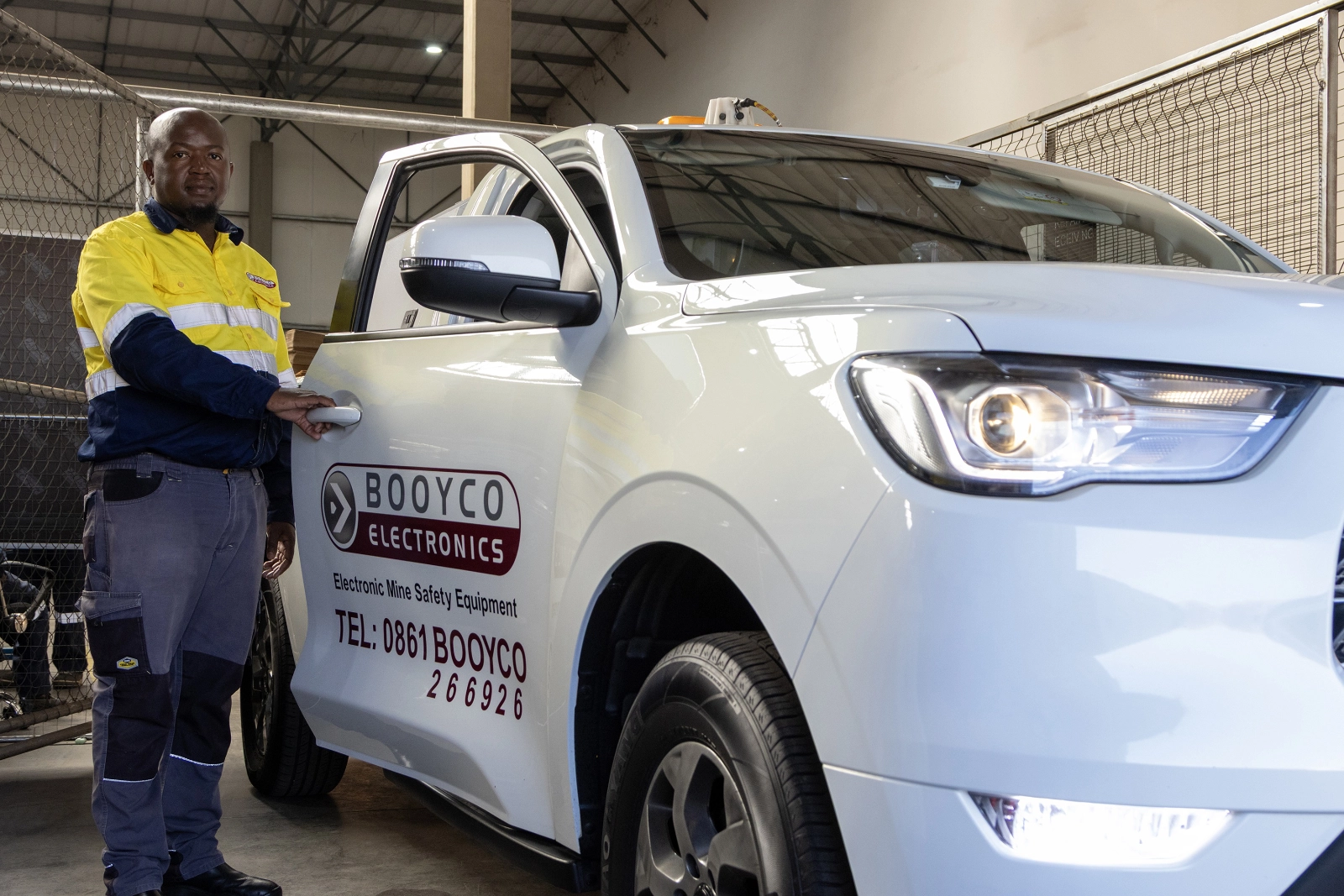
Each Booyco Electronics PDS/CPS installation is tailored to the quarry’s fleet, traffic patterns and operating conditions to deliver effective detection without compromising productivity.

“We do not believe there should be different levels of safety capability for different operations,” Lourens says. “Our focus is on improving our own development and manufacturing efficiencies so that advanced collision prevention technology remains accessible to both large mines and smaller quarrying businesses.”

Booyco Electronics continues to focus on development and manufacturing efficiencies to make advanced collision prevention technology accessible to operations of different sizes.

Successful deployment also depends on effective change management. Lourens notes that engineering teams typically focus on regulatory compliance, while operational managers prioritise production and equipment availability. Bringing these stakeholders together through clear communication and training, and ensuring adoption, is essential to achieving both safety and operational objectives.

Looking ahead, Lourens expects collision prevention technology to continue evolving through the integration of multiple sensing technologies rather than relying on a single detection solution.

The future of collision prevention will increasingly combine technologies such as low-frequency communication, GPS, radar and camera-based systems to improve reliability and adaptability.

“The future lies in combining technologies such as low-frequency communication, GPS, radar and camera-based systems etc, to deliver more reliable and adaptable collision prevention solutions,” he says. “As these technologies continue to evolve, the industry will be better positioned to deliver sustainable, cost-effective safety solutions that support the goal of zero harm.”