PILOT CRUSHTEC NAMED METSO’S BEST DEALER IN EMEA REGION AS FIVE-YEAR DISTRIBUTORSHIP IS RENEWED

Pilot Crushtec has been recognised as Metso’s Best Dealer in the EMEA region, a prestigious international award that highlights the company’s strong performance, customer support capabilities and long-standing commitment to delivering high value crushing and screening solutions across Africa.

The recognition places Pilot Crushtec among the leading distributors internationally, while specifically acknowledging its top performance within the EMEA region. It reflects the company’s consistent sales performance, strong technical expertise and customer-focused approach in supporting mining, quarrying and construction operations across its designated Southern and Sub-Saharan African territory.

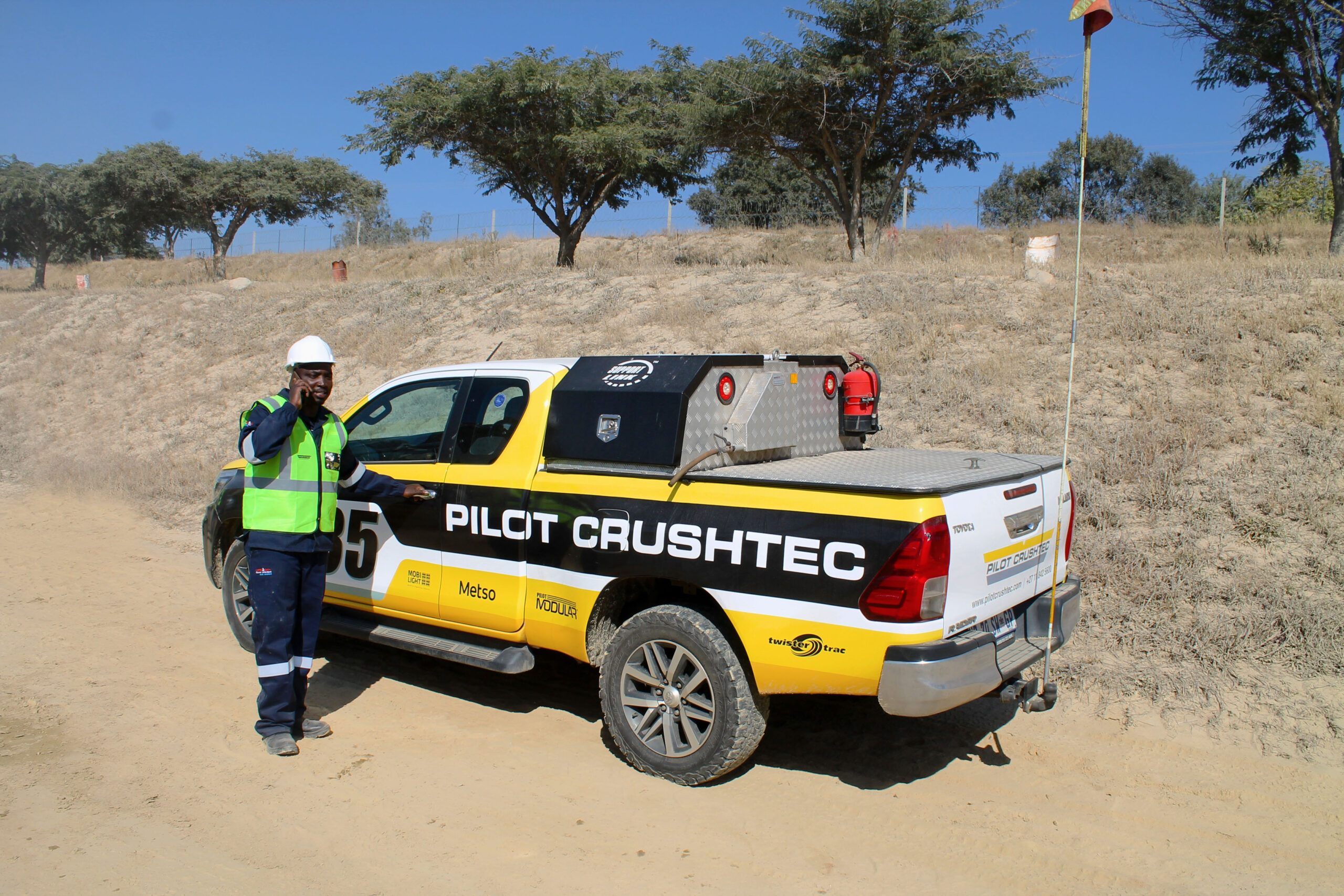
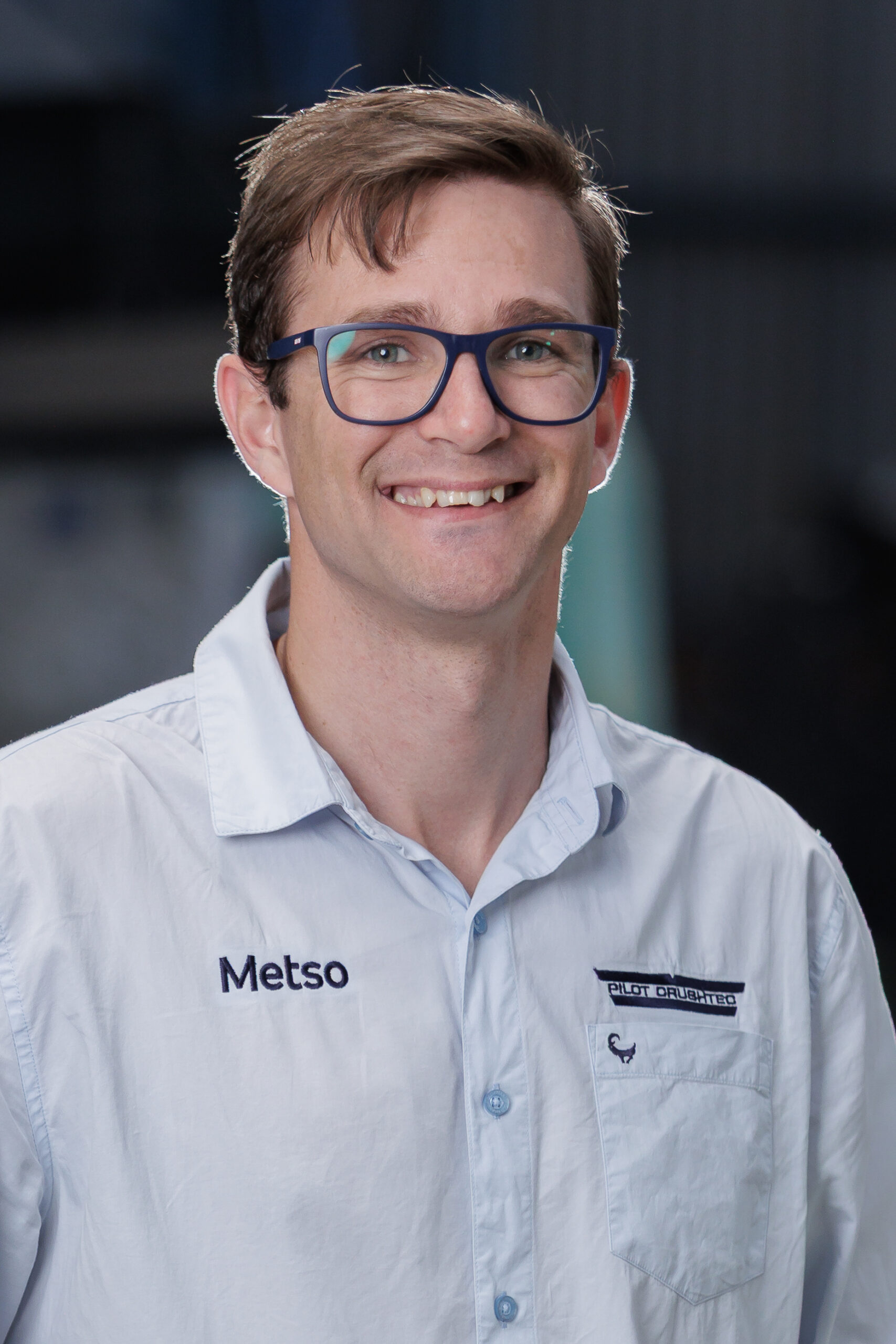
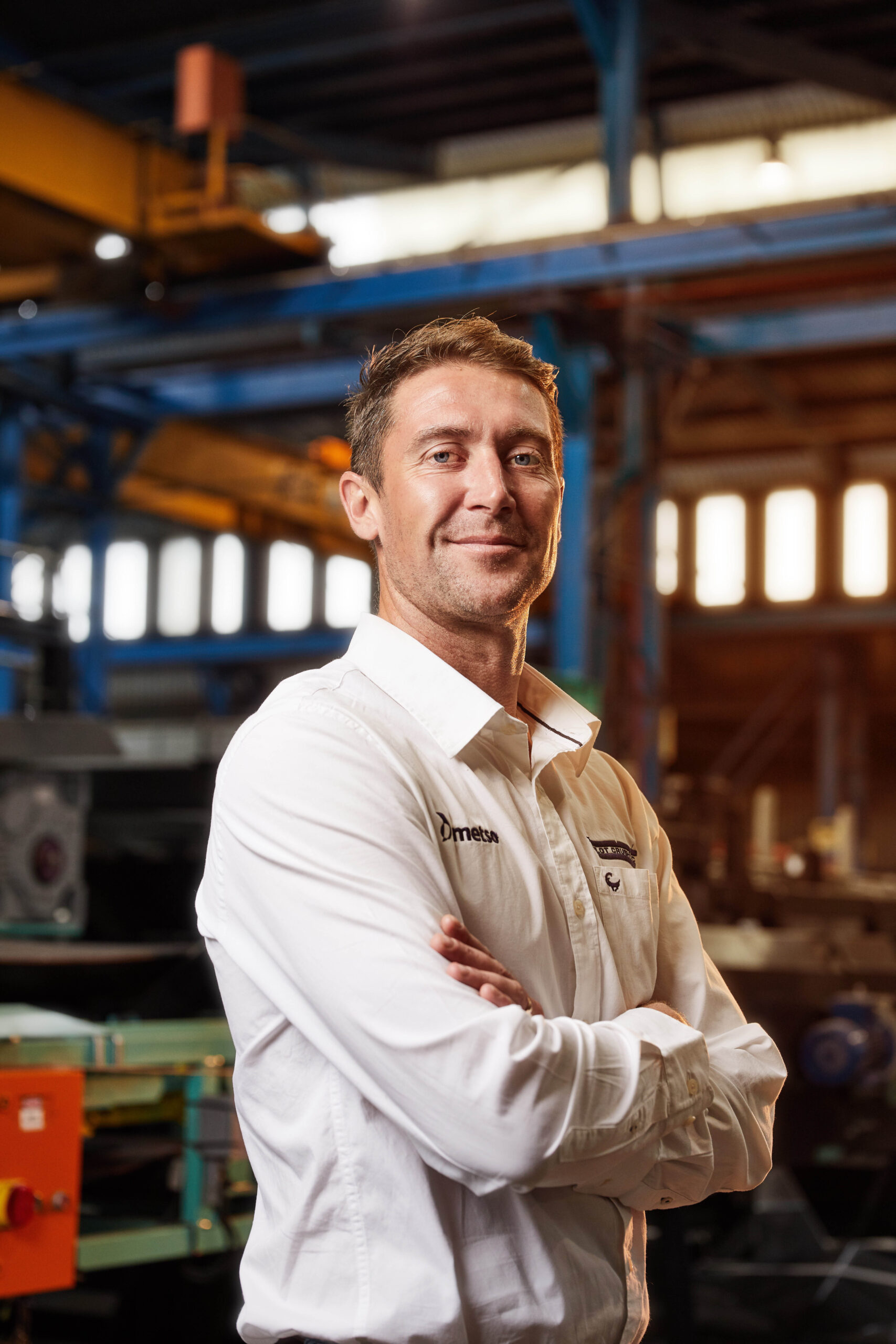
According to Francois Marais, Sales and Marketing Director at Pilot Crushtec, the award represents a significant milestone for the business and a reflection of the collective effort of its team.

“This recognition is a significant achievement and a powerful testament to the commitment, expertise and passion of our entire team,” Marais says. “Being recognised on an international stage among leading distributors including others across Europe, the Middle East and Africa reinforces our position as a trusted partner and industry leader.”

Marais notes that several key factors contributed to Pilot Crushtec receiving the award including the company’s consistent market growth across Southern and Sub-Saharan Africa, its strong aftermarket support capability and the depth of its product and application expertise.

“Our consistent sales performance and market growth across Southern and Sub-Saharan Africa has been a key contributor,” he explains. “Despite challenging market conditions in many sectors, we have continued to grow the presence of Metso’s crushing and screening solutions in the region.”

He adds that Pilot Crushtec’s well-established service teams, technical expertise and parts availability ensure that customers receive reliable support throughout the entire lifecycle of their equipment.

“Our team works closely with customers to understand their operational requirements and provide solutions that optimise productivity, efficiency and long-term value,” Marais says.

The recognition follows the recent five-year renewal of Pilot Crushtec’s distributorship agreement with Metso, reinforcing the strength of the partnership and ensuring that customers across Southern and Sub-Saharan Africa continue to benefit from access to globally recognised crushing and screening technology.
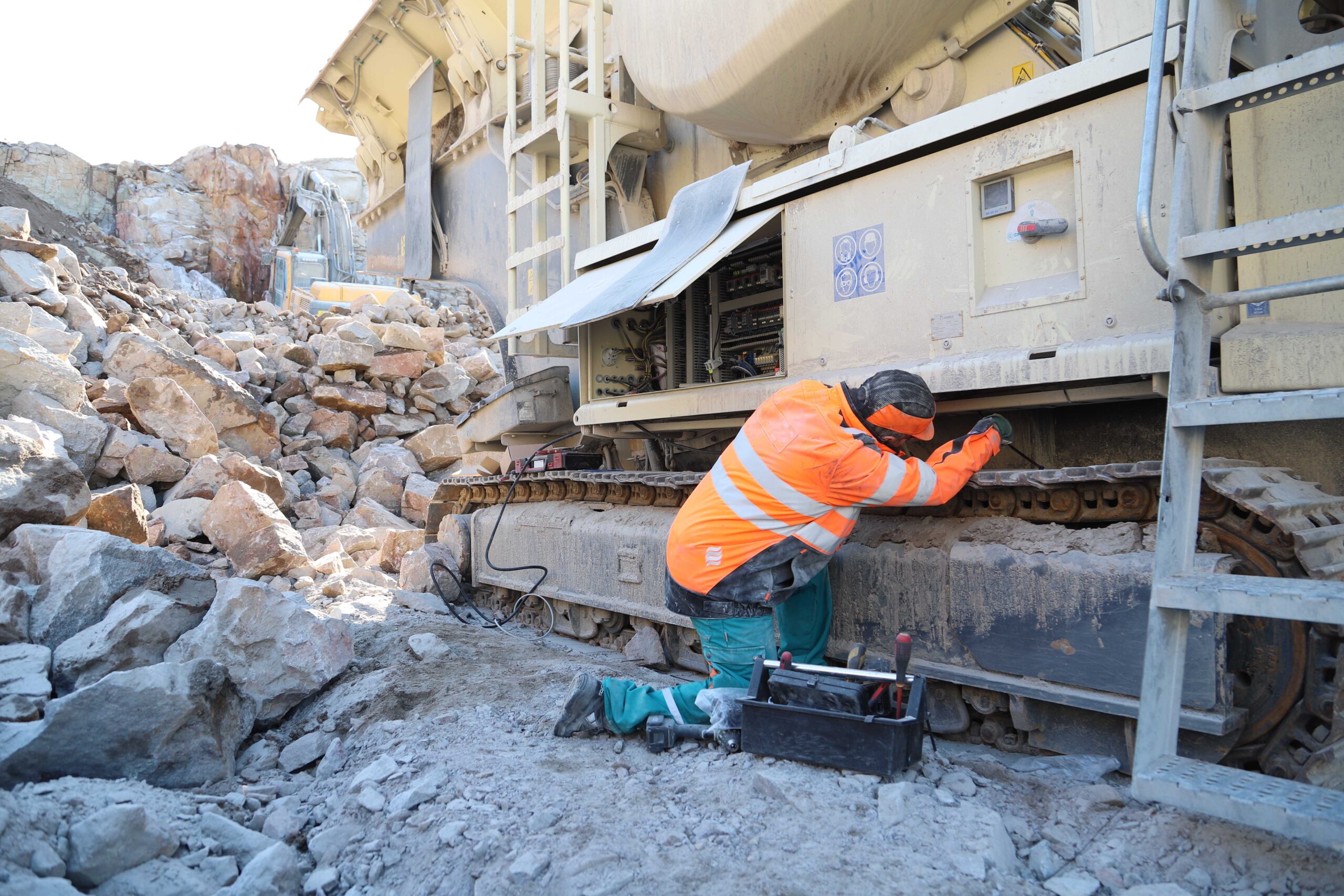
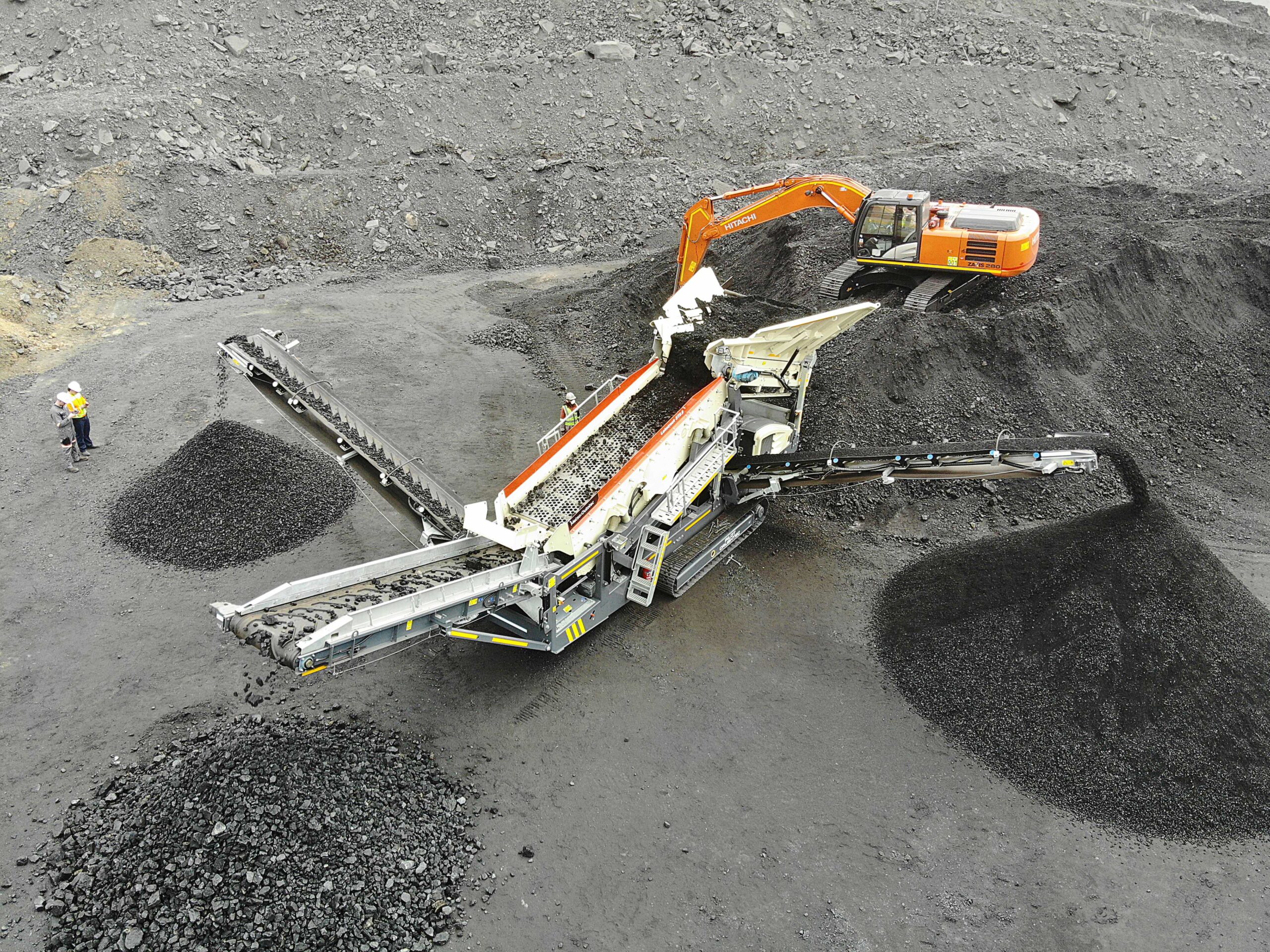
“The five-year renewal of our distributorship agreement with Metso is extremely significant for Pilot Crushtec’s long-term strategy and reinforces the strength and stability of our partnership,” Marais says.

The agreement enables Pilot Crushtec to continue supplying Metso’s static and mobile crushing and screening equipment to customers operating in some of the region’s most demanding mining and quarrying environments, while also supporting long-term investment in technical training, parts availability and product support infrastructure.

Customers benefit from the combination of global technology and strong local support with Pilot Crushtec maintaining strategic stockholding of machines, wear parts and critical components to reduce lead times and maximise equipment uptime.

“Our highly trained service teams work closely with Metso to ensure that customers receive expert installation, commissioning, maintenance and troubleshooting support,” Marais explains. “This ensures machines operate at optimal performance levels throughout their lifecycle.”

The company’s aftermarket offering also includes genuine spare parts, wear parts, service agreements, technical upgrades and operator training, enabling customers to maximise productivity and long-term return on investment.

Looking ahead, Pilot Crushtec intends to build on this recognition by strengthening its presence across the African market and continuing to expand its service and support capabilities.

“Our priority is to continue delivering exceptional value to our customers and strengthening our position as a leading provider of crushing and screening solutions in Africa, while continuing to build our broader presence and reputation in the global market.,” Marais says.

This includes expanding the company’s footprint across Sub-Saharan Africa, increasing equipment availability and further strengthening its aftermarket service network to ensure fast and reliable support wherever customers operate.

“We will also continue investing in skills development and technical training to ensure our teams remain at the forefront of industry expertise and are fully equipped to support the latest technologies from Metso,” he concludes.

By combining strong regional knowledge with global technology partnerships, Pilot Crushtec continues to support the growth and performance of the mining, quarrying and construction industries across Africa.

HILLHEAD DEBUT SIGNALS GROWING UK MOMENTUM FOR TRU-TRAC AND BREC PARTNERSHIP

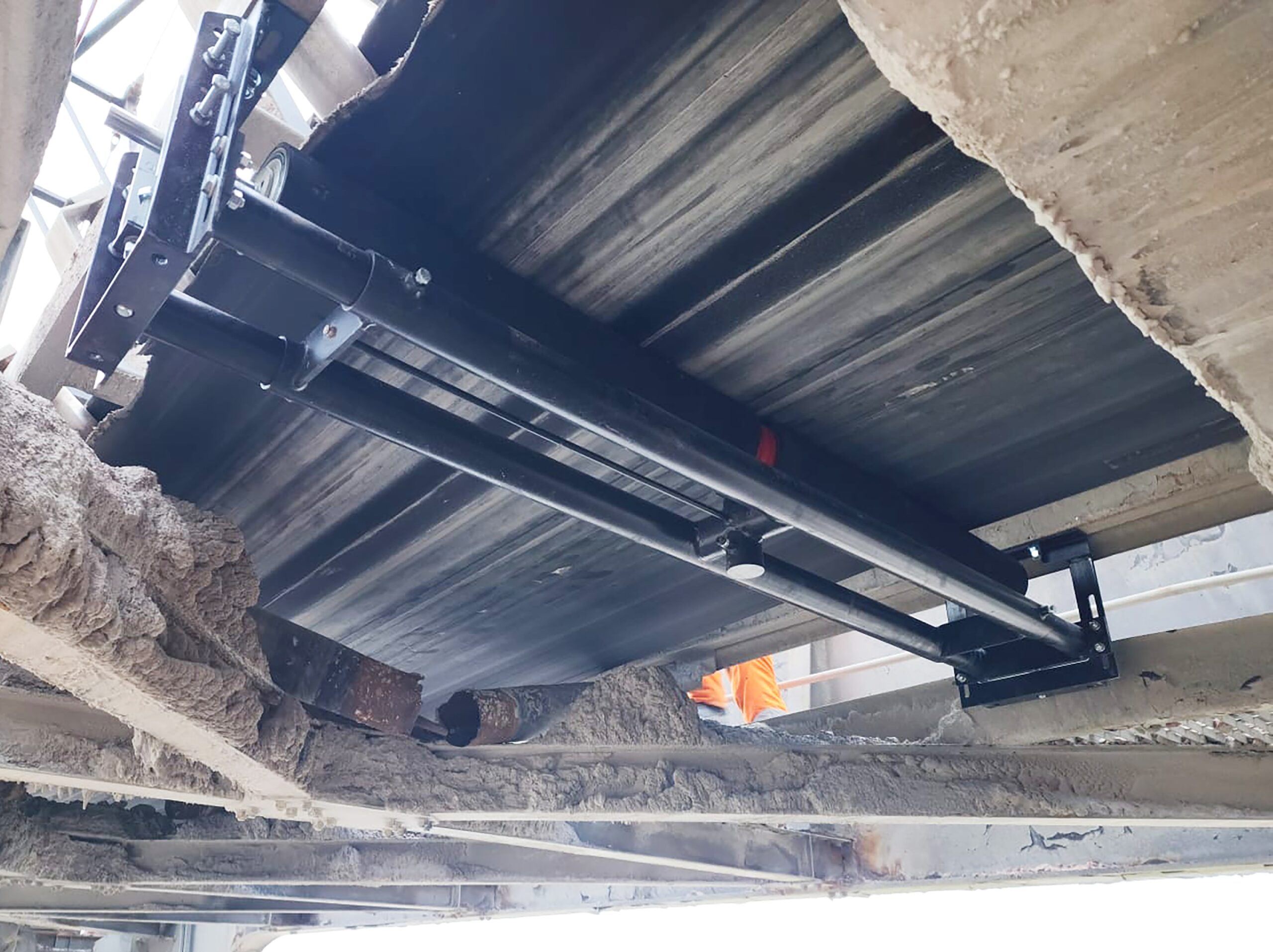
In their debut appearance at this year’s Hillhead exhibition, Tru-Trac and its UK partner BREC Ltd are set to showcase solutions that help conveyor operators extend belt life, improve uptime and reduce operating costs.

Since BREC was appointed as Tru-Trac’s UK distributor in late 2024, the partnership has gained significant momentum, according to Tru-Trac National Sales Manager Guy Fitt. As a leading innovator in belt tracking technology, Tru-Trac has already seen strong market uptake in the UK through BREC’s efforts.

“The opportunities for our belt tracking and related solutions in the UK are growing steadily,” Fitt says. “Our joint presence at Hillhead provides an ideal platform to demonstrate the combined strength of our partnership and the value we can deliver to customers.”

For Tru-Trac, the exhibition represents a strategic opportunity to present its technologies to a highly targeted audience within the quarrying and bulk materials handling sectors. Steve Perruzza, Managing Director of BREC Ltd, says the company’s presence at the show reflects its commitment to delivering premium, value-driven conveyor solutions that enhance operational efficiency.

“As one of the world’s leading quarry exhibitions, Hillhead is a high profile platform that aligns with our growth as a nationally recognised conveyor specialist,” he says. “It offers an excellent opportunity to showcase the breadth of our offering, including the exciting Tru-Trac solutions now available through BREC.”

At the core of Tru-Trac’s offering is its range of conveyor belt trackers, engineered to maintain precise belt alignment and significantly extend belt life. These solutions align closely with BREC’s philosophy of preventative maintenance and long-term value creation.

“The Tru-Trac trackers are exactly what we need within our service offering to customers across the UK and Ireland,” he says. “It is a value-added solution that helps customers achieve longer belt life which is critical in reducing total cost of ownership by extending replacement intervals.”

Perruzza explains that BREC’s existing portfolio of conveyor components and services provides a strong platform for integrating Tru-Trac’s tracking technology. From initial consultation and product selection to installation support and after-sales service, BREC offers a comprehensive lifecycle-focused solution.

“Our strategy has always been to align ourselves with premium brands,” he says. “We see Tru-Trac as a premium brand in belt tracking devices which is why it fits so seamlessly into our offering.”

Fitt emphasises that achieving higher conveyor uptime has become increasingly critical in both the mining and quarrying sectors, and this will be a key focus for the two companies at Hillhead.

“Conveyor uptime remains a critical performance metric across a wide range of bulk materials handling operations,” he says. “Belt misalignment continues to be one of the most common and costly issues affecting conveyor systems, often resulting in premature belt wear, material spillage and unplanned downtime.”

Tru-Trac addresses this challenge with a tracker design that rapidly corrects misalignment without damaging the belt – a problem often associated with conventional tracking systems.

Perruzza adds that the strength of the collaboration is also reflected in the high level of technical support provided by Tru-Trac, including regular on-site engagement.

“The support we receive from Tru-Trac has been fundamental to our success to date,” he says. “At BREC, we believe collaboration is what sets us apart from our competitors and our partnership with Tru-Trac strongly reflects that philosophy.”

Fitt echoes this sentiment, noting that Hillhead comes at a time when economic uncertainty is placing even greater pressure on quarries and mines to improve productivity and resilience.

“In the current global environment, more conveyor uptime is essential to achieving these strategic objectives, and that is exactly where BREC and Tru-Trac can add value,” he concludes.

SPECIALIST WATER SEALING – A CRITICAL CAPABILITY IN UNDERGROUND MINING

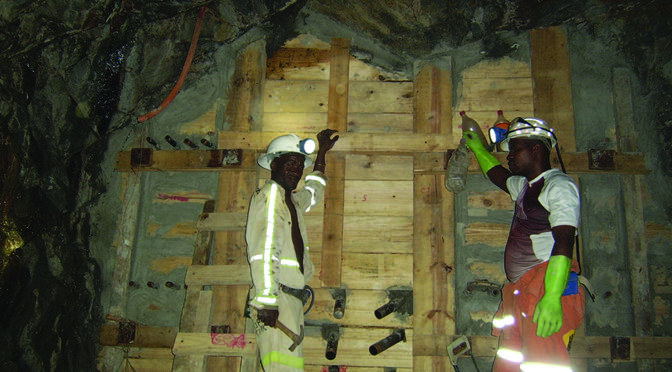
Managing groundwater ingress is one of the most complex technical challenges faced in underground mining. Water-bearing fissures, fractured rock formations and unexpected inflows can disrupt operations, compromise safety and delay development schedules. Addressing these risks requires specialised engineering expertise and proven methodologies – capabilities that Cementation Africa has developed through its extensive experience in underground mining projects across the continent.

Sealing water fissures underground is a highly specialised discipline that demands a combination of geotechnical understanding, advanced drilling techniques and carefully selected grouting technologies. Each water ingress scenario is unique, requiring a tailored approach based on geological conditions, pressure levels and the location of the inflow within the underground workings.

Cementation Africa has built a strong reputation in this field by delivering engineered water-sealing solutions that stabilise underground environments and allow mining operations to continue safely and efficiently. The company’s in-house engineering expertise enables it to assess the geological conditions surrounding the water-bearing structures and design sealing strategies that are both effective and durable.

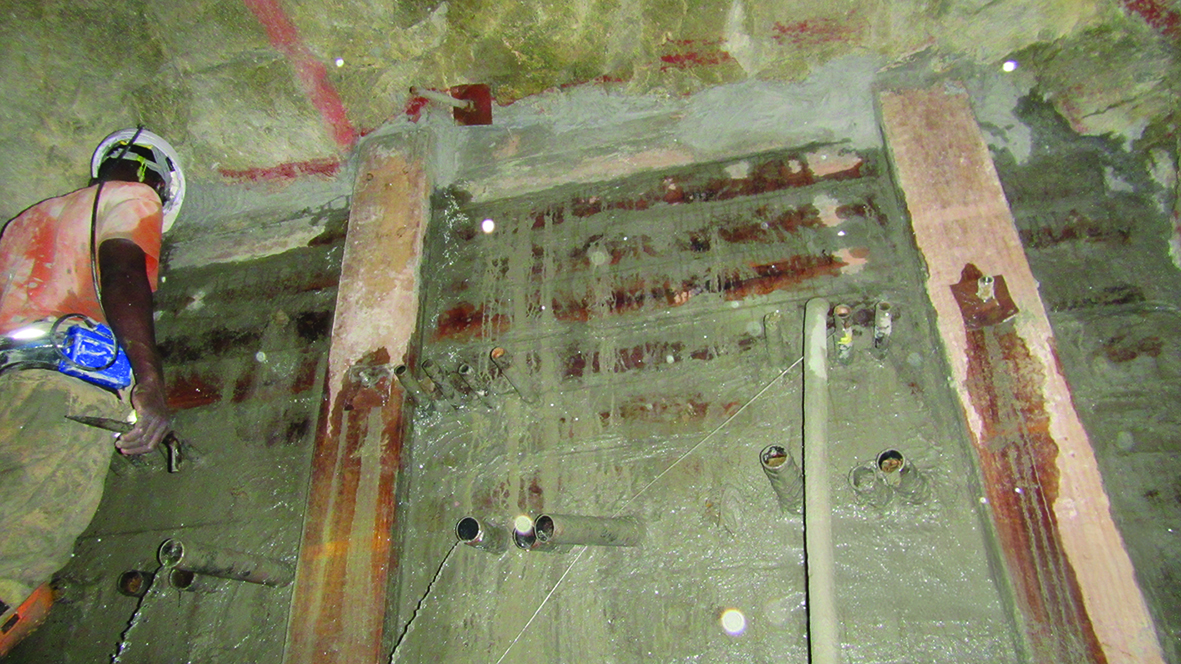
These interventions often involve precision drilling to intercept fissures followed by the injection of specialised grouting materials designed to penetrate fractures and create a permanent barrier against water ingress. Depending on the conditions encountered, different types of cementitious or chemical grouts may be used to achieve the desired sealing performance.

A key differentiator for Cementation Africa is the integration of engineering design, project planning and site execution within a single team. This ensures that water-sealing interventions are not treated as isolated tasks but are incorporated into the broader underground development strategy. By combining technical design with practical underground experience, the company is able to implement solutions that minimise disruption to mining operations while effectively controlling water inflows.

Successful sealing of water fissures not only protects underground infrastructure but also plays a critical role in maintaining production schedules. Uncontrolled water ingress can slow development, damage equipment and create hazardous working conditions. By addressing these challenges quickly and effectively, specialised sealing interventions help mines maintain operational continuity.

Across numerous projects, both on the African continent and internationally, Cementation Africa has demonstrated its ability to tackle complex groundwater challenges in demanding underground environments. Its established track record reflects both the technical expertise of its engineering teams and its commitment to delivering practical solutions that support safe and efficient mining operations.

As mines continue to operate at greater depths and encounter increasingly complex geological conditions, the ability to manage water ingress will remain a vital component of underground mining success. With its specialist capabilities in water fissure sealing, Cementation Africa continues to play an important role in supporting the sustainability and safety of underground mining projects across Africa.

PILOT CRUSHTEC TARGETS EUROPEAN GROWTH AT HILLHEAD WITH STAGE V TWISTERTRAC 

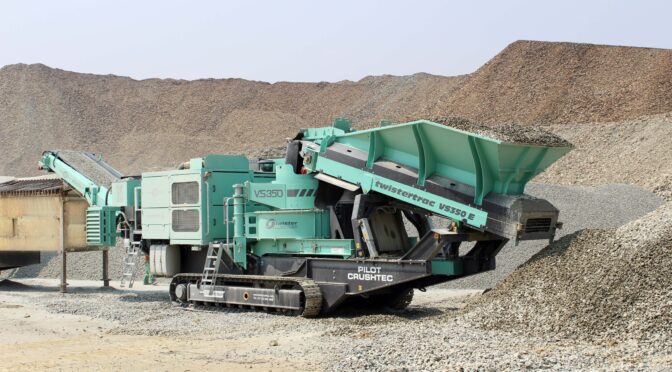
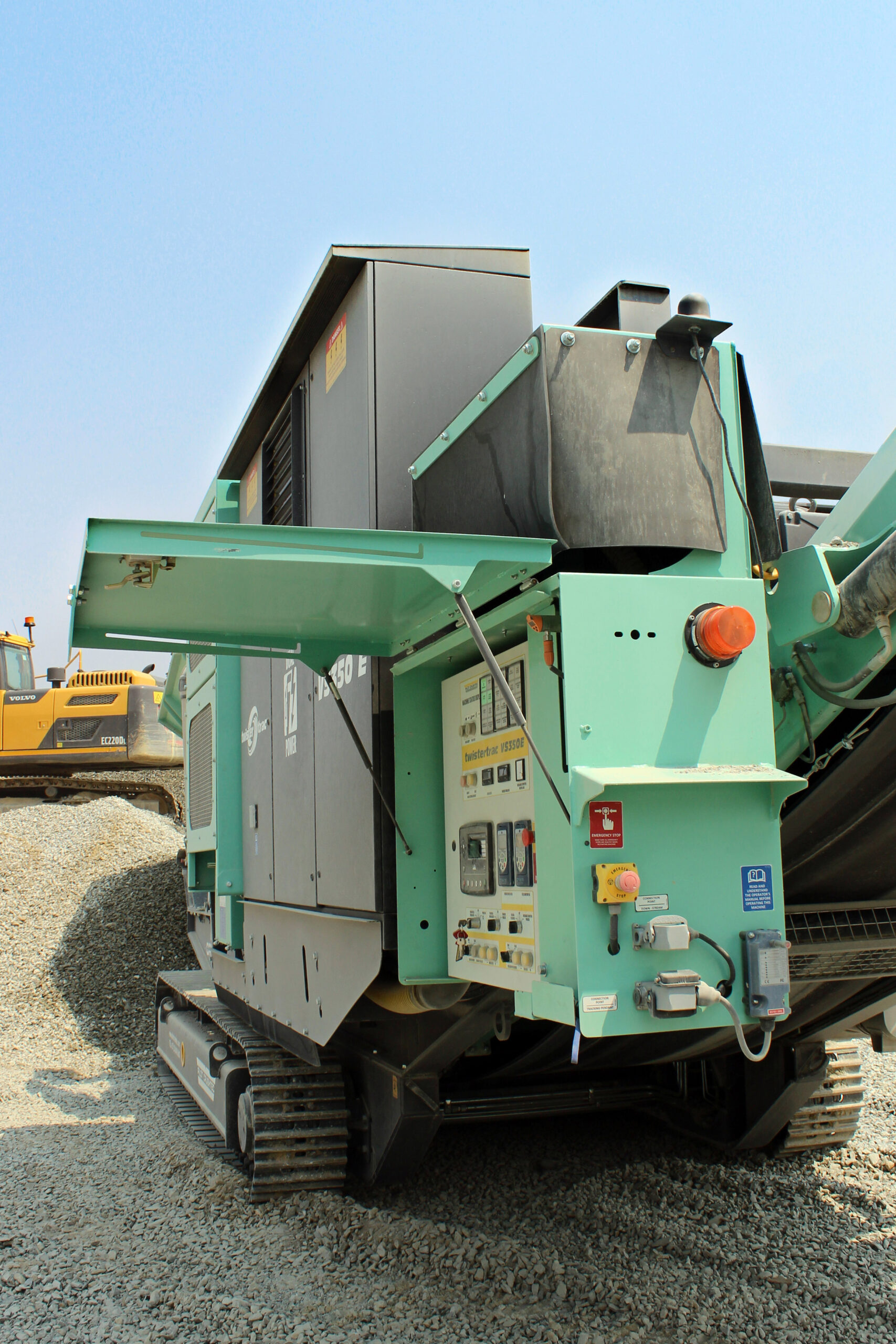
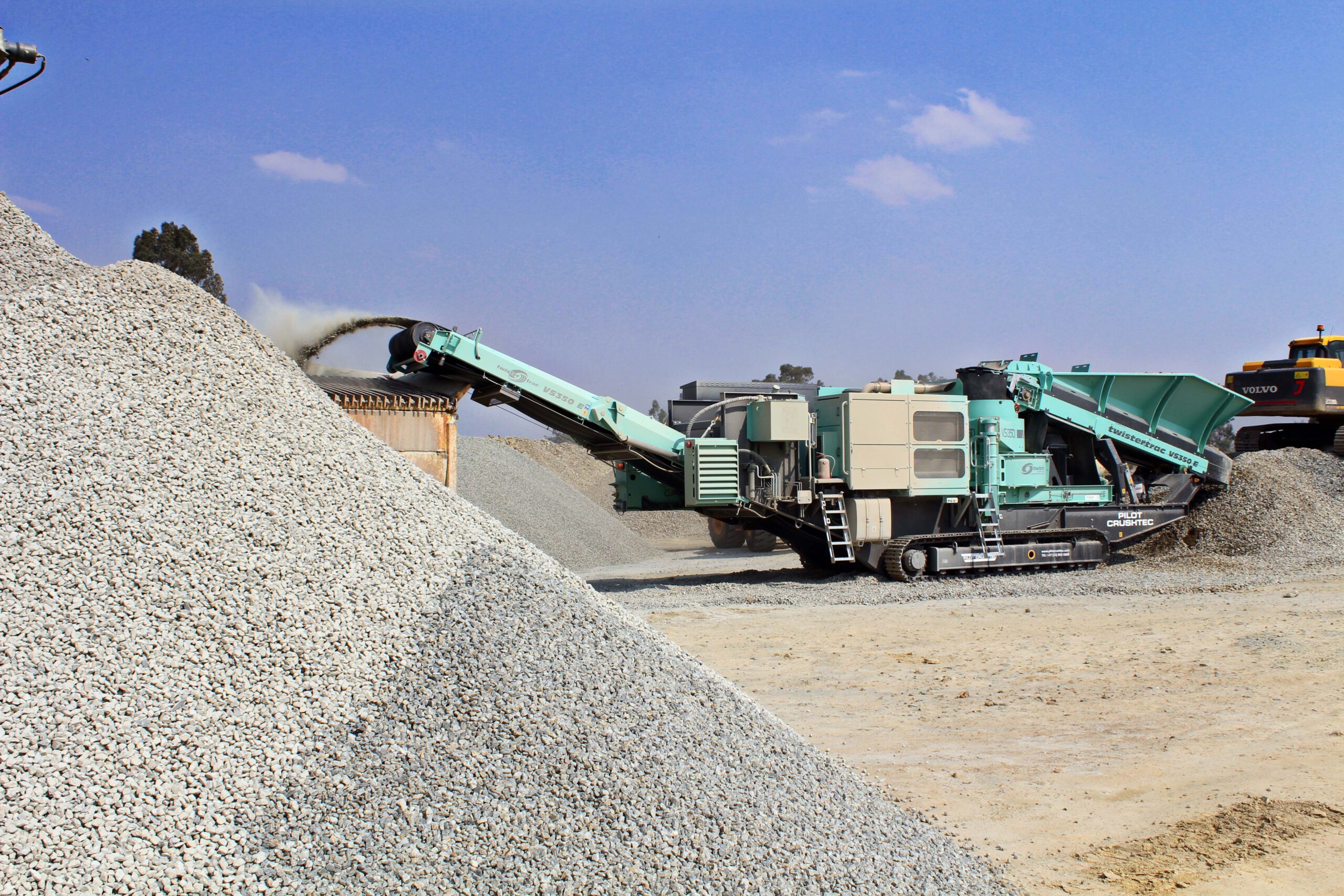
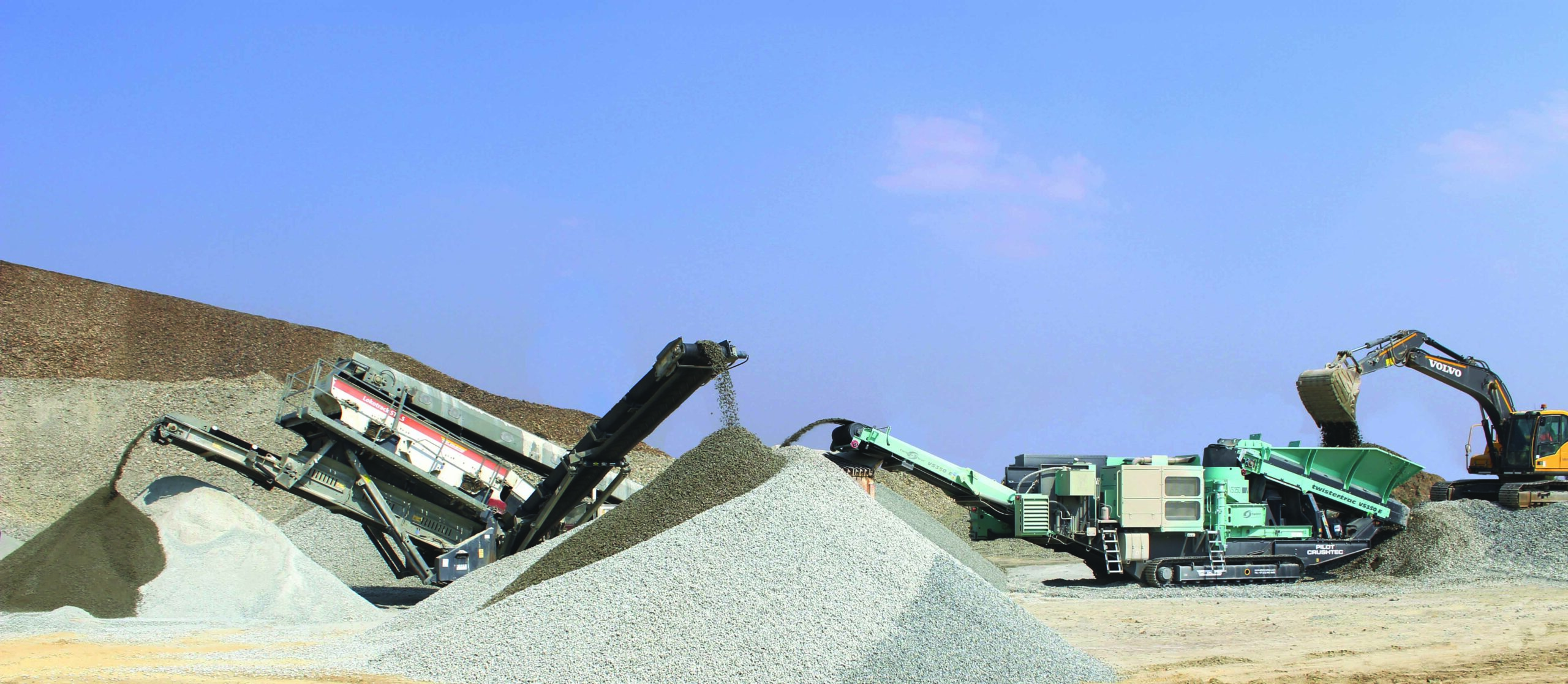
Exhibiting this year at Hillhead – the UK’s largest quarrying, construction and recycling equipment exhibition – Pilot Crushtec will showcase its latest generation TwisterTrac VS350E Stage V mobile crusher while accelerating its drive to build a stronger European distribution footprint.

Taking place from 23 to 25 June 2026, Hillhead is set to attract around 20,000 visitors and more than 600 exhibitors. For Pilot Crushtec, the event marks a significant step in its international growth strategy, according to Sales and Marketing Director Francois Marais.

“We want to make a big statement about our latest model TwisterTrac VS350E which complies with the European Union’s Stage V emissions regulations,” Marais says. “Secondly, we are actively looking to engage with potential distributors for both the TwisterTrac and our broader product range – mobile and static.”

Hillhead visitors will have the opportunity to physically inspect a brand-new TwisterTrac VS350E Stage V unit which will be the highlight of Pilot Crushtec’s stand at M3 in the show’s well known ‘crusher alley’. This UK expo draws visitors from across Europe, making it an ideal platform for Pilot Crushtec’s ambitions beyond its traditional markets. 

Marais says the decision to exhibit was driven by the company’s growing installed base in Europe and the United Kingdom.

“The very first Stage V TwisterTrac we sold last year went into the UK, where we have historically supplied a number of previous models,” Marais explains. “We have also supplied machines into eastern Europe, so there is an established machine population; this adds to the confidence of both customers and potential distributors.”

James Atkins, Product Specialist at Pilot Crushtec, points out that the TwisterTrac VS350E has over the years proven itself as a robust and productive platform. More than 100 units have been supplied globally, with the majority operating outside South Africa. 
“The Stage V version builds on this track record, bringing the design into compliance with strict EU regulations,” Atkins says. “The unit carries full CE certification, so customers get all the benefits of a tried-and-tested design but in a package that meets European regulatory expectations.”

Key elements of the Stage V configuration are its Volvo Penta engine and dual-power capability. This allows the machine to run efficiently on its onboard generator set, or from a grid electricity supply – an increasingly important consideration in emissions-regulated markets.

In parallel with its product focus, Pilot Crushtec will use Hillhead to engage with potential distribution partners. 

“We are seeing growing direct sales activity into Europe and that is driving our need for local partners,” Marais says. “We are looking for distributors with strong service capability and a solid reputation, who can both grow the market and support the customers that we already have in the region.”

BOOYCO ENGINEERING DRIVES SAFER, MORE PRODUCTIVE OPERATIONS THROUGH CAB COMFORT AND AIR QUALITY

Maintaining safe and comfortable working conditions in the cabs of construction, earthmoving and mobile mining equipment is critical to both operator wellbeing and overall productivity. In demanding environments characterised by extreme temperatures, dust and airborne contaminants, effective climate control and air filtration systems are no longer optional – they are essential.

Booyco Engineering, a specialist in heating, ventilation and air conditioning (HVAC) systems for mobile equipment, continues to emphasise the importance of properly designed and maintained cab environments to support safe and efficient operations across industries.

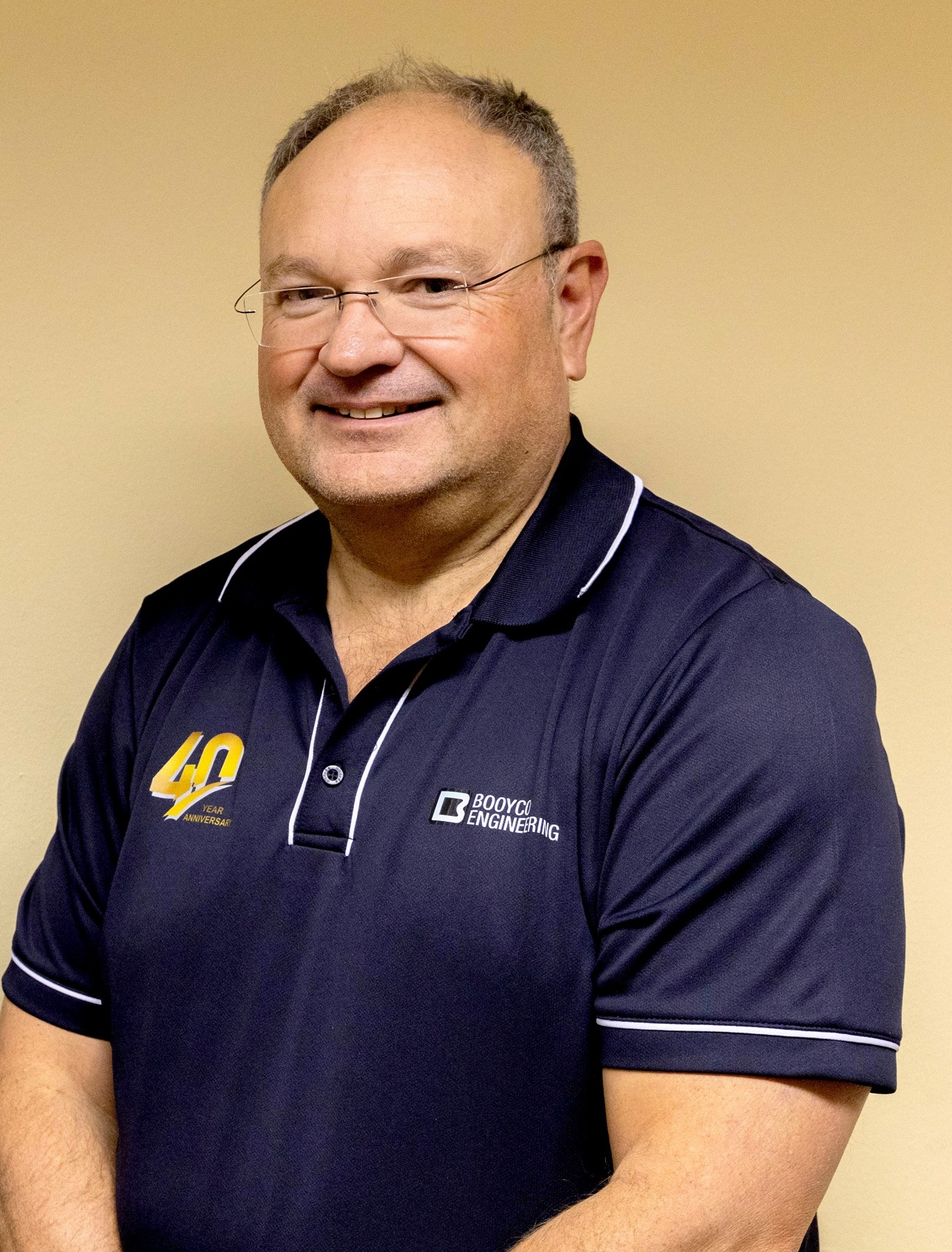
Managing Director, Brenton Spies explains that operators often spend long hours inside machine cabs, exposed to fluctuating temperatures and harsh environmental conditions. “Without adequate temperature control, heat stress or excessive cold can impair concentration, increase fatigue and ultimately raise the risk of incidents on site,” he says.

“Comfort in the cab directly affects operator performance,” he continues. “When temperatures are properly regulated, operators are able to remain focused and alert which contributes to safer and more productive operations.”

Equally important is the role of advanced air filtration. In industries such as mining and construction, airborne dust and particulates pose a significant health risk if not effectively managed. Poor air quality can lead to respiratory issues over time and reduce the overall working life of operators as well as long term medical issues.

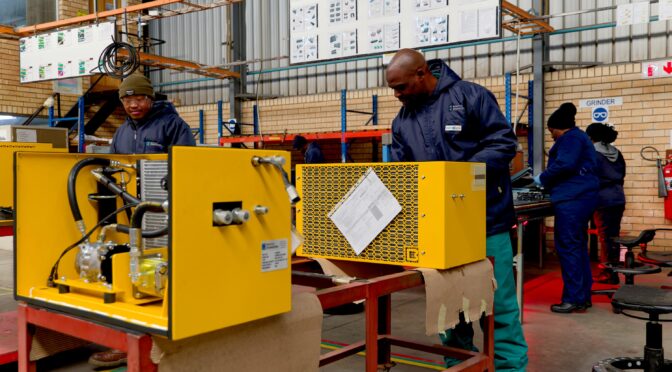
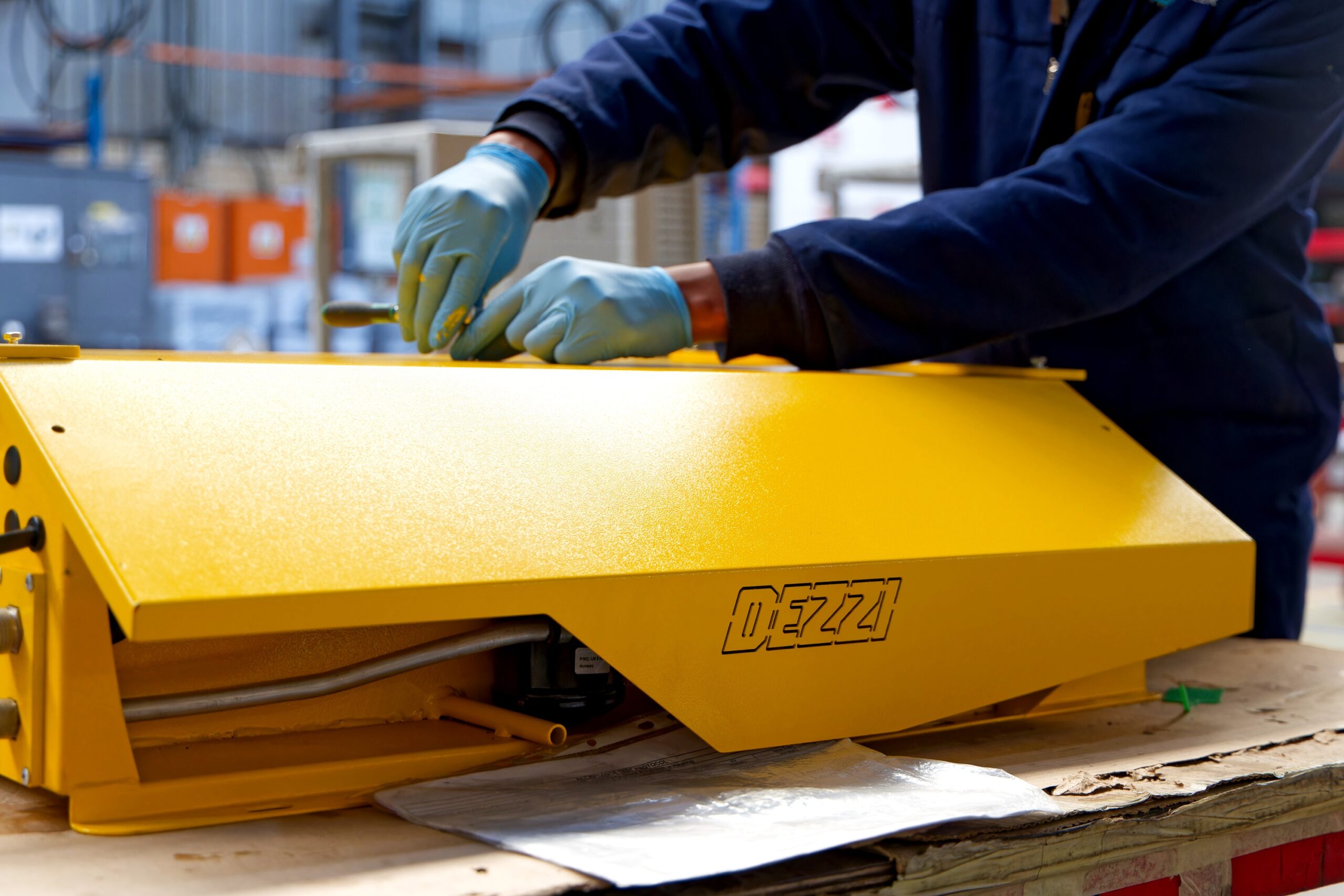
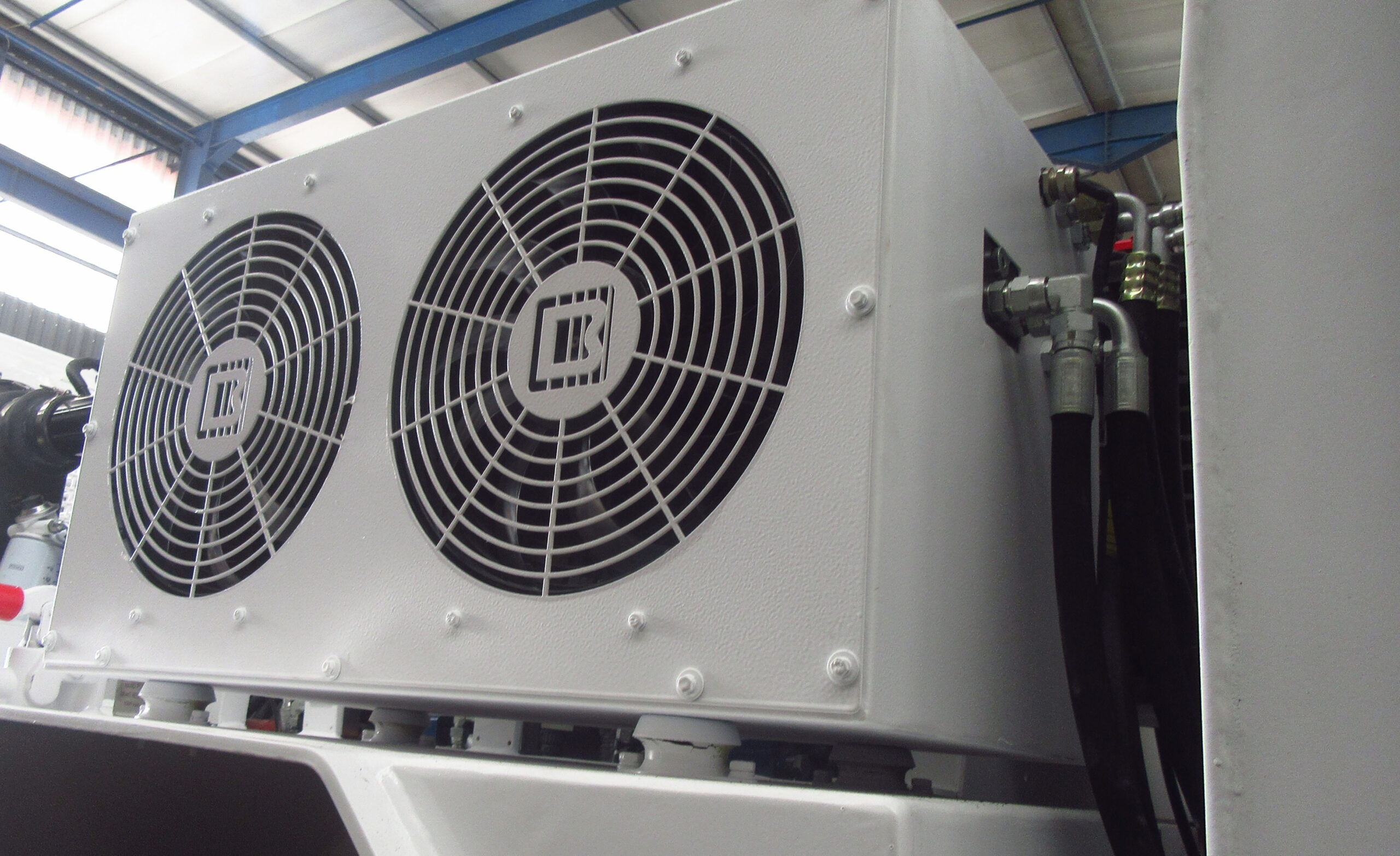
Booyco Engineering’s HVAC systems are designed to address these challenges by maintaining optimal temperature ranges while ensuring that clean filtered air is continuously supplied into the cab. By creating a pressurised environment these systems help prevent dust ingress protecting both the operator and sensitive onboard equipment.

Spies says that in addition to improving safety, well-maintained climate control systems can enhance equipment longevity. “Excessive heat and dust can negatively impact electronic components and control systems within the cab, leading to increased maintenance requirements and potential downtime.”

As industries place greater emphasis on health, safety and environmental standards, the expectations around operator working conditions continue to rise. Regulations and best practice guidelines are increasingly recognising the importance of air quality and temperature control in mobile equipment environments.

Booyco Engineering works closely with OEMs and end users to ensure that HVAC systems are fit for purpose, robust and capable of performing reliably in some of the harshest operating conditions. This includes solutions tailored for both surface and underground applications, where environmental challenges can differ significantly.

“Providing a controlled, clean and comfortable cab environment is not just about compliance – it is about protecting people and enabling them to perform at their best,” Spies notes. 

“By prioritising operator comfort through effective temperature control and air filtration, companies can reduce health risks, improve productivity and support safer operations across construction, earthmoving and mining sectors,” he concludes. 

STRONGER ENFORCEMENT AND COLLABORATION SIGNAL SHIFT IN SOUTH AFRICA’S CIVIL ENGINEERING SECTOR

Encouragingly, collaboration between public and private sector stakeholders in South Africa’s civil engineering industry is strengthening – underpinned by a firmer stance on accountability across the construction value chain. According to Lindie Fourie, Operations Manager at the Bargaining Council for the Civil Engineering Industry (BCCEI), recent remarks by the Department of Public Works and Infrastructure that a number of contractors have already been blacklisted in 2026 for non-compliance and unethical practices send a clear signal that enforcement is gaining traction.

“The increased visibility of enforcement actions is an important step in restoring confidence in the sector,” Fourie says. “It demonstrates a commitment to accountability and helps to protect those contractors who are operating responsibly and within the framework of the law.”

Against this backdrop, South Africa’s civil engineering sector is showing early signs of recovery, although ongoing economic pressures continue to constrain the pace and sustainability of growth. While anticipated increases in infrastructure investment and improving project pipelines are providing some optimism, contractors are still navigating tight margins, rising input costs and persistent uncertainty.

Activity in the sector has been supported by renewed focus on infrastructure development, particularly in roads, energy and water projects. However, the benefits are not yet evenly distributed across the industry. Many contractors, especially small and medium-sized players, remain under strain due to delayed project rollouts, payment bottlenecks and limited access to consistent work.

Cost pressures continue to weigh heavily on operations. Escalating fuel prices, material cost volatility and labour-related expenses are eroding margins, leaving little room for inefficiencies. In this environment, disciplined project management, accurate pricing and stringent cost control have become critical for business sustainability.

Amid these challenges, the BCCEI continues to play a central role in promoting stability, fairness and compliance across the sector. Fourie emphasises that a structured regulatory environment is essential to building a sustainable and competitive industry.

“Labour compliance is not just a regulatory requirement – it is a cornerstone of a stable and competitive civil engineering sector,” she says. “When all contractors operate on a level playing field and meet their obligations in terms of wages and conditions of employment, it creates an environment where businesses can compete fairly and projects can be delivered more effectively.”

She adds that the industry must also condemn the abominable practice of some contractors that attempt to exploit the most vulnerable purely to secure a tender and undercut their law-abiding fellow contractors who tender on BCCEI rates.

She notes that economic pressure often places strain on both large contractors and smaller subcontractors, making compliance more challenging but even more critical. “In difficult economic conditions, there can be a temptation to cut corners. However, non-compliance undermines the entire industry and ultimately impacts project delivery, worker welfare and investor confidence.”

Fourie adds that enforcement alone is not sufficient to achieve long-term stability. “Alongside enforcement, there must be active support for contractors to understand and meet their obligations,” she says.

To this end, the BCCEI continues to support contractor development and compliance awareness, working closely with both established firms and emerging contractors. This includes providing guidance on collective agreements, labour obligations and administrative processes, helping especially smaller businesses to build sustainable, legally compliant operations while remaining competitive in a challenging economic environment.

Despite these positive indicators, challenges remain. The sector continues to face skills shortages, administrative complexity and the lingering effects of historical underinvestment. For meaningful, long-term growth, consistent infrastructure spend, streamlined approvals and reliable payment practices will be essential.

While the sector remains under pressure, there is growing confidence that stronger enforcement and improved collaboration are laying the groundwork for a more stable and sustainable industry. 

Fourie emphasises that consistency will be key. “Sustained infrastructure investment, combined with firm but fair enforcement of compliance, will be critical to unlocking the sector’s full potential. When the right structures are in place and consistently applied, the civil engineering industry can deliver meaningful economic growth, support job creation and contribute significantly to South Africa’s development,” she concludes. 

BOOYCO ENGINEERING STRENGTHENS GLOBAL DEFENCE FOOTPRINT WITH MISSION-CRITICAL HVAC SOLUTIONS

As geopolitical uncertainty drives renewed defence investment in many regions, South Africa-based Booyco Engineering is providing specialised industrial HVAC solutions to a global customer base. 

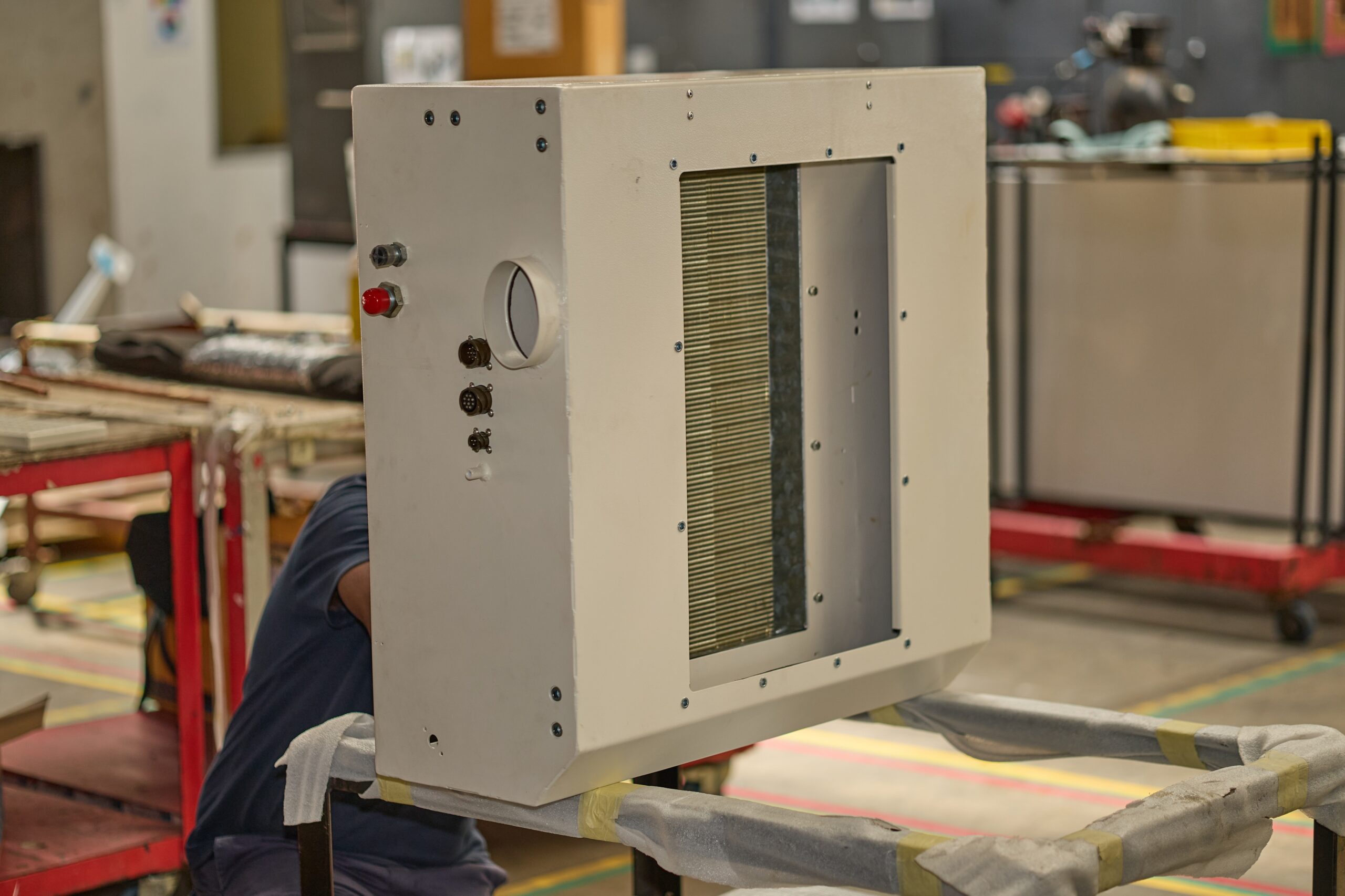
Among its recent projects have been the design and manufacture of complex cooling systems for radar jamming shelters as well as for leading edge military amphibious vehicles. According to Grant Miller, Executive Director at Booyco Engineering, the company’s decades of engineering experience and proven track record in mission-critical HVAC solutions has built its reputation in the defence sector.

“We engineer our systems to suit the particular demands of complicated military equipment, designed for the harshest conditions while still meeting onerous specifications,” Miller says. 

In one recent project, these custom engineered solutions are being fitted to specialised hard-skinned radar jamming shelters – manufactured in South Africa by ADG Mobility for export. Built on an ISO-container footprint, these shelters house sensitive electronic systems, radar-interference technology and ballistic protection rated to withstand light arms fire.

“This environment creates severe thermal and electromagnetic demands,” he explains. “Not only must the HVAC system maintain stable internal temperatures for both personnel and electronics, but it must do so while complying with rigorous electromagnetic interference (EMI) standards.”

To meet the demanding electromagnetic compatibility requirements, Booyco Engineering designed the system in accordance with US military standards 461F, which governs electromagnetic interference in military environments. 

“When you are dealing with radar-related systems even small emissions can compromise performance – so the HVAC unit itself must be part of the protection strategy,” he says. “Acoustic considerations are also important, to ensure a quiet working environment; our system therefore operates at around 50 dB, significantly quieter than a typical office unit.”

To meet the extreme thermal specifications imposed by the shelters, the HVAC system is engineered for operating temperatures from minus 40°C to plus 55°C, with a maximum cooling output of 9 kW and heating of around 6,5 kW. The HVAC design must also accommodate the challenging shock and vibration demands of mobile military platforms, aligning with both MIL-STD-810G and the AECTP-400 requirements for mechanical stresses.

“These shelters are mounted on military trucks that move over rough terrain, so the system must endure the same treatment,” Miller says. “It is not a plant room system; it has to survive real military deployment.” 

Other features of the system include chemical, biological, radiological and nuclear (CBRN) filtration as well as cyclonic dust filtration for high particulate environments. There are also built-in test functions and sensors such as onboard carbon dioxide monitoring and advanced digital scroll compressors that ensure tight thermal stability for sensitive equipment. Despite the system’s complexity, Booyco Engineering designed and developed the shelter HVAC in an accelerated timeframe, he notes.

“It has been a rapid development programme, made possible by the foundation of knowledge and experience Booyco Engineering has built up from previous systems engineering,” he says. 

In a separate contract with a southeast Asian government, Booyco Engineering is supplying a dedicated HVAC solution for a latest generation 8×8 amphibious infantry fighting vehicle. Rated for operation up to 49°C and down to minus 10°C, the Booyco HVAC unit integrates CBRN filtration and advanced environmental protection. 

“The CBRN system protects occupants of the vehicle from harmful gases or chemical agents,” Miller explains. “The filtration activates and removes harmful particulates and gases through high efficiency particulate air (HEPA) and carbon filters to protect both the crew and the vehicle’s electronics.” 

Having built a strong relationship with this customer over almost 15 years, Booyco Engineering has successfully developed systems that withstand exceptionally harsh climatic and operational conditions. In amphibious applications, for instance, humidity and salinity – as well as rapid thermal shifts and continuous vibration – create a uniquely demanding environment for climate-control systems, he says. The project includes a full prototype as well as several pre-production units to undergo qualification testing. 

CEMENTATION AFRICA PARTNERS WITH THARISA ON UNDERGROUND MINE DEVELOPMENT 

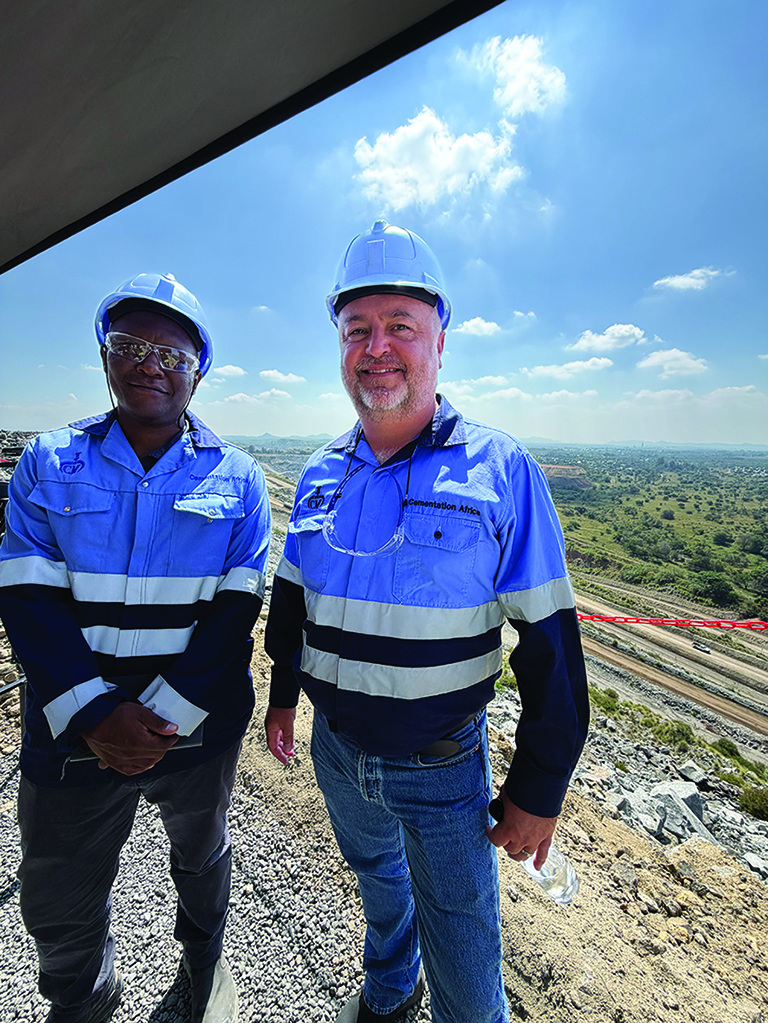
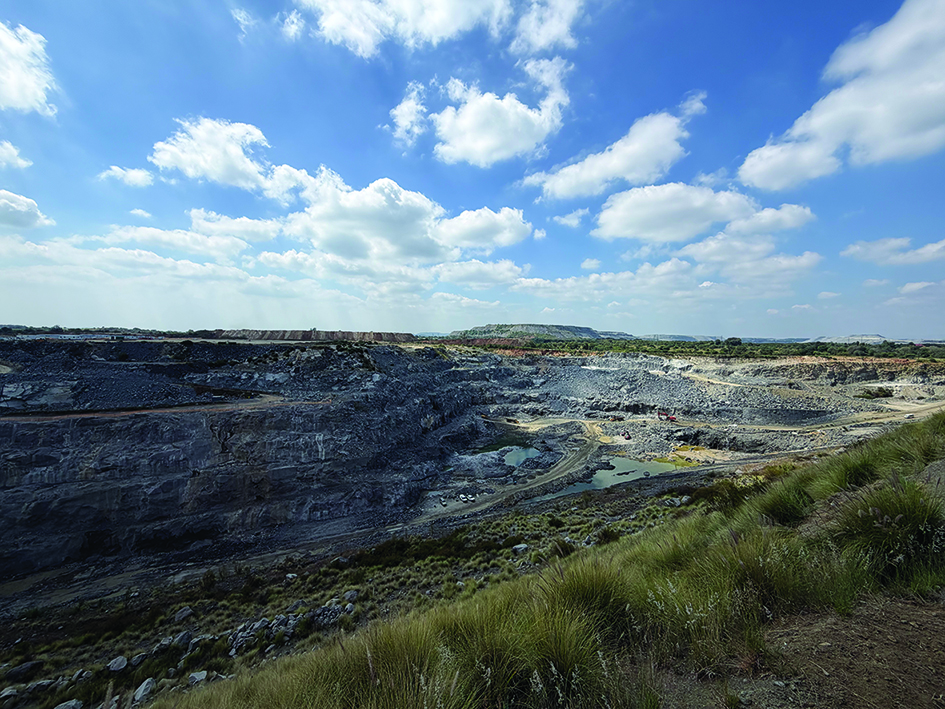
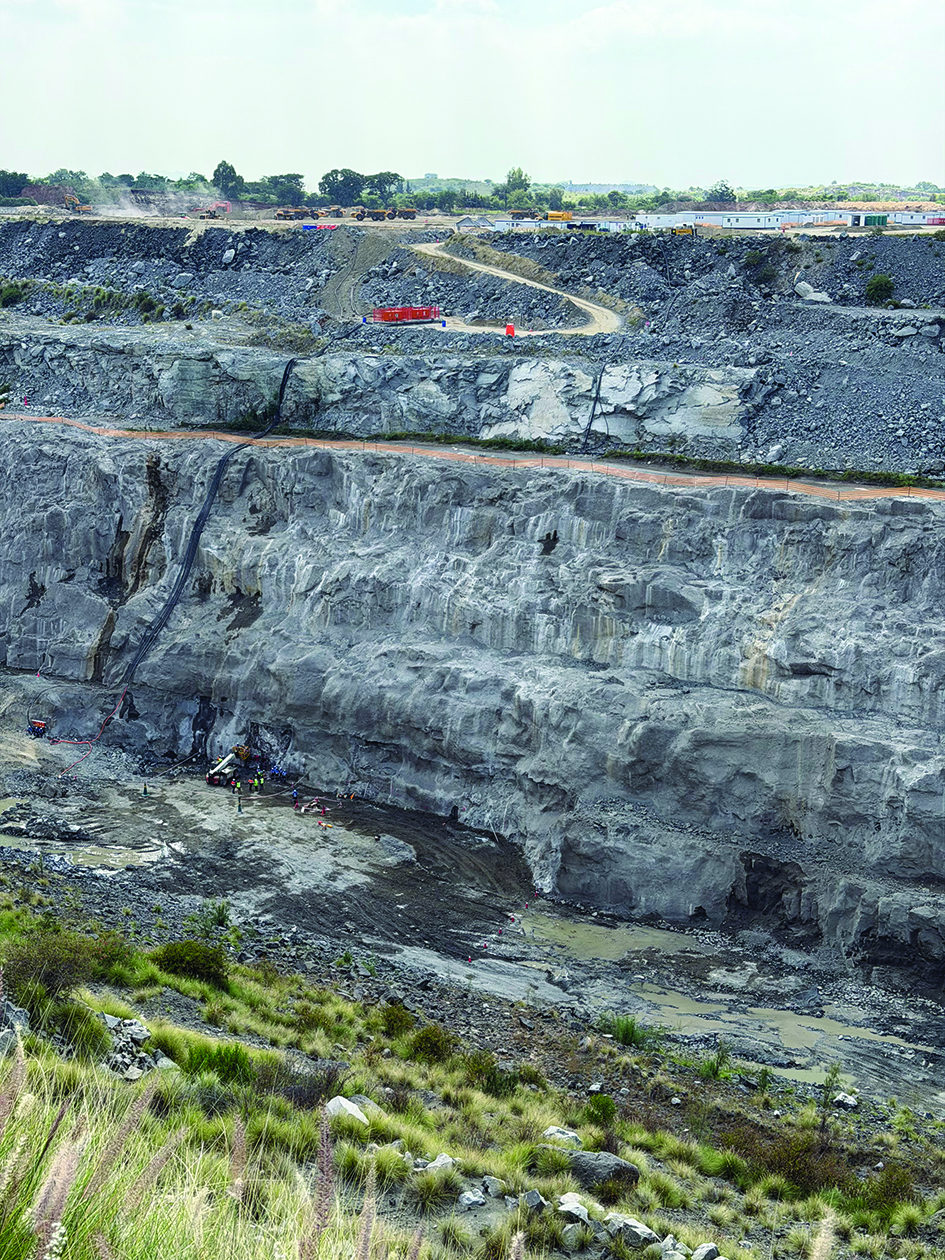
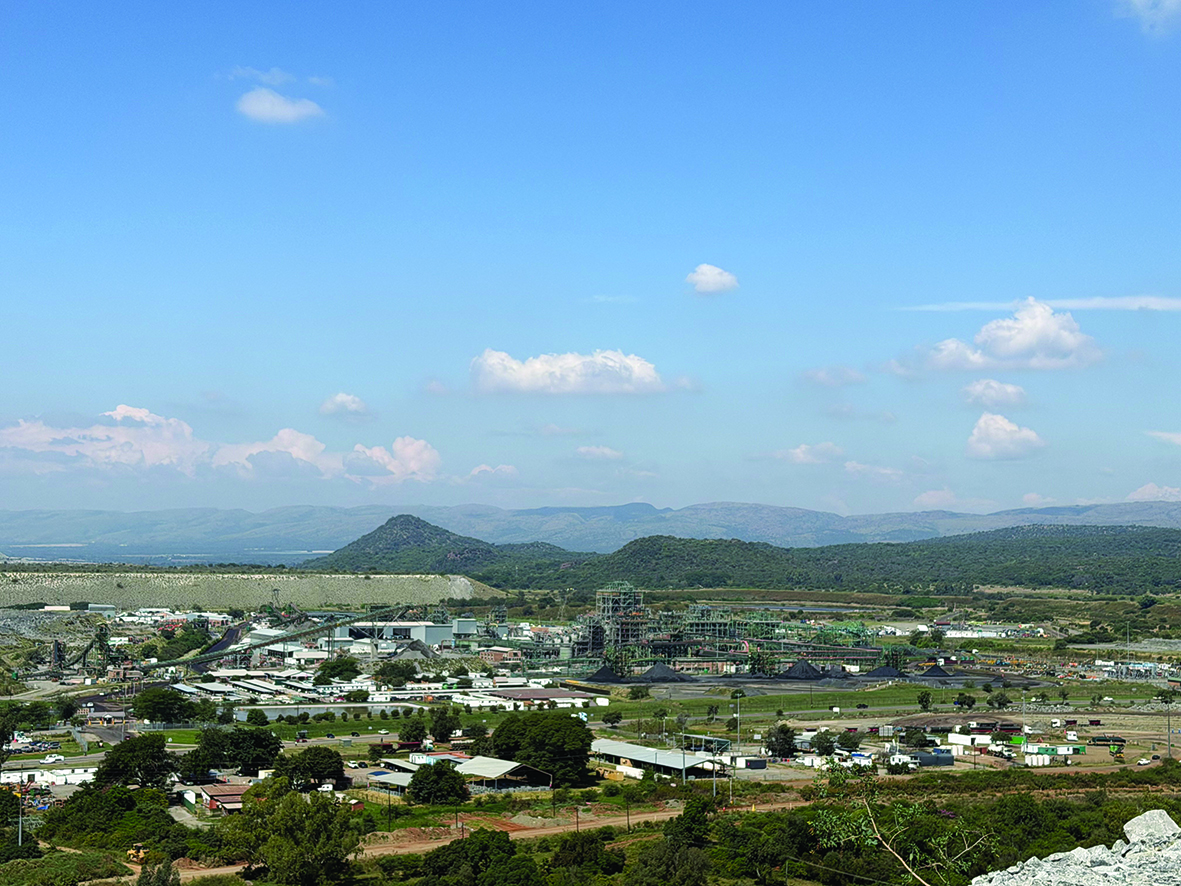
Tharisa Minerals has officially commenced the next phase of its mining journey with the inaugural blast at its underground project on Tuesday, 31 March 2026, marking the start of a significant transition from open pit to underground mining at its world-class chrome and platinum group metals (PGM) operation in South Africa’s Bushveld Complex.

The milestone signals the beginning of a strategic underground development programme that will extend the life of the mine well beyond the expected depletion of open pit resources in 2034. The new bord and pillar operation on the tabular reef is designed to sustain production at 5,6 Mtpa (with headroom to 6,2 Mtpa) and secure the long-term future of one of the country’s key mining assets.

Cementation Africa has been appointed as the key development partner for the underground project and will, over the next 5 years, be responsible for the early works, the main development programme as well as the production ramp-up to circa 255 kt per month.

Commenting on the milestone, Japie du Plessis, Managing Director of Cementation Africa, says the inaugural blast represents a significant moment for both the client and the broader mining sector.

“The inaugural blast marks the start of an important new era for Tharisa and is a major milestone in extending the life of this world-class mining operation,” du Plessis says. “We are proud to have been selected as the development partner for this project and to play a leading role in supporting Tharisa’s transition to underground mining.”

He explains that the appointment follows a period of technical and commercial engagement between the two companies.

“This is a strategically important project for the South African mining sector,” he says. “The collaboration with Tharisa to date has been highly professional and forward-looking, which is essential for a project of this scale and complexity.”

The early works phase at the Apollo portal complex includes the development of three portals with a total advance of approximately 140 metres. These works include critical ground support measures, arch-set installations and shotcrete application to ensure long-term stability and safe access to the underground workings.

Following the completion of this phase, the project will move into a five-year main development and stoping contract, paving the way towards steady-state underground production.

Du Plessis notes that Cementation Africa’s role extends beyond mine development and excavation to include the establishment of the systems, governance structures and safety frameworks required for underground operations.

“Successful underground mining depends on much more than physical development,” he says. “It requires robust governance, comprehensive safety systems and the right operational procedures to  support long-term production.”

As one of the continent’s leading underground mining contractors, Cementation Africa brings extensive experience in underground mine development, raiseboring and shaft sinking, and has been instrumental in transitioning a number of large open pit mines to underground operations.

“Our ability to take mines from early development through to steady-state production is a key strength,” du Plessis says. “This institutional knowledge, combined with our technical capability and training infrastructure, is a major value-add for clients undertaking complex transitions such as this.”

The project also includes significant skills development and workforce mobilisation. Through its Training Academy near Carletonville, Cementation Africa will support the reskilling of personnel as the operation transitions from an open pit environment to mechanised underground mining.

The underground mine geometry is well suited to mechanised bord and pillar mining methods, supported by a fit-for-purpose fleet of trackless mining machinery including load haul dumpers, underground trucks, drill rigs, bolters, scissor lifts, shotcrete machines and graders.

Du Plessis adds that innovation and collaboration with OEM partners will also form part of the project’s long-term success, including the adaptation of proven technologies to improve ore handling and operational efficiency.

“This project reflects the future of mining in South Africa, where innovation, technical excellence and strong partnerships are essential to unlocking long-term value,” he concludes.

AFRISAM SUPPLIES KEY MATERIALS AS CSV CONSTRUCTION DELIVERS HIGH-IMPACT BAYSIDE CANAL UPGRADE

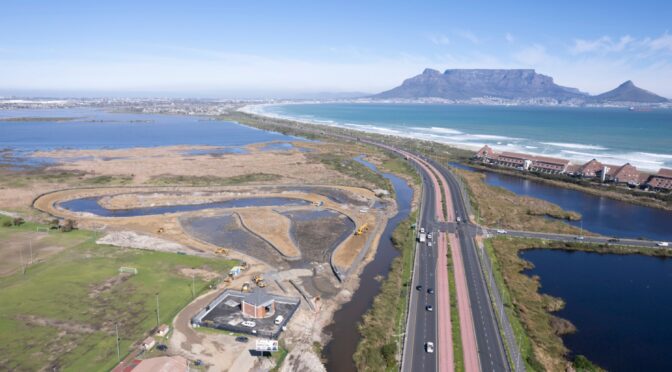
A major civil engineering project is reshaping how stormwater is managed close to Cape Town’s northern coastline, protecting residential neighbourhoods and wetlands in the area.

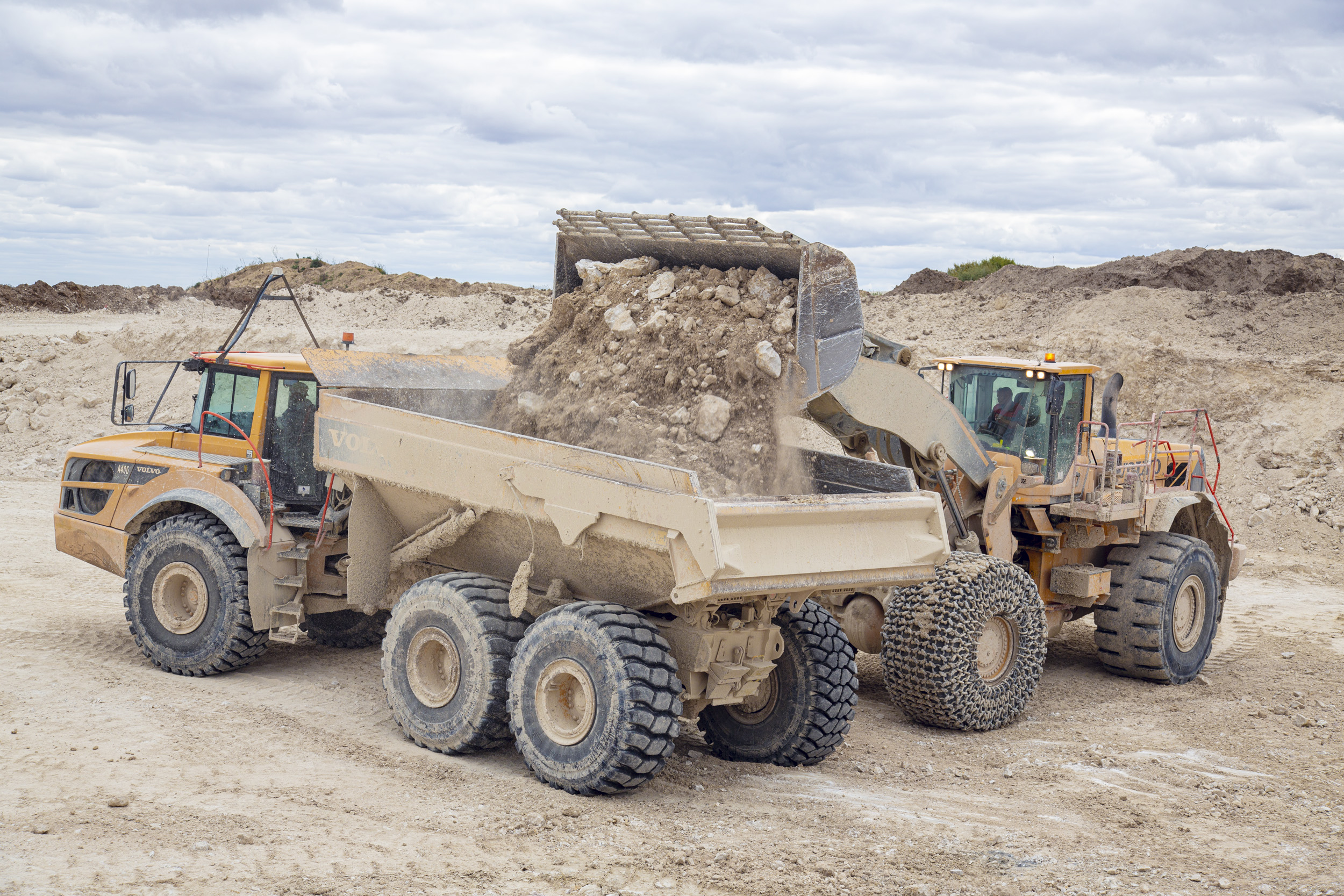
CSV Construction is deep into a substantial upgrade of the Bayside Canal outfall system in Blaauwberg, a critical intervention aimed at curbing flood risk in fast growing suburbs while protecting the sensitive Rietvlei Wetland Reserve. The scale of work demands exceptional volumes of rock and other materials, prompting the contractor to partner with AfriSam as its main supplier. 

The canal is a single stormwater outlet for a broad catchment that includes Tableview, West Beach, Parklands and Sunningdale. But with increased development and years of reed encroachment downstream, the infrastructure has struggled to cope.

“This upgrade really broadens the system’s hydraulic capacity,” explains Alex Pospech, Contracts Manager at CSV Construction. “This is critical for preserving the Rietvlei reserve – an important recreational and wildlife resource – while also reducing flood risk in an area that sits very low.” 

An important feature of the project is its balance between engineering and ecological considerations. Stormwater entering Rietvlei currently filters through dense reed beds that naturally trap solids and absorb nutrients. The expanded system must honour this natural treatment function, but on a more controlled and higher-capacity basis.

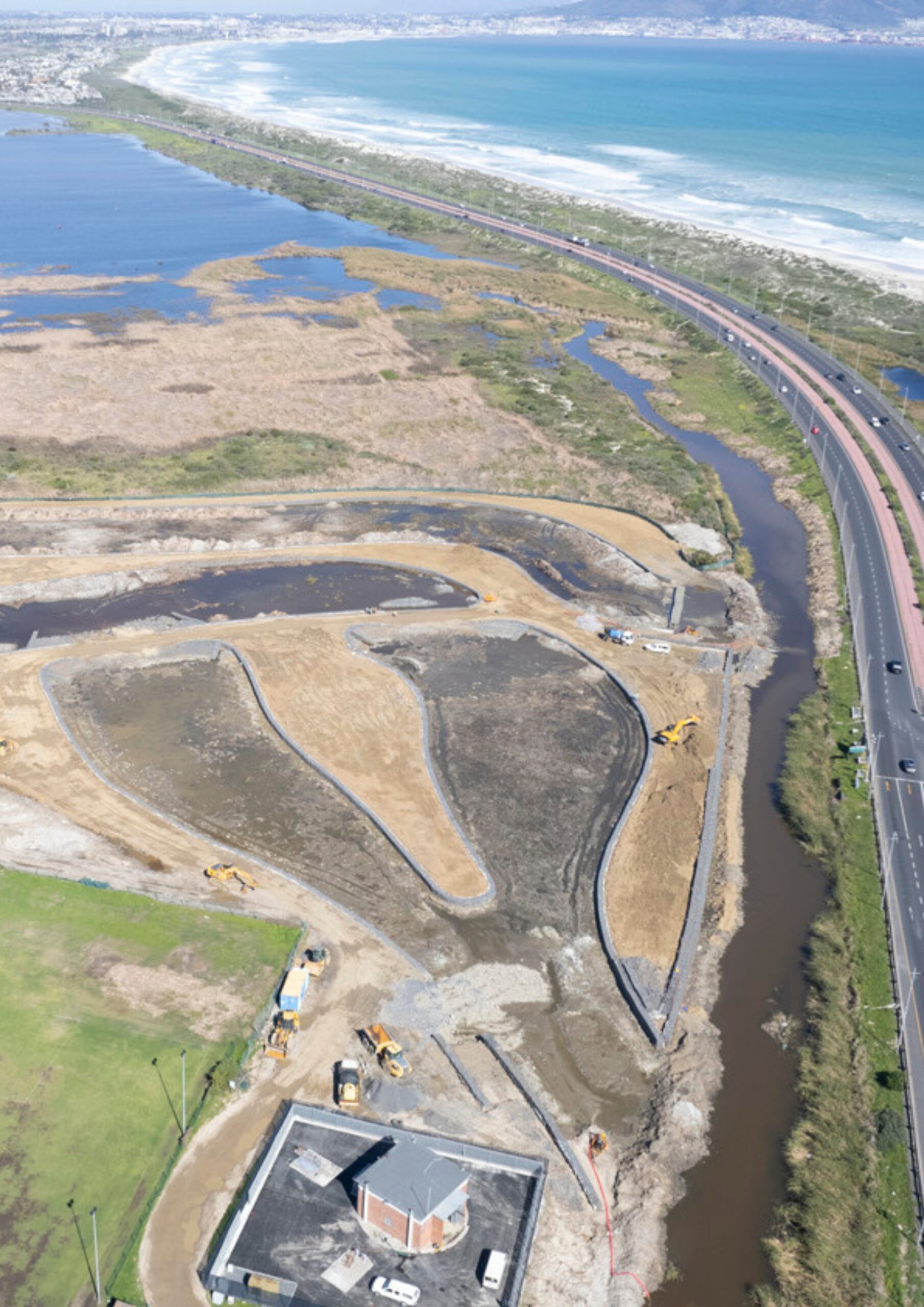
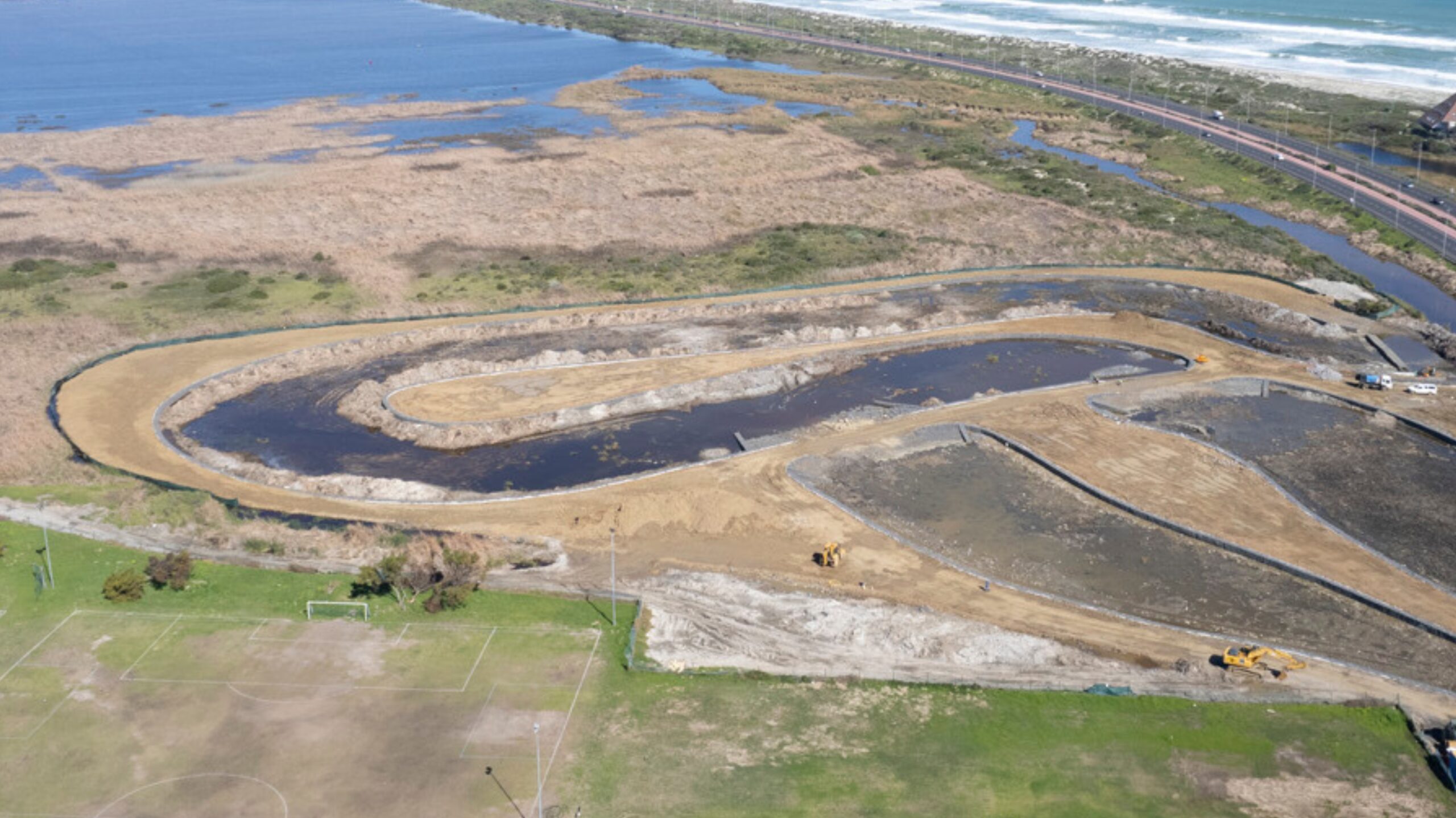
The redesigned outfall therefore includes two primary sedimentation ponds, each about 140 metres long, to allow heavier particles to settle. Downstream, a 460 metre secondary treatment canal slows the water further so that finer sediments can separate out. 

“These structures give us a controlled way to manage sediment loads before the water reaches the reeds,” Pospech notes. “It is a more resilient version of what the wetland has been doing on its own.” 

After passing through these treatment stages, the flow spills over a weir and into a reed-lined section for nutrient absorption and final polishing. To handle high volume storm events, CSV is also constructing a nearly 600 metre bypass channel along the R27, ensuring major surges can be diverted safely. 

The engineering design demands unusually large rock sizes and consistent material availability –  requirements that rely on the considerable capacity of AfriSam’s Peninsula Quarry. Ian Trimmel, Territory Sales Manager at AfriSam, says the supply chain has needed careful planning. 

“Moving dump rock isn’t simple, as not every truck can handle that kind of load,” Trimmel explains. “We have had to finetune the logistics so the right vehicles can safely collect and deliver what the contractor needs.” 

To meet the high demand for gabion stone, AfriSam even set up a dedicated production plant, shifting from the traditional method of hand-selecting stones to an industrial-scale process tailored for this project. 

Work on upgrading the canal will continue into 2027, as most work can only be conducted during the dry summer seasons. Once completed, about 45,000 m³ of material – much of it reed-choked sludge – will have been removed using long-reach excavators and articulated dump trucks. The cleared footprint is being stabilised with 12,000 m³ of dump rock, followed by about 20,000 m³ of overburden and nearly 15,000 tonnes of gabion stone baskets lining key sections of the canal.

MEMBRANE SOLUTIONS FROM CHRYSO DELIVER PROVEN PROTECTION FOR CONSTRUCTION PROJECTS

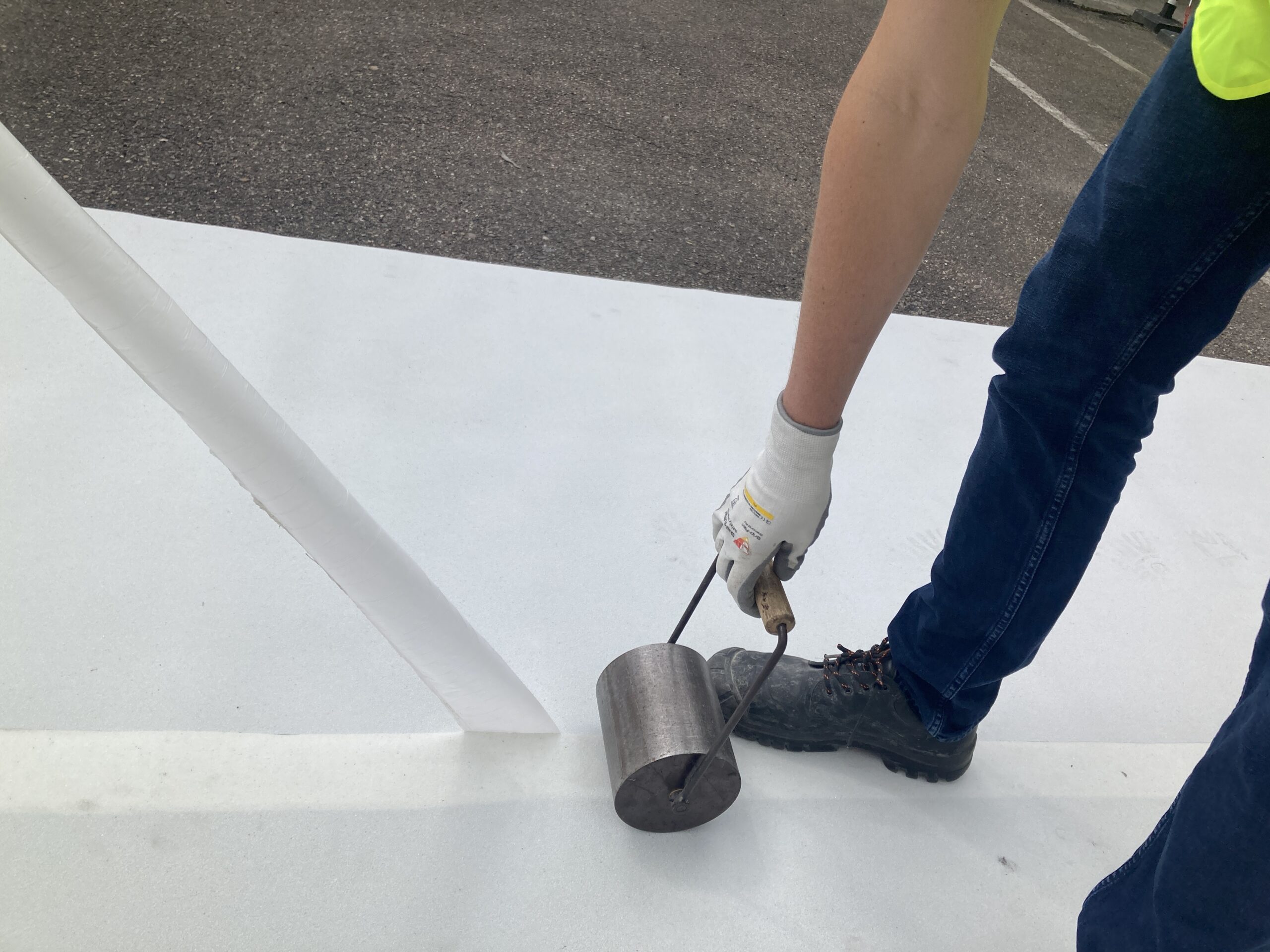
Within the Saint-Gobain group, GCP’s internationally recognised waterproofing membrane technologies are setting the standard for reliability and performance in demanding construction applications. Across Africa, these solutions are available through Chryso Southern Africa, offering contractors and engineers a range of advanced products for below-ground and above-ground protection.

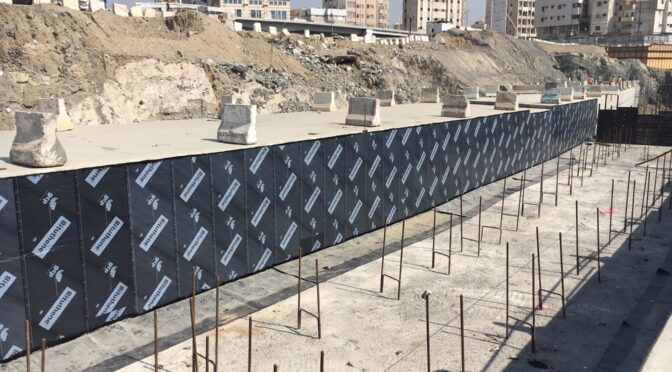
Among the leading solutions in the range are BITUTHENE® 3000 and low temperature membrane, PREPRUFE® 120S pre-applied membrane and PREPRUFE® DLM (Detailing Liquid Membrane) – each engineered for specific site conditions to ensure long term waterproofing integrity.

BITUTHENE® 3000 is a self-adhesive high-performance membrane designed for critical waterproofing applications in basements, retaining walls and substructures. It combines a robust cross-laminated HDPE film with a self-adhesive rubberised asphalt layer, providing excellent adhesion, tear resistance and durability. Its proven track record in both commercial and infrastructure projects makes it a go-to choice for challenging environments.

For projects where colder conditions can impact installation, BITUTHENE® Low Temperature Membrane offers the same reliable performance with a special adhesive formulation designed to allow easier handling and application in lower ambient temperatures. This ensures quality results year-round.

The PREPRUFE® 120S Membrane is a fully adhered, pre-applied waterproofing system that forms a permanent bond to concrete, preventing water migration and protecting against ingress even if the membrane is damaged during construction. This feature is particularly valuable for deep basements, tunnels and other below-grade structures where water pressure can be significant.

PREPRUFE® DLM (Detailing Liquid Membrane) has been developed to deliver the same pre-applied fully bonded performance in horizontal applications, offering high durability, chemical resistance and consistent protection for waterproofing details. 

“These membranes are proven in projects worldwide and have been extensively tested in the harsh conditions often encountered locally,” Andries Janse van Rensburg, Specialty Materials Head  Infrastructure BU at Chryso Southern Africa. “Choosing the right membrane is critical to ensuring the service life and performance of a structure, and our technical team works closely with customers to specify the best solution for each application. With these products, contractors benefit from both ease of installation and long-term protection.”
Through Chryso Southern Africa, customers gain access to not only the GCP range but also the technical expertise needed to ensure correct specification, detailing and installation – all essential for avoiding costly failures later in a project’s life.

From commercial basements to large scale civil works, the combination of Chryso’s local support and GCP’s proven technology is providing the South African construction sector with waterproofing membranes that deliver dependable performance in every application.