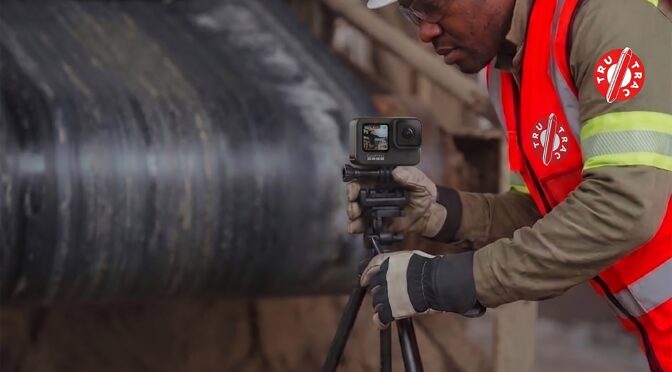
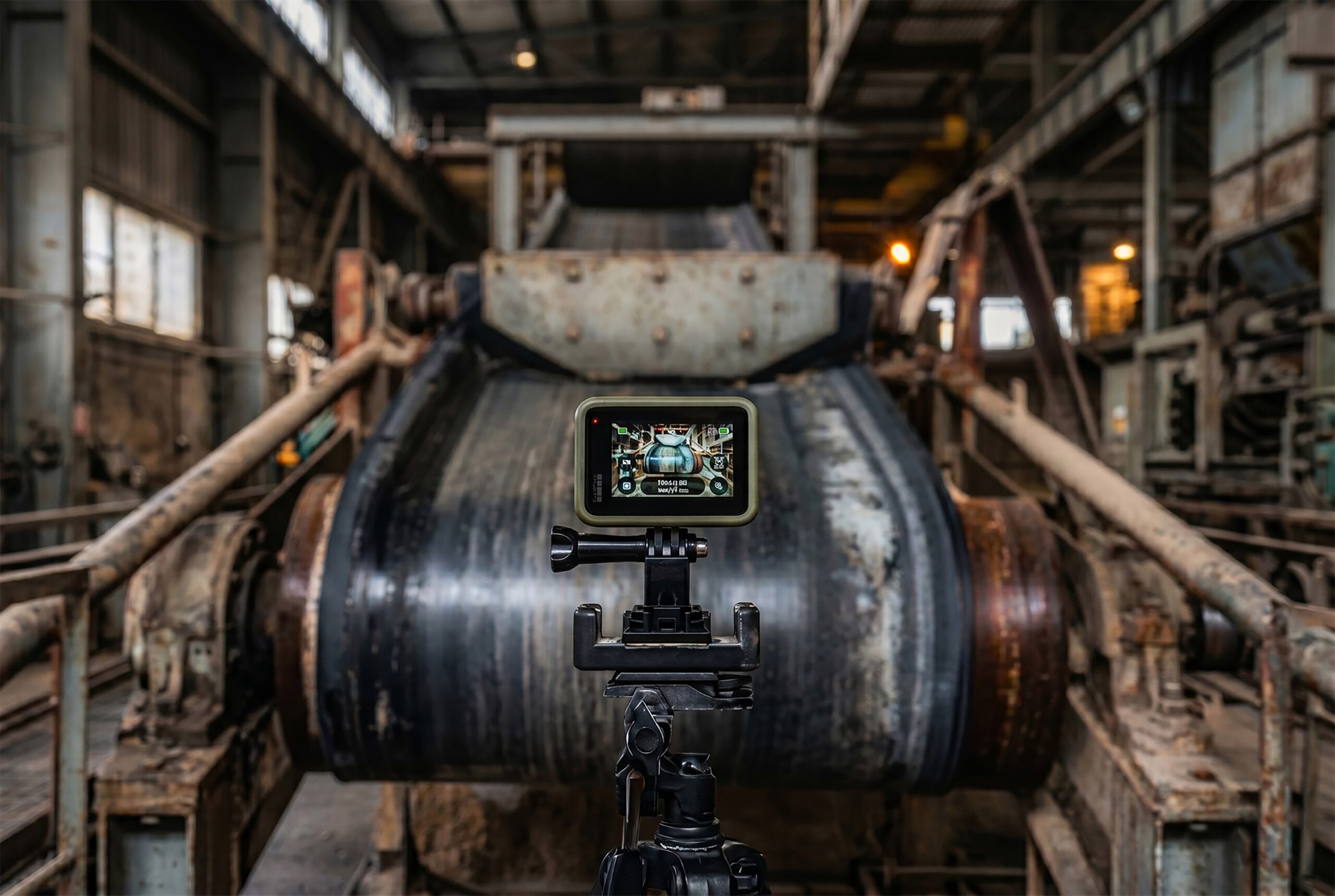
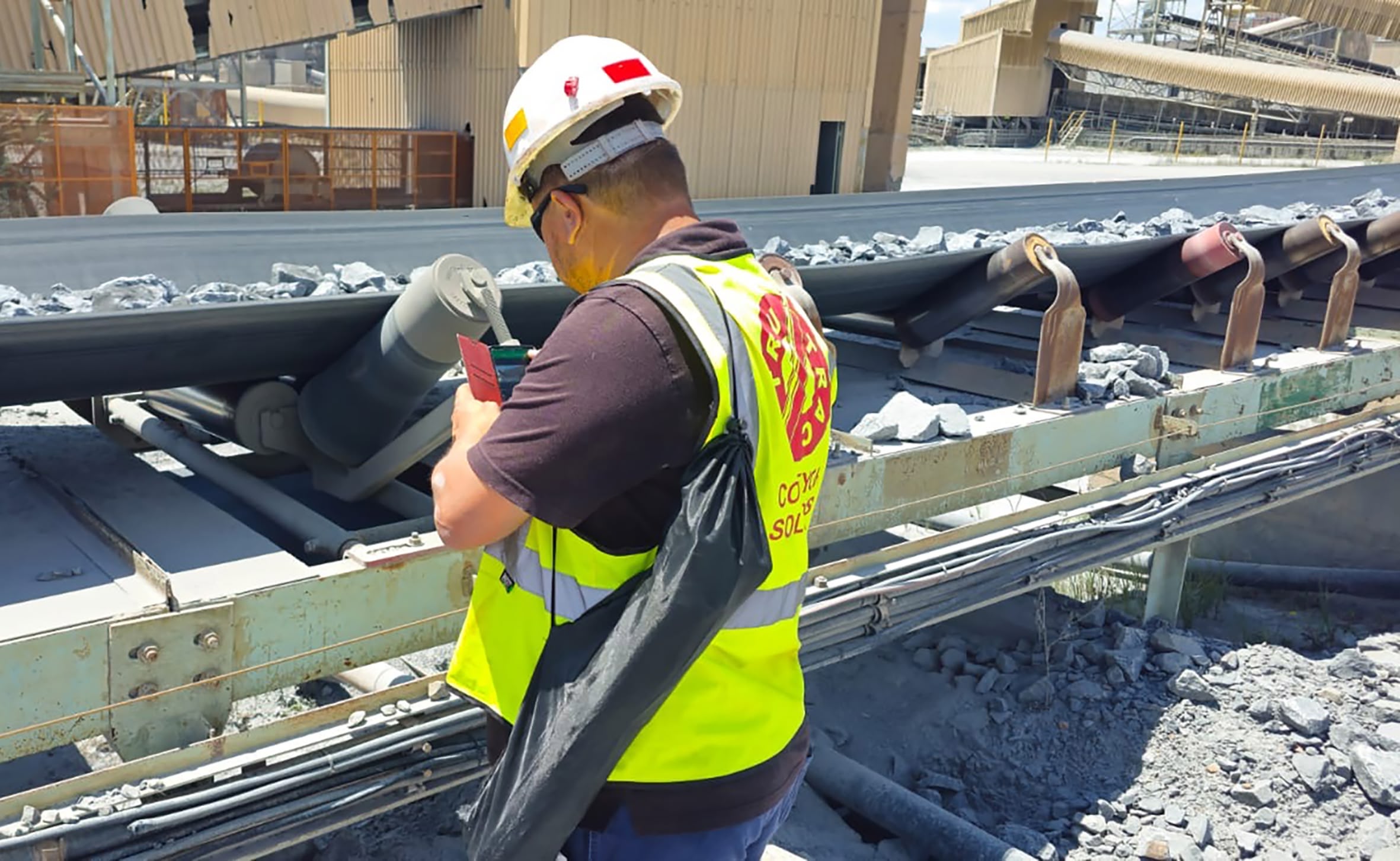
As conveyor systems become increasingly critical to production performance in mining and bulk materials handling operations, advanced thermal scanning technologies are emerging as a powerful tool in preventing catastrophic conveyor failures and improving plant reliability. According to David Pereira, Head of Sales at Tru-Trac, combining thermal scanning with modern belt scanning technologies is enabling operations to detect developing faults far earlier, allowing maintenance teams to move away from reactive repairs towards predictive, data-driven conveyor condition monitoring strategies.
“Abnormal heat signatures are often one of the first warning signs that a conveyor component is under stress,” Pereira explains. “Thermal scanning allows operations to identify issues such as failing bearings, excessive friction, lubrication breakdown and misaligned components before they escalate into major failures that impact production.”
When conveyor systems stop unexpectedly, the impact on production can be immediate and significant. The challenge, he says, is that many failures begin as relatively small issues that are difficult to detect during routine visual inspections.
Thermal scanning helps detect developing issues before failure, enabling proactive maintenance that improves reliability and minimises costly downtime.
Pereira explains that defects such as belt misalignment, splice deterioration, idler failure, pulley bearing overheating and abnormal friction conditions can escalate rapidly if left unchecked. In many cases, these failures result not only in production losses but also in costly damage to conveyor infrastructure and increased safety risks.
This is where advanced condition monitoring technologies are becoming increasingly valuable.
Belt scanning systems provide continuous insight into conveyor belt condition by identifying issues such as surface damage, rip detection, splice integrity problems, belt thickness loss and tracking irregularities in real time. Thermal scanning, typically through infrared thermography, complements this by identifying abnormal heat signatures across critical conveyor components including bearings, pulleys, idlers, drives and electrical systems.
Tru-Trac helps operations move from reactive repairs to predictive maintenance, improving conveyor reliability and reducing unplanned downtime.
“Elevated temperatures are often one of the earliest indicators that something is wrong,” Pereira explains. “Heat can indicate friction, lubrication breakdown, mechanical stress or impending component failure long before a catastrophic breakdown occurs. By identifying these warning signs early, maintenance teams can intervene proactively and avoid unplanned stoppages.”
According to Pereira, the increasing adoption of belt and thermal scanning technologies aligns closely with the broader industry drive towards predictive maintenance and improved asset management practices.
“Mining operations are under constant pressure to improve uptime while controlling maintenance costs,” he says. “Condition monitoring technologies give operators access to real-time data that allows for informed maintenance planning instead of relying purely on scheduled shutdowns or reacting after failures occur.”
Early detection through thermal scanning helps protect critical infrastructure by identifying developing faults before they result in equipment failure.
The benefits extend beyond maintenance planning alone. Early fault detection helps operations extend conveyor belt life, reduce secondary equipment damage, improve safety and optimise overall conveyor performance. In high-tonnage operations where conveyors often operate continuously under harsh environmental conditions, even minor improvements in reliability can translate into substantial operational and financial gains.
Pereira notes that conveyor systems are becoming increasingly integrated into broader digital maintenance and operational management platforms, with scanning technologies forming part of a more holistic approach to asset health monitoring.
“Modern conveyor management is no longer simply about replacing components when they fail,” he says. “It is about understanding the condition of the entire system in real time and using that information to make smarter operational decisions.”
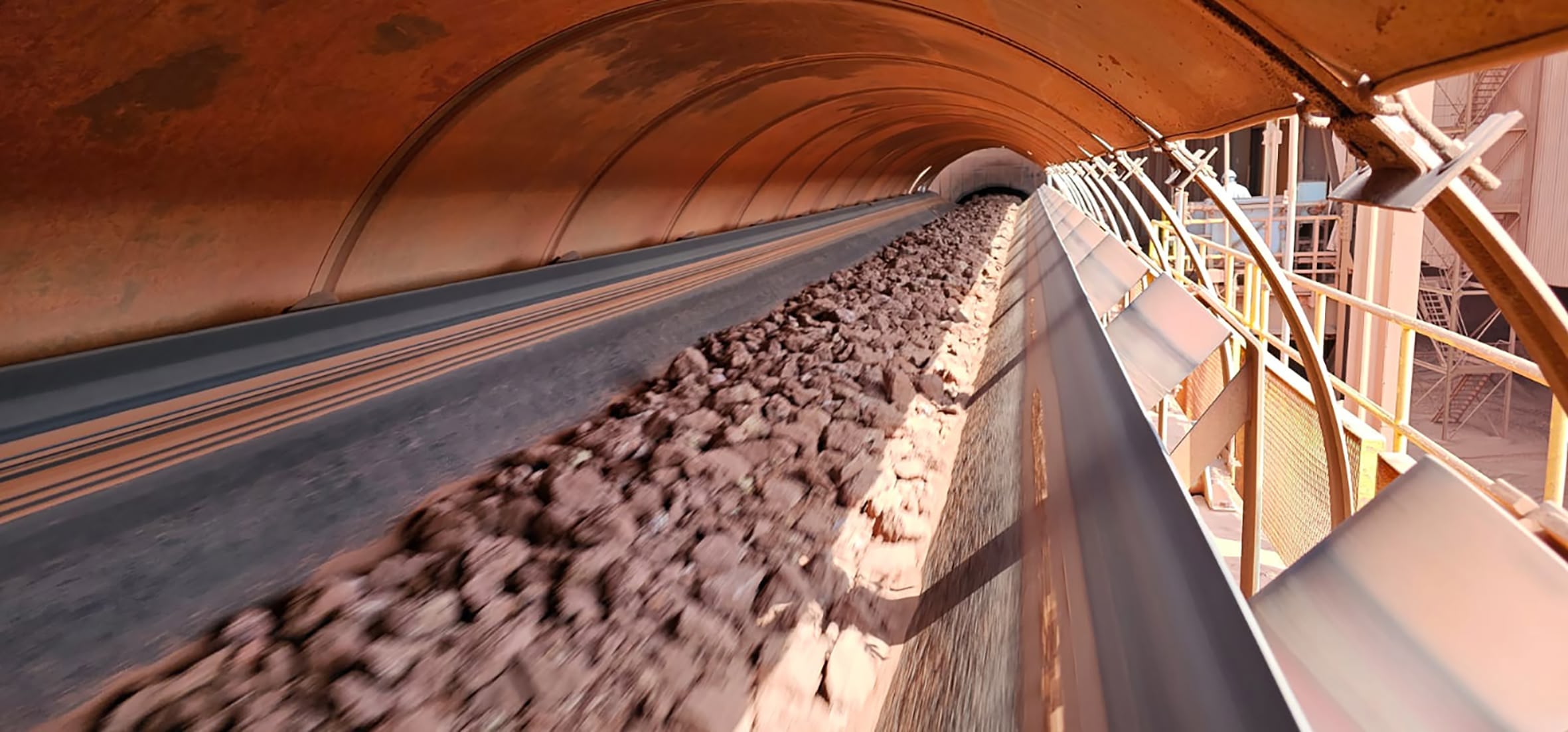
Continuous belt condition monitoring provides real-time insight that supports proactive maintenance, improves reliability and helps prevent unplanned downtime.
As conveyor systems continue to form the backbone of mining, quarrying and bulk materials handling operations, Pereira believes that integrated belt and thermal scanning is rapidly evolving from a specialist maintenance tool into a strategic operational requirement.
“In today’s production environment, conveyor reliability directly impacts profitability,” he concludes. “Belt scanning and thermal scanning technologies are helping operations protect critical infrastructure, reduce total cost of ownership and ensure that conveyor systems continue operating safely and efficiently.”
Technology has made it possible for mining to make meaningful gains in the comminution space if it is applied with precision and discipline.
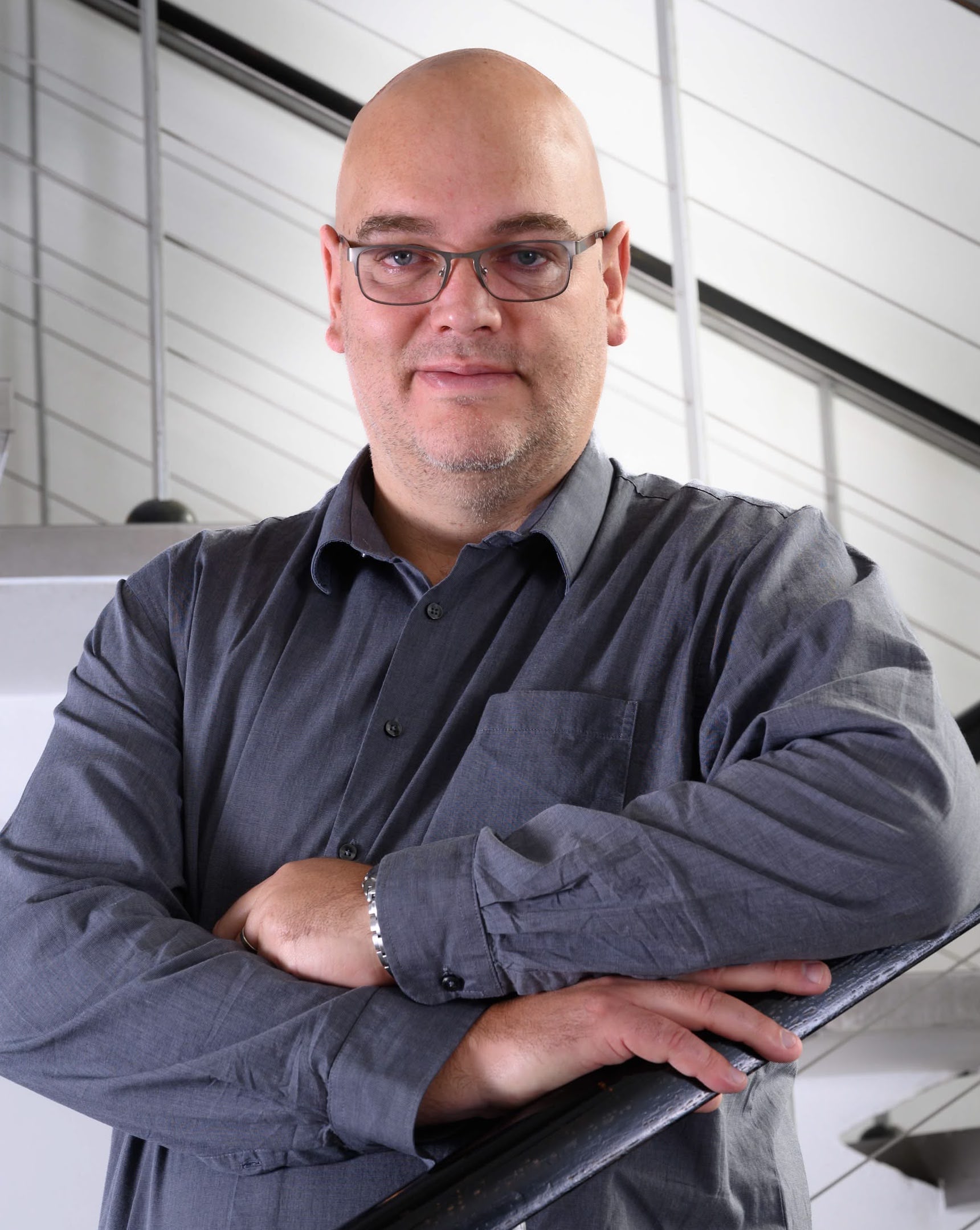
JD Singleton, Comminution Director for Europe, Middle East and Africa (EMEA) at Weir.
According to JD Singleton, Comminution Director for Europe, Middle East and Africa (EMEA) at Weir, such advances are crucial to the mining sector in meeting its carbon emission goals while controlling costs. At the recent Mining Indaba Africa held in Cape Town in February 2026, Singleton was moderator of the session on Smarter Energy Use in Crushing and Milling, drawing insights from industry leaders and researchers.
“An interesting element of the discussion was the recognition that the most efficient kilowatt-hour is the one never used,” he explains. “Selective mining and early waste rejection reduce the volume of material entering downstream circuits, lowering the energy required for size reduction. However, once material enters the plant, precision becomes critical.”
He points out that comminution phases in mineral processing remain primary consumers of energy in mining, requiring intense focus to reduce carbon emissions and operating cost.
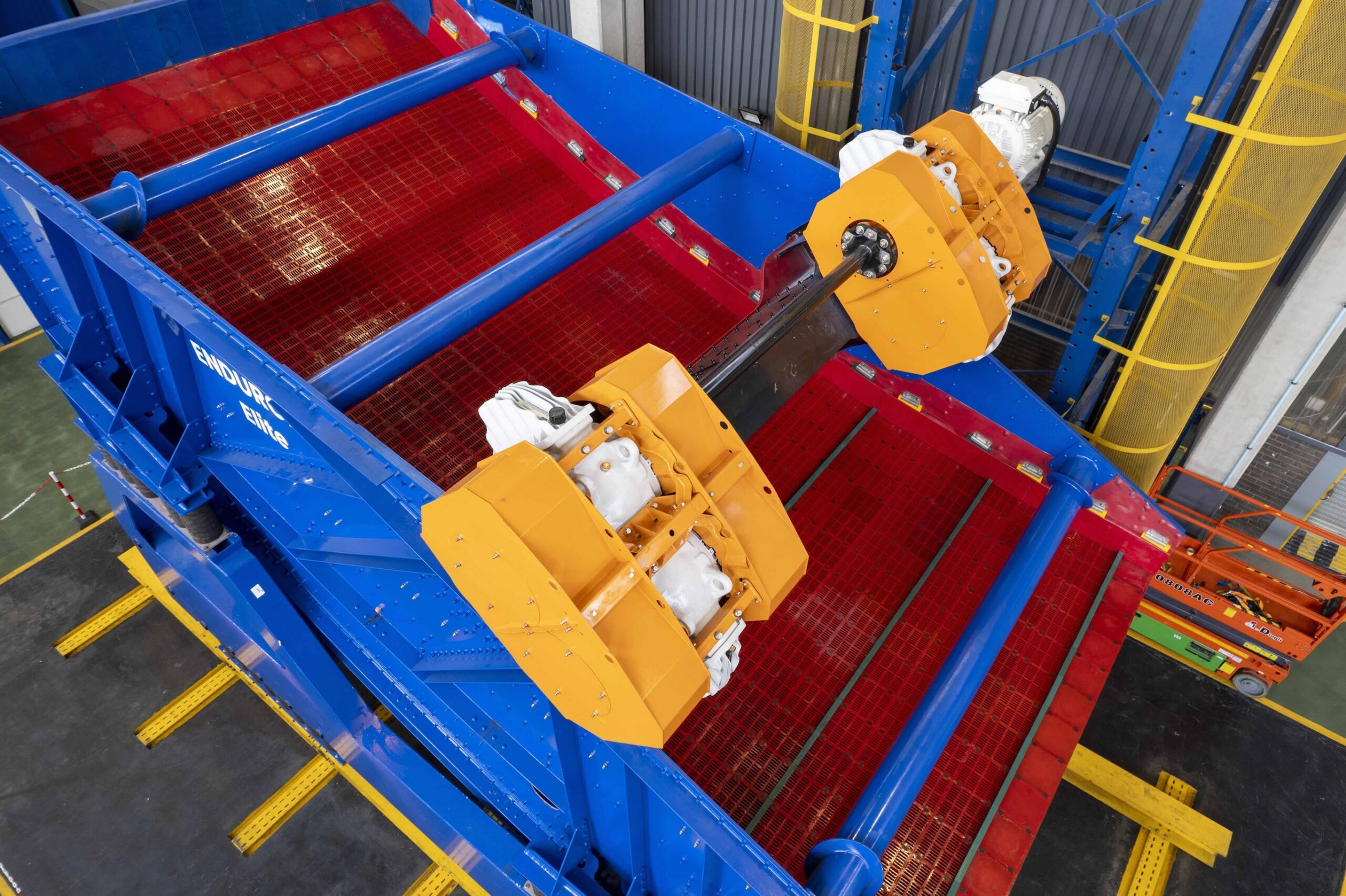
Weir’s advanced exciter technology delivers efficient, high-force screening for sharper separation and sustained throughput.
“Crushing and screening circuits operate sequentially, with each stage influencing the next,” he explains. “Correctly configured primary and secondary crushers establish appropriate reduction ratioswhile accurate screening ensures that only genuine oversize material is returned for further breakage.”
By contrast, poor classification sharpness leads to unnecessary recirculation, increased energy draw and accelerating wear. He explains that Weir’s comminution portfolio is structured around this stage-specific optimisation philosophy.
Efficient screening is key to optimisation, ensuring only oversized material is reprocessed and avoiding unnecessary energy loss.
“Weir’s solutions draw upon its ENDURON range of primary crushers, secondary crushers and highpressure grinding rolls (HPGRs) as well as our vibrating screens, advanced exciter systems, screen media and ESCO wear components,” he says. “These technologies are complemented by digital condition monitoring through Weir’s NEXT Intelligent Solutions platform.”
In terms of how technology has advanced, Singleton points to HPGR installations as an illustration of quantifiable savings. Suitable HPGR applications have demonstrated reductions in energy intensity of 5 kWh per tonne compared to more conventional alternatives.
“Over large throughputs, this translates into meaningful reductions in power demand and operating expenditure,” he says.
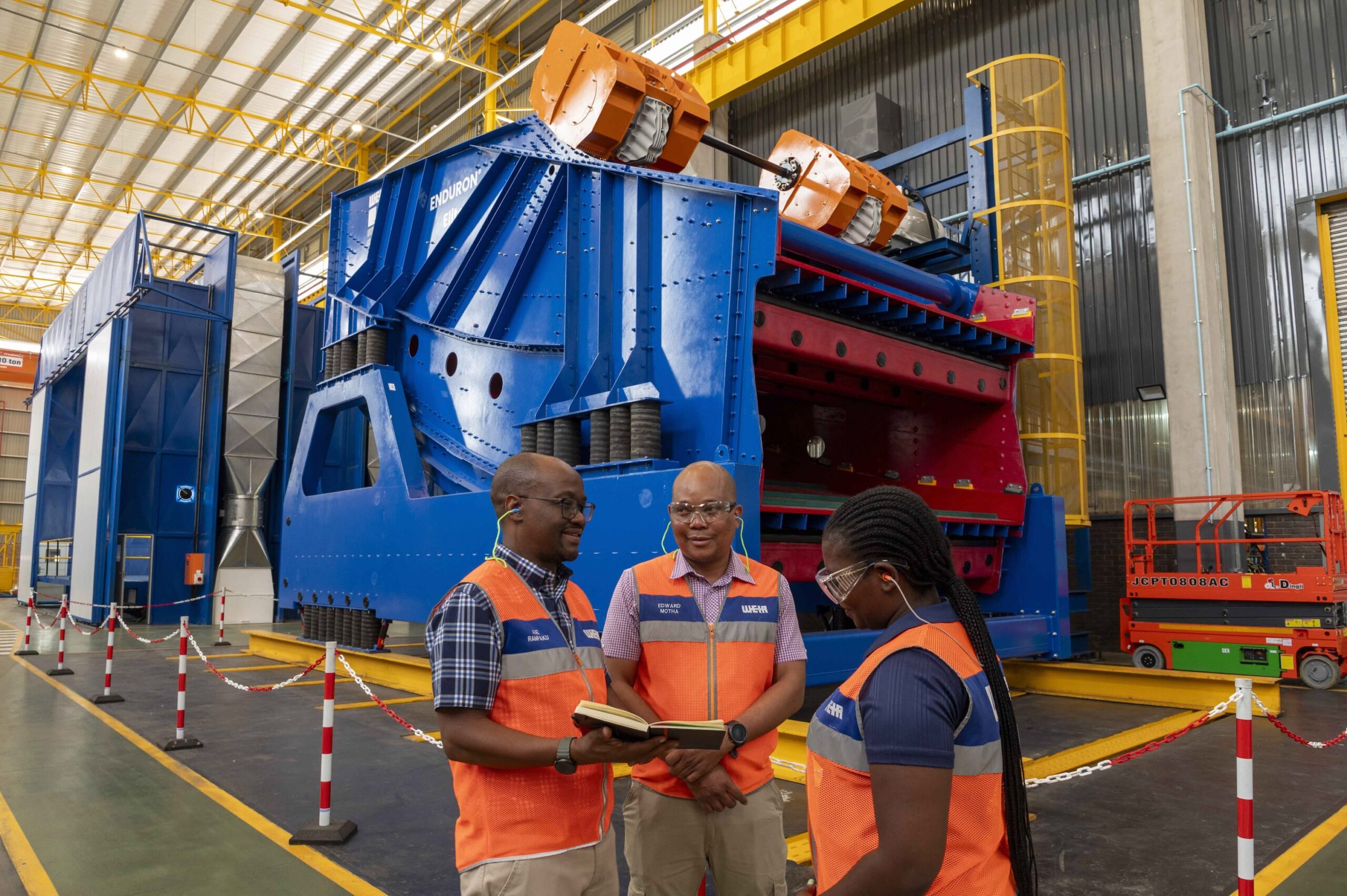
All Weir’s comminution equipment is digitally enabled, unlocking deeper insight into performance, maintenance and optimisation.
Screening performance is another high impact variable, with Weir’s ETX exciter technology supporting sharper particle separation and reduced misplacement. By improving classification efficiency, operations can minimise rehandling of correctly sized material and maintain circuit balance.
Singleton notes that the adoption and installation of technical advances is not uniform across the sector, highlighting how engineers in some operations readily test new approaches while in others, the established practices dominate decision-making.
ENDURON HPGR technology has proven performance in reducing comminution energy by around 5 kWh per tonne.
“When exploring the opportunities in comminution technologies, commercial clarity is important,” he explains. “This means that any optimisation initiatives must withstand straightforward financial scrutiny.”
Energy reductions, throughput improvements and wear savings must be expressed in transparent economic terms that support investment decisions, he insists. In Singleton’s view, credible business cases are those that can be explained simply and defensibly.
As industries continue to prioritise safety, environmental responsibility, energy efficiency and operational reliability, dry-type transformers are increasingly replacing traditional oil-filled units across a diverse range of applications. From mining and mineral processing to manufacturing, commercial buildings, data centres, transport infrastructure and renewable energy projects, the technology is proving its value wherever dependable electrical power is essential.
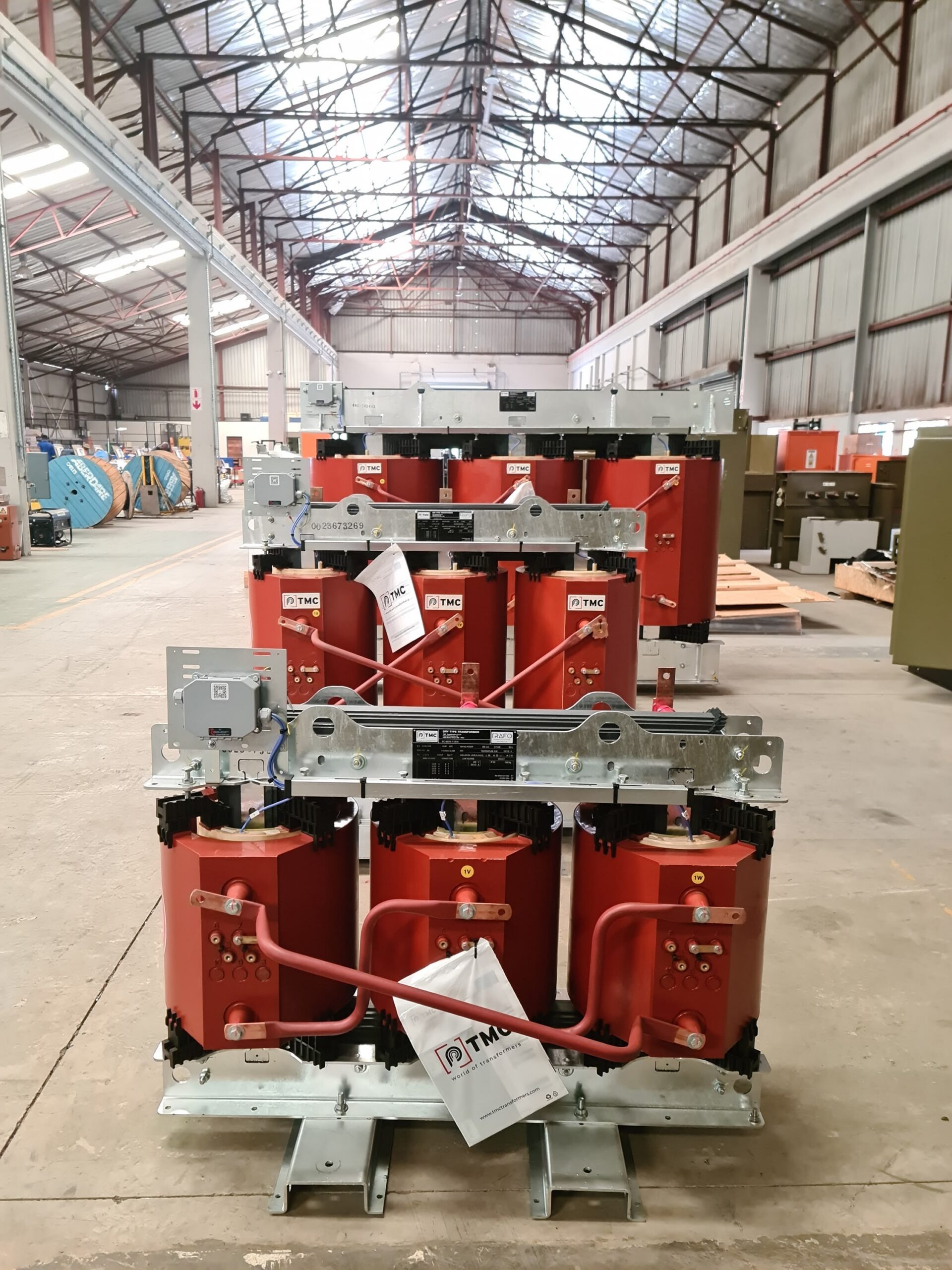
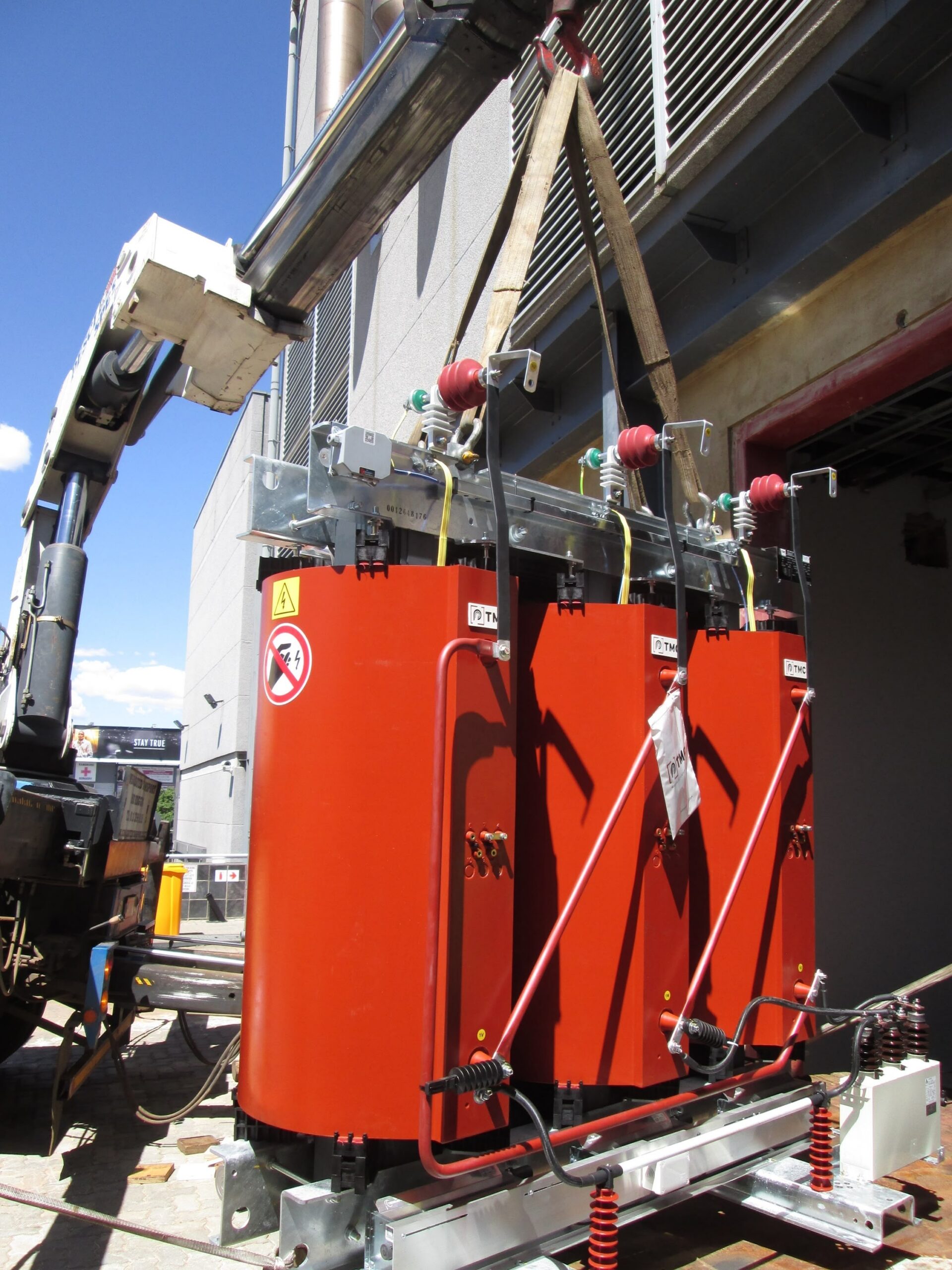
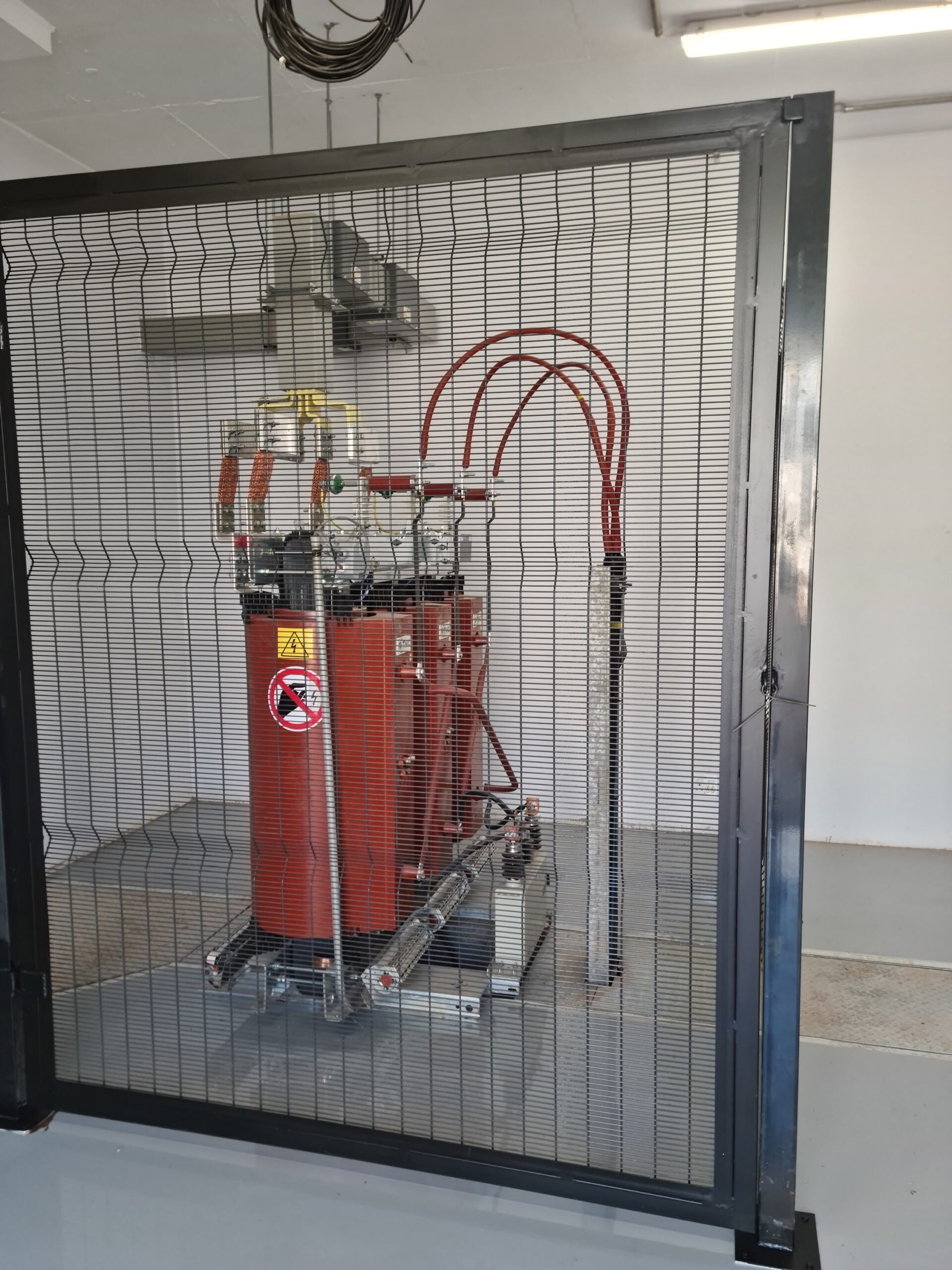
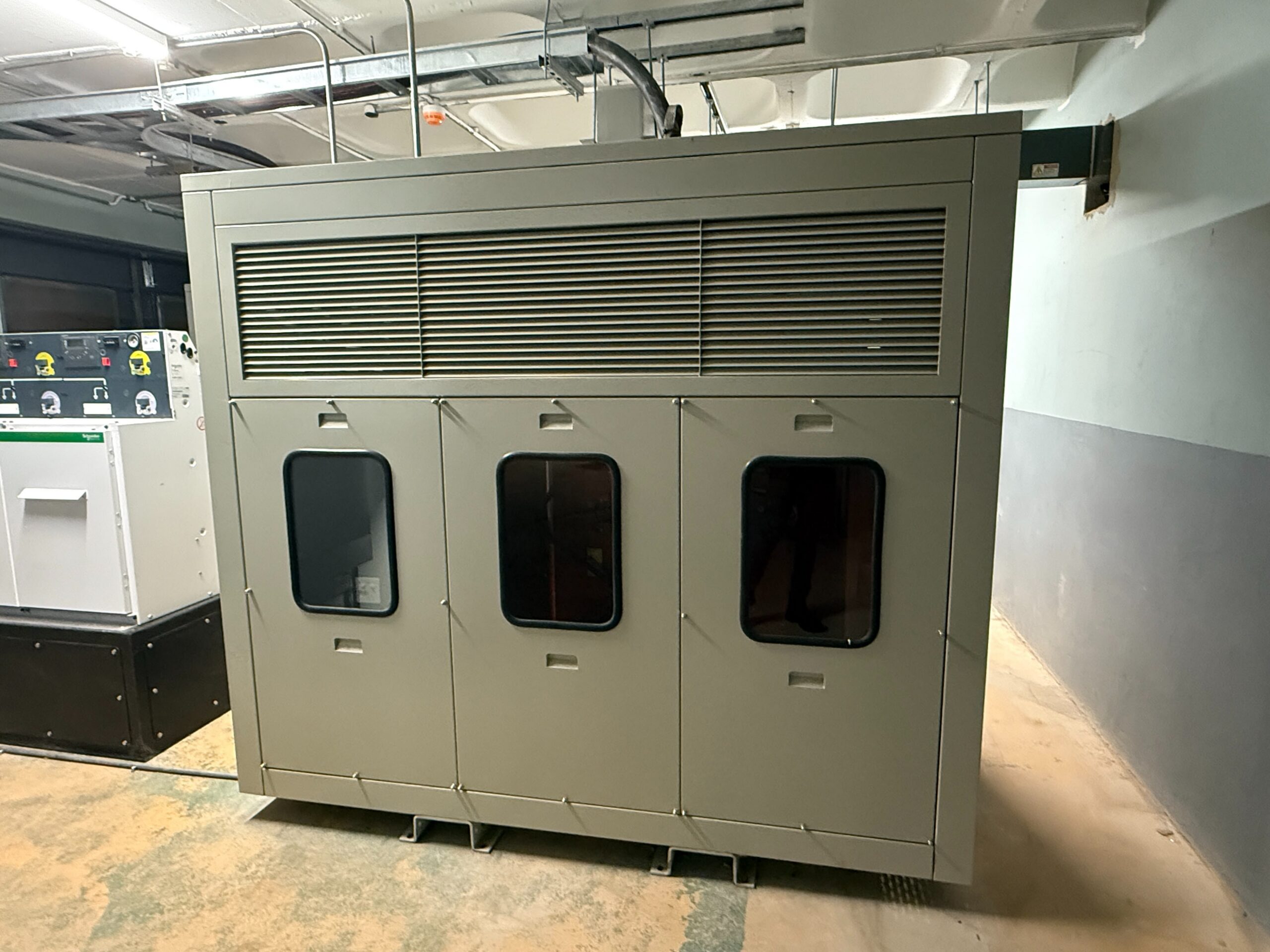
From mining and manufacturing to renewable energy and data centres, Trafo Power Solutions delivers dependable dry-type transformer solutions for demanding environments.Reliable energy-efficient dry-type transformers from Trafo Power Solutions are helping industries modernise their electrical infrastructure.
According to David Claassen, Managing Director of Trafo Power Solutions, the growing adoption of dry-type transformers reflects a broader shift towards electrical infrastructure that delivers long-term performance while reducing operational and environmental risk.
“Customers today are evaluating electrical infrastructure far more strategically than they did in the past,” Claassen says. “They are looking beyond the initial purchase price to consider safety, reliability, maintenance requirements, environmental impact and total cost of ownership. Dry-type transformers offer significant advantages across all of these areas.”
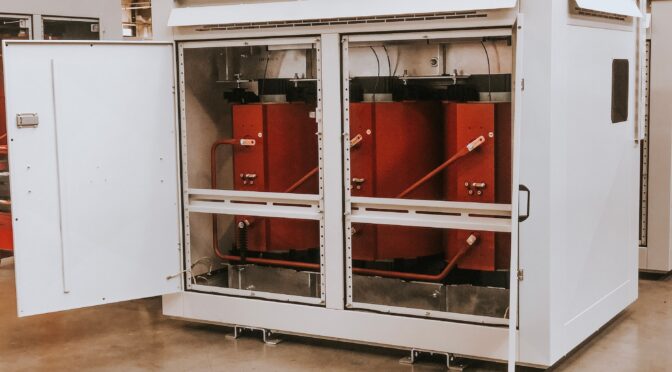
Unlike conventional oil-filled transformers, dry-type units use air rather than insulating oil for cooling. This eliminates the risk of oil leaks and significantly reduces fire hazards, making them particularly well suited to indoor installations and environments where safety, environmental protection and equipment reliability are critical.
These advantages have driven increasing adoption across a wide range of industries. In mining and mineral processing, dry-type transformers provide safe, dependable power for underground operations, processing plants and mobile substations.
Dry-type transformers eliminate insulating oil, reducing environmental risk while supporting safer electrical installations.Trafo Power Solutions dry-type transformers deliver safe, reliable power across mining, industrial, commercial and infrastructure applications.
Manufacturing facilities benefit from their low maintenance requirements and ability to perform reliably in demanding industrial environments. Data centres value their high reliability and suitability for indoor installations where uninterrupted power supply is essential, while renewable energy projects increasingly incorporate dry-type technology into solar photovoltaic, battery energy storage and hybrid power systems.
“One of the greatest strengths of dry-type transformer technology is its versatility,” Claassen explains. “Whether it is supporting a remote mine, a modern manufacturing facility, a commercial development or a renewable energy installation, the technology delivers reliable performance while addressing increasingly important safety and environmental requirements.”
Because dry-type transformers eliminate insulating oil, they also reduce the risk of environmental contamination, supporting organisations’ sustainability objectives and simplifying environmental management. Their robust construction allows them to perform reliably under challenging operating conditions while requiring relatively little routine maintenance, contributing to improved equipment availability and lower lifecycle costs.
As industries continue investing in modern electrical infrastructure, Claassen believes the emphasis will increasingly shift towards engineered solutions designed around specific operating environments rather than standardised equipment.
Dry-type transformer technology from Trafo Power Solutions helps improve safety, reduce maintenance and enhance long-term operational reliability.
“There is no single transformer solution that suits every application,” he says. “Each project has unique operating conditions, load profiles and environmental considerations. By understanding these requirements, we can engineer solutions that deliver reliable performance, maximise operational efficiency and provide long-term value throughout the life of the installation.”
With demand growing across multiple sectors, Trafo Power Solutions continues to support customers with application-specific dry-type transformer solutions designed to improve safety, enhance reliability and meet the evolving power requirements of modern industry.
At Electra Mining Africa this September, SEW-EURODRIVE presented far more than products and equipment. Jonathan McKey, National Sales and Marketing Manager, explainshow the company has evolved into a strategic engineering partner helping customers modernise operations, improve reliability and optimise asset performance across the full lifecycle of their plants.
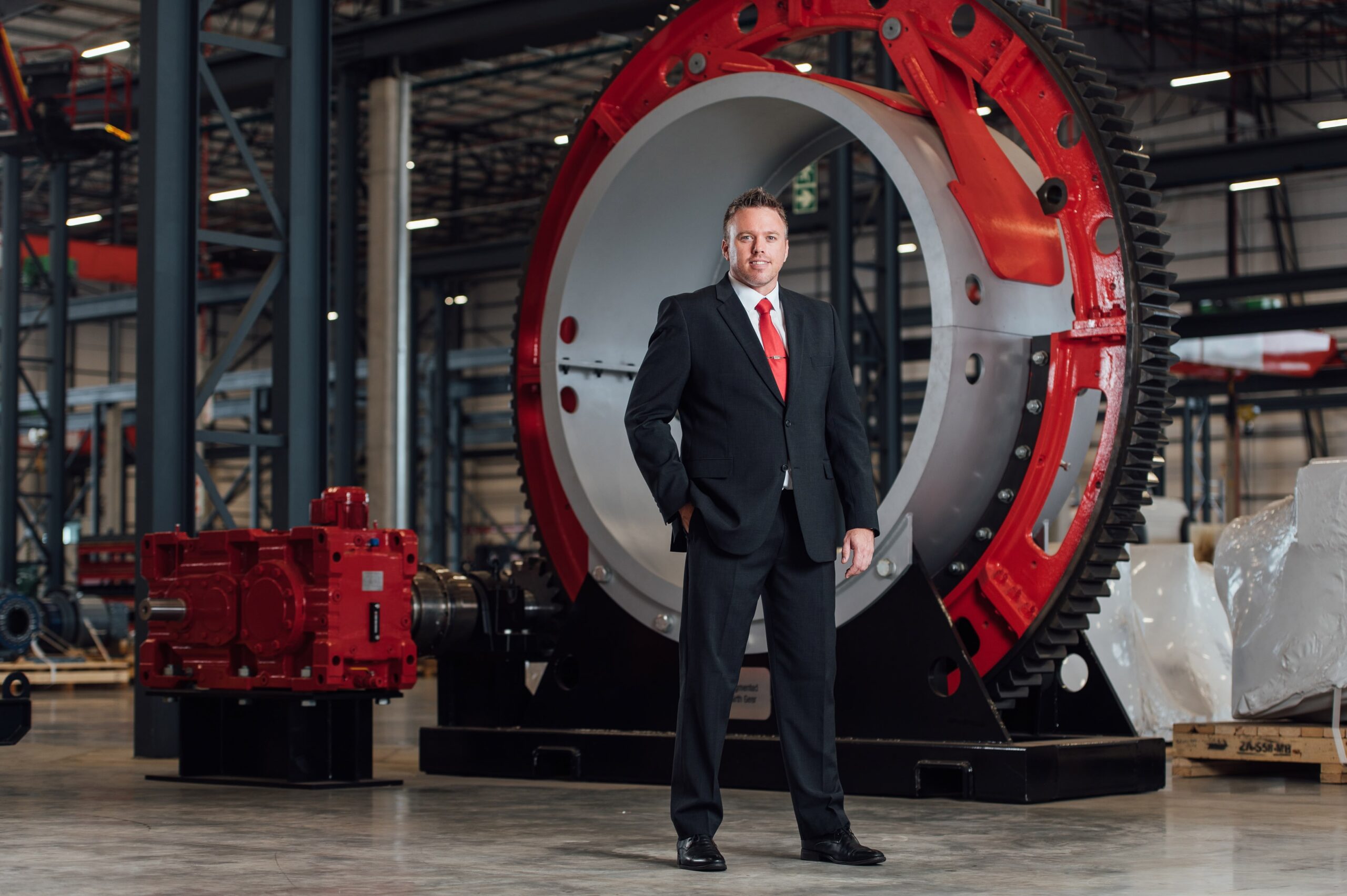
Jonathan McKey, Sales and Marketing Manager at SEW-EURODRIVE.
For SEW-EURODRIVE, the exhibition served as a platform to demonstrate how the business has expanded beyond traditional equipment supply to deliver integrated engineering solutions and long-term operational support.
According to McKey, the company’s presence at the exhibition reflected a much broader shift taking place across industry.
“Customers are increasingly looking for partners who can support them beyond the initial equipment purchase,” McKey says. “They want solutions that improve efficiency, reliability and productivity over the long term and they want access to the technical expertise that can help them achieve those outcomes.”
Across two exhibition stands – one in Hall 5 and the other in Hall 4 – SEW-EURODRIVE showcased how its engineering capabilities, digital technologies, service offering and industry expertise combine to support customers from installation and commissioning through to maintenance, optimisation and long-term asset management.
The company demonstrated how modern industrial operations require far more than individual products. Mining companies, manufacturers, logistics operators, ports, agricultural businesses and processing plants are all under pressure to increase productivity, reduce energy consumption and extend equipment life while maintaining operational reliability.
This has created growing demand for integrated solutions that address entire processes rather than individual components.
“Our objective is not simply to supply equipment,” McKey says. “We want to help customers modernise their operations and improve the performance of their critical assets through the right combination of engineering, technology and service support.”
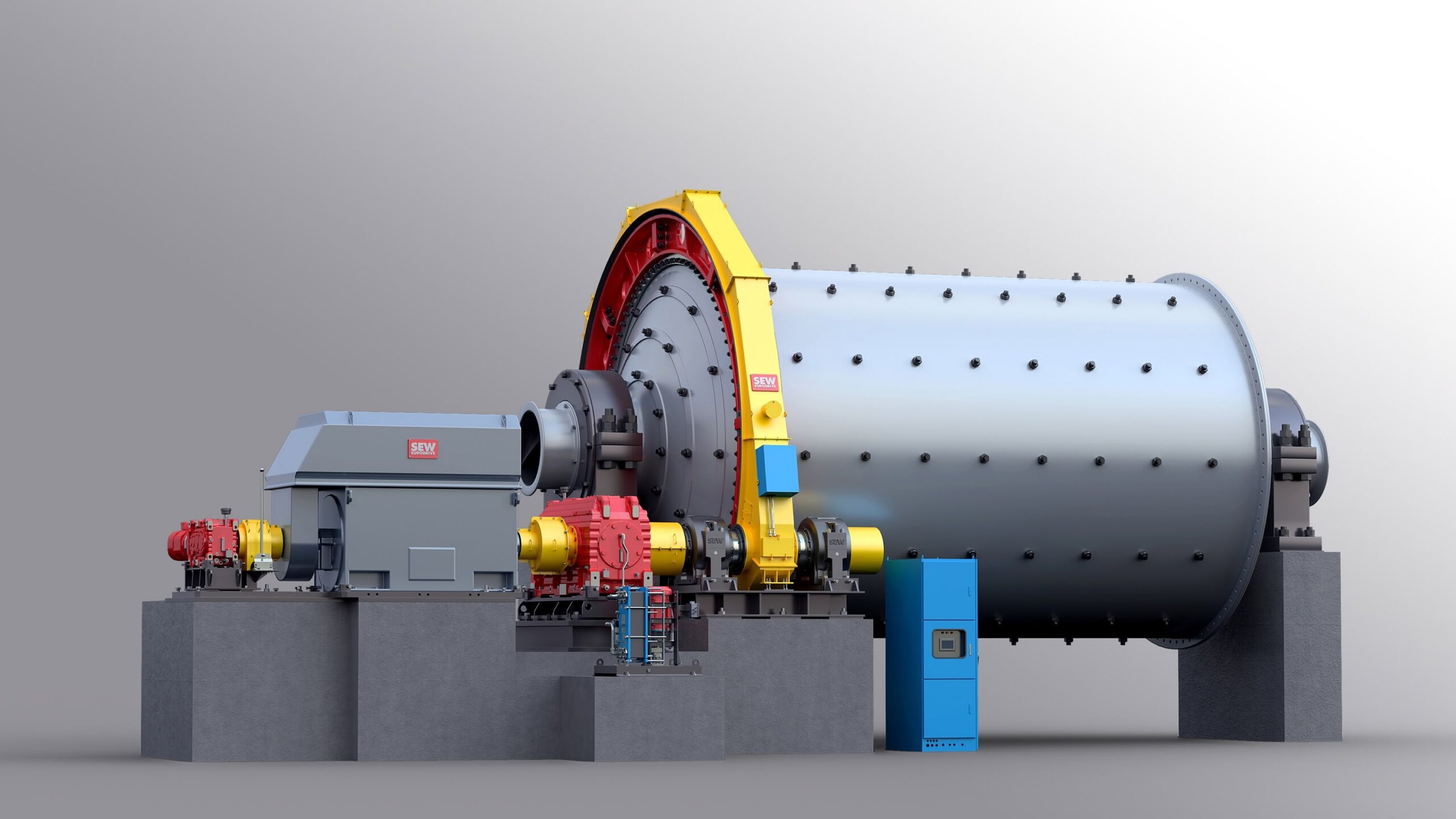
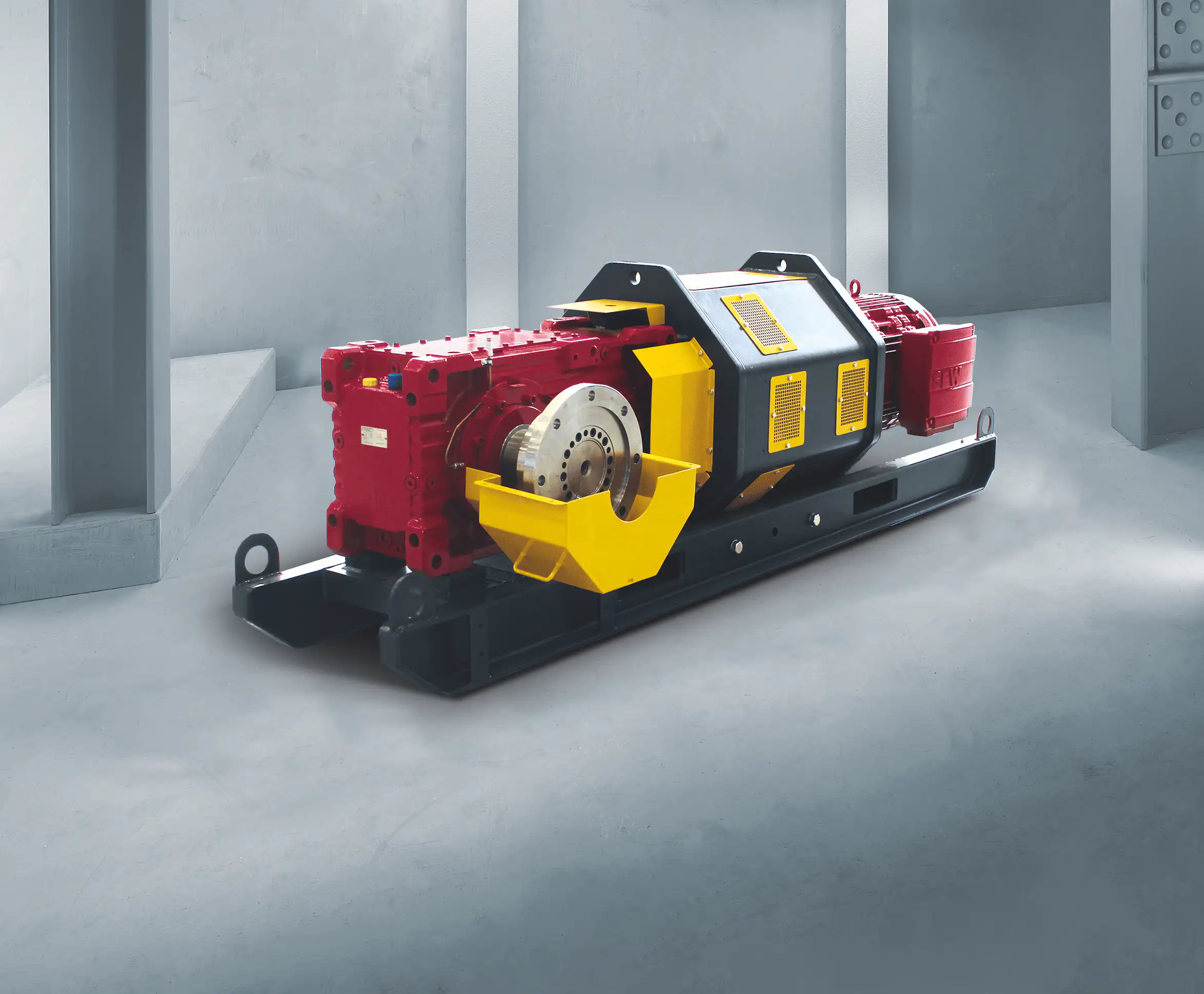
Mill drive solutions from SEW-EURODRIVE combine robust engineering with the torque and reliability required for continuous operation.
This philosophy has driven SEW-EURODRIVE’s transition from a supplier of motors and gear units to a provider of complete drivetrain solutions supported by local manufacturing, engineering expertise, condition monitoring, maintenance services and long-term lifecycle support.
A changing industrial landscape
Across Africa, industrial operators are facing an increasingly complex operating environment. Rising energy costs, ageing infrastructure, growing sustainability requirements and pressure to improve productivity are forcing businesses to reassess how they manage their assets.
Many mining and industrial facilities continue to operate equipment that was installed decades ago. While these assets often remain functional, they may no longer deliver the efficiency, reliability or operating costs required in today’s competitive environment.
At the same time, operations are under pressure to improve plant availability, reduce downtime and optimise energy consumption while extending the life of existing infrastructure.
According to McKey, these challenges require a different approach from suppliers.“Customers increasingly want to work with companies that understand their operations and can contribute to improving performance over the long term,” he says. “The conversation has moved beyond individual products to discussions around reliability, efficiency, sustainability and asset performance.”
This changing environment has created opportunities for companies capable of combining products, engineering expertise, digital technologies and service support into integrated solutions.
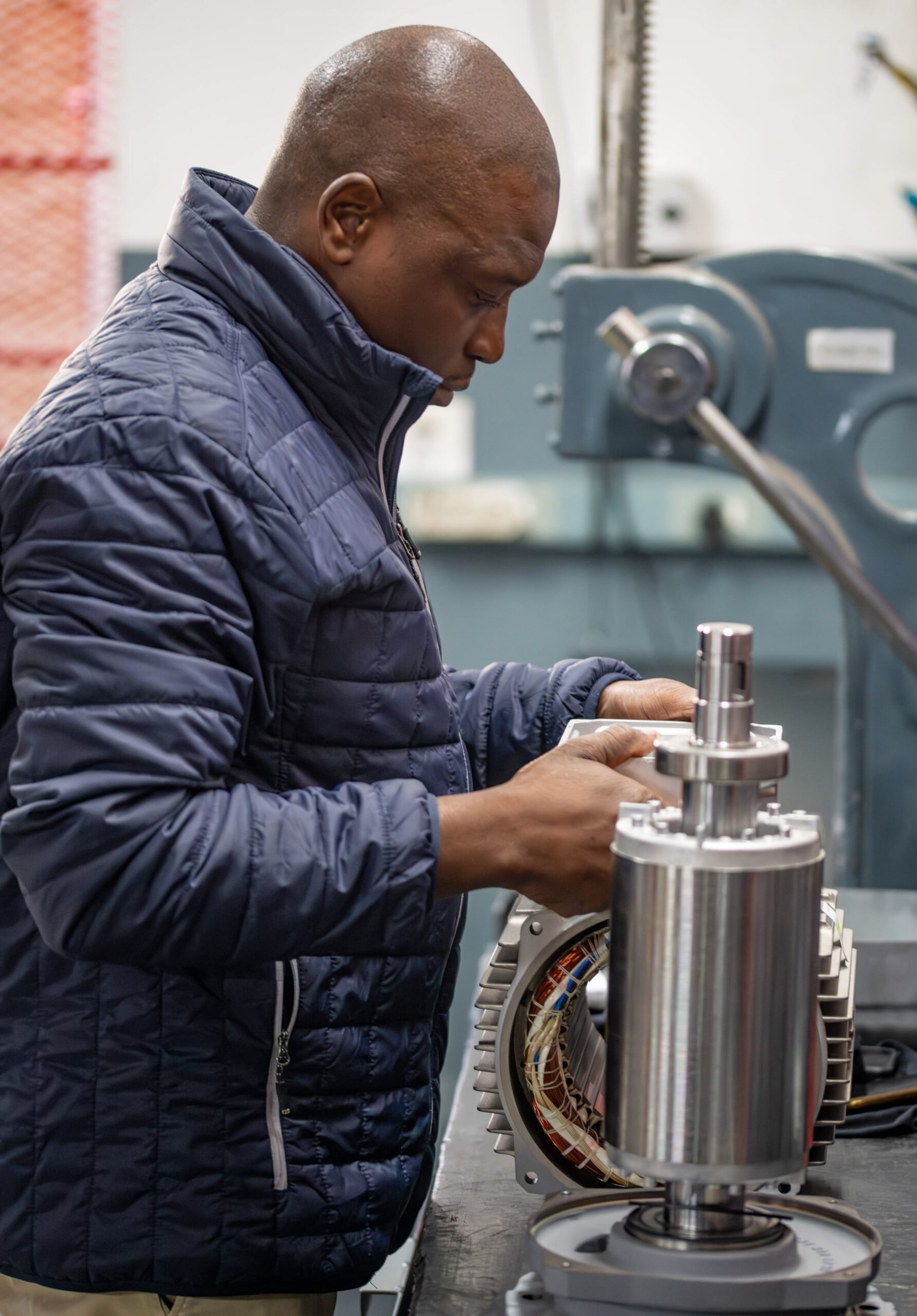
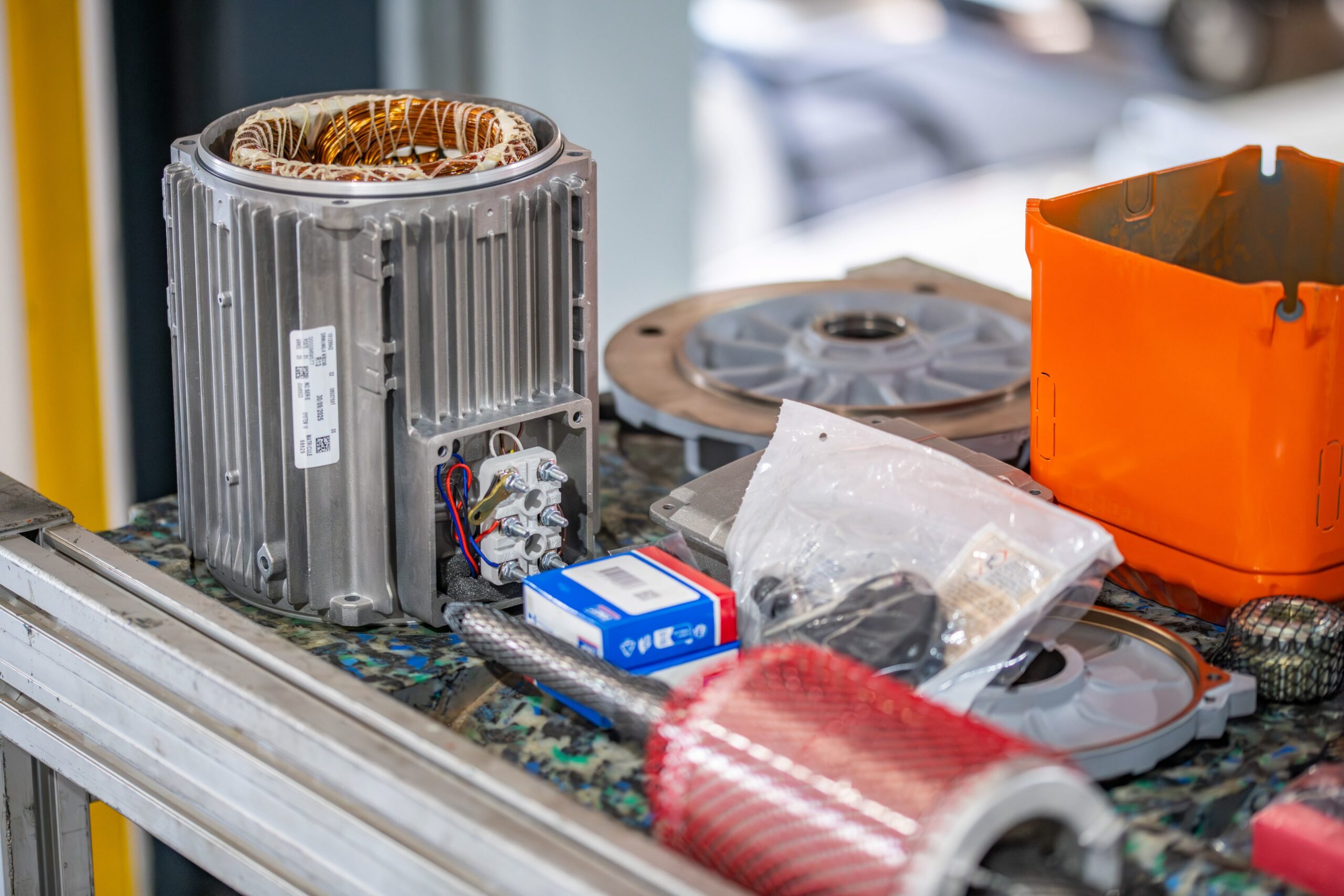
Skilled technicians at SEW-EURODRIVE carry out high-quality motor rewinding to support long-term operational reliability.SEW-EURODRIVE provides precision motor rewinding services to restore performance and extend equipment life.
Industry expertise drove the conversation
At Electra Mining Africa, visitors to the SEW-EURODRIVE stands experienced an exhibition designed around industries rather than products and their lifecycles.
The company believes meaningful engagement begins with understanding the specific operating challenges faced by different sectors. Specialists from mining, materials handling, logistics, manufacturing, processing, agriculture and other industrial sectors were available throughout the exhibition.
“We deliberately created opportunities for industry-specific conversations,” McKey says. “By understanding the unique challenges faced by each sector, we can develop solutions that deliver meaningful improvements in efficiency, reliability and sustainability.”
This consultative approach allowed customers to discuss operational issues, maintenance challenges, expansion projects and future plans directly with specialists who understand their industries. Dedicated meeting areas also facilitated more detailed technical discussions and longer-term strategic conversations. The objective was not simply to showcase equipment but to help customers identify opportunities to improve the performance of their operations.
Modernisation as a growth opportunity
A major focus of these discussions was plant modernisation. Across many industries, legacy infrastructure remains in operation long after its original design life. While this equipment often continues to function, it may no longer provide the levels of efficiency, reliability or operating performance required by modern operations.
SEW-EURODRIVE increasingly works with customers to assess existing installations, conduct energy surveys, evaluate drivetrain performance and identify opportunities to improve plant efficiency and reduce operating costs.
“Modernisation does not necessarily mean replacing entire systems,” McKey explains. “Often it involves upgrading technologies, improving reliability and introducing solutions that extend equipment life and improve operational performance.”
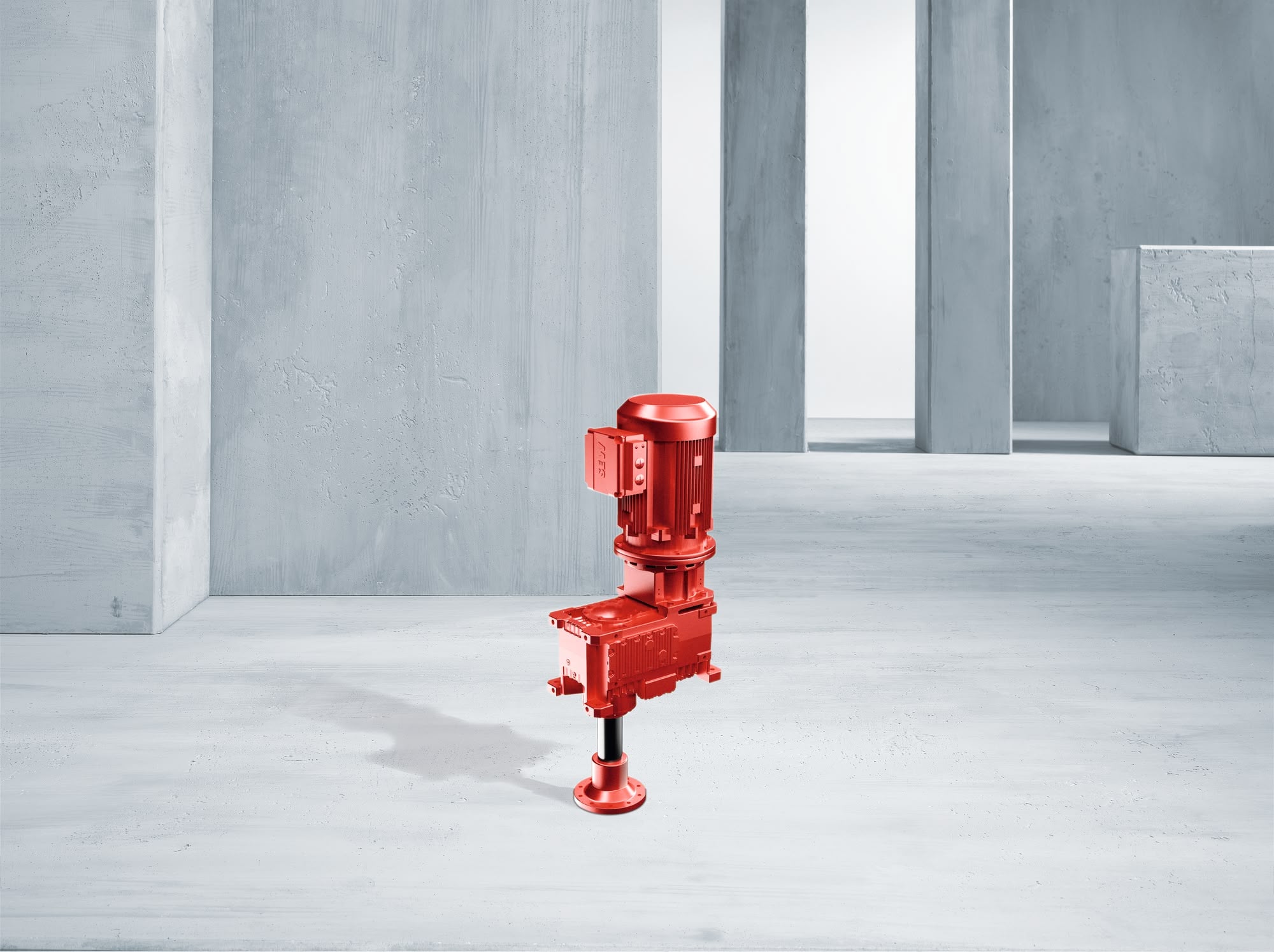
Purpose-designed MACC drives from SEW-EURODRIVE combine robust engineering with dependable performance in demanding operating environments.
These assessments can include drivetrain studies, energy evaluations, maintenance reviews and broader operational analyses that help customers understand where improvements can be achieved.
In many cases, relatively modest interventions can deliver significant benefits in terms of energy efficiency, reliability and maintenance costs. The company believes that helping customers modernise existing infrastructure will become an increasingly important part of industrial development across Africa.
Lifecycle support becomes increasingly important
The evolution of SEW-EURODRIVE’s business model has also been driven by growing demand for lifecycle support. Customers increasingly require support that extends well beyond installation and commissioning. Maintenance agreements, asset management strategies, repair services, condition monitoring and technical support have become critical elements of operational performance.
“Our exhibition stands reflected how we partner with customers across the full operational lifecycle,” McKey says. “The overarching message was about integration and modernisation, helping customers progress further along their sustainability and productivity journey.”
This approach allows SEW-EURODRIVE to become an integral part of customers’ operations, supporting assets throughout their operational lives. Service level agreements, maintenance programmes and long-term support arrangements are increasingly becoming part of the overall value proposition.
Expanding service capability
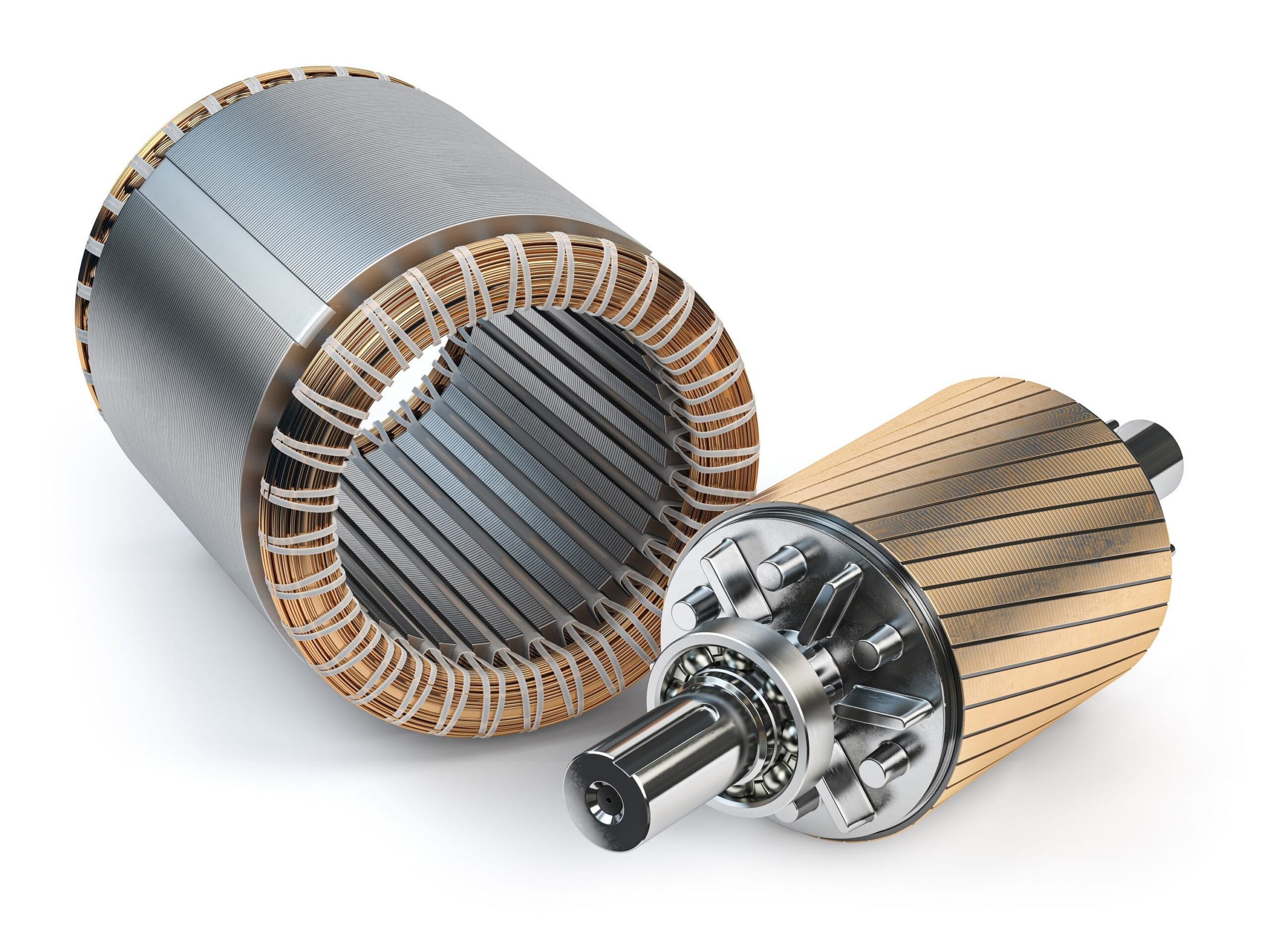
Motor rewinding forms an important part of SEW-EURODRIVE’s comprehensive repair and maintenance capabilities.
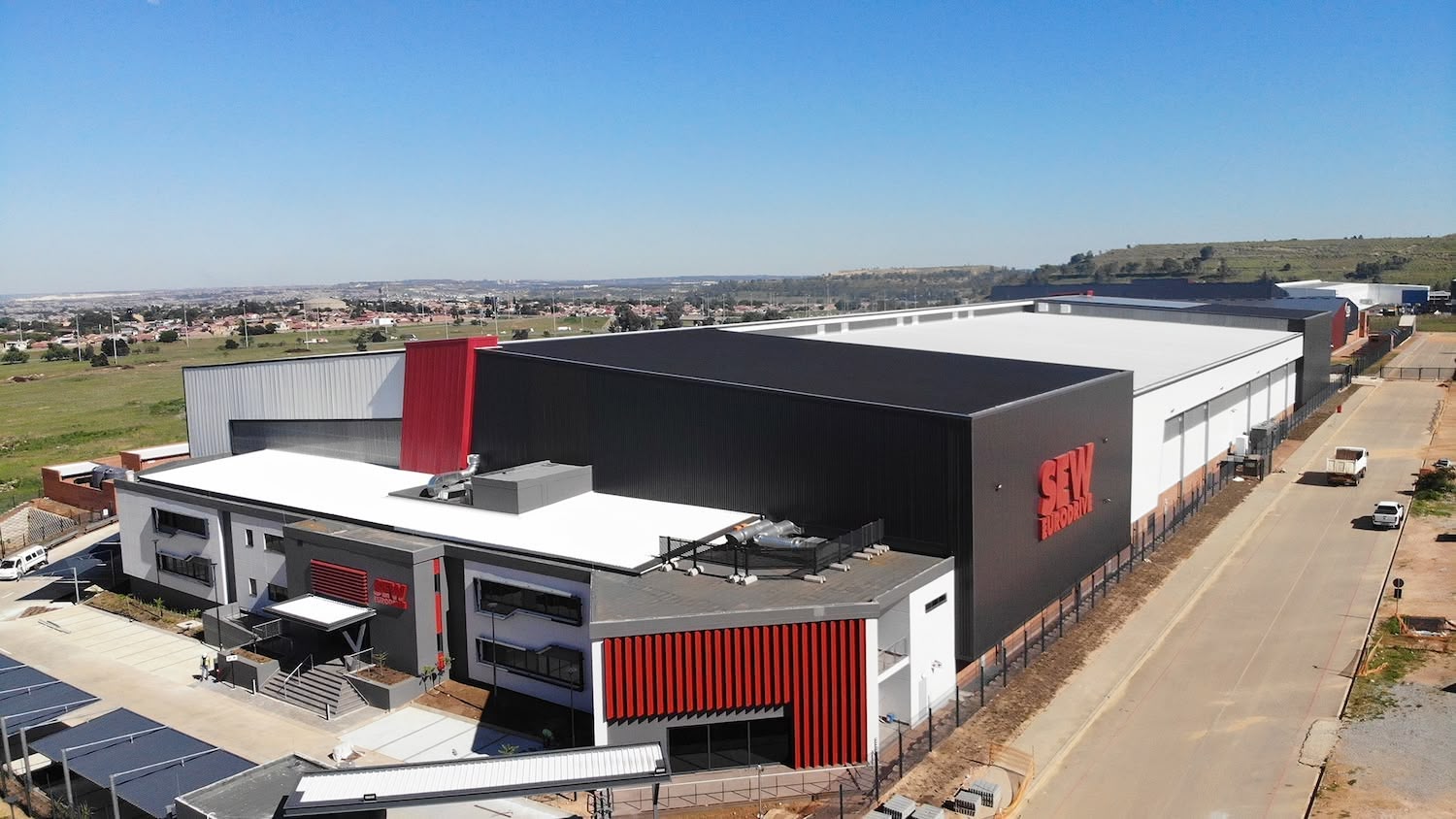
Supporting this approach is the company’s expanding service capability in South Africa. The continued development of SEW-EURODRIVE’s Johannesburg facilities has significantly enhanced its ability to provide repair, remanufacturing, reverse engineering and lifecycle support services.
The expanded capabilities include gearbox repair and gear remanufacturing, electric motor rewinding, reverse engineering, light engineering services and the manufacture of customised solutions designed to simplify equipment upgrades.
Importantly, these services are not limited to SEW-EURODRIVE products. The company can assess, repair and reverse engineer equipment from other manufacturers, helping customers extend asset life and reduce replacement costs. Where repair is no longer feasible, SEW-EURODRIVE can provide cost-effective drop-in replacement solutions using new SEW products.
“With our technical expertise and specialised workshop capabilities, we can often restore or modernise equipment that may otherwise be considered obsolete,” McKey says.
Advanced technologies such as 3D scanning and digital engineering tools are increasingly being used to develop improved replacement components and support remanufacturing initiatives. This capability enables customers to improve equipment performance while reducing the costs and disruptions associated with complete replacement.
Digital technologies and operational visibility
Digital technologies also formed an important part of the company’s offering. Condition monitoring systems, energy assessments and predictive maintenance tools allow customers to gain greater visibility into equipment performance while reducing unplanned downtime and improving maintenance planning.
Expert motor rewinding at SEW-EURODRIVE helps customers maximise reliability while reducing downtime.
Technologies such as DriveRadar® provide valuable operational information that can assist maintenance teams in identifying potential problems before failures occur. Real-time monitoring and data-driven maintenance strategies are becoming increasingly important as operators seek to maximise equipment availability and improve maintenance efficiency.
SEW-EURODRIVE sees these technologies as important components within broader operational optimisation strategies.
“Modern drive technology, digital solutions and engineering expertise all contribute to improved productivity and sustainability,” McKey says.
Investing in skills and training
Investment in training and skills development remains central to the company’s strategy. Through its expanded Drive Academy, SEW-EURODRIVE provides practical training programmes that help customers maximise equipment performance and build internal technical capability.
The training centre provides hands-on learning opportunities, practical demonstrations and application-based instruction that supports both equipment operation and maintenance.
“Training remains fundamental to long-term equipment performance,” McKey says. “Well-trained people are essential for achieving the full value of any technology investment.”
The company believes that skills development will continue to play a critical role in supporting industrial growth and improving operational reliability throughout Africa.
Supporting growth across Africa
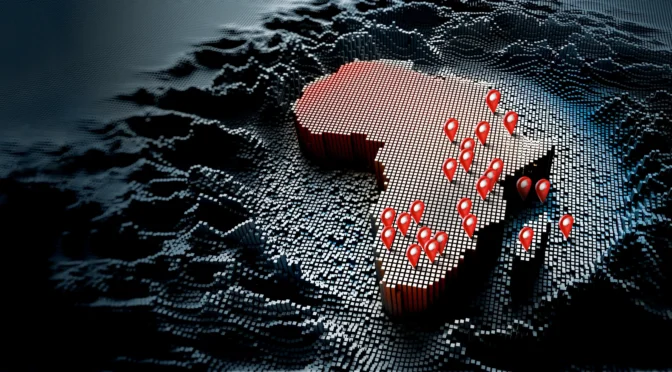
Although South Africa remains a major operational base, SEW-EURODRIVE’s ambitions extend across the continent. The company is increasingly providing service agreements, maintenance programmes, engineering support and modernisation services to customers throughout Africa.
Regional support structures and cross-border service strategies allow customers to access the same technical expertise and similar service capabilities regardless of location. This broader African focus reflects both the growing demand for industrial modernisation and the increasing importance of reliable technical support.
“Our goal is to deliver the same level of support and quality throughout Africa that customers expect from a premium global brand,” McKey says.
Looking beyond the exhibition
For SEW-EURODRIVE, Electra Mining Africa 2026 was ultimately about starting conversations. Visitors had the opportunity to discuss immediate operational challenges, future projects, modernisation opportunities and long-term business objectives.
The company believes that the future of industrial growth will increasingly depend on partnerships that combine engineering expertise, technology, service and operational understanding. As mining companies and industrial operators continue to pursue greater efficiency, sustainability and productivity, SEW-EURODRIVE is positioning itself not simply as a supplier of drive technology but as a long-term engineering partner helping customers modernise operations, improve asset performance and build more resilient businesses.
“Electra Mining Africa provided an opportunity for customers to discuss not only their immediate requirements, but also their future operational objectives,” McKey concludes. “Ultimately, our role is to help customers improve the performance of their businesses by delivering solutions that create value throughout the entire lifecycle of their assets.”
Its presence at Electra Mining Africa 2026 confirmed to SEW-EURODRIVE that customers are seeking not only the highest levels of innovation and workmanship, but also comprehensive support throughout the full lifecycle of their drive solutions.
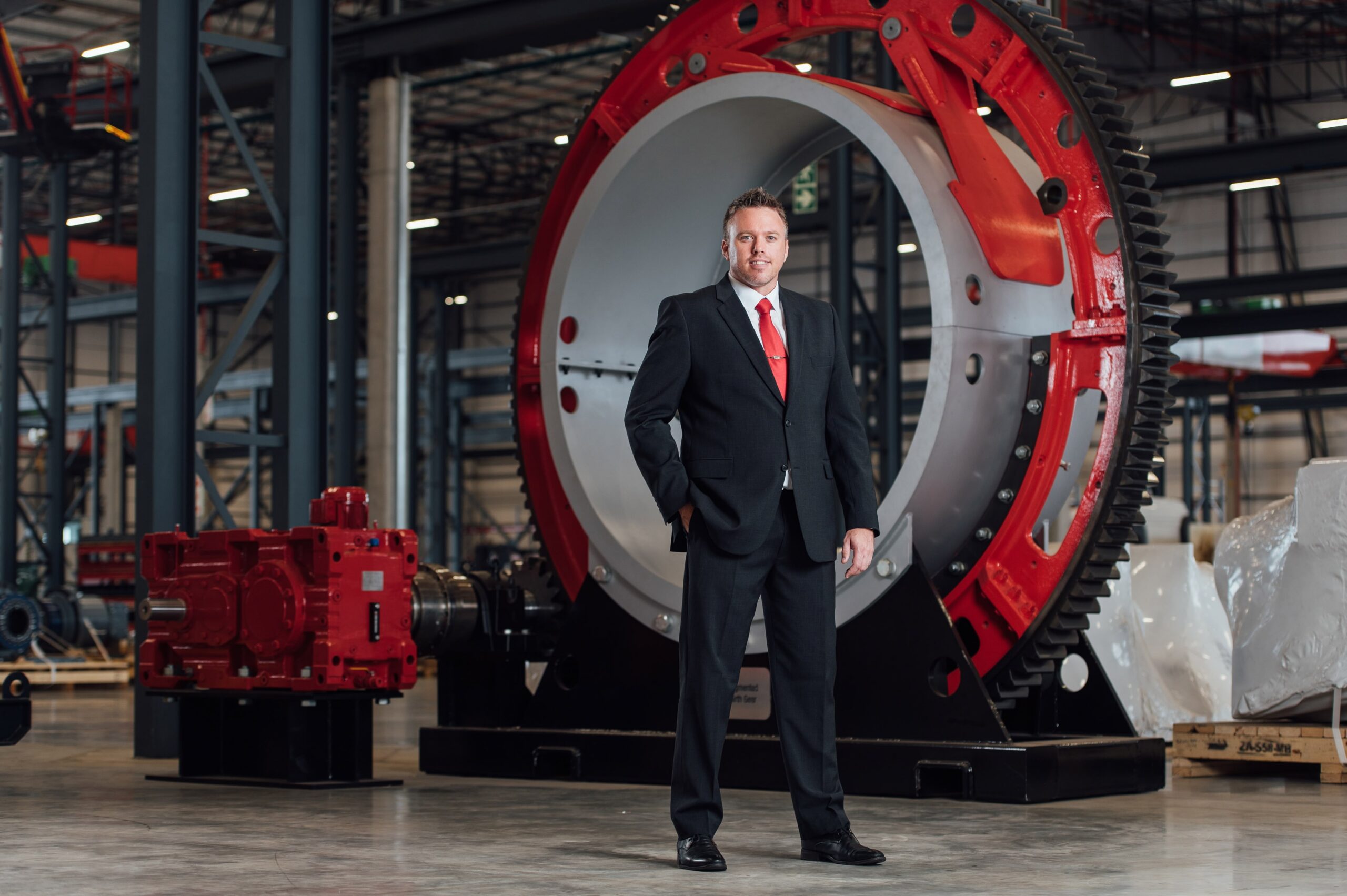
Jonathan McKey, National Sales and Marketing Manager at SEW-EURODRIVE.
This commitment to lifecycle support has been central to SEW-EURODRIVE’s evolution in Africa in recent years, including its ambitious Phase 2 development at its headquarters in Aeroton, according to Jonathan McKey, National Sales and Marketing Manager at SEW-EURODRIVE.
“Our objective has been to further strengthen our trusted partnerships by localising more capabilities and supporting customers across the full lifecycle of their equipment,” McKey explains. “Customers know us as a reliable original equipment manufacturer (OEM) and we have now strengthened that relationship through additional engineering services, faster turnaround times, greater quality control and a genuine single-source solution for drivetrain support.”
This broader engineering philosophy was demonstrated at Electra Mining Africa, where visitors experienced the company’s integrated approach to drivetrain support. SEW-EURODRIVE showcased technologies spanning intelligent drive systems, condition monitoring and digital diagnostics. Its DriveRadar® predictive maintenance system attracted particular interest, alongside its energy optimisation tools and medium-voltage motor solutions.
“Rather than presenting these as standalone products, the exhibition allowed us to demonstrate how they integrate into a complete lifecycle support strategy for mining and industrial operations,” he says. “We were able to share our depth of engineering expertise with visitors and demonstrate the extent of our local investment, which enables us to provide the comprehensive lifecycle support they are looking for.”
SEW-EURODRIVE’s TrueDNA® solution supports greater transparency and traceability by providing digital access to key product and lifecycle information.
A significant element of SEW-EURODRIVE’s strategy is its continued investment in local infrastructure. By bringing more engineering capabilities in-house, the company has reduced its dependence on multiple subcontractors, improving quality assurance while shortening repair lead times. Capabilities within the recently completed Phase 2 development include motor rewinding, steel fabrication, shaft manufacturing, stress relieving, sandblasting and complete load testing.
“This approach gives us tighter control over repair standards and pricing,” McKey says. “It also gives customers confidence that critical drivetrain assets are restored to OEM specifications.”
Complementing these capabilities are the company’s Experience Centres, where customers can evaluate proposed solutions through simulations. Willem Strydom, Business Development Electronics Manager at SEW-EURODRIVE, explains that many customers want to pursue productivity improvements and greater energy efficiency, but cannot simply stop production to test new technologies.
“We have therefore invested in Experience Centres where we can replicate real applications,” Strydom says. “Here, we can compare existing equipment with proposed solutions and allow customers to see the results before making an investment decision.”
Applications such as conveyors and automation systems can be replicated, enabling customers to test SEW-EURODRIVE’s software, hardware and energy optimisation strategies before implementation.
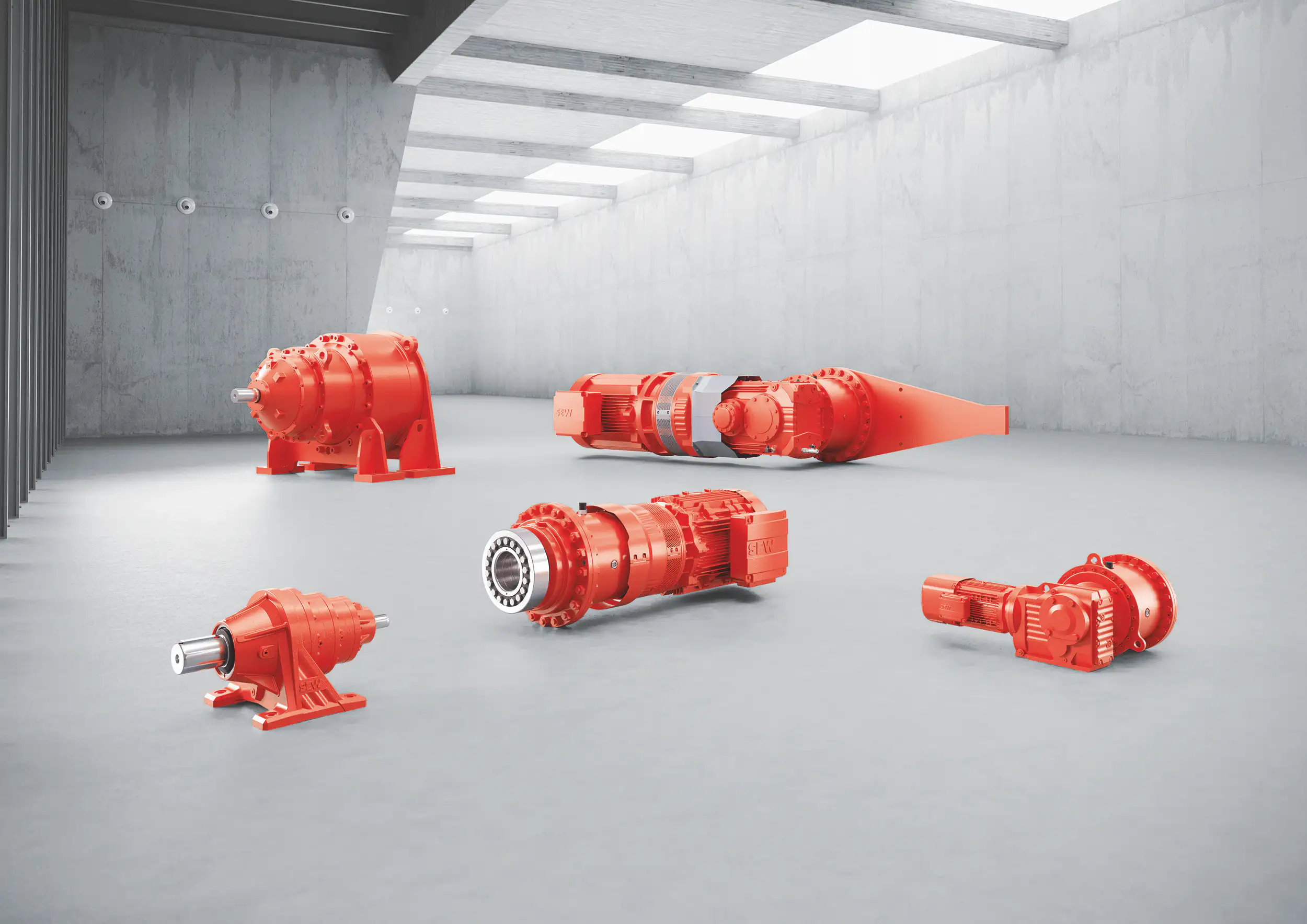
SEW-EURODRIVE offers a comprehensive planetary gearbox range engineered to meet the demands of heavy-duty industrial applications.
“This significantly reduces implementation risk for operations that cannot afford unplanned downtime,” he says. “Visitors to our exhibition stands at Electra Mining Africa responded very positively to this practical demonstration capability.”
McKey emphasises that these investments have been made with a clear focus on improving both equipment performance and customer sustainability.
“Customers come to us for solutions, so we focus on engineering the complete package,” he says. “This starts with selecting the correct equipment and extends to supporting the installation, programming and lifecycle management that ensures it delivers the expected performance.”
Importantly, these services are offered not only for SEW-EURODRIVE equipment but also for drive-related assets from other OEMs. The company’s expanded engineering capability enables it to develop technical solutions for a wide range of brands and components.
He also highlights the value of SEW-EURODRIVE’s consultative engineering approach.
“This means we begin engaging well before a purchase decision is made,” McKey says. “Our engineering teams review a customer’s initial specification and analyse the application to determine whether a more efficient solution is available.”
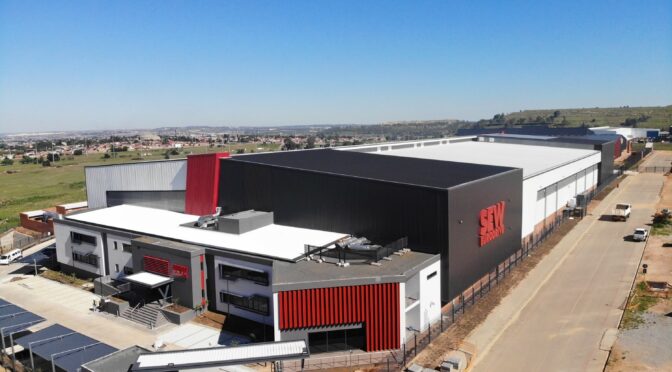
SEW-EURODRIVE’s Phase 2 expansion strengthens its local capability and capacity to support customers across South Africa and the wider African market.
Using detailed energy assessments and application studies, engineers can frequently identify opportunities to optimise drive sizing, reduce installed power and lower operating costs without compromising production performance.
“These engineering interventions improve both energy efficiency and total cost of ownership, while helping customers meet increasingly demanding sustainability targets,” he explains.
Strydom notes that digitalisation is becoming an increasingly important component of SEW-EURODRIVE’s strategy. Intelligent condition monitoring enables maintenance teams to identify developing problems long before they become critical failures, allowing planned intervention rather than costly emergency repairs.
“Our DriveRadar demonstrations at Electra Mining Africa showed visitors how remote asset monitoring enables plant managers to oversee equipment performance across multiple operations from laptops, tablets or mobile devices,” he says. “By providing real-time asset condition data, maintenance teams can prioritise interventions based on actual equipment health rather than fixed maintenance schedules, improving equipment availability while reducing unnecessary maintenance expenditure.”
McKey believes that a fundamental shift in maintenance philosophy is underway, with technology playing a central role in eliminating unwanted surprises from plant operations while helping customers work smarter.
“We believe that digital technologies enhance skills rather than replace people,” he says.
Training therefore remains a cornerstone of SEW-EURODRIVE’s partnership model. Its expanded DriveAcademy® provides training for artisans, technicians, engineers, foremen, reliability specialists and management teams, with programmes tailored to specific operational requirements. The curriculum extends beyond mechanical equipment to include electronics, automation, programming, condition monitoring and modern drive technologies.