CHRYSO FIELD SERVICE SUPPORT HELPS PROJECTS ACHIEVE CONSISTENT CONCRETE PERFORMANCE

As construction and infrastructure projects become larger, more technically demanding and increasingly focused on quality, the role of field service support has evolved far beyond product delivery. Today, experienced technical specialists working directly alongside contractors, concrete producers and project teams have become an essential part of ensuring consistent concrete performance from batching plant to final placement.

Concrete performance is influenced by a wide range of variables including raw material variability, changing environmental conditions, transport times, placing methods and curing practices. Even where premium construction chemicals are specified, achieving the desired results depends on their correct application and ongoing optimisation throughout the life of the project.

This is where Chryso’s technical field service teams add significant value. Rather than providing support only when problems arise, Chryso specialists work proactively with customers from the earliest stages of a project, assisting with mix optimisation, product selection, site trials and performance monitoring. By maintaining a regular presence on site and at batching plants, they are able to identify potential issues before these develop into production delays, quality concerns or unnecessary costs.

According to Cornelius Julyan, Field Services Team Leader at Chryso Southern Africa, technical field service has become one of the most important differentiators in modern concrete construction.
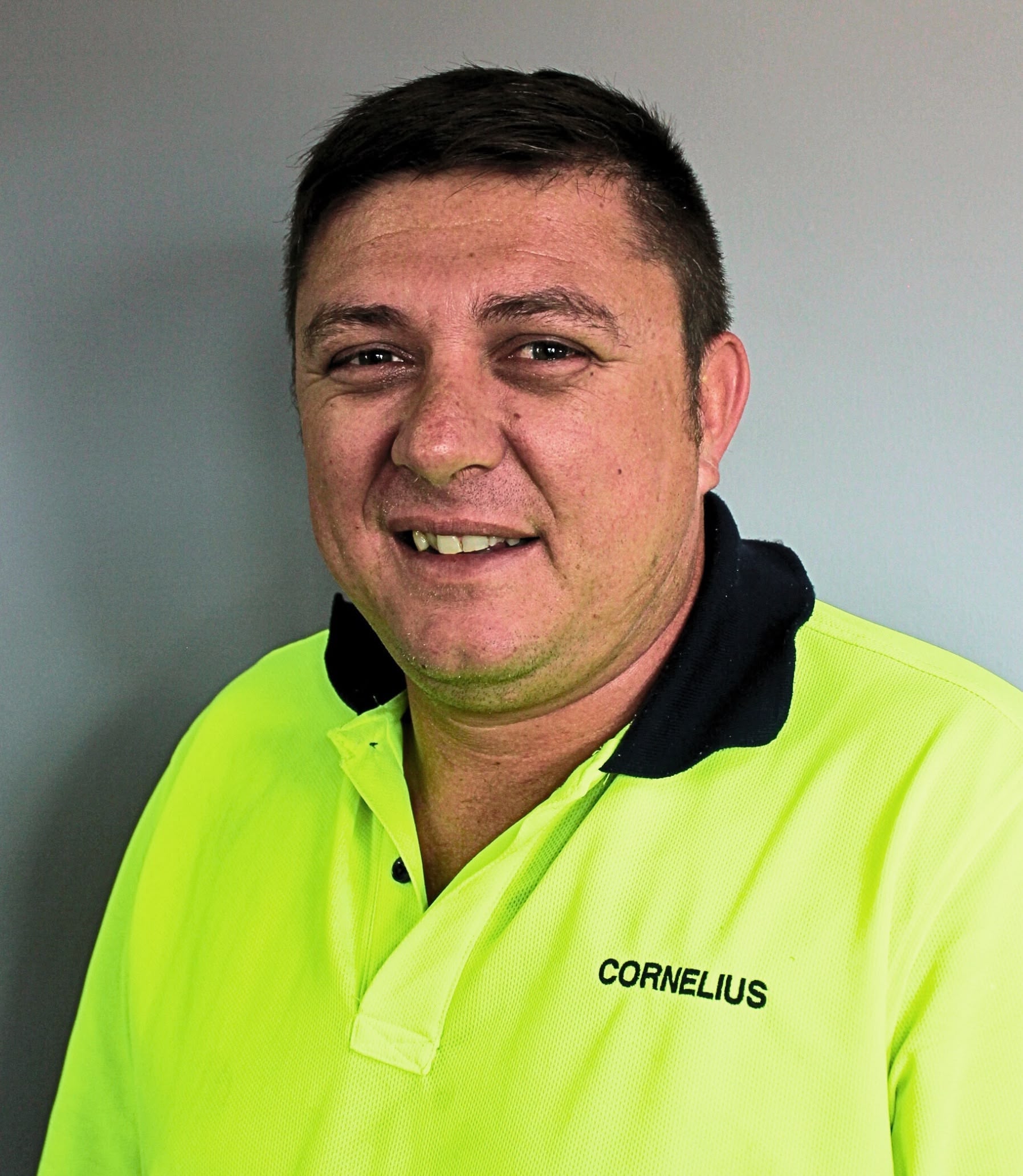
Cornelius Julyan, Field Services Team Leader at Chryso Southern Africa.

“Construction projects operate under immense pressure to meet demanding quality standards while maintaining programme schedules and controlling costs. Having experienced technical specialists available on site allows challenges to be addressed quickly, ensuring concrete performs as intended under actual operating conditions rather than simply under laboratory conditions,” Julyan says.

Chryso teams understand that every project presents unique conditions. Differences in aggregate characteristics, cement chemistry, water quality, ambient temperatures and logistics all influence concrete behaviour. Continuous monitoring allows admixture dosages and mix designs to be finetuned where necessary, ensuring consistent workability, strength development, durability and finish quality throughout construction.

This technical support becomes particularly valuable on major infrastructure developments, high-rise buildings, industrial facilities and specialised civil engineering projects where concrete specifications are often highly engineered and performance tolerances are extremely tight.

Rapid response is another major advantage, Julyan says. Should unforeseen challenges arise, experienced technicians investigate the root cause immediately and recommend practical corrective actions. This minimises disruption to production, reduces the likelihood of rejected concrete and helps contractors avoid costly delays that can impact overall project schedules.
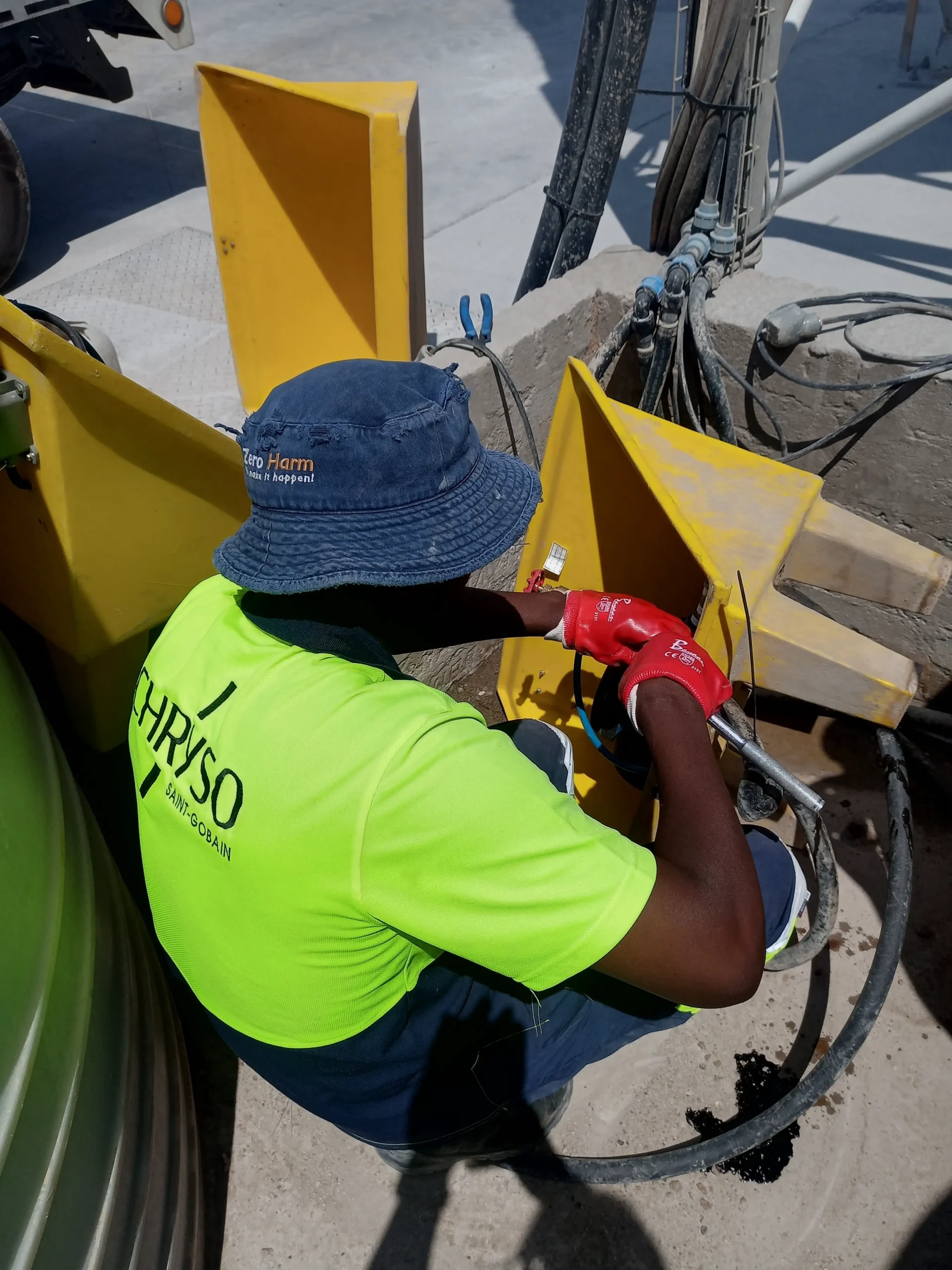
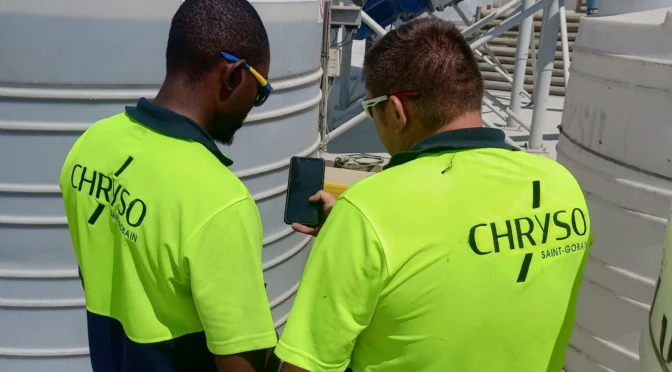
Fast practical on-site support from Chryso Southern Africa helps minimise disruption, reduce downtime and maintain production continuity.

The information gathered by Chryso’s field teams also creates valuable feedback for customers. Performance observations, testing data and practical site experience help optimise future pours, improve batching consistency and support continuous improvement across multiple projects.

“Successful concrete construction is built on partnership. Our field service teams work alongside customers throughout the project lifecycle, sharing technical knowledge, optimising concrete performance and helping ensure that every load delivered consistently meets the project’s requirements. This collaborative approach gives customers greater confidence, reduces operational risk and ultimately contributes to better project outcomes,” Julyan adds.

Beyond solving technical challenges, regular engagement with customers also supports skills transfer. Chryso specialists work closely with batching personnel, quality control laboratories, contractors and placing crews, helping strengthen understanding of best practice in concrete production and application. This knowledge sharing improves consistency long after individual projects have been completed.

As construction techniques continue to evolve and sustainability targets become increasingly important, field service support is also playing a growing role in helping customers optimise cement content, improve material efficiency and reduce waste without compromising concrete performance.
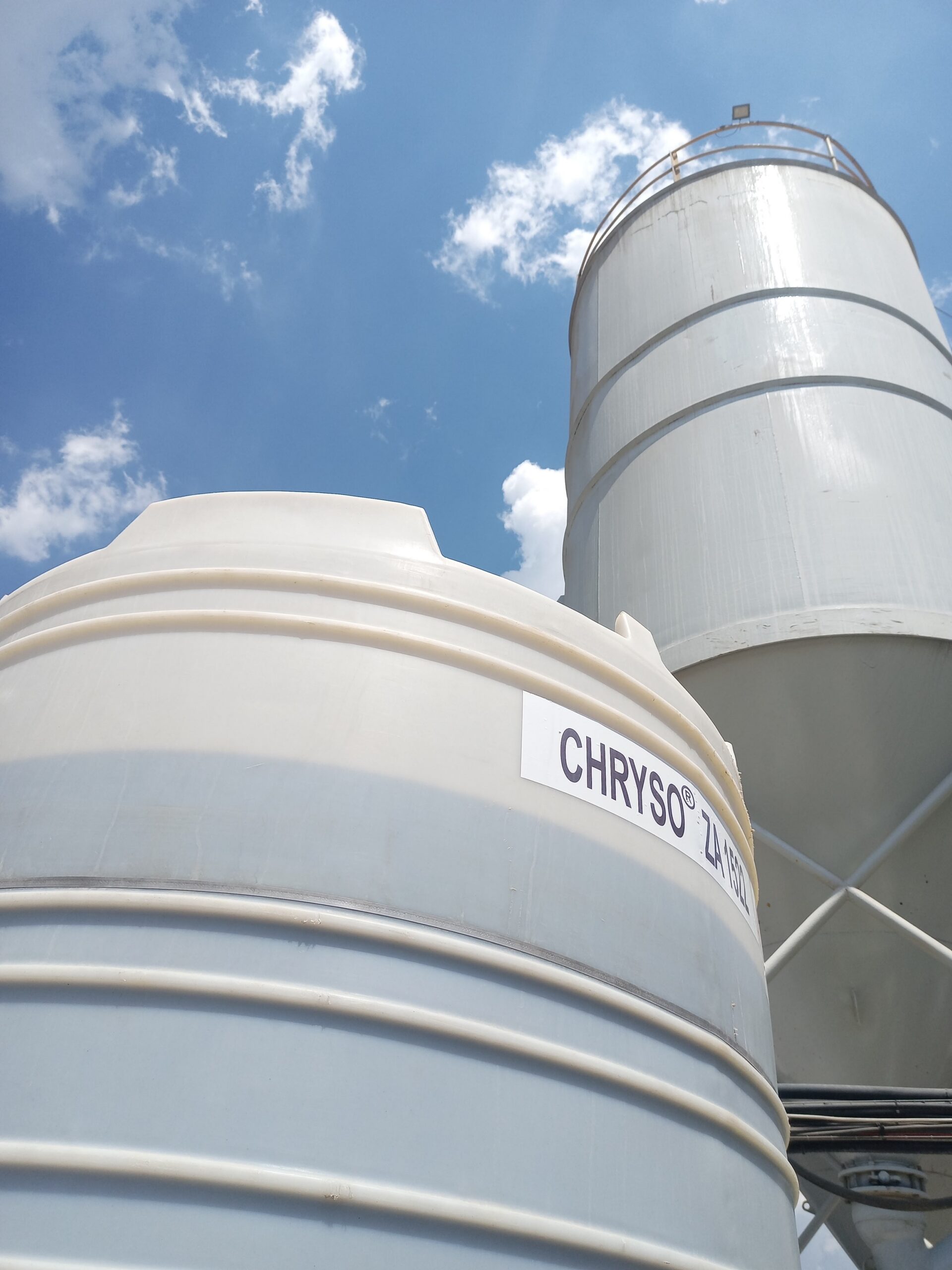
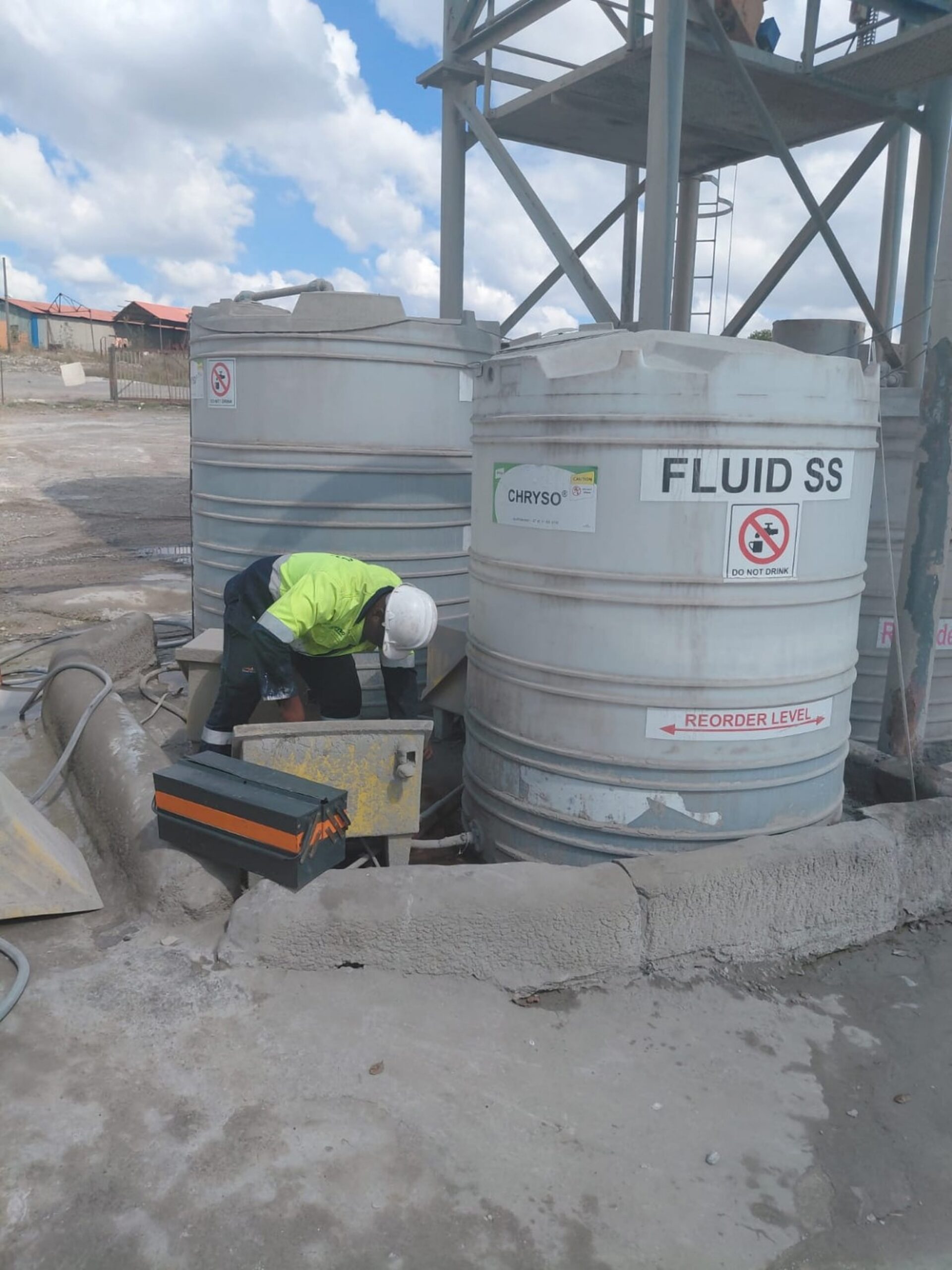
“For Chryso, technical support in the field is not simply an after-sales function but a strategic extension of our commitment to helping customers deliver safer, more efficient and higher-quality construction projects,” Julyan concludes. “By combining advanced admixture technology with practical on-site expertise, we help ensure that engineered concrete solutions perform reliably under real-world conditions, giving contractors and concrete producers the confidence to deliver projects successfully.”
SUPPLY CHAIN DISCIPLINE EMERGES AS A FRONTLINE DRIVER OF CONVEYOR UPTIME

As mining operations place growing pressure on plant availability and production continuity, the management of conveyor spares is increasingly being recognised as a critical reliability function rather than a routine procurement exercise.

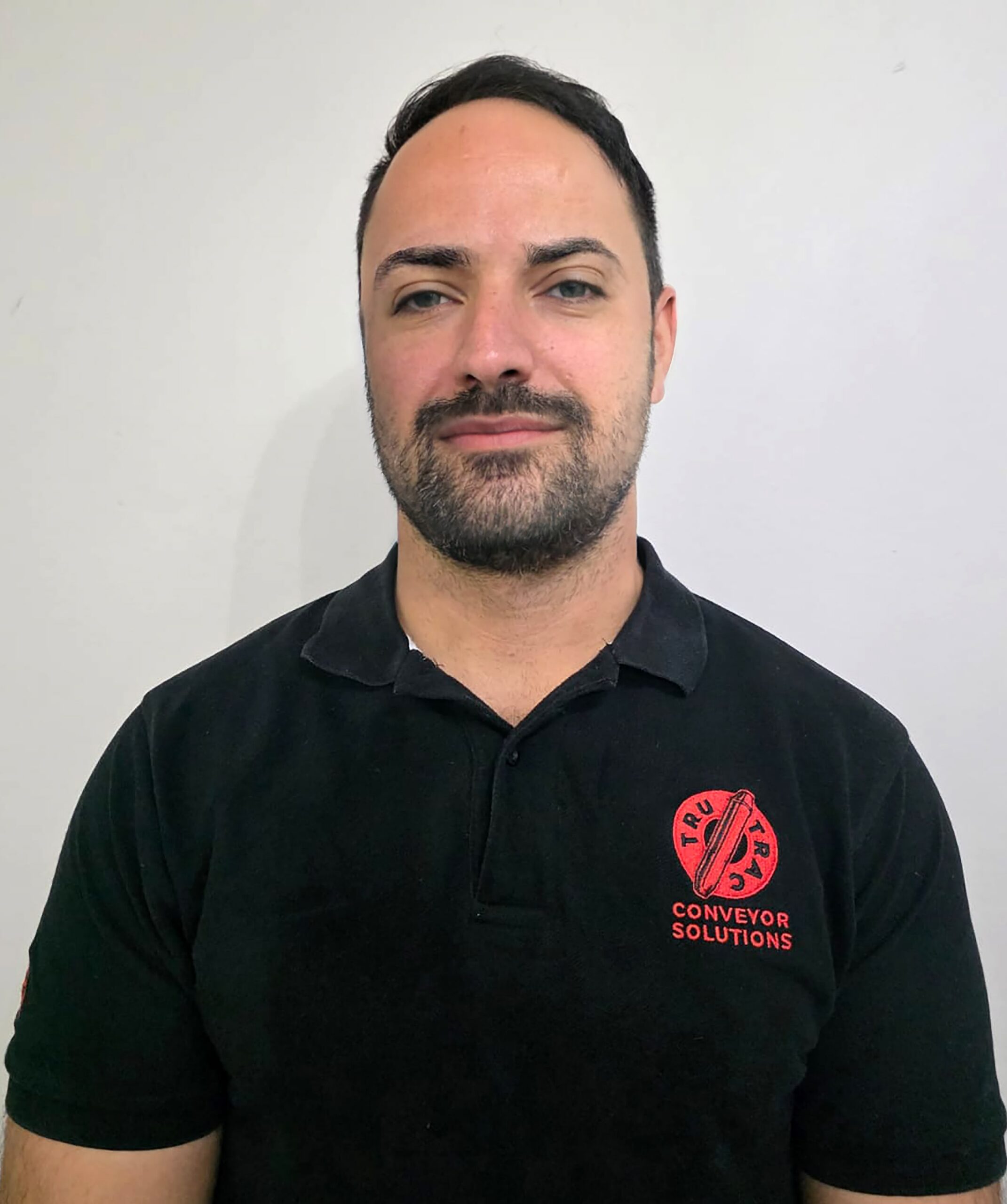
David Pereira, Head of Sales at Tru-Trac.

According to David Pereira, Head of Sales at Tru-Trac, effective supply chain discipline around conveyor components is essential to preventing costly unplanned stoppages and protecting throughput across the value chain.

“Conveyor systems remain central to the movement of material through crushing, screening, processing and shipping stages,” he says. “When a critical component is not readily available, what may begin as a relatively minor failure can rapidly escalate into extended downtime and significant production losses.”

Pereira notes that while mines typically focus heavily on major equipment such as crushers and mills, conveyor systems often comprise numerous smaller components that are equally vital to uninterrupted operations.

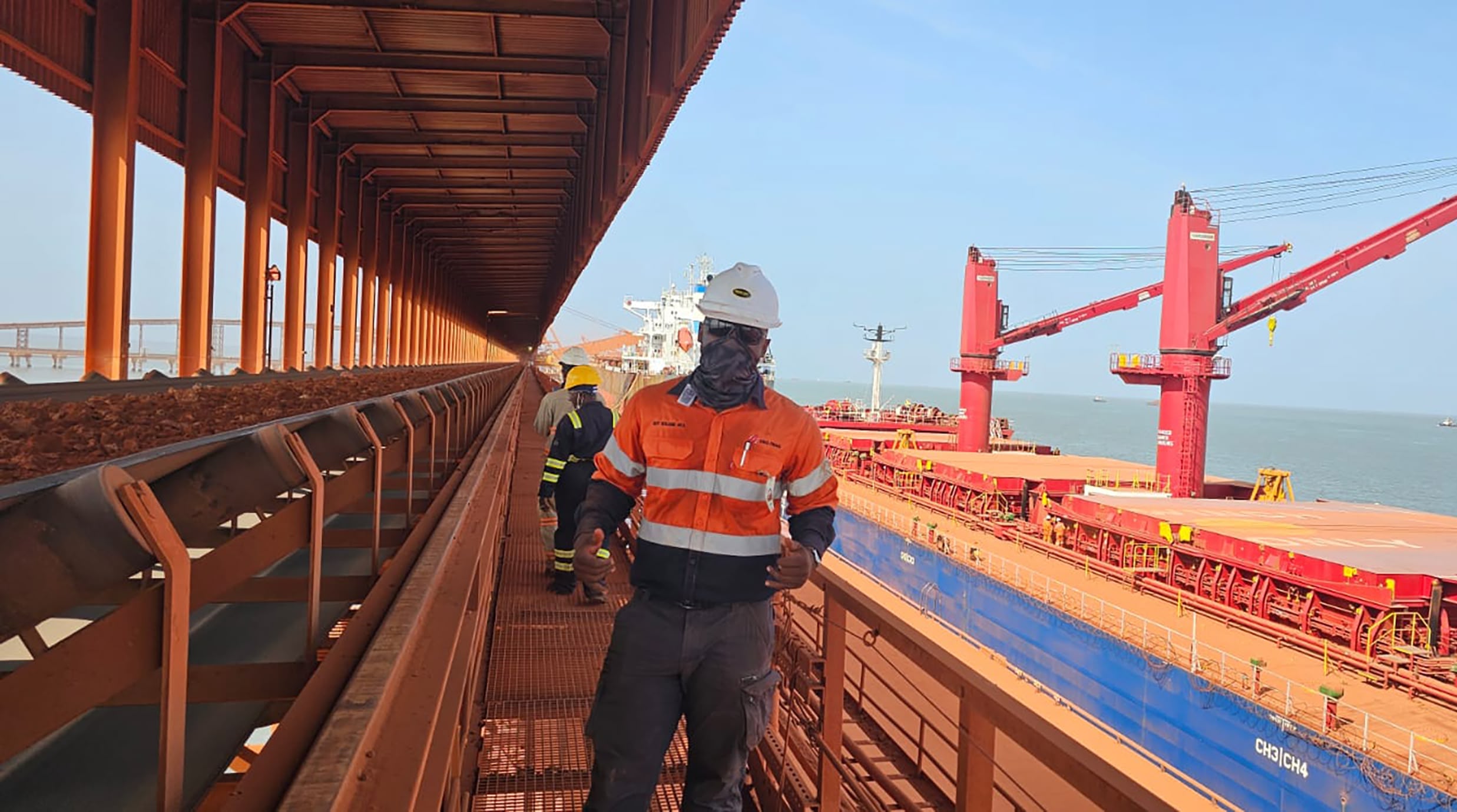
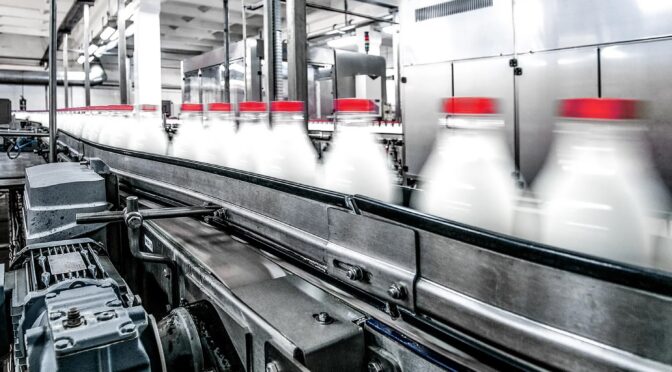
Strong supply chain discipline helps keep material moving by ensuring critical conveyor components are available when required, reducing delays and supporting uninterrupted plant performance.

“In many cases, downtime can be triggered by the failure of what appears to be a relatively small item – an idler, a scraper blade or a belt alignment component,” he says. “The production impact, however, can be just as severe.”
Among the most important of these are belt cleaning systems and scrapers which play a direct role in controlling carry-back, spillage and belt tracking performance. When these components are not maintained or replaced timeously, secondary issues such as belt misalignment, accelerated wear and safety risks can quickly follow.

Pereira emphasises, however, that the solution is not simply to increase inventory levels.

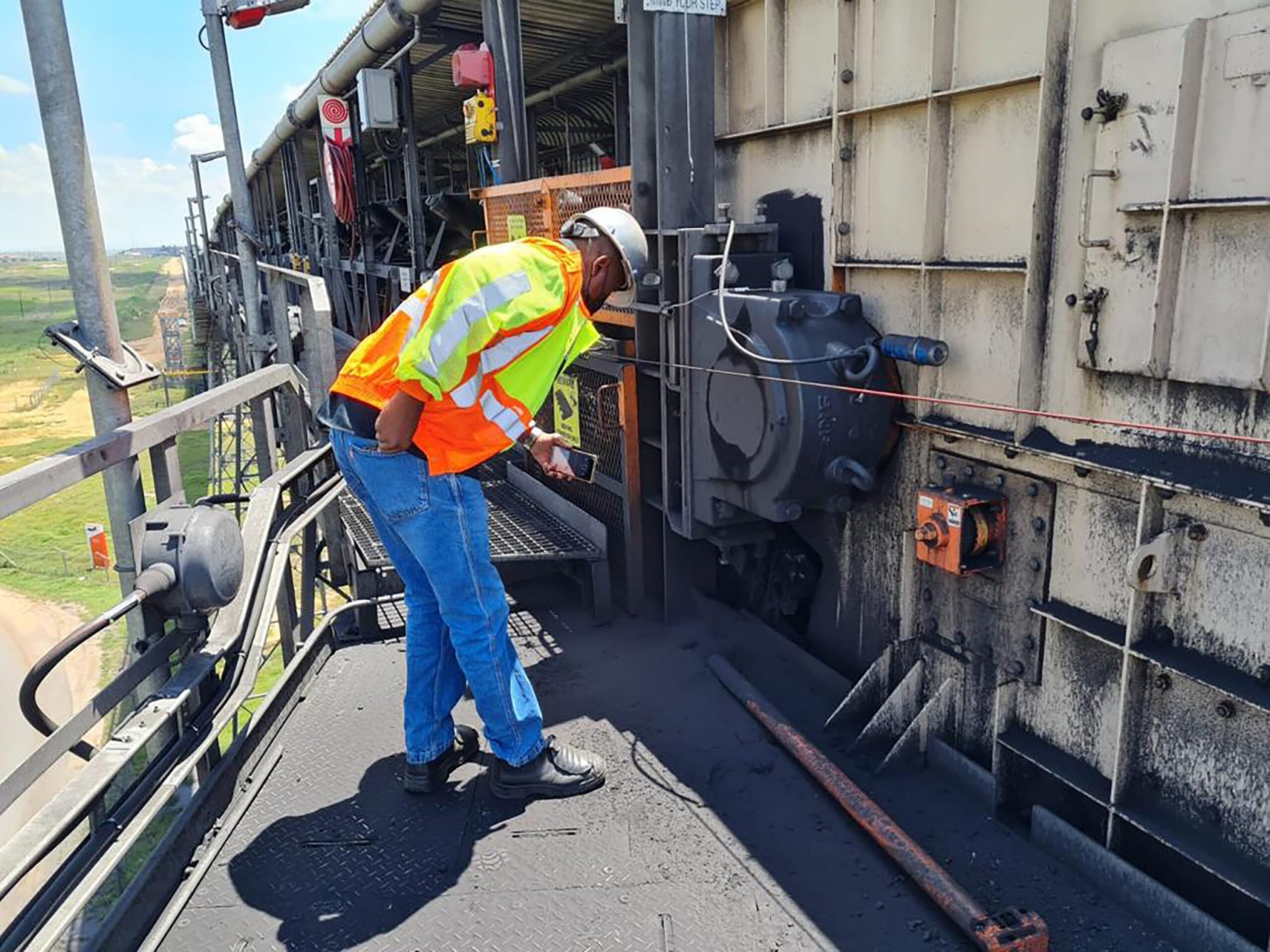
Proactive inspections help keep conveyor systems performing at their best by identifying potential issues early, reducing unplanned downtime and supporting long-term reliability and operational efficiency.

“Excessive stockholding ties up capital and can create its own inefficiencies, particularly where obsolete or incorrect parts are stored on site,” he explains. “The real value lies in stocking the right components in the correct quantities, based on the specific operating conditions of each conveyor installation.”

To achieve this, Tru-Trac works closely with mining customers to assess conveyor configurations, component lifecycles, throughput requirements and lead times. This process is typically informed by detailed belt surveys and site inspections conducted alongside plant maintenance teams.

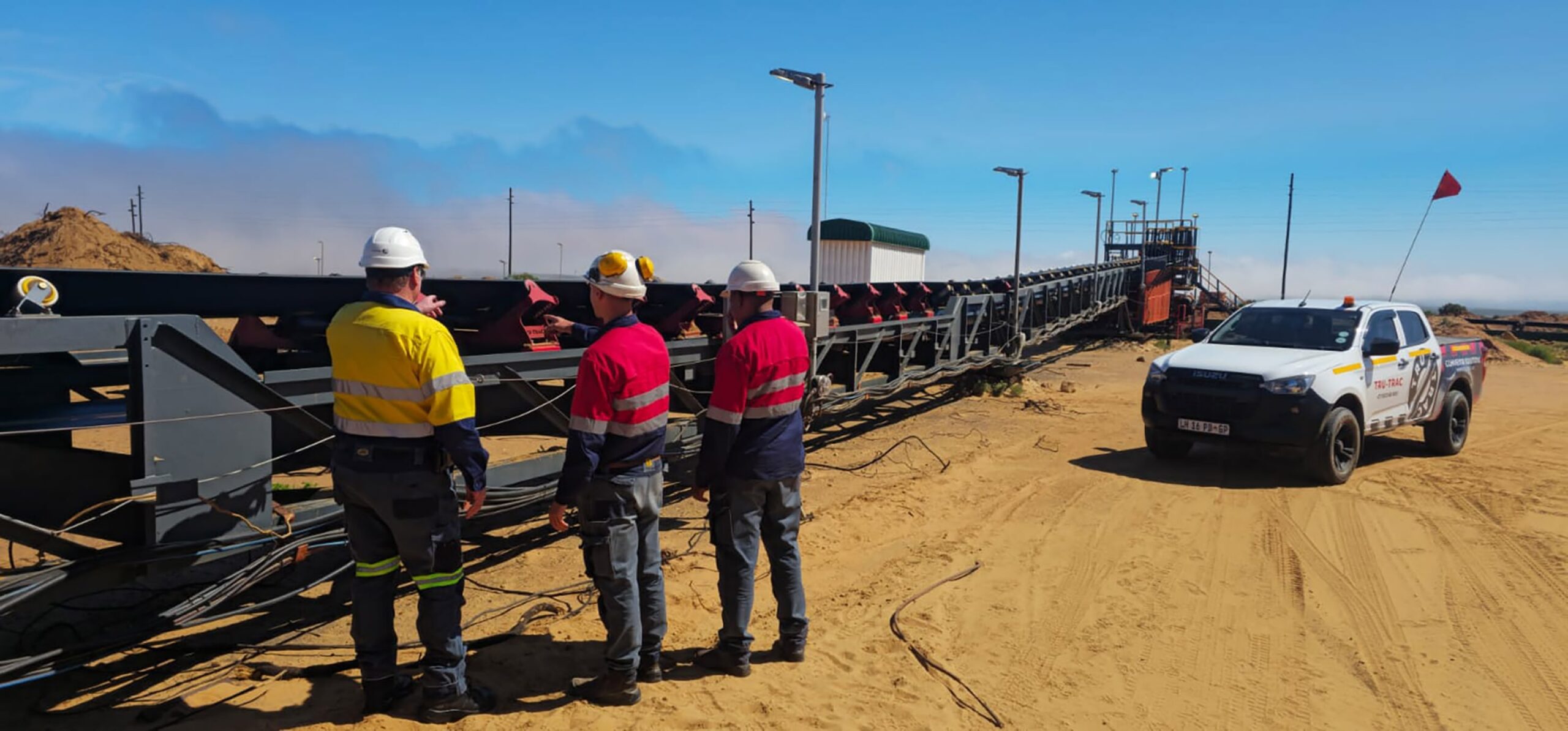
Site assessments help align stockholding with real operating conditions, ensuring critical conveyor components are available when needed to support reliability, minimise downtime and optimise maintenance planning.

“These assessments allow us to identify wear patterns, potential failure points and component replacement cycles,” Pereira says. “The data then feeds directly into minimum and maximum stock recommendations.”

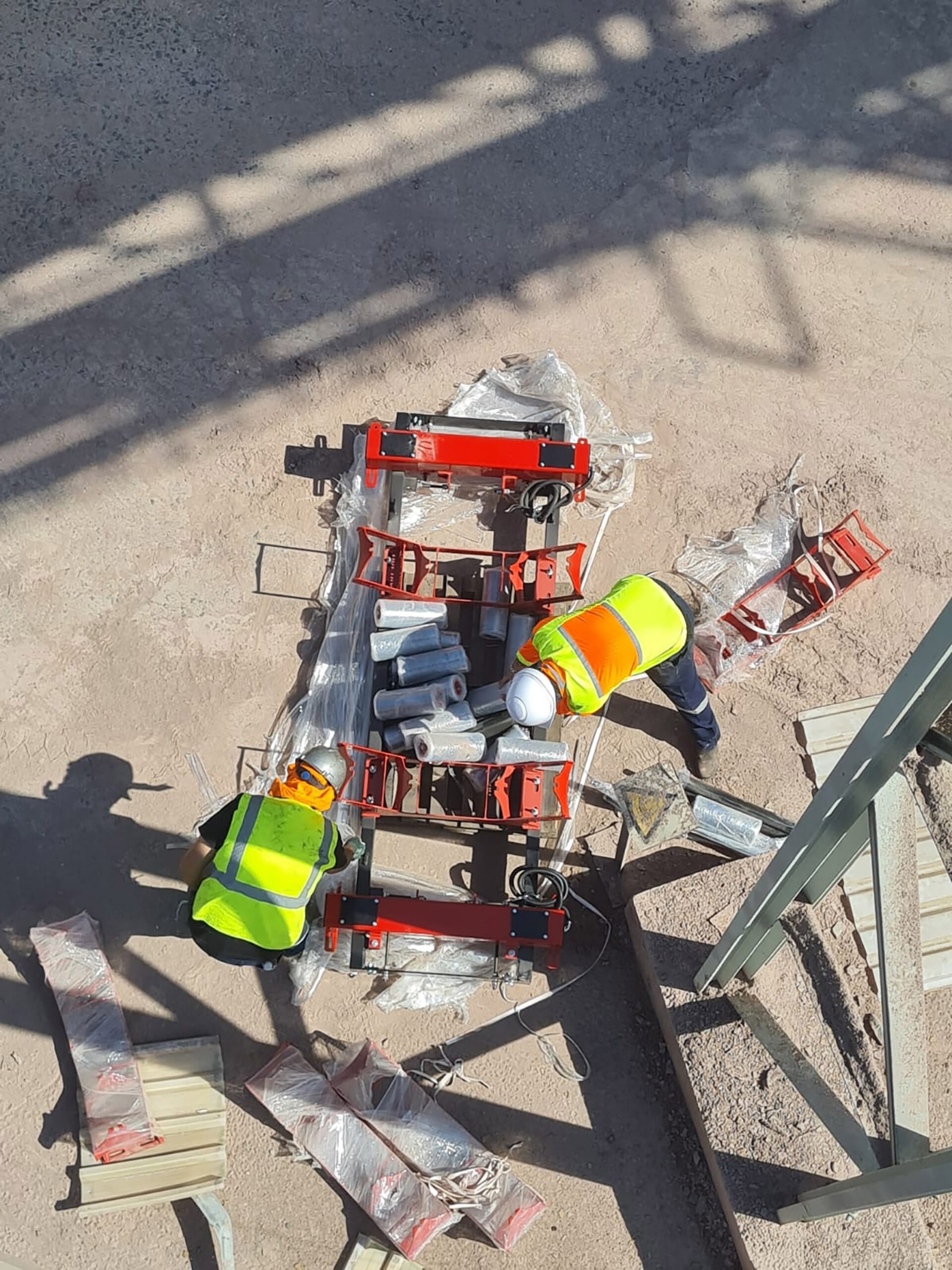
Reliable operations start with prepared maintenance teams equipped with the knowledge, tools and support needed to maintain conveyor performance, minimise downtime and maximise operational uptime.

He adds that wear rates can shift materially as mines move through different ore zones, with changes in material abrasiveness and throughput directly influencing component lifespan.

“Regular forecasting and ongoing inspections are therefore essential,” he says. “Monthly reviews supported by quarterly forward planning help ensure stock levels remain aligned with changing operational realities.”

Pereira notes that the broader cost implications of poor spares planning are often underestimated, as downtime, emergency logistics, labour inefficiencies and safety incidents all add materially to total cost of ownership.

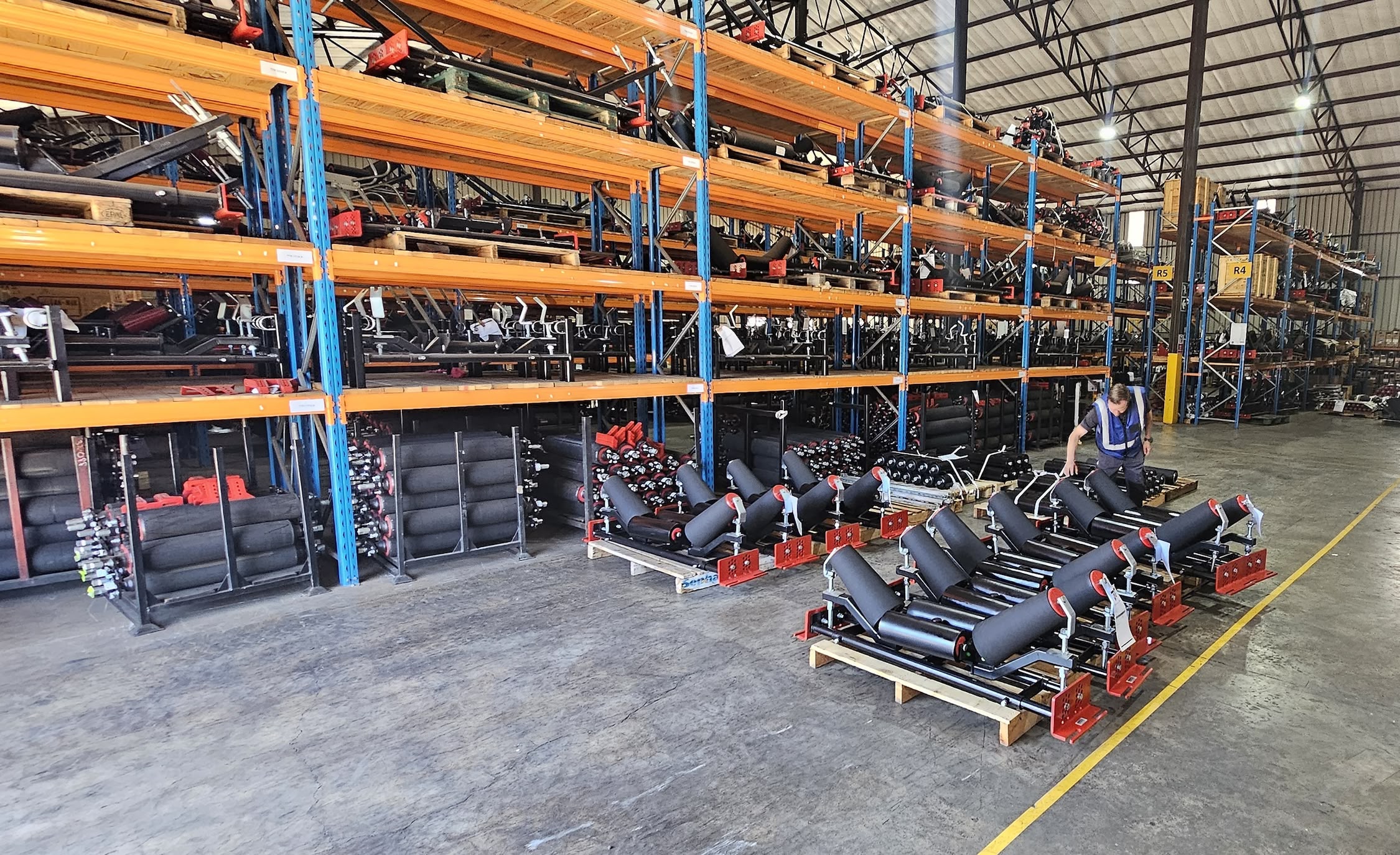
The right spares help protect conveyor uptime by enabling faster maintenance interventions, reducing repair delays and ensuring conveyor systems continue operating reliably and efficiently.

“Ultimately, this is about protecting uptime through informed planning,” he concludes. “When the right components are available at the right time, mines are far better positioned to maintain production continuity and reduce overall operating risk.”

WEBA CHUTE SYSTEMS’ GROUNDED APPROACH TO DEM IN CHUTE DESIGN

Across the global mining sector, Discrete Element Method (DEM) simulation has become a standard feature of transfer chute design. But according to Weba Chute Systems, the danger lies in confusing a verification tool with a complete design methodology.

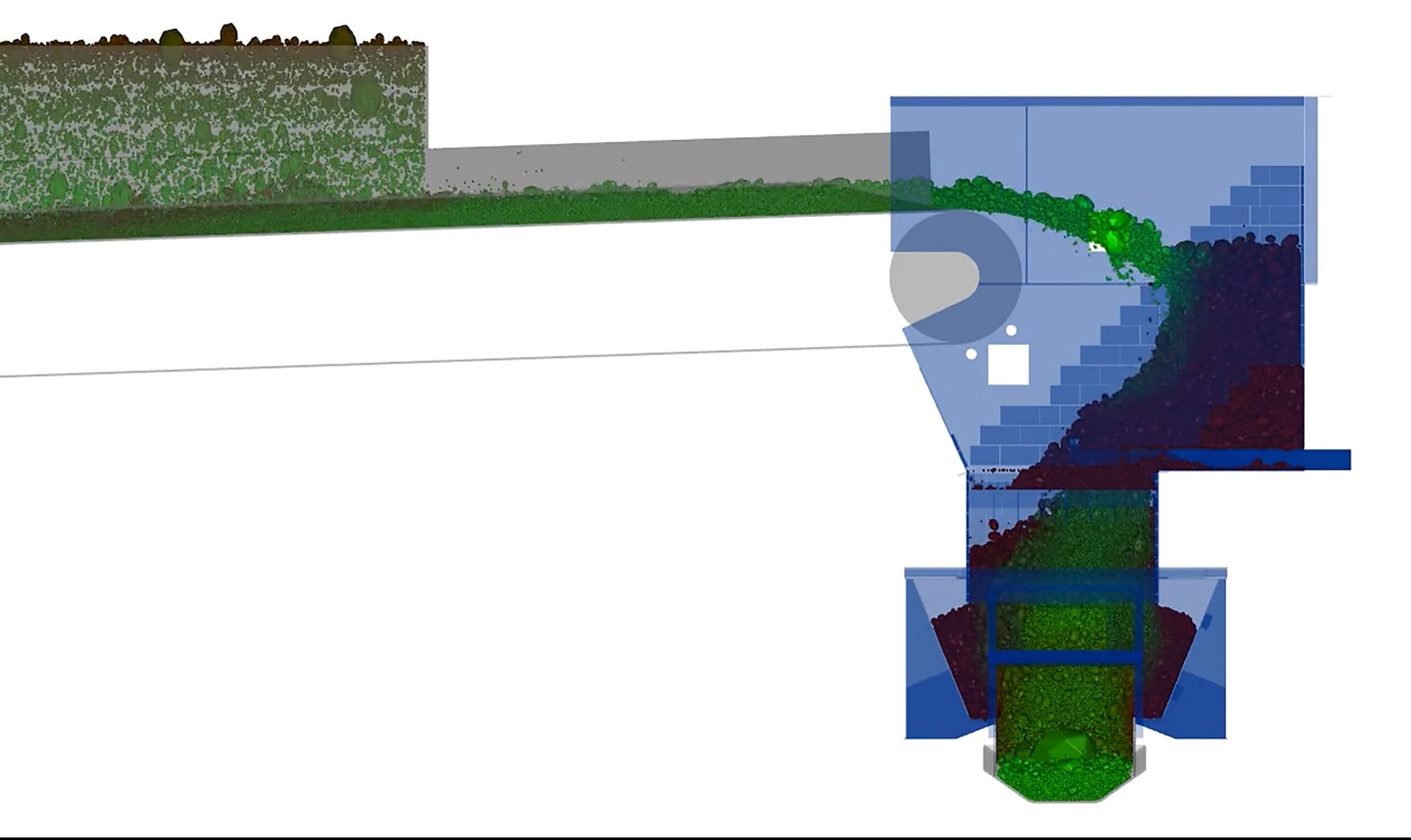
Weba Chute Systems uses Discrete Element Method (DEM) analysis to verify and refine transfer chute designs developed through engineering calculations and practical experience.

“Across the industry, the use of DEM has become mainstream,” says Mark Baller, Managing Directorof Weba Chute Systems. “Where we differ is in how the chute is engineered. While DEM software is often used to model material flow, it is fundamentally a simulation and verification tool rather than a design tool. DEM can validate and optimise a chute design by analysing how material behaves within it but the engineering design itself must first be developed using sound design principles and application expertise.”

For Weba Chute Systems, effective chute design starts not with software but with engineering expertise and practical knowledge gained from designing more than 5,000 transfer points worldwide. This experience, combined with proven engineering calculations, forms the foundation of every chute design.

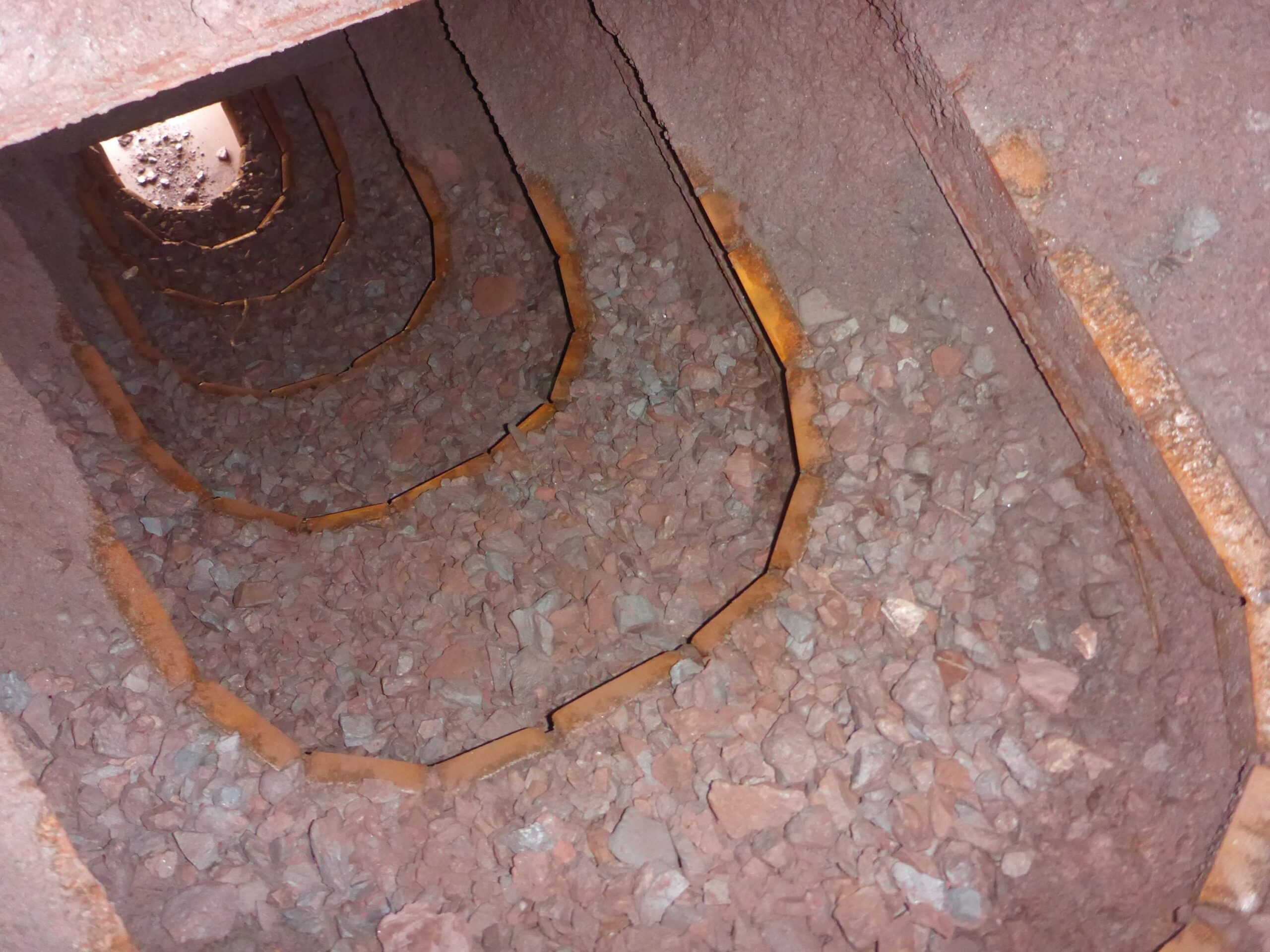
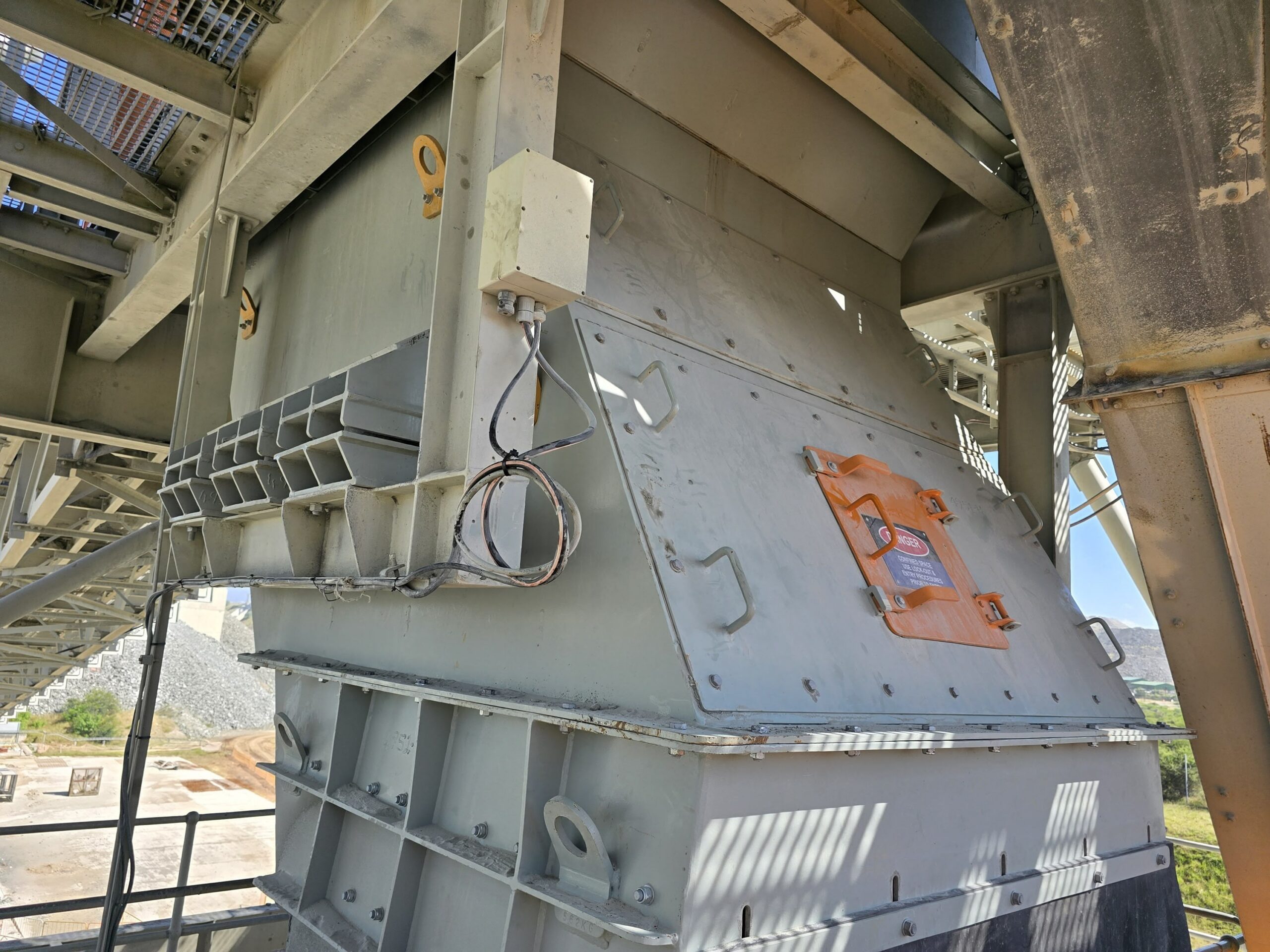
Weba Chute Systems incorporates replaceable wear lips to protect the transfer chute shell from abrasion, extending service life while simplifying maintenance.

“We use the knowledge and practical experience we have accumulated over decades, together with sound engineering principles, to develop the chute design,” he explains. “Only once that design is complete do we use DEM software to verify and validate its performance, ensuring it will operate as intended under the specified conditions.”

This distinction becomes particularly important when moving from the controlled assumptions of a design model to the realities of an operating mine. Weba Chute Systems’ engineers understand that ore characteristics and operating conditions rarely remain exactly as defined in the original design basis.

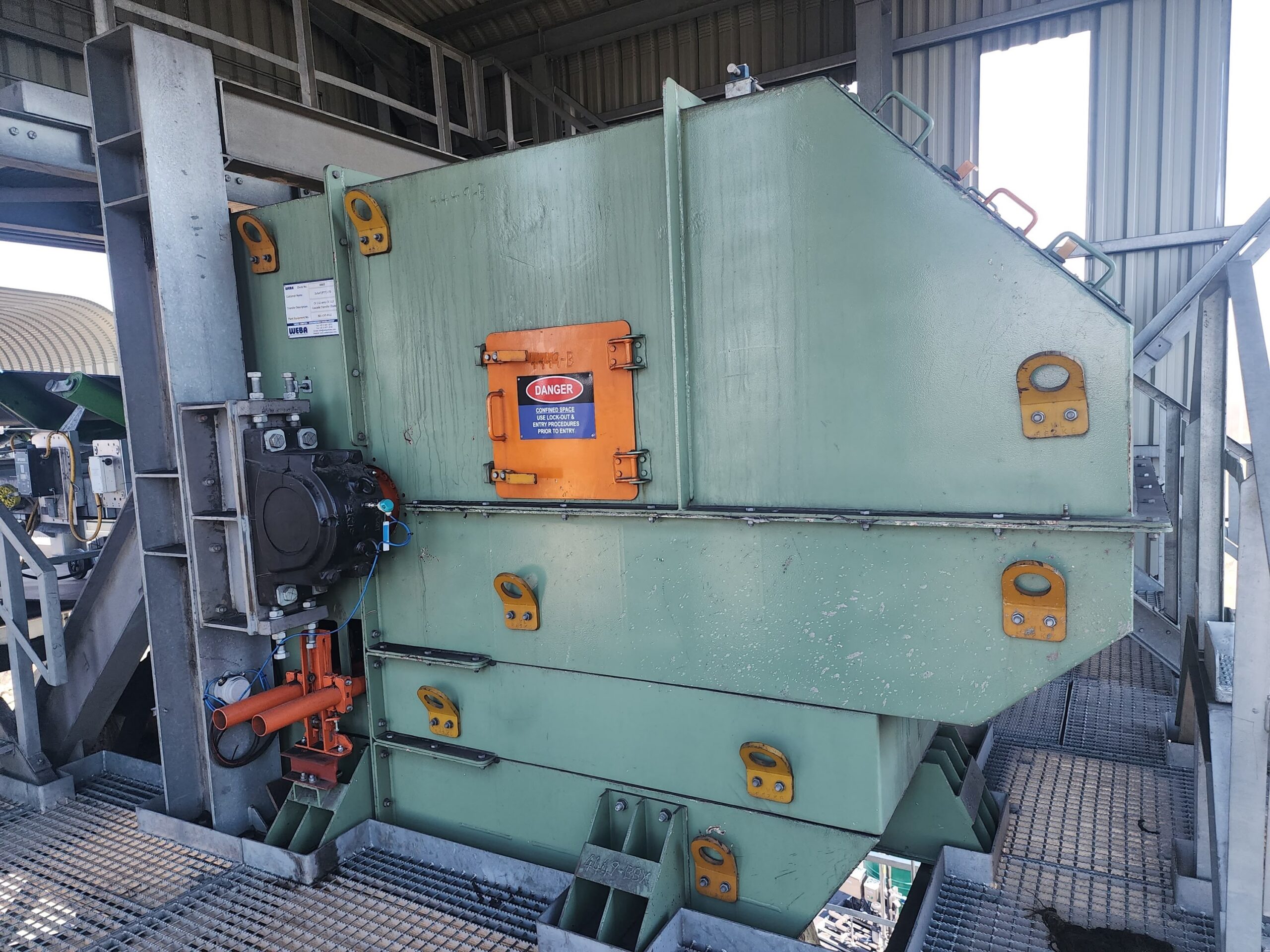
A Weba Chute Systems screen oversize transfer chute controls material flow while protecting downstream equipment from excessive wear and impact.

According to Baller, this is where the limitations of DEM become evident. “DEM is only as good as the information you put into it. When we are handling mined material, we have to consider factors such as the condition of the material, atmospheric conditions and particle size distribution. All of these influence how the material flows through the chute and it is impossible to simulate every one of these variables within a DEM environment.”

Real-world experience frequently highlights these limitations. On one project in the United States, Weba Chute Systems encountered operating conditions that differed significantly from the original design assumptions.

Every Weba Chute Systems transfer chute is engineered to suit the specific application before being verified using Discrete Element Method (DEM) analysis.

“We were initially asked to design a chute to handle frozen lumps up to 50 mm in size. However, during winter, the material arrived in frozen blocks approaching one metre in size. If you design only for the specified 50 mm lump size, the chute simply won’t perform because the seasonal operating conditions were never accounted for.”

For this reason, Weba Chute Systems uses DEM to confirm and refine designs rather than create them from scratch. The software is employed to validate material trajectories, impact energies, build-up risks and liner utilisation against designs that have already been developed through engineering calculations and decades of practical field experience. Baller believes this combined approach delivers far more reliable outcomes than relying solely on digital modelling.

A Weba Chute Systems head chute is engineered to ensure controlled material flow, improving reliability while reducing wear and maintenance requirements.

“People sometimes forget the value of practical experience and assume technology can solve everything,” he says. “Technology doesn’t have access to all that accumulated knowledge. Practical experience is built over many years, often at considerable cost, and that insight cannot simply be replicated in software.”

As visual simulation tools become increasingly sophisticated, Weba Chute Systems continues to view DEM as an invaluable engineering aid – but only when it is supported by sound engineering principles, real-world operating data and decades of accumulated industry experience.

SEW-EURODRIVE PUTS ENERGY-EFFICIENT AUTOMATION IN FOCUS AT PROPAK CAPE

SEW-EURODRIVE will showcase its comprehensive MOVI-C® modular automation portfolio at Propak Cape, highlighting how integrated drive and automation technologies can help processing and packaging companies reduce energy consumption, improve efficiency and achieve more consistent production performance.

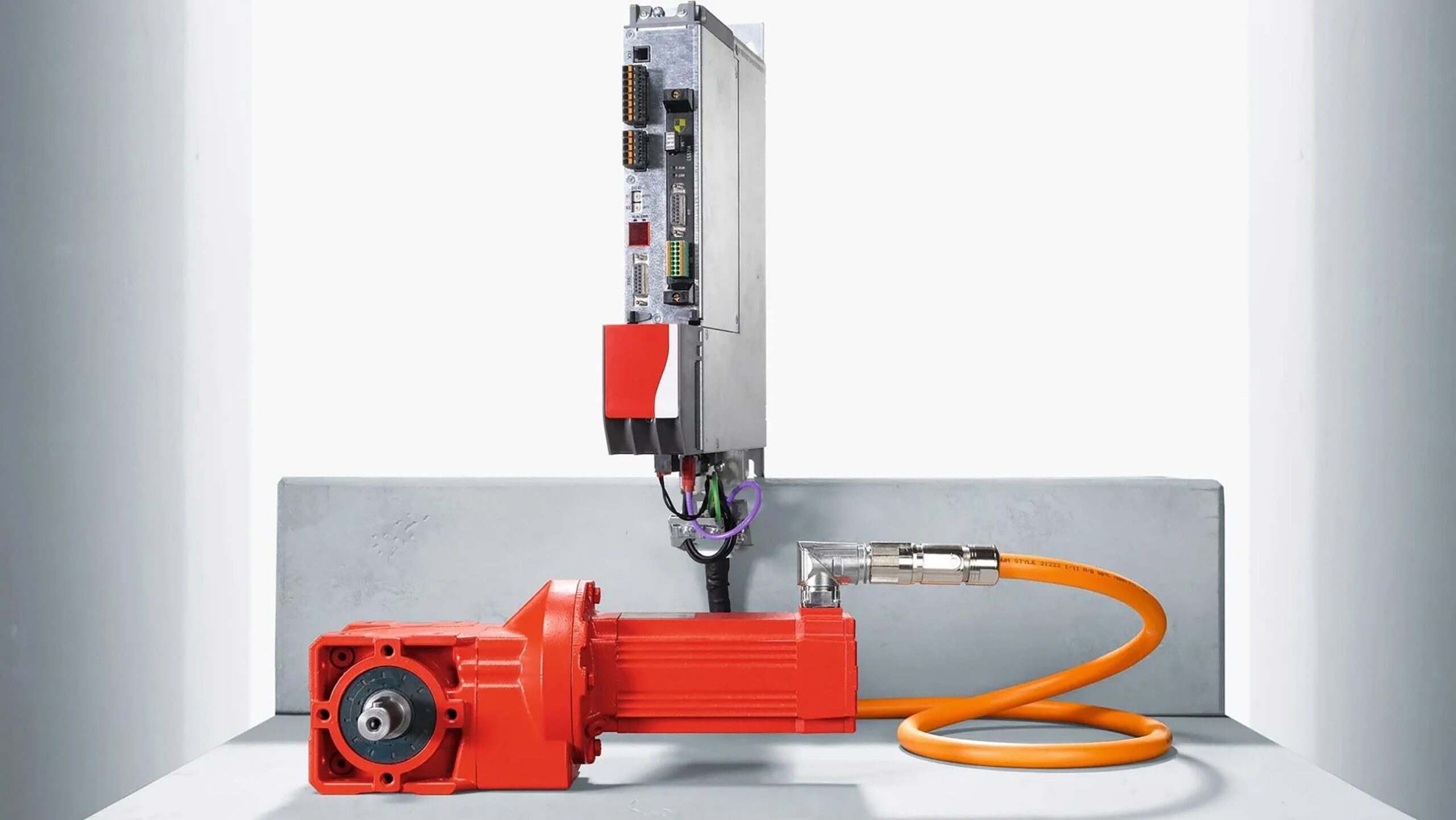
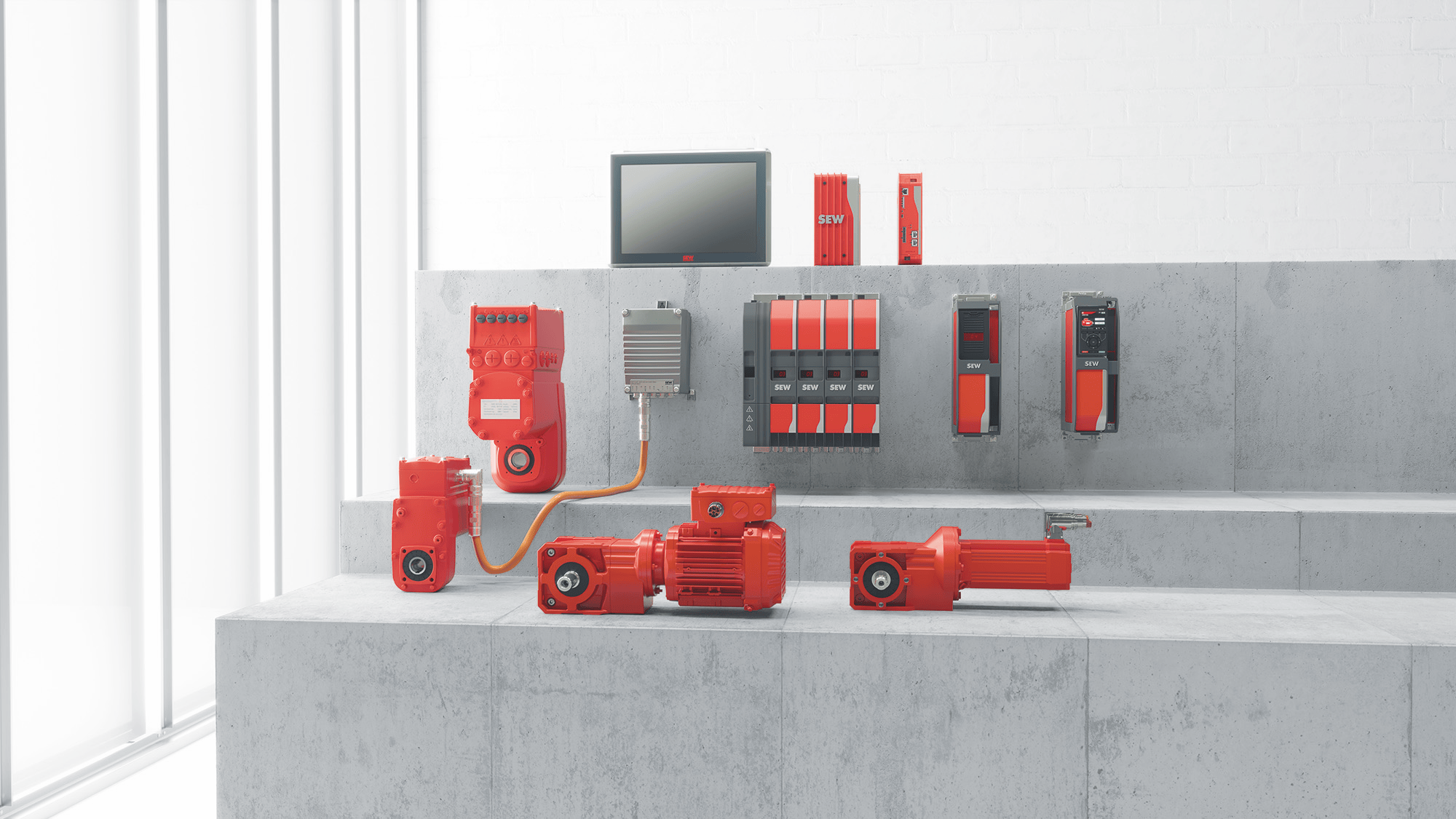
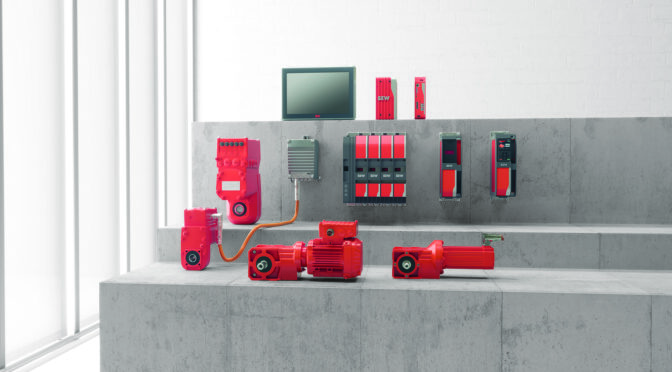
SEW-EURODRIVE’s MOVI-C® modular automation platform brings drive technology, motion control, software and communication together within an integrated automation ecosystem.

The exhibit will include the full MOVI-C® range together with a robotic arm, illustrating the depth of automation technology available to machine builders, OEMs and end users seeking increasingly intelligent and energy-efficient production solutions.

According to Jonathan McKey, National Sales and Marketing Manager at SEW-EURODRIVE South Africa, achieving meaningful energy savings requires more than simply selecting an energy-efficient motor or drive.

SEW-EURODRIVE combines motors, gear units, frequency inverters, controllers and software to deliver complete automation solutions for modern production environments.

“Energy efficiency needs to be considered across the complete machine or production line,” McKey says. “Our approach is to work closely with customers to understand the application, the operating cycle and where energy is being consumed. From there, we can engineer an integrated drive and automation solution that supports both optimum performance and reduced energy usage.”

MOVI-C® provides a single modular automation platform incorporating drive technology, motion control, control technology, software and communication capabilities. This allows individual machine functions to be coordinated within an integrated architecture, supporting precise control of motors and movement throughout processing and packaging applications.

SEW-EURODRIVE works with machine builders, OEMs and end users to engineer integrated drive and automation solutions around the requirements of each application.

For packaging operations in particular, accurate speed, positioning and synchronisation are fundamental to achieving high throughput while avoiding unnecessary mechanical and energy losses. Intelligent drive control allows equipment to operate according to actual process demand rather than continuously running at maximum output.

The ability to coordinate multiple axes is equally important in applications such as conveying, handling, positioning, sorting, palletising and robotic systems, where accurate movement and repeatability can directly influence productivity and product quality.

From individual machine movements to coordinated multi-axis systems, MOVI-C® provides a scalable automation platform designed to improve productivity, control and operational efficiency.

McKey emphasises that SEW-EURODRIVE’s role extends beyond supplying individual components.

“We partner with customers from the engineering and specification stage through to commissioning and lifecycle support,” he says. “This allows us to look at the complete application and identify opportunities to improve efficiency, simplify automation and optimise the performance of the installed equipment.”

The company’s presence at Propak Cape will reinforce this system-based approach, demonstrating how motors, gear units, frequency inverters, decentralised drive technology, controllers and software can function as an integrated automation ecosystem.

Integrated drive and automation technology from SEW-EURODRIVE helps manufacturers optimise machine performance while reducing unnecessary energy consumption.

For processing and packaging companies facing increasing pressure to improve productivity while managing electricity costs, McKey says automation and energy efficiency must increasingly be considered together.

“The objective is ultimately to help customers produce more efficiently, with better control of their processes and a lower overall energy requirement,” he concludes.

TRAFO POWER SOLUTIONS BUILDS ON PROVEN SUCCESS TO EXPAND MARKET SHARE

As demand grows across Africa for reliable engineered electrical power solutions, Trafo Power Solutions is continuing to build on a strong track record of delivery, innovation and technical support to expand its market share across key sectors.

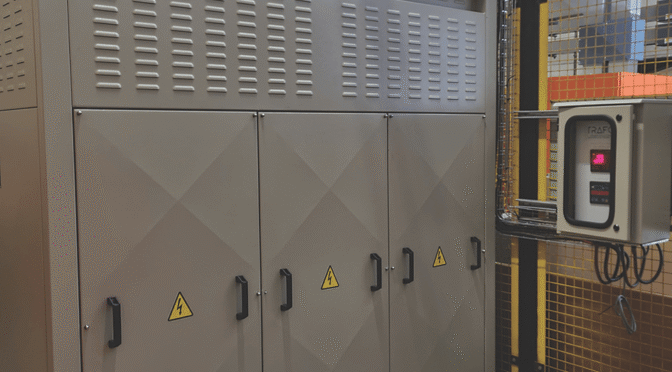
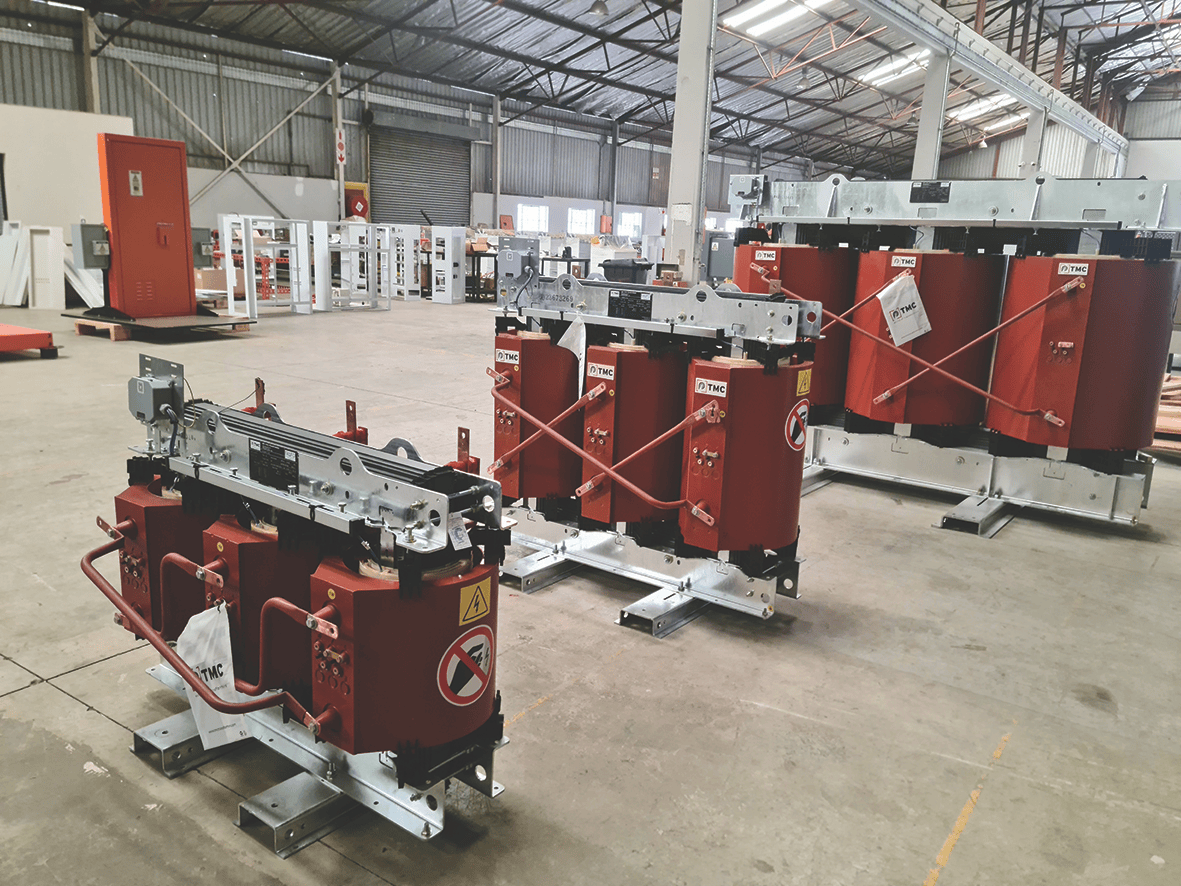
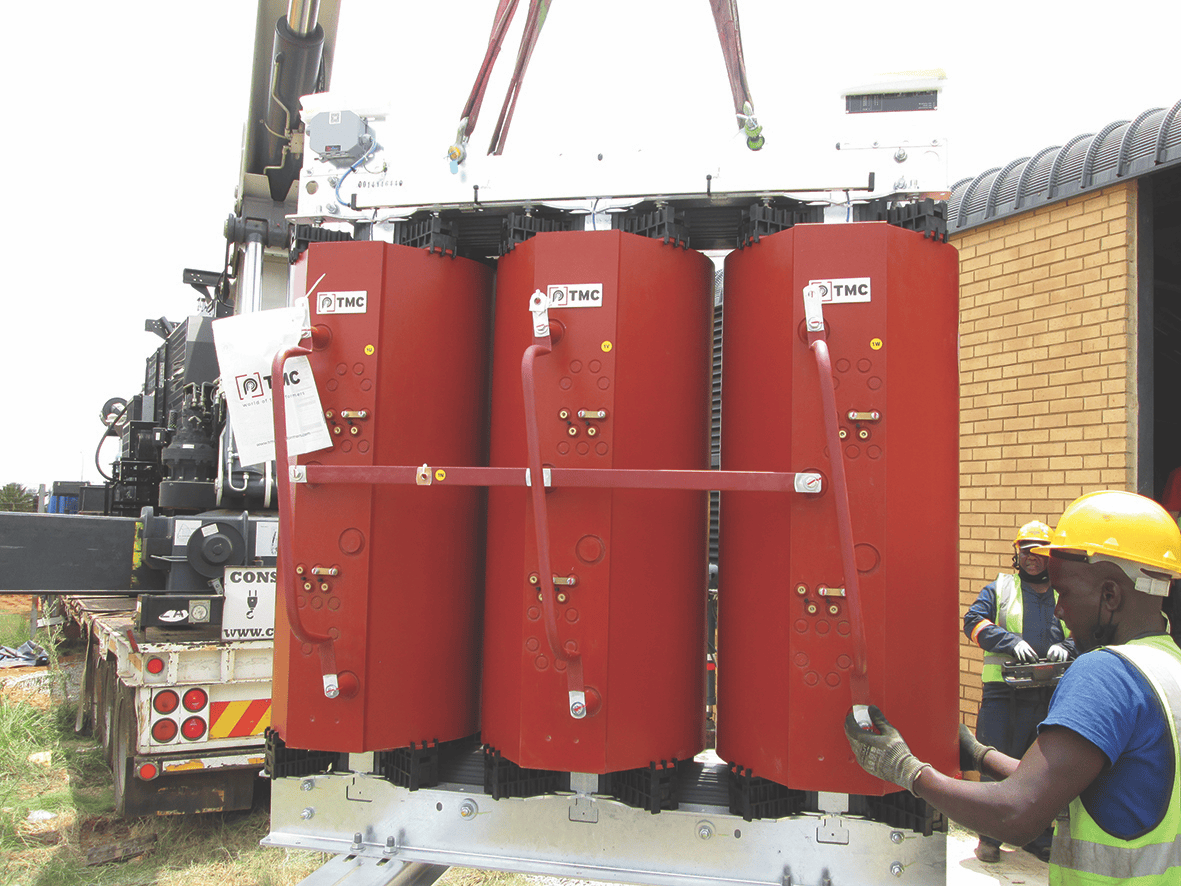
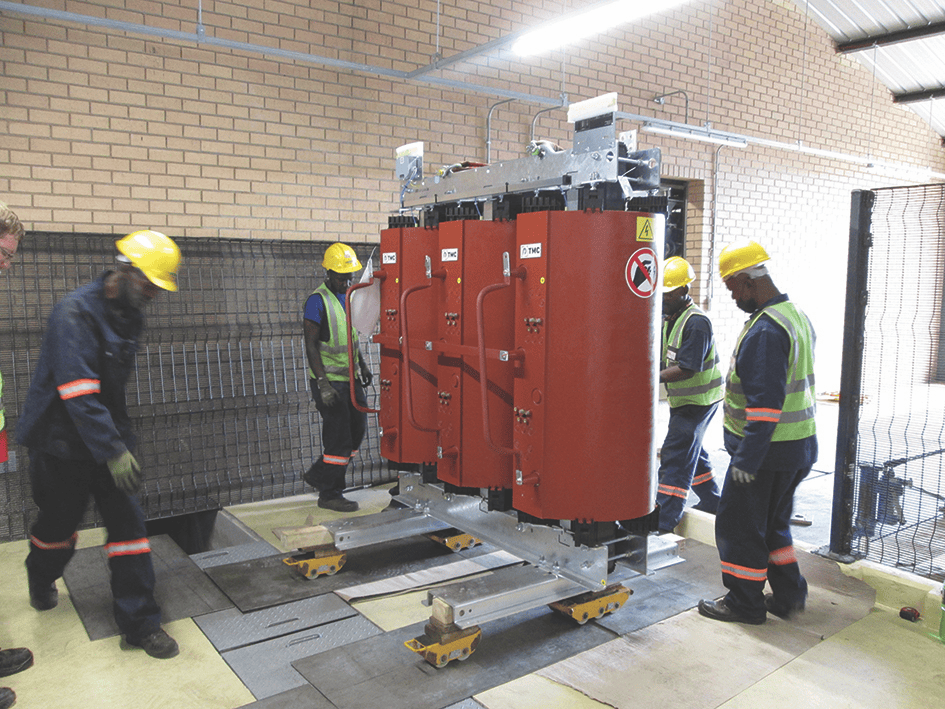
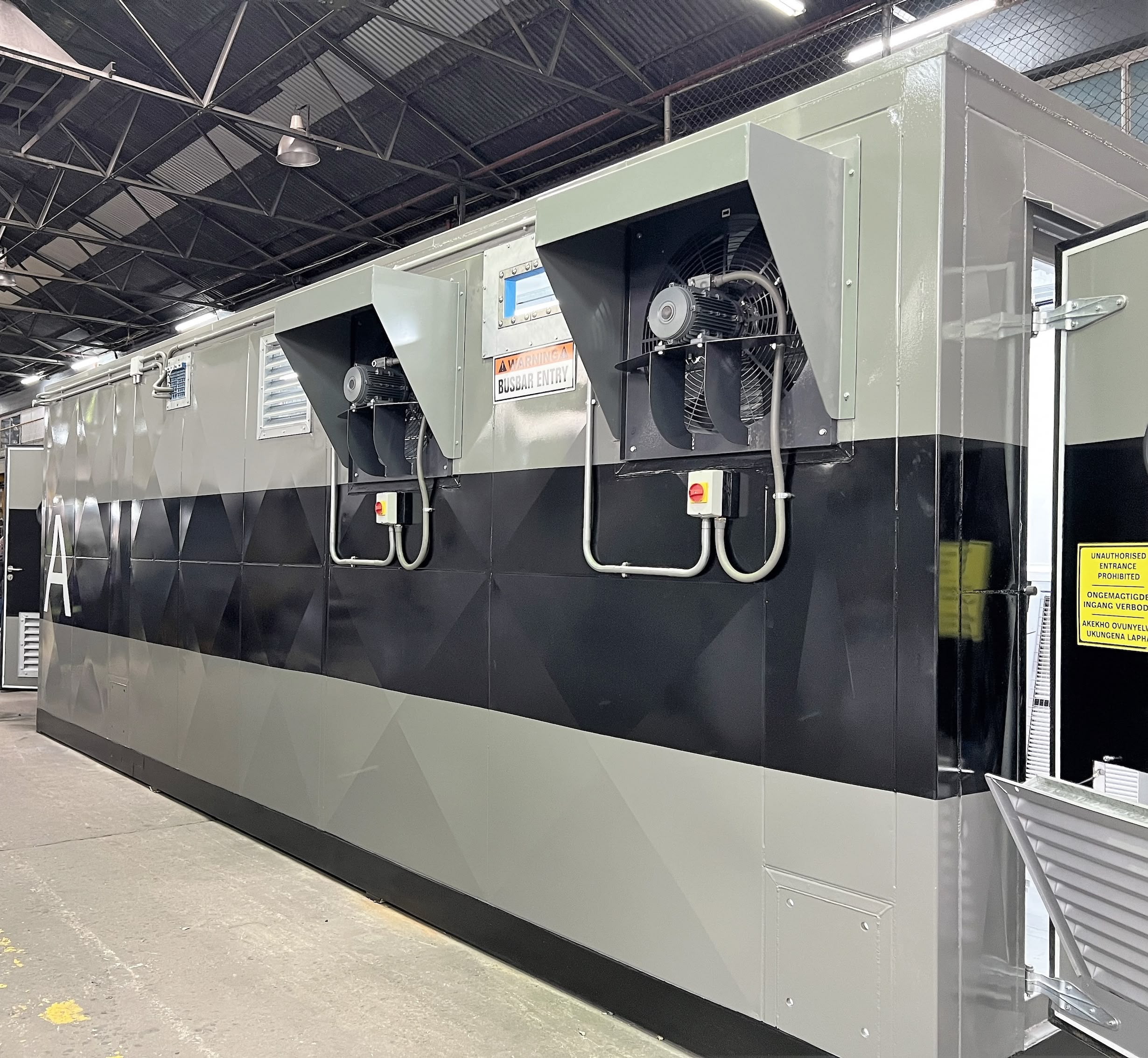
Every Trafo Power Solutions solution is engineered to meet the specific demands of each application and operating environment.

Having established itself as a trusted specialist in dry-type transformers and modular electrical infrastructure, the company is strengthening its position in mining, industrial, infrastructure, data centre and renewable energy applications by delivering solutions tailored to increasingly complex operating environments.

According to Managing Director, David Claassen, sustained growth in market share is being driven by a combination of technical expertise, application-specific engineering and a proven ability to respond quickly to customer requirements.

Trafo Power Solutions delivers engineered electrical power solutions for reliable performance across mining, industry and infrastructure.

“Growth in our market share is a direct result of consistently delivering dependable solutions that address the operational realities faced by our customers,” Claassen says. “Clients are looking for partners who understand the risks around power reliability, uptime and safety -and who can engineer solutions that perform in demanding conditions.”

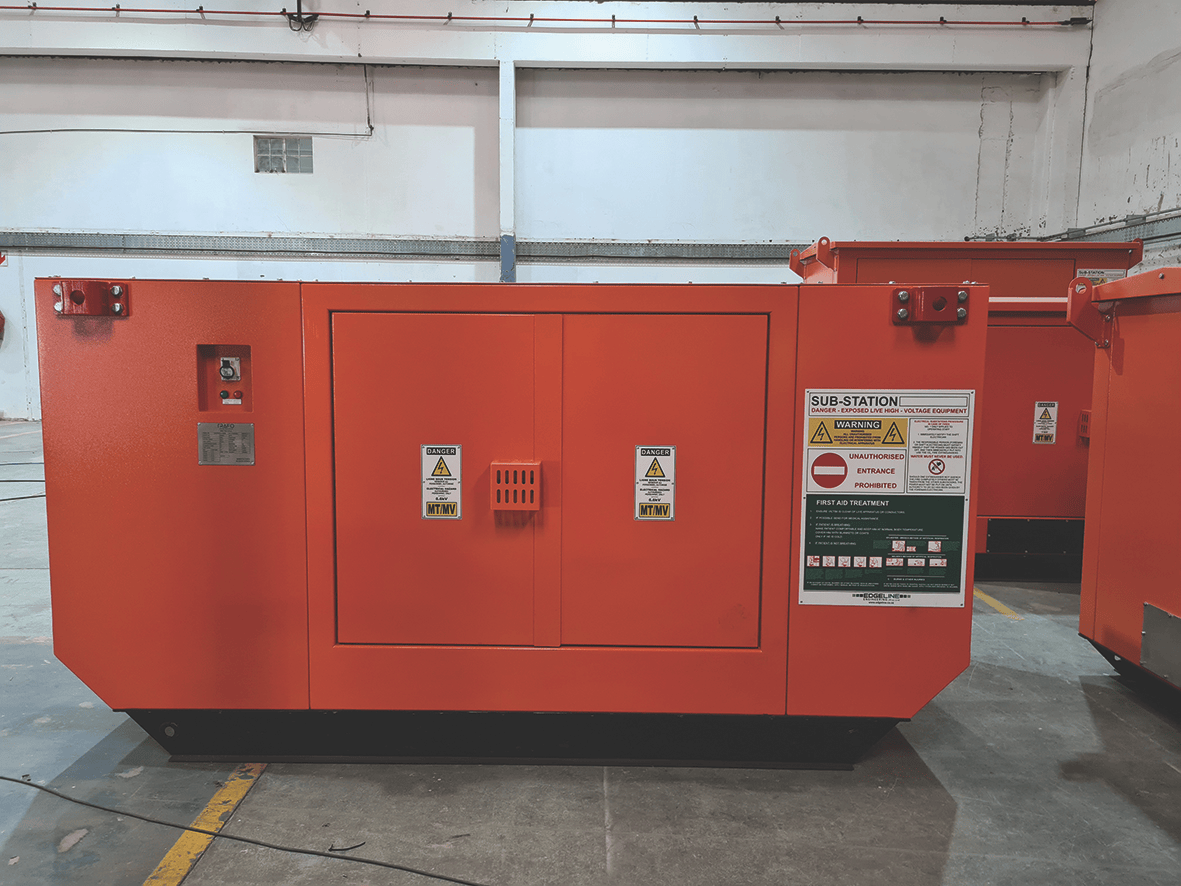
Originally recognised for its expertise in dry-type transformer technology, the business has successfully broadened its offering over the years to become a comprehensive provider of electrical power solutions. This includes transformers, mini substations, switchgear integration and containerised power systems designed for rapid deployment and long-term reliability.

Trafo Power Solutions continues to expand across Africa by delivering dependable, engineered electrical power solutions.

The company’s growth strategy has focused strongly on sectors where dependable electrical infrastructure is business-critical. In mining, for example, reliable power distribution is essential to maintaining production continuity across both surface and underground operations.

“In industries such as mining, any interruption to power can have a direct impact on productivity, safety and operational efficiency,” Claassen says. “Our focus is therefore not only on supplying equipment but on understanding the application and engineering a solution that supports long-term performance.”

A key differentiator for the business has been its emphasis on engineered solutions rather than standard off-the-shelf supply. By working closely with clients during the design and specification phase, Trafo Power Solutions ensures that each installation is aligned to site-specific requirements, environmental conditions and future expansion plans.

Trafo Power Solutions combines engineering expertise with practical solutions to improve power reliability and efficiency.

This consultative approach has helped the company secure repeat business and strengthen long-term relationships with customers across southern and central Africa.

The business also continues to invest in technical capability, regional support structures and partnerships that improve response times and after-sales service – all of which contribute to growing customer confidence and market penetration.

As infrastructure investment, mining development and energy projects continue to gather momentum across the continent, Trafo Power Solutions believes its growth trajectory remains strong.

From transformers to containerised power systems, Trafo Power Solutions delivers integrated electrical infrastructure for demanding applications.

“Our growth is built on performance, trust and engineering excellence,” Claassen says. “By continuing to deliver solutions that meet evolving market needs, we are well positioned to further strengthen our footprint and expand our share of the market.”

BOOYCO ENGINEERING EXTENDS SITE-WIDE HVAC SERVICE AGREEMENT TO INCLUDE LDV FLEET AT SOUTH AFRICAN COAL MINE

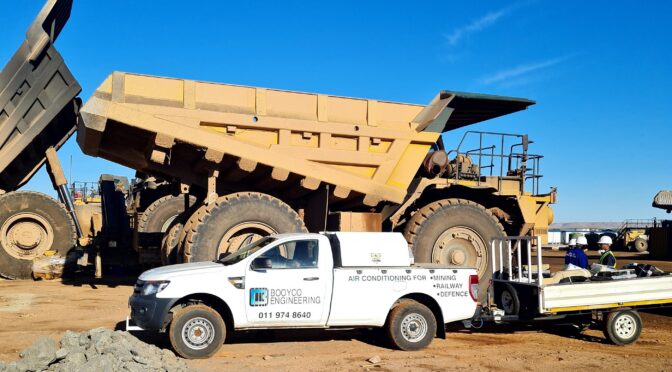
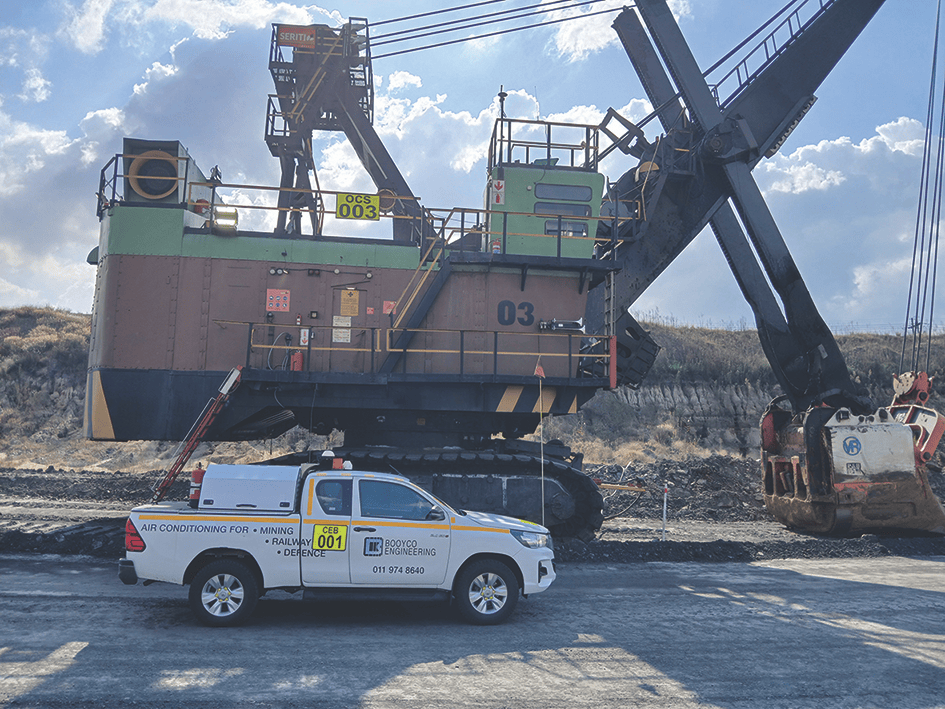
Booyco Engineering has expanded an existing Service Level Agreement (SLA) at a major South African coal mining operation to now include all light duty vehicles (LDVs) on site, further strengthening its role in supporting fleet reliability, operator comfort and safety across the mine’s full mobile equipment portfolio.

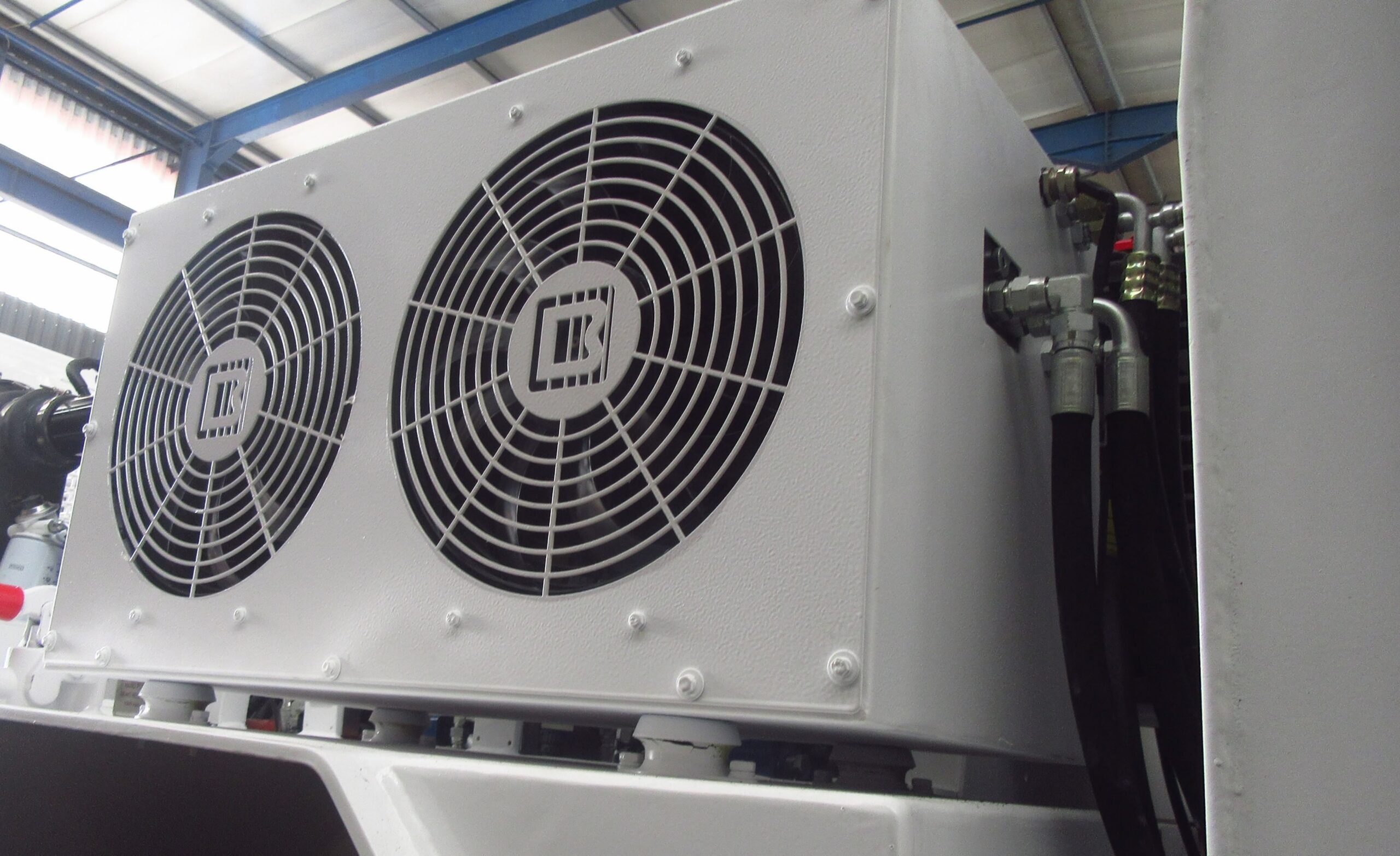
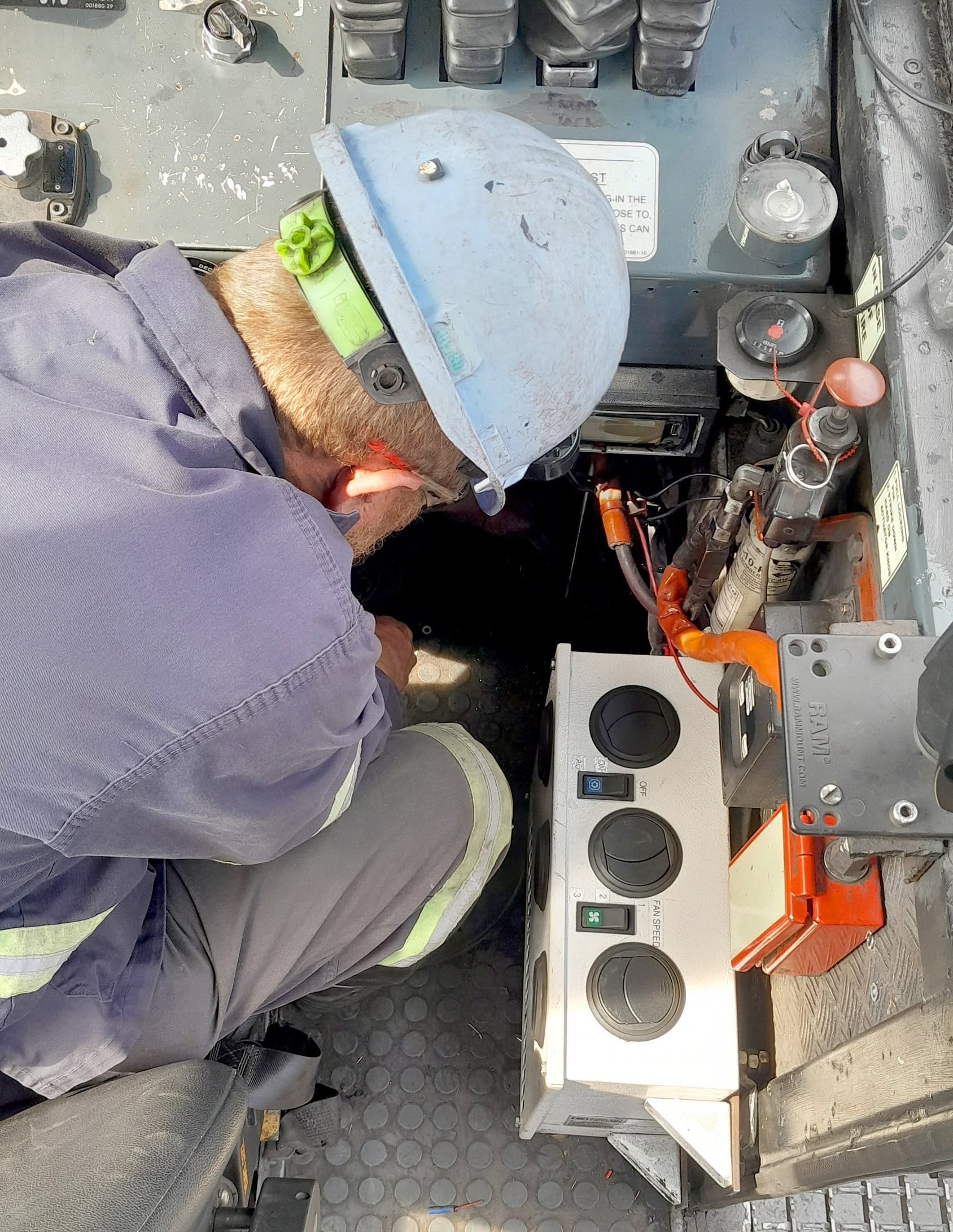
Reliable HVAC systems contribute to operator wellbeing, reduced fatigue and safer working conditions in demanding mining environments.

The agreement previously covered the yellow metal component of the mine’s fleet including rigid frame and articulated dump trucks as well as loading equipment. The expanded scope now brings the site’s LDV fleet under the same structured maintenance programme, ensuring a consistent approach to HVAC system performance across all mobile assets.

According to Brenton Spies, Managing Director of Booyco Engineering, the extension reflects the growing recognition that HVAC system performance is critical across all categories of mining equipment.

Effective HVAC maintenance plays a critical role in supporting productivity, equipment uptime and workforce comfort across modern mining operations.

“HVAC systems play a vital role in maintaining a safe and comfortable working environment for operators and personnel across the site,” Spies says. “This directly supports productivity, reduces fatigue and contributes to overall operational safety, particularly in demanding mining conditions where equipment operates for extended periods.”

Spies explains that Booyco Engineering’s SLAs are never generic but are carefully customised to align with the specific operating requirements of each customer’s site.

Booyco Engineering’s tailored service level agreements help mining operations maximise HVAC reliability, equipment availability and operator comfort across diverse mobile fleets.

“Every mining operation has its own fleet composition, operating cycles and environmental conditions which means maintenance programmes need to be tailored accordingly,” he says. “Our SLA model is built around the customer’s specific requirements to ensure reliable performance and to create opportunities for early detection of potential issues before they develop into costly failures.”

Effective HVAC maintenance plays a critical role in supporting productivity, equipment uptime and workforce comfort across modern mining operations.

This proactive maintenance approach enables Booyco Engineering to identify early warning signs that may indicate wear, reduced cooling efficiency or the need for repairs, allowing planned interventions that minimise unplanned downtime.

“The best option is normally to have a dedicated technician permanently on site,” Spies says. “This gives the customer access to a skilled resource who follows a structured maintenance schedule designed around every piece of equipment operating on that particular site.”

By embedding technical capability directly at the operation, Booyco Engineering ensures rapid response times, consistent preventative maintenance and improved equipment uptime.

Proactive HVAC maintenance enables early fault detection, reducing unplanned downtime and supporting improved fleet performance.

The expanded SLA further demonstrates the company’s commitment to supporting the mining sector with engineered HVAC solutions and service models that are aligned with the operational realities of modern mining fleets.

“As mines continue to focus on productivity, equipment availability and workforce wellbeing, properly maintained HVAC systems remain a critical part of fleet performance,” Spies concludes.

SLR CONSULTING HIGHLIGHTS ENERGY AS A STRATEGIC GROWTH DRIVER FOR MINING

Energy is fast becoming one of the most influential strategic considerations in modern mining, moving well beyond its traditional role as a utility service to become a key factor in project viability, cost competitiveness and long-term sustainability.

By combining technical expertise with climate risk insight, SLR Consulting supports mining companies in building resilient and future-focused operations.

According to SLR Consulting, the shift is being driven by rising energy costs, pressure to decarbonise operations and the growing need for secure resilient power supply across mining jurisdictions in Africa and globally.

Tasman Graham, Managing Director at SLR Consulting, says mining companies are increasingly recognising that energy decisions now sit at the heart of both operational performance and future growth strategies.

According to SLR Consulting mining companies are rethinking energy strategies to strengthen resilience, improve sustainability and optimise long-term operating costs.

“Energy has become a significant business risk within the mining sector, with direct implications for both capital and operating costs,” Graham says. “At the same time, it presents a major opportunity to unlock efficiencies, strengthen resilience and support sustainability objectives.”

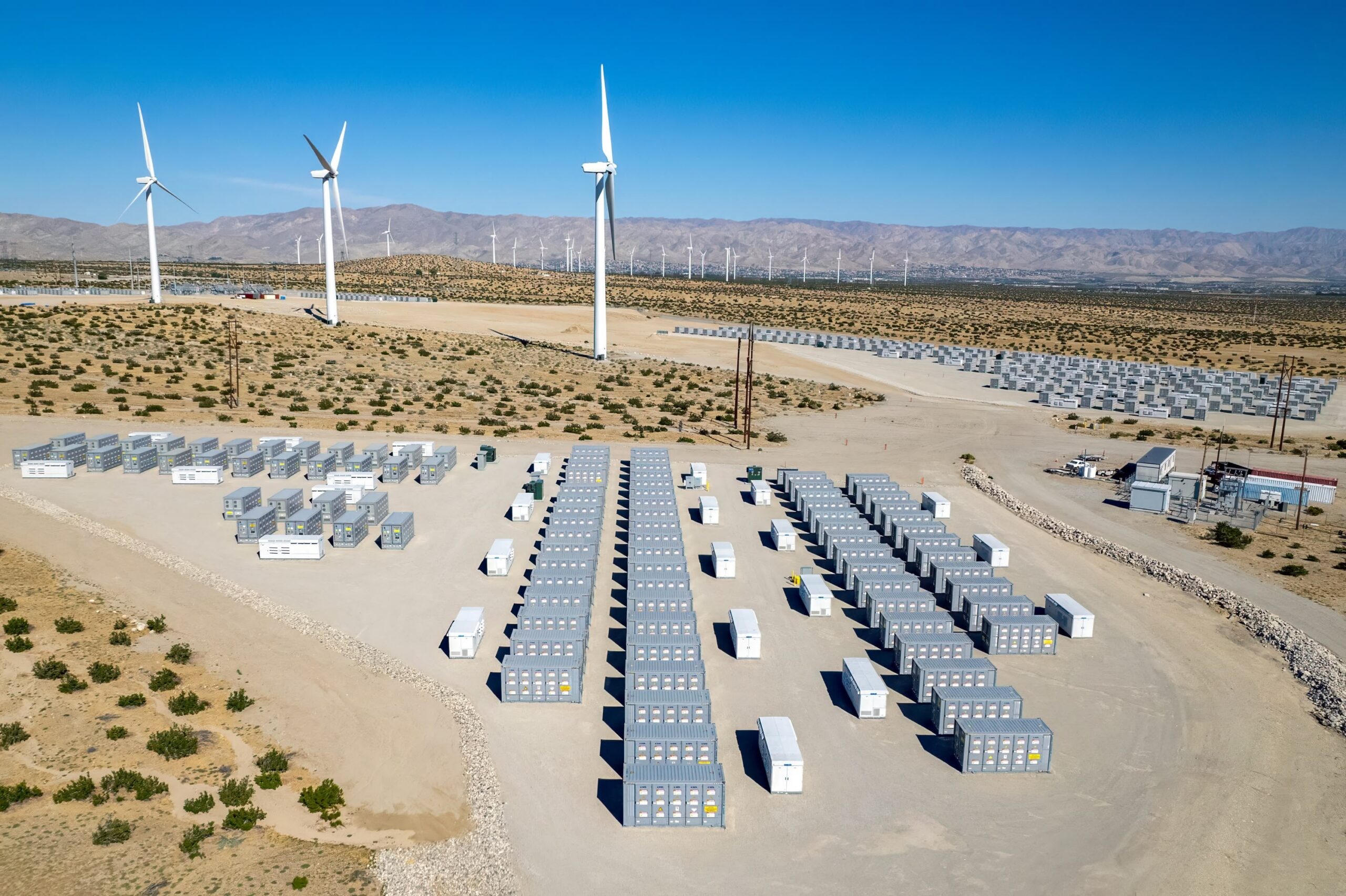
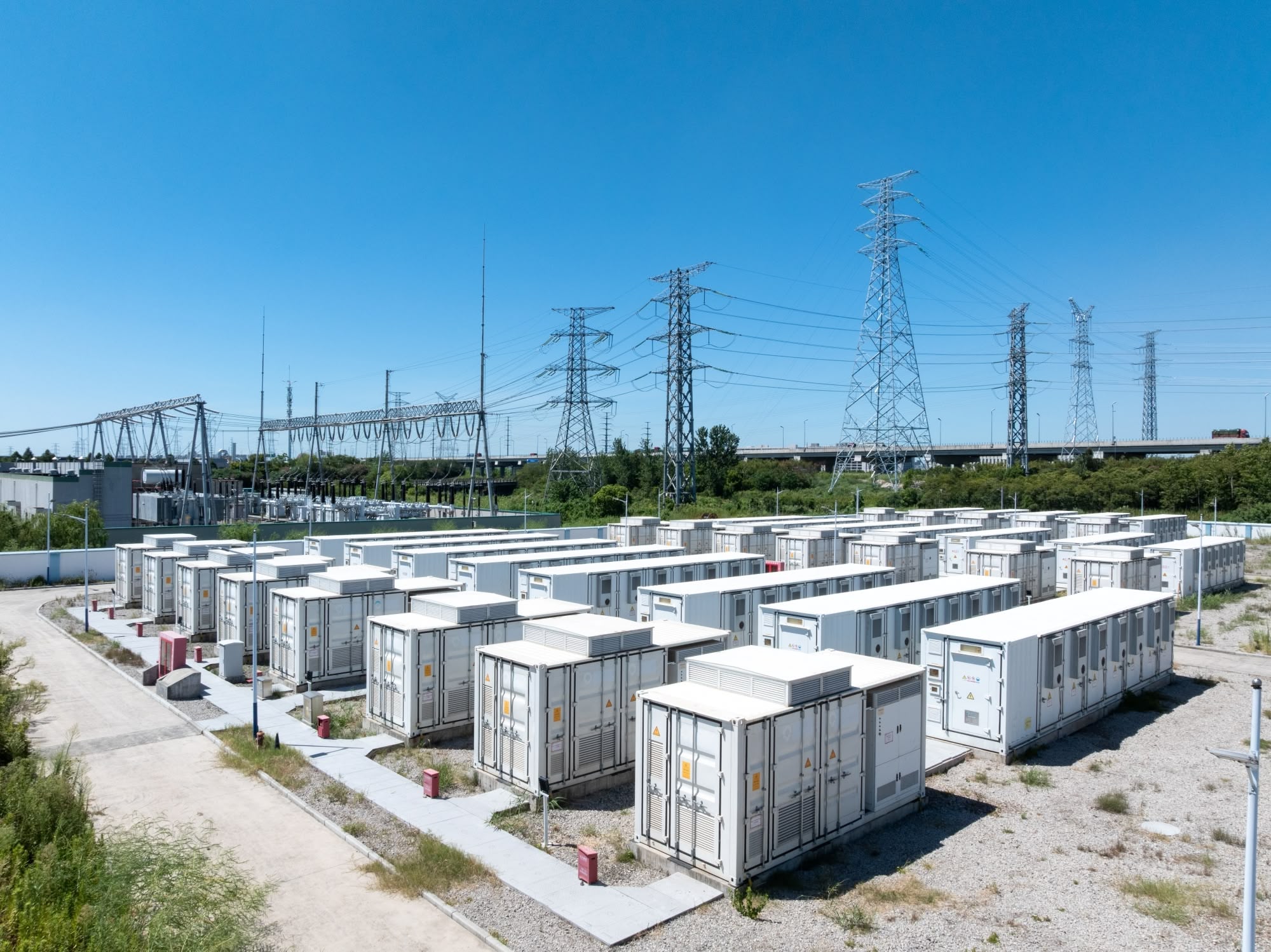
He notes that the rapid improvement in renewable energy economics is reshaping how mines approach power supply, with solar and onshore wind, supported by battery storage, now frequently emerging as the most cost-effective solution.

SLR Consulting provides integrated advisory services spanning energy, environmental, engineering and sustainability solutions for mining projects.

“In many applications, hybrid energy systems are now the lowest cost option even before climate considerations are taken into account,” he explains.

This trend is particularly relevant in Africa, where many mining operations face grid instability, escalating tariffs and long lead times for new transmission infrastructure. As a result, behind-the-meter energy solutions are gaining momentum, with mines investing in combinations of solar photovoltaic systems, wind generation, battery storage and diesel or gas backup.

These systems not only reduce dependence on diesel but also enhance energy security and deliver attractive payback periods.

Hybrid energy solutions are enabling mines to reduce reliance on diesel generation while improving energy security and operational efficiency.

Beyond operational gains, Graham highlights the wider developmental role that mining-led energy infrastructure can play.

“Power solutions developed for mining projects can also support surrounding communities and local economic activity, strengthening the mine’s social licence to operate while contributing to regional development,” he says.

According to SLR Consulting, successful energy strategies require an integrated approach that considers engineering, environmental, social, regulatory and commercial factors from the earliest project stages.

Energy is increasingly emerging as both a strategic business risk and a key growth enabler for mining operations worldwide.

The company supports mining clients across the full project lifecycle, combining expertise in energy advisory, environmental performance, water management and climate risk modelling to help deliver commercially sound and sustainable outcomes.

Looking ahead, Graham believes the greatest opportunities lie in flexible, site-specific hybrid energy solutions that align with life-of-mine requirements.

“The future of mining energy lies in pragmatic, well-structured systems that balance cost, reliability and sustainability,” he concludes.

RECOGNISED PUMP BRANDS POWER INTEGRATED PUMP TECHNOLOGY’S AFRICAN EXPANSION

Integrated Pump Technology is leveraging two of the dewatering sector’s most recognisable brands, Grindex and Godwin, to accelerate its growth across Africa.

In a market where reliability, installed base and after-sales confidence often determine buying decisions, these brands are giving the company a powerful springboard into both established and emerging mining jurisdictions.

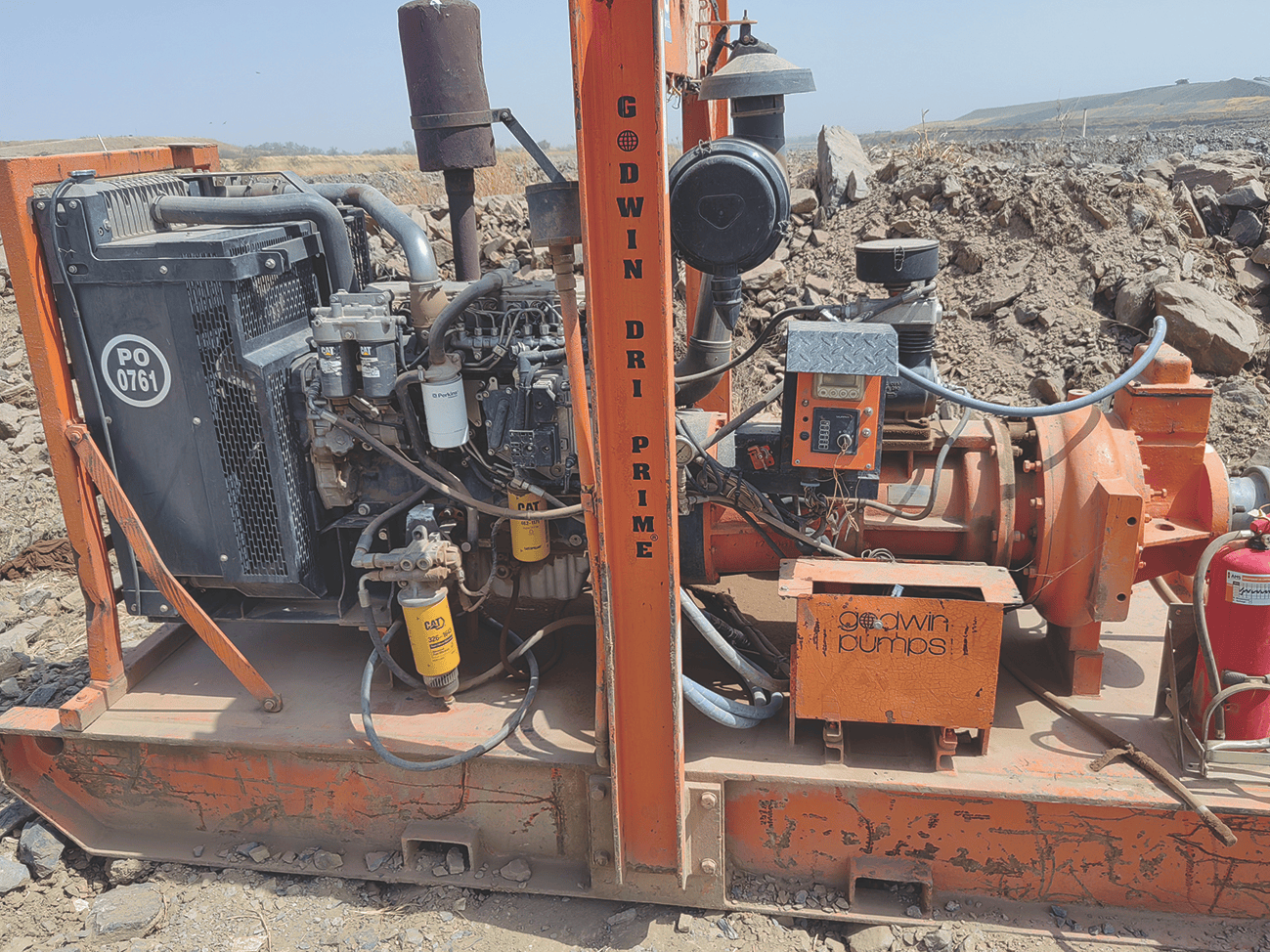
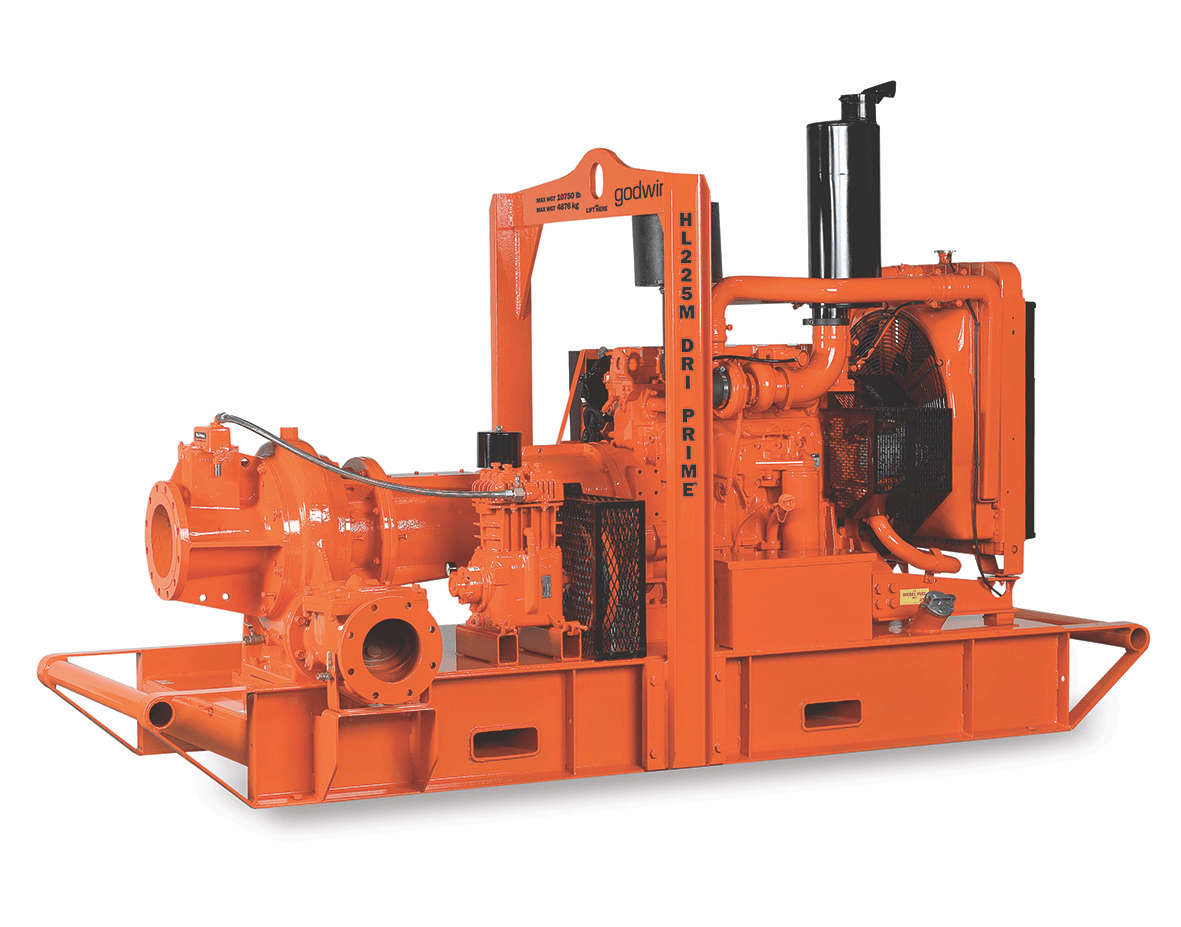
Built for reliability and rapid deployment, Godwin pumps deliver dependable water management wherever challenging site conditions exist.

“We are fortunate to be associated with quality brands,” Jordan Marsh, Managing Director of Integrated Pump Technology, says. “Right from the get-go, that was something the company wanted to do – to align itself with good, reputable brands.”

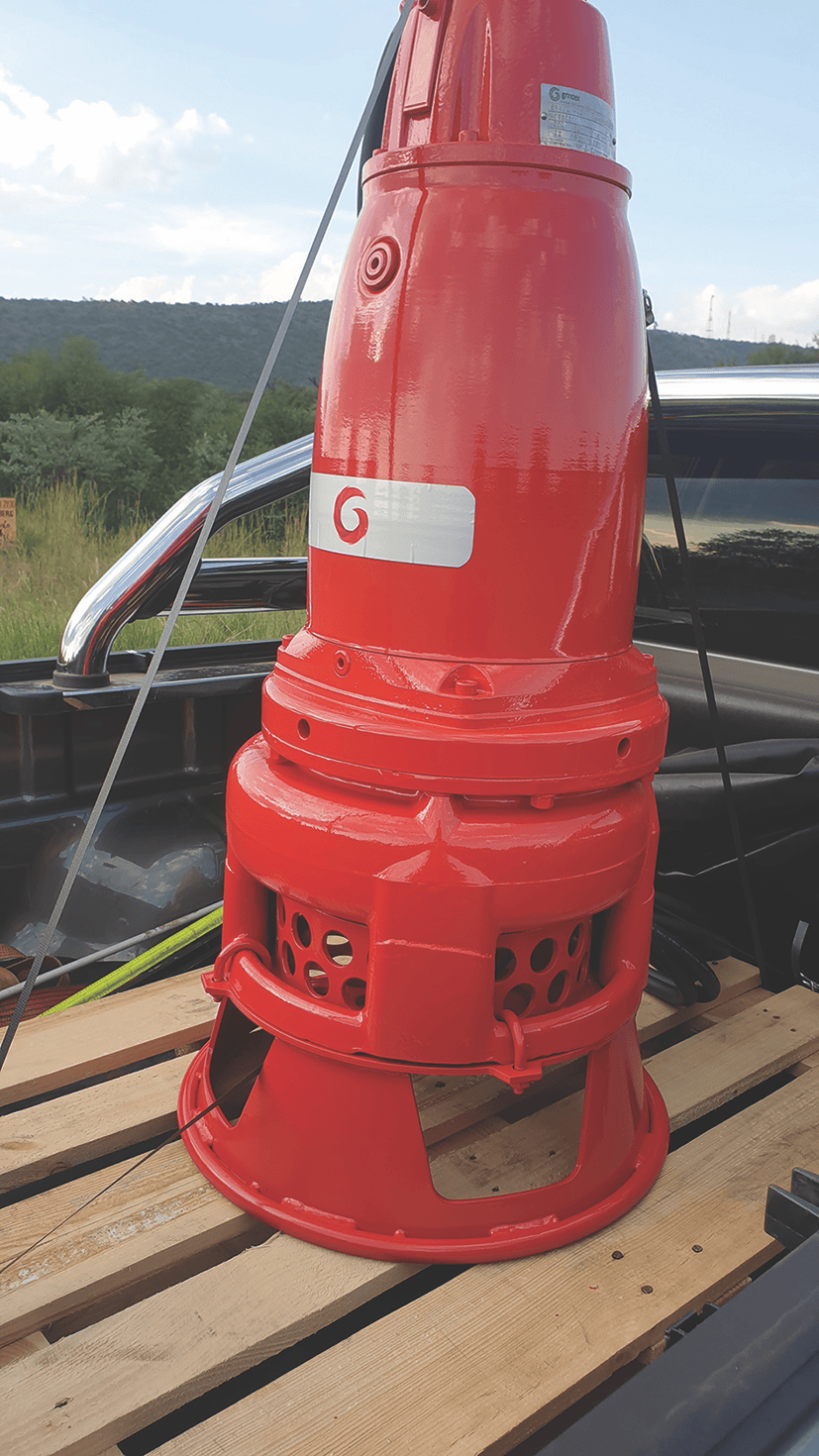
Integrated Pump Technology supplies Grindex electrical submersible pumps for underground and surface dewatering applications. For diesel-driven surface dewatering, the company relies on Godwin, a name that is deeply entrenched in mining across the continent.

Godwin pumping technology helps operations maintain productivity by providing efficient, flexible and proven dewatering performance.

Godwin already has a massive installed base throughout Africa. This kind of presence means that in many replacement programmes, Godwin is already on the specification or preferred-supplier list. Integrated Pump Technology aims to convert that brand recognition into sustained growth by offering something more than just supply.

On the Grindex side, the strategy is similar: build on strong product fundamentals, while localising as much of the commercial and technical value as possible. The company imports Grindex pumps directly from Sweden and is now the OEM’s biggest distributor worldwide, giving it leverage, attention from the factory and the ability to shape Grindex’s African strategy.

What sets Integrated Pump Technology apart is how it uses these brands to gain a practical advantage on the ground. For Godwin, that has meant pushing beyond simple import and resale. The company has been granted the licence to build Godwin wet ends locally.

Godwin diesel-driven pumps provide high performance dewatering solutions for demanding mining, industrial and infrastructure applications.

“We’ve been given the licence to build through our own local builds, which we said we need to do to be competitive, not only from a pricing point of view, but from a lead time point of view,” Marsh states.

On the Grindex side, Integrated Pump Technology’s autonomy allows it to tailor stockholding, marketing and technical support specifically for African conditions. That includes building regional distributor networks in the DRC, Zambia and Tanzania, and ensuring those partners are technically up to speed.

In many African mining markets, the comfort factor associated with a known brand can be decisive, particularly where the cost of failure is high. “Just by the very nature of being associated with those brands, it drives a lot of inquiries our way. Companies then have comfort in dealing with us, knowing that we are dealing with two quality brands,” Marsh adds.

Furthermore, by coupling that brand assurance with fast response, on-site audits and training, Integrated Pump Technology can lock in long-term relationships. “More important that just selling a pump is the capability to really back it up with good aftermarket sales service and technical expertise,” he points out.

By combining global brand equity, local build and stock and specialist aftersales service, Integrated Pump Technology is turning recognised pump names into a powerful growth engine. As a result, it is opening doors for the company across the continent and anchoring its expanding footprint in some of the world’s toughest dewatering environments.

PILOT CRUSHTEC STRENGTHENS GLOBAL PRESENCE WITH UK AND IRELAND DISTRIBUTORS

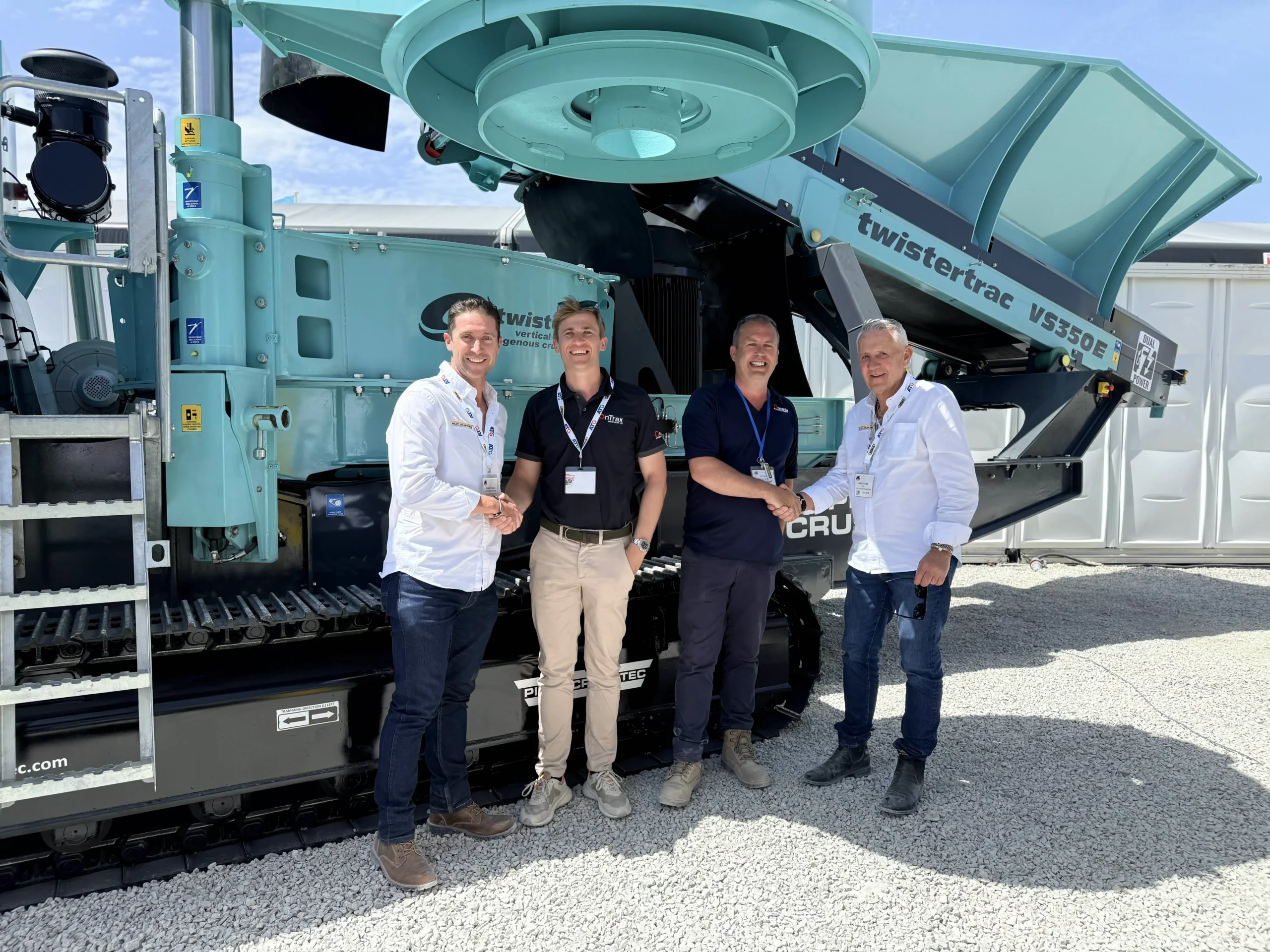
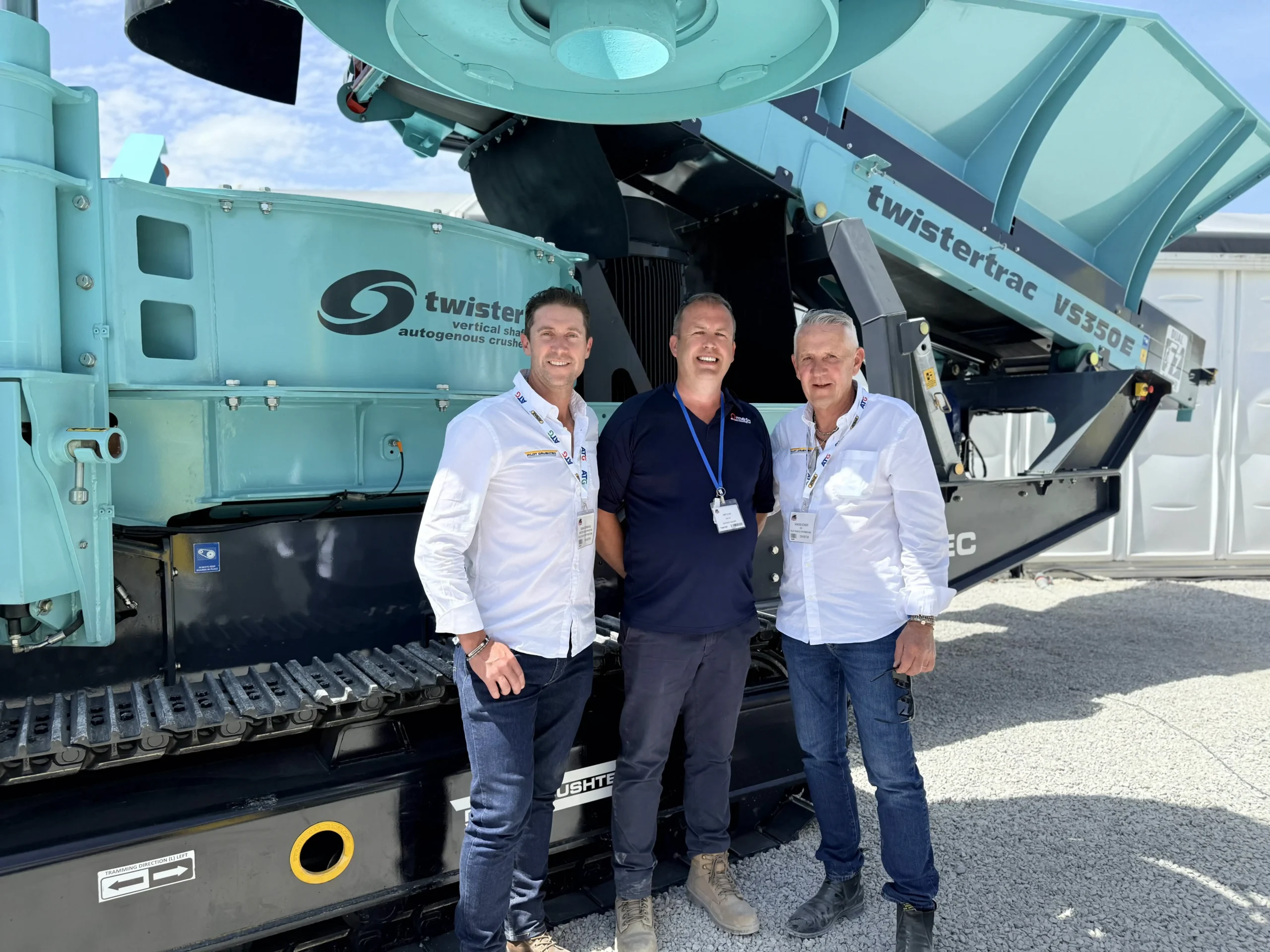
South Africa-based crushing and screening specialist Pilot Crushtec has expanded its international footprint with the appointment of distributors for mainland United Kingdom and for the Republic of Ireland. 

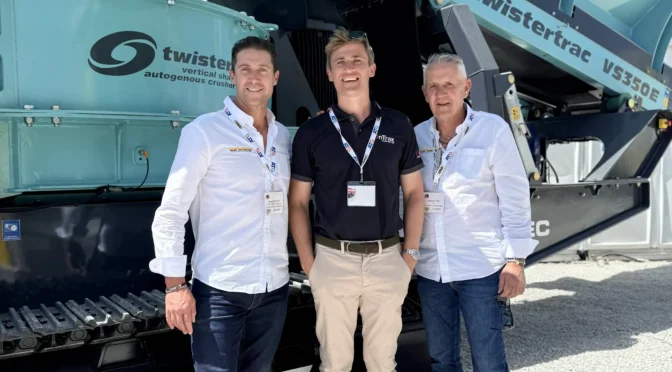
Francois Marais, Sales and Marketing Director at Pilot Crushtec, has announced that OnTrax Equipment has been selected as its agent for the UK and South West Crushers for the Republic of Ireland – marking a strategic return to markets where the manufacturer has enjoyed considerable success in the past.

The appointments come after Pilot Crushtec completed the development of Stage V emissions-compliant versions of its flagship TwisterTrac vertical shaft impact (VSI) crusher range, enabling the company to once again supply customers in Europe and other Tier 5 emissions-regulated markets. 

“Pilot Crushtec has been manufacturing tracked VSI crushers for more than 30 years, which we exported successfully into Europe, the US, Australia, South Korea and other international markets,” Marais says. “The financial downturn in 2008 effectively brought that export business to a halt and, over the following decade, we have focused on redeveloping our product range to comply with global emissions regulations.”

He says the company is now well positioned to leverage its specialist expertise in mobile VSI technology, which he believes is among the best of its kind in the world. Selecting the right distribution partners was equally important.

“Our equipment is designed to complement broader product portfolios, so we needed distributors that already had strong, established product ranges and customer relationships,” he explains. “Trust, reputation and shared values were critical and these two companies understand their markets and share our service culture and commitment to customer support.”

The relationships have already delivered encouraging results, with the first machine sale set in motion shortly after the companies began working together. Managing Director of South West Crushers, Larry Collins, notes that Pilot Crushtec’s specialist VSI technology has shown that it can fill an important gap in the Irish market. Collins believes growing demand for manufactured sand and specialist aggregate production will create significant opportunities.

“There’s a real shortage of natural sand in Ireland, for instance, and contractors are always looking for ways to differentiate themselves,” he explains. “Pilot Crushtec’s VSI offerings give customers access to applications that very few other machines can achieve.”

Customer support, he says, will remain central to how South West Crushers delivers the Pilot Crushtec offerings. As a fitter and service engineer himself, he emphasises that after-sales support has always been the foundation of his business. 

“We have trusted service technicians positioned around Ireland and we’re building our spare parts capability from the outset,” Collins says. “Customers know they will be dealing directly with people who understand the equipment and who respond quickly whenever assistance is needed.”

Jonny McNaugher, Managing Director of OnTrax Equipment, sees strong alignment between the South African OEM’s product philosophy and his company’s existing offering.

“We supply diesel-electric hybrid crushing and screening equipment, so Pilot Crushtec’s dual-power VSI technology fitted naturally alongside what we’re already doing,” McNaugher says. “Among the aspects that impressed us about Pilot Crushtec is that they remain independently owned and have a passionate close-knit team that is genuinely invested in growing the brand. That matches the way we operate.”

He believes the VSI’s ability to solve specialised processing challenges will create opportunities across quarrying, recycling and construction.

“The TwisterTrac machine gives us something genuinely different,” he says. “Instead of competing in the crowded mainstream crusher market, we can focus on applications such as recycled asphalt, manufactured sand, limestone reduction and material shaping; many customers are looking for solutions that conventional equipment often can’t provide.”

Initial demonstration work has already delivered promising results, McNaugher says, including significantly higher throughput in recycled asphalt applications and successful testing in limestone reduction.

Marais says the distributor appointments represent more than simply adding new sales channels. 

“We previously had more than 35 Pilot Crushtec machines operating across these territories, so this is very much a re-introduction rather than a first entry,” he concludes.

SEW-EURODRIVE BRINGS INTELLIGENT ENERGY OPTIMISATION TO ELECTRA MINING

At Electra Mining Africa this year, SEW-EURODRIVE will dedicate one of its two exhibition stands to showcase an exciting range of electronics and mechatronics solutions to help mines improve reliability and reduce operating costs.

This will include an immersive look into the future of intelligent plant operation as the company focuses on predictive maintenance, digital monitoring and real-time energy optimisation, according to Willem Strydom, Business Development Electronics Manager at SEW-EURODRIVE South Africa.

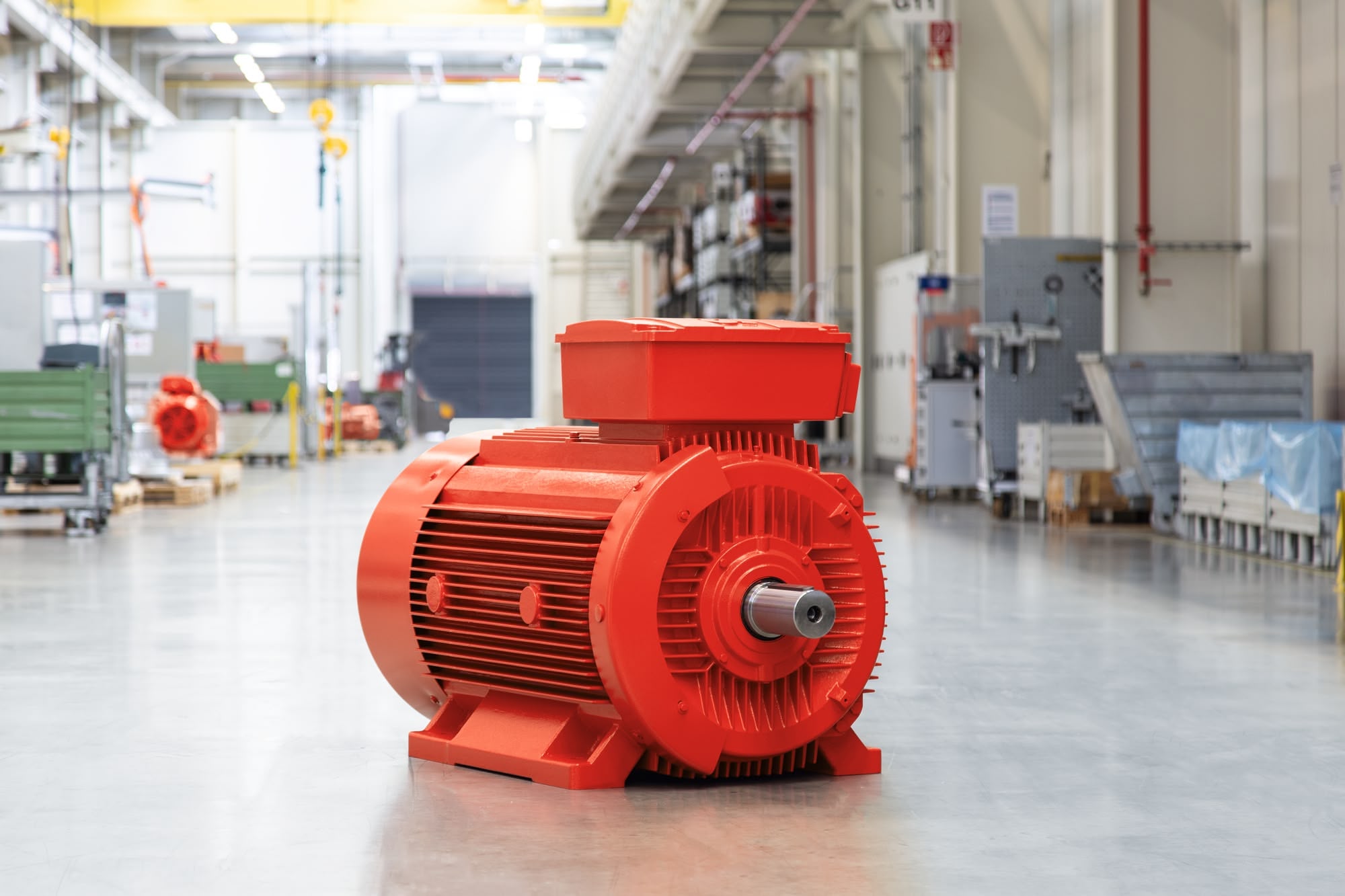
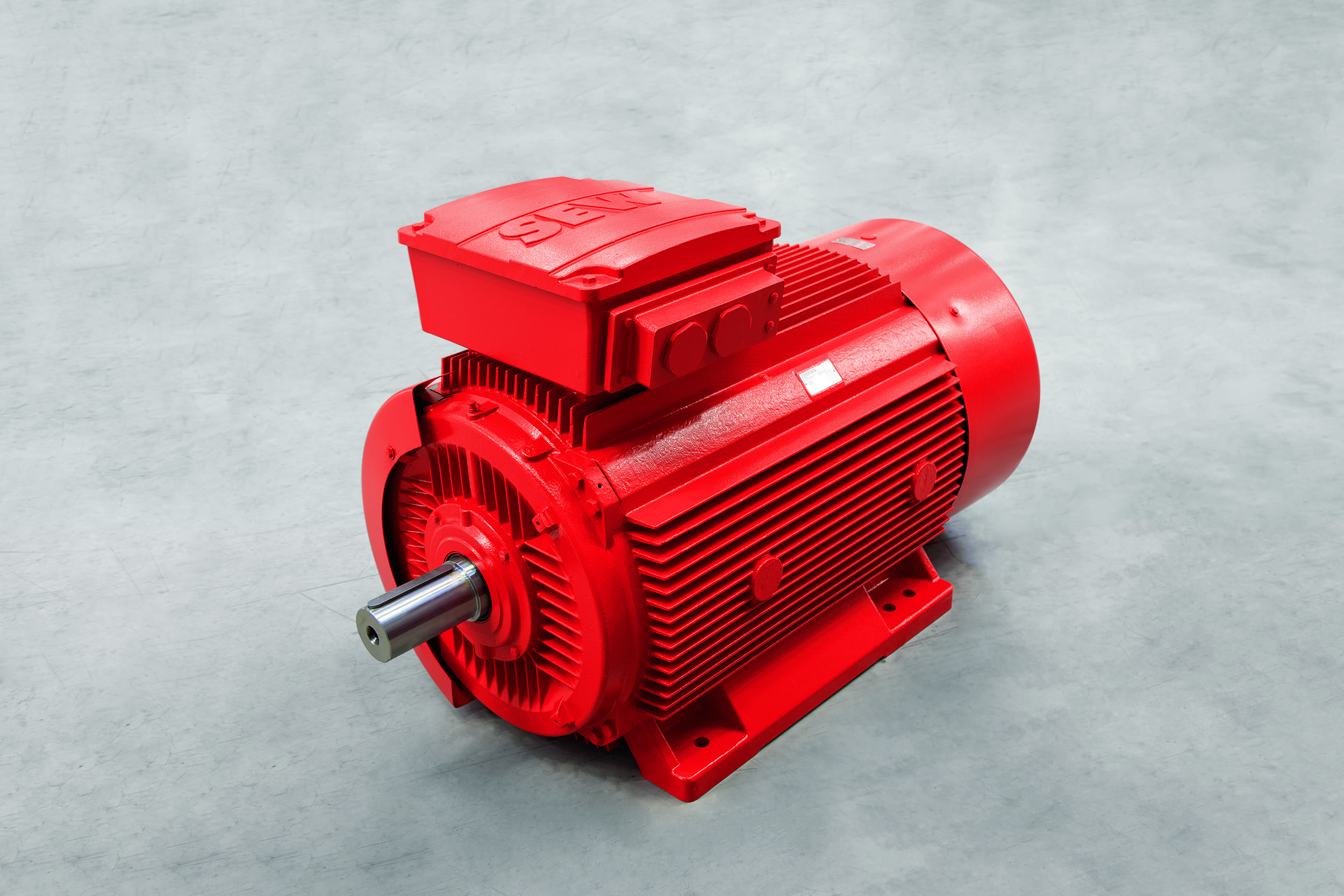
SEW-EURODRIVE’s IE3 motors deliver energy-efficient performance that helps industries reduce energy consumption while ensuring reliable operation.

“A key attraction will be demonstrating how we conduct plant energy surveys using specialised measurement equipment deployed by our field service teams,” he says. “These surveys provide practical insights into reducing energy usage, carbon emissions and operating costs.”

Strydom points out that many customers initially believed that simply installing higher efficiency motors would solve their energy challenges. However, the company’s experience shows that much larger savings often lie elsewhere in the system.

“We look at the whole system, not just the motors, and analyse operating loads, automation logic, gearbox efficiency and maintenance practices,” he explains.

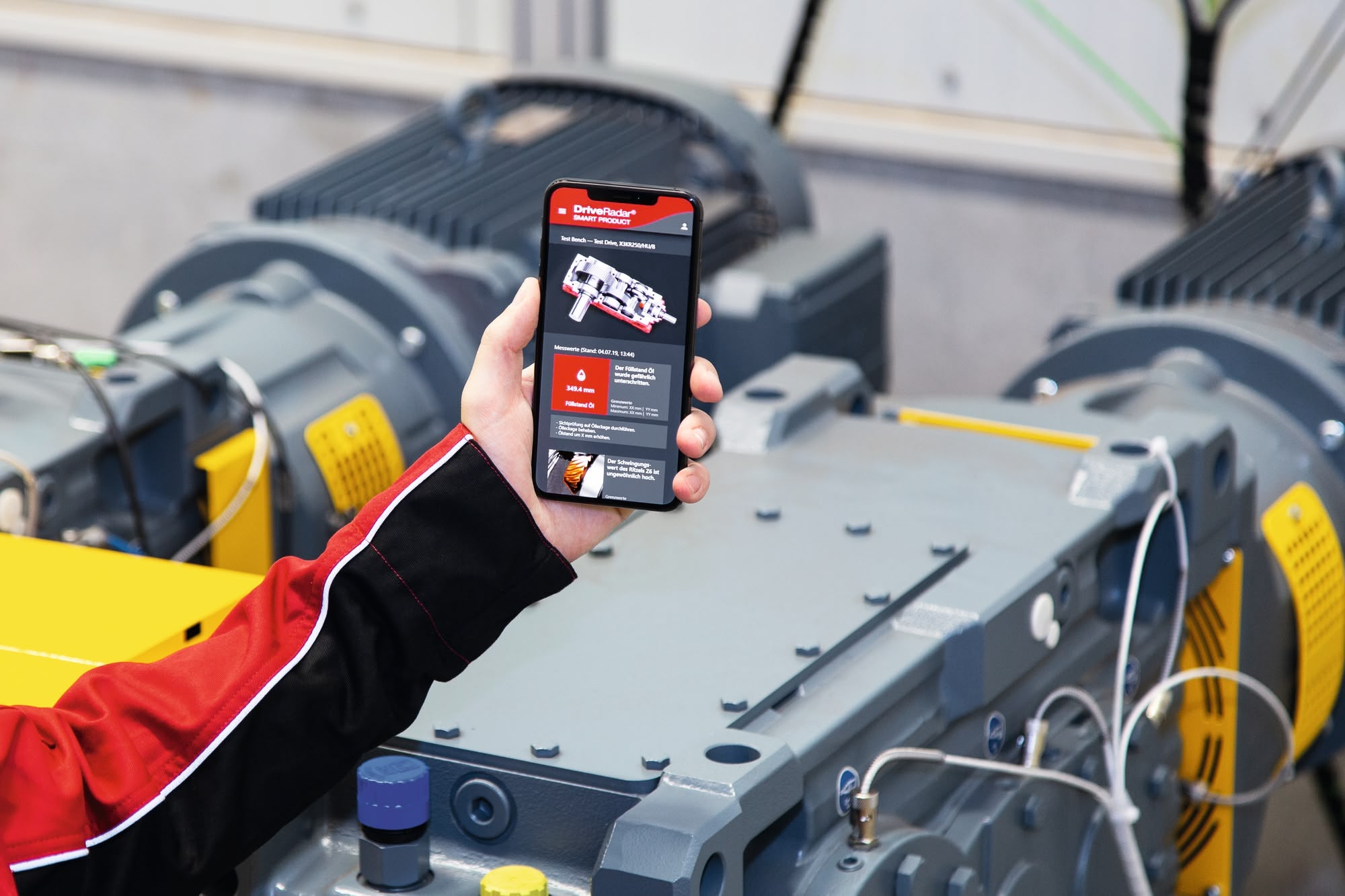
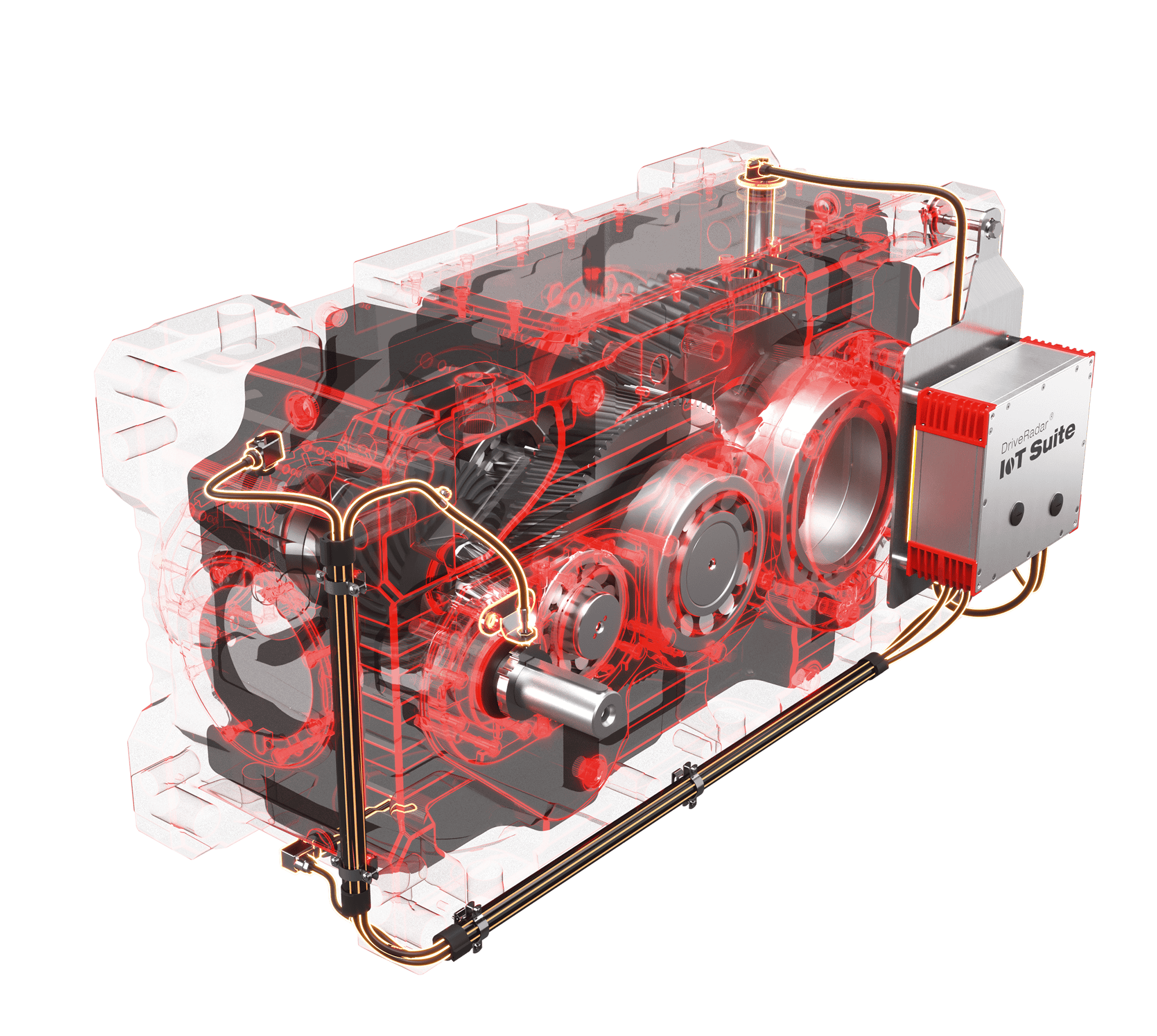
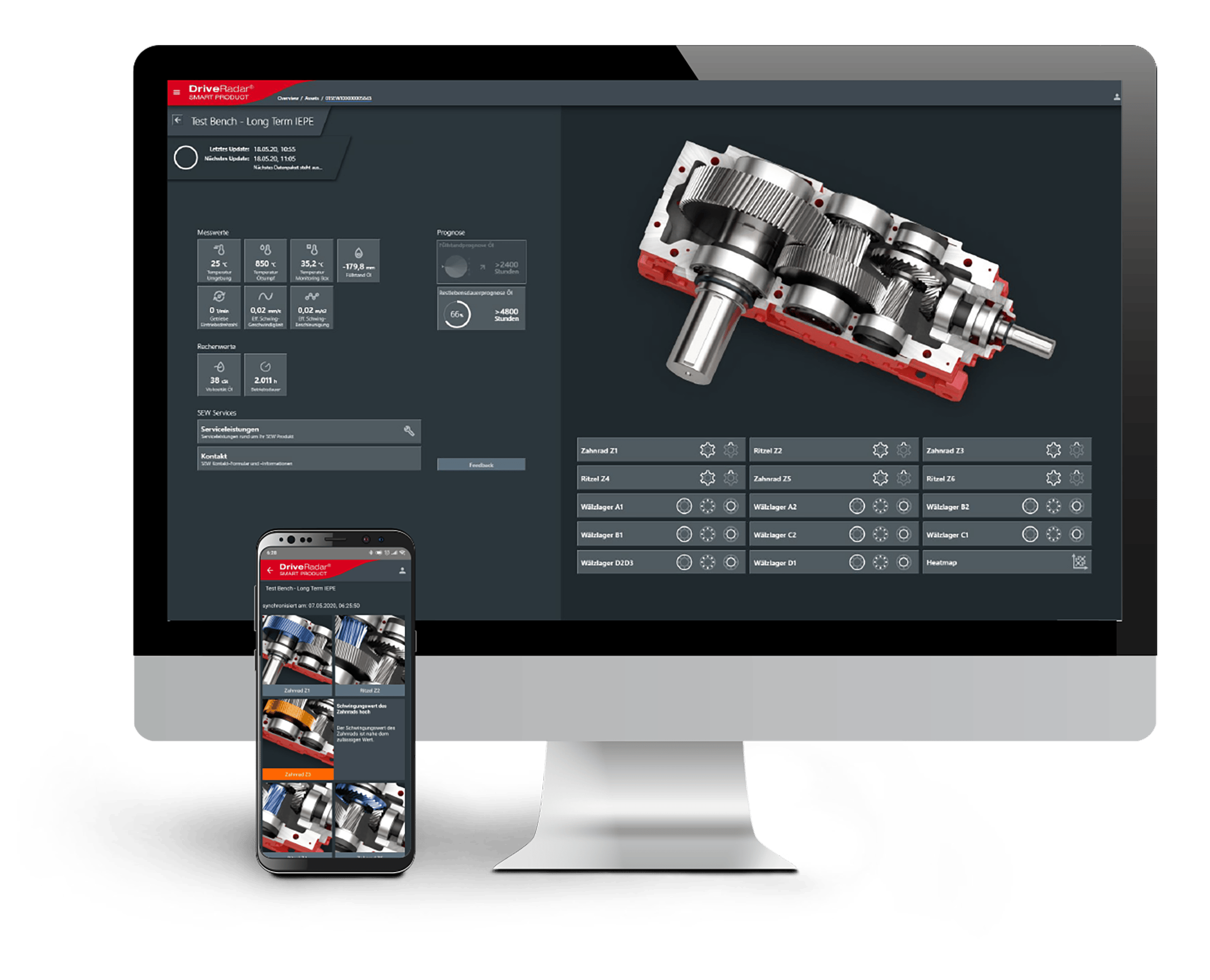
SEW-EURODRIVE’s DriveRadar® IoT Suite for industrial gear units provides real-time condition monitoring, improving reliability and supporting predictive maintenance.

This process identifies where energy is being lost unnecessarily with applications such as pumps, conveyors and lifting systems often among the most promising opportunities for optimisation. Visitors to Electra Mining Africa will also be able to see how SEW-EURODRIVE’s DriveRadar® Internet of Things (IoT) platform continuously monitors equipment condition and performance.

“This enables mines to shift away from time-based maintenance schedules toward condition-based interventions,” Strydom says.

The predictive maintenance system also enables operations to compare equipment performance before and after maintenance work, providing measurable feedback on whether interventions are actually improving plant efficiency.

SEW-EURODRIVE technology provides live equipment visibility and real-time monitoring across smart devices, giving users instant access to critical operational data from anywhere.

Werner Engelbrecht, Works Manager for Electronics and Mechatronics at SEW-EURODRIVE South Africa, says one of the company’s biggest findings during site assessments is the extent to which many industrial applications remain over-engineered.

“We can also demonstrate how intelligent automation can eliminate hidden energy waste,” Engelbrecht says. “In some conveyor applications, for example, systems continue running unnecessarily because they lack basic control intelligence.”

SEW-EURODRIVE’s stand will also feature one of the largest motors ever displayed by the company locally – an 11 tonne medium voltage motor rated at 1850 kW and 6,6 kV – which highlights its expanding presence in heavy-duty mining and industrial applications.

Strydom says the company expects strong interest from mining operations across southern and central Africa, where energy supply constraints are increasingly shaping operational strategies.

“With mines expanding into areas where infrastructure cannot always keep up, companies are being forced to become more efficient in everything they do,” he concludes.