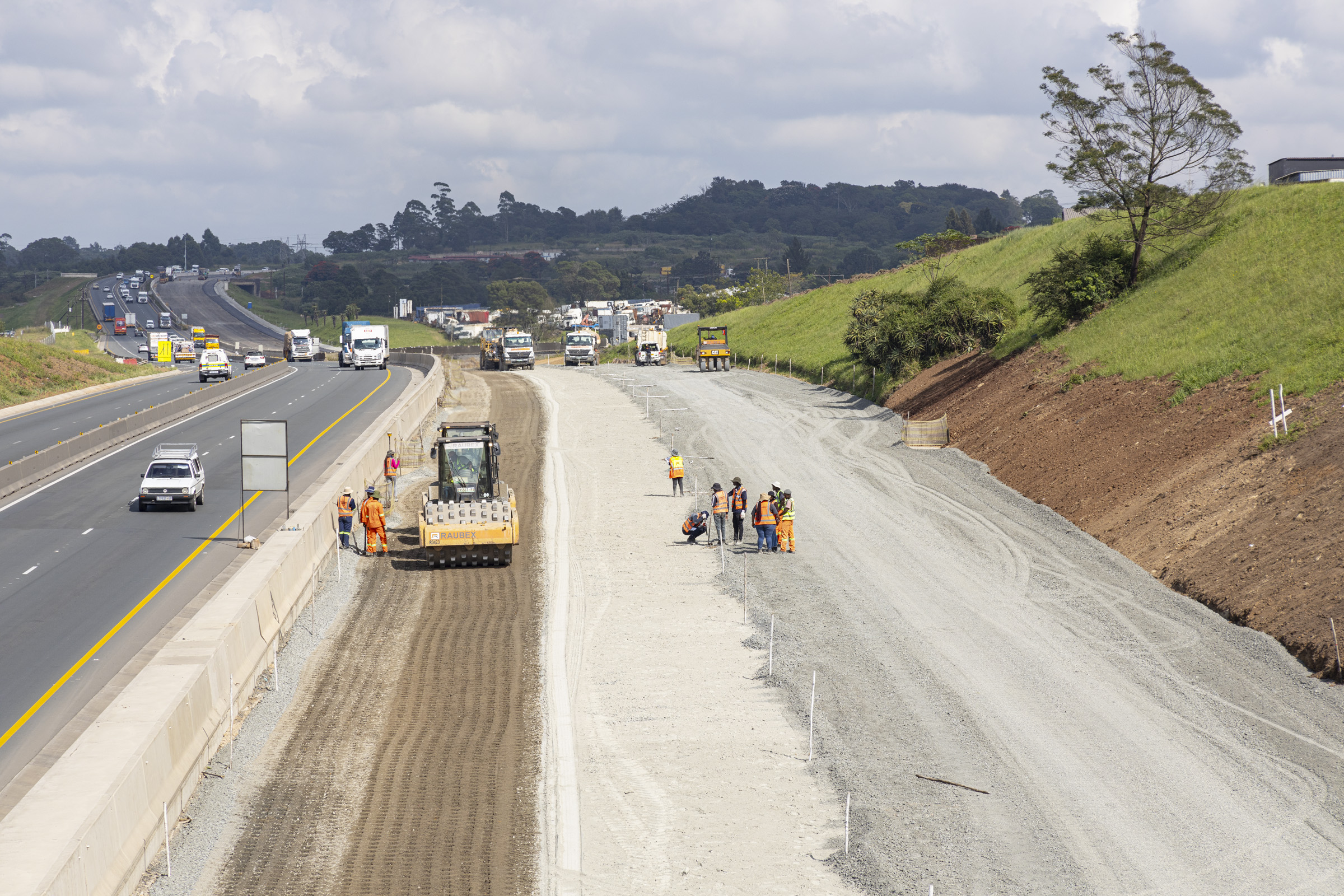
AfriSam’s Roadstab Cement continues to play a vital role in strengthening the country’s road infrastructure. As a purpose-designed stabilising cement, it provides engineers and contractors with a dependable high performance solution for improving the strength, durability and longevity of road layers – particularly in challenging local conditions.
Engineered for Performance and Reliability
Developed specifically for road construction applications, AfriSam Roadstab Cement enhances the performance of in-situ materials used in base and sub-base layers. The result is a stable platform with superior load bearing capacity and improved resistance to deformation, ensuring that roads can withstand high traffic volumes and harsh climatic conditions.
According to AfriSam’s Cementitious Executive, Vishal Aniruth, AfriSam Roadstab Cement has been formulated to meet the exacting demands of road layer stabilisation. “It provides superior strength gain and reduced shrinkage cracking, ensuring that the stabilised base layers performs optimally over the road’s design life.”
“The product’s controlled composition ensures predictable setting times and uniform strength development, which helps contractors maintain tight construction schedules without compromising on quality,” he says. “Its versatility across different soil types and project scales has made it a trusted choice for both urban and rural roads across southern Africa.”
Building for Sustainability
Sustainability lies at the core of AfriSam’s product development philosophy, and Roadstab Cement is no exception. It is manufactured using specifically selected clinker replacement materials that significantly reduce its carbon footprint compared to conventional cements, without sacrificing performance.
“By using Roadstab Cement, contractors are not only achieving a cost effective and durable road construction solution, but are also actively reducing the environmental impact of their projects,” he says. “It is a practical example of how innovation in materials can support sustainable infrastructure development.”
Partnering for Quality and Long-Term Value
AfriSam backs its specialised cement range with the country’s most extensive technical support network. Through its laboratory and field services teams, the company assists clients with mix designs, materials testing and quality control to ensure optimal results on site.
“Our customers appreciate that AfriSam is more than just a supplier,” Aniruth adds. “We work alongside them to make sure that every road built with Roadstab Cement achieves its intended performance and durability.”
From national highways to municipal and rural access routes, AfriSam Roadstab Cement continues to underpin critical transport infrastructure across southern Africa. Its proven consistency, ease of use and environmental benefits make it a preferred choice for road projects designed to stand the test of time.
“Reliable roads are essential for economic growth and community connectivity,” Aniruth concludes. “With Roadstab Cement, we are proud to be part of building a stronger and more sustainable future for South Africa.”
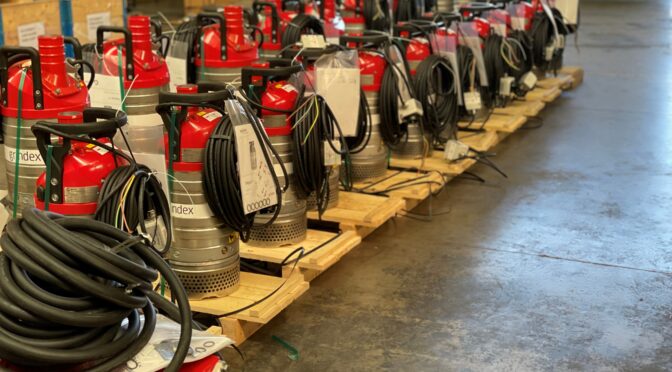
Integrated Pump Technology has reached a remarkable milestone – being recognised as the largest Grindex distributor in the world – a testament to its strategic growth, technical expertise and customer-centric approach across Africa’s dewatering sector.
Founded in 2014 to fill a clear gap in the market, Integrated Pump Technology set out with a focused vision – to deliver high quality fit-for-purpose dewatering solutions backed by local expertise and responsive after-sales support.
“From day one, our focus has been on solving real problems for mining and industrial customers dealing with water ingress, whether that is surface dewatering, underground operations or challenging slurry environments,” Jordan Marsh, Managing Director of Integrated Pump Technology, says.
A cornerstone of the company’s early strategy was its partnership with Grindex, a globally respected Swedish manufacturer of electric submersible pumps. “We have been committed to the Grindex brand for more than a decade and our team knows these pumps inside out,” Marsh adds. “What set us apart from the beginning was our service philosophy – we didn’t just sell pumps; we backed them up with technical support, spares availability and rapid response.”
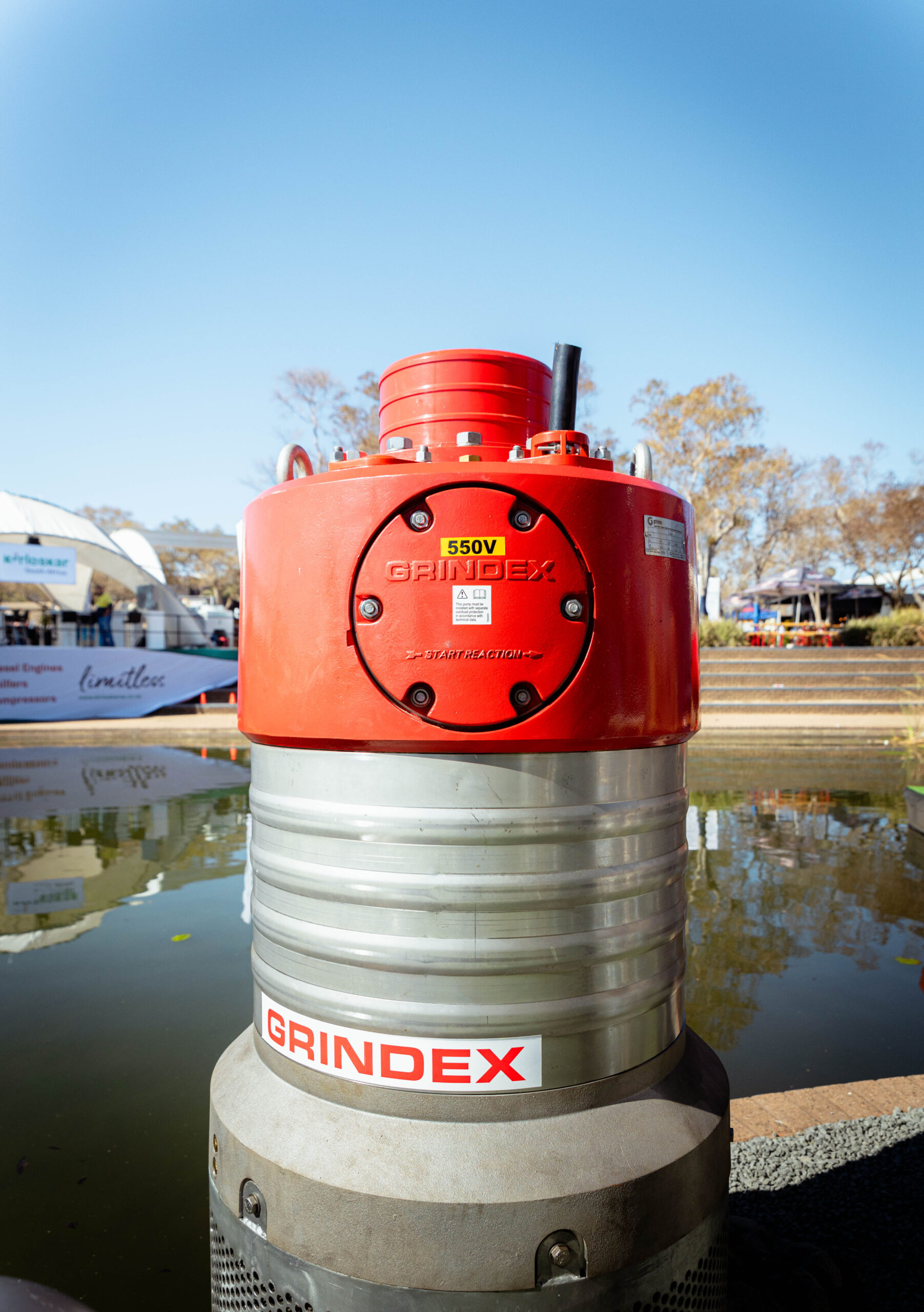
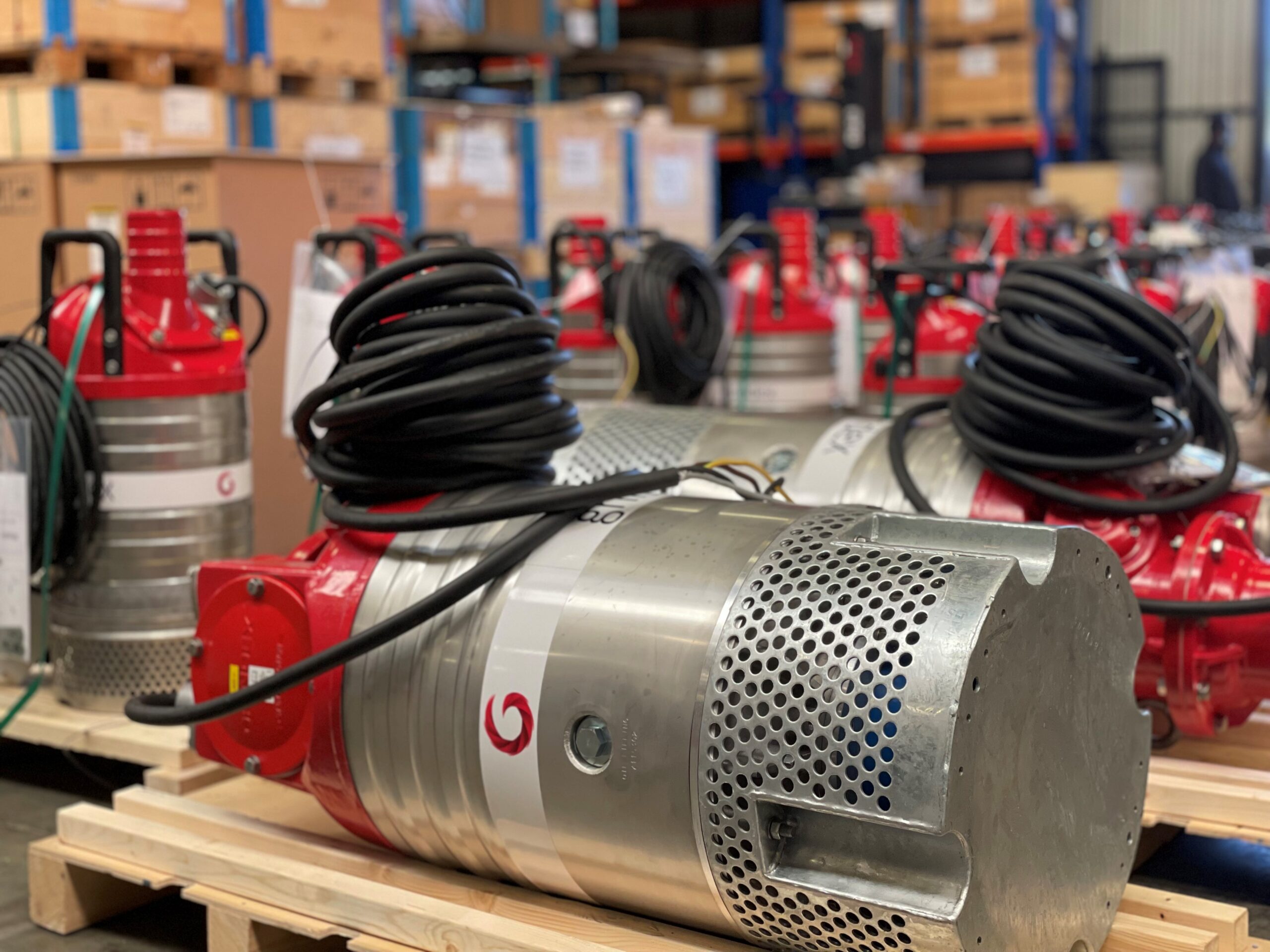
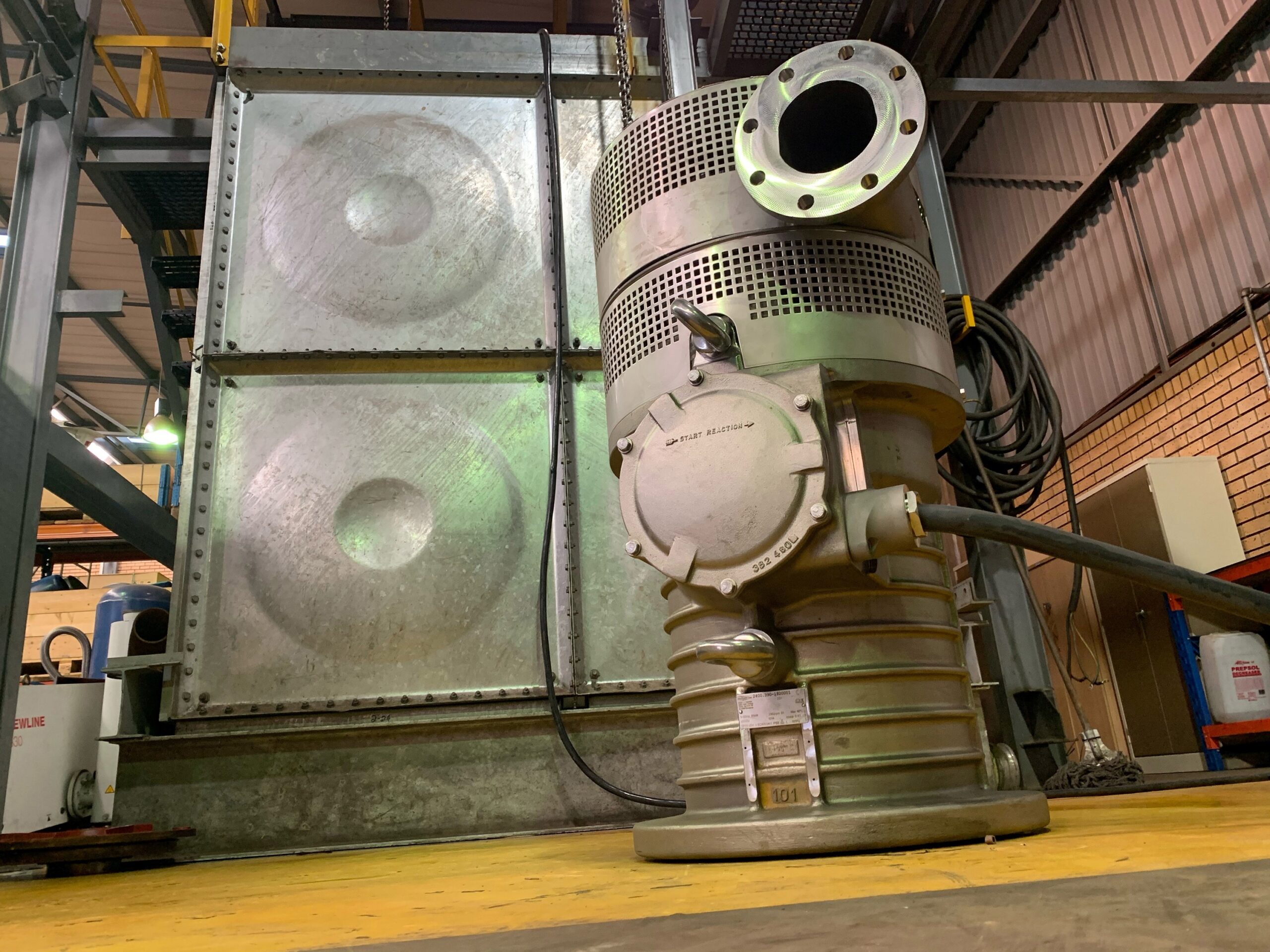
Grindex pumps are engineered for demanding environments. Their cast aluminium construction ensures a lightweight but rugged design, while the use of wear-resistant materials – such as nitrile rubber impellers and stainless-steel components – makes them ideal for abrasive conditions. Their patented SMART motor protection system guards against voltage fluctuations, phase failure, overheating and overload, allowing for greater reliability and reduced maintenance costs.
Strategic Growth Across Africa
Integrated Pump Technology’s footprint has expanded significantly across the continent, in what Marsh describes as a deliberate and carefully planned journey.
“Many of the challenges our South African customers are facing – like harsh operating conditions and the need for reliable performance – are even more pronounced in other parts of Africa,” he explains. “Remote sites, extreme terrain and limited technical support on the ground made it essential for us to build a robust support structure as we expanded.”
The company’s success has been built on deep engagement with local markets and understanding customer needs on the ground. This includes tailoring solutions to suit varying environmental factors – such as silt-heavy water, high temperatures, high static heads and logistical difficulties in transporting and servicing equipment. Grindex’s plug-and-play design, coupled with features like the air valve system for dry running, has proven particularly effective in mines where pumps are frequently exposed to variable water levels.
Today, Integrated Pump Technology boasts a strong presence in countries such as Zambia, the Democratic Republic of Congo (DRC), Tanzania and more recently across West Africa, where it has been officially appointed the Grindex distributor.
A major milestone in this regional expansion has been the establishment of a bonded warehouse in Ghana, enabling faster delivery of both Grindex submersible and Godwin diesel-driven pumps and spares to customers across West Africa. “Having local stockholding is a gamechanger,” Marsh notes. “It means we can respond faster, reduce downtime for our customers and ensure ongoing support even in the most remote areas.”
Commenting on the company’s expansion across Southern and Central Africa, Marsh emphasises the importance of operational readiness. “It is all very well to have product available to sell but if you don’t have the right support and infrastructure in place, you won’t succeed. That is why we have formalised distributor relationships, invested in in-country stockholding and put systems in place to improve responsiveness. We also invest heavily in technical training for both our internal teams and our partners, ensuring our pumps are always supported by solid application knowledge.”
The Grindex and Godwin Advantage
At the heart of the company’s offering are two globally recognised pump brands – Grindex and Godwin. This dual offering allows Integrated Pump Technology to meet a broad range of dewatering challenges from power-restricted remote sites to high head high volume pumping in demanding mining conditions.
Grindex submersible pumps are renowned for their robust construction, low maintenance design and exceptional solids handling capabilities. Available in dewatering, sludge and slurry configurations, these pumps operate efficiently in extreme underground environments.
The Grindex Mega, for example, is capable of flows up to 150 litres per second and heads exceeding 150 metres, making it suitable for deep level mining applications. The Grindex Bravo series, on the other hand, is ideal for heavy duty slurry applications, featuring a built-in agitator and wear resistant materials to handle high concentrations of solids.
“These pumps are engineered to meet very specific demands, and we work closely with each customer to ensure the right pump is specified for the right job,” Marsh says.
On the diesel-driven front, the Godwin range – including popular models like the HL150 and HL160 – caters to operations where grid power is unavailable or unreliable. These automatic self-priming pumps are ideal for high head applications such as open pit dewatering. The HL150, for instance, can handle heads of up to 140 metres and flow rates up to 150 litres per second, making it ideal for mines requiring deep sump drainage or long distance pumping. The rugged construction and option of trailer-mount or skid-mount make Godwin pumps easy to deploy across tough and remote terrain.
“Having both electric submersibles and diesel-driven pump sets allows us to meet customer needs irrespective of the application or energy source,” Marsh says. “Flexibility is key when you are operating in Africa.”
Recognition and Outlook
Being named the largest Grindex distributor in the world marks a significant achievement – not only in terms of sales volume, but also in the trust and credibility the company has built in the field.
“This is not a one-man job,” Marsh says. “It is the result of consistent performance, market knowledge and customer focus from the entire Integrated Pump Technology team. It is also a reflection of the trust our customers place in us.”
Marsh says that Integrated Pump Technology’s ambitions remain firmly rooted in Africa. “Our aim is to entrench our leadership position by building deeper partnerships, expanding our footprint and raising the bar for dewatering support. As mining operations become more complex, water management will only grow in importance, and we are ready to meet that challenge head-on. We are not just a pump supplier. We are a technical partner,” Marsh concludes.
With a proven track record, market-leading brands and a growing support network across the continent, Integrated Pump Technology is set to lead the way in delivering reliable fit-for-purpose dewatering solutions – no matter how tough the conditions.
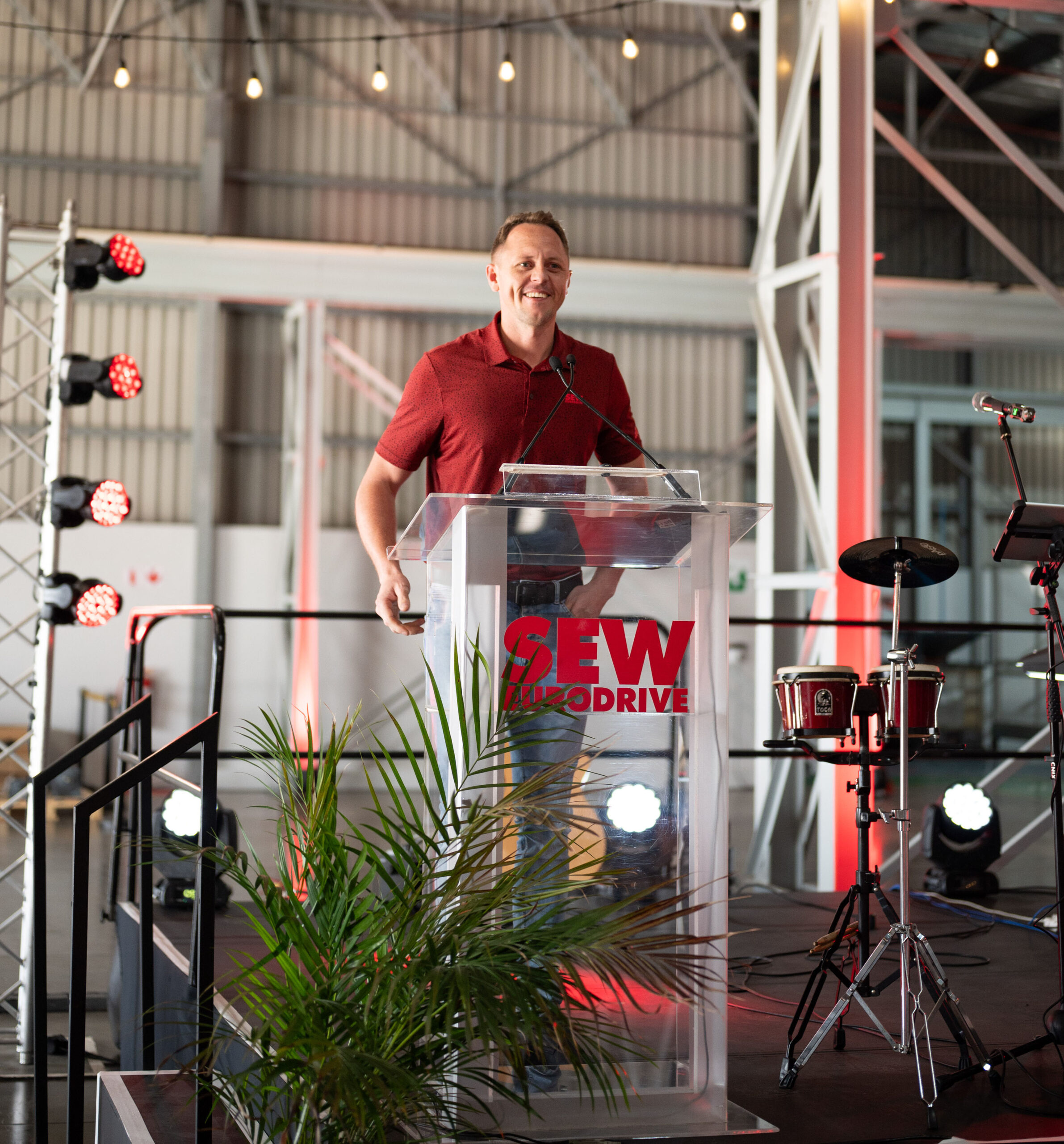
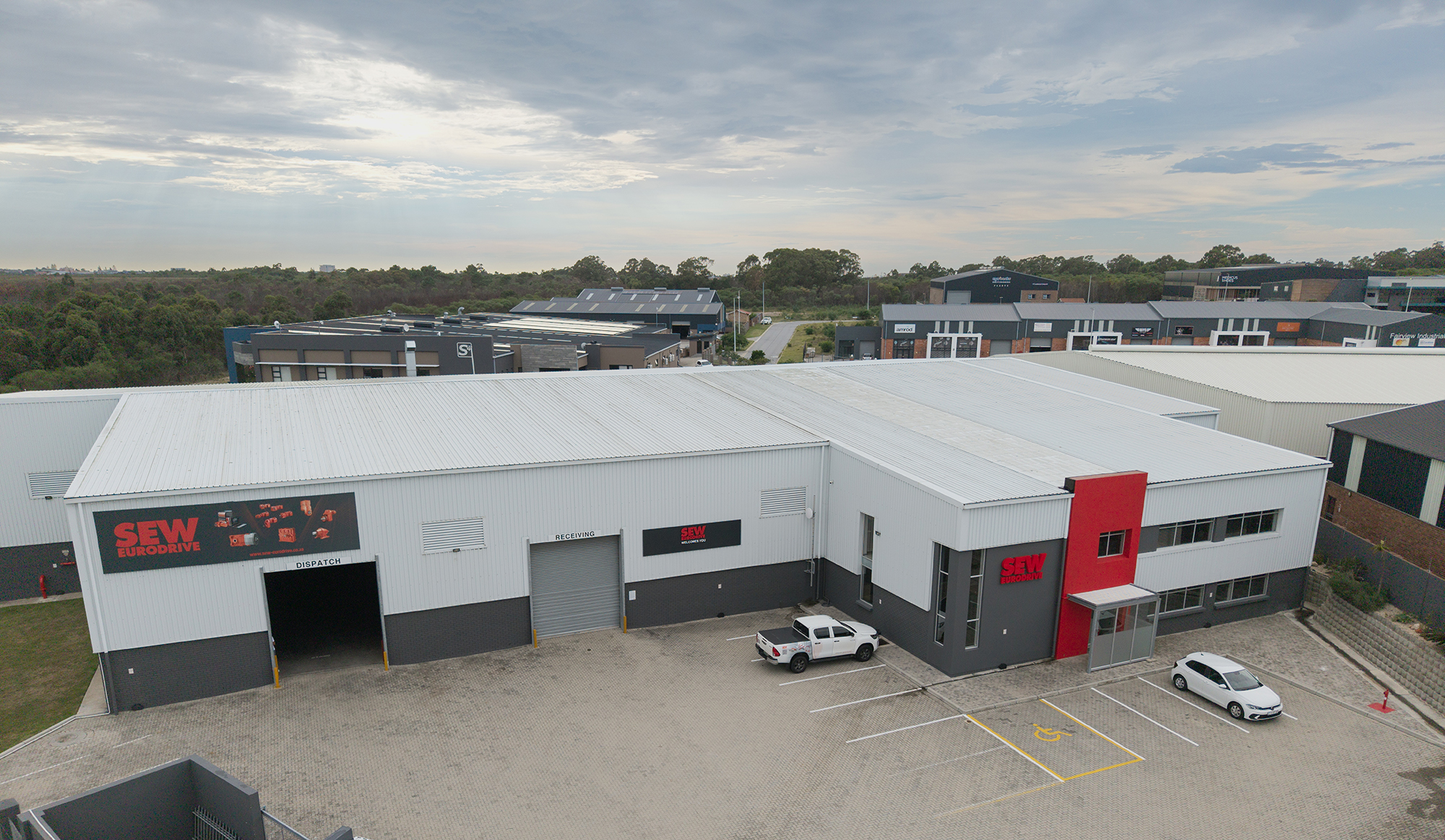
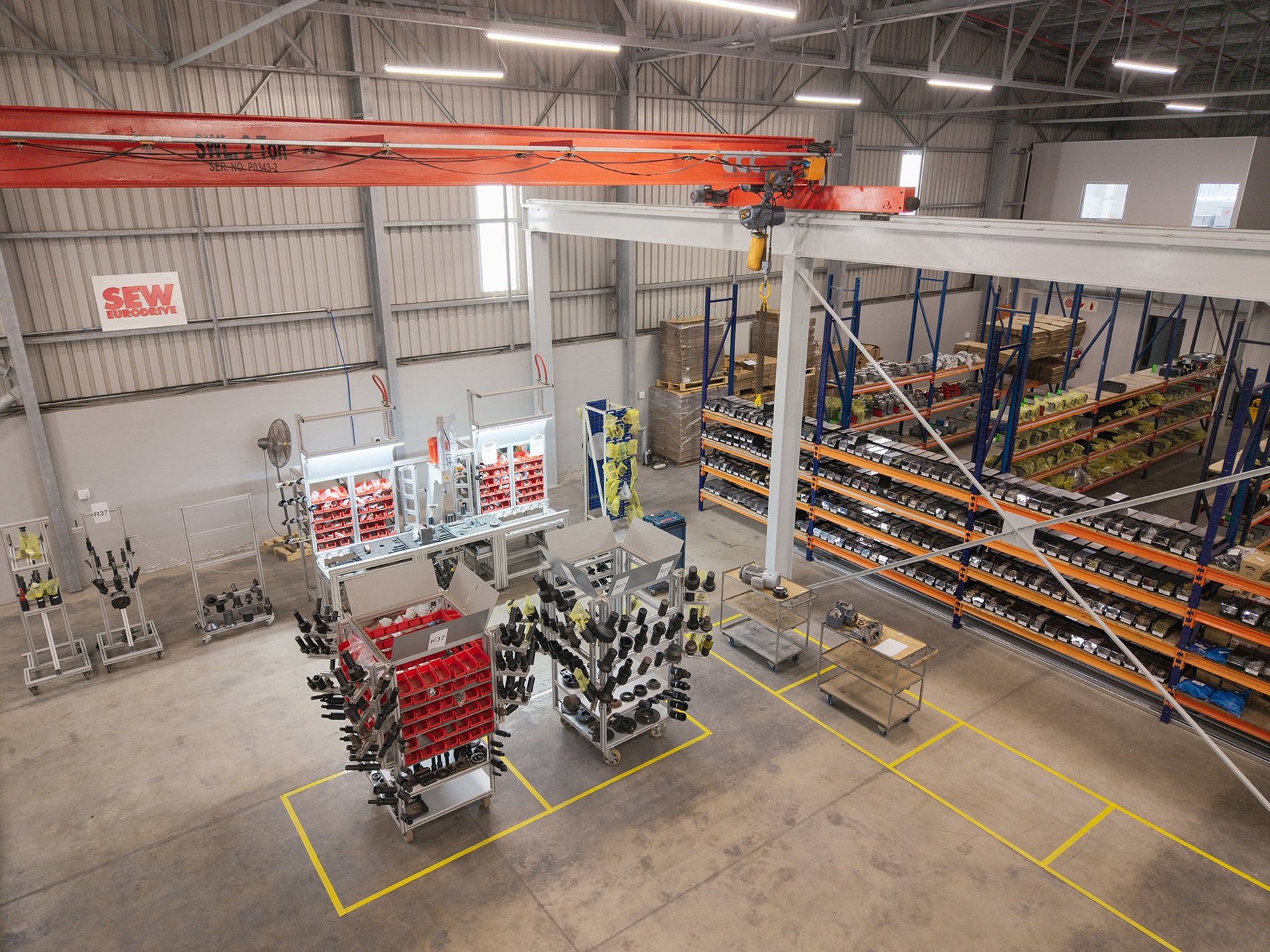
In a landmark event in the Eastern Cape attended by key customers and industry leaders, SEW-EURODRIVE officially opened its expanded state-of-the-art facility in Gqeberha, marking a major milestone in its strategy to strengthen regional support and deepen its footprint in the region. The new facility, which drew high praise from customers who attended the event for its scale, technical capability and level of investment, positions the company as a powerful local partner to the province’s fast-growing industrial sector.
With the Eastern Cape recognised as a critical node for automotive manufacturing, logistics, agri-processing, and renewable energy, SEW-EURODRIVE’s latest investment underscores its commitment to aligning with regional growth and customer needs.
“This is more than just a building – it’s a symbol of our long term investment in the region and the industries that drive it,” Phillip Steyn, SEW-EURODRIVE Gqeberha Branch Manager, says. “Our customers were visibly impressed by the capabilities we have brought under one roof – from advanced assembly and service infrastructure to the engineering depth we can now offer locally.”
The 2,400m² facility significantly expands on the company’s previous footprint in the area, offering modernised assembly bays, dedicated painting and dispatch zones and a fully equipped service centre complete with high-pressure cleaning systems, conformance and quality testing and overhead cranes rated for drive units up to 10 tonnes.
default
The facility is already transforming response times and service efficiency. “We have shifted from being a branch office to a regional powerhouse,” Steyn adds. “We can assemble to order, stock critical components and carry out major repairs – all without sending equipment elsewhere. That is a gamechanger for uptime and operational continuity for our customers across the Eastern Cape region.”
Looking ahead, SEW-EURODRIVE has confirmed further expansion plans including the launch of a customer-focused experience centre. Steyn says that this interactive space will showcase next-generation mechatronic drive technologies, host energy optimisation studies and provide a real-world environment for customers to trial the latest control platforms and software.
The Gqeberha branch plays a key role in major industrial projects across the province, from turnkey solutions for fruit processing facilities to drive upgrades in the Coega IDZ and surrounding ports. The local engineering team works hand-in-hand with customers to co-develop solutions that prioritise reliability, energy efficiency and productivity.
default
“Our expanded facility reflects our belief in the Eastern Cape’s potential and our readiness to support its industrial evolution,” Steyn concludes. “This is about delivering innovation and support where it is needed most – right here, on the ground, with our customers.”
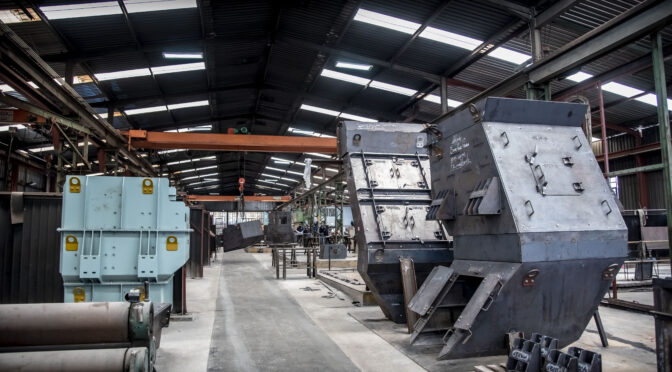
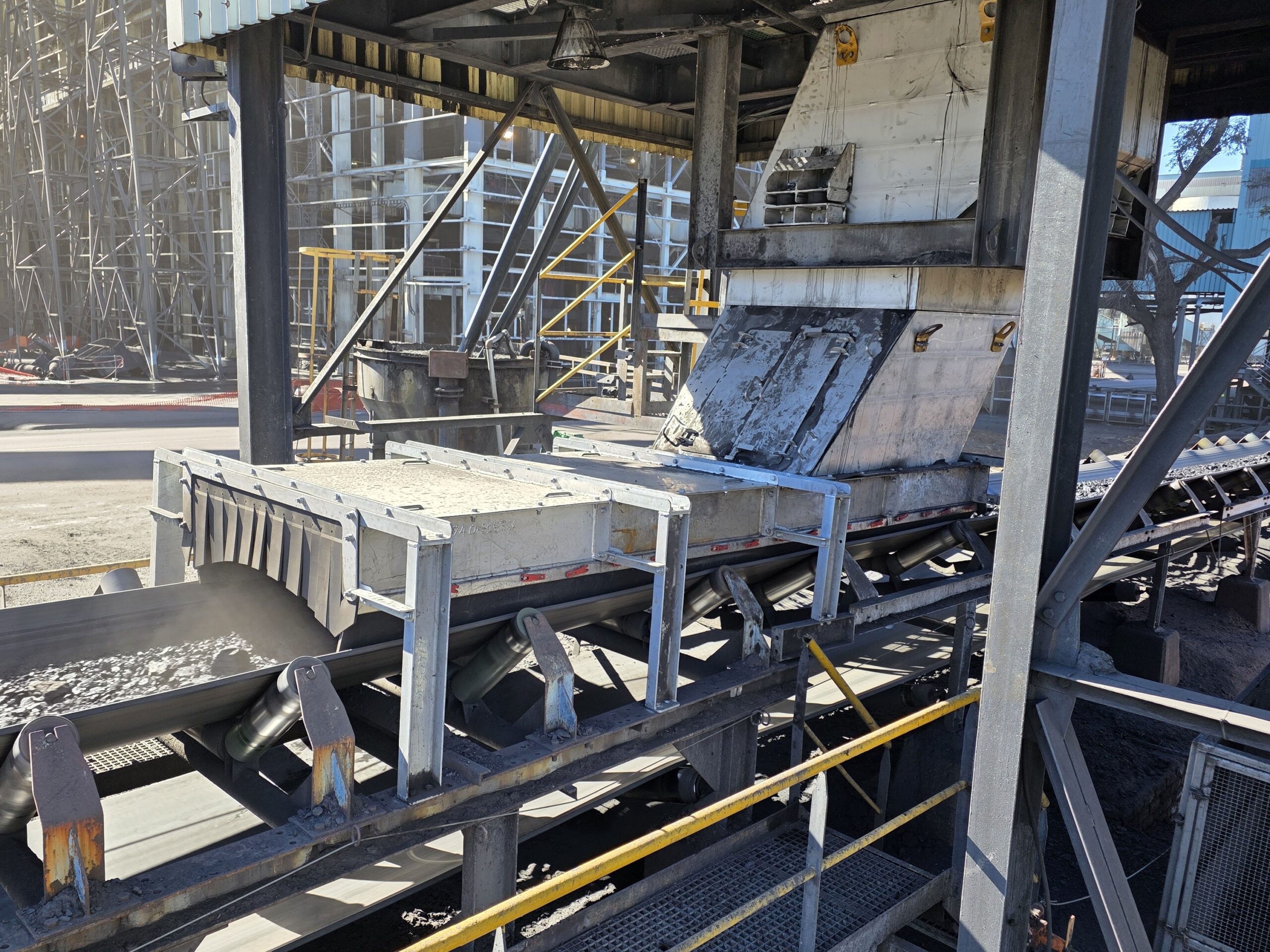
In mineral processing operations, unplanned downtime can rapidly translate into lost production, missed targets and escalating costs. One of the most common – and most overlooked – contributors to these interruptions is poorly designed or worn transfer points. These critical areas, where material moves from one conveyor to another or into processing equipment, are subject to extreme wear, dust generation, spillage and blockages if not engineered for the specific application.
Weba Chute Systems, a recognised global leader in custom-engineered chute solutions, has long emphasised that optimising transfer points is one of the most effective ways to reduce maintenance requirements, extend equipment life and increase throughput.
Pinpointing the Problem
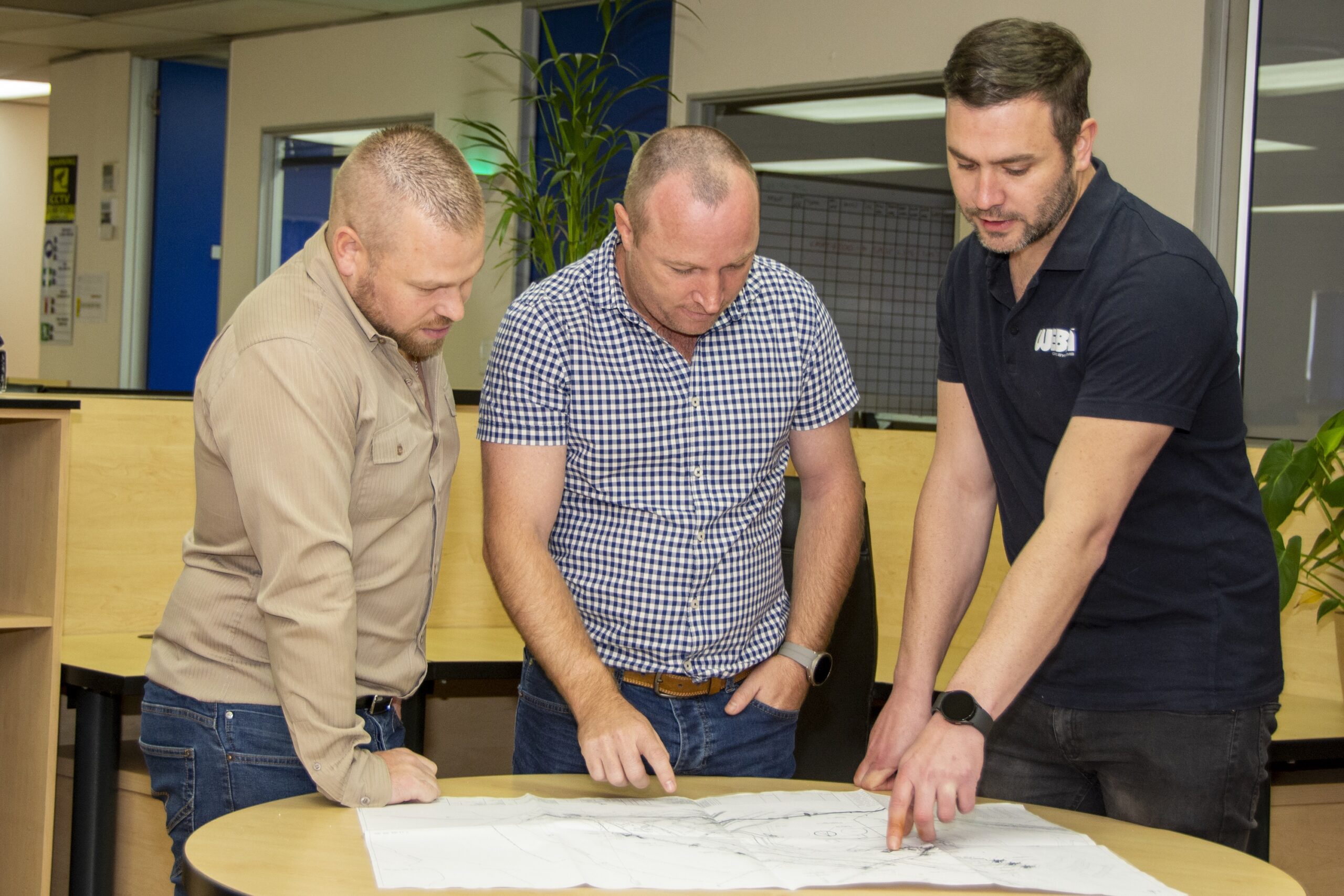
“Many plants operate with transfer points that were either part of the original design or added later without a detailed engineering assessment,” Dewald Tintinger, Technical Director at Weba Chute Systems, explains. “These chutes may not be suited to the current material characteristics, tonnage rates or operating conditions, resulting in accelerated wear, excessive maintenance and unexpected stoppages.”
Unplanned maintenance on transfer points is not only disruptive but costly. Frequent liner replacement, unblocking of material build-up and cleaning of spillage can take equipment offline for hours at a time. The cumulative effect is a measurable loss in productivity and a higher total cost of ownership.
Fit-for-Purpose Retrofit Solutions
Weba Chute Systems offers a specialised assessment service for existing chute installations. This involves a detailed on-site inspection, operational analysis and where required, advanced flow simulation to identify the root causes of inefficiency or premature wear.
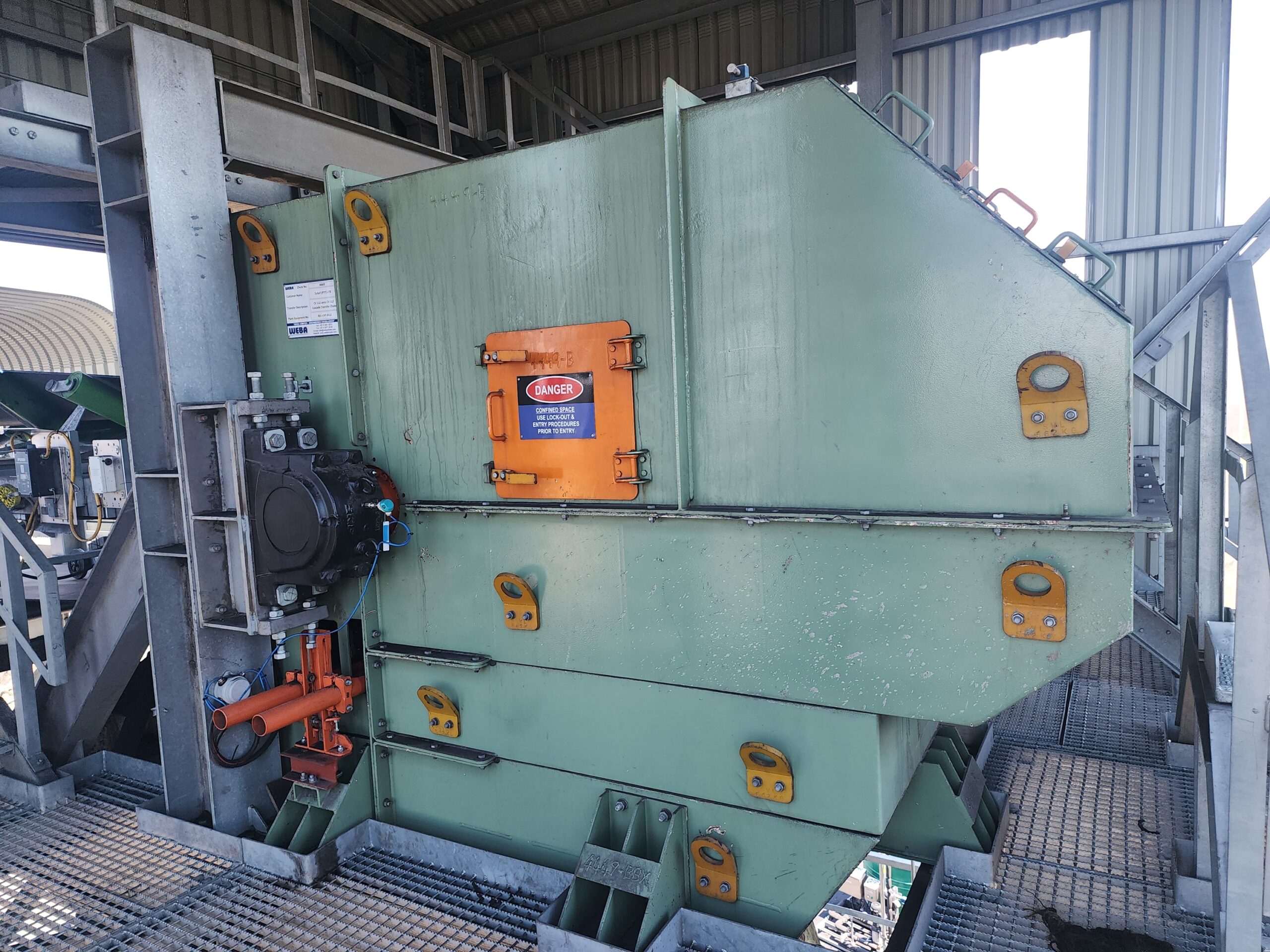
“Our expertise lies in engineering and manufacturing chutes that control the flow of material through optimal trajectory and velocity,” Tintinger says. “This reduces impact and turbulence, minimises dust and spillage and delivers a steady controlled feed to the next stage in the process.”
Retrofit solutions from Weba Chute Systems are custom engineered to integrate seamlessly into existing plant layouts, avoiding major structural changes while delivering significant performance gains. Many customers report reduced maintenance intervals, improved safety and increased uptime within weeks of installation.
Driving Productivity and Savings
An optimised transfer point not only lowers direct maintenance costs but also safeguards downstream equipment from damage caused by uncontrolled material flow. By reducing spillage and dust emissions, plants also benefit from cleaner safer working environments and compliance with environmental standards.
“In many cases, the investment in a retrofit chute pays for itself quickly through reduced downtime alone,” Tintinger notes. “When you factor in lower maintenance costs and longer wear life, the return on investment becomes compelling.”
With decades of experience and installations across the globe, Weba Chute Systems continues to help mineral processing plants turn a known bottleneck into a high performance asset – proving that small changes at transfer points can deliver big gains in plant productivity and profitability.
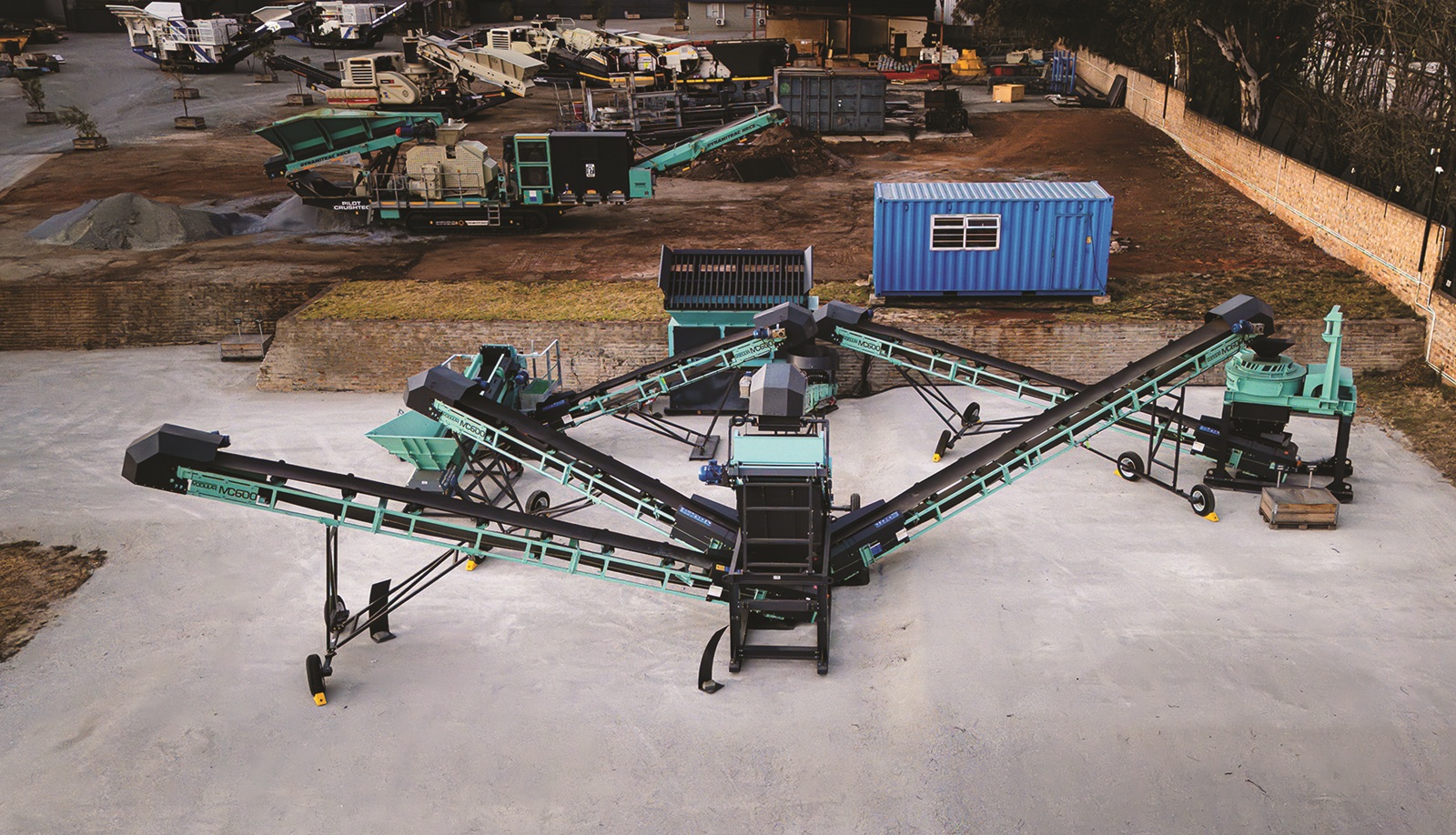
Small scale sand producers now have a cost effective, reliable and integrated solution to their production needs, taking the guesswork and risk out of daily operations. Pilot Crushtec has invested its decades of design and engineering experience into a range of dedicated, modular sand-making plants that give users the latest fit-for-purpose technology within a short lead time of just two months.
According to Francois Marias, Sales and Marketing Director at Pilot Crushtec, many smaller operators tend to make do with second-hand equipment, which is often not ideal for their application.
“Many operators put together the components – from crushers and screens to feeders and conveyors – but lose time and money during operations due to inefficiencies and unreliable performance,” Marais says. “Alternatively, if they choose to go with a bespoke plant, tailored for their purposes, this comes at considerable cost and can take many months to design and manufacture.”
DCIM101MEDIADJI_0658.JPG
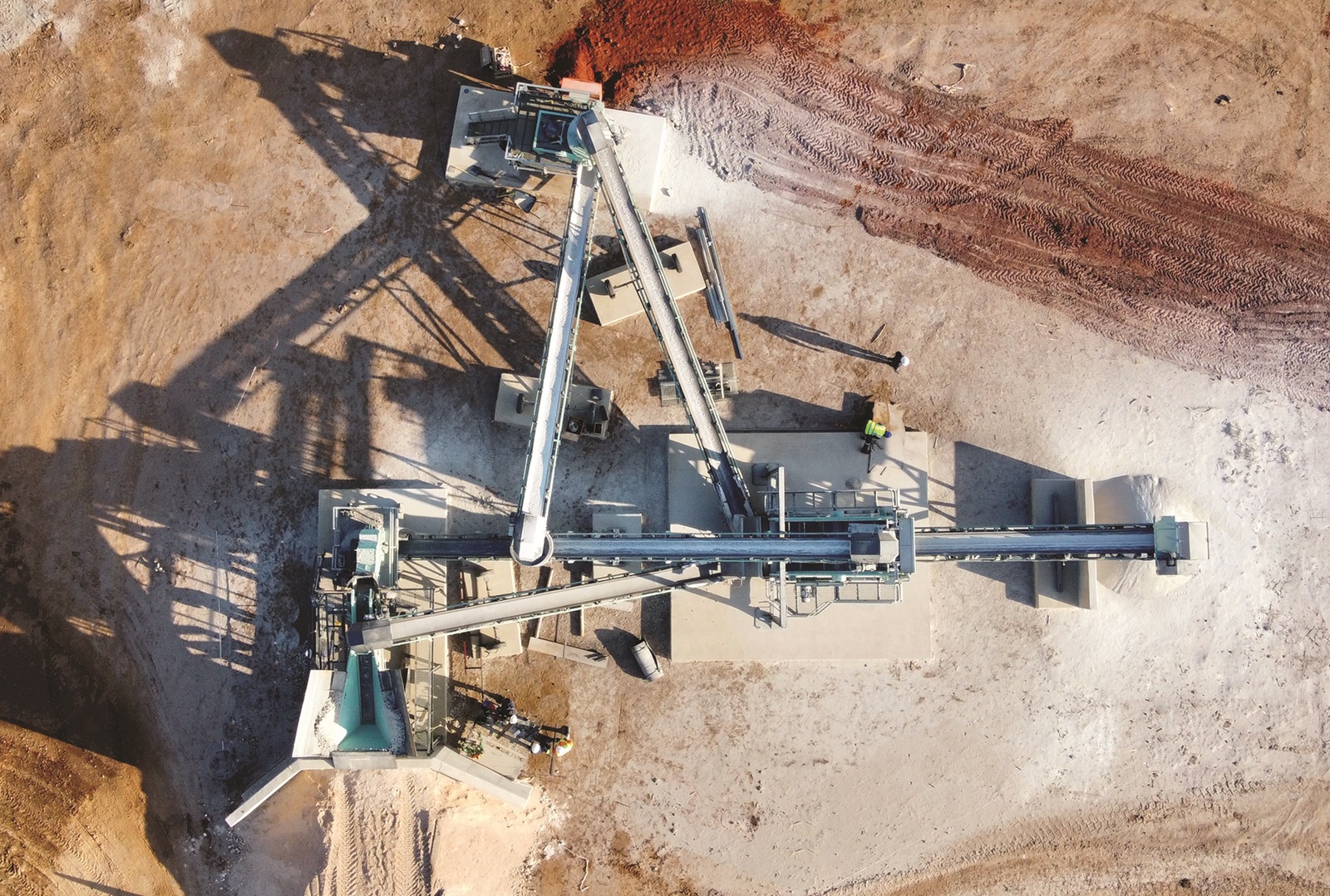
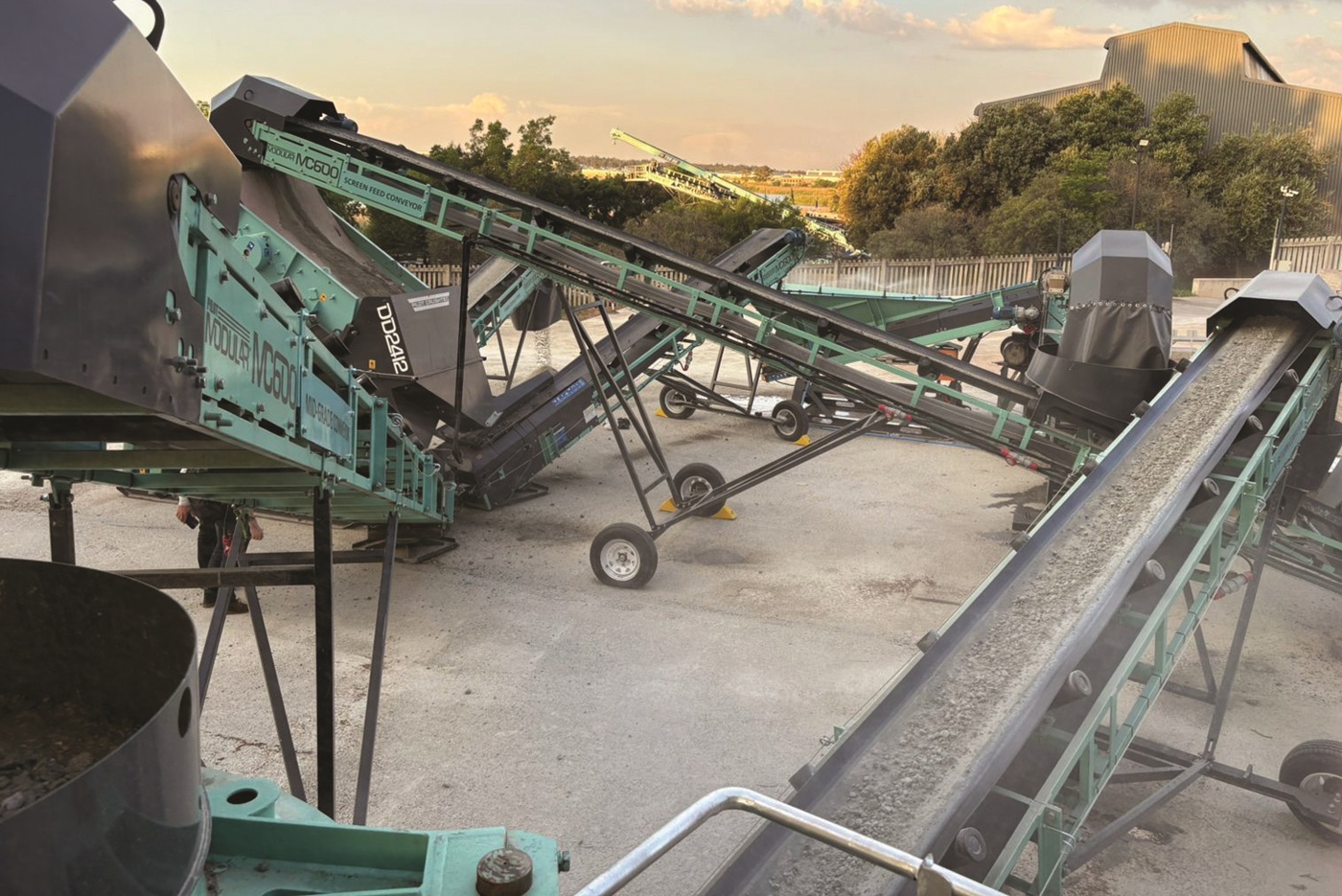
The Pilot Crushtec modular sand-making plants reduce risk by delivering a turnkey solution that is purpose-built for sand production. These plants have been designed as a complete ready to run solution. The major advantage lies in their convenience and cost effectiveness as they offer a fully integrated plant that dramatically reduces site preparation and set-up time.
“This makes for fast deployment, without compromising performance or reliability,” Marais explains. “It’s all about packaging the well-known components for the user’s convenience and peace-of-mind.”
This is central to Pilot Crushtec’s modular approach, ensuring that all components fit seamlessly together and are ready to commission – with minimal site preparation costs. While a concrete base can be beneficial, these modules are skid mounted and designed to work on a flat level compacted surface. There is no need for added platforms, welding or extra items like chutes to be specially fitted on site.
“As a leading crushing and screening OEM in South Africa, we have been designing and manufacturing for more than 35 years, which means we have all the necessary in-house designs and engineering for this range,” Marais explains. “This means that customers don’t have to foot the bill for custom engineering – and this alone will save them on upfront capital expenditure and reduces the risk of budget overruns.”
Being built from tried-and-tested well-engineered designs also ensures that these standard plants are well proven in the field. Refined over years to work seamlessly across various applications, they are less likely to experience unexpected breakdowns or operating inefficiencies.
“A standard plant also brings the benefit of having already been debugged and optimised, so you’re starting with a solution that’s less likely to have hidden flaws,” he says. “This also simplifies the maintenance and support for the equipment, as parts are off-the-shelf and easier to source.”
He emphasises that Pilot Crushtec’s established support networks ensure that customers do not scramble to find parts or fix issues – which can be a risk especially on remote sites.
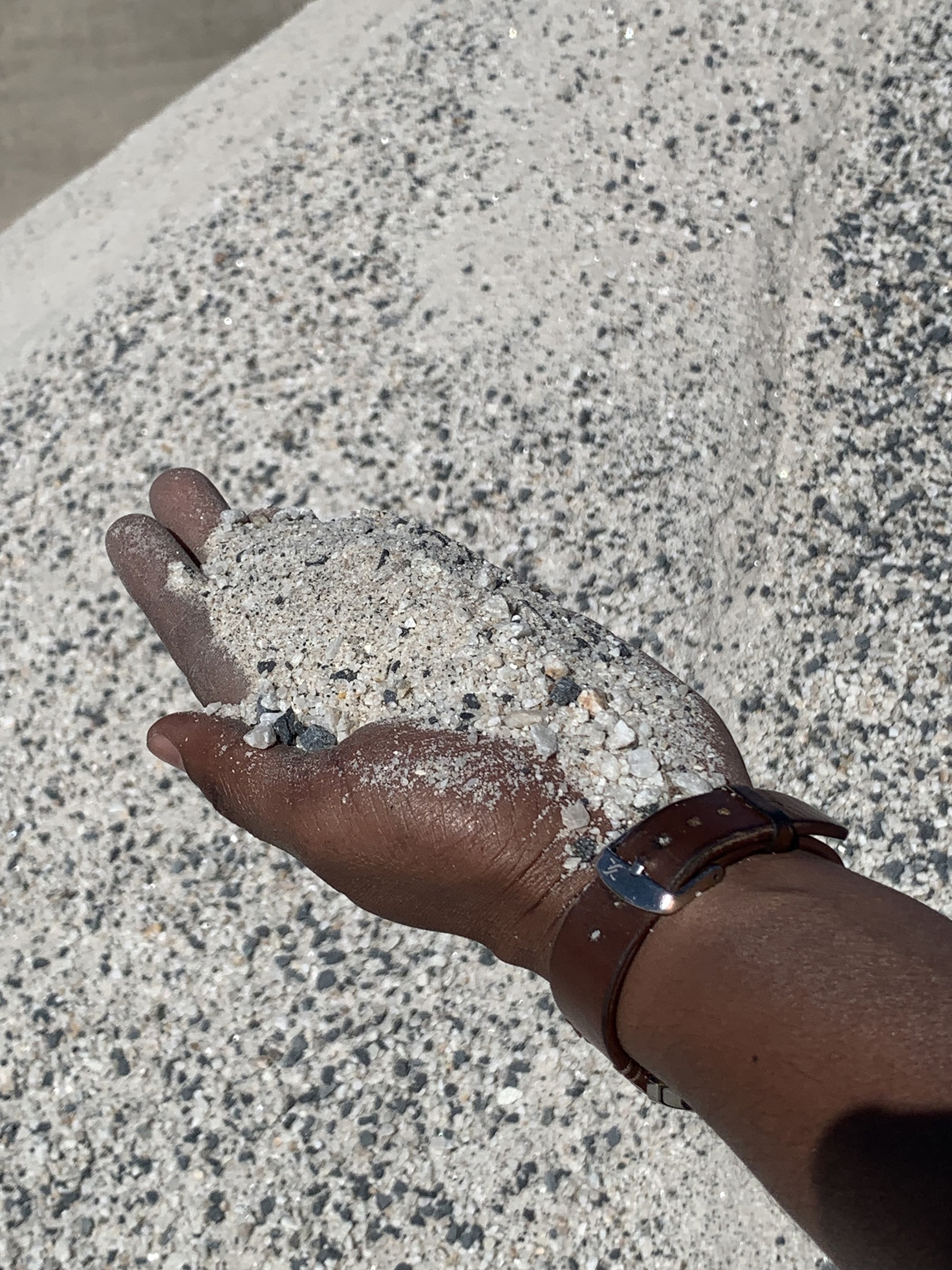
The sand-making plants come in three sizes. The smallest in the range is the SMP100 which can produce up to 40 tonnes per hour of minus 5 mm sand with a recirculating load capacity of 85 tph through the rotor. Next in the range is the SMP200, capable of producing up to 55 tph, while the SMP300 can produce 100 tph.
default
“Our modular systems also have the advantage of scalability, which is ideal for those customers that will require increased capacity later,” he says. “Our well-engineered modular systems allow you to add units or upgrade without overhauling the whole setup, making it easier to scale as your operation grows.”
The sand-making plants are manufactured locally to the highest quality standards at Pilot Crushtec’s modern ISO-accredited facilities in Jet Park, Johannesburg. Marais reiterates that the quality of this new equipment helps customers to mitigate risks that could undermine a project’s viability or threaten their reputation in the market.
“Investing in a turnkey solution like our sand-making plants removes the unknown operational elements for the customer allowing them to make reliable forecasts of their returns and expenses,” Marais concludes.
Leading infrastructure and building contractor Concor has been recognised at Construction World’s Best Projects 2025, receiving two Highly Commended Awards and a Special Mention in the AfriSam Innovation Award for Sustainable Construction category.
The company earned a Highly Commended Award in the Building Contractors Category for its work on the Compensation Fund House refurbishment project in Tshwane as well as another Highly Commended Award in the same category and a Special Mention for Oxford Parks Block 2A Phase 1 in Rosebank, Johannesburg.
Compensation Fund House – Refurbishment with Purpose
Currently nearing completion, the Compensation Fund House project represents one of the most complex refurbishment and compliance upgrades undertaken by Concor in recent years. The 7 storey building, historically the headquarters of the Department of Labour’s Compensation Fund, had been flagged as non-compliant with building and safety regulations and faced serious concerns regarding its structural integrity.
“From the outset, the project required a high degree of flexibility and technical problem-solving,” Martin Muller, Contract Manager at Concor says. “We were essentially dealing with a structure with no available design documentation, so every phase demanded careful investigation and engineering innovation. Our team had to adapt continuously to ensure the building’s safety, functionality and long-term compliance.”
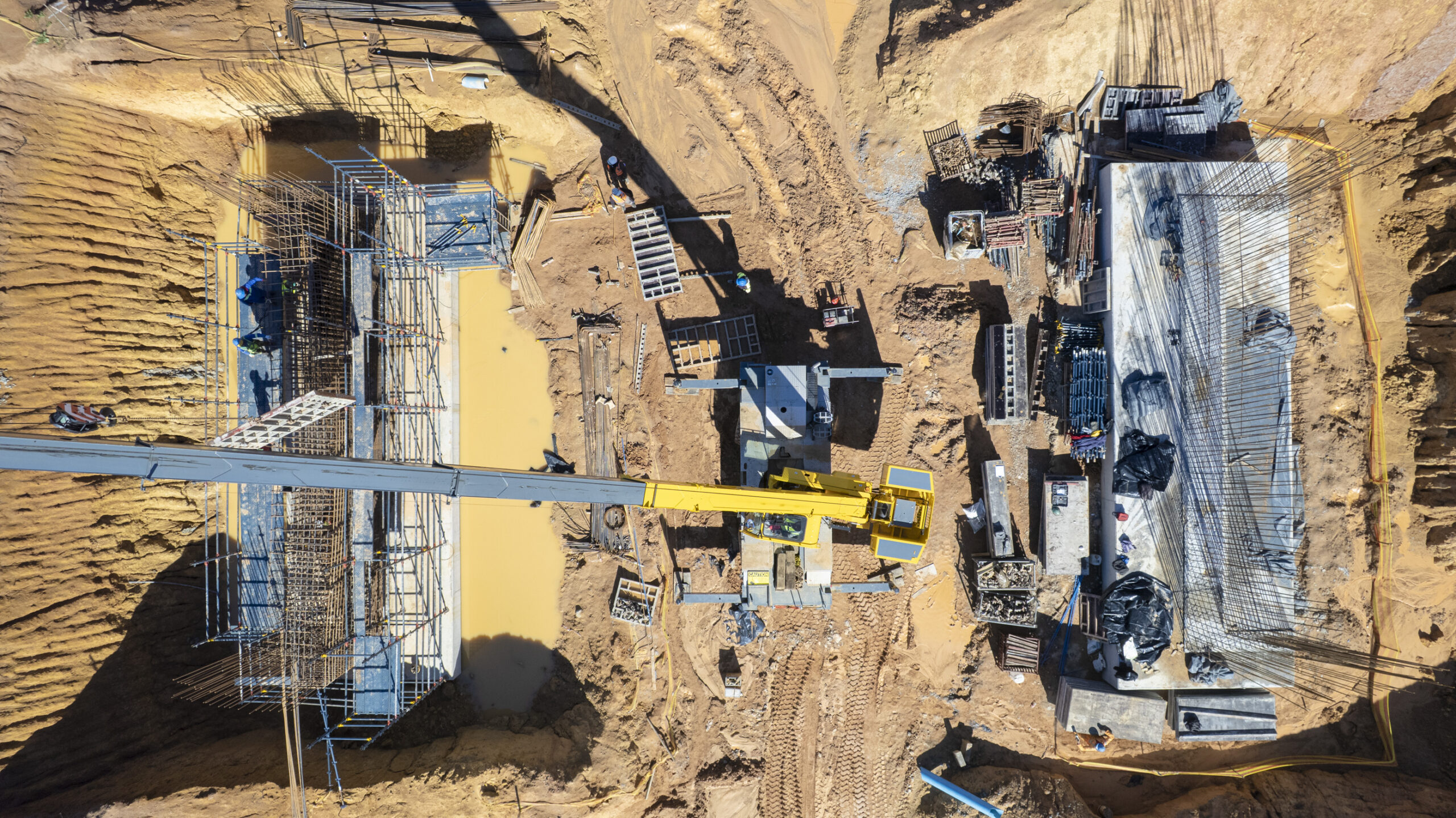
To navigate this challenge, Concor embarked on a six month programme of detailed investigations when construction commencement in April 2024. The team extracted core samples from columns and slabs to assess concrete strength, performed 3D scanning to determine rebar spacing and exposed selected sections of concrete to examine reinforcement conditions. The insights gained enabled engineers to devise targeted solutions for areas of concern, ensuring structural soundness and compliance with current building codes.
“This project has been a true test of multidisciplinary collaboration – combining civil, structural and safety expertise with modern diagnostic technology,” Muller notes. “It is a project that truly showcases Concor’s ability to deliver under demanding circumstances.”
DCIM100MEDIADJI_0381.JPG
Oxford Parks Block 2A Phase 1 – Innovation in Sustainable Urban Design
In Johannesburg’s Oxford Parks Precinct, Concor was recognised for its continued contribution to the precinct’s growth through the completion of 10 Parks Boulevard and 55 Eastwood Road – collectively known as Oxford Parks Block 2A Phase 1. These buildings mark the company’s eighth and ninth successful projects for long standing client Intaprop, reflecting a trusted partnership spanning more than seven years.
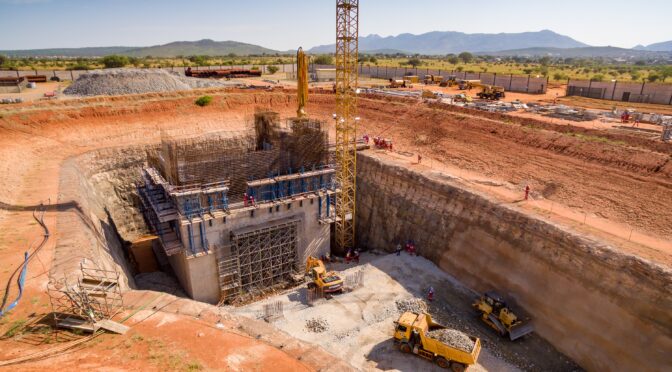
The two office buildings share a three level super-basement, requiring the excavation and removal of over 146,000 m³ of material and the installation of 3,500 m² of lateral support systems to ensure stability. Proximity to the Gautrain tunnel servitude demanded precise foundation design, utilising raft foundations in conjunction with piling.
To accelerate progress and reduce environmental impact, Concor implemented several construction innovations, including early-stage preparation for column installation and off-site fabrication of unitised panels for the curtain wall façade. The development covers a gross building area of 15,712 m², incorporating over 18,000 m³ of readymix concrete, 1,745 tonnes of reinforcing steel and 5,500 m² of glass façade.
“Our work at Oxford Parks continues to raise the bar for sustainable urban construction,” Muller says. “Each project has allowed us to introduce improved design methods and buildability solutions that enhance both performance and environmental outcomes. The recognition from Construction World reinforces our team’s dedication to excellence and innovation.”
Commitment to Excellence
Concor’s performance across both projects reflects its ongoing commitment to quality, safety and sustainability in the built environment. “Receiving recognition in multiple categories is an affirmation of the professionalism and ingenuity of our project teams,” Muller concludes. “It also underscores Concor’s ability to adapt, innovate, and deliver – whether refurbishing complex legacy structures or shaping new urban landmarks.”
AfriSam’s long standing commitment to excellence and innovation in the built environment was once again underscored at the 24th Construction World Best Projects Awards, where several projects using its construction materials were recognised for outstanding achievement.
As one of the event’s founding supporters, AfriSam also sponsors the AfriSam Innovation Award for Sustainable Construction recognising the need to encourage and support sustainability. The company’s continued association reflects its dedication to promoting best practice, sustainability and quality in South Africa’s construction industry.
H&I’s Malmesbury Bypass – Special Mention
Among the recognised projects was the Malmesbury Bypass in the Western Cape, a large-scale infrastructure initiative being constructed by leading regional contractor H&I. The project received a Special Mention for its contribution to strategic infrastructure development under the National Infrastructure Plan 2050, focusing on the Saldanha–Northern Cape Development Corridor.
Commencing in March 2023 and due for completion in January 2026, the project involves 6,7 km of new greenfield road construction, extensive bridges, ramps and an agricultural underpass that will streamline traffic and enhance safety around the town of Malmesbury.
AfriSam has partnered with H&I as a key material supplier, providing a range of aggregates and readymix concrete from its Rheebok quarry north of Malmesbury and Peninsula facility. These have been used for fill and layer works, as well as the construction of five post-tensioned twin rib deck bridges and an agricultural underpass. Approximately 14,000 m³ of readymix concrete were supplied for these structures.
The project’s technical complexity – from extensive cut-and-fill operations in hilly terrain to the crossing of rivers and wetlands – demonstrates the engineering expertise and material quality required for high-performance infrastructure.
Teichmann Structures’ Market Road Bridge, Pietermaritzburg – Special Mention
Another highlight was the continuous concrete pour on the Market Road Bridge in Pietermaritzburg, KwaZulu-Natal, which earned a Special Mention for precision planning and execution.
Constructed by Teichmann Structures under Grinaker LTA’s New England Joint Venture for SANRAL, the bridge is part of a major N3 highway upgrade. AfriSam supplied the 1,300 m³ of readymix concrete required for the 103 m bridge deck, delivered in 218 truckloads during a single overnight pour in April 2025.
The pour commenced at 20h00 and concluded in the early hours of the morning, allowing the road to reopen by 06h00 –- all without incidents or delays. This operation stands out for its logistical precision and quality outcome, contributing to one of South Africa’s most important freight corridors.
Concor’s Oxford Parks Block 2A Phase 1 – Highly Commended and Special Mention
AfriSam also celebrated recognition for Oxford Parks Block 2A Phase 1 in Johannesburg, constructed by Concor, which received a Highly Commended Award in the Building Contractors Category and a Special Mention in the AfriSam Innovation Award for Sustainable Construction.
The Oxford Parks development is a benchmark for sustainable urban building, showcasing energy efficiency, responsible material selection and innovative design practices aligned with green building principles. AfriSam’s low carbon cementitious products and concrete solutions played a vital role in achieving the project’s sustainability goals.
A Legacy of Excellence
“AfriSam has supported the Construction World Best Projects Awards from the beginning because we believe in recognising excellence that uplifts the construction industry,” Richard Tomes, AfriSam Sales and Marketing Executive says. “Seeing projects that incorporate our materials being honoured is a source of great pride and proof of the quality and consistency we bring to every partnership.”
For 24 years, the company’s sponsorship of the AfriSam Innovation Award for Sustainable Construction has encouraged forward-thinking approaches to infrastructure and building projects – ensuring that sustainability remains a central pillar of construction in South Africa.
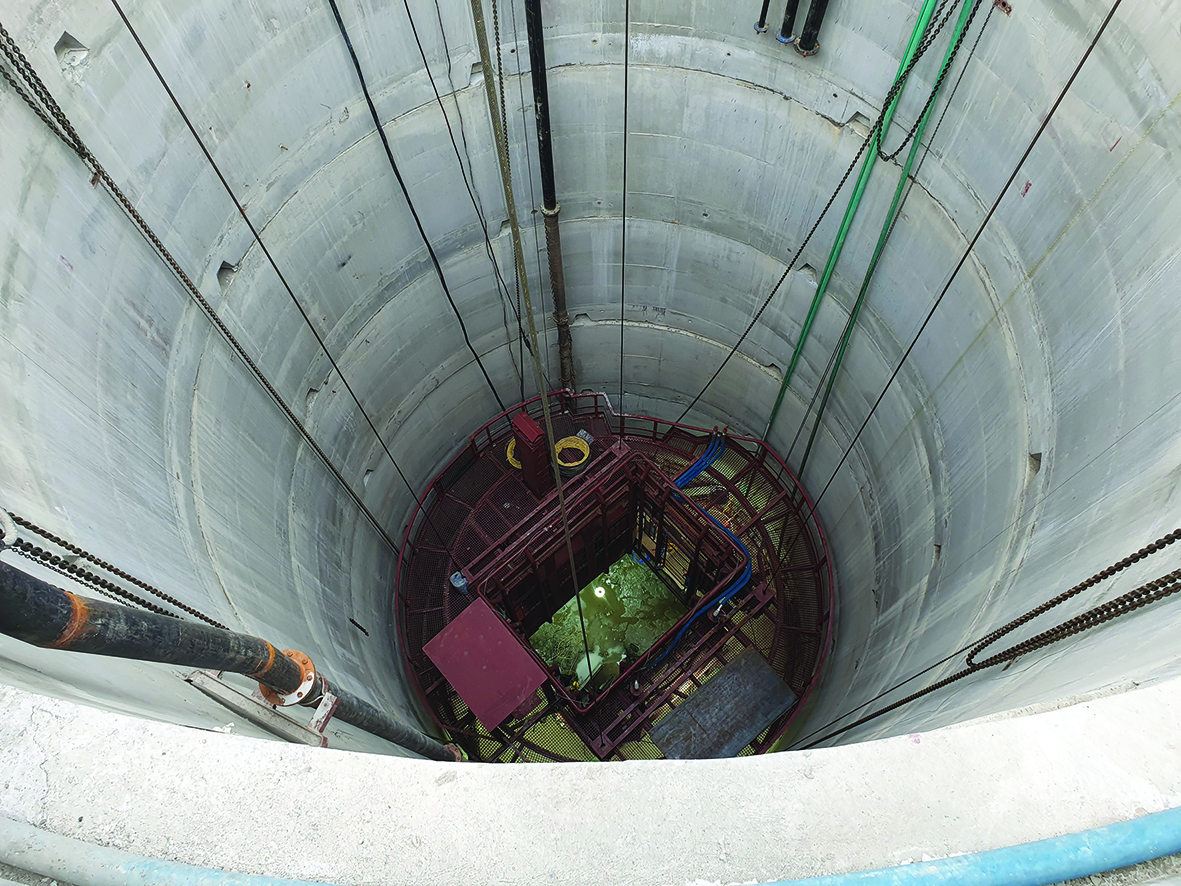
At Cementation Africa, safety is not treated as a checklist item, rather it is the very foundation of how the company designs, plans and executes its projects. This mindset is rooted in a philosophy that safe working environments must be engineered, not just managed.
Having evolved beyond compliance-driven approaches, Cementation Africa has embedded safety into its operational DNA. While procedures, training and behavioural programmes play an essential role, the company emphasises that safety starts with design – and it is here that its in-house mine engineering team has made a measurable difference.
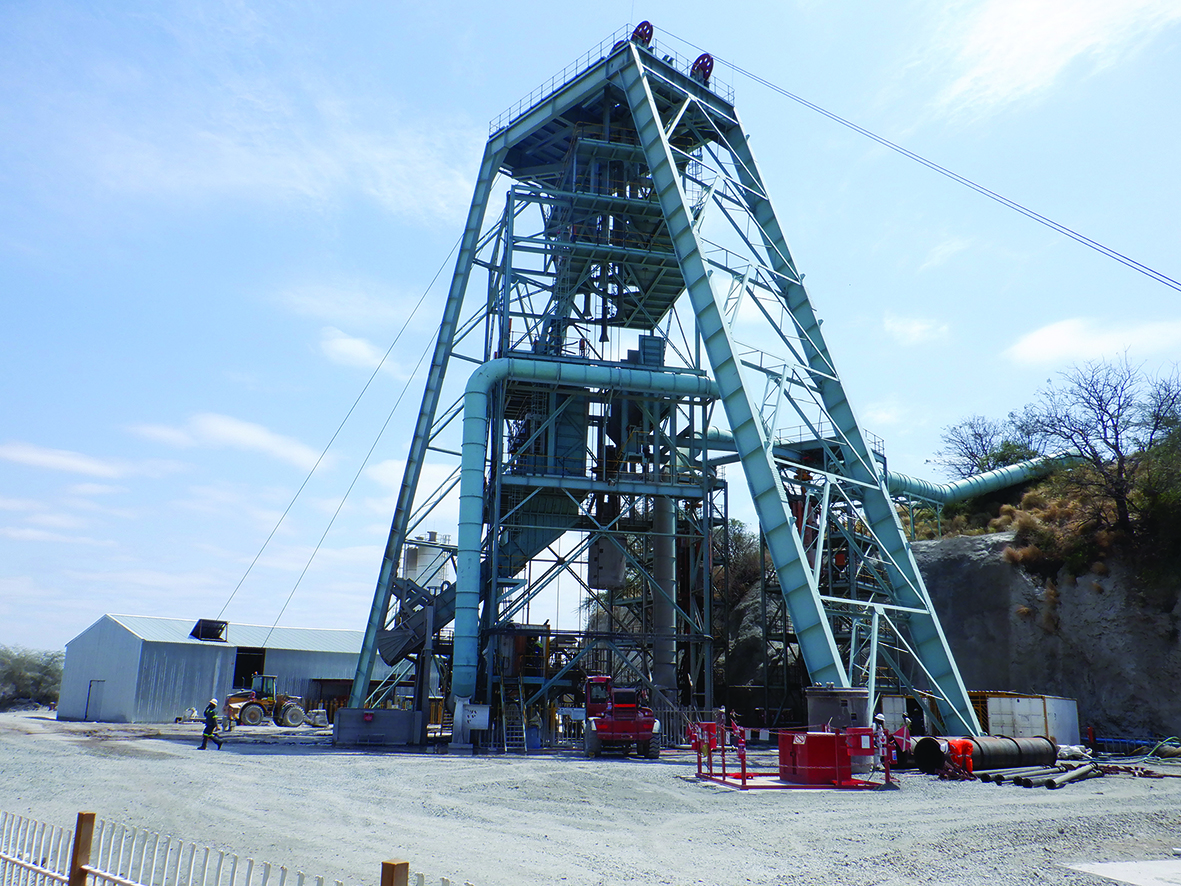
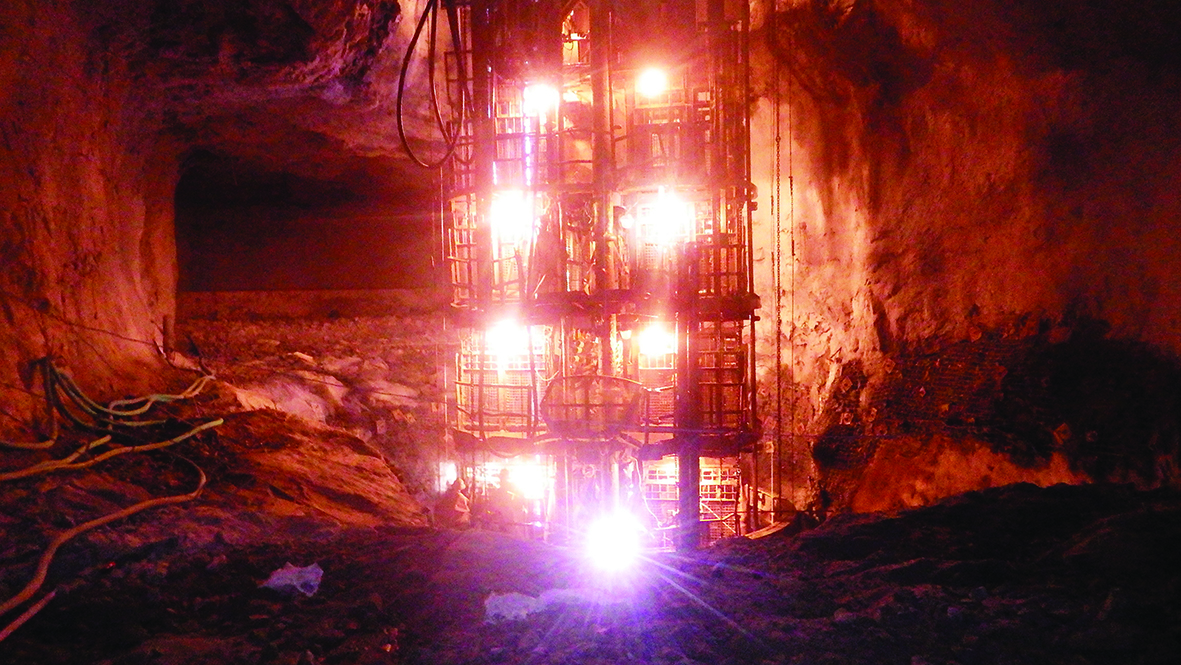
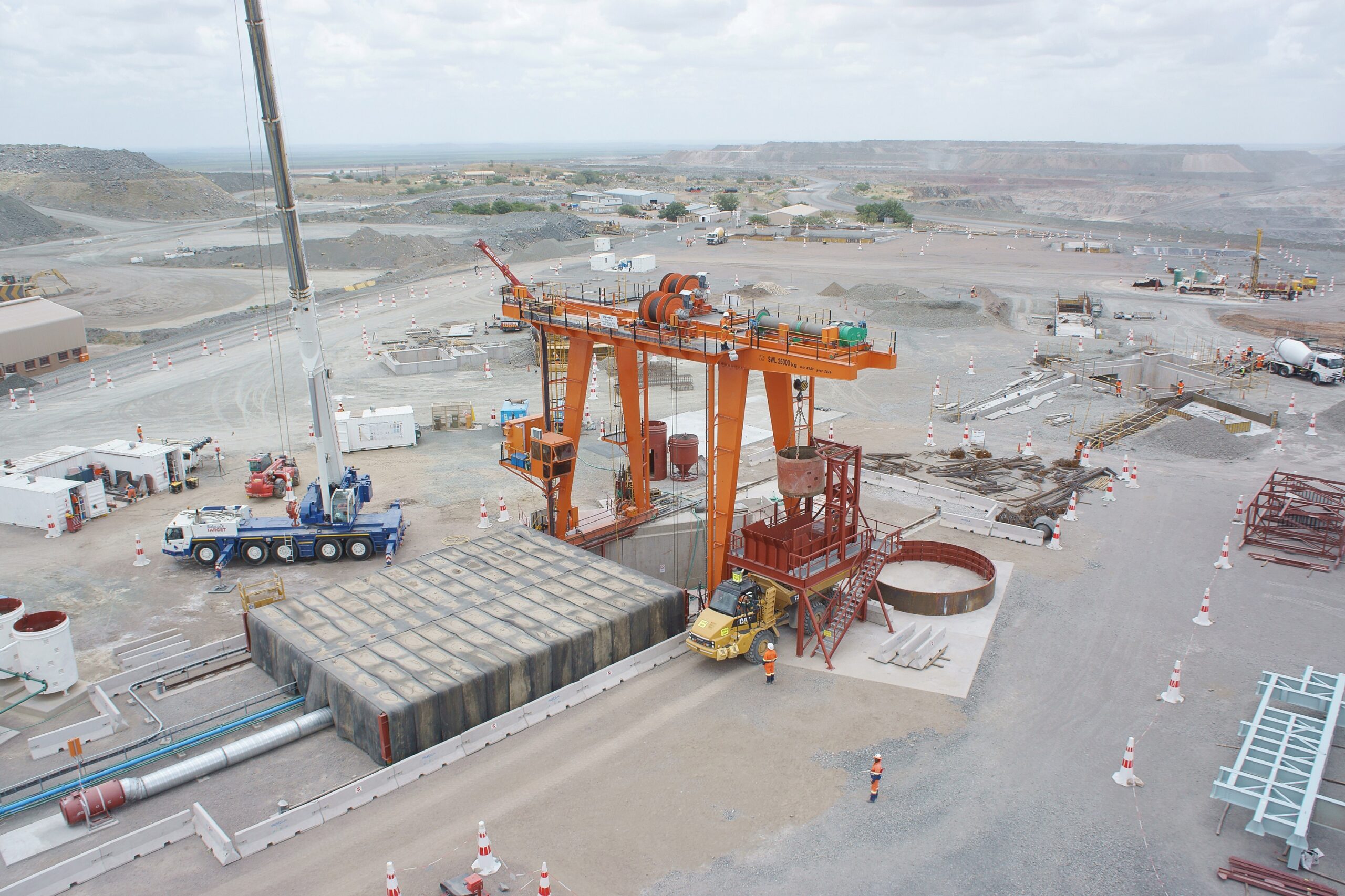
“Too often, safety is seen as a system to be followed instead of a culture to be owned,” says Trevor Schultz, Risk Executive at Cementation Africa. “We have taken deliberate steps to make safety intrinsic to the way we engineer our working environments, especially in high-risk activities like shaft sinking and underground development.”
This shift began more than 21 years ago, when the company brought together two operations with different safety systems and cultures. “We recognised that procedures alone don’t save lives – people do,” Schultz says. “And people are empowered to make the right decisions when they work in environments that are designed to eliminate hazards at the source.”
Cementation Africa’s in-house mine engineering team is tasked not only with technical excellence, but with designing solutions that inherently reduce exposure to risk.
“Our design philosophy is simple,” John Goulding, Study Manager in the Mine Engineering department at Cementation Africa , says. “We aim to enable the environment for people to work safely. That means thinking about safety at the concept stage – not as a retrofit once something has gone wrong.”
Backed by an in-depth understanding of the underground mining environment, the mine engineering team brings decades of hard-earned expertise to every project. “There is deep knowledge and practical experience within our team,” says Goulding. “But what sets us apart is how we apply that knowledge, through an innovative mindset and the integration of new technologies that enhance both safety and efficiency.”
From innovative shaft sinking methods to mechanised systems that limit human interaction in hazardous zones, the goal is to create conditions where safe work is the default. “If you engineer the task with safety at its core, you remove reliance on human behaviour as the first line of defence,” Goulding adds. “That is the real power of design – it prevents incidents before they can even occur.”
Cementation Africa has also shifted from a reactive to a proactive safety approach, supported by real-time reporting and a culture of accountability at all levels. “Our teams are encouraged to raise anything that makes them feel unsafe – without fear of blame. These leading indicators allow us to respond before something goes wrong,” Schultz says.
Key to embedding this culture is what the company calls Visible Felt Leadership (VFL) – where safety leadership is demonstrated daily, not just declared. “It is not about enforcing rules from the top down,” Schultz explains. “Rather it is about everyone, from executives to supervisors to frontline crews, actively owning the safety philosophy and leading by example.”
This culture also extends to Cementation Africa’s subcontractors and partners. Every specialist brought onto a project is required to align with the company’s systems and safety expectations. “You can’t have a double standard on safety. If you are working on our site, you follow our way,” Schultz explains.
Ultimately, engineering for safety is not a single initiative but an ongoing commitment – an approach that continues to evolve alongside technology, data and operational experience.
“It is a journey that we take every day, through every project,” Goulding says. “And it starts with smart safe design and engineering.”
As infrastructure networks age and traffic demands increase, the long term protection of bridges, overpasses, culverts and other critical concrete structures has become a top priority for engineers and contractors.
Within the Saint-Gobain group, GCP’s internationally proven waterproofing technologies – available in South Africa through Chryso Southern Africa – are providing advanced solutions for both new construction and rehabilitation projects. These products, including BITUTHENE® 5000 and ELIMINATOR® Bridge Deck Waterproofing, are engineered to extend service life, improve safety and reduce costly maintenance on vital transport infrastructure.
BITUTHENE® 5000 is a heavy duty composite membrane developed for use beneath hot-applied asphalt concrete wearing courses. It incorporates a moisture and water resistant rubberised asphalt layer reinforced with a puncture and heat resistant polypropylene mesh, providing dimensional stability, flexibility and excellent adhesion.
Supplied in rolls with a protective release paper for easy handling, the membrane is cold applied, requiring no heating or hot bitumen bedding. It is suitable for both new construction and repair applications, offering effective waterproofing for bridges, overpasses and other vehicular traffic structures as well as parking decks.
In rehabilitation projects, BITUTHENE® S5000 strips are recommended for restoring concrete pavements with asphalt overlays, preventing premature deterioration caused by reflection cracking and sub-base erosion. The membrane’s high resistance to water, combined with its ability to remain flexible over extreme service temperatures, ensures performance even during harsh winter cycling over small cracks.
On structures where detailing is critical, BITUTHENE® Liquid Membranes and BITUTHENE® 5000 Mastic can be used to seal terminations, edges and overlaps, ensuring complete waterproofing integrity.
“BITUTHENE 5000 is designed with the realities of modern infrastructure projects in mind,” Andries Janse van Rensburg, Business Development Manager – Specialty Building Materials at Chryso Southern Africa, says. “Its robust construction, flexibility and proven ability to withstand extreme conditions make it a trusted choice for protecting concrete structures against water ingress and deterioration. The fact that it is cold applied means faster, safer and more consistent installation on site.”
The ELIMINATOR® Bridge Deck Waterproofing membrane offers equally impressive performance for steel and concrete bridges which are constantly exposed to water, chlorides and frost – conditions that can lead to deterioration and even structural failure.
This cold spray-applied system is based on ESSELAC® advanced resin technology, creating a fully bonded composite layer between the bridge deck, waterproof membrane and asphalt surfacing. The result is a membrane that withstands punishing climate conditions and heavy traffic loads while maintaining its bond and integrity.
ELIMINATOR® can be applied in virtually any climate, curing in just one hour even in high humidity or low temperatures, preventing costly weather delays and allowing for greater scheduling flexibility. A two colour application process enables on-the-spot quality assurance, while the membrane’s ability to withstand asphalt surfacing temperatures up to 250°C eliminates overcoating time constraints and accelerates project completion.
“ELIMINATOR has a proven global record of protecting thousands of bridges over decades of service,” Janse van Rensburg adds. “Its rapid curing time, adaptability to almost any climate and long term durability are significant advantages for contractors and road authorities who cannot afford prolonged closures or recurring maintenance. It is a cost effective way to protect the substantial investments made in these essential structures.”
With proven track records on thousands of bridge and concrete structures worldwide, both BITUTHENE® 5000 and ELIMINATOR® provide engineers and contractors with reliable long lasting waterproofing systems. Supplied in South Africa by Chryso Southern Africa, these GCP technologies safeguard critical infrastructure against water ingress, chloride attack and freeze-thaw damage, extending service life, enhancing safety and reducing the long term costs associated with maintenance and repair.
The African mining and aggregate industries are marking a major milestone with the arrival of the first fully electric Sandvik mobile crushing plant on the continent. Sold through Sandvik Rock Processing distributor, S&R Enterprises, the Sandvik UJ443E heavy jaw crushing plant has already been sold into the market, with significant interest building as the sector accelerates its move towards lower carbon, more cost effective operations.
“This is the first time Africa will see a Sandvik mobile plant built from the ground up on a fully electric track platform,” Jaco Benade, Distributor Manager at Sandvik Rock Processing, says. “It is a gamechanging development that helps customers cut operating costs while advancing their sustainability goals.”
Benade says the introduction of the fully electric mobile crushing plant is a step change in efficiency and sustainability. “A key differentiator of the Sandvik UJ443E is its energy flexibility,” he explains. “The unit can operate directly from the electrical grid, bringing customers considerable savings through reduced fuel costs, lower emissions and quieter operation. Where grid power is not available, it can switch to diesel or renewable biofuels such as hydrotreated vegetable oil (HVO).”
DCIM100MEDIADJI_0002.JPG
By offering multiple energy pathways, the Sandvik UJ443E allows customers to adapt to site-specific conditions while preparing for the broader shift towards electrification in mining, quarrying and construction. Benade notes that where reliable grid electricity is available, operators can also benefit from extended drivetrain service intervals, leading to reduced downtime and lower lifecycle costs.
Proven Technology, New Platform
Built on a fully electric track platform, the Sandvik UJ443E is fitted with the proven CJ412 jaw crusher. This latest generation unit features smart technology for real-time performance monitoring and adjustment as well as an unblock facility that improves safety and reduces downtime. Other innovations include three-speed electric tracks for precise movement, a redesigned feed station with hydraulic tilt access for easier maintenance and a downstream 125 amp connection for integrating other electric equipment such as screening plants.
“This machine consumes about 90% less hydraulic fluid than its predecessors which means lower maintenance costs and a lighter environmental footprint,” Benade explains. “It also offers flexible configurations – from a vibrating grizzly feeder for clean rock to an under-screen option for fines removal.”
Market Preparation and Support
The first Sandvik UJ443E unit in Africa is already in preparation for delivery. To ensure seamless commissioning, Sandvik Rock Processing and S&R Enterprises have invested in advanced training for local service teams. A Sandvik factory technician will also be on site for the installation, guiding both distributor and customer teams through the process.
“Comprehensive lifecycle support underpins this introduction,” Benade says. “We have ensured that our distribution network is ready with spares, technical expertise and tailored aftermarket packages. The Sandvik My Fleet telematics will further enhance support by enabling remote diagnostics and performance monitoring.”
The arrival of the Sandvik UJ443E in Africa signals a turning point in mobile crushing technology on the continent. Customers can now access a solution that not only delivers on productivity but also drives progress toward decarbonisation and reduced operating costs.
“This first Sandvik UJ443E mobile crushing plant is just the beginning,” Benade concludes. “With the level of market interest we are seeing, we expect more units to be placed soon – helping reshape the future of mobile crushing in Africa.”