Tag Archives: Pilot Crushtec

ATHOS CRUSHING & SCREENING LAUNCHES FULLY ELECTRIC MOBILE CRUSHERS AND SCREENS

Following an extensive testing regime, Athos Crushing & Screening is officially launching a fully electric range of mobile crushers and screens called Powertrack, built by SRHeavy (SRH). Dubbed the Powertrack, the range initially comprises a mobile jaw crusher, a mobile cone crusher, a mobile triple-deck screen and a mobile scalping screen. 

Athos Crushing & Screening, sister company to Pilot Crushtec International, was established some five years ago with the mandate to provide mobile and static crushing and screening solutions, focusing on entry-level and mid-tier segments of the market. The overarching intent, explains Sales and Marketing Director Francois Marais, was to create a true “home of crushing and screening” with Pilot Crushtec concentrating on the premium end of the market. 

In line with this strategy, Athos is debuting the e-Power Powertrack range in southern Africa. At a launch event held at the company’s Jet Park in July, the company introduced the Powertrack PT Pro J-11E jaw crusher, the Powertrack PT Pro C-20E cone crusher, the Powertrack PT Pro ST-08E mobile triple-deck screen and the Powertrack PT Pro SP-08E scalping screen to local customers. Target markets, says Marais, include contractors, quarries and certain mining applications, particularly sites where there is access to grid power or renewable energy sources. 

“Ideal for aggregates, mining and recycling, the Powertrack PT Pro J-11E is equipped with an SJC108 jaw crusher with a 1 060 x 700 mm feed opening,” explains Marais. “The machine can handle a top size up to 600 mm and typically runs with a closed side setting of about 70 mm. It has the capacity to process between 150 and 500 tonnes per hour (tph), application dependent.”
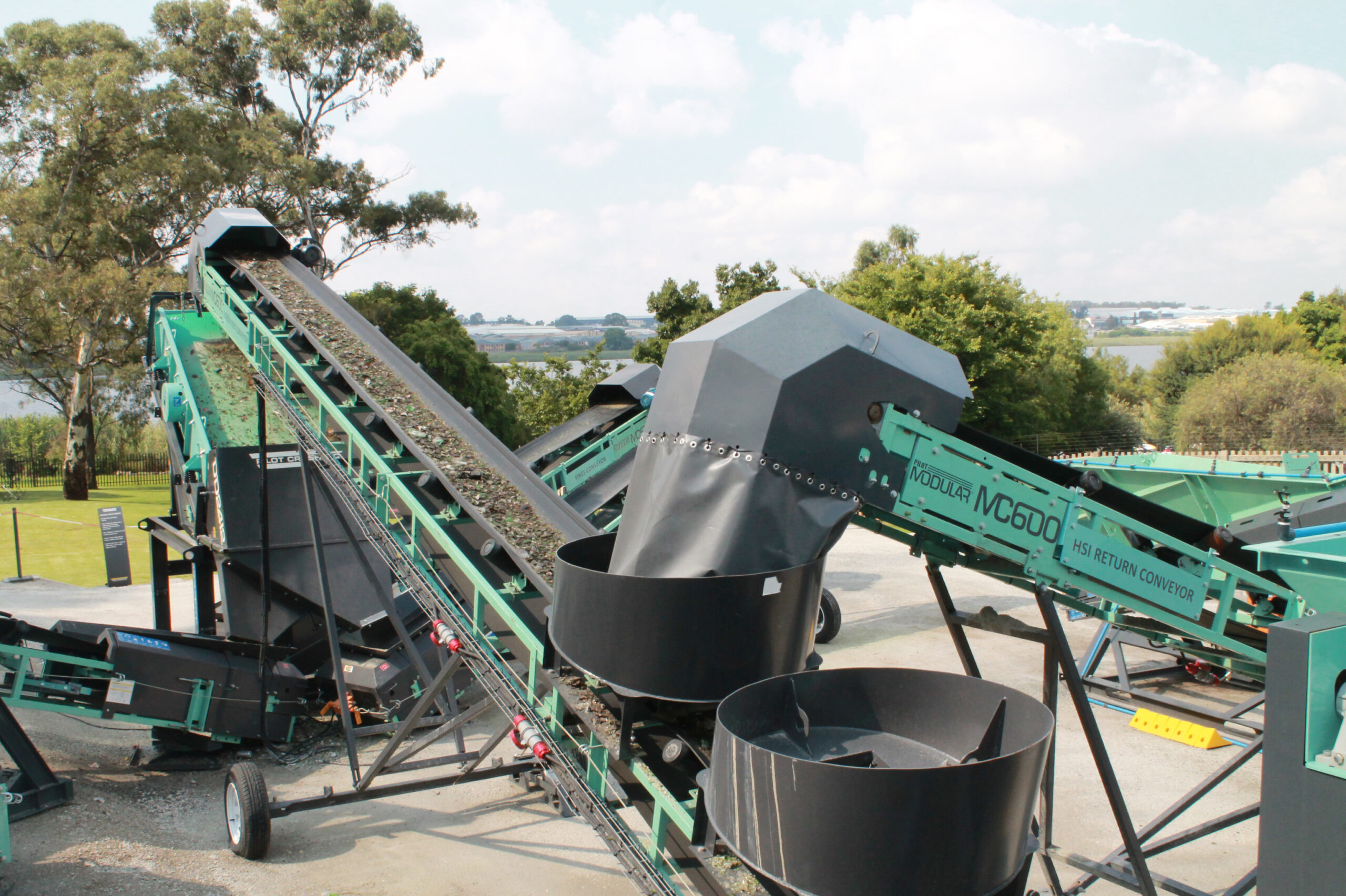
The Powertrack PT Pro C-20E, which features the SCH2000 cone crusher, is ideal for secondary and tertiary crushing. The machine has the capacity to produce between 150 and 250 tph, depending on application.

The Powertrack PT Pro ST-08E mobile triple-deck screen comes with a 5,4 m x 1 ,5 m screen box and a large 8,4 m² screening area. With its four product conveyors, it can be deployed in 250 tph production capacity requirements.

The Powertrack PT Pro SP-08E scalping screen, which comes with a 4,8 m x 1,5 m screen box, is ideal for pre-screening of feed with excessive fines such as topsoil, recycled waste and gravel, amongst others. The machine is designed to process capacities up to 500 tph.

“A major factor behind the decision to go the fully electric route is that these machines come in at an extremely competitive price point,” says Marais. “Manufactured in China, inarguably the global leader in electromobility, the economies of scale for electric components such as electric drives provides for a notable cost advantage, making the e-Power Powertrack range an attractive crushing and screening solution for the local market, especially for cost sensitive, entry-level operations.”

Another remarkable advantage of fully electric crushing and screening solutions is the lower cost of operation. These machines are primarily intended to be plugged into grid electricity. Electric drive systems are cost effective and more efficient than their conventional diesel hydraulic counterparts. 

“In the absence of an electric plug-in, end-users can power the machine/s with a genset which, unlike in a dual-power setup, is completely separate from the mobile machine. This is a completely new concept in the local mobile crushing and screening market. One of the major benefits of keeping the generator away from where crushing takes place, is the elimination/reduction of dust ingression into the engine, which tends to be a major challenge for machines that come with an on-board genset,” concludes Marais. 

PILOT CRUSHTEC POWERS OVENDEN EARTHMOVING WITH NEW TWISTERTRAC VS350E

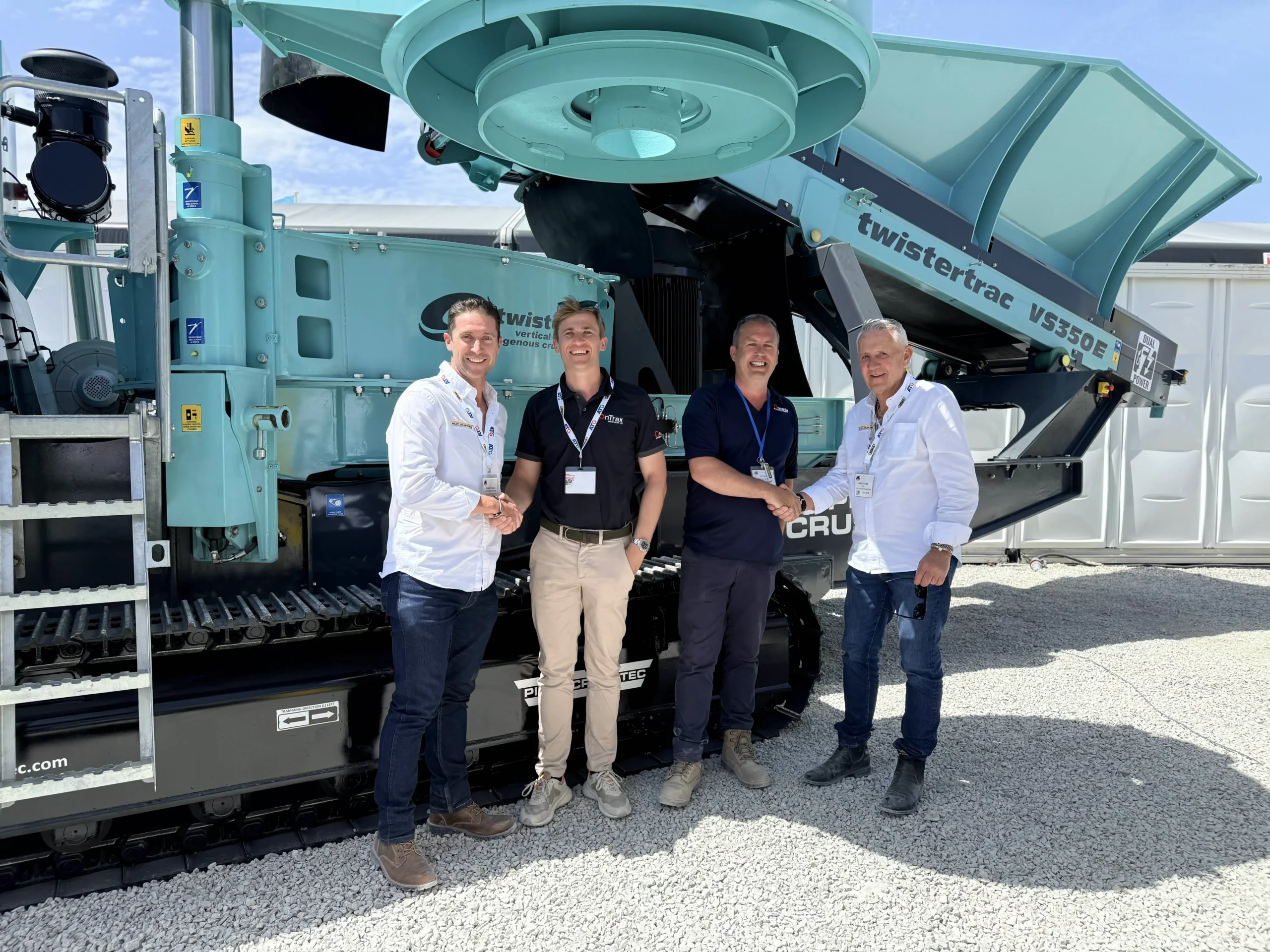
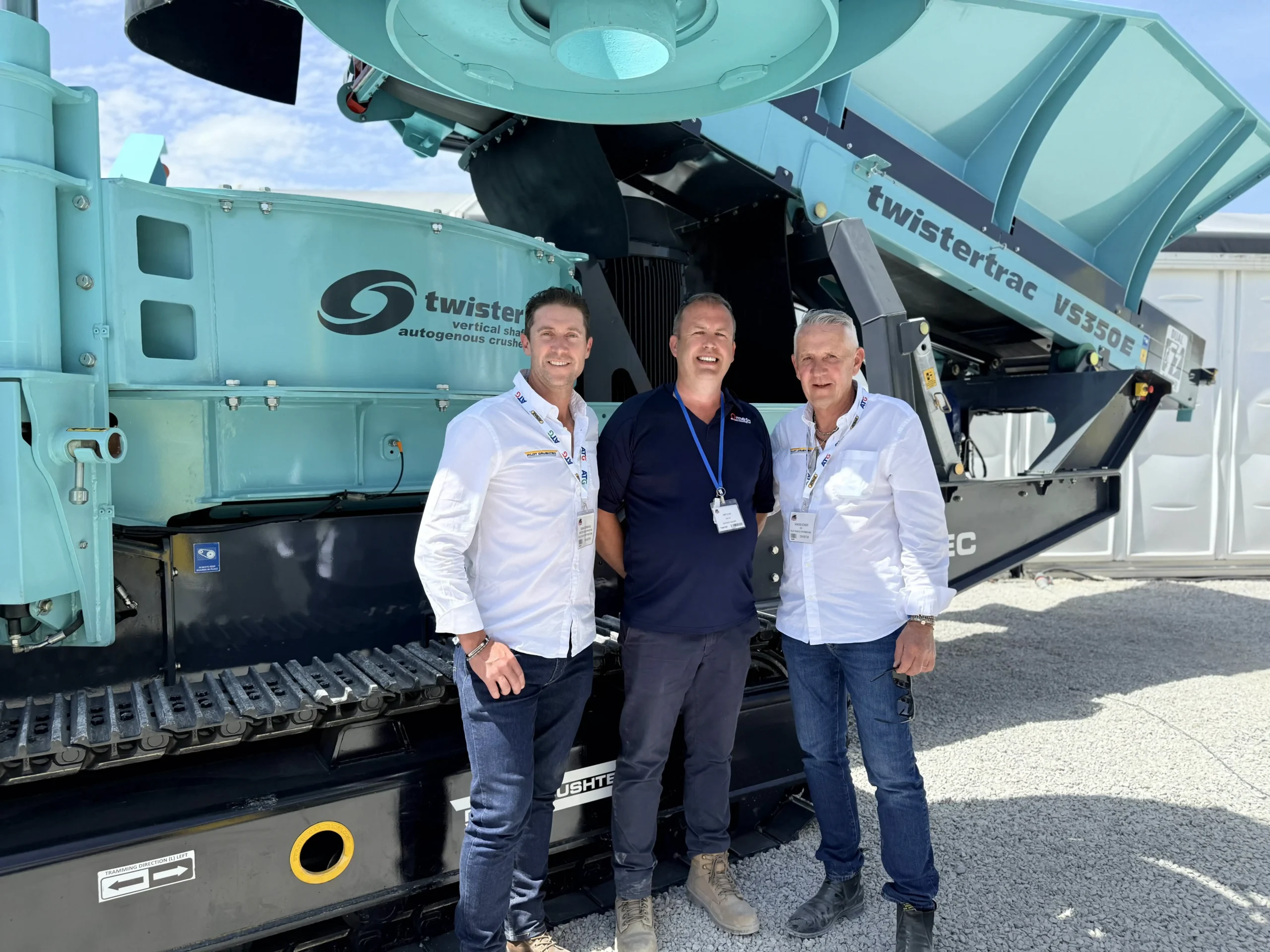
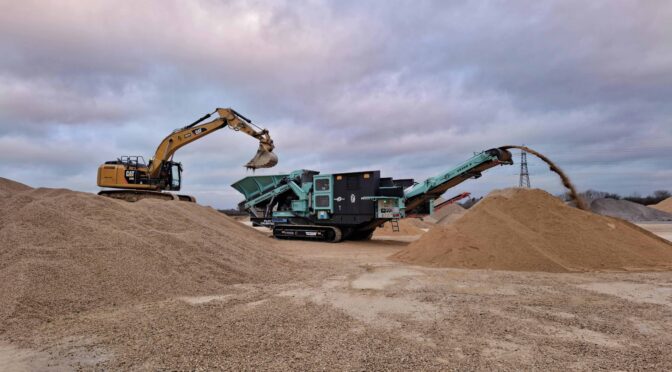
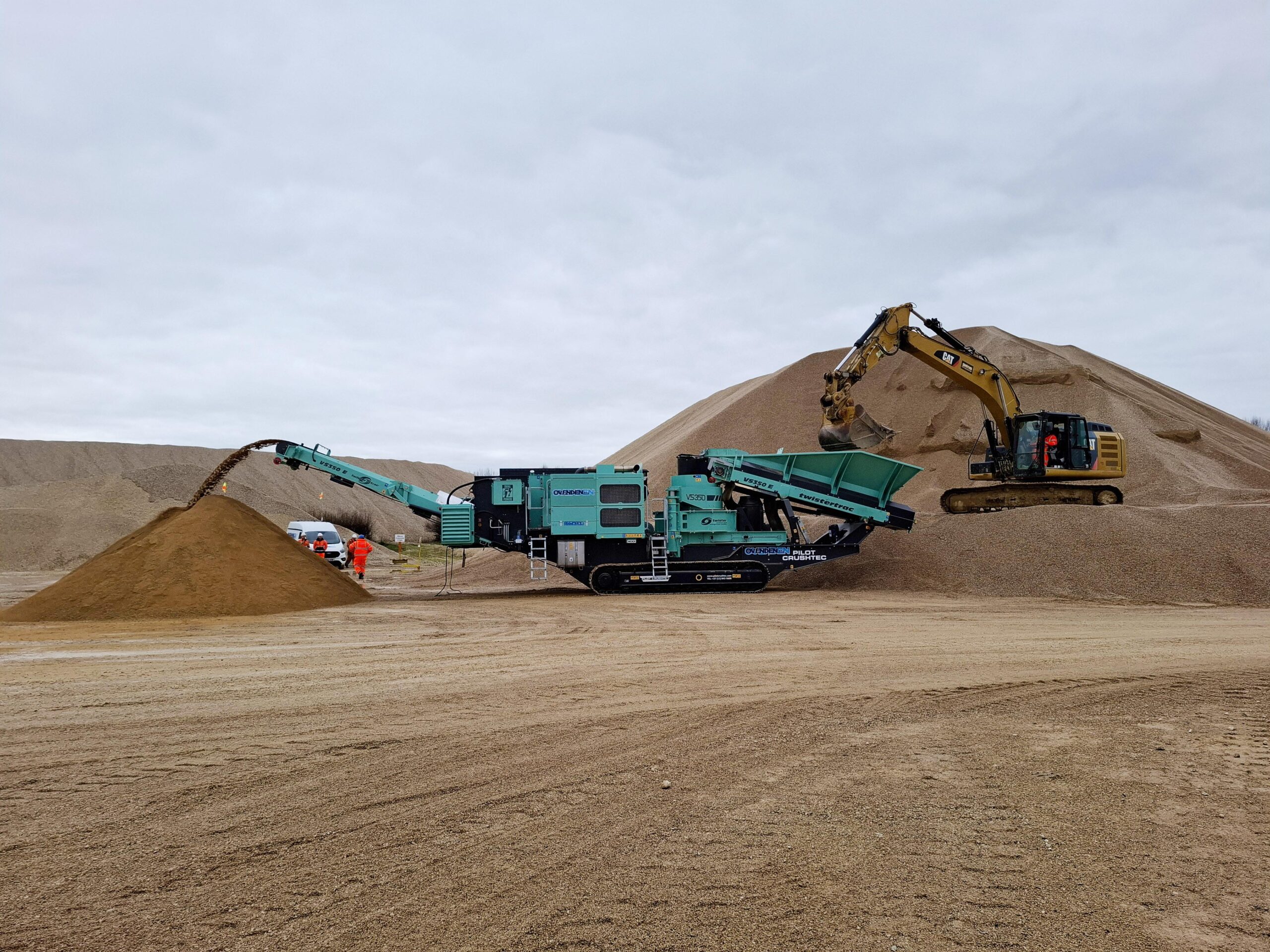
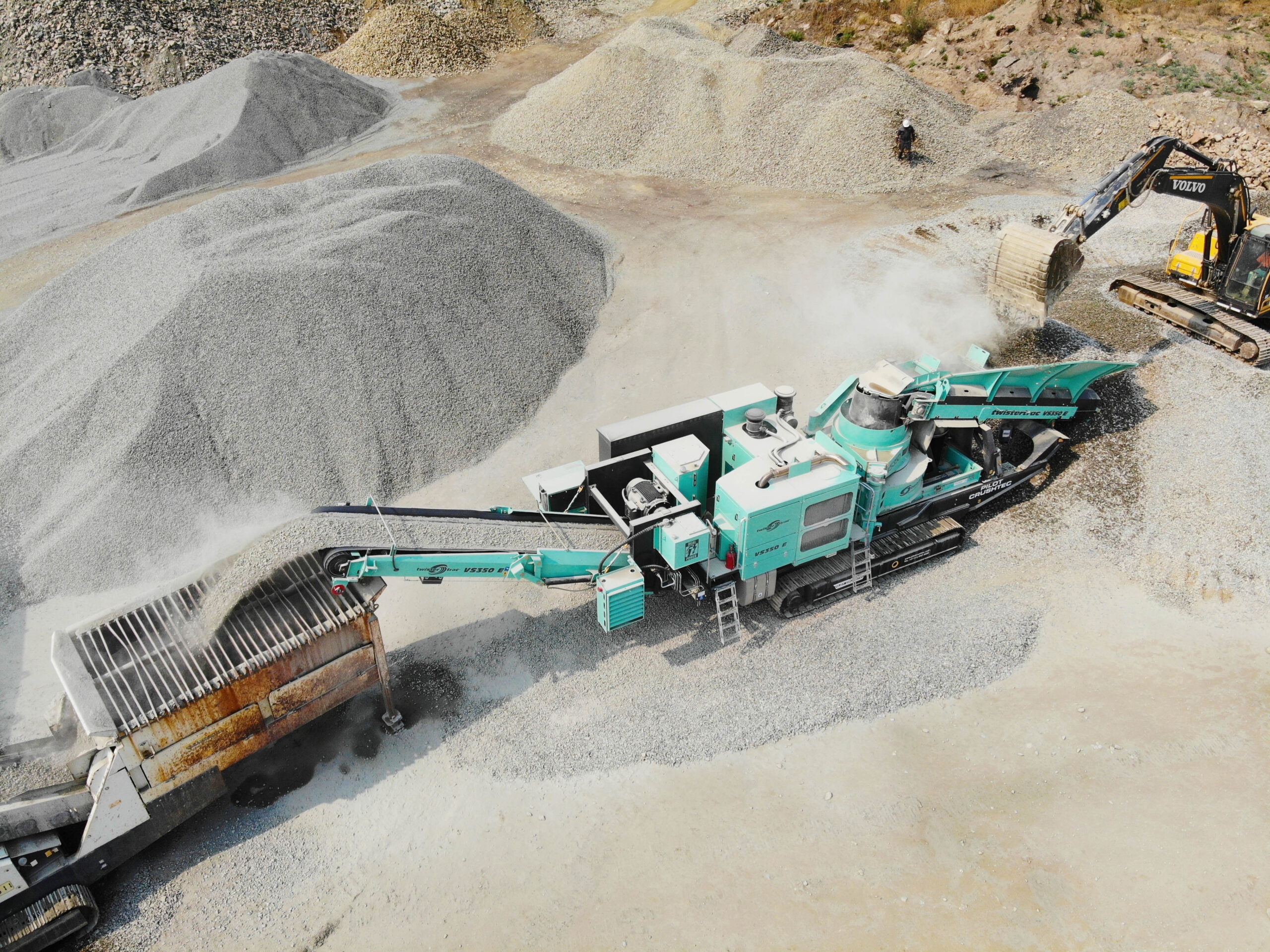
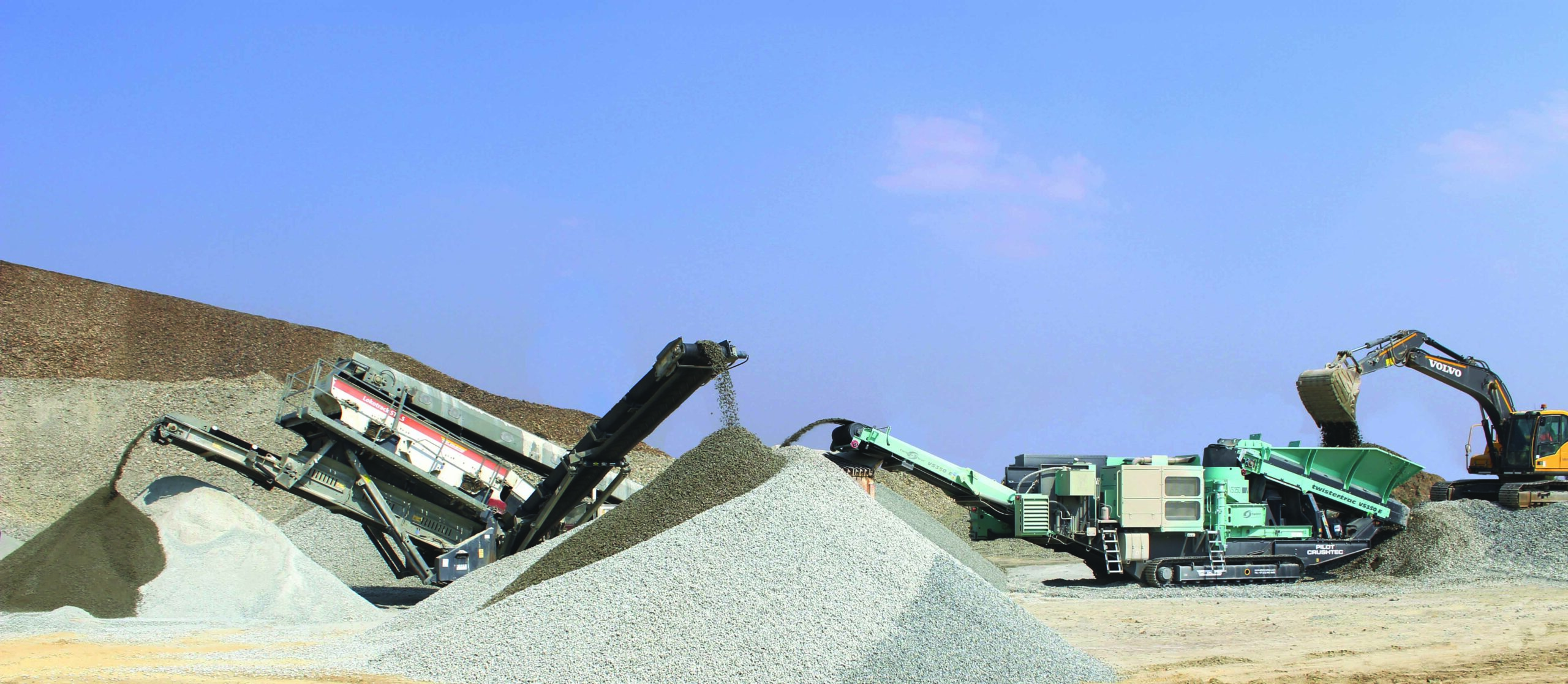
Pilot Crushtec’s longstanding relationship with leading UK contractor Ovenden Earthmoving Co Ltd has been strengthened with the successful delivery and operation of the latest generation TwisterTrac VS350E mobile vertical shaft impact (VSI) crusher.

Ovenden Earthmoving, based in Canterbury, Kent, has built a reputation since 1985 as a trusted partner in earthmoving, crushing, recycling and sea defence projects. The company’s longstanding trust in Pilot Crushtec’s VSI technology goes back more than a decade, with a 2008 TwisterTrac AC210 model still in operation.

As Ovenden Earthmoving looked to boost productivity and enhance environmental performance, the decision to invest in the TwisterTrac VS350E was a natural evolution. The new machine brings significant advantages including a Stage 5 Volvo engine that reduces emissions and cuts fuel consumption by up to 40%, while increasing production rates by as much as 50% compared to the older AC210.

Shane Dolman, Operations Manager at Ovenden Earthmoving, says the TwisterTrac VS350E has already demonstrated its value. “We recently put the machine through its paces processing limestone pebble in wet conditions with moisture content exceeding 6%. The results were exceptional with the machine converting what was previously unsellable material into high-demand sand,” he explains. “From 6mm feed, we achieved 60% under 2mm product. Even with 10mm feed, nearly half the output was under 2mm. This has opened new commercial opportunities for us.”

Ease of use was another critical factor. Operators quickly adapted to the TwisterTrac VS350E thanks to its intuitive start-up panel and lack of complex PLC systems. The machine’s onboard annunciator display keeps operators informed with clear LED indicators for any faults, while its automatic lubrication system simplifies daily pre-start routines.

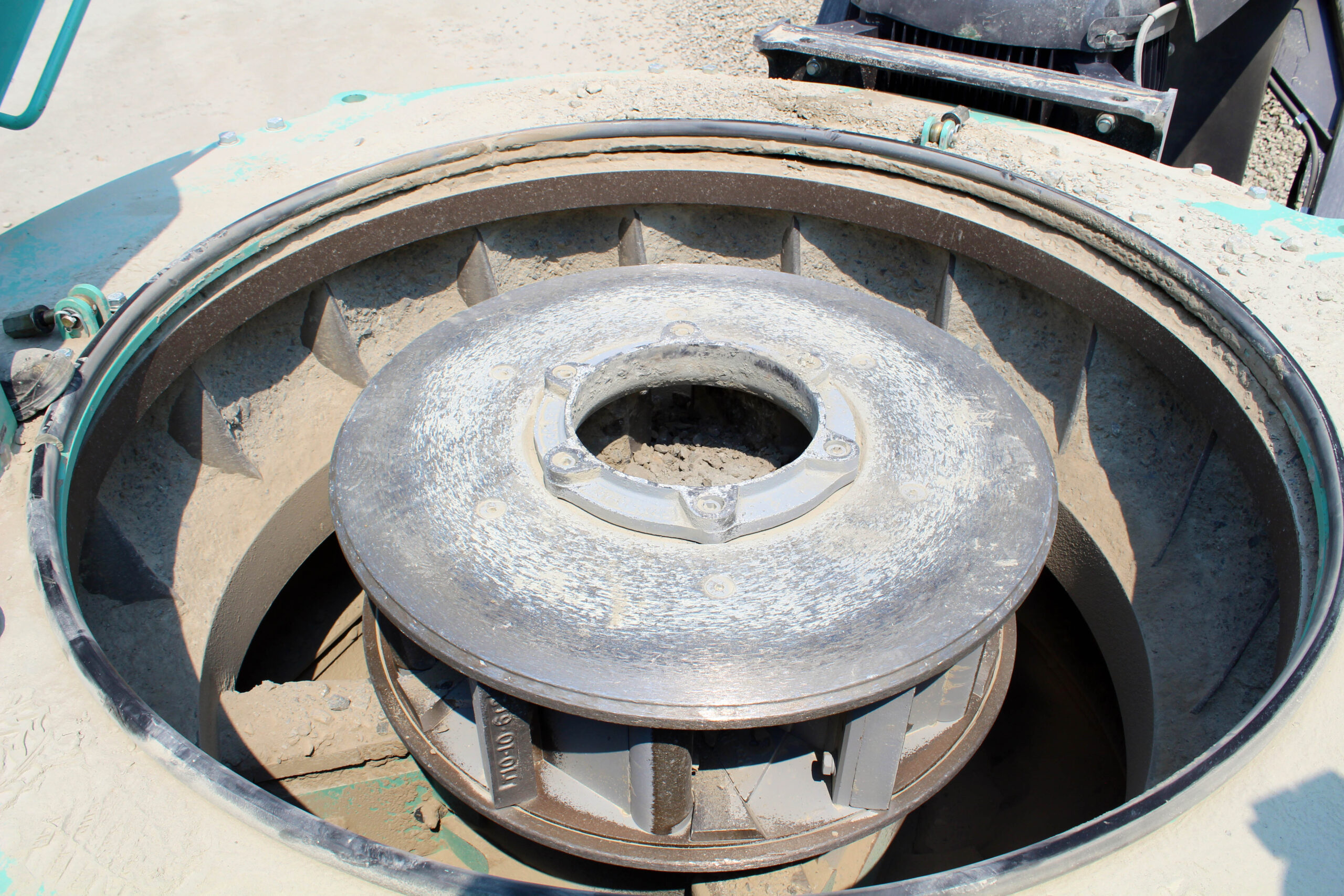
“Maintenance and inspection have also been transformed,” says Dolman. “The ability to open the crusher housing in under five minutes for rotor inspection without running the diesel engine is a gamechanger. It is safer, faster and more efficient.”

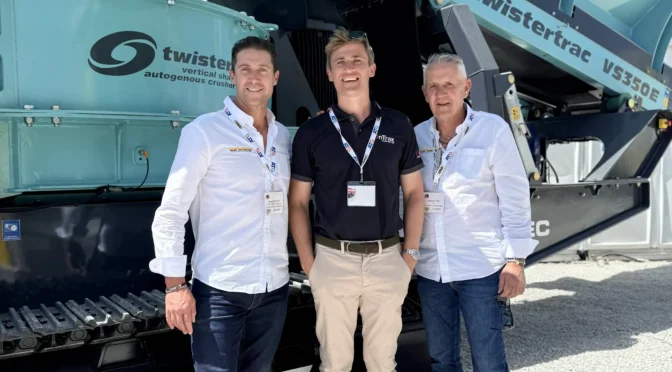
Pilot Crushtec’s Director Sales and Marketing, Francois Marais, highlights that the success of the TwisterTrac VS350E at Ovenden Earthmoving is exactly what the machine was designed for. “We wanted to deliver not just more power and higher production but smarter more sustainable crushing solutions. The load sensing system dynamically adjusts feeder speed to maintain optimal engine load, reducing fuel spikes and improving overall efficiency. And the ability to connect to grid power makes the VS350E even more cost effective and environmentally responsible,” he says.

The TwisterTrac VS350E is equipped with advanced rotor balancing for improved stability and longevity and the machine features variable speed control to finetune output sizes and shapes according to the customer’s specifications. 

The positive pressure system prevents dust ingress into electrical panels, adding further reliability and reducing long term maintenance. Additionally, the machine’s hydraulic lift and rotate system for rotor and table access streamlines serviceability.

Marais also points to the versatility of the TwisterTrac VS350E. “This machine is designed for multiple applications from sand manufacturing and shaping of aggregate to recycling and industrial minerals crushing. In addition, the modular design allows customers to adapt easily to different requirements without needing multiple machines,” he says.

With the successful deployment of the TwisterTrac VS350E, Ovenden Earthmoving has reaffirmed its trust in Pilot Crushtec’s innovation and reliability. As the demand for more environmentally conscious cost effective crushing solutions grows, this relationship continues to stand as a testament to forward-thinking investment and technology leadership.

FAKE PARTS PUT CRUSHER AND SCREEN OWNERS AND STAFF AT RISK 

Genuine parts for crushers and screens are an essential part of the promise that OEMs make to the market – to keep their customers’ projects profitable and their businesses sustainable. 

On the other side of the coin, however, are the risks that non-genuine, counterfeit or fake parts place on operations, according to Francois Marais, Sales and Marketing Director at local Metso distributor Pilot Crushtec.

“OEMs like Metso spend decades developing and supporting technologies that provide customers with reliable and high performance solutions for crushing and screening,” says Marais. “However, this work is quickly undone when non-OEM parts are installed in our equipment, supposedly to save a few rand in maintenance costs.”

He highlights that the performance and reliability of Metso’s high-tech equipment is based on its proven design and precision engineering – which includes the various components and wear parts that must be replaced from time to time. Copied parts from other sources do not carry this technical heritage, and simply undermine performance and reliability, he says.

It also erodes the value of the relationship that OEMs work so hard to build with their customers, explains Merja Tyyni, Vice President Aftermarket Distribution Management Metso. 

“Our customer relationships focus on the whole process of delivering value to their operations,” says Tyyni. “We pay attention to the end-product value, where we can supply not only the appropriate capital equipment, but also the follow-up trouble-shooting, repairs and overall technical advice.”

The quality of these solutions and services is based on many years of research, development and testing – as well as continuous investment in the necessary technical infrastructure and capability to respond quickly to customer needs. However, all these efforts are compromised when customers place non-OEM parts into their machines – as the quality chain is only as strong as its weakest link.

Karima Dargaud, Head of Aftermarket Europe, Middle East, Africa and Central Asia Metso, points out that OEMs have in-depth knowledge of their equipment that allows customers to achieve results which are both optimal and predictable. 

“Our OEM spares are an essential aspect of the support we provide, so that customers can reliably meet their production targets and avoid costly penalties,” says Dargaud. “Customers build their reputations on this consistent performance, by producing the right results safely, on time and within budget. Using non-OEM spares only puts this reputation at risk, as machines then become unreliable.”

Marais also points to the all important safety considerations of not using the specified parts in crushers and screens, emphasising that there are extreme forces and speeds at play – especially in crushing equipment. Metso wear parts have been designed and manufactured with specialised material and hardening techniques, for instance, to ensure both safety and performance.

“Fake parts will compromise worker safety, as there are normally a number of people in close proximity to this equipment who could be affected by a failure,” he says. “A business that buys and fits pirate parts runs the risk of sending a negative message to its operators – that saving money is more important than the safety of crews on site.”

LARGEST PILOT MODULAR AGGREGATE PLANT COMMISSIONED IN THE DRC  

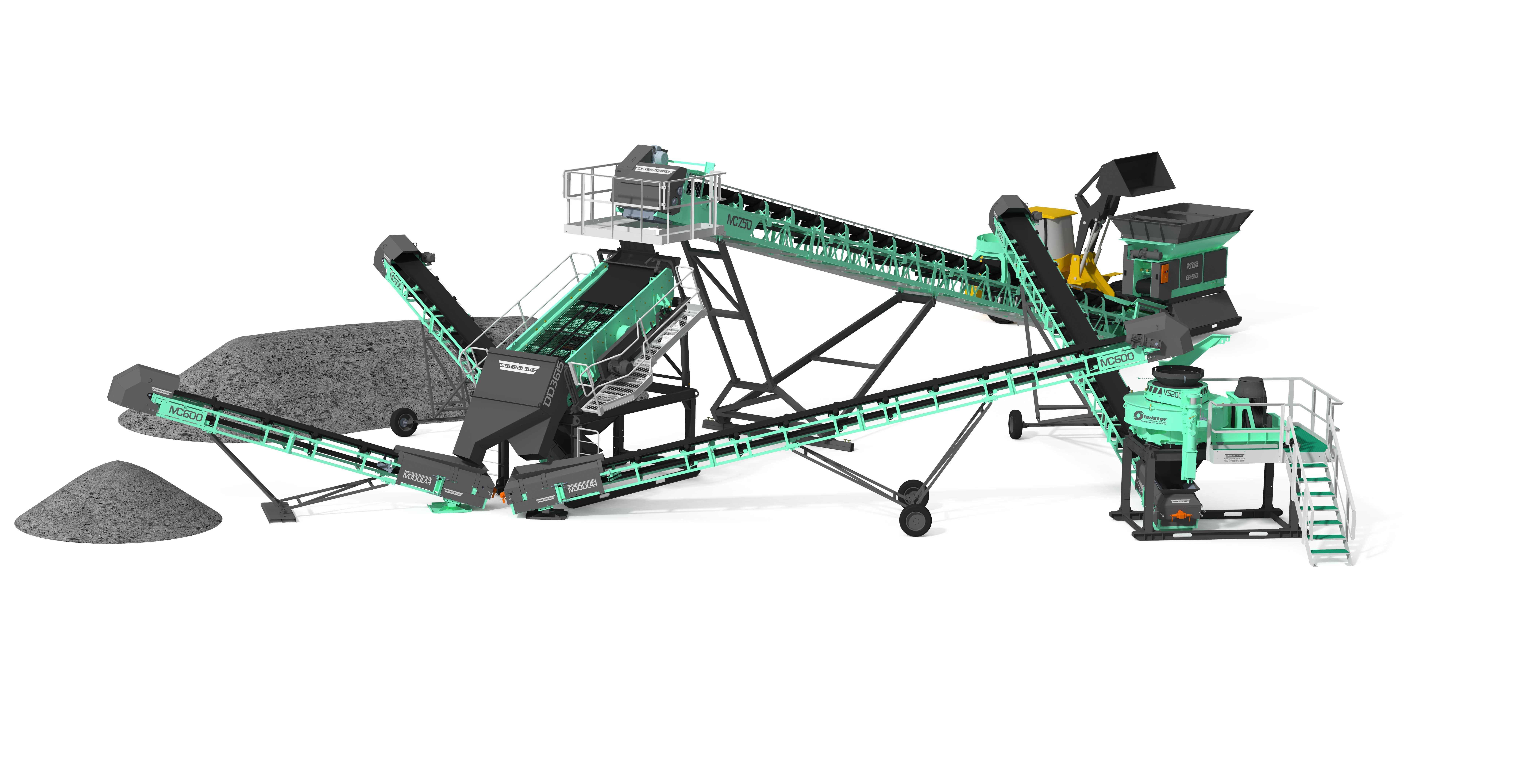
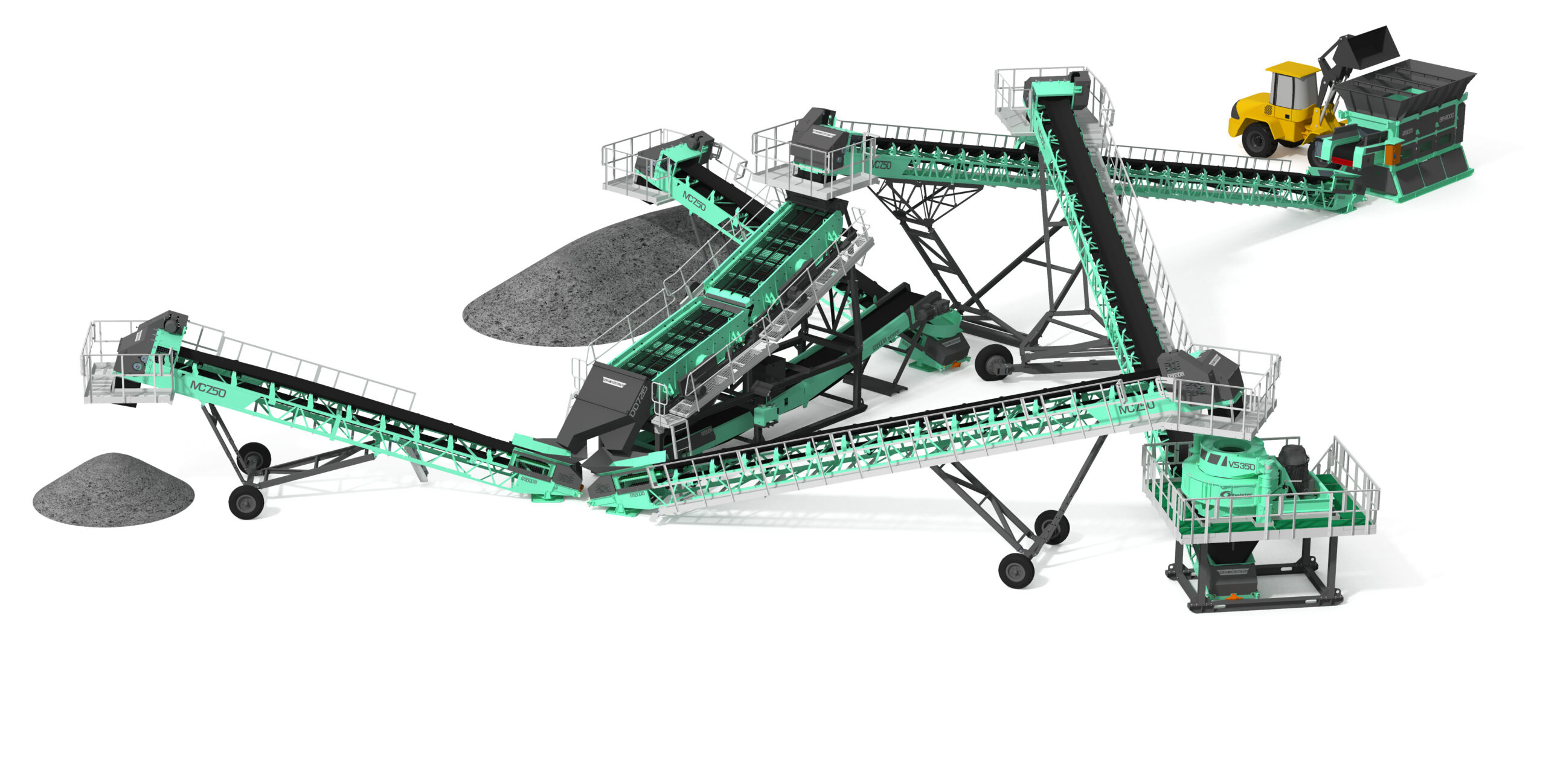
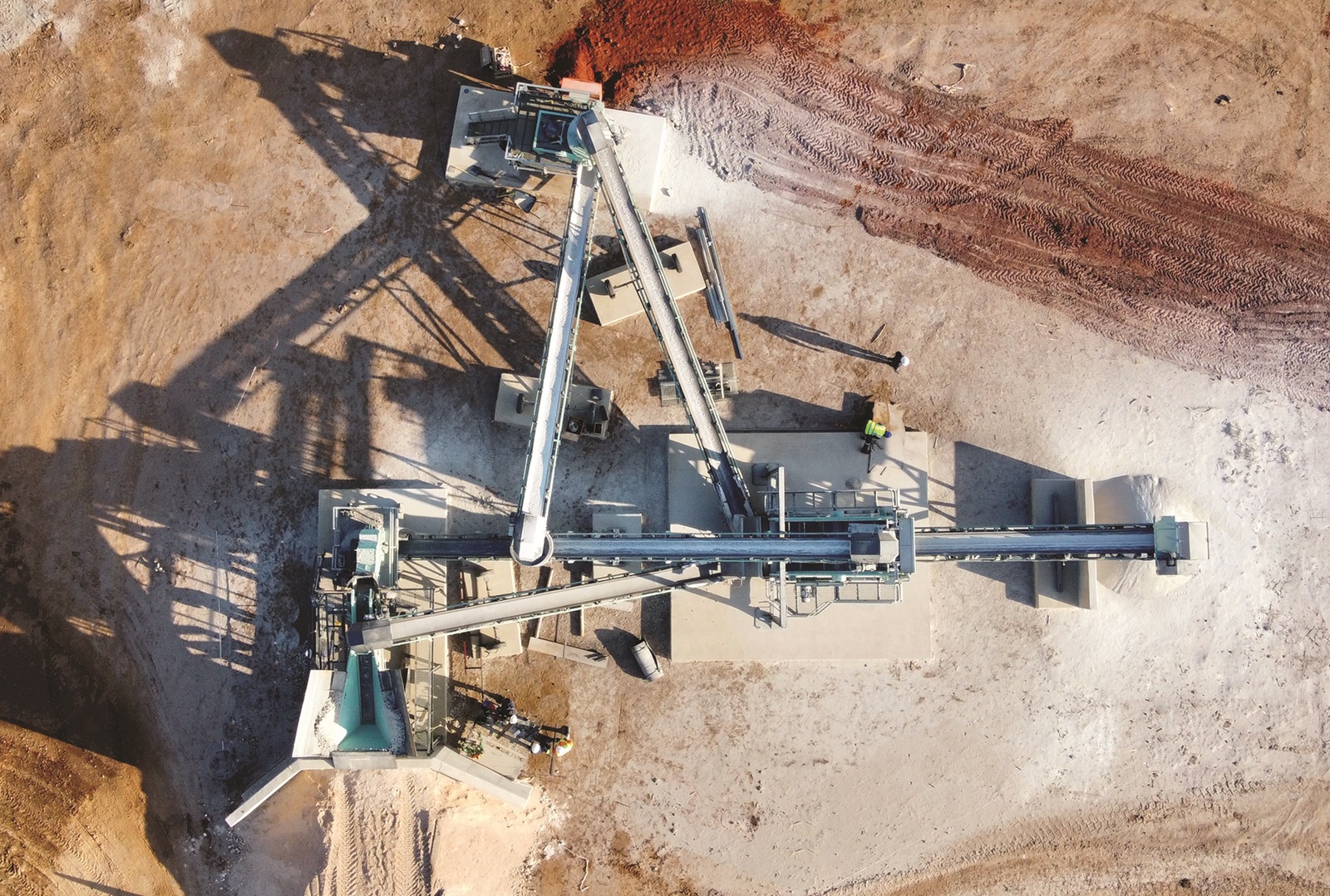
In a milestone project, Pilot Crushtec International has commissioned its largest ever Pilot Modular plant. Supplied to produce five aggregate sizes for an existing customer in the Democratic Republic of Congo (DRC), the plant is designed to produce 350 tonnes per hour (tph), with a peak design capacity of 440 tph to account for peaks and troughs in day-to-day production. 

Having operated a Pilot Modular plant for a long time, a major aggregates producer in the DRC looked no further than Pilot Crushtec when it was time to invest in another greenfields plant to meet the rising demand for aggregates in the DRC. This comes on the back of ongoing private mine expansion projects, coupled with government infrastructure development projects aimed at closing the infrastructure gap in the country. 

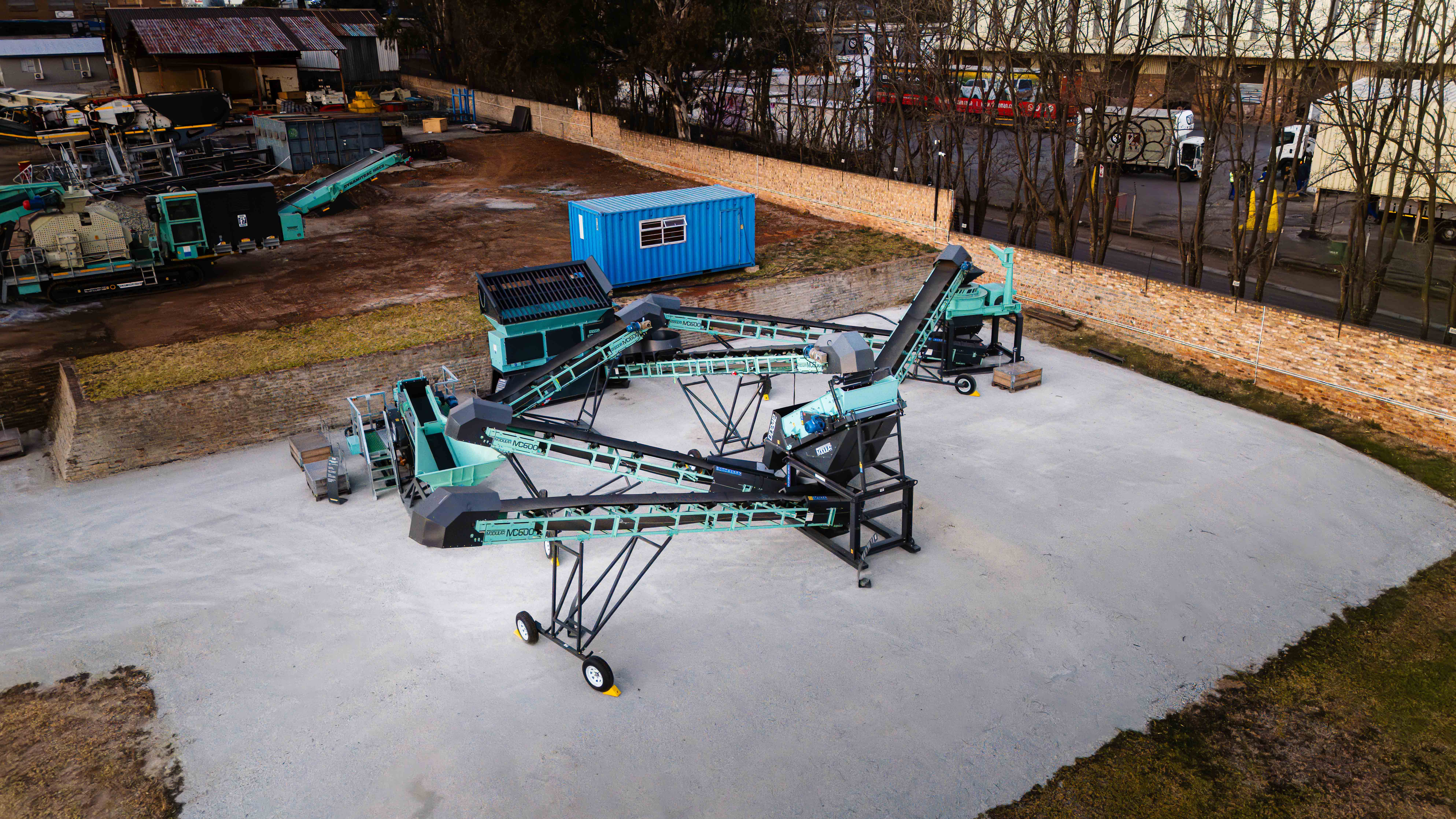
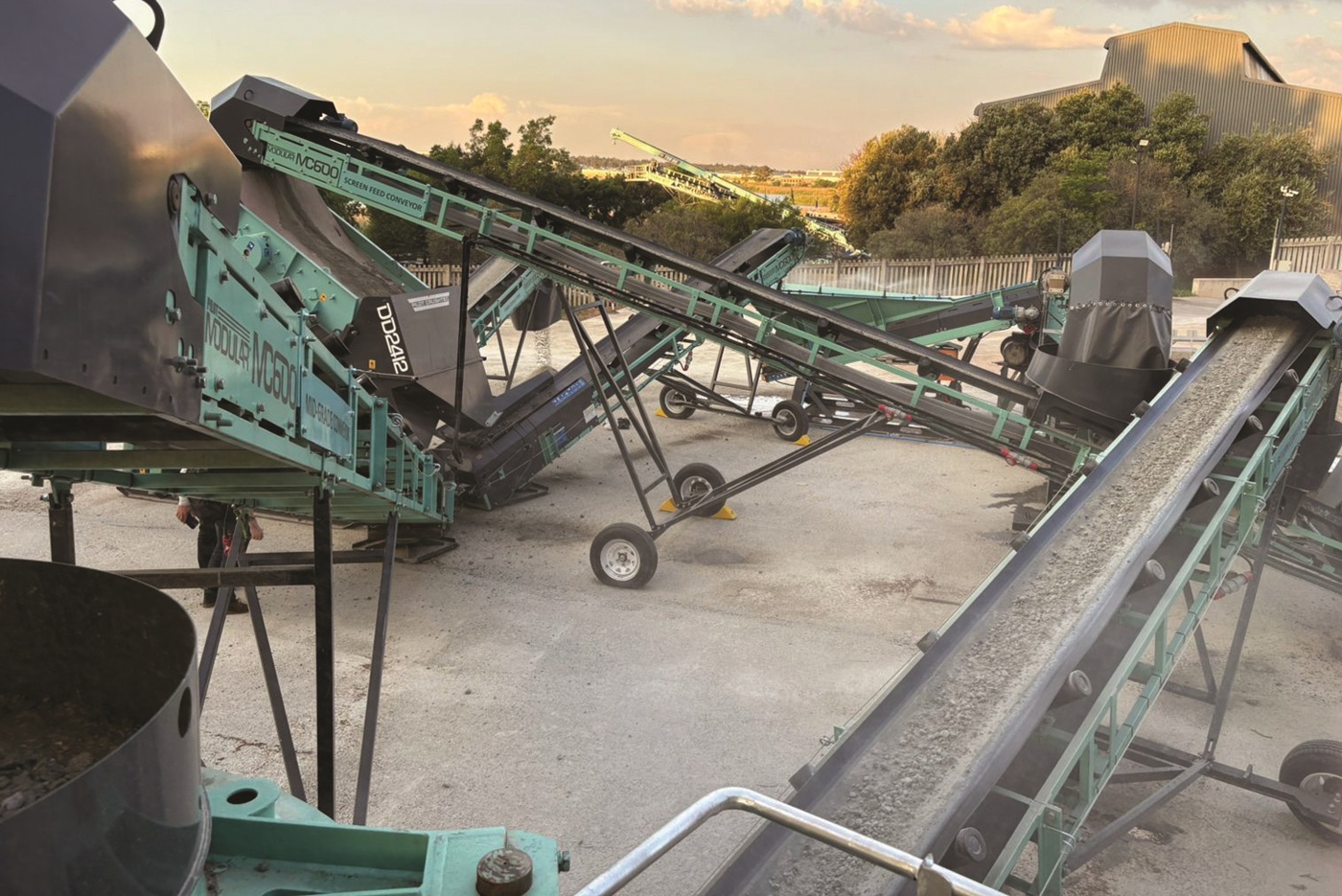
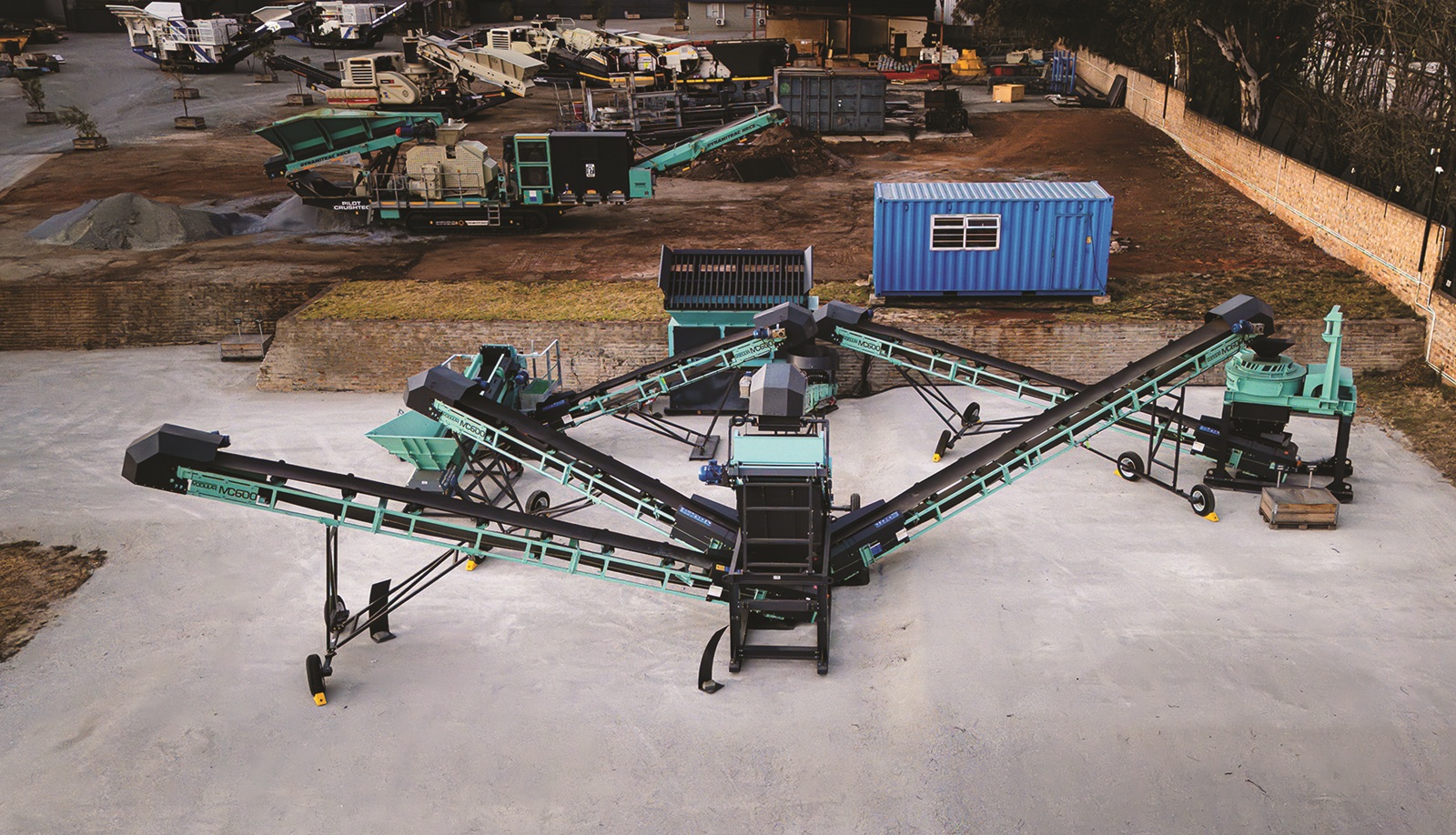
From the onset, says Wayne Warren, Sales Manager Africa at Pilot Crushtec, the customer was well aware of the benefits of the Pilot Modular solution, ranging from lower capital and operational costs compared with bespoke plants to quick lead times and flexibility to operational changes. Pilot Modular systems are readily available modules that can be deployed to site rapidly and operational within a short space of time. 

“To provide context, this particular plant was delivered within about four-and-a-half months of its order, while the erection, assembly and commissioning took a further three months, highlighting the short lead times for which the Pilot Modular concept is renowned,” says Warren. 

For this plant, says Warren, Pilot Crushtec did not ‘reinvent the wheel’; the company largely used standard proven off-the-shelf products from its Pilot Modular range. The primary crusher is a Metso C120 jaw crusher, which takes a maximum feed size of 700 mm. From the jaw, material goes into the TKG 16 modular scalping screen. Incorporating the TKG 16 modular scalping screen allows for maximising the efficiency of the secondary crusher’s capacity by taking out fines just after the jaw crusher, especially considering that the environment is notorious for having a lot of fine material in the feed. 

Oversize material (plus 90 mm) from the TKG 16 modular scalping screen is sent directly to the secondary cone crusher, a Metso HP300, a high capacity machine known for not only its ability to take large feed sizes but also its large throw which provides for a decent material shape at the secondary stage of crushing. 

“Making use of Metso HP cone crushers and correct reduction ratios ensures that the end product has the best possible shape without having to deploy a vertical shaft impact (VSI) crusher,” says Warren. 

From the HP300, material is sent to a twin surge hopper comprising two Pilot Modular MFH25 feed hoppers. From here, material is fed onto two separate screens, the Pilot Modular Metso CVB2060-3M units, where fines are further removed. Any oversize material is recirculated to two Metso HP200 cone crushers via two MFH25 surge hoppers located on either side of the two screens. From the HP200 crushers, material is conveyed back to the two screens for final screening, where four product sizes – 0-6 mm, 6-10 mm, 10-15 mm and 15-25 mm – are stockpiled. 

While both delivery and commissioning were on time, the logistical process of transporting such a large plant to the DRC was not without its challenges. “The biggest hurdle was that the plant constituted a lot of equipment – it is the biggest we have ever done. We therefore had to split the delivery into three shipments comprising between 10 to 12 trucks per shipment to free up space in our workshop,” explains Warren. 

In addition, transporting the plant to site came with its fair share of challenges, especially the border-related delays. Making use of two transporters with knowledge of this challenging logistical environment was helpful. “Cross-border shipments to the DRC are also not new to Pilot Crushtec. We have experienced personnel to manage this, while the customer helped with pre-clearance and all the other necessary paperwork in the DRC. Close collaboration between Pilot Crushtec, the customer and the transporters was key to smooth delivery in the face of several challenges,” he says. 

In such an environment where logistics can be a nightmare, the customer keeps a sizeable inventory of most critical wear and spare parts on site to avoid possible production disruptions. With most of the equipment on the new plant very similar to what is on the customer’s existing plant, parts commonality increases operational flexibility and reduces procurement and logistical costs for the customer. 

“This project is testimony that the Pilot Modular concept works well for the African environment where large infrastructure projects are on the go and suppliers need their crushing and screening solutions as a matter of urgency. The Pilot Modular solution is quick to deploy and set up, while it does not need a whole lot of civil works and extensive infrastructure to set up,” concludes Francois Marais, Sales and Marketing Director at Pilot Crushtec. 

DOPPIATRAC DR400 – NEXT GENERATION DOUBLE-ROLL CRUSHING SOLUTION FOR COAL APPLICATIONS

The DoppiaTrac DR400 is a track-mounted self-driven, feeding, crushing and stockpiling machine, that is purpose-engineered to tackle medium to hard bituminous coal applications. This innovative crushing solution, manufactured by Pilot Crushtec, features a custom-designed 3636 double drum roll and has been making its mark on coal operations where it has established a reputation for superior performance and efficiency.

Capable of processing feed sizes up to 180 mm, the DoppiaTrac DR400 guarantees precise product sizing in a single pass, delivering material as small as 35 mm without the need for additional screening. The machine operates with a unique crushing action that minimises fines generation, setting it apart from conventional impact crushers.

This fully mobile crusher is designed for ease of transport and quick setup, making it a highly flexible solution for site operations. It can operate independently when loaded by front-end loaders or can be integrated seamlessly into a crushing train, allowing communication between upstream and downstream equipment for optimal performance.

At its core, the DoppiaTrac DR400 is powered by the latest generation Volvo engine, providing a highly efficient crushing process that consumes minimal energy per ton produced. Additionally, the crusher’s low transport weight and compact design enhance its mobility, while the machine’s robust construction ensures it meets the demands of mining environments.

The DoppiaTrac DR400 features a heavy-duty belt feed hopper with a capacity of approximately 6 m³. It is equipped with a low-level drop-down rear feed flap and can be fed from the side by a front-end loader or from the rear by a primary mobile crusher. The robust feed belt is built with durable materials, including a Class 630/4 ply belt with a 5 mm top cover, ensuring reliable performance under tough conditions.

One of the standout features of the DoppiaTrac DR400 is its tailored double-roll crushing action, designed to minimise fines. Unlike impact crushers that produce excess fines through high-energy impact, the double-roll crusher maintains a constant gap, using only the necessary energy to break material down to the desired size. When operating at full capacity—up to 400 tons per hour—the efficiency is further enhanced as the feed material enters the crusher at the same speed as the spinning drums, minimising attrition and friction.

The machine is equipped with a 1.2 m wide conveyor belt, designed for hydraulic folding during transport and offering a stockpile height of up to 3.7 m, providing ample capacity for coal stockpiling. 

The DoppiaTrac DR400 is mounted on a crawler track system for optimal site mobility. Radio remote control ensures easy tracking, with an optional pendant control box also available for added convenience during site operation.

With its cutting-edge technology, robust design and focus on efficiency, the DoppiaTrac DR400 is the ideal solution for operations requiring reliable high performance crushing in coal applications.

METSO LT300HP CONE CRUSHER CLOCKS 30 000 HOURS AND COUNTING

As is customary with Metso equipment, in another show of unparalleled longevity, a Metso LT300HP mobile cone crusher owned and operated by Danoher Group, a leading mining contractor in southern Africa, has clocked more than 30 000 hours, and counting. 

Acquired in 2012, the Metso LT300HP mobile cone crusher is currently deployed at a job in Mbombela, Mpumalanga, where Danoher Group is contracted to produce 350 000 tonnes of road stone for the rehabilitation and upkeep of the N4 Toll Concession. 

Previously, the machine has been deployed on some flagship projects in South Africa and Botswana. In the past 12 years, the machine has been in Botswana on four occasions, where it executed some major projects at flagship mines such as Debswana’s Orapa Diamond Mine and Khoemacau, a long-life copper-silver mine located in the Kalahari Copper Belt. In addition, it has also been deployed at Danoher’s own Kgale Quarry in Gaborone.

With just over 30 000 hours on the clock, the machine is one of the several Metso units in Danoher’s crushing and screening fleet with such a long lifespan. In fact, says CEO Scott Danoher, the company has neither retired nor scrapped a single unit in the past 15 years, shining the spotlight on its drive to achieve extended operational lifecycles out of its capital assets and a testament to the quality of the Metso products. 

Danoher Group places value on several factors when investing in capital equipment, such as standardisation of equipment and relationships with suppliers. However, one of the principle factors that informs the company’s buying decisions is equipment longevity. While there are various elements that influence longevity, Danoher stresses that the fundamental ‘raw material’ is the design of the machine, which is why the company trusts Metso for its comminution equipment needs. 

“We do not necessarily buy a crusher or a screen, for example, for whatever amount, we buy the number of hours that the machine gives us,” says Danoher. “For us, it is also not about the price tag, it is more about the cost per tonne or cost per hour – ‘cradle to grave’, which is a totally different approach. We are prepared to pay a premium upfront in exchange for, say 30 000 trouble-free hours out of our crushing equipment.”

By sticking to a trusted brand like Metso and Pilot Crushtec as well as implementing proactive maintenance strategies, Danoher Group not only extends the operational lifespan of its capital assets, but also optimises equipment performance, minimises downtime and reduces costs to ensure smooth and efficient operations. 

“Proper maintenance and care throughout the lifespan of equipment significantly contribute to its longevity. To get the best out of our maintenance efforts, we largely use Metso OEM parts and spares from Pilot Crushtec International,” says Danoher. 

Over the years, Danoher Group and Pilot Crushtec, the Metso dealer in southern Africa, have built a strong working relationship. “Relationships play a crucial role in what we buy. For us, Pilot Crushtec are more than just suppliers: they have become trusted business partners,” concludes Danoher.

STAGE V POWERED TWISTERTRAC UNLOCKS NEW EXPORT MARKETS FOR PILOT CRUSHTEC 

Pilot Crushtec International is introducing its new generation TwisterTrac mobile vertical shaft impact (VSI) crusher powered by a Stage V diesel engine. The move to a motor that complies with EU Stage V regulations unlocks new export prospects in highly regulated markets such as Europe and North America. 

Designed and manufactured in South Africa by Pilot Crushtec, the TwisterTrac VS350E VSI has over the years gained popularity in export destinations such as Australia and New Zealand. To provide context, since 2013, Pilot Crushtec has sold in excess of 50 units with almost 90% of these deployed into export markets. 

To further grow its export sales, the company has become one of the first South African original equipment manufacturers to build a Stage V engine powered machine. Previously driven by a Tier 3 Volvo TAD1651GE engine, the new TwisterTrac VS350E VSI now comes with a Stage V Volvo TAD1382GE motor, allowing Pilot Crushtec to offer the legendary tracked VSI in emissions-regulated markets, in particular Europe and North America, as mentioned above. 

“The Stage V project has been in the pipeline for a while as part of our export focus. Our machine development strategy has always placed greater emphasis on offering exportable products and this move allows us to unlock new markets and grow our export sales. We are excited by the prospects of growth in emission-controlled markets such as Europe and North America. In addition, this project speaks to customers in some of our traditional markets such as Australia, where there is a strong focus on adopting high emissions standards,” explains Sandro Scherf, CEO of Pilot Crushtec. 

Jorge Abelho, Director Technical Support at Pilot Crushtec, says the company opted for the 13 litre TAD1382GE from Volvo because it is a powerful, reliable and economical motor built on the dependable in-line six design. The engine incorporates a suite of advanced technologies that work together to not only reduce emissions but also deliver significant improvements in power density, performance and operating efficiency. Designed for easy, fast and most economical installation, the engine’s high-tech injection and charging system with low internal losses contributes to excellent combustion and low fuel consumption. 

“Volvo has been our preferred engine partner for a while, largely because of the efficiency of their engine technology. In addition, we find them easy to deal with in terms of information sharing and guidance on the technology. To provide context, we had a technical representative from Volvo at our Jet Park workshop for a week-long factory testing, before deploying the machine for field testing in a tough crushing application with great success,” says Abelho. 

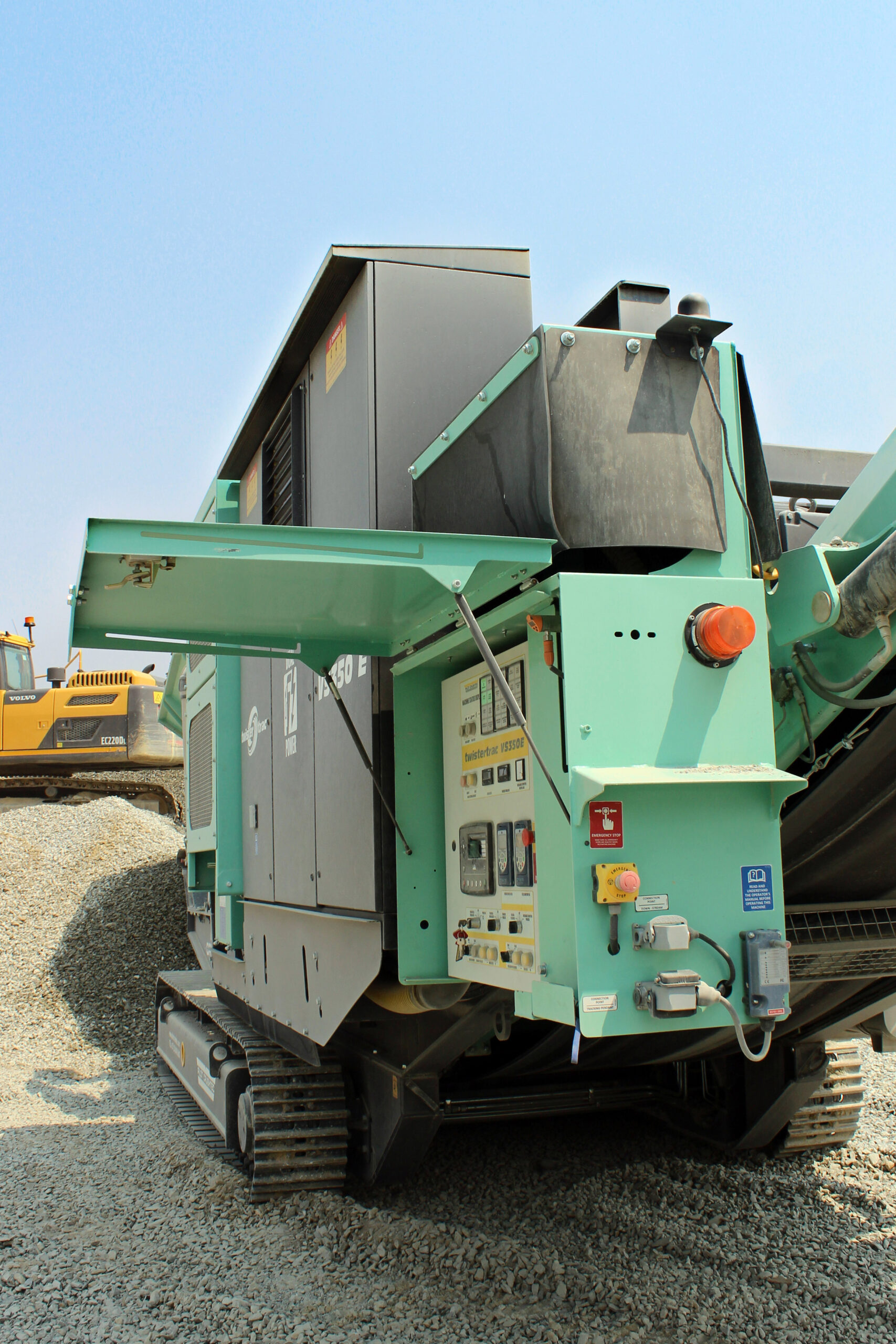
In addition to the transition to new engine technology, Pilot Crushtec took the opportunity to redesign some areas of the machine. For example, says Abelho, the machine now comes with an integrated cooling pack and the whole power pack base has become much smaller. 

“We have also re-arranged some of the key components to make the cabling and piping shorter and simpler. For instance, we have moved the operator panel from the left-hand side to the right-hand side of the machine. This reduces the number of cables required on the machine by bringing panels closer together. We have also made the operator panel easier to use,” explains Abelho. 

In addition, the size of the hydraulic tank has been reduced and the tank has been moved closer to the pumps. These refinements were informed by knowledge and feedback gained over the last ten years of operating the TwisterTrac VS350E in the field. 

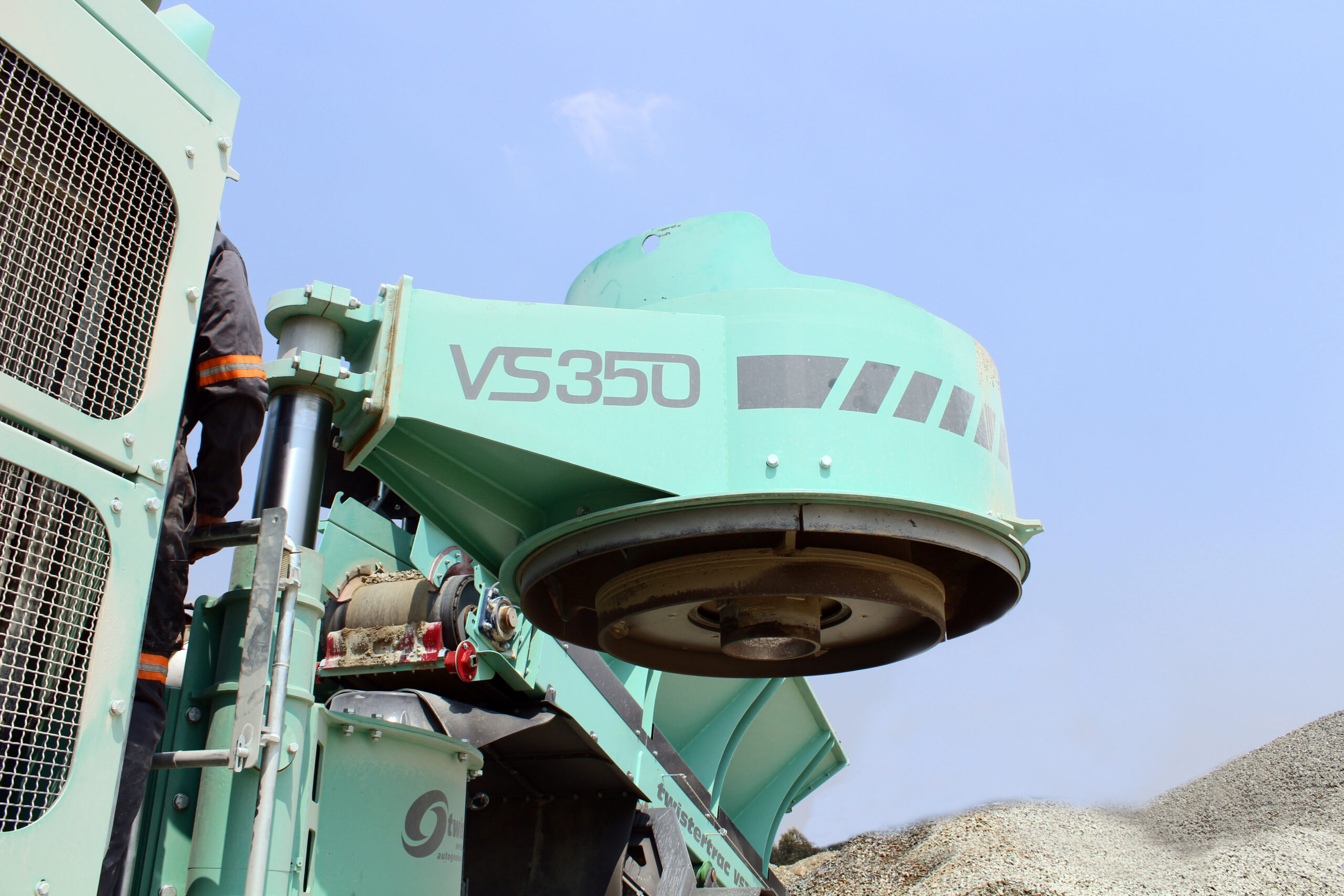
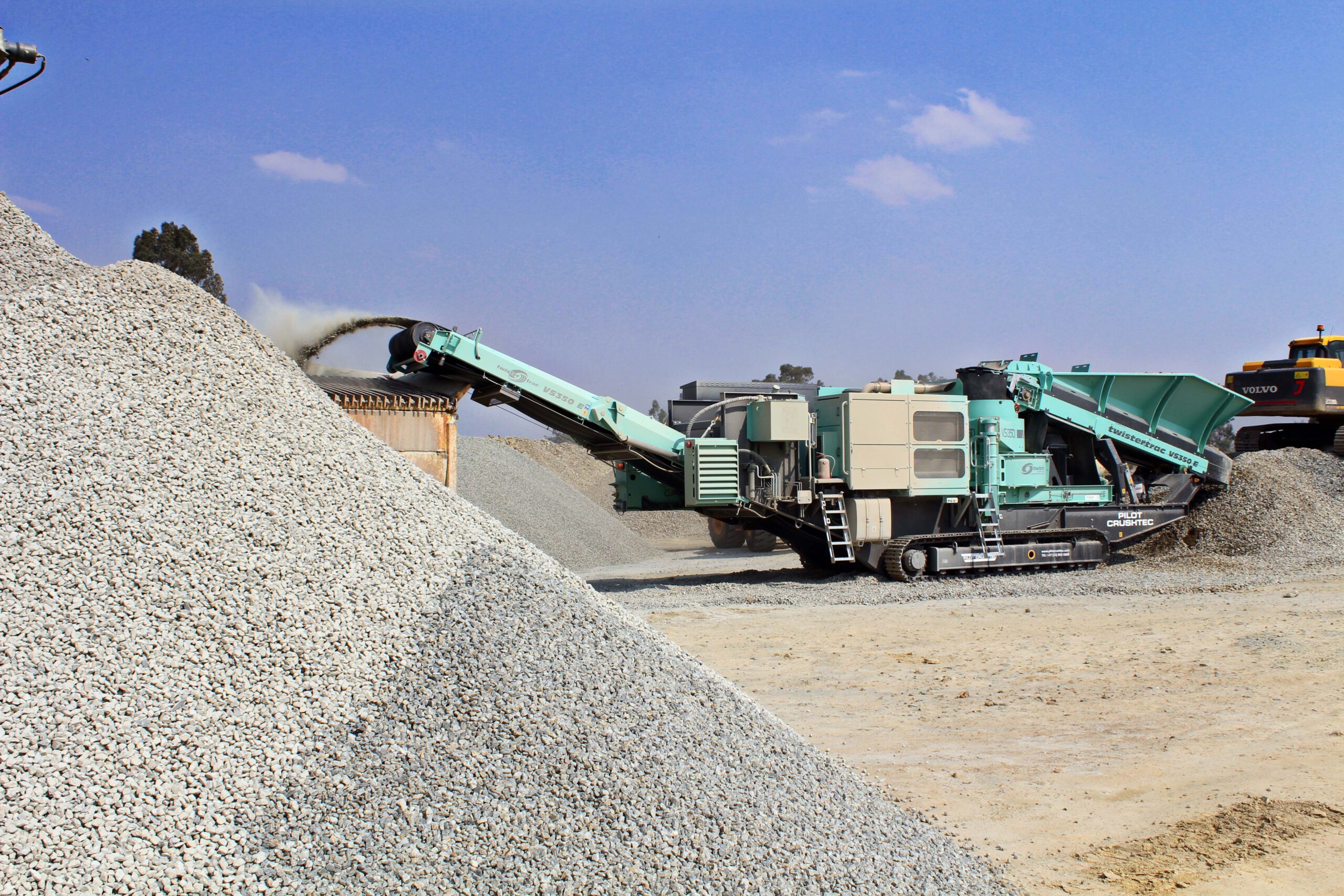
Scherf is confident that the latest developments will further entrench the TwisterTrac VS350E’s dominance in the global marketplace. Designed for tertiary and quaternary crushing applications, the TwisterTrac VS350E is renowned for its versatility, reliability and efficiency. A fully mobile track mounted VSI crusher, the machine can be easily moved between sites or within a site. Its compact design and robust construction make it suitable for a wide range of applications, including road construction, quarrying, mining and recycling.

“One of the standout features which has made this machine popular is the unique crushing concept. This uses rock-on-rock crushing principles, making it the perfect choice for producing cubical material for road and concrete aggregates. Another big advantage, which we believe will make it popular in new export markets, is that it is a diesel-electric machine, which results in increased operational efficiency, while at the same time reduces carbon emissions,” concludes Scherf. 

PILOT CRUSHTEC LAUNCHES METSO HRC™ 8 CRUSHER

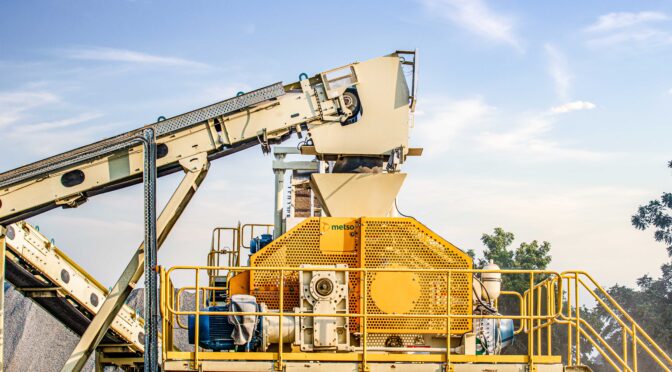
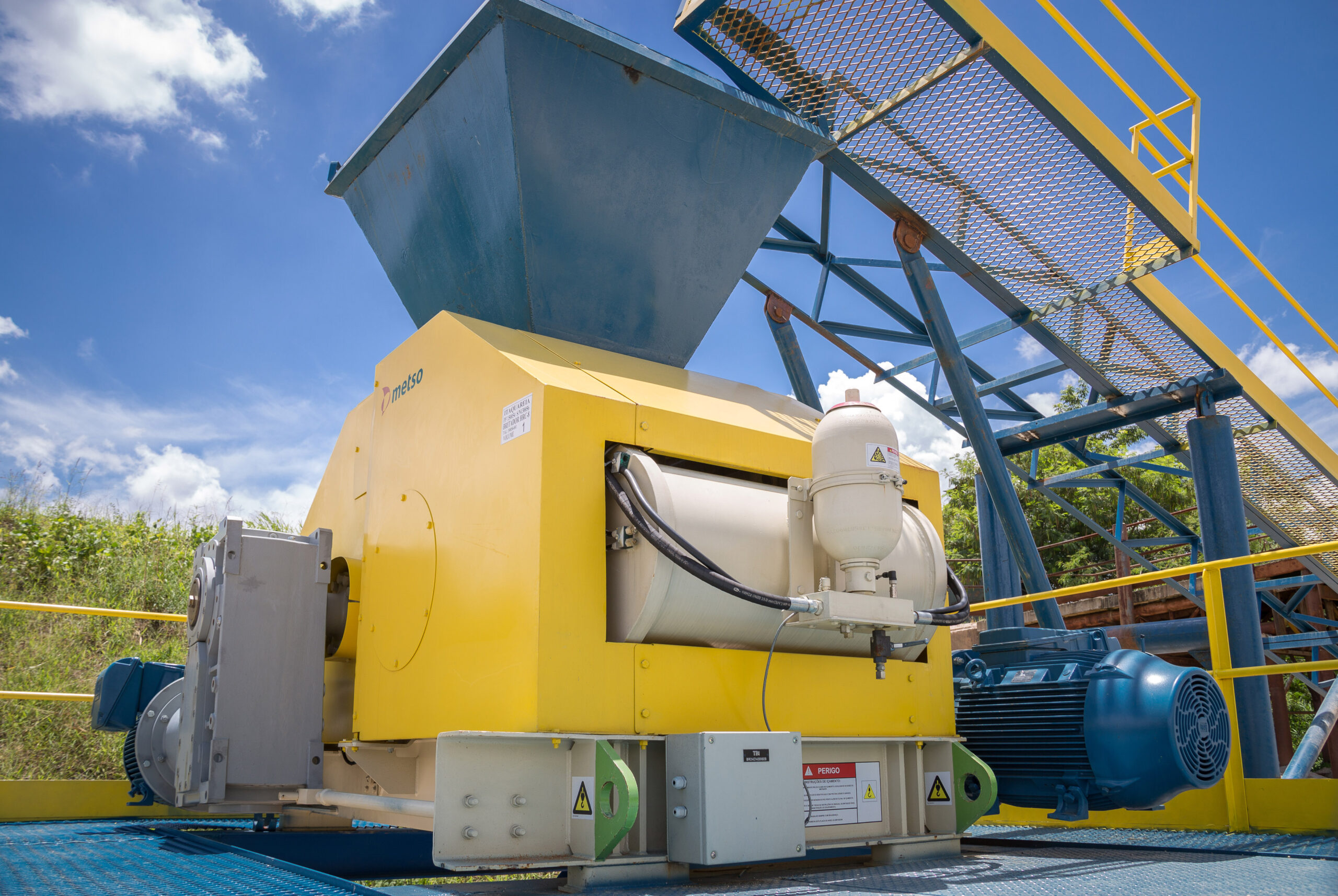
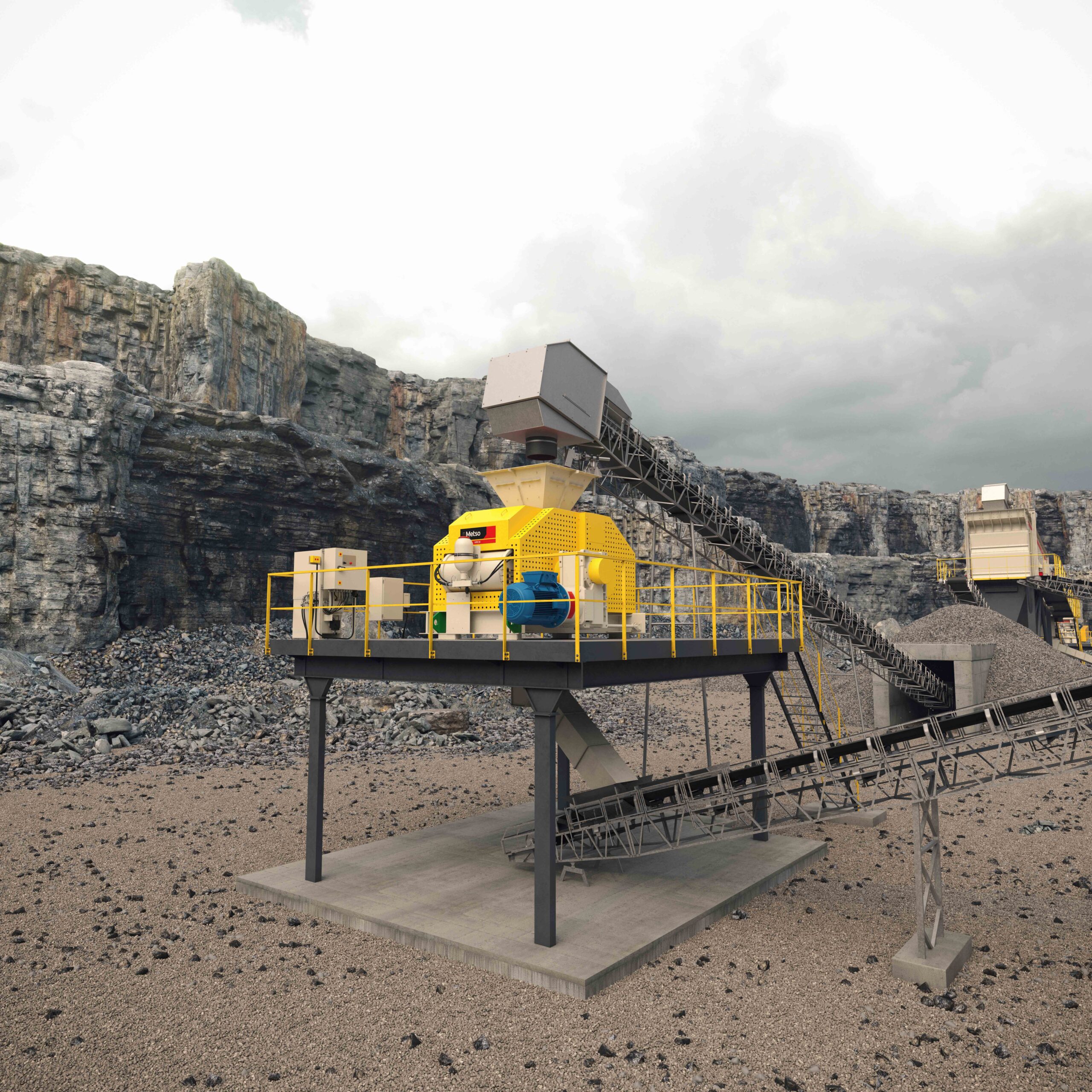
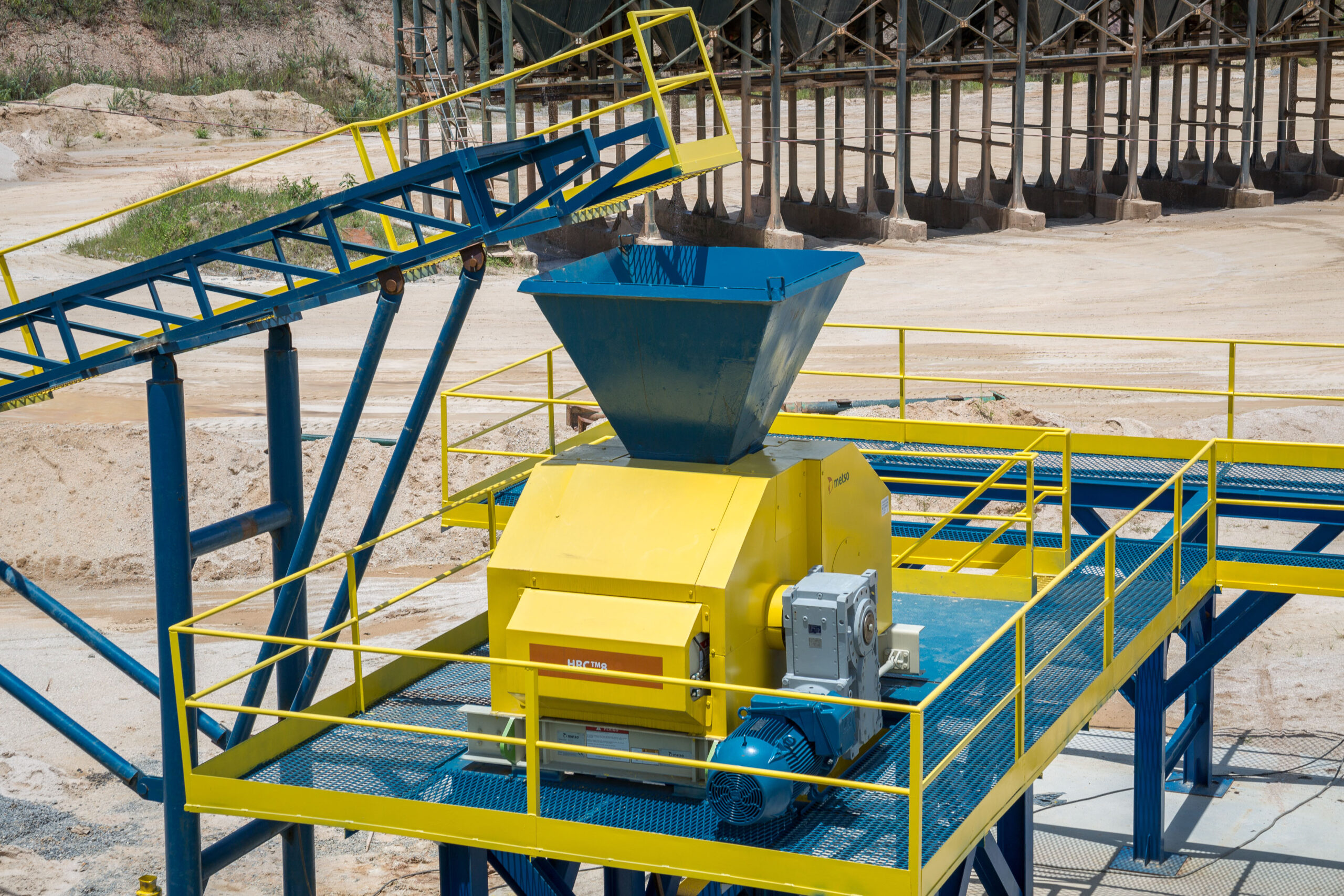
Latest from Pilot Crushtec International is the Metso HRC™ 8 high pressure grinding roll crusher for producing manufactured sand. In addition, the machine can also be deployed in the mining sector as a pre-grinder to help improve mill efficiency.

The demand for economical and efficient ways to produce crushed sand is growing, as natural sand deposits located near growth centres are being depleted and environmental regulations are becoming stricter. As a result, manufactured sand is becoming a high-demand material. The arrival of the Metso HRC™ 8 ushers in a new era for manufactured sand-makers.

The machine uses a method of inter-particle comminution by drawing in a bed of material between two rotating rollers. The rollers, one of which is in a fixed position and another one floating, generate an extremely high pressure, extruding the feed material down to the desired smaller grain sizes. 

“The HRC 8 is the ultimate solution to produce excellent quality sand that can substitute natural sand from natural deposits such as rivers. The quality of sand can be adjusted and optimised, thus reducing the amount of cement and asphalt required in concrete mixes or asphalt. The machine produces a gradation according to customer needs and delivers a perfect cubical shape for concrete and asphalt sands,” explains Oldemar Meneses, Product Manager, HRC Technology at Metso.

In addition, the HRC™ 8 can convert quarry waste into sellable product. The machine can reprocess non-sellable waste materials to correct the gradation curve and particle shape, converting them into high-value sellable products. This not only addresses the cost factor, but also speaks to the manufactured sand market’s drive for sustainable operation.

Not only is the machine suited for manufactured sand, but also for pre-milling applications across commodities such as chrome, lithium, gold, and copper, amongst others, says Francois Marais, Sales and Marketing Director at Pilot Crushtec.

“In mining, chrome and lithium will be the perfect applications for the HRC 8. In these commodities, sizing material down to a minus 5 mm size has traditionally been done with impactors. While the capital cost of using impact crushers seems lower, it is outweighed by the extremely high wear costs, especially when processing highly abrasive ores,” says Marais.

Both sand manufacturers and mines will benefit from the HRC™ 8’s increased throughput in a single pass, energy efficiency, reduced ultra fines and reduced operating costs as well as safety and ease of maintenance.

The HRC™ 8 provides a notable increase in  production efficiency. The flange design maximises the amount of material that is crushed by pulling the feed into the crushing zone. This method prevents the material passing the rollers and increases efficiency and throughput. The patented arch-frame, on the other hand, eliminates downtime caused by skewing.

The machine uses a combination of high pressure and a unique patented roller design to achieve a fine product with minimal energy input. In fact, the machine consumes up to 50% less power in sand production compared to other technologies for the same volume of net product.

“By reducing energy consumption and increasing wear life of components, the HRC 8 helps lower operational costs. Its efficient grinding mechanism also reduces the need for secondary crushing, further cutting down operational expenses,” concludes Meneses.

OPTIMISING SAND PRODUCTION WITH A VSI

As quarries seek to meet growing demand for manufactured sand, vertical shaft impact (VSI) crushers are proving to be the ultimate solution due to their ability to produce high quality manufactured sand. With a rich heritage in the design and manufacture of VSI’s, Pilot Crushtec can cater for production requirements by using various size VSI’s with an installed power from 45kW up to 315kW    

Traditionally, cone crushers have always been the most preferred crushing solution in sand making, says Wayne Warren, Africa Sales Manager at Pilot Crushtec. However, the downside is that for a cone crusher to produce sand, it needs to be set on a very tight closed side setting (CSS), which renders it uneconomical due to the resultant excessive wear.

“A very tight CSS means that the crusher works on a liner-on-material crushing concept, which is not ideal because the wear rate increases dramatically, and the shape is generally poor,”  explains Warren.

The VSI’s rock-on-rock crushing principle is more efficient in producing manufactured sand as it directly crushes the rocks without any intermediate crushing stages. “The VSI makes use of material-on-material crushing – the stone is accelerated at a high speed into a rock box of the same hardness material, resulting in maximum breakage of the feed material,” explains Warren. “Depending on the speed, this can accomplish two things: stone shaping with some sand generation or, on a higher speed, a higher percentage of sand.”

Charl Marais, Sales Manager at Pilot Crushtec, says a VSI’s ability to achieve constant product grading makes it the ultimate crusher for sand making purposes. “If you feed a VSI constantly, it gives you a constant grading. On the contrary, with a cone crusher there is inconsistency in quality because of the way the liners wear. As soon as you have an uneven wear pattern on your mantle and bowl liners caused by intermittent feed conditions, your grading fails as well,” says Marais.

Pilot Crushtec’s VSI offering covers a broad range of kilowatt (kW) units in three shells, from 45 kW to 315 kW. The three base models comprise the VS100, VS200 and VS350, covering five different rotor diameters from 600 mm to 1 000 mm and 14 different configurations to suit differing customer needs. 

PILOT CRUSHTEC BAGS TWO PRESTIGIOUS AWARDS FROM METSO

At the recently ended Lokolaunch 2024, a global Metso customer and partner event held in Tampere, Finland, Pilot Crushtec International walked away with two prestigious awards – Best After Market Distributor and the Second Biggest Lokotrack Distributor in the Large Distributor category.

The latest accolades bring the total number of awards won by Pilot Crushtec to five since becoming the southern African Metso distributor in 2016. After bagging the 2017 Best New Services Distributor Award and the 2019 Best Sales Growth Award, Pilot Crushtec was named Metso’s 2022 Distributor of the Year for Europe, Middle East and Africa (EMEA) region.

“We are always extremely proud to get this level of recognition, especially from a global original equipment manufacturer (OEM) such as Metso. The latest accolades once again reinforce our commitment to the success of customers in southern Africa and corroborate the fact that the quality of service we provide to our customers is of a high standard,” says Francois Marais, Sales and Marketing Director at Pilot Crushtec.

The Second Biggest Lokotrack Distributor award, explains Marais, is for the second largest number of Lokotrack machines sold in the world. The two volume drivers for Pilot Crushtec in southern Africa are the Lokotrack® LT106™ mobile jaw crusher and the Lokotrack® ST2.8™ mobile scalping screen.

Taking a feed size of up to 600 mm, with a production capacity of up to 400 tonnes per hour (tph), the Lokotrack® LT106™ is the best seller in the Lokotrack® range and is especially popular among contractors. The machine is renowned for its versatility; it can be deployed in both mining and aggregates applications. The second-best seller, adds Marais, is the Lokotrack® ST2.8™ mobile scalping screen, which is renowned for making the scalping of sticky material a breeze.

The Best After Market Distributor acknowledges Pilot Crushtec’s customer service initiatives, including customer support, parts supply, parts availability, training events, new product launches, marketing campaigns and technical competence development, to name a few.

A consistent, reliable aftermarket regime has always been a key pillar of Pilot Crushtec’s operations. “Providing legendary aftermarket support is part of our philosophy. We have always been extremely consistent about delivering a high level of support – anchored by a comprehensive spare parts stockholding and trained skilled technicians,” says Marais.

To provide context, Pilot Crushtec carries about R180-million worth of Metso genuine spare parts at any given time. This not only includes critical items, but also slow moving items that could, in some instances, sit in the parts warehouse for years. Fast moving items are constantly replenished based on usage.

Trained technicians are the lifeblood of aftermarket success in crushing and screening. Therefore, Pilot Crushtec does not leave anything to chance when it comes to the development of its technical skills. The company invests heavily in training to keep its customer support technicians up-to-date with the latest equipment and industry trends.

In addition, Pilot Crushtec develops its own talent pipeline through a rigorous two-year graduate programme. During the past 13 years, more than 70 engineering students have gone through the practical phases of their mechanical and electrical engineering studies at Pilot Crushtec’s Jet Park, Gauteng facility. The programme plays a critical role in developing Pilot Crushtec’s talent pipeline and is also a deliberate effort to foster skills development and transformation in the engineering and mining sector as a whole.