ENGINEERED CONVEYOR SOLUTIONS ARE CRITICAL TO REDUCING DOWNTIME AND IMPROVING PLANT RELIABILITY

In modern bulk materials handling operations, conveyor performance is directly linked to plant throughput, equipment availability and maintenance efficiency. As production environments place increasing pressure on uptime and tonnage movement, engineered conveyor solutions are playing a far more technical and strategic role in reducing downtime and sustaining operational continuity.
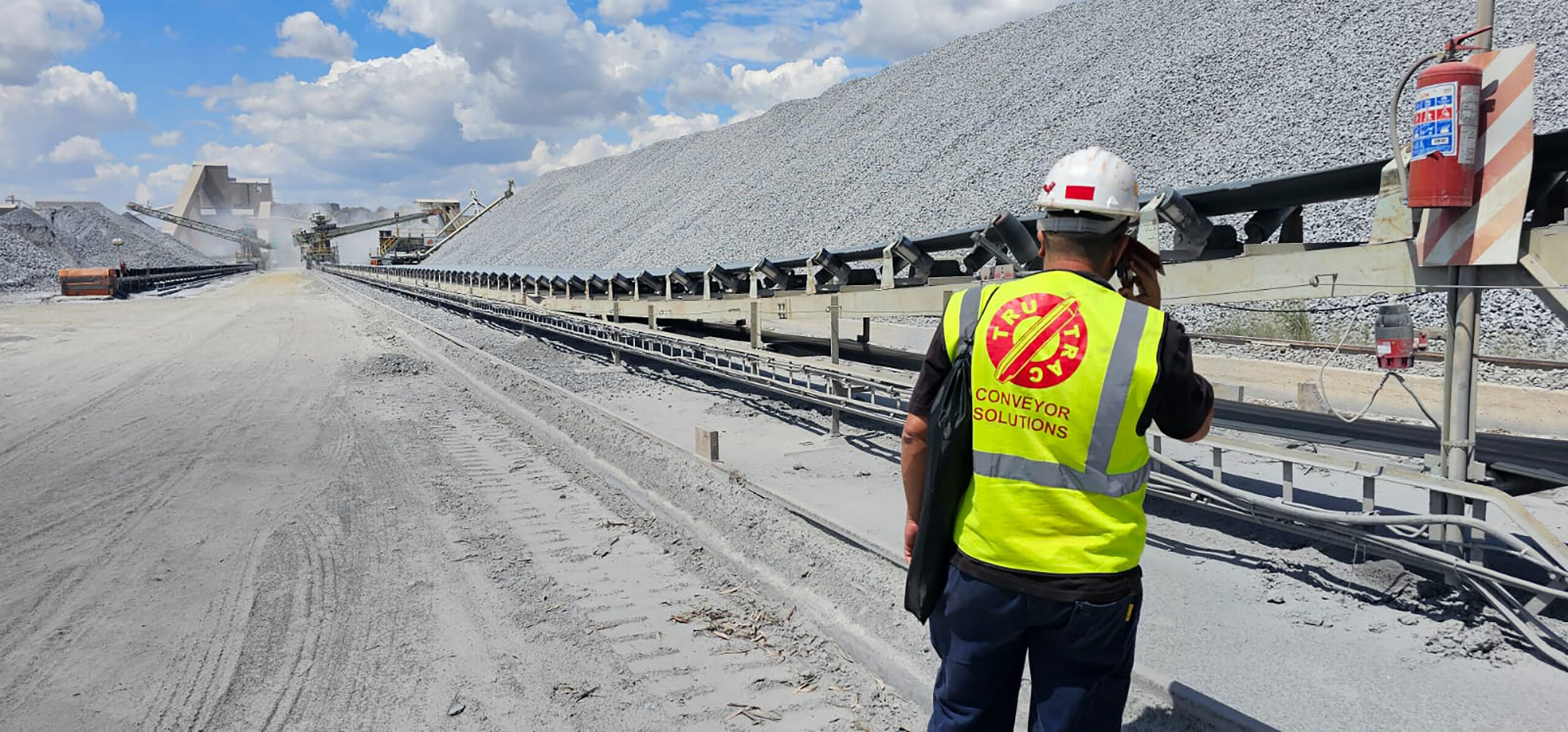
Planned maintenance starts with stable conveyor operation, where effective tracking, monitoring and condition assessment help prevent failures, reduce downtime and support predictable maintenance schedules.

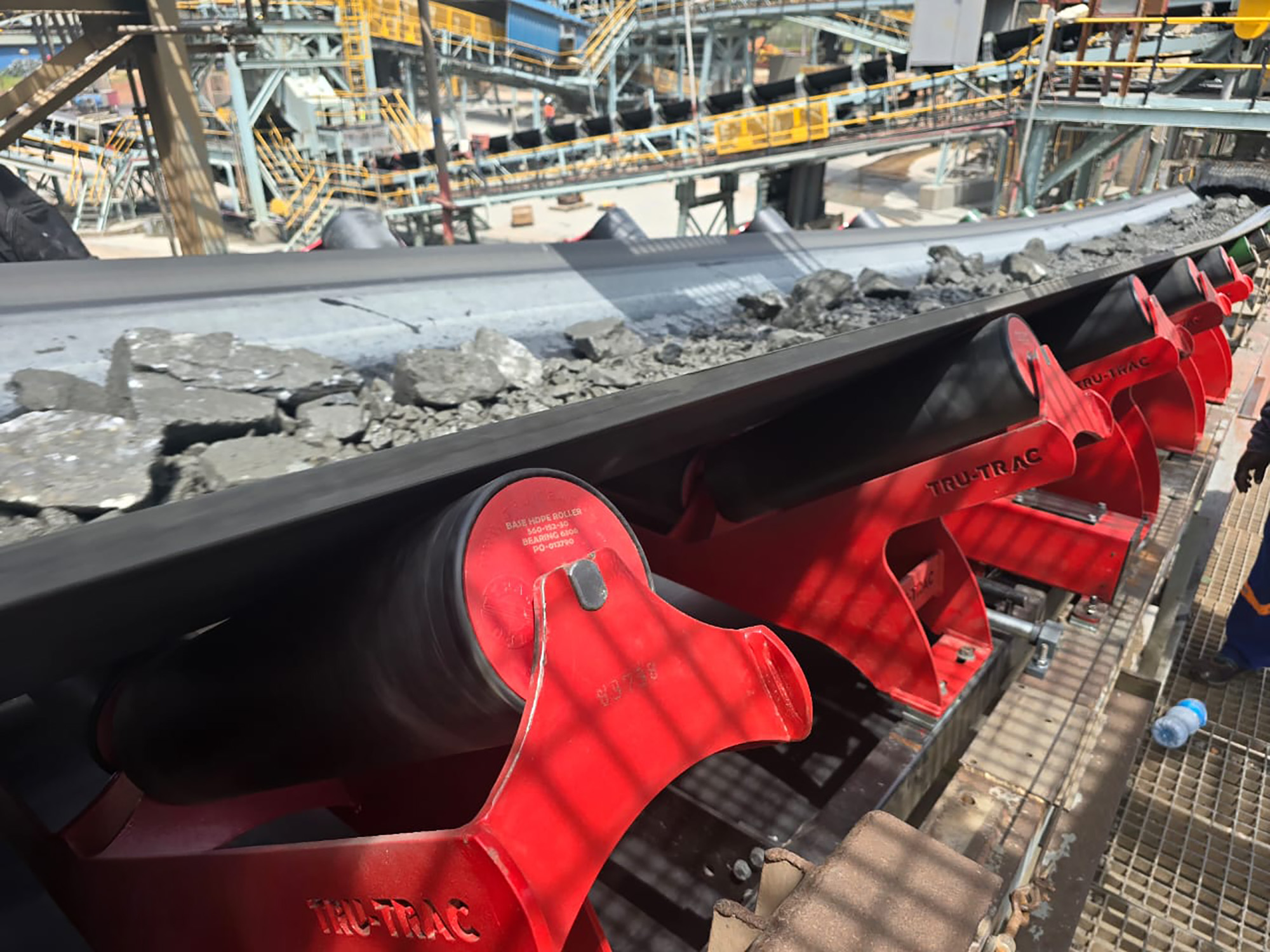
According to David Pereira, Head of Sales at Tru-Trac Rollers, conveyor downtime is seldom caused by a single component failure. More often, it is the cumulative effect of belt misalignment, uneven loading, inadequate impact absorption, carryback and accelerated wear across critical conveyor components.

“Conveyor systems must be treated as integrated engineering systems rather than isolated mechanical assets,” he notes. “A tracking issue at one transfer point, for instance, can quickly translate into edge damage, excessive idler wear, spillage and ultimately a full production stoppage.”
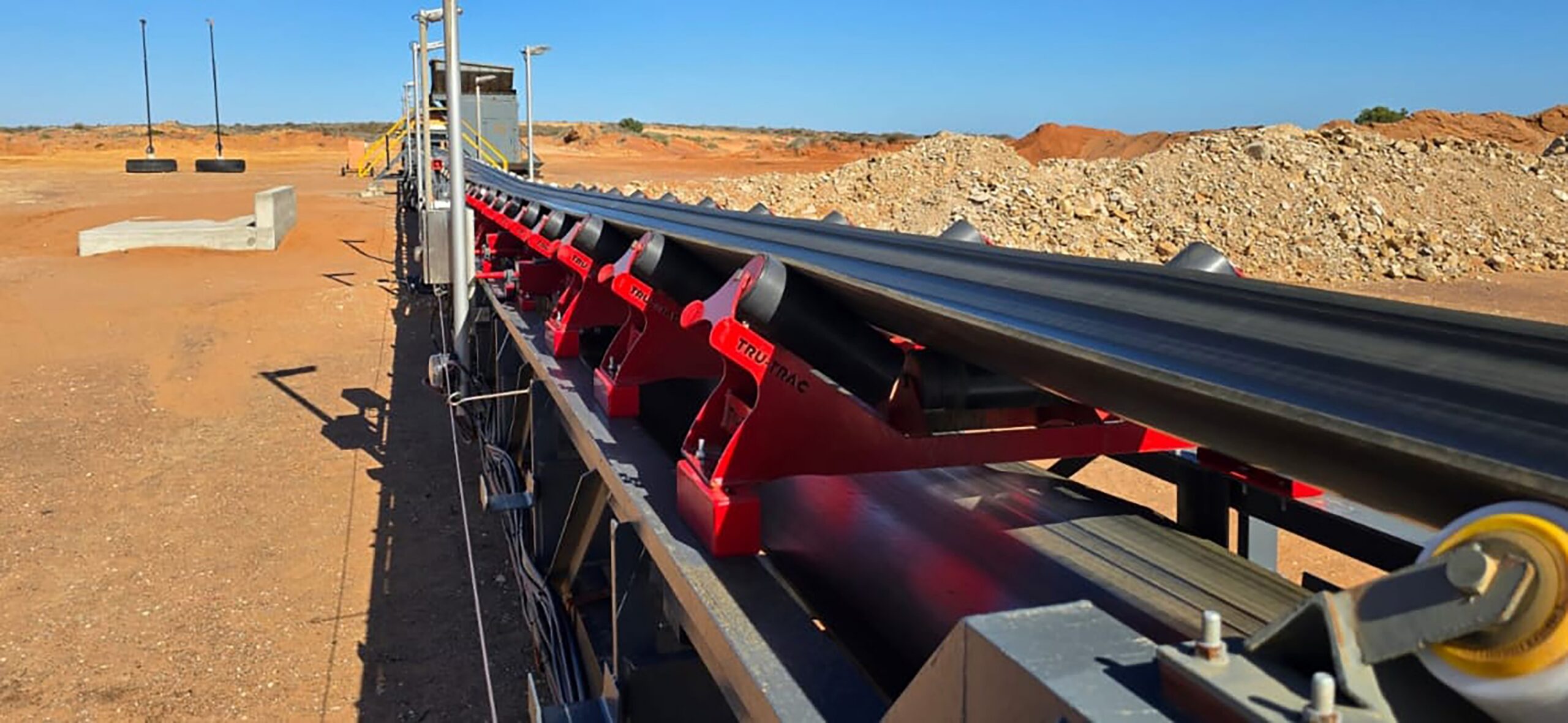
Reliable conveyors are critical to overall plant performance, ensuring consistent material flow, minimising unplanned downtime and supporting maximum productivity across the operation.

Belt mistracking remains one of the most technically significant causes of unscheduled shutdowns in mining, quarrying, cement and industrial processing plants. When a belt consistently runs off-centre, it creates uneven tension across the belt width, leading to premature edge fraying, structural carcass damage and increased stress on idlers, pulleys and bearings.

This misalignment also results in material spillage at transfer points and along the return side, increasing housekeeping requirements and creating secondary risks to surrounding equipment and personnel.
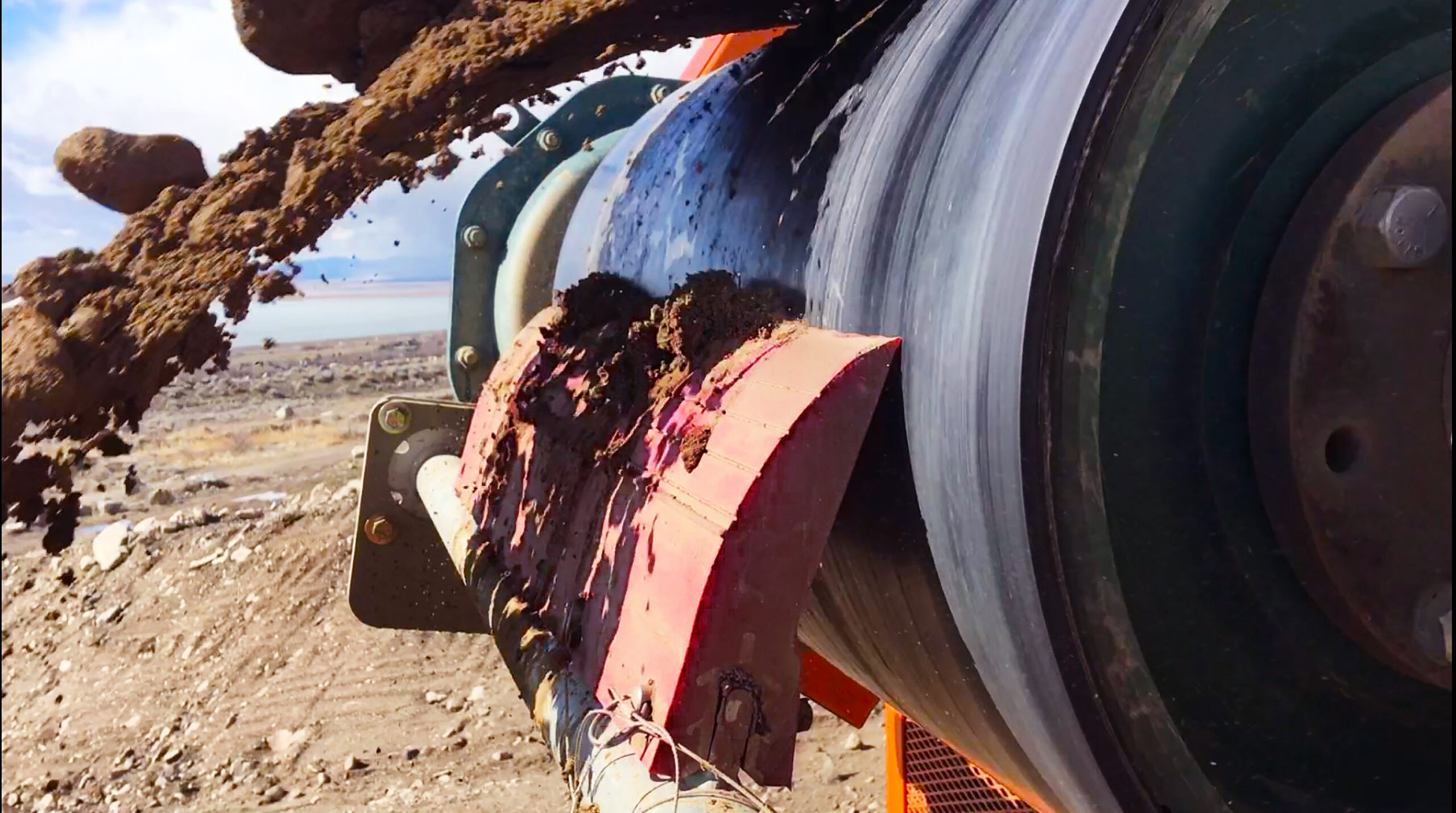
Effective belt cleaning helps protect conveyor performance by reducing carryback, minimising material build-up and supporting safer, more efficient operation of the entire conveyor system.

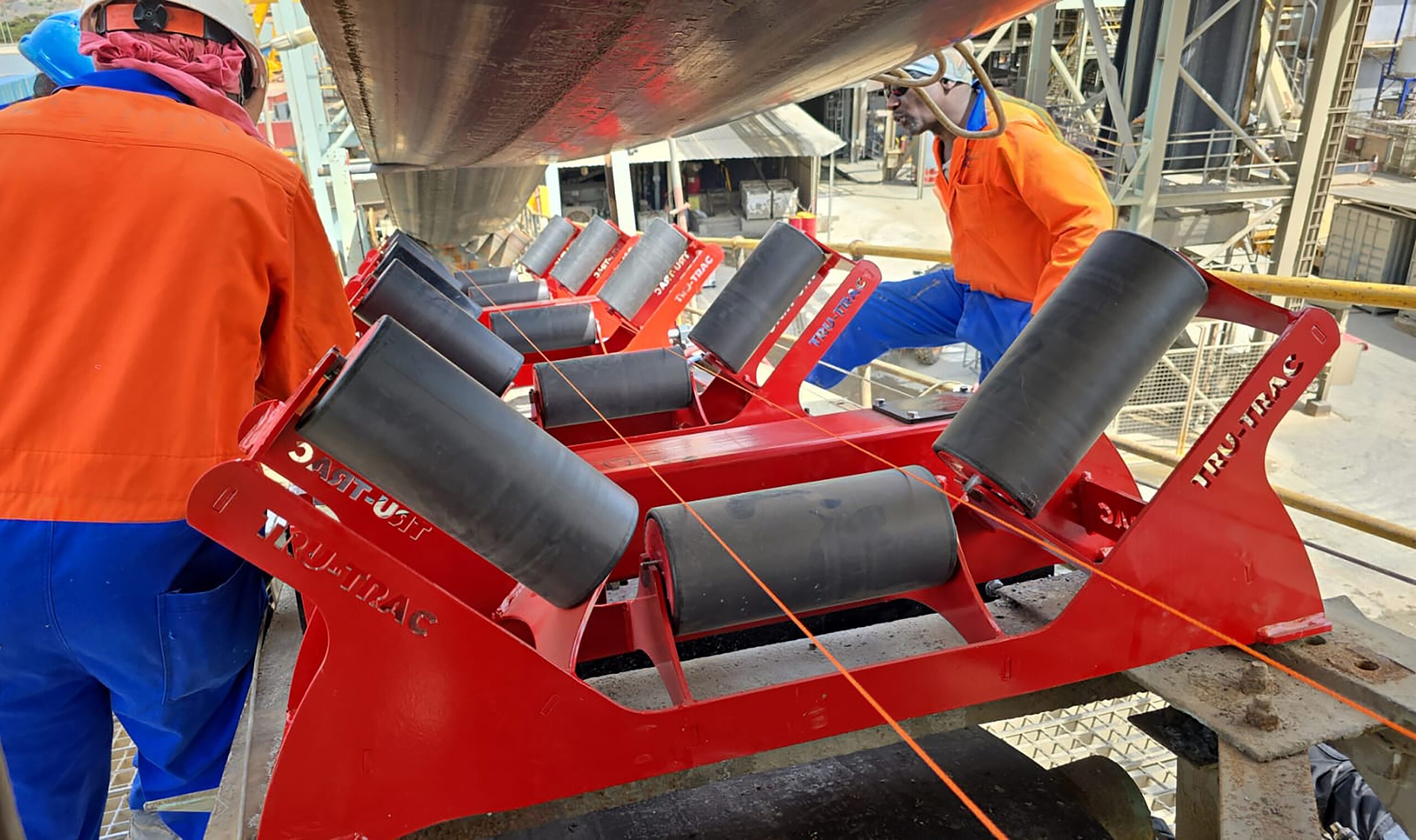
Engineered belt tracking solutions are specifically designed to respond dynamically to changes in belt position, using pivoting or actuated steering mechanisms to correct belt drift in real time. This continuous corrective action stabilises belt movement and reduces the likelihood of chronic mistracking.

At the same time, properly engineered impact beds and load zone support systems absorb impact energy from material loading, protect the belt carcass from shock damage and maintain consistent belt profile under load. This is particularly important in high tonnage operations where large particle sizes and high drop heights can accelerate belt degradation.
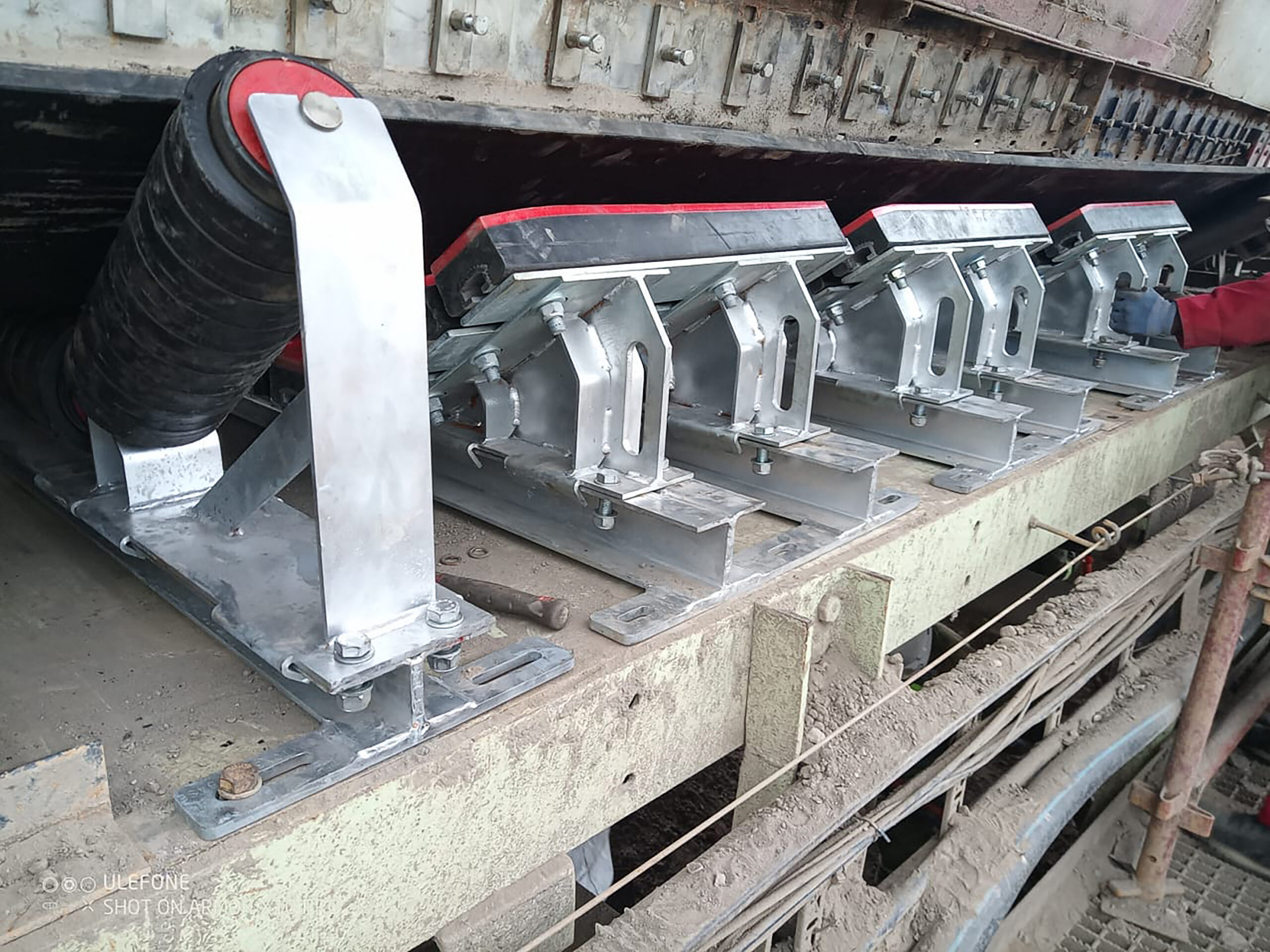
Proper load support protects the belt under demanding operating conditions by minimising impact, reducing wear and extending the service life of critical conveyor components.

Effective scraper and carryback management systems also contribute significantly to uptime by preventing material build-up on return rollers and pulleys, which can otherwise lead to belt wander, roller seizure and pulley lagging damage.

“Downtime is often a symptom of poor flow control and inadequate conveyor support engineering,” Pereira explains. “By addressing the root causes of instability and wear, operations can significantly reduce emergency maintenance interventions.”
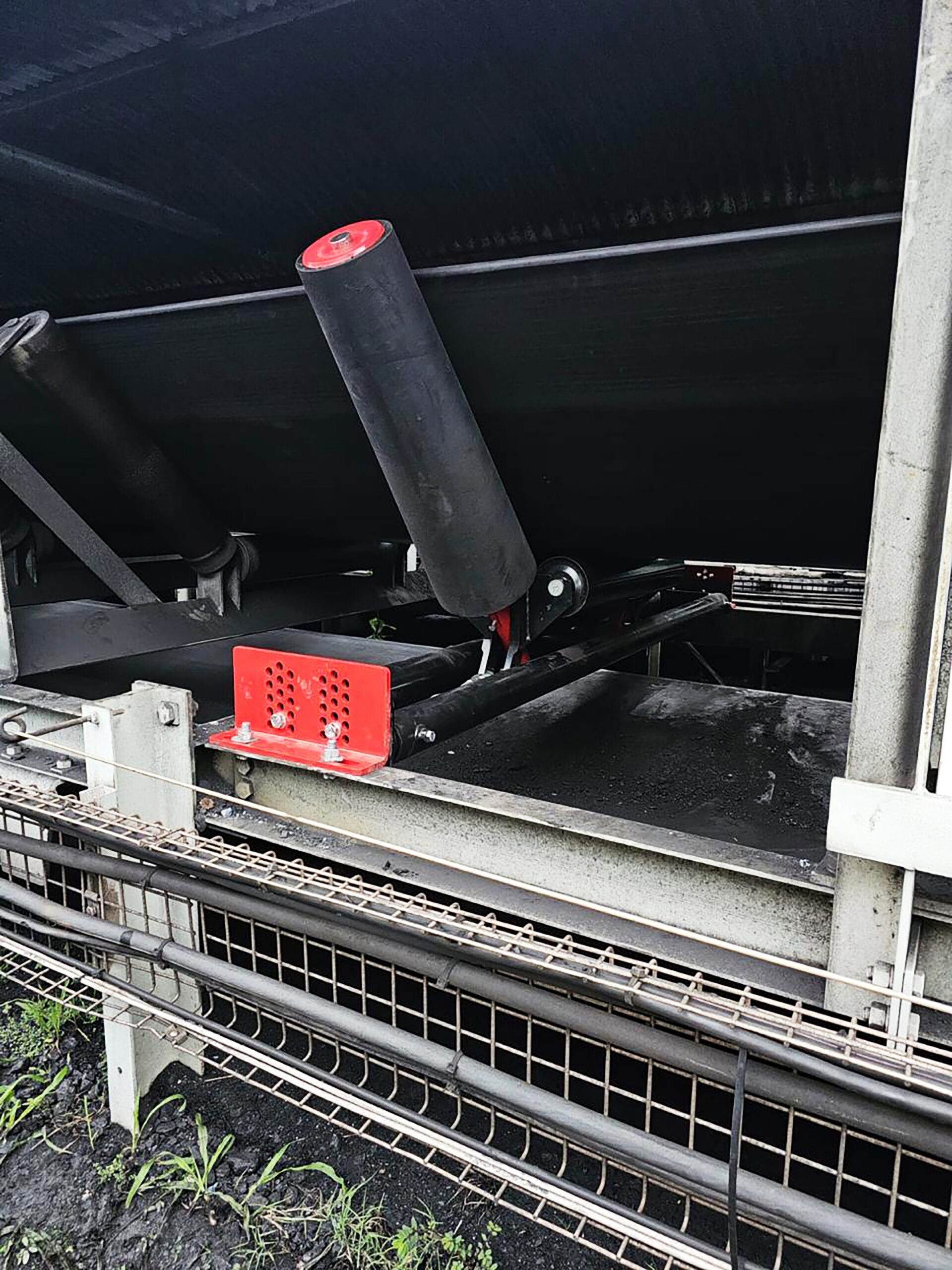
Accurate belt tracking supports uptime and reliability by reducing belt damage, minimising spillage and preventing unplanned interruptions to production.

From a maintenance perspective, engineered conveyor solutions support a shift from reactive breakdown response to condition-based and planned maintenance strategies. By improving belt tracking accuracy, reducing wear rates and stabilising load distribution, maintenance intervals can be extended while component life cycles are improved.

This not only protects throughput but also lowers total cost of ownership by reducing belt replacement frequency, idler consumption and unplanned labour costs.

As operations continue to push for higher plant utilisation and reliability, conveyor engineering is increasingly recognised as a core contributor to overall process performance.
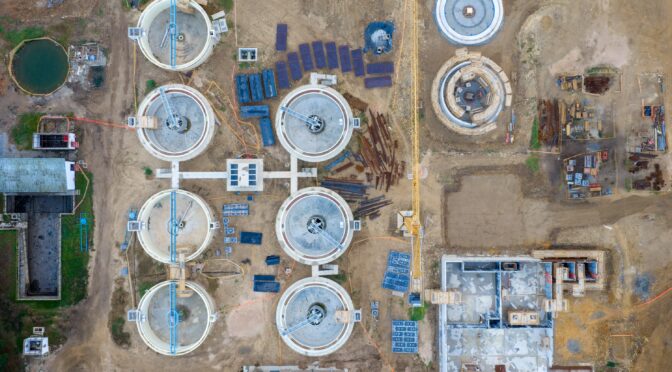
COMPLIANCE AWARENESS CRITICAL AS MEDIUM TO SMALL CONTRACTORS EXPAND INTO CIVILS SECTOR

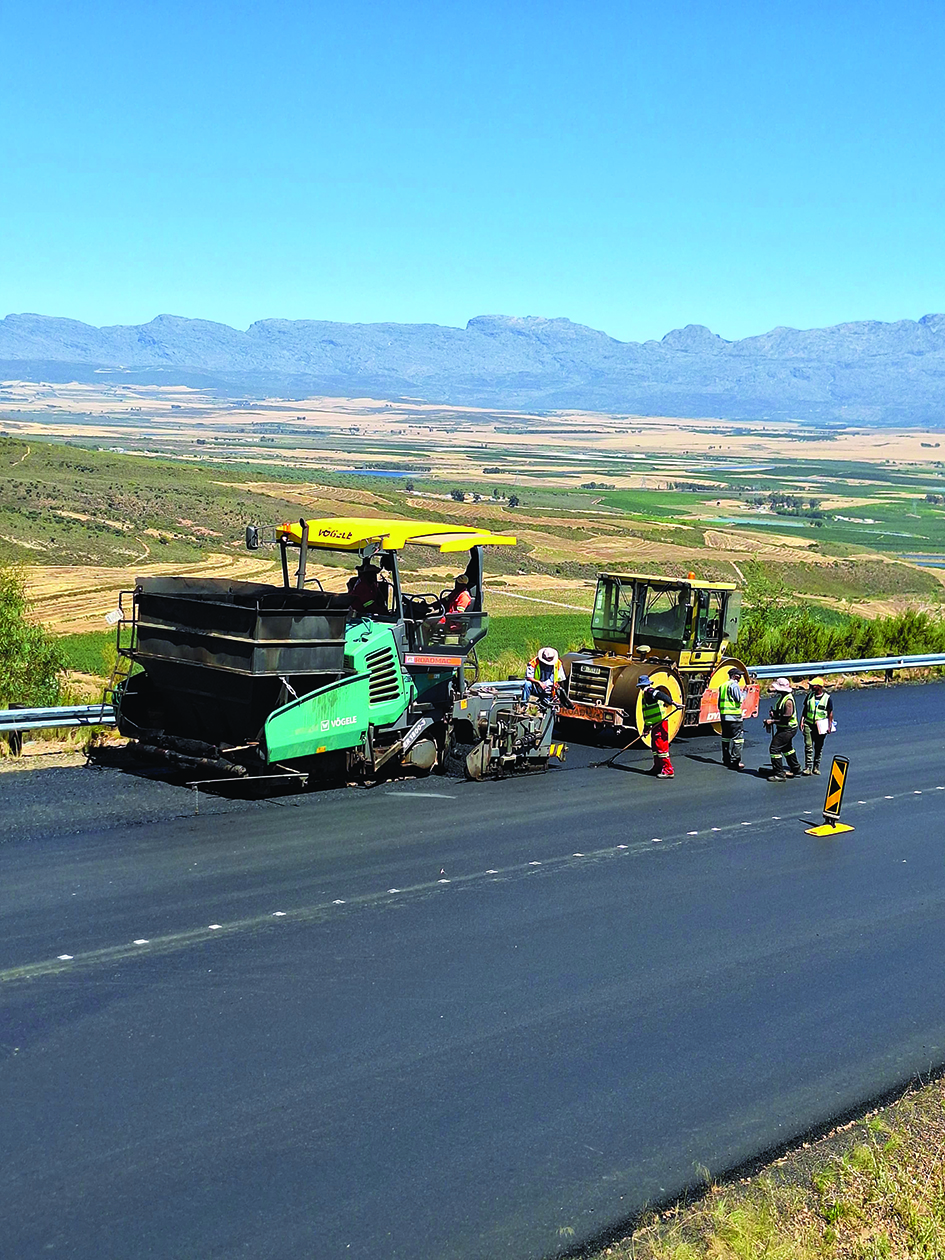
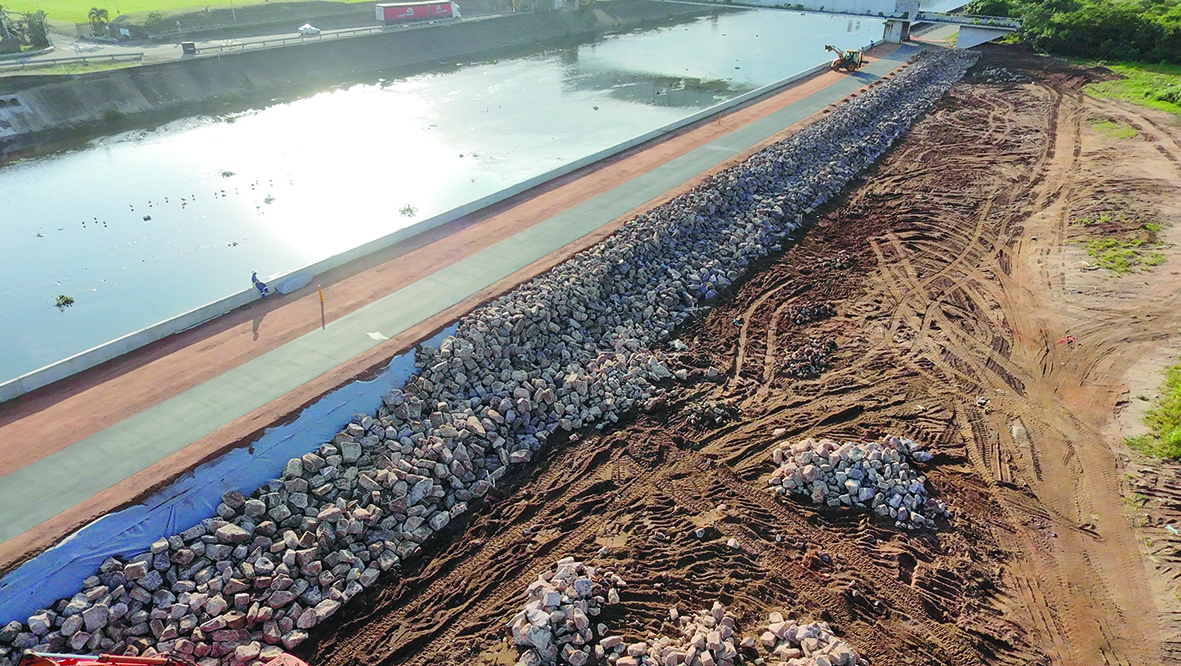
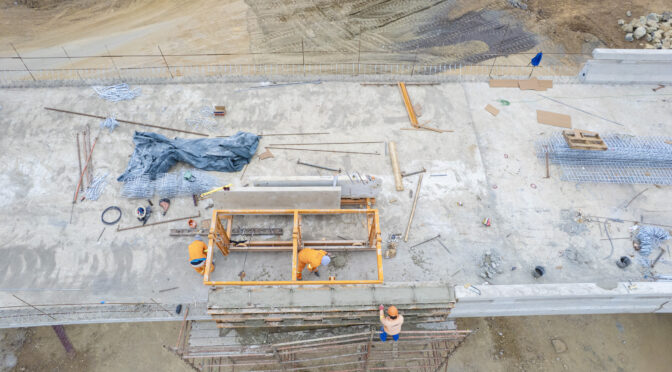
As infrastructure investment across South Africa increasingly shifts towards road rehabilitation, municipal wastewater upgrades and broader public infrastructure maintenance, a growing number of small to medium sized contractors are securing work in the civil engineering sector. However, many of these businesses remain unaware that the nature of the work they are performing places them squarely within the scope of the Bargaining Council for the Civil Engineering Industry (BCCEI) and its legally binding collective agreements.

According to Lindie Fourie, Operations Manager at the BCCEI, this lack of awareness is creating a significant compliance risk across the industry particularly as municipalities, water utilities and infrastructure clients accelerate the rollout of maintenance and upgrade projects involving roads, pipelines, stormwater systems, wastewater treatment works and associated civils infrastructure.

Early engagement with the BCCEI helps contractors understand their obligations and avoid unnecessary compliance risks.

“Many contractors mistakenly believe that BCCEI registration requirements apply only to large construction companies undertaking major infrastructure projects,” she explains. “In reality, any business performing work that falls within the registered scope of the civil engineering industry is legally required to register with the BCCEI and comply with the applicable collective agreements, regardless of the size of the business or the value of the contract.”

She adds that this obligation also extends to companies appointed by municipalities to carry out the maintenance, repair or rehabilitation of civil engineering infrastructure. “A common misconception is that only the contractors who build infrastructure are required to register. However, businesses engaged to maintain or repair that infrastructure are equally required to register where their activities fall within the scope of the civil engineering industry.”

This includes contractors involved in activities such as:

  • Road rehabilitation and maintenance
  • Asphalt and paving works
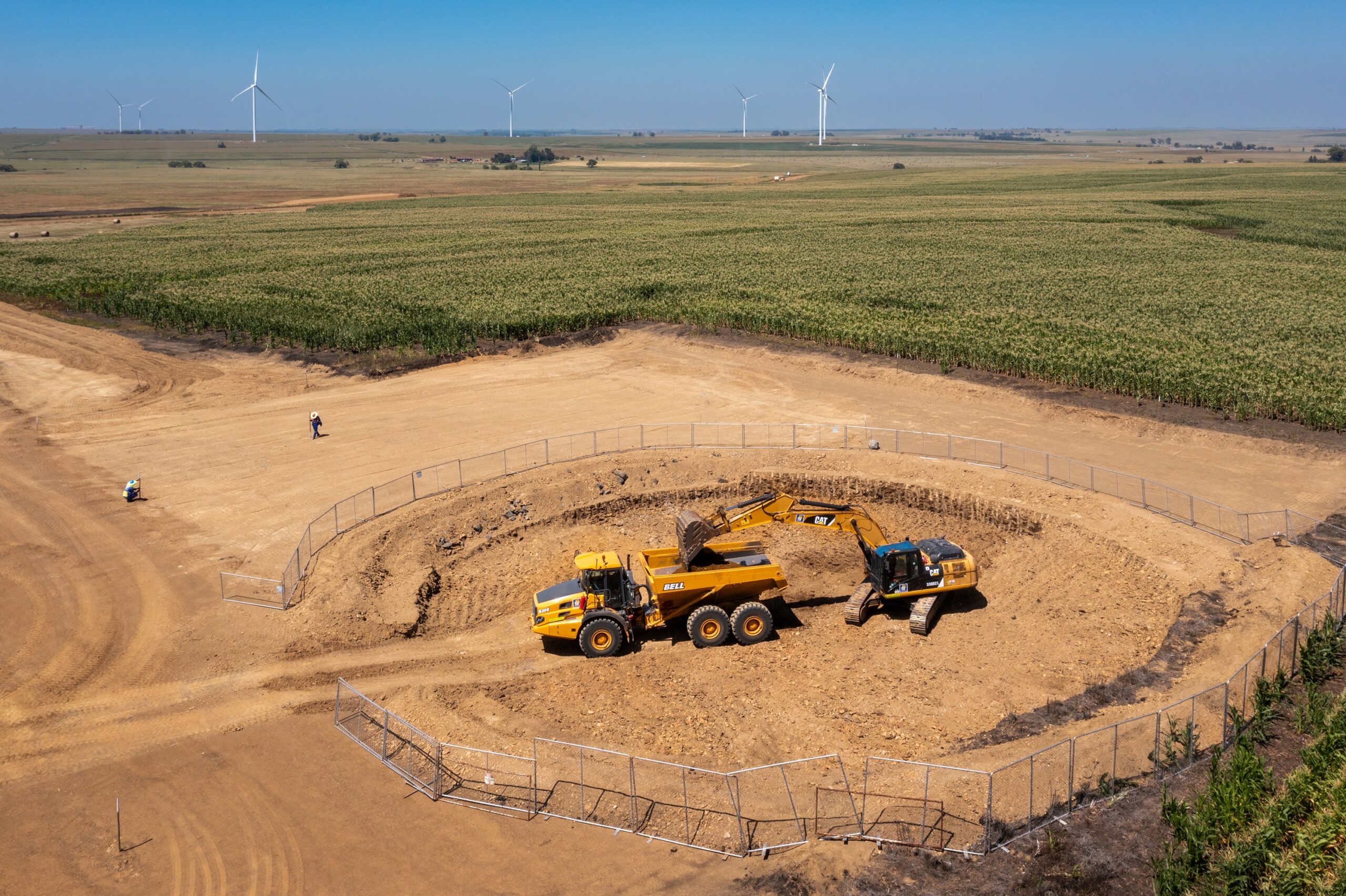
  • Earthworks and trenching
  • Pipe laying and reticulation
  • Stormwater infrastructure
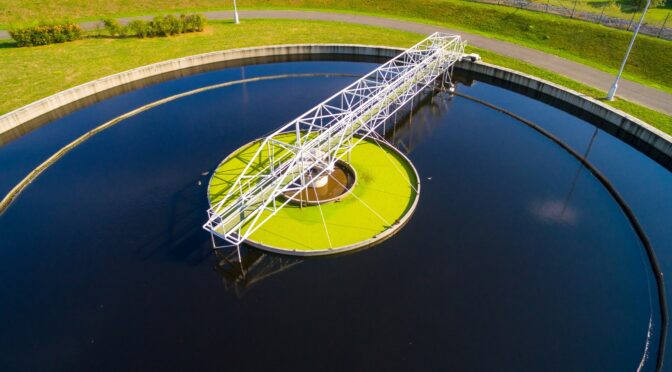
  • Wastewater and sanitation infrastructure
  • Bulk civils and associated construction activities

The challenge, according to Fourie, is that many emerging contractors enter the sector through subcontracting arrangements or municipal procurement opportunities without fully understanding the labour and compliance framework governing the industry.

“As infrastructure investment expands, particularly at municipal level, we are seeing more small and medium sized businesses entering the civil engineering space,” Fourie says. “Unfortunately, many of these companies are completely unaware that they are legally required to register with the BCCEI and comply with the industry’s collective agreements.”

Fourie explains that registration is determined not by the company carrying out the work or the location where it is performed but by the nature of the work itself.

“If the activities being undertaken fall within the registered scope of the civil engineering industry, then the employer is required to comply with the BCCEI framework,” she says. “This applies equally to smaller contractors undertaking roads, wastewater, pipeline or related civils work.”

The collective agreements administered by the BCCEI regulate critical employment conditions within the sector including minimum wages, working hours, leave provisions, health and safety obligations and broader labour compliance requirements designed to create fair and sustainable operating conditions across the industry.

The BCCEI warns that non-compliance – even where unintentional – can expose contractors to significant operational and financial risk. These risks may include compliance investigations, enforcement action, reputational damage and disruptions to project execution.

Any contractor performing work within the civil engineering industry scope is legally required to register with the BCCEI, regardless of business size.

Importantly, Fourie emphasises that compliance should not be viewed as a barrier to growth for smaller contractors but rather as a mechanism that helps professionalise businesses, protect employees and create a level competitive environment across the sector.

“There is a misconception among some smaller businesses that compliance is complicated or only relevant to large corporations,” she says. “In reality, registration and compliance form part of building a sustainable and credible business capable of operating responsibly within the civil engineering sector.”

The increasing focus on infrastructure delivery across roads, water and sanitation sectors makes industry awareness particularly important. Government infrastructure programmes continue to prioritise the rehabilitation of ageing municipal infrastructure and in particular water and wastewater, expansion of sanitation systems and improvement of transport networks – all areas expected to generate ongoing opportunities for civil engineering contractors of varying sizes.

The BCCEI is therefore encouraging contractors, municipalities, consulting engineers and principal contractors to play an active role in improving awareness around compliance obligations within the sector.

As infrastructure investment grows, greater awareness of BCCEI compliance requirements is essential for contractors operating in the civil engineering sector.

“We believe there is a critical need for education and awareness,” Fourie concludes. “Many businesses are not deliberately avoiding compliance – they simply do not understand that the work they are performing places them within the civil engineering industry framework. Early engagement with the BCCEI can help contractors avoid future risks and ensure that they build compliant, sustainable businesses from the outset.”

Contractors uncertain about whether their activities fall within the scope of the civil engineering industry are encouraged to engage directly with the BCCEI for guidance and clarification regarding registration and compliance requirements.

CHRYSO SOUTHERN AFRICA STRENGTHENS STRUCTURAL WATERPROOFING WITH ADCOR® 500S

As infrastructure projects across Southern Africa continue to place increasing emphasis on durability, long-term performance and lifecycle cost efficiency, effective waterproofing at structural joints remains a critical component of quality construction.

ADCOR® 500S is engineered to deliver reliable waterproof performance in demanding structural environments.

Responding to this need, Chryso Southern Africa continues to support the market with ADCOR® 500S, a high-performance hydrophilic waterstop solution engineered to prevent water ingress through concrete construction joints and penetrations.

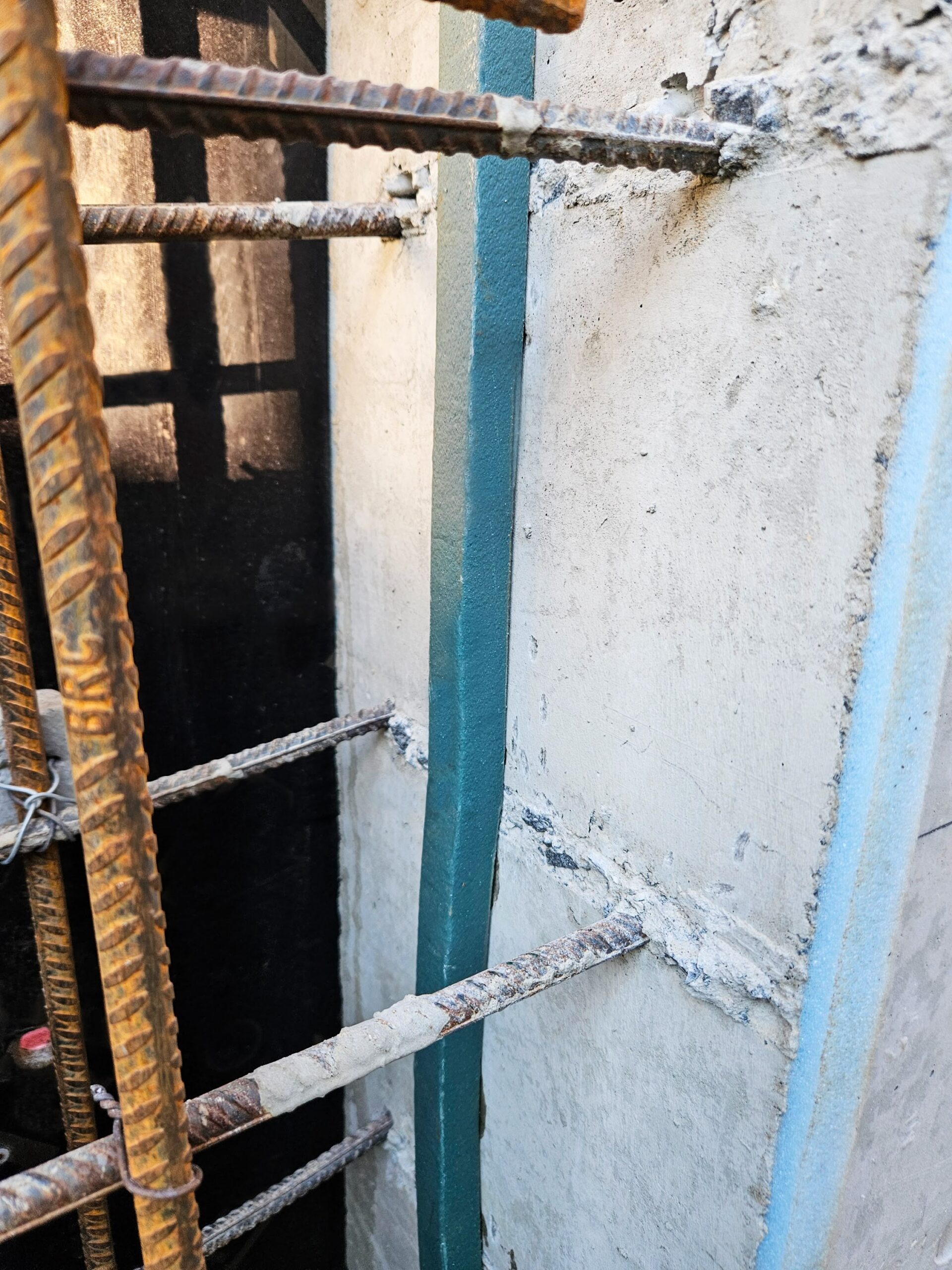
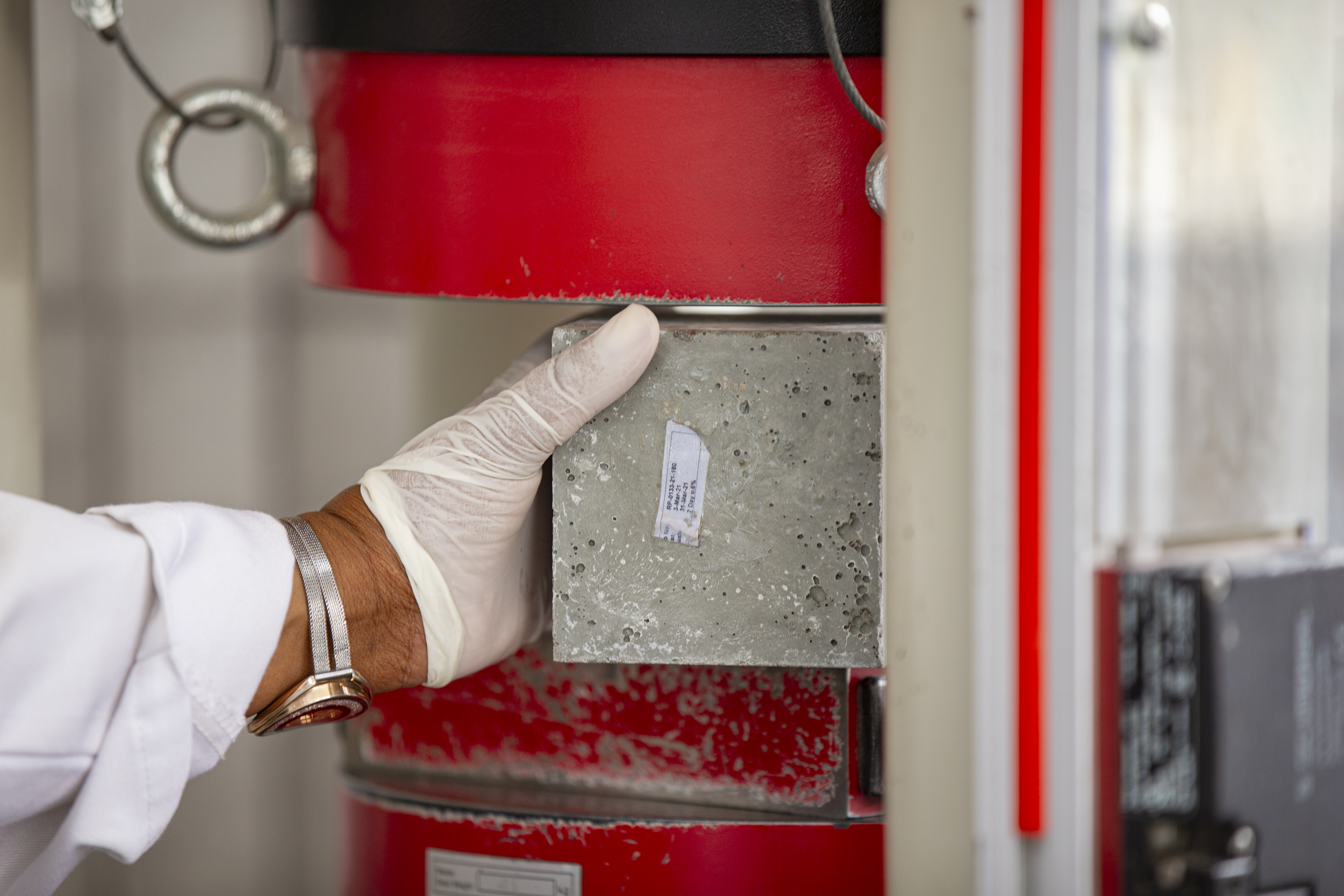
ADCOR® 500S is a conformable, butyl rubber-based hydrophilic waterstop strip that expands on contact with water. Once fully encapsulated within poured concrete, the controlled expansion creates a robust seal against adjacent concrete faces, effectively preventing water entry into below-ground and other water-sensitive structures.

Designed to seal vulnerable construction joints, it helps prevent water ingress where structures are most at risk.

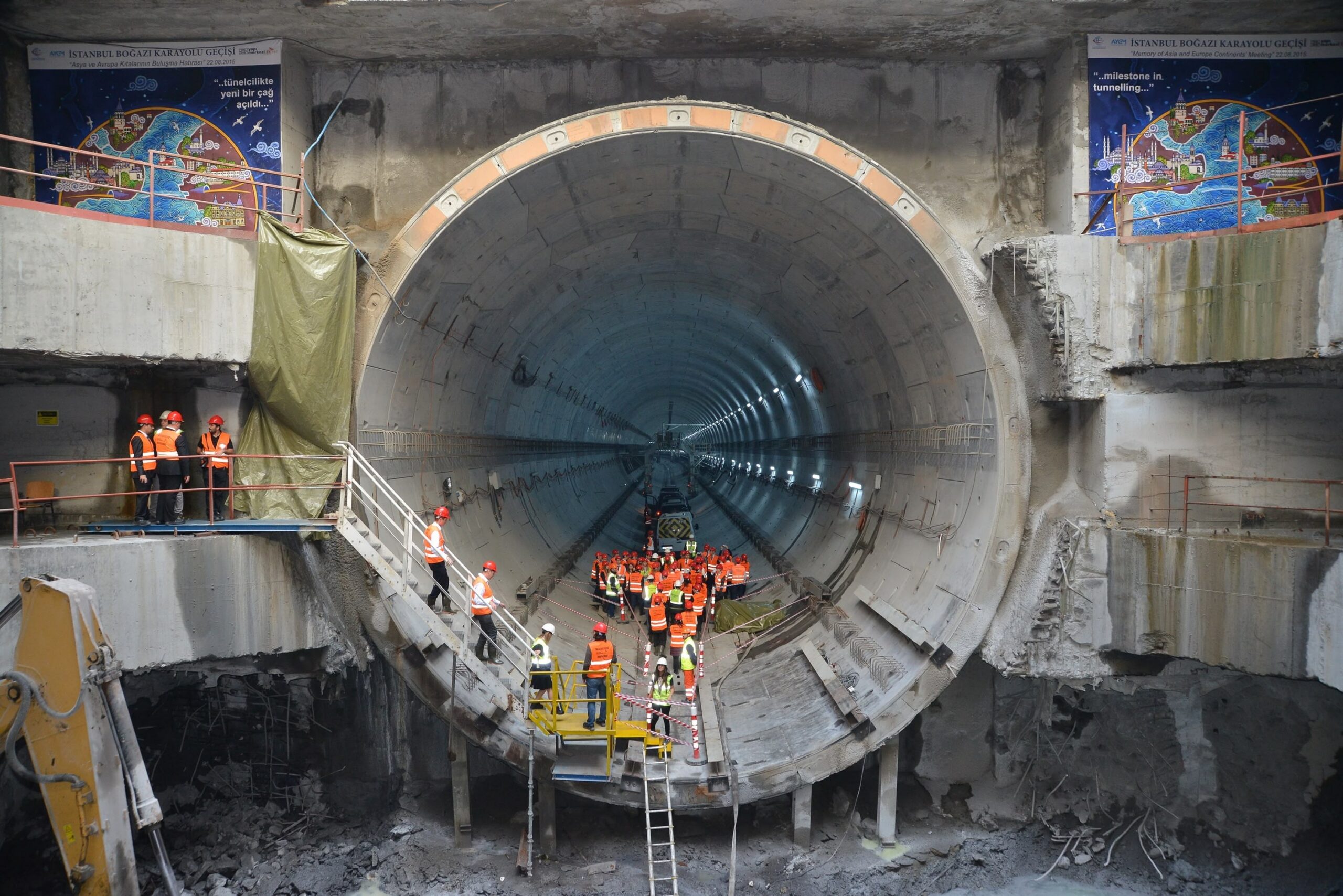
This makes the product particularly well suited to critical applications such as basements, retaining walls, pile caps, floor slabs, lift pits, tunnels, water-retaining structures and pipe penetrations, where waterproof integrity is essential to long-term structural reliability.

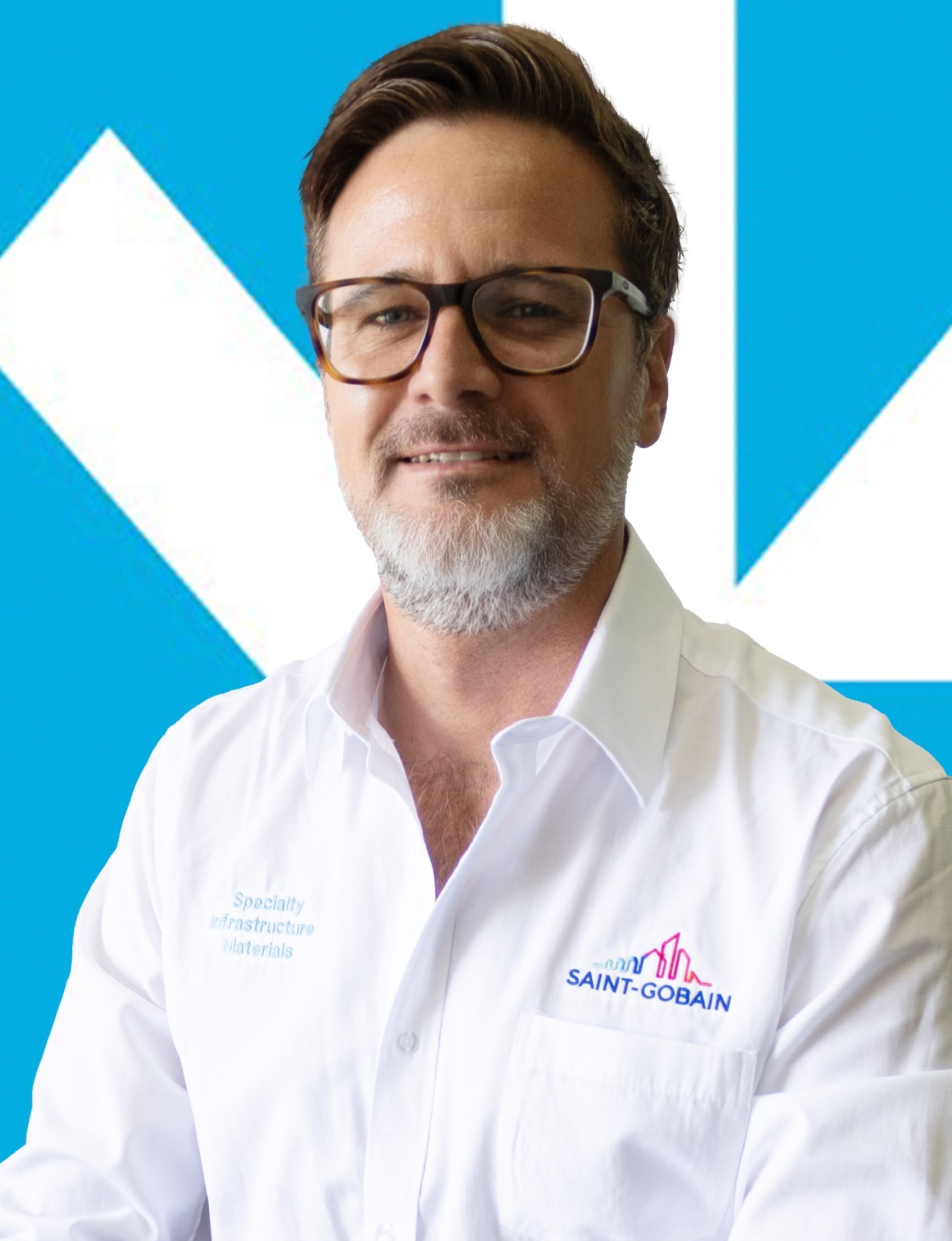
According to Andries Janse Van Rensburg, Specialty Materials Head – Infrastructure BU, Chryso Southern Africa, waterproofing failures at construction joints can have significant implications for structural durability, maintenance costs and operational continuity.

Andries Janse Van Rensburg, Specialty Materials Head – Infrastructure BU, Chryso Southern Africa.

“Water ingress through joints remains one of the most common risks in below-grade and water-retaining concrete structures. ADCOR® 500S provides a highly reliable and technically advanced sealing solution that responds directly to the presence of moisture, creating an active barrier where it is needed most,” Janse Van Rensburg says.

A key differentiator of ADCOR® 500S is its controlled volumetric expansion which reduces the risk of concrete spalling while maintaining cohesive strength after expansion. Unlike conventional bentonite-based systems the product is designed for reproducible swelling performance, even after repeated wet-dry cycles, ensuring long-term sealing integrity in demanding environments.

The product is also highly malleable and conformable, allowing for easy application to irregular substrates and complex concrete profiles. This flexibility simplifies installation on site and supports quality workmanship across a wide range of project conditions.

Installed along construction joints, ADCOR® 500S expands on contact with water to create an effective watertight seal.

“With modern infrastructure projects becoming increasingly complex, contractors require waterproofing systems that combine performance with ease of installation,” Janse Van Rensburg explains. “ADCOR® 500S offers both technical reliability and practical site advantages, helping to reduce installation risk while supporting long-term structural durability.”

The waterstop system is designed to withstand hydrostatic pressure of up to 70 metres and delivers a minimum volumetric expansion of 100%, making it particularly effective in high water table environments and critical civil engineering applications.

As part of Chryso Southern Africa’s broader waterproofing and construction chemicals offering, ADCOR® 500S reinforces the company’s focus on delivering advanced, fit-for-purpose solutions that enhance the performance and longevity of infrastructure assets across the region.

WEIR TO SHOWCASE AFRICAN MANUFACTURING STRENGTH AND FLOWSHEET EXPERTISE AT ELECTRA MINING AFRICA

Understanding mining customers is about far more than supplying equipment. For Weir, it is about understanding the entire mining process and identifying where real value can be added across the flowsheet. This customer-focused approach will form a central part of the company’s presence at Electra Mining Africa this year.

Weir will use the exhibition to highlight how its ongoing investment in South African manufacturing facilities continues to strengthen support for mining customers across Africa while also contributing to the company’s global supply network.

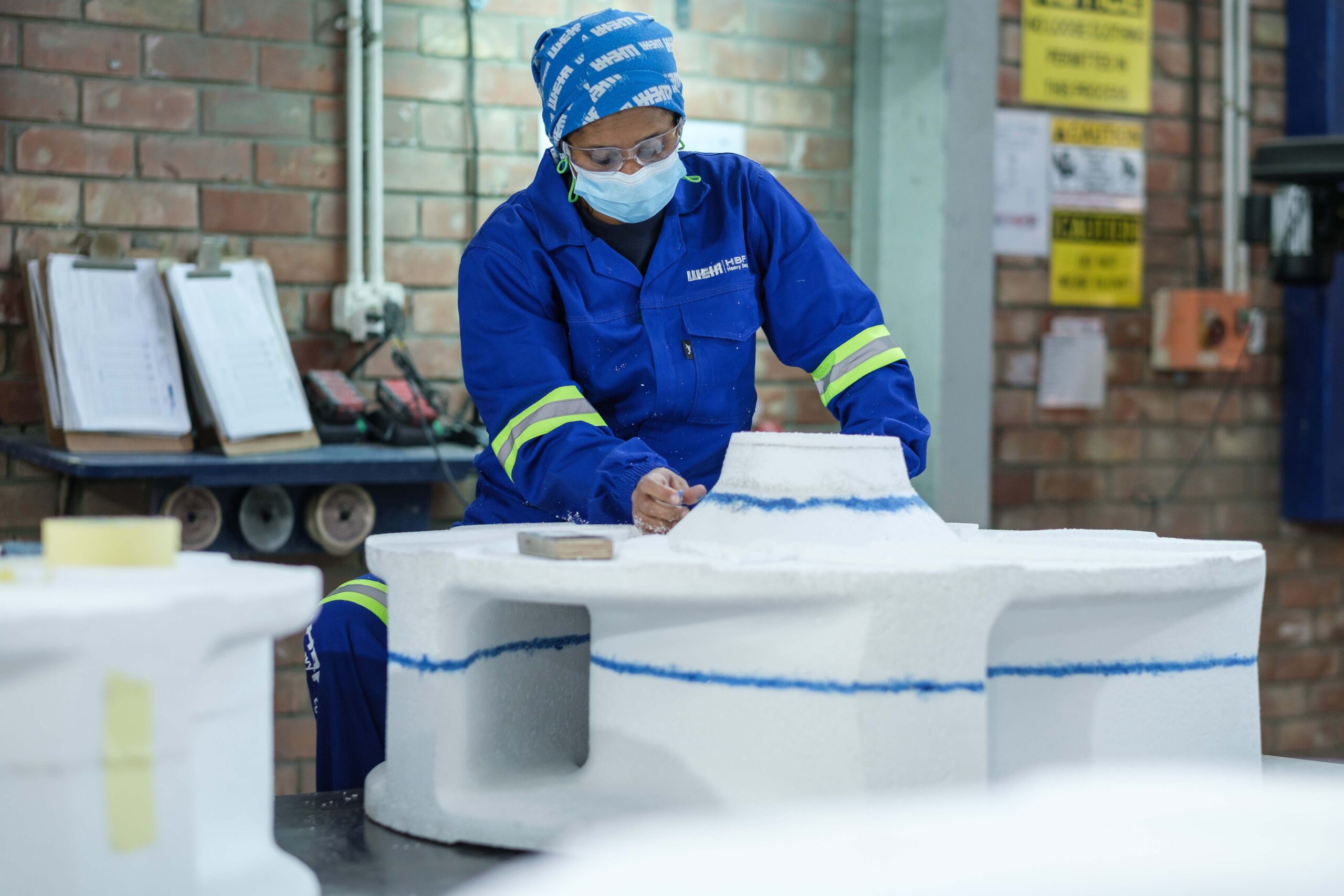
The company’s manufacturing operations in Alrode, Isando and Gqeberha play a critical role in supplying equipment and solutions to customers both locally and internationally. These facilities are not only strategically important to African mining operations, but also form part of Weir’s broader global manufacturing capability.

According to Weir, local manufacturing remains essential in simplifying support for mining customers across Africa. By manufacturing closer to customers, the company is able to improve responsiveness, reduce lead times and provide equipment and aftermarket support better aligned to local operating conditions.

At Electra Mining Africa, Weir will place strong emphasis on the fact that mining challenges are rarely isolated to a single piece of equipment. Instead, operational performance is influenced by how efficiently the entire processing circuit functions together.

This philosophy is reflected in Weir’s strategic flowsheet offering which spans comminution, classification, slurry pumping, dewatering and wear management solutions. The company will use the exhibition to showcase a number of key technologies designed to improve reliability, throughput and operational efficiency across mining applications.

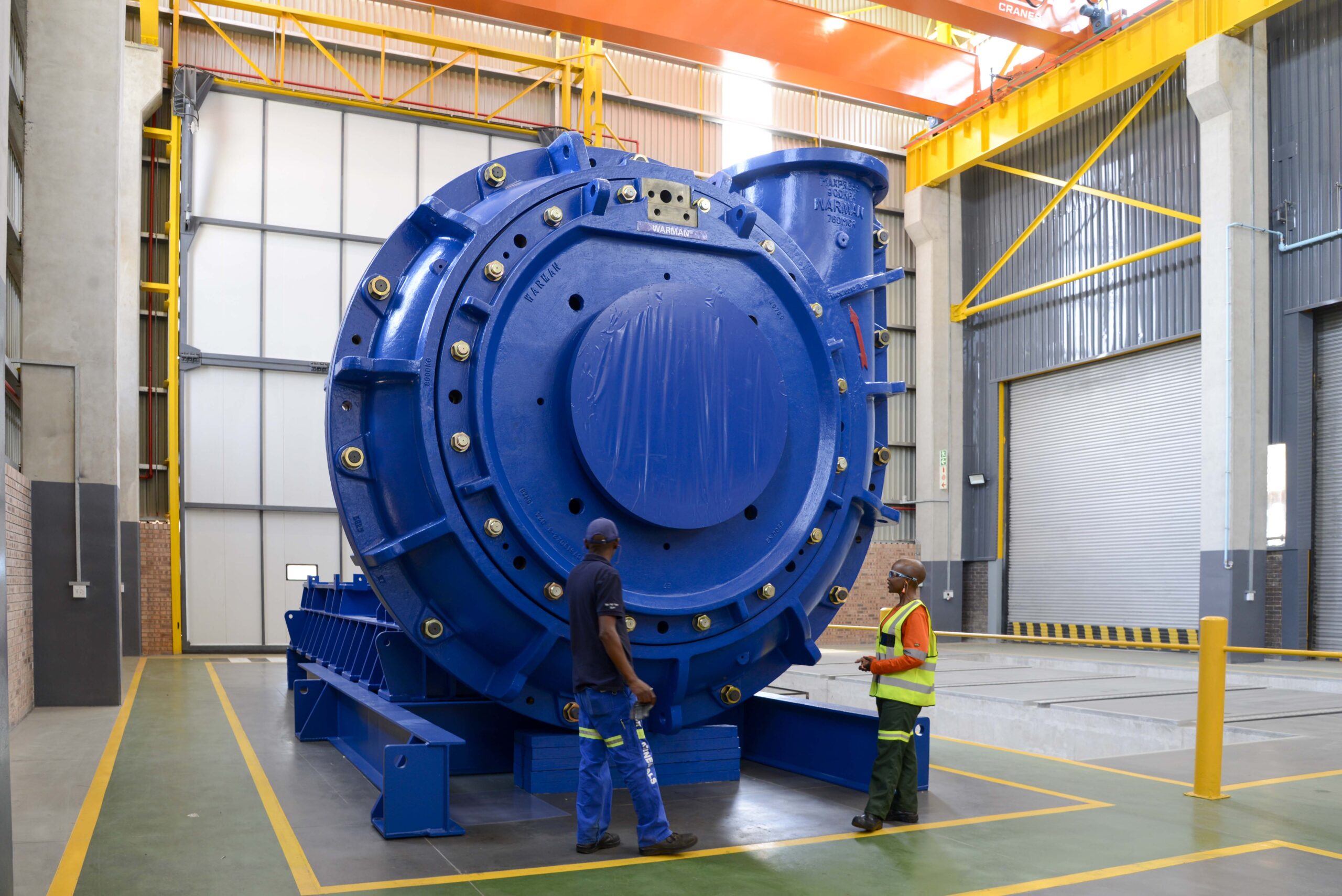
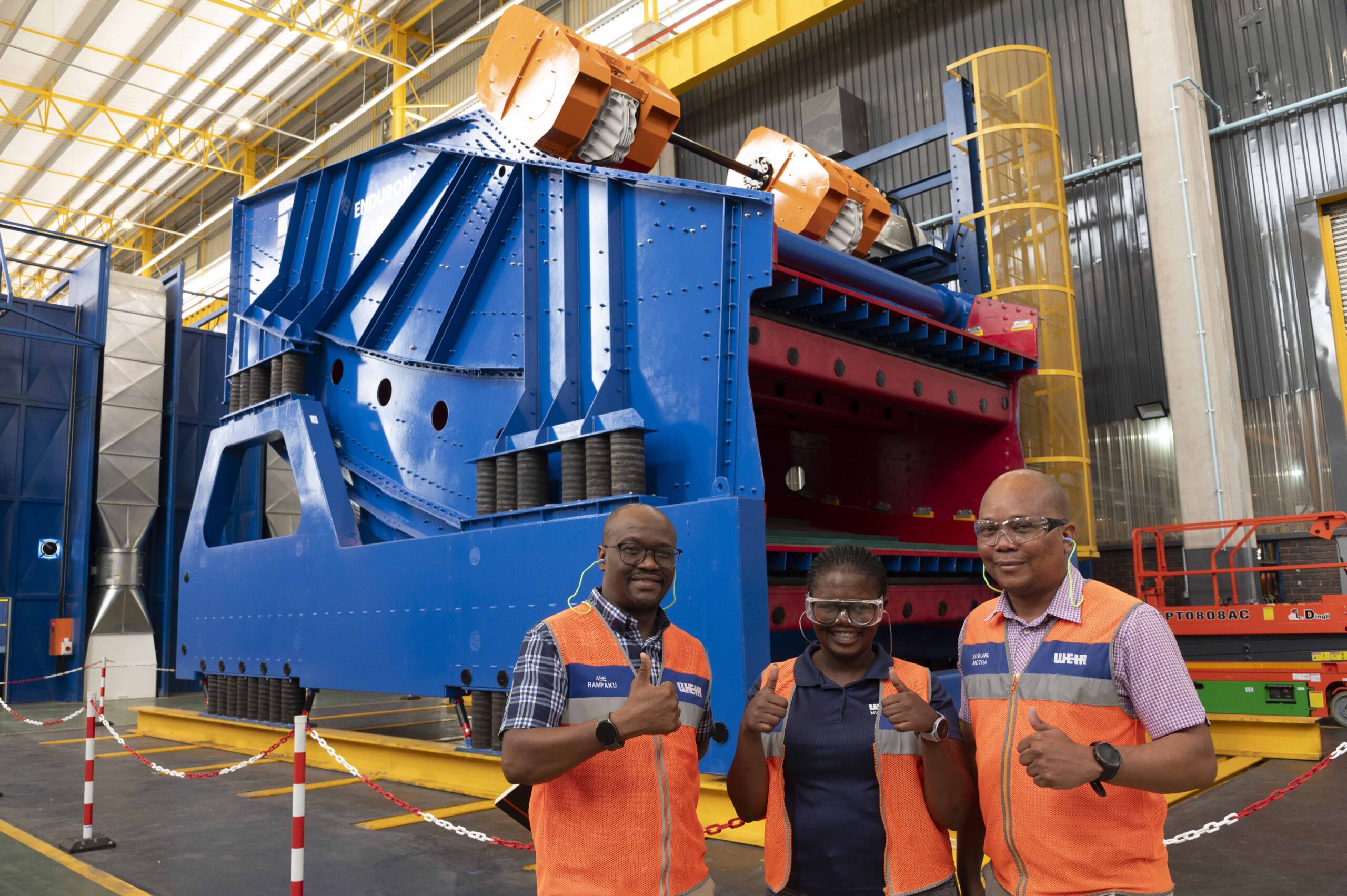
Among the offerings are the company’s ENDURON® ELITE screens, which continue to gain worldwide traction in mining applications requiring high-capacity and efficient screening performance. Manufactured locally at Weir’s expanded Alrode facility, the ENDURON® ELITE range reflects the company’s ongoing investment in South African manufacturing capability while supporting both African and international mining operations.
Weir will also highlight its WARMAN® slurry pump range which remains widely used across mining operations globally for handling abrasive and high-density slurries. The company says reliable slurry transportation remains a critical component of mining performance, particularly as mines focus on reducing downtime and improving operational efficiency.

Wear protection solutions also play a prominent role across Africa and globally including Weir’s LINATEX® rubber wear linings which are designed to help extend equipment life and improve reliability in high-wear environments commonly encountered in minerals processing operations.

In addition, the company locally manufactures mill lining solutions engineered to support grinding efficiency, improve safety during maintenance and optimise mill performance. Weir notes that mill liners play an important role in overall comminution efficiency and can have a significant impact on throughput, energy consumption and maintenance intervals.

Importantly, Weir says these technologies are not viewed as standalone products, but rather as integrated components within the broader processing circuit. The company’s approach focuses on understanding customer operations holistically to identify opportunities for improved performance across the flowsheet.

Electra Mining Africa provides an opportunity for Weir to showcase the depth of technical expertise and engineering capability available within its South African operations. This includes local manufacturing, engineering support, service capability and aftermarket resources that support mining operations throughout the continent.

Weir believes that strong local capability is increasingly important as African mines seek partners that can provide not only quality equipment, but also long-term technical support and process optimisation expertise.

The event provides an ideal platform for these engagements, bringing together mining decision-makers, engineering specialists and technology providers from across the continent.

For Weir, the exhibition is not simply about displaying products. It is about demonstrating how the company partners with customers to better understand operational challenges and develop solutions that support safer, more efficient and more sustainable mining operations.

As mining operations continue to focus on performance, reliability and operational efficiency, Weir says its continued investment in local manufacturing and customer support capability positions the company strongly to support the evolving needs of the African mining sector.

SANDVIK BRINGS WORLD CLASS CRUSHING, SCREENING AND LOCAL SUPPORT TO ELECTRA MINING AFRICA 2026

Sandvik Rock Processing will make a major impact at Electra Mining Africa 2026 with a strong outdoor presence that highlights not only its advanced crushing and screening technology, but also the local technical support, aftermarket strength and application and digital expertise that continue to differentiate the company across Africa.

As one of the continent’s leading suppliers of rock processing solutions, Sandvik Rock Processing has built a significant installed base across mining, quarrying and aggregate operations, supporting customers across a wide range of commodities and operating conditions. From large-scale mining operations to complex crushing circuits requiring specialised solutions, the company’s focus remains firmly on uptime, reliability and long-term performance.
This year, visitors will find Sandvik Rock Processing outdoors, where the scale, capability and engineering of its equipment can be fully appreciated. At the centre of the display will be the impressive Sandvik UJ443E, the company’s fully electric tracked jaw crusher with a Sandvik rock breaker. The Sandvik UJ443E continues to attract global attention for its combination of high-capacity performance, lower operating costs and reduced environmental impact.

Designed to support the mining sector’s growing focus on sustainability and energy efficiency, the Sandvik UJ443E offers the advantages of full electric drive technology while maintaining the high throughput and reliability required in demanding applications. Its presence at Electra Mining Africa reflects Sandvik’s commitment to helping mines improve productivity while reducing emissions and total cost of ownership.

Also on display will be a stationary vibrating screen paired with the recently launched Sandvik CH442 cone crusher, showcasing the company’s ability to provide complete, fit-for-purpose crushing and screening solutions. The CH442 is the upgraded version of the proven CH440 crusher, a tough performer in hard rock applications known for its robust design, consistent product shape and high reliability, now enhanced with a strengthened design, upgraded automation and productivity-driven improvements.

The screening solutions offering on display will demonstrate engineering excellence and customisation capabilities to optimise productivity even in the most challenging conditions and will include  a range of screening media for the most efficient screening outcomes.

What truly sets Sandvik Rock Processing apart, however, is the strength behind the equipment. Its African-based team provides customers with direct access to experienced technical specialists, field service teams, parts support and aftermarket expertise, backed by a broader African footprint and global engineering resources. This allows Sandvik to support customers far beyond commissioning, helping operations optimise performance, troubleshoot challenges quickly and extend equipment life through strategic maintenance and upgrades.

From process audits and wear part optimisation to digital condition monitoring and ongoing technical support, Sandvik Rock Processing works closely with customers to ensure equipment performs at its full potential throughout its lifecycle.

“Electra Mining Africa remains one of the most important platforms for engaging directly with the mining industry and demonstrating the technology that is shaping the future of crushing and screening,” Tarynn Yatras, Vice-President Sales Area Africa for Sandvik Rock Processing, says. 

“Our outdoor presence this year allows customers to experience these solutions in the right environment and to engage with the people behind the equipment. Our strong local presence across Africa, supported by global expertise, means customers gain far more than equipment – they gain a long-term technical partner focused on performance, uptime and operational success.”

Sandvik Rock Processing – Stand Number YE66

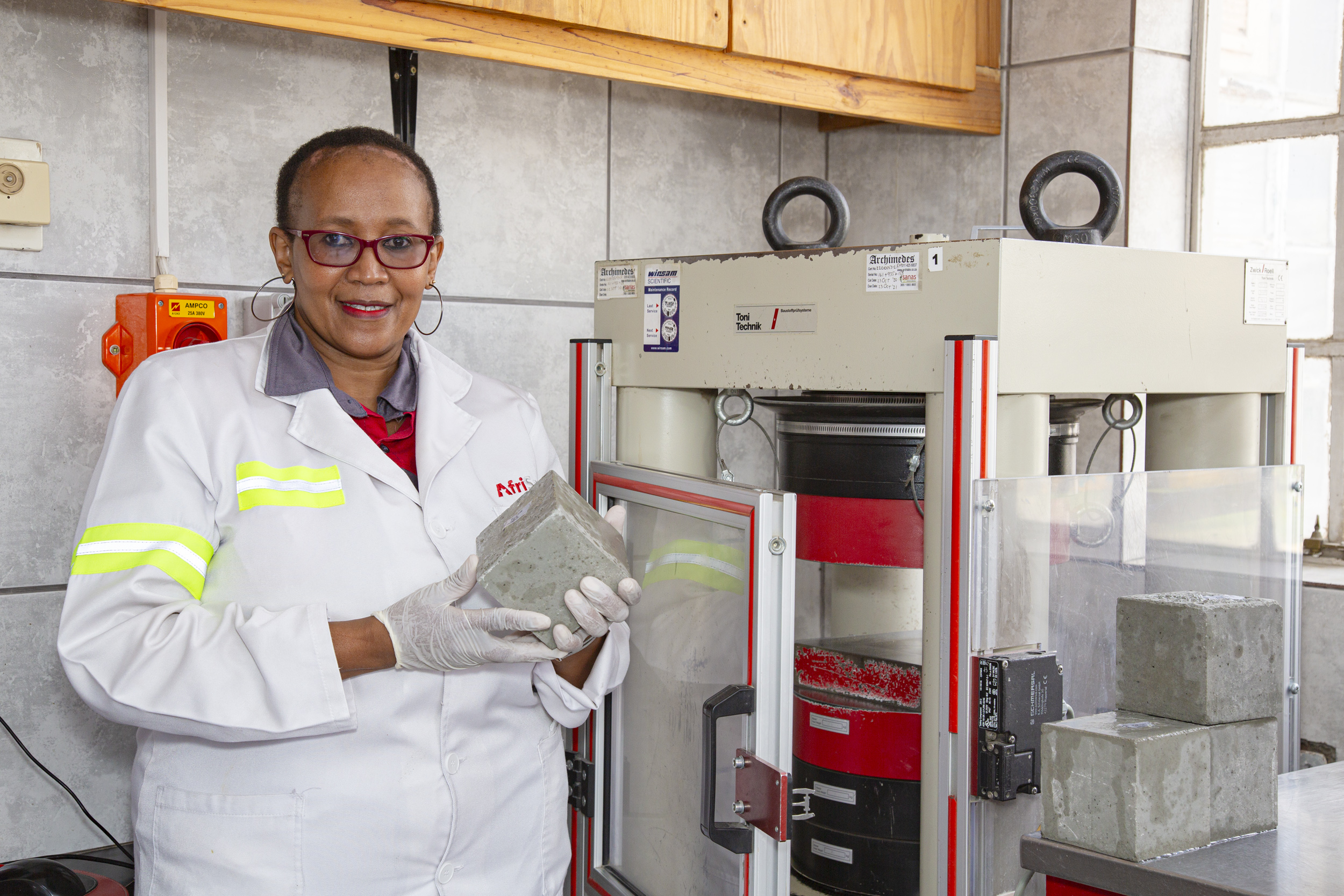
AFRISAM WARNS OF MARGIN SQUEEZE FOR CONCRETE PRODUCT MANUFACTURERS AS COST PRESSURES INTENSIFY

Concrete product manufacturers (CPMs) in South Africa are facing a tightening margin squeeze, with rising input and transport costs set to place further pressure on already constrained operations. According to AfriSam, this environment is forcing manufacturers to re-evaluate how they manage production efficiency, quality control and risk.

While the construction sector has shown early signs of recovery, many CPMs have yet to benefit from increased infrastructure spend. Instead, their exposure to smaller, interest rate-sensitive projects leaves them vulnerable to market fluctuations. At the same time, higher fuel prices are driving up transport costs, further eroding profitability.

“Our CPM customers generally operate on very thin margins and their position looks likely to get more difficult,” Mike McDonald, Manager of AfriSam’s Centre for Product Excellence (CPE), says. “This means there is less room for disruption, breakage or errors in their process – and a greater need for continuous monitoring and quality control.”

McDonald highlights that many manufacturers still rely on broad cost-per-unit metrics which often overlook hidden inefficiencies such as breakages and material wastage. These factors not only impact productivity but can also introduce significant commercial risk if product failures occur after installation.

AfriSam is increasingly working with CPMs to quantify and reduce these inefficiencies, linking improved data tracking directly to mix design optimisation. By refining material combinations and production processes, manufacturers can reduce breakages and build more consistent cost effective operations.

According to Adele Wentzel, Sales Manager Cement Manufacturing Gauteng at AfriSam, the complexity of concrete inputs adds another layer of risk – particularly when cost pressures push manufacturers to consider alternative materials.

“From cement, sand and aggregates to fly ash, slag and admixtures, every component must be carefully assessed for compatibility and performance,” she explains. “Substituting materials to reduce costs can introduce significant variability if not properly evaluated.”

AfriSam’s technical support extends beyond material selection to include production practices such as curing regimes, temperature control and batching accuracy. In some cases, this involves rethinking traditional approaches including reducing reliance on energy-intensive steam curing through more advanced cement systems and admixture strategies.

The company also emphasises the importance of real-time monitoring, using tools to track variables such as temperature and humidity, which can fluctuate significantly and impact product quality.

“Even small inconsistencies, like poor curing room control, can have serious consequences for strength development and production timelines,” McDonald notes.

As cost pressures intensify, AfriSam believes that closer technical collaboration between suppliers and manufacturers will be critical. In a market where differentiation is increasingly difficult, the ability to balance cost, quality and risk could determine long-term sustainability.

“In this challenging environment, CPMs need trusted partners to help them optimise processes and manage complexity,” McDonald concludes. “Those who can do this effectively will be best positioned to remain competitive.”

BOOYCO ENGINEERING TO SHOWCASE PROVEN HVAC SOLUTIONS AT ELECTRA MINING AFRICA

Booyco Engineering will place its specialised HVAC systems firmly in the spotlight at Electra Mining Africa 2026, inviting visitors to engage directly with its team and discover why its cooling and climate control solutions continue to perform reliably across both underground and surface mining operations.

In the demanding environments of mining and construction, effective heating, ventilation and air conditioning (HVAC) systems are far more than a comfort feature – they are critical to operator safety, machine performance and equipment longevity. Extreme temperatures, dust, vibration and harsh working conditions place enormous pressure on mobile equipment, making robust and reliable HVAC systems essential.

Booyco Engineering has built a strong reputation for designing and manufacturing heavy-duty HVAC systems specifically for mobile mining, earthmoving and construction machinery as well as for rail and defence applications. Engineered to withstand the toughest operating conditions, these systems are developed to deliver efficient cooling, dependable performance and long service life, even in the harshest environments.

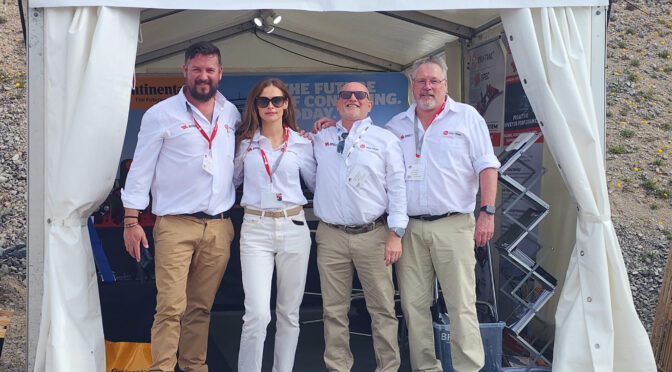
Visitors to the Booyco Engineering stand at Electra Mining Africa 2026 will have the opportunity to engage with the company’s specialists and gain a deeper understanding of how its HVAC systems are tailored to meet the unique requirements of OEMs, fleet operators and mining customers.

“Our HVAC systems are designed for real operating conditions where downtime is costly and equipment reliability is non-negotiable,” Brenton Spies, Managing Director of Booyco Engineering, says. “Electra Mining Africa gives us the opportunity to engage directly with customers, understand their challenges and demonstrate how our solutions continue to deliver value over the long term.”

The company’s solutions support a wide range of equipment, from underground mining machines to surface haul trucks, loaders and specialised construction equipment. By combining robust design with technical expertise and responsive aftermarket support, Booyco Engineering ensures its systems continue to perform long after installation.

The exhibition also provides an opportunity for customers to better understand the company’s service capability, maintenance support and long-term partnerships approach. In mining environments where machine availability directly affects productivity, reliable HVAC performance plays an important role in protecting both operators and equipment.

At this year’s Electra Mining Africa, Booyco Engineering is encouraging visitors to move beyond simply viewing the products and instead engage with the people behind the solutions.

“The real value lies in understanding the application and designing the right solution for it,” Spies adds. “We want visitors to come and talk to us, share their operational challenges and see how proven engineering and experience translate into HVAC systems that truly stand the test of time.”

Booyco Engineering looks forward to welcoming customers, OEM partners and industry stakeholders to its stand and demonstrating why its HVAC systems remain a trusted choice across Africa’s mining sector.

Booyco Engineering – Hall 9 Stand B23

INTEGRATED PUMP TECHNOLOGY BRINGS PROVEN DEWATERING EXPERTISE TO ELECTRA MINING AFRICA 2026

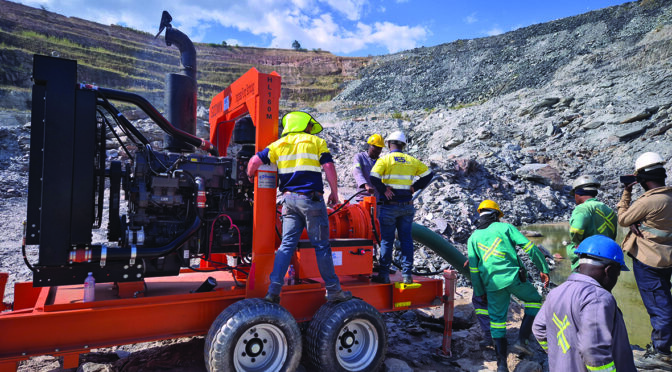
Visitors to Electra Mining Africa 2026 can expect more than just equipment on display at the Integrated Pump Technology stand – they will have direct access to one of Africa’s most experienced specialist dewatering teams.

As one of the most recognised and consistently high-impact exhibitors at this leading mining industry event, Integrated Pump Technology will once again use its presence at Electra Mining Africa to demonstrate why its dewatering solutions continue to deliver results across some of the continent’s toughest mining environments.

From emergency flood response and unexpected groundwater ingress to the design and implementation of long term mine dewatering strategies, the company has built an enviable reputation for understanding complex applications and providing solutions that work in the real world.

According to Jordan Marsh, Managing Director of Integrated Pump Technology, dewatering is rarely a one-size-fits-all exercise and success depends on understanding the specific realities of each operation.

“Every mine presents different challenges, from seasonal flooding and pit dewatering to underground water management and high volume transfer applications,” Marsh says. “Success depends on selecting the right technology, sizing equipment correctly and ensuring rapid deployment when production is at risk. Our role is to make sure customers have a solution that is practical, reliable and aligned to both their immediate and long term operational requirements.”

Integrated Pump Technology’s team has extensive experience across Africa in supporting mines facing exactly these challenges. Whether responding to urgent operational crises where downtime carries major financial consequences or working with customers to develop scalable long term pumping infrastructure, the company focuses on practical application-driven solutions.

At Electra Mining Africa 2026, visitors will be able to engage directly with these dewatering specialists to discuss their own site challenges and explore the most effective options for both immediate and future requirements.

On display will be pumps from the world-class brands represented by the company including Godwin diesel-driven pumps and Grindex electric submersible pumps. Together, these product ranges cover the full spectrum of dewatering requirements across mining, quarrying, construction and industrial applications.

Godwin diesel-driven pump sets are well known for their reliability, rapid deployment capability and performance in demanding open pit and emergency dewatering applications, while Grindex electric submersible pumps provide robust and efficient solutions for underground operations, high-head duties and continuous heavy-duty pumping requirements.

This combination allows Integrated Pump Technology to offer customers the flexibility of both short-term emergency intervention and permanent dewatering strategies designed to evolve with the mine over time.

In South Africa, customers are supported through a strong strategic distributor network that ensures fast and easy access to pumps, spare parts and technical support. This local accessibility is critical in dewatering applications where response times can directly affect production continuity and site safety.

Across the rest of Africa, Integrated Pump Technology has concluded several agreements with trusted regional partners, positioning the business to strengthen customer support while continuing to expand its footprint across key mining territories.

“Our intention is clear – we want to be the leading dewatering pump specialist in Africa,” Marsh says. “That is not simply about supplying pumps, it is about being responsive to customer needs, understanding their operating conditions and ensuring they have access to the right equipment, parts and technical expertise wherever they operate.”

He adds that Electra Mining Africa remains one of the most valuable platforms for face-to-face engagement with customers and industry stakeholders.

“This exhibition allows us to have meaningful technical conversations with customers who are dealing with real operational challenges,” he says. “It is an opportunity to demonstrate that successful dewatering starts with specialist knowledge and that the right partner can make a significant difference to productivity, safety and profitability.”

For operations where water management directly impacts performance, Integrated Pump Technology’s message is clear – reliable dewatering is built on expertise, responsiveness and partnerships that deliver long after the equipment is installed.

Integrated Pump Technology – Yellow Zone – P7 (known as the island)

TRU-TRAC AND BREC STRENGTHEN UK PARTNERSHIP WITH BELT SCALE TECHNOLOGY

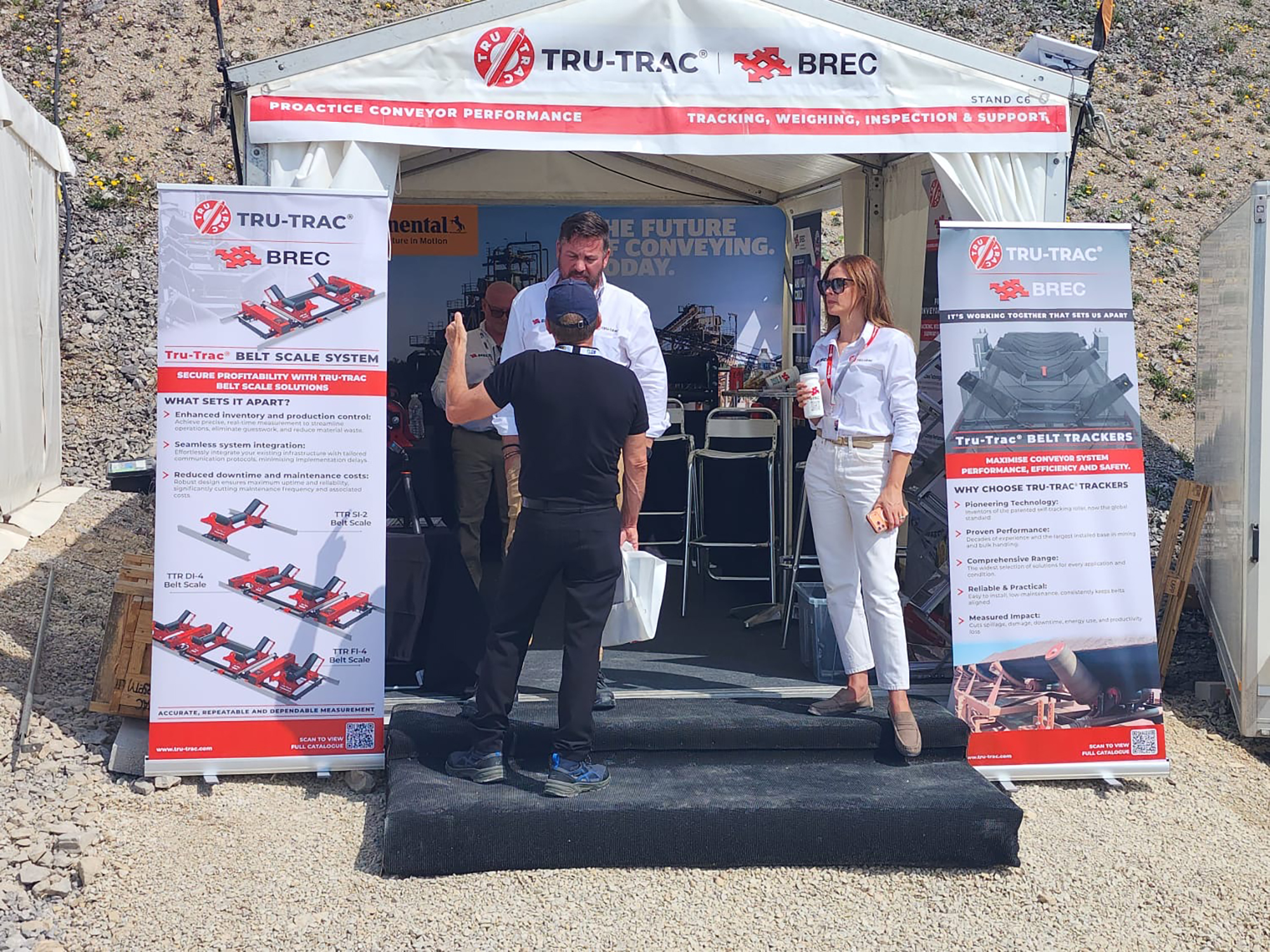
As conveyor systems become increasingly central to productivity, cost control and operational efficiency, mining and bulk materials operators are placing greater emphasis on technologies that deliver both accurate performance data and improved equipment reliability. Recognising this shift, Tru-Trac has expanded its long-standing partnership with UK-based BREC Ltd to include its advanced Belt Scale solutions, providing customers across the United Kingdom with access to a broader portfolio of intelligent conveyor technologies.

The expanded agreement builds on an established relationship between the two companies and follows strong market interest generated at Hillhead 2026, where integrated conveyor technologies attracted significant attention from quarrying, mining, recycling, ports, cement and bulk materials handling operators seeking practical solutions to improve operational performance.

While conveyor belt tracking has long been recognised as essential for reducing spillage, minimising belt damage and improving plant availability, operations are increasingly looking to combine these technologies with accurate real-time production measurement. Together, reliable belt tracking and precise material weighing provide valuable operational intelligence that enables better process control, improved production planning and more informed maintenance decisions.

According to Tinus Ludik, Manager of the Belt Scales Division at Tru-Trac, the industry is moving beyond viewing conveyor components as standalone products.

“Operations today want greater visibility into how their conveyor systems are performing,” Ludik says. “Reliable weighing data, combined with effective belt tracking, gives operators the information they need to optimise throughput, improve inventory management and make better operational decisions. It is about creating a smarter, more efficient conveyor system rather than simply installing individual components.”

Tru-Trac’s Belt Scale systems are engineered to deliver highly accurate repeatable material measurement in demanding operating environments without compromising conveyor performance. Continuous production data enables operators to monitor throughput in real time, improve stock control and identify process variations before they impact production.
For customers throughout the United Kingdom, the expanded partnership means these technologies are now supported locally through BREC’s established technical sales, engineering expertise and after-sales service capability.

Steve Perruzza, Managing Director of BREC Ltd, says the addition of Tru-Trac Belt Scales complements the company’s existing conveyor solutions while allowing customers to work with a single trusted technology partner.

“Our customers are increasingly looking for complete conveyor performance solutions rather than individual products,” Perruzza says. “Adding Tru-Trac’s Belt Scale technology to our portfolio enables us to deliver an even broader offering backed by local technical expertise and responsive support. It allows operators to improve both the reliability of their conveyor systems and the quality of the production data they rely on every day.”

The partnership reflects a broader trend across heavy industry where digitalisation and operational optimisation are driving demand for technologies that generate meaningful production data while simultaneously improving equipment reliability. Rather than managing multiple suppliers across different conveyor disciplines, many operations are seeking integrated solutions that simplify specification, installation and lifecycle support.

Ludik believes this approach will continue gaining momentum as operations focus on improving productivity while reducing operating costs.

“The response we received at Hillhead reinforced the fact that customers are looking for practical technologies that deliver measurable operational improvements,” he says. “By expanding our partnership with BREC, we are making it easier for UK customers to access proven weighing and conveyor performance technologies supported by people who understand their operating environment.”

The expanded collaboration also aligns with Tru-Trac’s global strategy of working with experienced regional partners capable of providing the technical support, application knowledge and aftermarket service required to maximise long-term equipment performance.
As conveyor systems continue to evolve into increasingly data-driven assets, partnerships that combine proven engineering with strong local support will play an important role in helping operators improve efficiency, optimise production and reduce total cost of ownership.

INDUSTRY EXPERTISE DRIVES SEW-EURODRIVE’S ELECTRA MINING AFRICA PRESENCE.

Industry-specific focus and life cycle support are the standout features of SEW-EURODRIVE’s presence at Electra Mining Africa 2026, according to Jonathan McKey, National Sales & Marketing Manager at SEW-EURODRIVE.

“Our exhibition stands will reflect how we partner with customers across the full operational lifecycle – from new installations through to maintenance, upgrades, optimisation and long-term asset management,” McKey says. “The overarching message is about business integration and modernisation, to take customers further down their sustainability and productivity journey.”

He highlights that SEW-EURODRIVE has expanded its offerings not only through exciting innovations in equipment and solutions, but through services to assess customers’ existing infrastructure and enhance it for more efficient and productive operation. This philosophy shapes both of the company’s stands at the show.

“Visitors to our main stand in Hall 5 will appreciate the industry-focused layout facilitating conversations that are both relevant and technically focused,” he explains. “Instead of a generalised display, visitors will be able to engage directly with specialists aligned to specific sectors including mining, materials handling and logistics.”

To enhance the value of these vital face-to-face discussions, SEW-EURODRIVE will have  management and technical experts on hand throughout the exhibition. Dedicated meeting areas will also allow for more private discussions around operational challenges, project requirements or longer-term strategic partnerships.

At the company’s second exhibition stand which is in Hall 4, SEW-EURODRIVE will focus on its electronics offerings while also showcasing its on-site energy surveys. The company’s experts will demonstrate how they use advanced tools to conduct these surveys and the important benefits they deliver.  

“We will unveil selected newer technologies on our stands with the focus on showing how this innovation is driven by customer need,” McKey says. “We avoid promoting products for their own sake; rather, we use these forums to ask visitors about the technical challenges they face and then we design our solutions to address them.”

This extends beyond physical equipment to include digital tools, training, service agreements and maintenance programmes. SEW-EURODRIVE will also be showcasing its training, digital solutions, after-sales and maintenance service. 

“Another theme at the exhibition will be the modernisation of existing plant infrastructure,” he says. “This is particularly relevant to mining operations where legacy equipment often remains in service for decades.”

While older systems may still be functional, their performance may be compromised and cost effectiveness may not be optimal. SEW-EURODRIVE increasingly works with customers to evaluate existing installations, comparing them against current technologies and identifying opportunities for improvement. This can include energy surveys, drivetrain assessments, maintenance reviews and broader operational optimisation studies.

“We can modernise those products, give better service life and make an impact across multiple facets of a customer’s business – including running costs,” he says. “We can enhance all of that by modernising the plant with technology.”

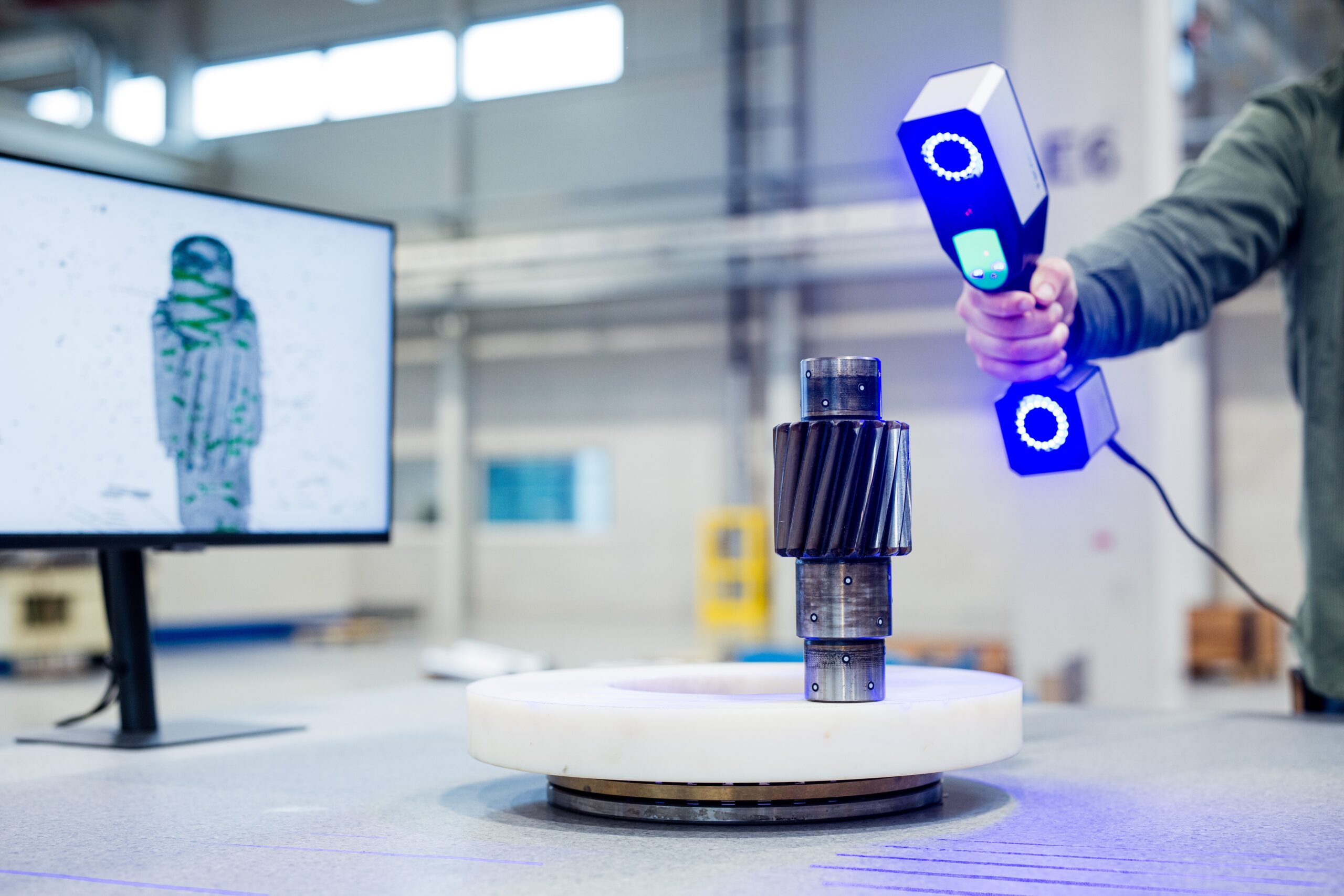
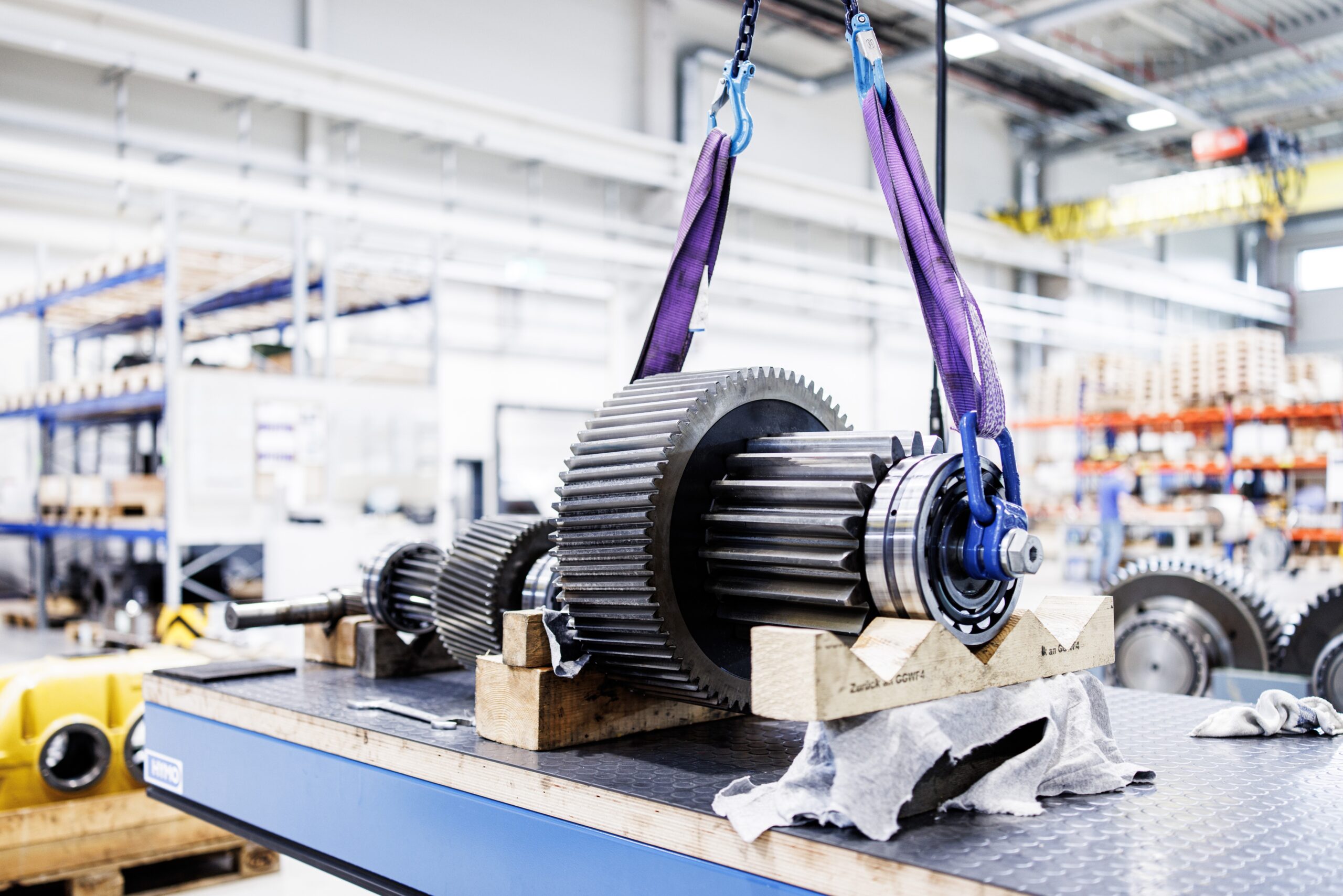
Importantly, the company aims to reduce the disruption often associated with upgrading legacy infrastructure with specialised solutions to streamline the transition while mitigating the associated risk. Another key talking point across the stands will be SEW-EURODRIVE’s growing service capability in South Africa including its expanded aftermarket support, reverse engineering and repair services. This capability extends beyond servicing its own products, to include other OEMs’ equipment.

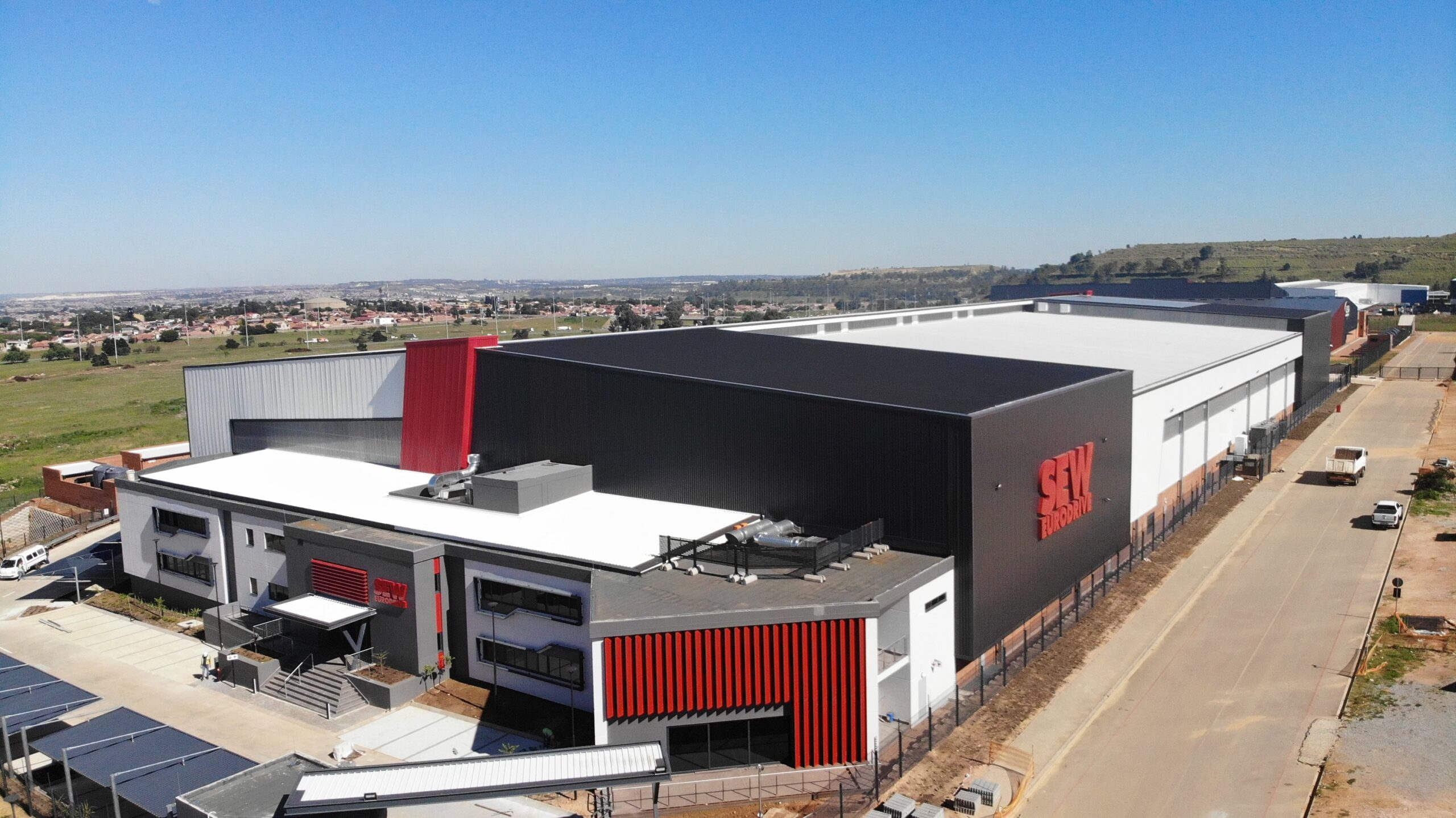
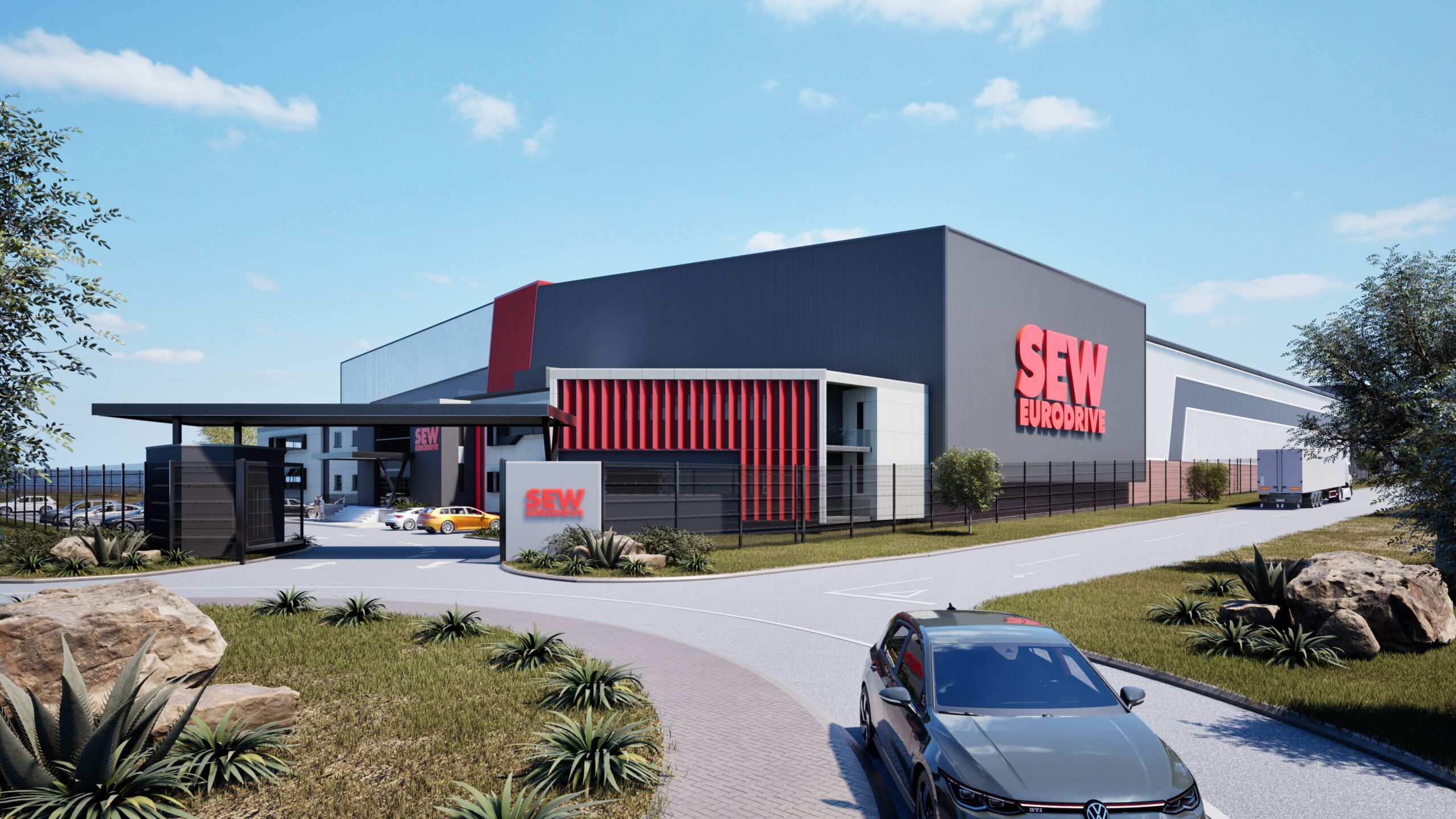
“Our recently expanded facilities in Aeroton, Johannesburg, have further improved our service capabilities not just for our own product but also for non-SEW products,” he says. “With our depth of technical expertise and specialised workshop equipment, we can reverse engineer and repair obsolete products back to workable health.”

By visiting SEW-EURODRIVE, Electra Mining Africa visitors can begin a holistic discussion about their current operational demands and future plans at their specific mine or industrial plant. The experienced SEW-EURODRIVE people on hand at the exhibition will help plot the road the improved asset performance.
“Our presence further underscores that mining remains a major global growth sector for us, especially as mines look for ways of getting minerals out of the ground more efficiently,” McKey says. “This pressure is accelerating demand for modern drive technology, automation and broader operational optimisation which are the areas where we see growing opportunity.”

McKey also expects plenty of interest from Electra Mining Africa visitors in infrastructure development and asset improvement more broadly. He notes that SEW-EURODRIVE is increasingly becoming involved in projects that not only support industrial operations, but help modernise economies through better engineering, improved reliability and smarter technologies.

SEW-EURODRIVE Hall 5 J20

SEW-EURODRIVE Hall 4 C12