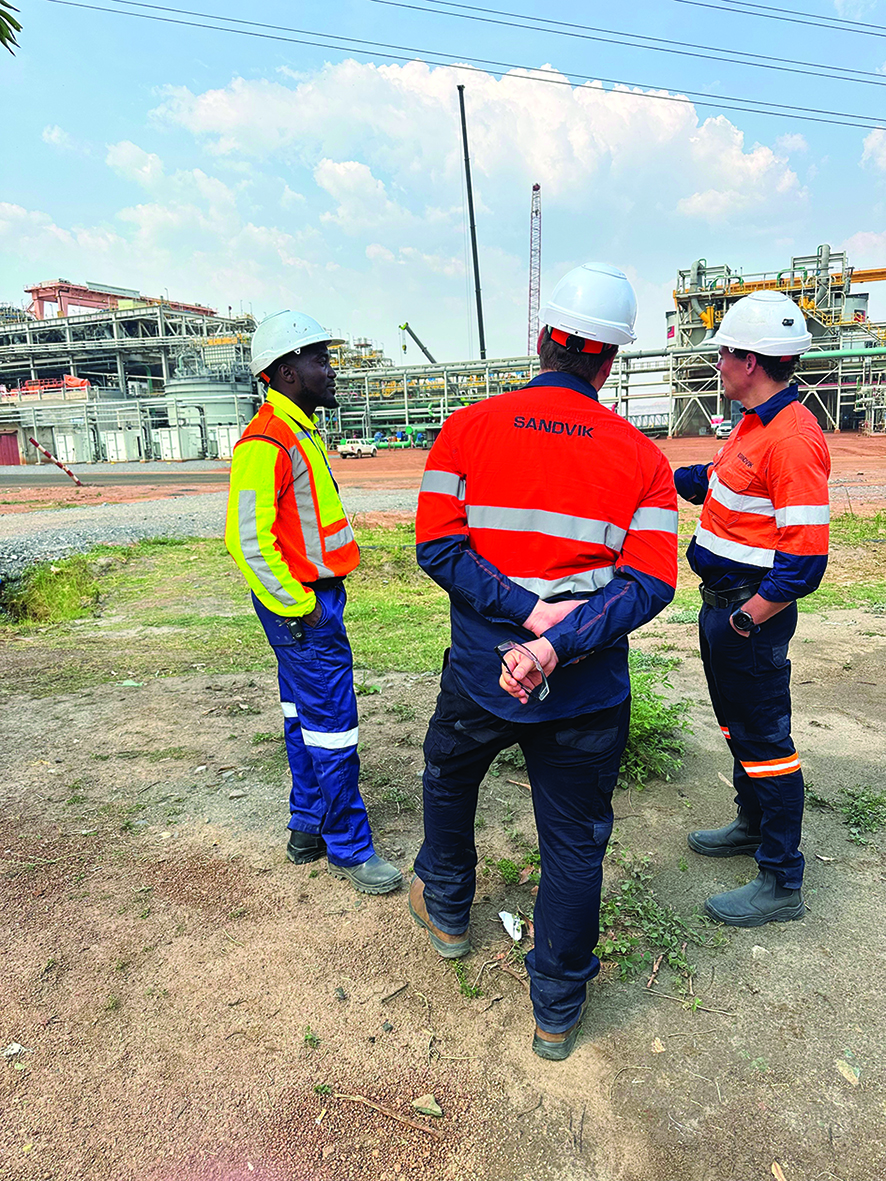
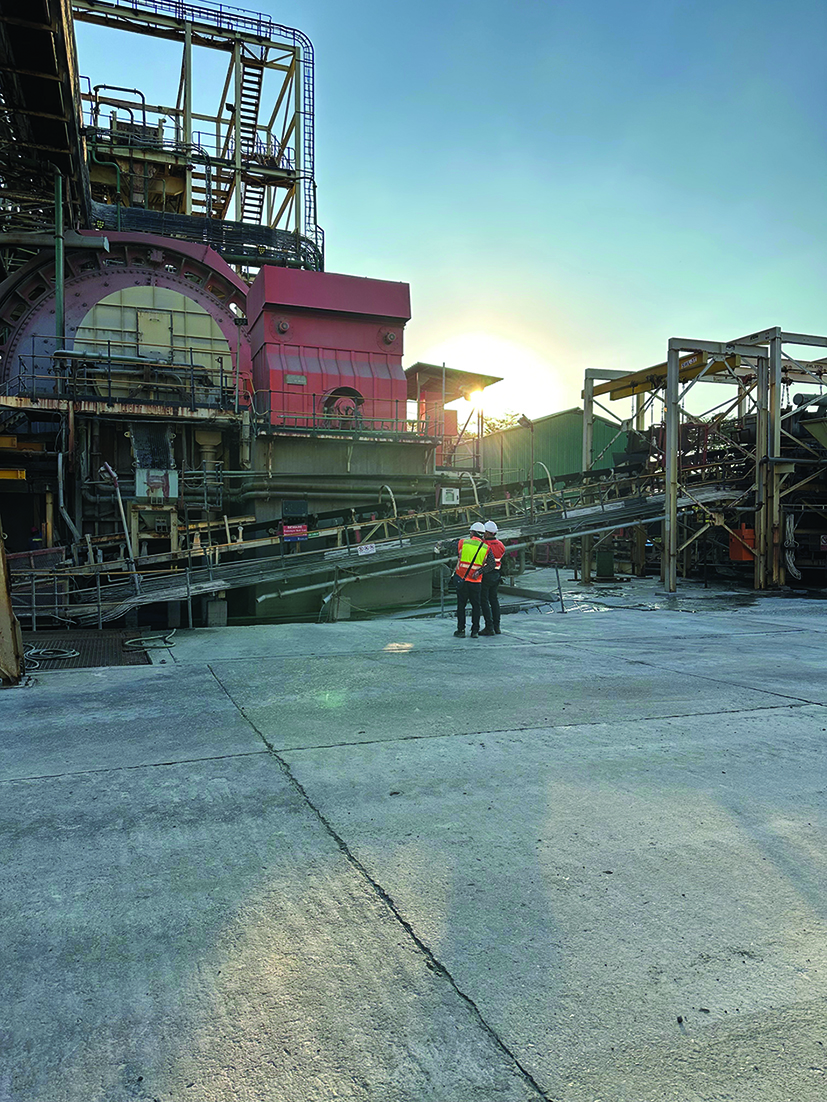
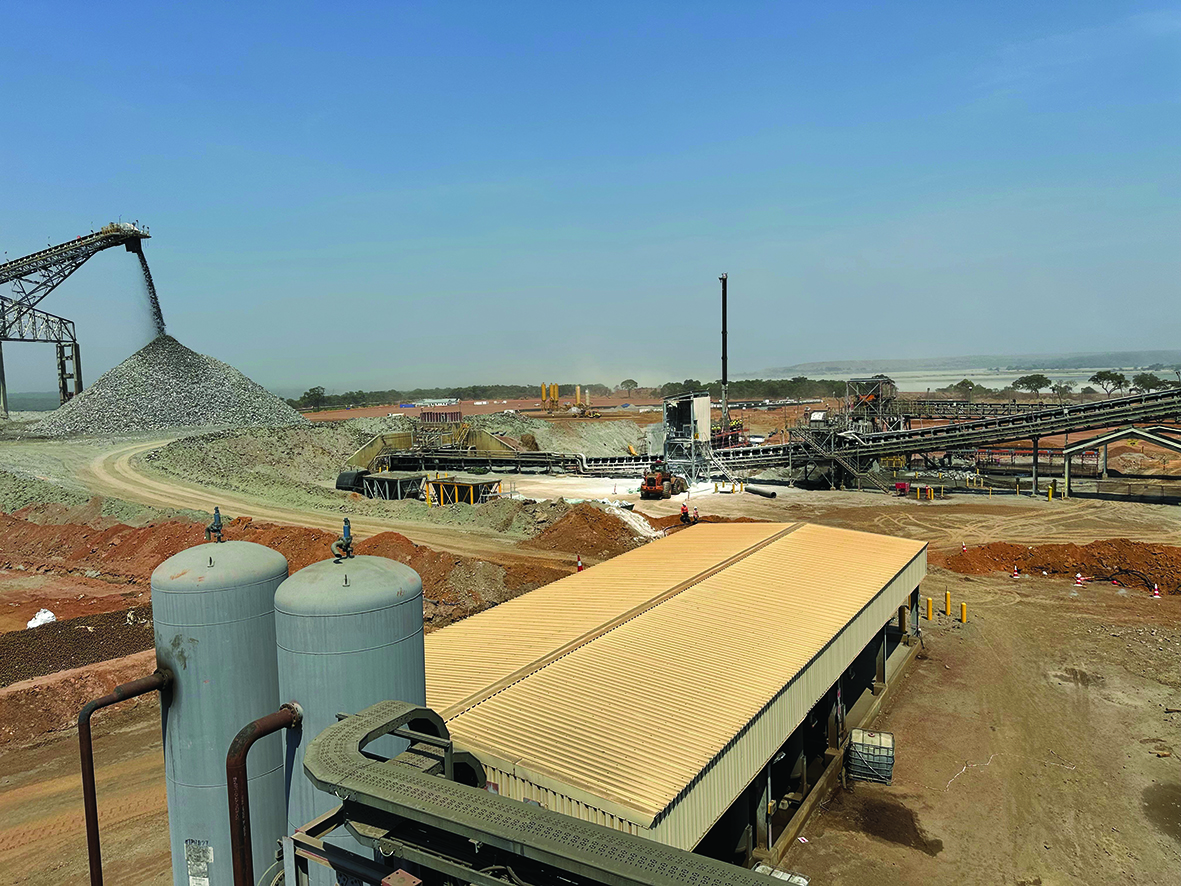
Integrating complex equipment into the critical crushing and screening stages of comminution is rarely straightforward which is why Sandvik Rock Processing strongly supports an engineered-to-order (ETO) approach.
According to Tarynn Yatras, Vice-President Sales Area Africa for Sandvik Rock Processing, the ETO model enables the company to design plant configurations around the specific operating conditions and requirements of each mine, rather than an “off-the-shelf” solution.
Yatras notes that mines are increasingly recognising the value of ETO solutions which allow custom-designed systems for crushing plants that are developed to meet the specific operational, material and site requirements of individual customers – particularly for complex mining and large quarry applications. Sandvik Rock Processing is well positioned to provide and deliver fully integrated ETO solutions.
“Our ETO offering allows us to deeply integrate our engineering expertise using site-specific knowledge,” she explains. In a typical installation, equipment such as jaw crushers, cone crushers, screens and rock breakers can be seamlessly combined from Sandvik Rock Processing’s extensive product range.
Site-specific challenges can also be addressed early in the design phase. Factors such as ore abrasiveness, required throughput, plant layout and operational constraints all influence equipment selection and circuit configuration.
“Particular challenges like space restrictions or unusual elevations – common in brownfield operations – may also need to be accommodated,” she says. “Complex multi-stage crushing arrangements may be required, with careful fine-tuning of flowsheets.”
Digital simulation tools play a key role in identifying the optimal configuration. By modelling different plant layouts, engineers can test alternative flowsheets and predict circuit performance before implementation.
“We help customers make the most of the planning stages to identify the optimal design,” Yatras explains. “In some cases, it may be necessary to evaluate 15 or 20 different flowsheets before arriving at the most effective solution.”
Yatras is quick to point out that Sandvik Rock Processing is not an EPCM house and the company remains focused on delivering crushing and screening product solutions.
Another advantage of the ETO model is improved accountability. When multiple OEMs supply individual components, identifying the root cause of performance issues can be challenging. An integrated ETO solution reduces this risk by providing the customer with a single point of responsibility.
“Ultimately, the goal is to ensure the plant delivers consistent performance throughout its lifecycle, in line with design expectations,” Yatras says. “While simulations and design expertise provide a strong starting point, ongoing monitoring and optimisation remain essential.”
By controlling the quality of the design, equipment and installation within the ETO solution, Sandvik Rock Processing can also provide process guarantees to customers – an important element in de-risking projects and supporting long-term plant uptime.
Booyco Engineering has moved into full production of its third generation heating, ventilation and air conditioning (HVAC) system for a customer’s latest 8×8 amphibious infantry vehicles.
This latest HVAC solution is the result of the company’s intensive research and development, aimed at addressing both environmental extremes and the stringent operational requirements of military applications. Grant Miller, Executive Director of Booyco Engineering, highlights the increasing complexity of thermal management in defence vehicles.
“We didn’t approach this HVAC development as a simple upgrade,” Miller explains. “This is a ground-up third-generation design that incorporates lessons learned from previous deployments as well as new performance requirements driven by modern vehicle architectures and mission profiles.”
The development process was characterised by extensive modelling, simulation and field validation. Rather than focusing solely on cooling capacity, the Booyco Engineering team adopted a systems-level approach, considering airflow dynamics, thermal loads from onboard electronics and crew comfort.
“One of the key innovations is how we manage thermal loads under highly variable conditions,” he says. “The system has to perform consistently, whether the vehicle is operating in extreme heat or cold; this requires a very precise balance between capacity, responsiveness and energy efficiency.”
The result is a more compact energy efficient unit that delivers improved performance without imposing excessive load on the vehicle’s power systems. This is an increasingly important consideration as modern infantry vehicles incorporate more electronic subsystems. Designing an HVAC system capable of operating reliably between minus 10°C and plus 49°C presents significant engineering challenges, including material selection and component durability.
Booyco Engineering’s in-house capabilities and experience have been central to addressing these challenges. The company leverages integrated design, prototyping and testing functions to validate performance under simulated environmental conditions before systems enter production.
“Leveraging our previous experience together with extensive in-house testing allows our team to test and refine designs internally, ensuring systems are pushed to their limits and ensure they meet military-grade requirements before they ever reach the field,” Miller says.
This vertical integration also enables rapid iteration during development, reducing the risk of performance issues emerging later in the production cycle. Now, as the company conducts full-scale manufacturing of the new-generation HVAC systems, it applies rigorous quality control processes to ensure consistency and compliance.
“The defence sector demands a very disciplined approach to manufacturing,” Miller says. “We have structured processes in place for assembly, inspection and testing at every stage.”
Each unit undergoes comprehensive assessment to verify performance against specification including pressure testing, thermal performance validation and functional checks. Traceability is also a key requirement with detailed records maintained for all components and processes.
“Traceability and repeatability are fundamental,” he notes. “We need to be able to demonstrate that every unit meets the same high standard, not just in terms of performance but also in terms of compliance with stringent specifications.”
Beyond the immediate contract, the project reflects Booyco Engineering’s broader strengths across research and development, engineering design, manufacturing and quality assurance.
“This programme is a good example of what we’re capable of as an organisation,” Miller says. “It brings together our design expertise, our testing capabilities and our ability to manufacture complex systems to very high standards.”
It also positions Booyco Engineering as a credible partner for future military vehicle programmes, where thermal management is becoming increasingly critical as platforms grow more sophisticated.
“Modern military vehicles are carrying more electronics, more systems and operating in more demanding environments,” he concludes. “This places greater emphasis on HVAC performance, both for comfort and for system reliability and mission effectiveness.”
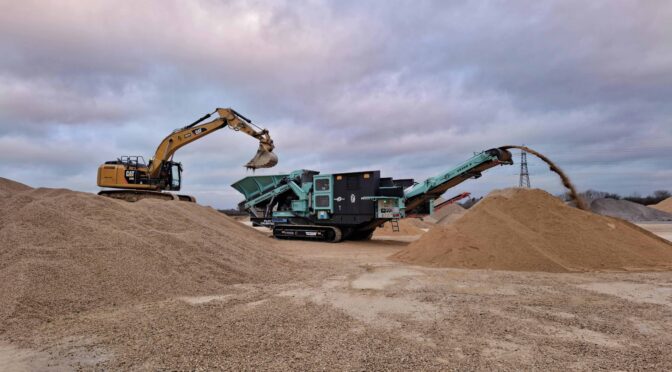
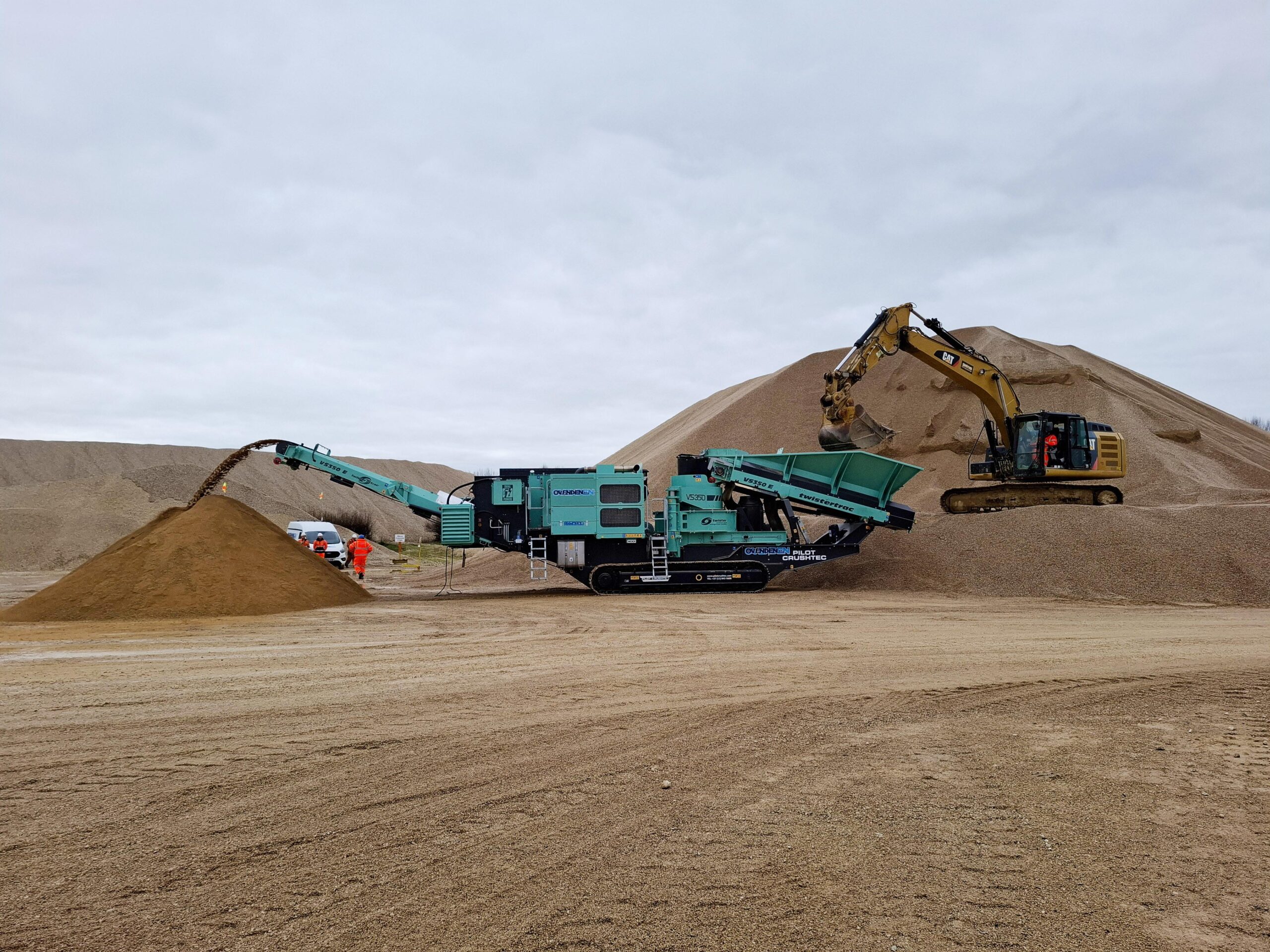
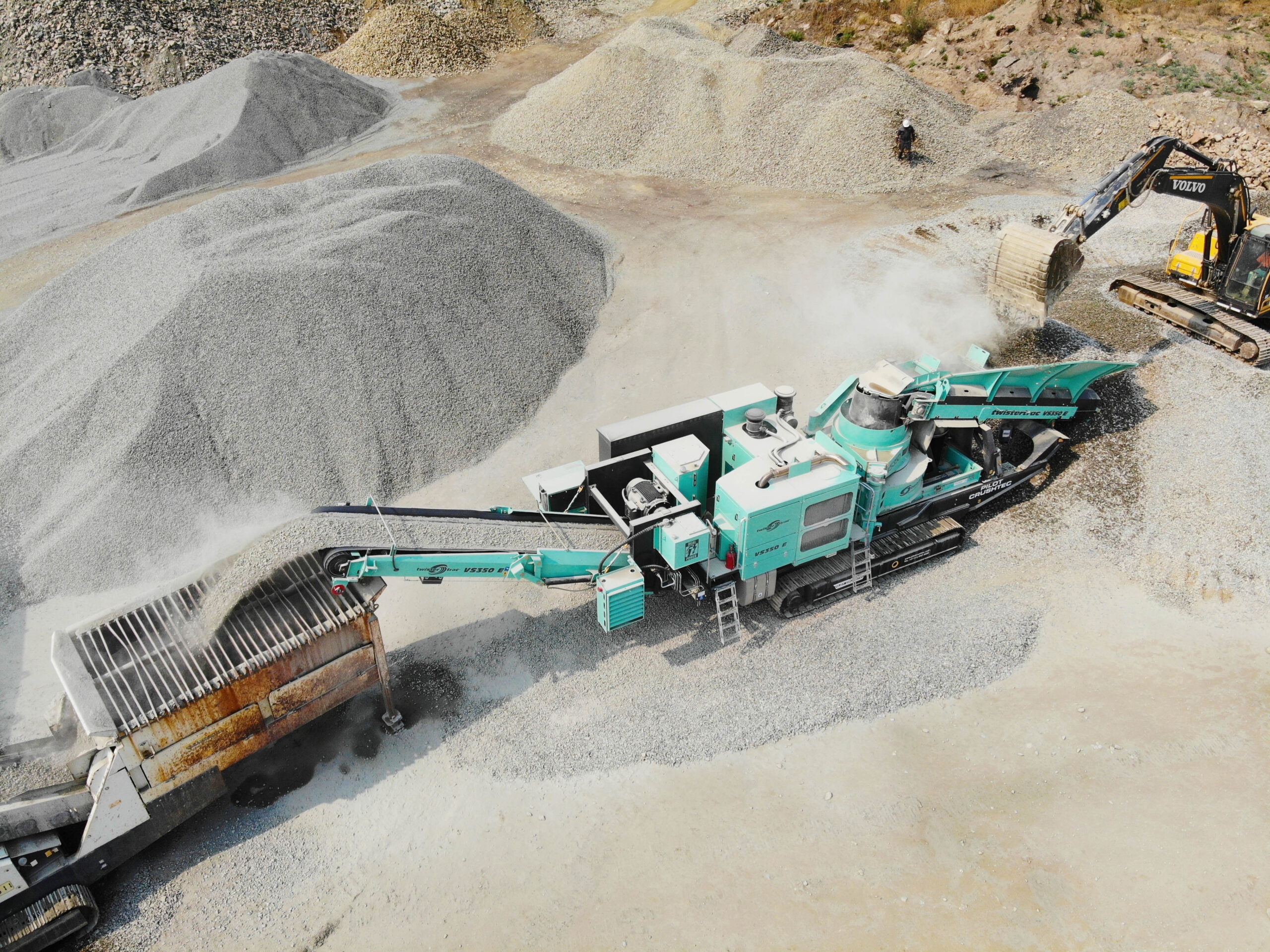
As Europe leads the global shift toward tighter emissions regulations, Pilot Crushtec is showcasing how its latest TwisterTrac VS350E Stage V crusher is helping customers meet these evolving requirements. The machine will be on exhibit at Hillhead, Europe’s largest quarrying, construction and recycling equipment exhibition, later this year.
The TwisterTrac VS350E Stage V represents the latest evolution of the well-proven VS350E platform, building on the performance, reliability and operating efficiency associated with vertical shaft impact (VSI) crushing, according to Francois Marais, Sales and Marketing Director at Pilot Crushtec.
“Designed to comply with the European Union’s stringent Stage V emission standards for non-road mobile machinery, this model reflects a continued refinement of a highly successful concept,” Marais says. “The original design has already established a strong and proven track record in demanding applications worldwide.”
With well over 100 units operating globally in Tier 3 countries, the availability of the TwisterTrac VS350E in a Stage V configuration now allows customers in the European Union to benefit from the machine’s core performance characteristics, reliability and low total cost of ownership. An important sustainability feature of the TwisterTrac VS350E Stage V is the inclusion of the well-known and widely supported Volvo Penta engine.
“The Volvo Penta is a tried-and-tested brand with excellent support, particularly in Europe,” Marais says. “It gives customers confidence not only in terms of emissions compliance but also in long-term reliability and serviceability.”
Going a step further than most conventional mobile crushers, the TwisterTrac VS350E Stage V is designed as a dual-powered unit. It is capable of operating either on its onboard diesel genset or, where available, directly from a grid electricity supply.
“This is a very important feature for emissions-regulated markets,” Marais says. “Plugging directly into the grid to run the machine electrically gives customers the option to reduce emissions even further and, in many cases, lower their operating costs as well.”
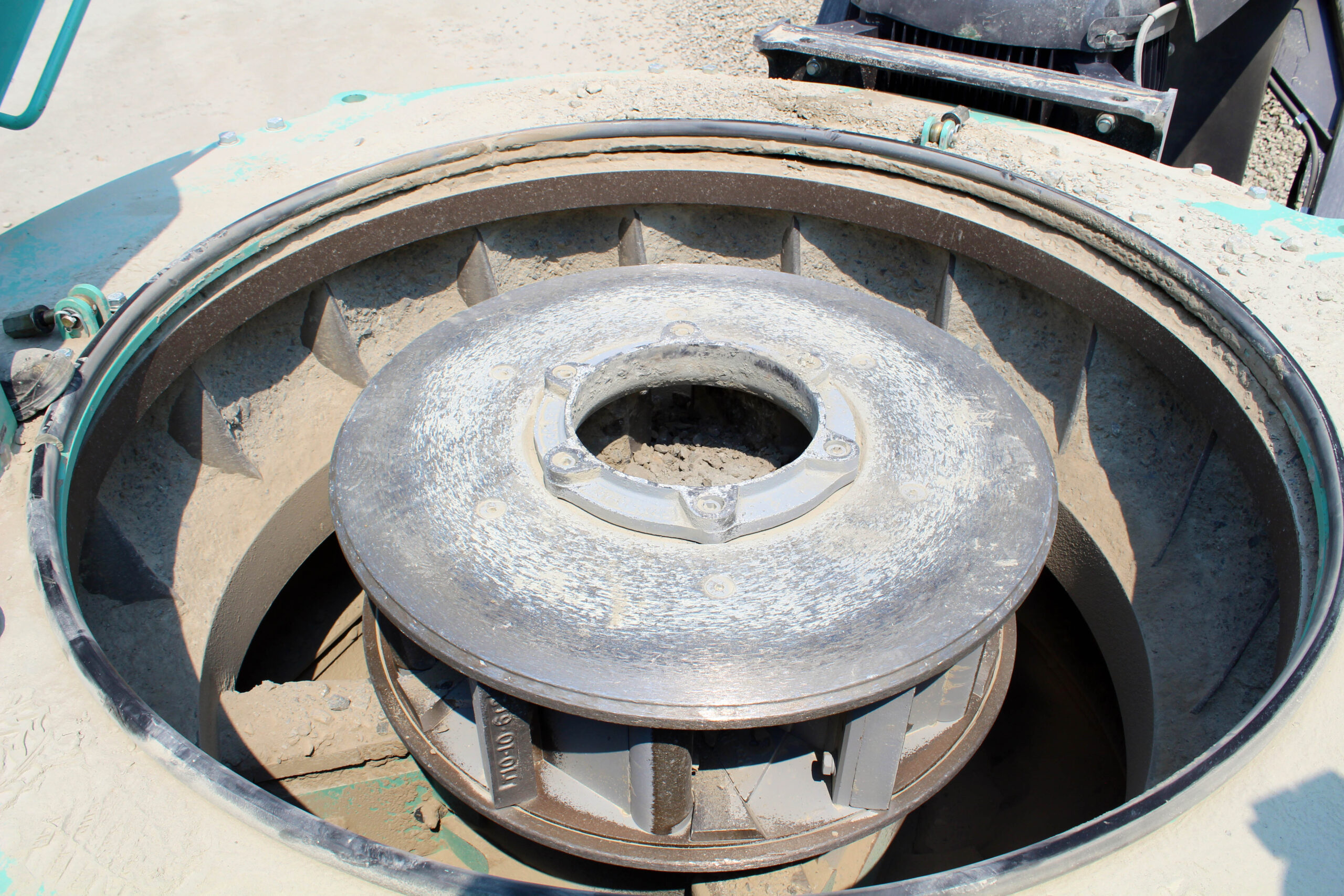
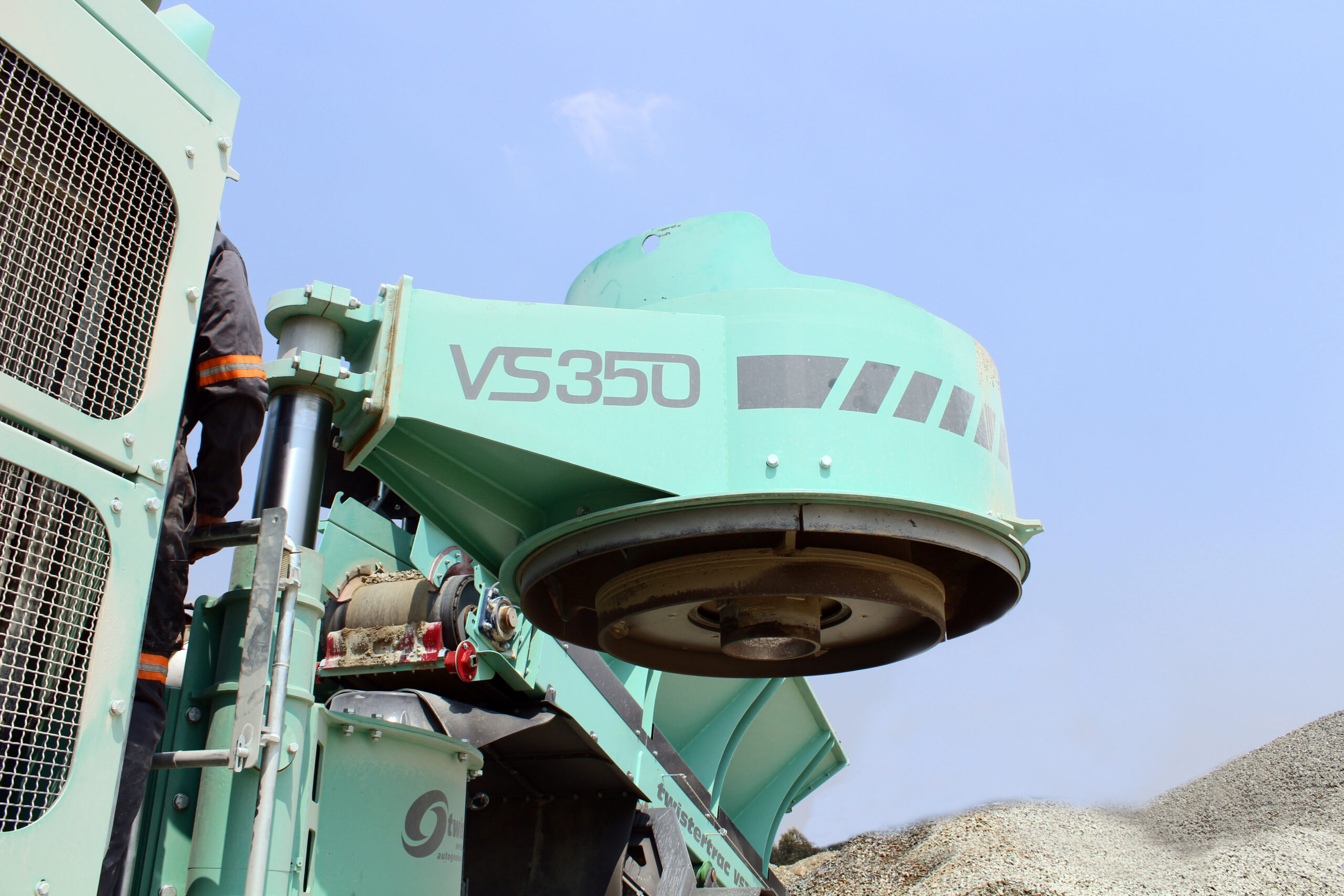
At the heart of the machine’s high crushing performance is the Twister vertical shaft autogenous crusher – a design refined over decades and central to the machine’s productivity and cost efficiency. James Atkins, Product Specialist at Pilot Crushtec, explains that material is fed into the top of the crusher and directed into a high-speed vertically mounted rotor.
“From there, the material is accelerated outward by centrifugal force and thrown against a surrounding rock box or anvil ring,” Atkins says. “Crucially, much of the crushing action is achieved through rock-on-rock impact rather than metal-on-rock contact.”
This autogenous crushing principle delivers several key benefits. Firstly, it produces a consistently shaped cubical product that is highly valued in aggregate and sand production. Secondly, because the material itself forms a protective bed inside the crushing chamber, wear on internal components is significantly reduced.
“The result is longer service intervals, lower wear part costs and more predictable maintenance planning,” he says. “We also carefully select premium components throughout the machine for their durability so customers experience more uptime and reduce their overall cost of ownership.”
Atkins also notes that the Twister rotor and rock-box arrangement is not a copy of other VSI designs but an original concept developed and refined over more than three decades.
“The rotor design itself is original and proven,” he says. “There are hundreds of these rotors operating around the world, demonstrating the design’s superior performance, power efficiency and ease of maintenance.”
created by dji camera
Ease of access during maintenance is another area where the TwisterTrac VS350E has been carefully engineered to help customers achieve high levels of equipment availability in real-world operating conditions.
Features such as the onboard jib crane for rotor handling, hydraulically operated lid lifting and modular wear components are all designed to reduce downtime and simplify routine service tasks.
“In practical terms, this means faster inspections, safer component changes and less reliance on external lifting equipment or specialised tools,” Atkins explains.
From a productivity perspective, the TwisterTrac VS350E sits at the top end of the Twister range, with throughputs of up to 350 tonnes per hour depending on application and configuration. This makes it suitable not only for high-volume aggregate and sand production, but also for demanding recycling and mineral processing applications.
“The TwisterTrac platform has always been known for its versatility and the Stage V version is no exception,” Marais says. “While the core European market is firmly rooted in quarrying, construction and recycling, the technology has also proven itself in more specialised applications including glass recycling as well as electronic waste and precious metals recovery.”
One unit has recently been supplied into the United Kingdom’s glass recycling market with several static units already in operation in the same application. In addition, another static unit is operating in the United States to recover precious metals from electronic waste. This flexibility is a direct result of the VSI crushing principle which excels at producing fine, well-shaped material from a wide range of feedstocks.
Atkins adds that while productivity is measured in tonnes per hour, efficiency is determined by how much energy is consumed to produce each tonne. By combining high rotor efficiency, controlled crushing action and the option of electric power, the TwisterTrac VS350E Stage V delivers a compelling cost-per-tonne figure in markets where both energy costs and emissions compliance are under scrutiny.
“The design focus is not only on ease of maintenance, but on reducing the need for maintenance in the first place,” he says. “When components last longer and the machine is easier to work on, customers benefit from higher uptime and lower lifecycle costs – which is ultimately what matters most.”
The growing installed base of TwisterTrac VS350E units across the UK and eastern Europe, together with an increasing number of direct sales enquiries from continental Europe, has prompted Pilot Crushtec to expand its distributor network. Marais notes that engaging with potential agents will be one of the company’s priorities when it exhibits at the UK’s Hillhead show in mid-2026.
A shift towards structured service level agreements (SLAs) is redefining how conveyor systems are managed with moving operators away from a cycle of breakdown and repair towards proactive performance optimisation.
According to conveyor systems specialist Tru-Trac, this trend recognises the central role that conveyors play in high tonnage mining and bulk materials handling operations, where conveyor downtime poses a direct threat to production, safety and profitability.
“Misalignment, belt wander, spillage and premature component wear can quickly escalate into unscheduled stoppages and costly repairs,” AJ van Eyssen, Business Development Manager at Tru-Trac, says. “Production losses alone can run into millions, making conveyor reliability a critical strategic priority for these operations.”
From a field service perspective, Van Eyssen notes that catastrophic events causing serious downtime rarely occur in isolation. Instead, they are usually the cumulative result of neglected fundamentals.
“From my experience, the root causes are usually found in a lack of conveyor maintenance,” he says. “This leads to issues such as conveyor belt misalignment and product carry-back, which in turn create knock-on effects like idler failure and pulley lagging damage, eventually resulting in major breakdowns.”
He emphasises that the operational efficiency of all conveyor components is interconnected and that one problem inevitably leads to another. Inadequate maintenance allows relatively minor issues to accelerate wear across the system, from idlers to tail pulleys and chute structures. Left unchecked, this cascade can result in spillage events, environmental risks and unplanned shutdowns.
“An SLA can change this dynamic fundamentally,” he explains. “By introducing scheduled inspections, continuous monitoring and structured maintenance interventions, operators can have real-time ‘eyes on the plant’ before problems escalate.”
He estimates, for instance, that up to 60% of conveyor belt performance issues could be resolved by identifying belt misalignment at an early stage and addressing it effectively.
This shift in maintenance strategy also reflects a changing relationship between conveyor specialists and end-users. While traditional procurement models in the conveyor space have typically focused on component supply, many mines today are looking for partners that offer holistic solutions.
“Where trackers, idlers or scrapers are delivered as standalone products, the burden of system integration, maintenance and performance optimisation remains with the operator,” Van Eyssen explains. “Tru-Trac’s SLA model represents a marked departure as we are not there just to sell products. We are there to resolve problems and look at the broader picture to provide a 360-degree solution.”
The company’s interventions begin with a detailed on-site assessment, where specialists evaluate conveyor system performance and identify opportunities for improvement. From there, a tailored SLA is developed, aligned to the specific conditions, constraints and priorities of the operation.
David Pereira, Head of Sales at Tru-Trac, highlights the strategic rationale behind this approach.
“The logic behind using SLAs is to move away from ad hoc decisions and reactive maintenance,” Pereira says. “Putting a service level agreement in place gives operators a data-driven basis for decision-making and a clear plan for action.”
Instead of fragmented interventions, he explains, the SLA model introduces structured service delivery, predictable costing and a framework for continuous improvement. One of the most tangible benefits is its ability to drive optimisation efforts.
“Conveyor belts are high-value assets, and even minor inefficiencies can undermine an operation’s productivity and profitability,” he says.
A mining customer in the Democratic Republic of Congo (DRC), for example, has seen plant availability rise dramatically. Tru-Trac began the relationship with a basic SLA, which later evolved into a full maintenance contract. Based on the client’s own records, plant availability improved from 65% to over 90%.
“The result of a tailored SLA is not simply fewer stoppages but a conveyor system that operates more efficiently, more safely and at a lower lifecycle cost,” Van Eyssen concludes. “This allows mines and processing plants to focus on what matters most: sustained and efficient production.”
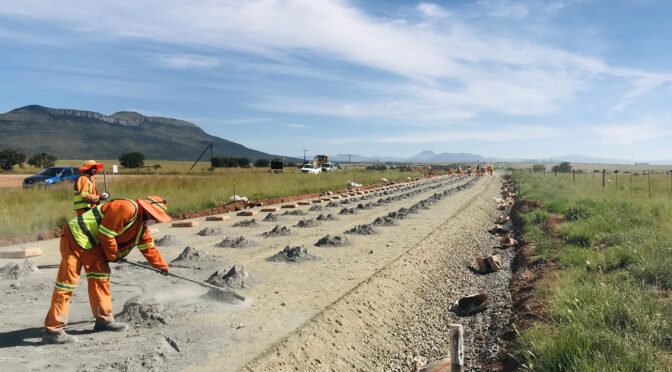
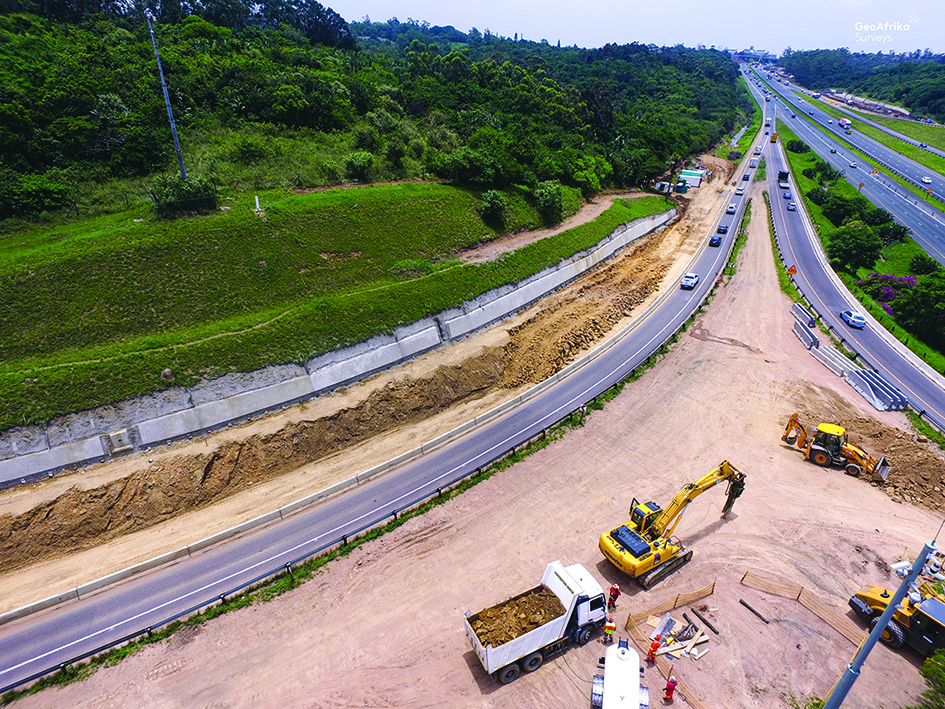
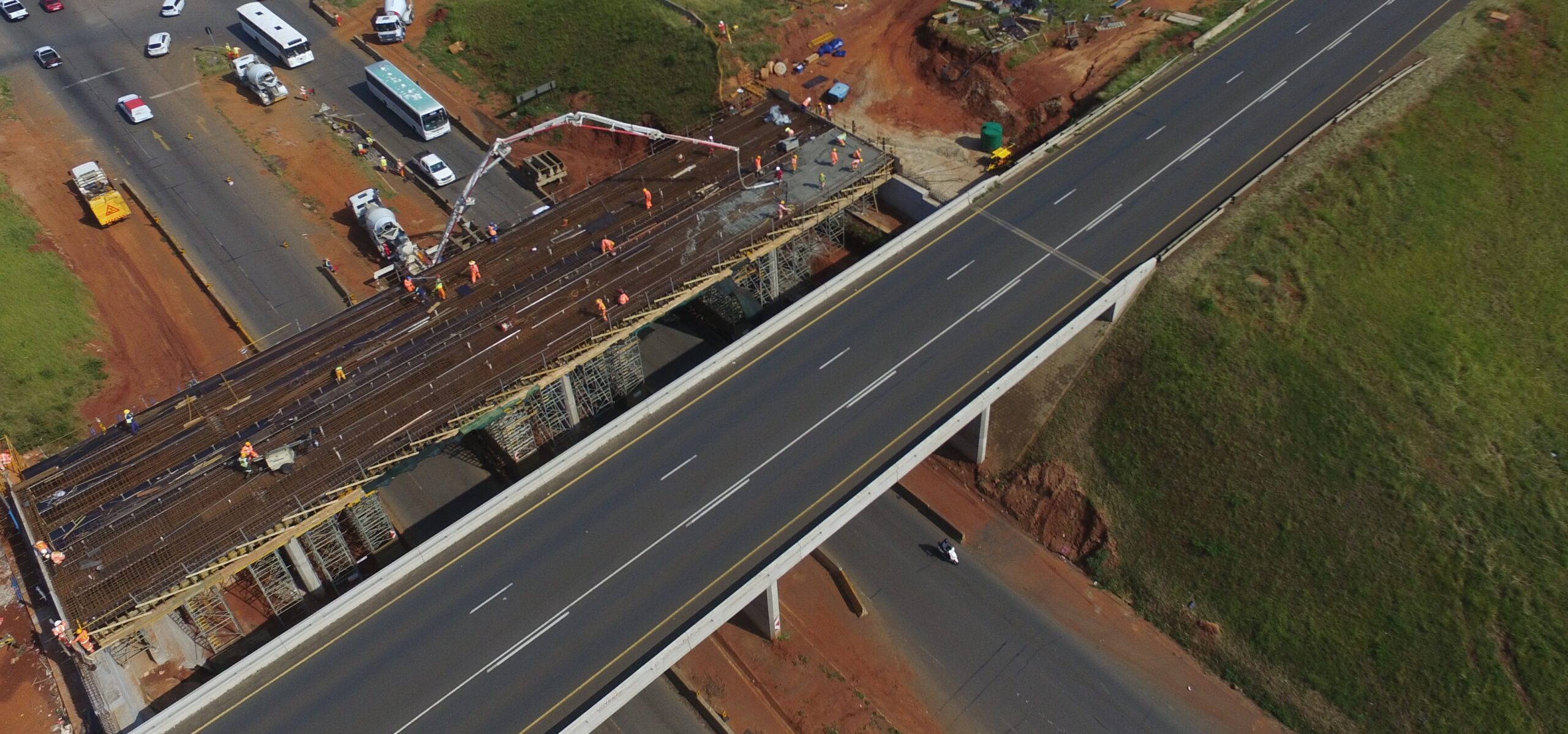
The Bargaining Council for the Civil Engineering Industry (BCCEI) continues to play an important role in supporting stability, compliance and fair labour practices across South Africa’s civil engineering sector. One area where this role is increasingly valuable is in raising awareness and understanding of the industry’s collective agreements among contractors and subcontractors operating on construction projects.
The civil engineering sector relies heavily on collaboration between principal contractors and a wide network of subcontractors. These subcontractors often provide specialised skills and services that are critical to the successful delivery of infrastructure projects. However, many smaller or emerging subcontractors may not always be fully familiar with the requirements and obligations contained in the industry’s collective agreements.
According to Lindie Fourie, Operations Manager at the BCCEI, improving awareness of these agreements benefits the entire sector. “When all parties understand the applicable wage determinations, employment conditions and compliance requirements, projects can operate more smoothly and avoid unnecessary disputes or misunderstandings,” she explains.
Importantly, this responsibility does not rest solely with principal contractors. While main contractors typically engage subcontractors as part of project delivery, the BCCEI itself provides a range of resources and support mechanisms to help industry participants understand the collective agreements that govern the sector.
Through its established structures, the BCCEI offers guidance, information sessions and engagement opportunities aimed at ensuring that both established and emerging contractors have access to accurate and practical information. These initiatives are designed to strengthen compliance while also supporting a more inclusive and transparent operating environment within the industry.
DCIM100MEDIADJI_0039.JPG
One practical step that can further strengthen this awareness is for main contractors to consider inviting the BCCEI to participate in briefing sessions or induction programmes for prospective subcontractors.
“These engagements create an opportunity for the BCCEI to explain the collective agreements directly, answer questions and clarify expectations before work begins on site,” Fourie notes.
Such sessions are particularly valuable for subcontractors who may be entering the civil engineering environment for the first time or who operate across multiple sectors where labour frameworks differ. Direct engagement with the BCCEI helps ensure that contractors and subcontractors receive consistent, authoritative information from the body responsible for administering the agreements.
This collaborative approach benefits all stakeholders. Subcontractors gain clarity on their obligations and rights, main contractors reduce the risk of compliance challenges on their projects and the industry as a whole strengthens its commitment to fair and lawful employment practices.
DCIM100MEDIADJI_0193.JPG
“The BCCEI’s role is not only regulatory but also supportive,” Fourie adds. “By working alongside contractors and providing accessible information, the BCCEI aims to build a culture of understanding and cooperation within the sector.”
As South Africa continues to prioritise infrastructure development, ensuring that all participants in the civil engineering value chain understand the framework that governs labour relations will remain essential. Through continued engagement and partnership with industry stakeholders, the BCCEI is well positioned to assist contractors and subcontractors alike in navigating the collective agreements that underpin the sector’s stability and growth.
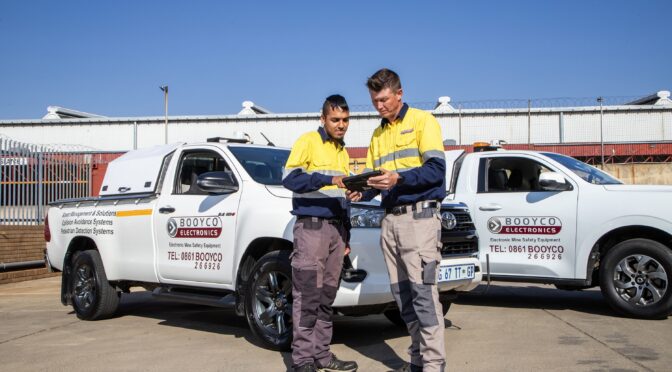
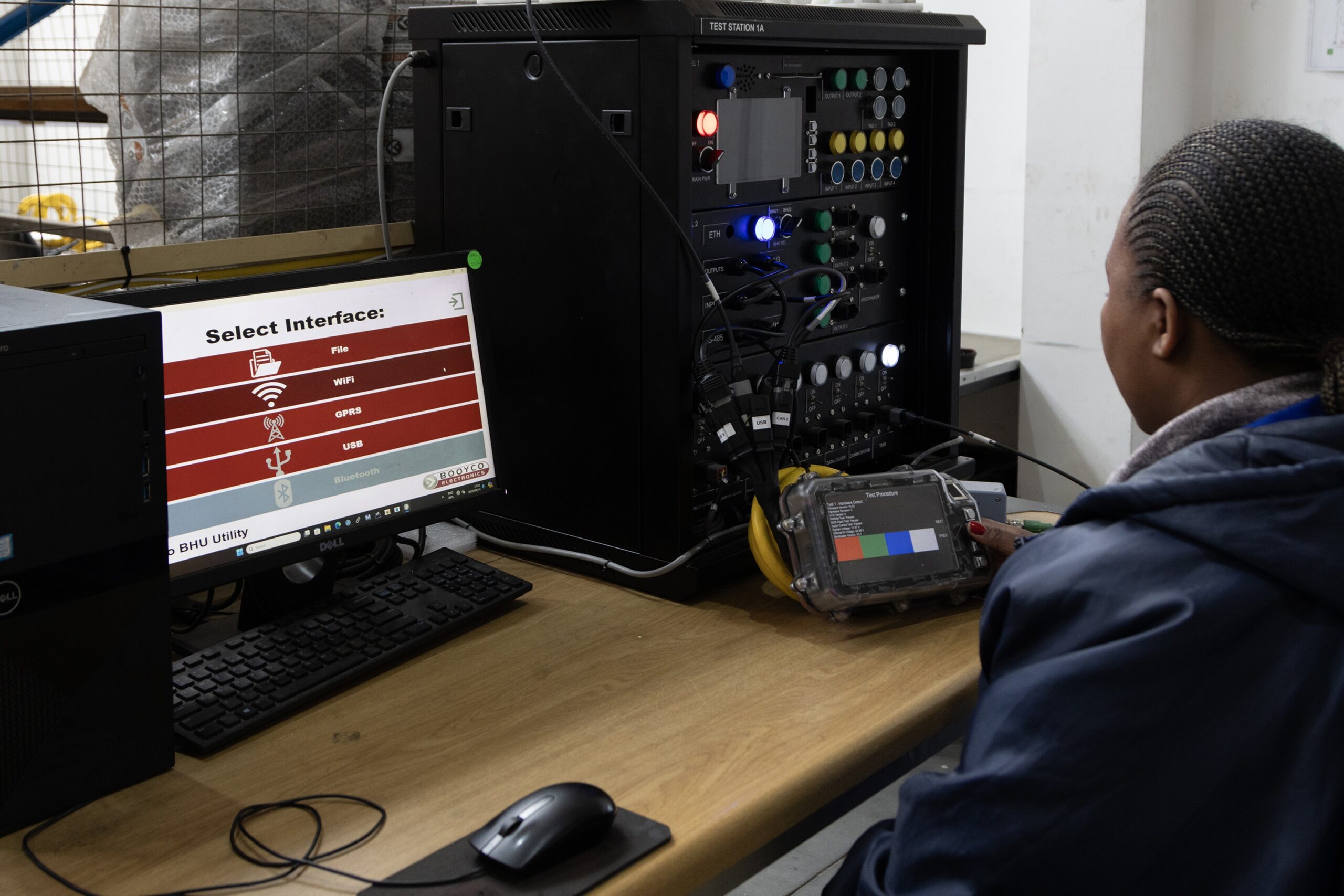
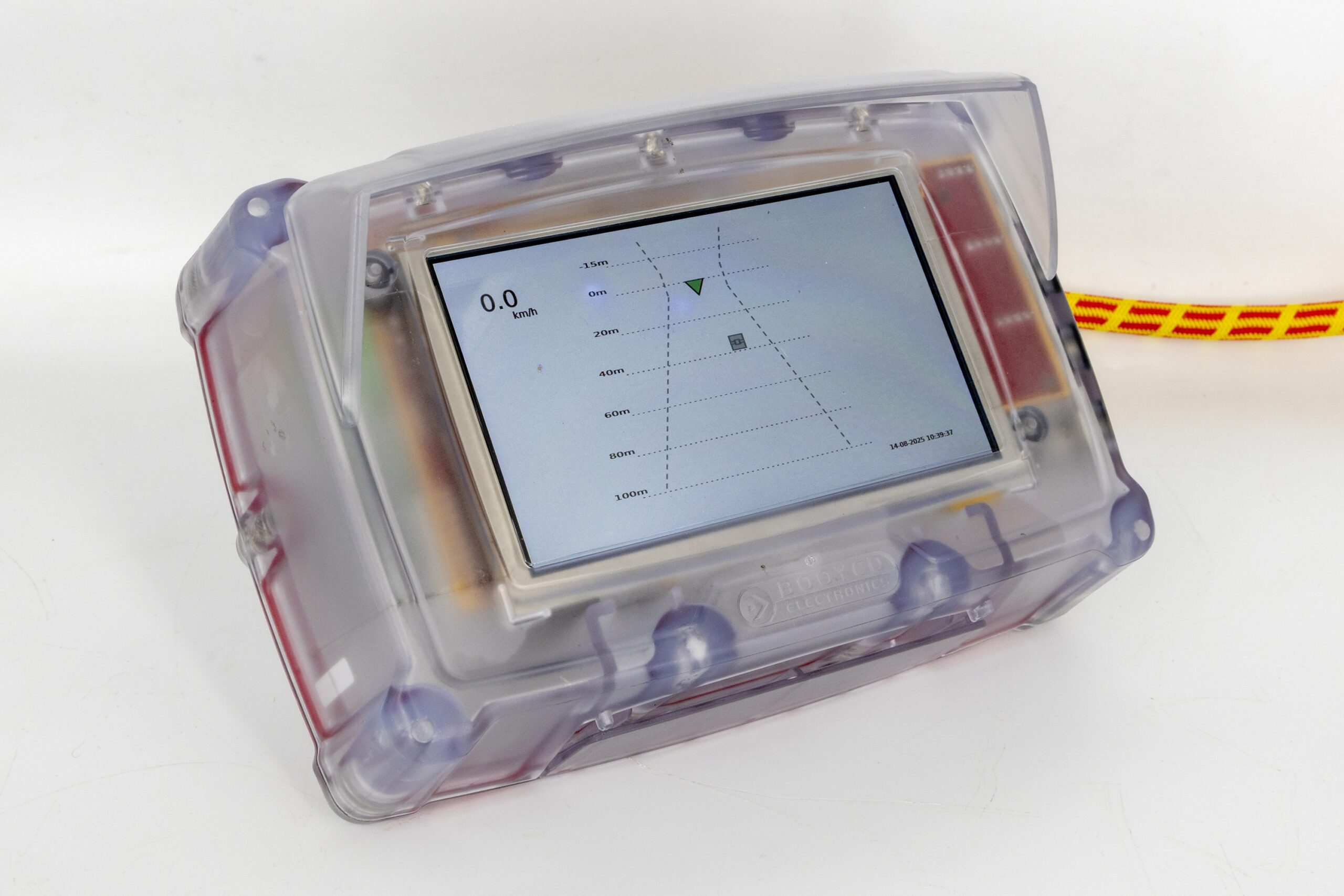
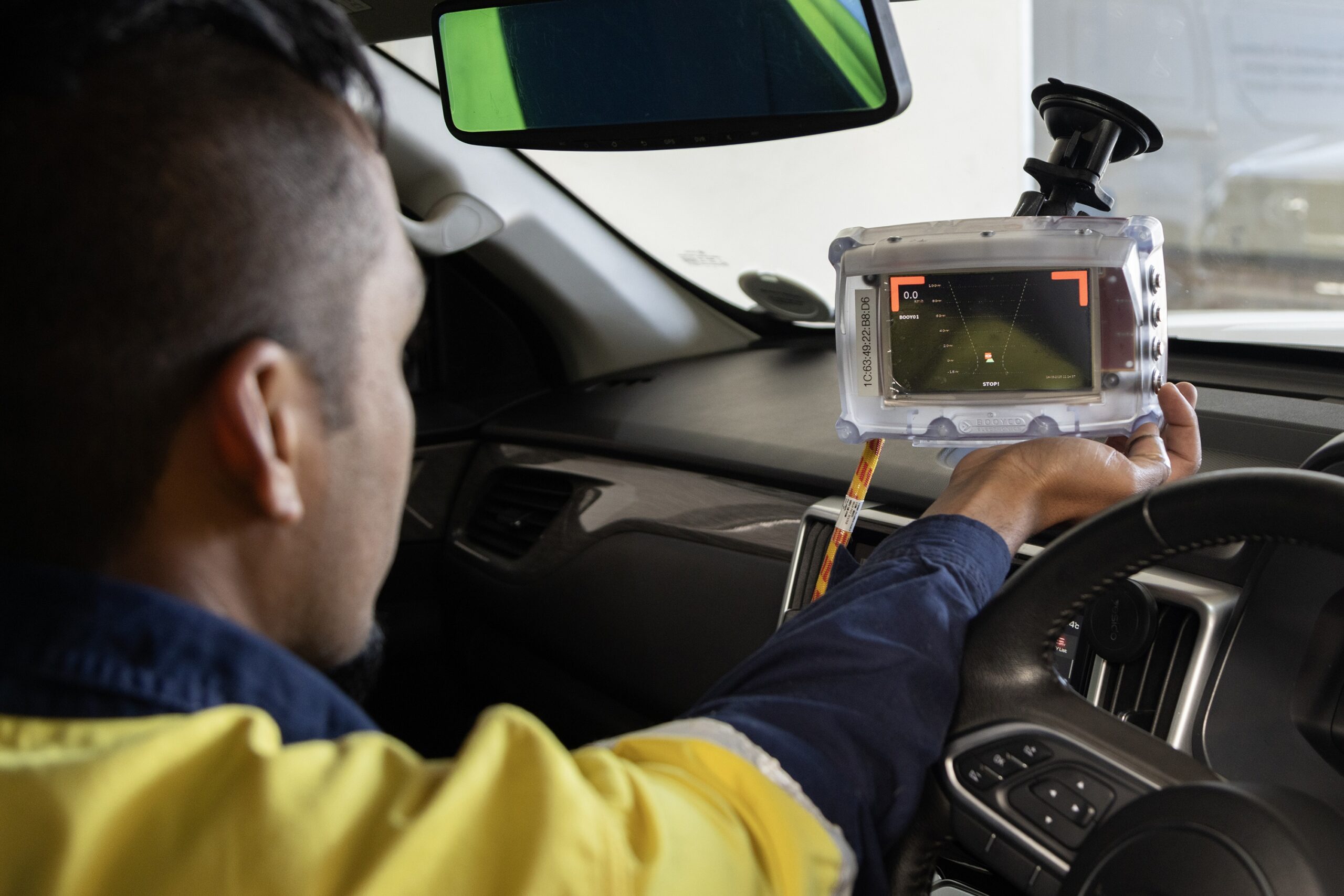
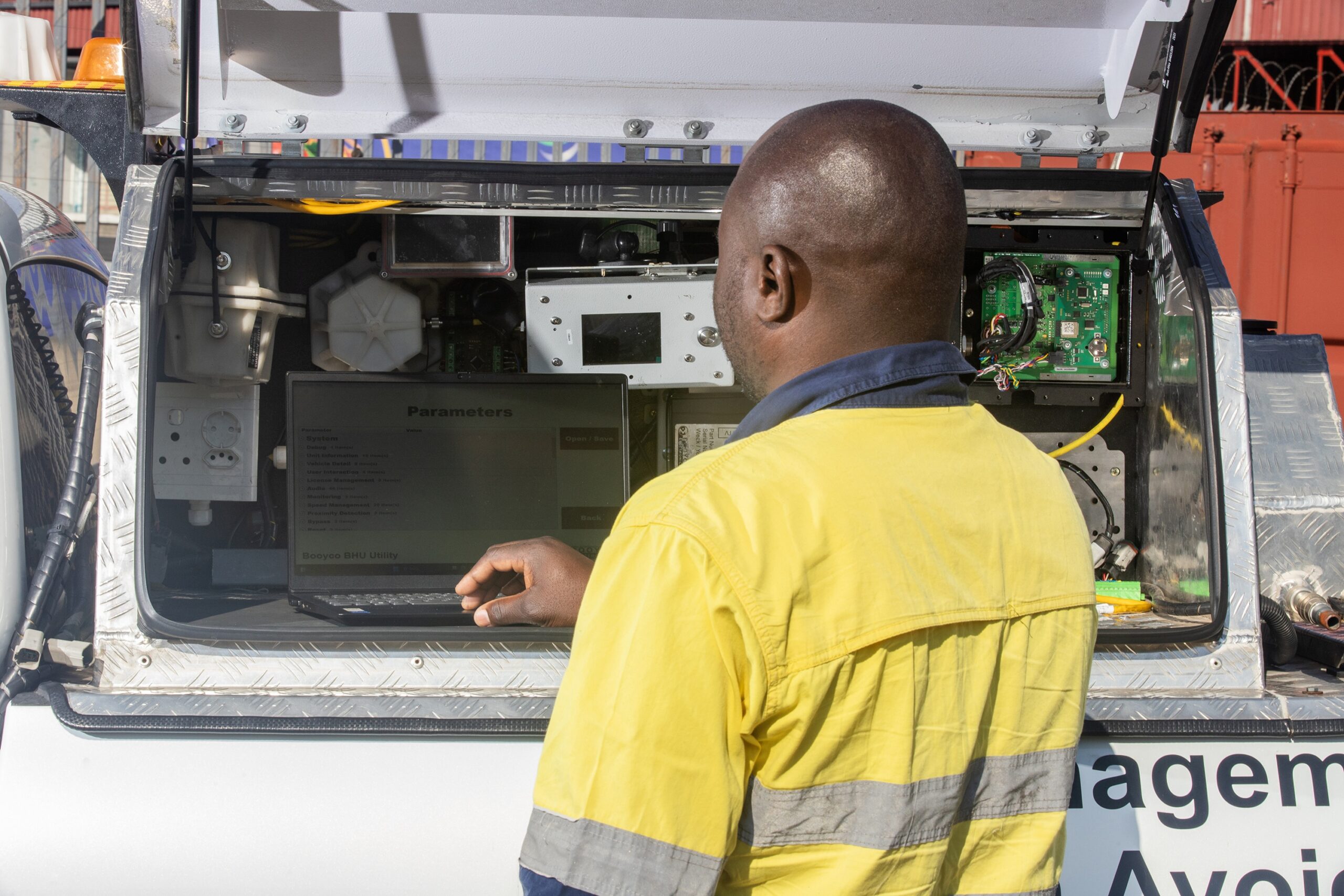
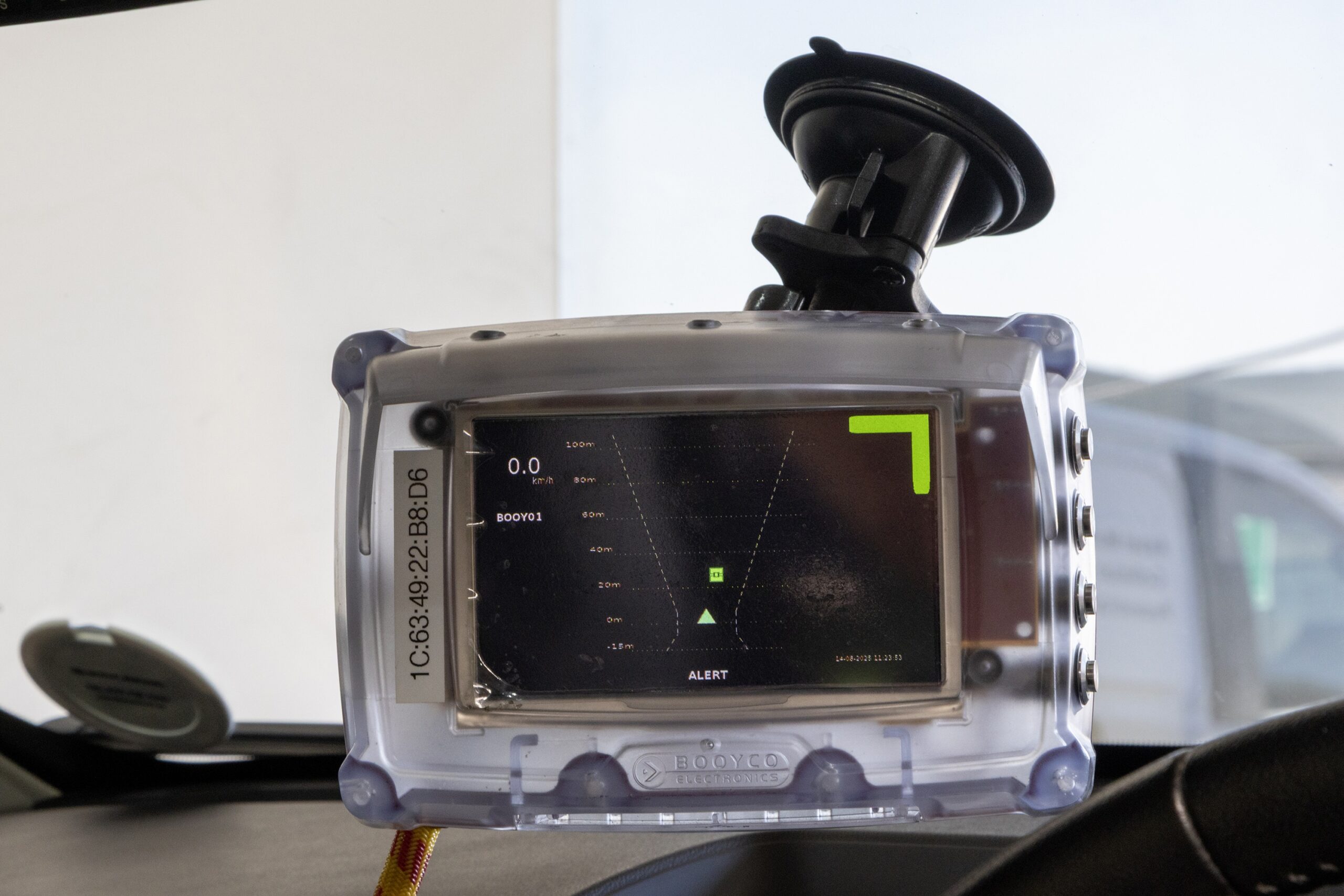
As mining operations across Africa continue to evolve in scale, complexity and automation, the role of advanced safety technologies has become increasingly important in protecting people, equipment and productivity. According to Booyco Electronics, leveraging intelligent safety solutions such as Proximity Detection Systems (PDS) is no longer optional, but a fundamental component of responsible and sustainable mining.
The interaction between trackless mobile machinery, pedestrians and fixed infrastructure remains one of the most significant operational risks in both underground and surface mining environments. In response, mines are increasingly adopting sophisticated collision avoidance and proximity detection technologies that provide real-time situational awareness and automated interventions where required.
These systems are designed to detect the presence of personnel and vehicles within defined zones issuing alerts to operators and, where necessary, automatically initiating slow-down or stop functions to prevent potential incidents. In environments where visibility is often compromised by dust, darkness, blind corners or confined spaces this technology plays a vital role in strengthening risk mitigation.
Anton Lourens, CEO of Booyco Electronics, says that while technology is a powerful enabler, its success ultimately depends on the people using it.
“Technology on its own does not create a safer mine. Its real value is unlocked when every person on site understands how it works, why it is there and how their actions support the system. Education and ongoing engagement with teams are absolutely critical to building a proactive safety culture.”
Lourens notes that workforce education must extend well beyond initial system installation and commissioning. Continuous training, refresher programmes and on-site engagement are essential to ensure operators, supervisors and general mine personnel remain aligned with evolving safety protocols and system capabilities.
“Safety technology must become part of daily operational behaviour,” he says. “When teams understand warning zones, alerts and intervention protocols, there is stronger buy-in and better responsiveness. This reduces complacency and ensures the systems deliver the intended safety outcomes.”
Beyond immediate incident prevention, data generated by PDS and related digital safety systems also provides valuable operational insight. Mines are increasingly using data to identify high-risk zones, traffic flow bottlenecks, behavioural trends and near-miss events, enabling more informed decisions around mine design, traffic management and targeted training interventions.
Lourens adds that the future of mining safety lies in the combination of smart technology and empowered people.
“The mining sector is moving towards increasingly connected and intelligent operations. To truly improve safety performance, investment in advanced systems must go hand in hand with investment in education, awareness and a shared commitment to protecting every person on site.”
As digital transformation continues to reshape the mining industry, Booyco Electronics believes that integrating advanced safety technology with strong workforce education will remain central to safer, smarter and more productive mining operations.
South Africa-based Trafo Power Solutions is boosting the power infrastructure of a mining project in Pakistan, being built on one of the world’s largest undeveloped copper-gold reserves.
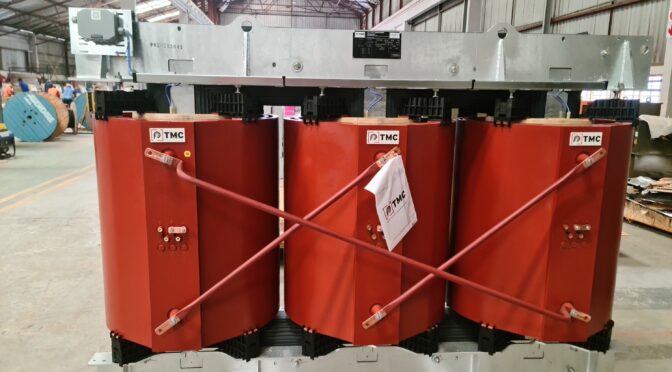
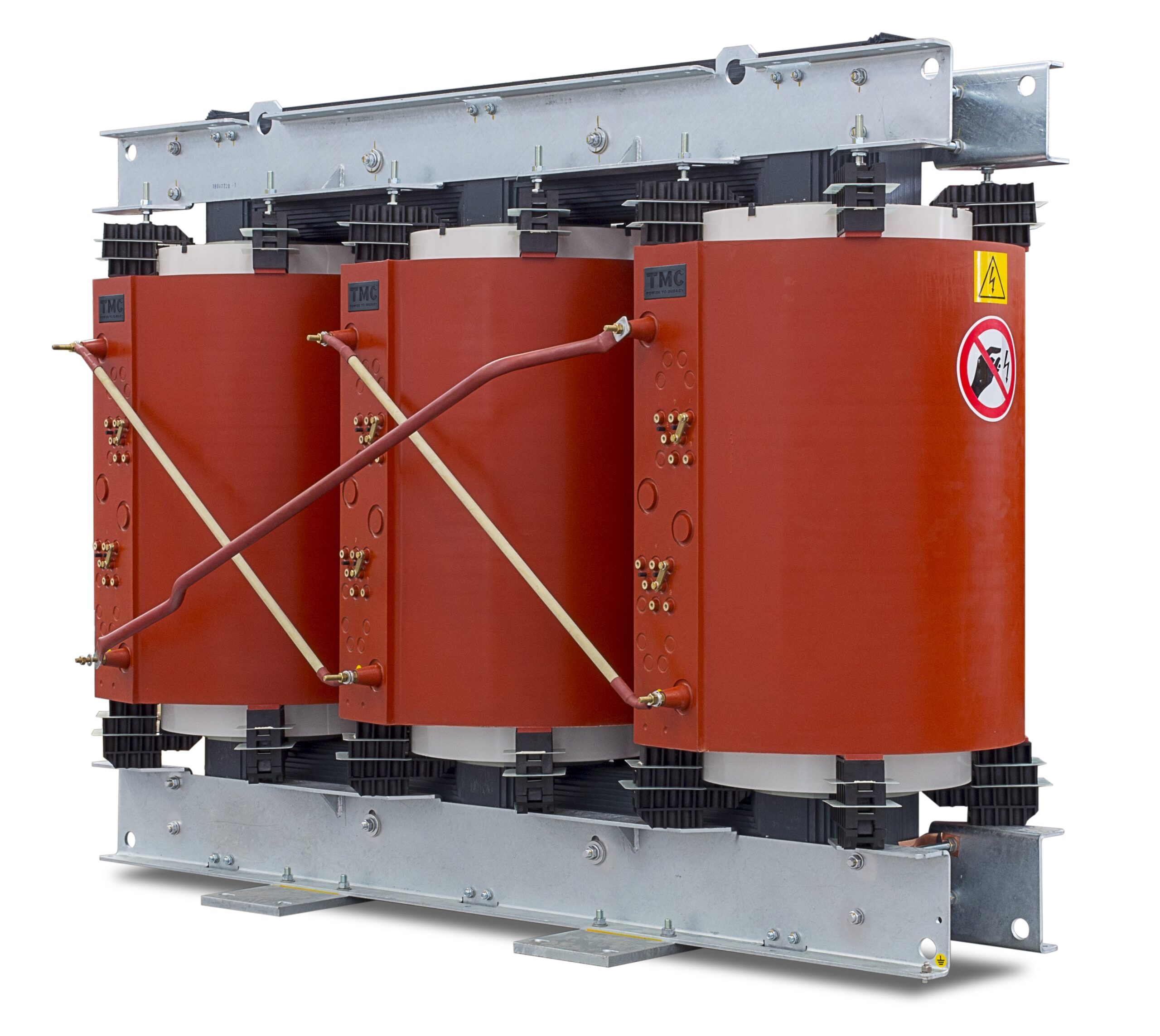
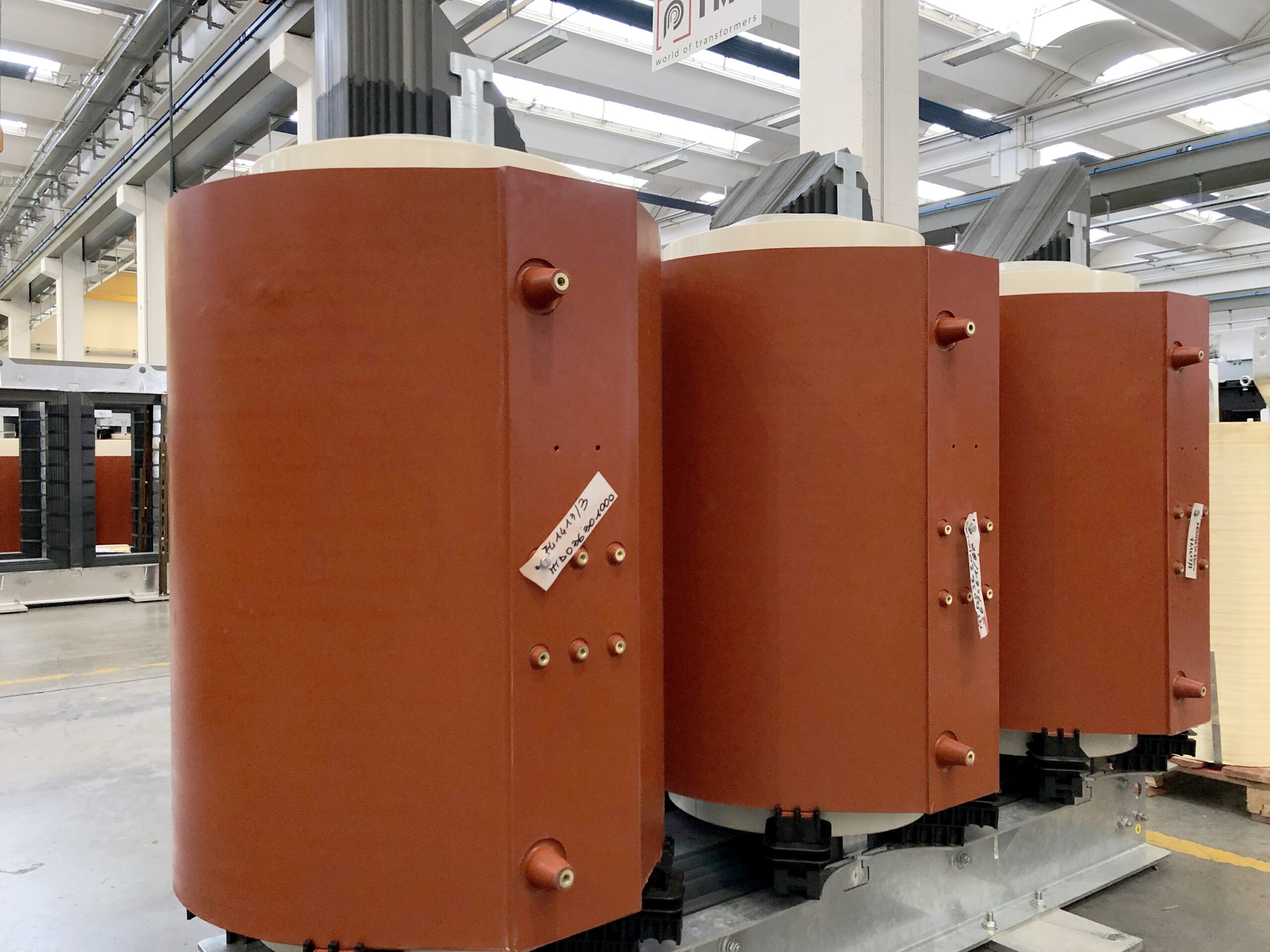
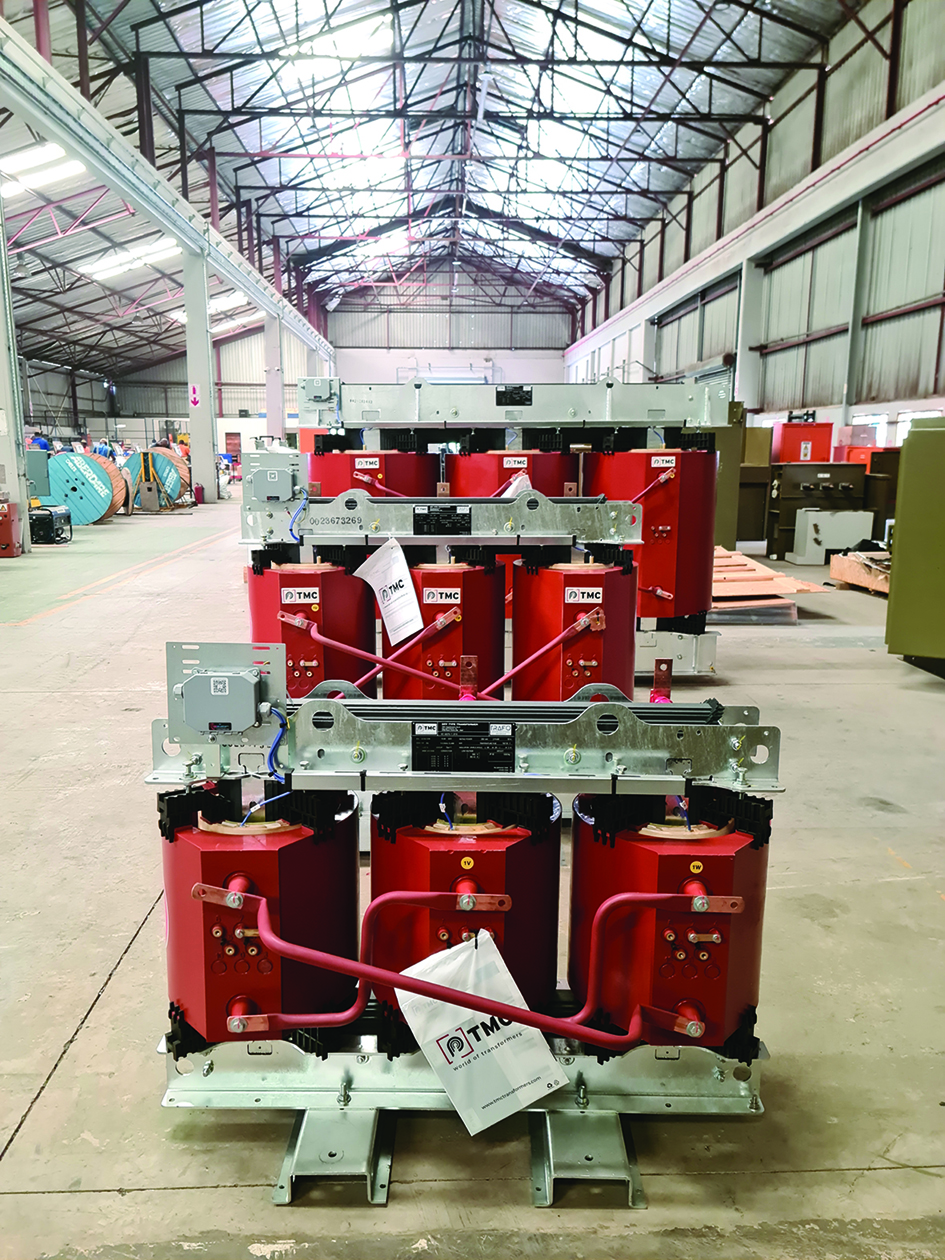
Supplying one of the engineering, procurement and construction (EPC) contractors to the project, Trafo Power Solutions is providing 13 dry-type transformers for inclusion in e-houses on the remote site. The project is located in the Chagai district of Balochistan, close to the borders of Afghanistan and Iran, with terrain that is arid and semi-arid, characterised by deserts, mountain ranges, sparse vegetation and regular dust storms.
According to David Claassen, Managing Director of Trafo Power Solutions, the transformers have been designed to meet the challenges of this remote and demanding mining environment.
“The range of dry-type transformers that we are supplying to this copper-gold project in its early works phase of development include smaller isolation transformers rated at 5 kVA, lighting transformers of 75 kVA, and larger units of between 250 kVA and 1,000 kVA for power distribution functions,” Claassen says.
While Trafo Power Solutions has designed the transformers for indoor operation in the e-houses, the high ambient temperatures of the site have been taken into account. The design therefore caters for daytime temperatures of over 50 degrees Celsius – with Class H insulation.
“To improve the turnaround time, we manufactured the enclosures in South Africa and importantly these could be flat-packed for easier logistical handling to site,” he explains. “The dry-type transformers themselves were shipped by our manufacturing partners TMC Transformers in Italy, directly to the site in Pakistan.”
He highlights that while the manufacturing of the transformers takes place in Italy, Trafo Power Solutions conducts the factory acceptance testing with the customer. The order also includes 18 neutral earth resistors (NERs) which are connected to the star point of the transformers to limit the earth fault current.
“We are supplying a number of 690 V air-type NERs as well as 11 kV NERs which are rated at 300 amps for 10 seconds – also capable of operating in air temperatures of up to 50 degrees Celsius,” Claassen says.
He points to the reliability of dry-type transformers as an important benefit to users on remote sites such as this one in Pakistan, as well as the limited maintenance they require. Unlike conventional oil-cooled transformers, where the oil needs regular testing and replacement, dry-type units are air-cooled and seldom require any active maintenance.
With its depth of experience in installing and commissioning its transformers and other electrical power solutions, Trafo Power Solutions supports the customer during these phases and provides technical support into the future.
“We will work closely with our EPC customer who is installing the e-houses to ensure that the transformers are adequately protected from the severe external environment conditions such as heat and dust,” he says.
This ensures that the transformers require minimal attention after being commissioned, limiting the need for anyone to undertake the costly and time consuming journey to the site. This factor further reduces the total cost of ownership of these units over their operating lifetime.
A culture of shared responsibility and strong frontline engagement has helped De Beers achieve the lowest safety incident rate in its 135 year history. The company reported a total recordable injury frequency rate (TRIFR) of 1.0 for 2025 across its global operations, improving on the previous year’s record performance.
According to Tefo Molosiwa, Head of Policy & Planning: Safety, Sustainable Development and Risk at De Beers, the milestone reflects a deliberate shift towards empowering employees to take ownership of safety practices across the business.
“At De Beers, we have leaned into the experience, care and institutional knowledge in our teams by listening, learning and partnering rather than instructing,” Molosiwa says. “This approach has strengthened leadership and accountability in health and safety at every level of the organisation.”
Across operations in Botswana, Namibia, South Africa and Canada, the company’s safety strategy draws heavily on the insights and experience of its frontline workforce. Many employees – including truck drivers, electricians, maintenance teams and pit operators – are recruited from communities located close to mining operations and often have longstanding connections with the mines.
Employee speaking to colleagues in PPE clothing at Jwaneng mine, Botswana
Molosiwa notes that this deep local knowledge is a valuable asset in strengthening safety awareness and risk management. Employees are encouraged to share their observations and ideas, ensuring that practical operational experience informs safety processes and improvements.
By actively involving frontline teams, De Beers has created a working environment where safety is seen not only as a compliance requirement but as a shared responsibility embedded in daily operations. This approach allows potential risks to be identified earlier and addressed more effectively.
The company’s strategy also emphasises collaboration between employees, contractors and leadership teams. Through open communication and continuous learning, De Beers aims to ensure that safety practices evolve alongside operational demands and changing mining conditions.
Employee driving haul truck at Jwaneng mine
Molosiwa emphasises that achieving record safety performance does not mark the end of the journey.
“Safety is not a destination,” he says. “It requires constant attention, learning and improvement. Our focus remains on building a culture where everyone takes responsibility for looking out for themselves and for each other.”
The record TRIFR result reflects the impact of this long-term commitment to strengthening safety culture across De Beers’ global operations.
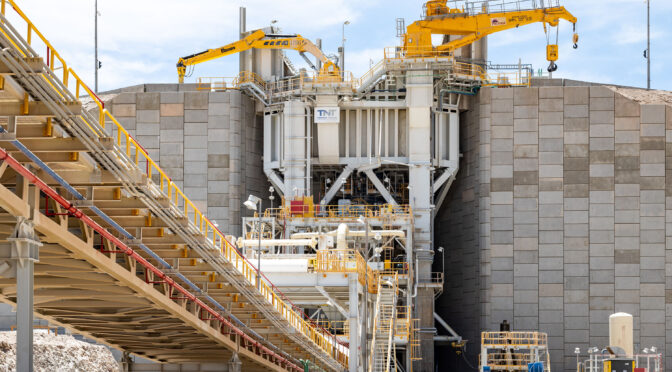
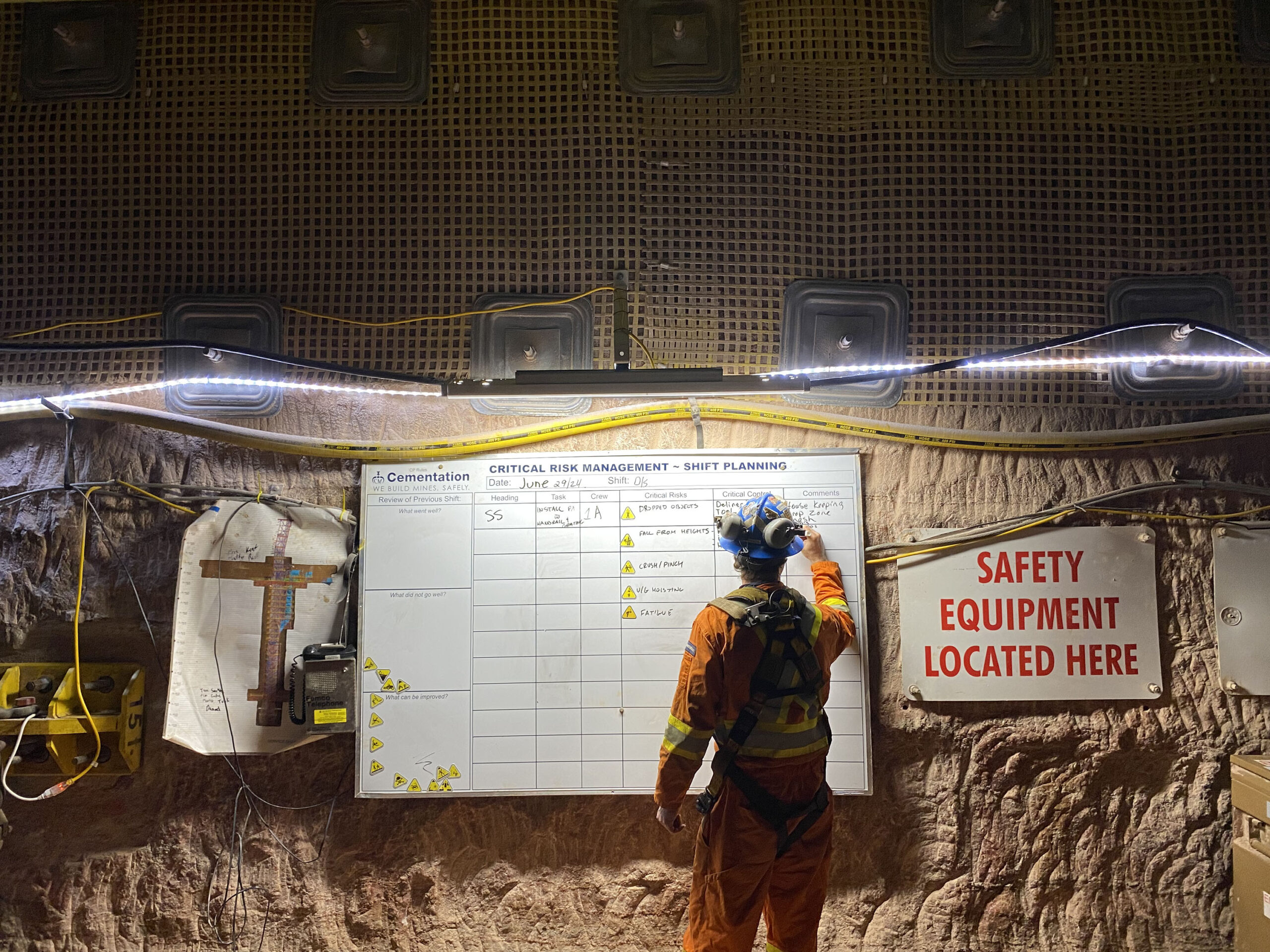
The strategic ownership transition of Cementation and Terra Nova Technologies (TNT) has been concluded, strengthening their position for continued growth and ongoing delivery of high-quality mining solutions across their global operations. The new ownership structure places the group on a far stronger footing, backed by substantial capital support from major institutional investors with a clear long-term strategic focus.
The process, which began in June 2025, establishes a new ownership structure that supports collaboration and synergies between Cementation Americas, Cementation Africa, and TNT while preserving their distinct operations and reinforcing a shared commitment to safety, innovation, performance, and project execution. The group continues to value the support of its clients and people, especially during this transition, and remains well-placed to serve leading mining houses while being a leading employer of skilled talent in the mining industry.
“This conclusion of the transition marks an important step forward for Cementation,” said Japie du Plessis, Managing Director at Cementation Africa. “It sharpens our focus, reinforces our competitiveness, and enhances our capacity to grow with our clients by expanding both the depth of our expertise and our operational capabilities.”
The new structure drives a more focused approach to underground mining services while improving alignment across engineering, construction, and operations. Together, this enables consistent project outcomes and optimized production performance for clients. Operations will continue without disruption, with no changes to project teams, client relationships, or project commitments.
“This development advances how we operate across our regions while preserving the strengths of each business,” said Eric Smith, Managing Director at Cementation Americas. “With our people at the center of everything we do, it allows us to drive greater consistency in meeting client needs, while advancing collaboration and providing greater value to our partners through a more connected and consistently high-performing organization.”
Venetia Mine
The new ownership structure also supports the growth of Terra Nova Technologies in reliable and cost-effective material handling products and systems for mining projects.
“Being a key part of this redefined structure allows us to expand our innovative crushing, conveying and stacking products as well as our full EPC capabilities while working closely with our Cementation partners to create greater value for our clients,” said Steve Kou, Managing Director of Terra Nova Technologies. “There is a strong foundation to build on and a real sense of momentum in how we move forward together. We are well equipped to deliver smarter, more efficient and more sustainable solutions.”
Backed by long-term capital investments, Cementation and TNT are advancing technical capabilities and increasing capacity to meet growing demand driven by critical minerals and global infrastructure development.
The companies remain focused on providing value-added solutions across the full lifecycle of mining projects, with an emphasis on safety, operational excellence, and long-standing partnerships.
Cementation and TNT extend their appreciation to Differential Capital for its support throughout this transition. The companies also recognize Red Inc. for its contribution to this process.
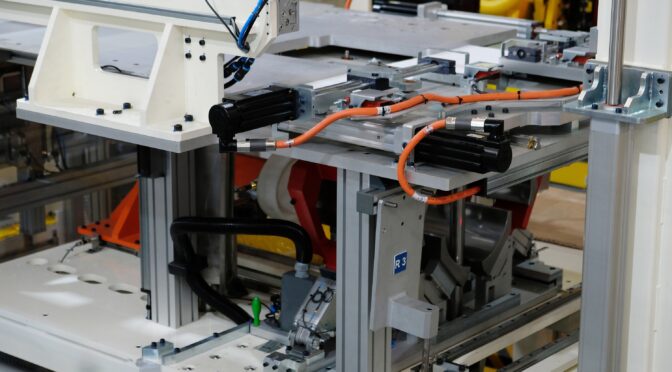
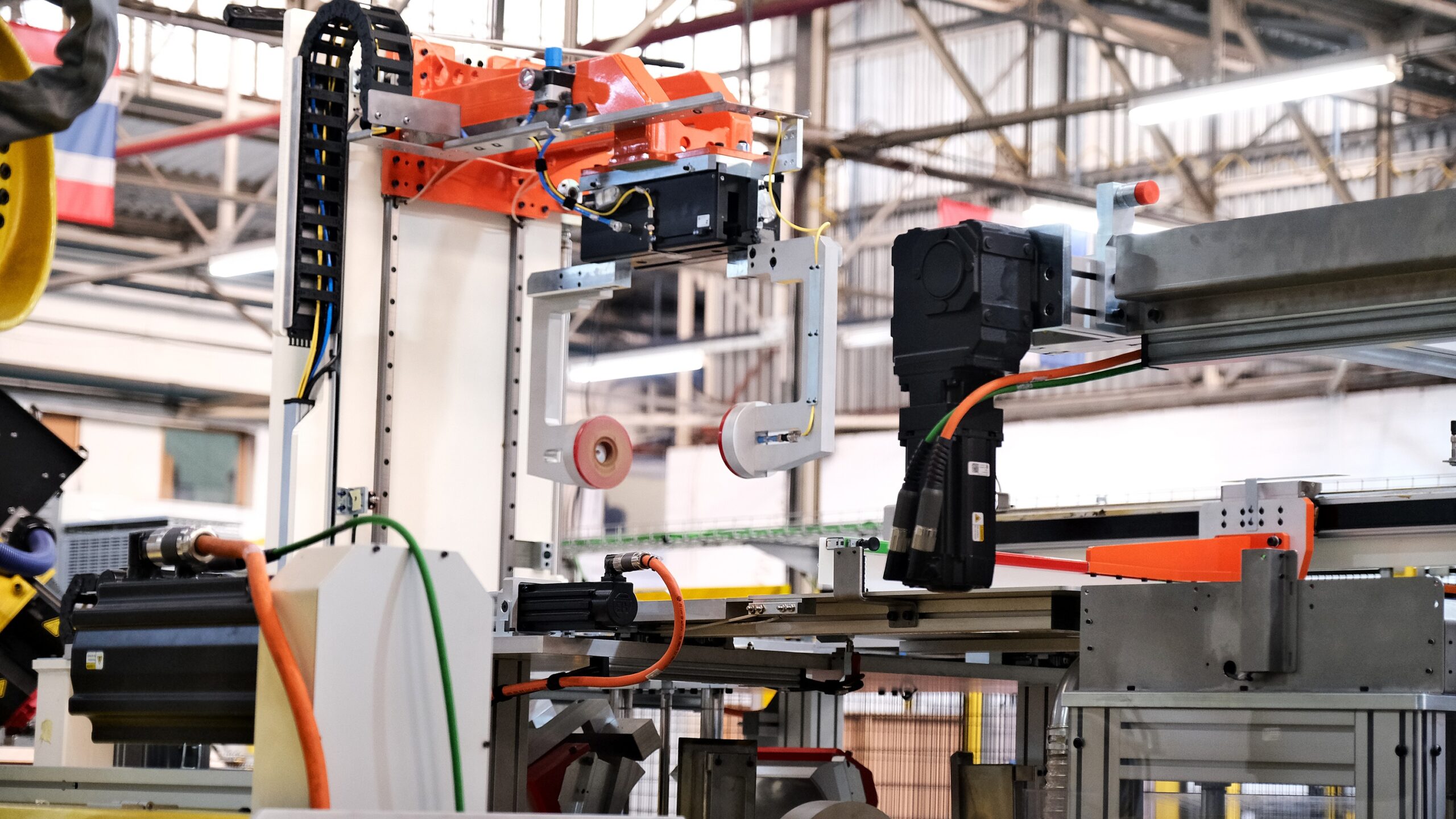
Innovative technology for ‘shrinking’ catalytic converters – designed and built in South Africa by Jendamark Automation for the global market – relies on the precision of SEW-EURODRIVE’s highly dynamic servo-geared units and software.
Based in Gqeberha in the Eastern Cape, Jendamark Automation is a specialist in advanced automated assembly systems for powertrains, catalytic converters, hydrogen technologies and other automotive components. Yanesh Naidoo, Executive Innovations Director at Jendamark Automation, says that 95% of the locally produced machines are exported and are in operation in Europe, India and the USA.
“The shrinking machine – or ‘shrinker’ – is a core component within our catalytic converter assembly cell,” Naidoo says. “This cell is a highly automated production environment in which multiple machines, robots and laser measurement systems operate in coordination.”
The process begins with the core of a catalytic converter – a ceramic ‘brick’ or monolith, coated with precious metals such as platinum and palladium, that converts exhaust gases into less harmful emissions. This brick is wrapped in a thick spring-like insulation mat and inserted into an outer casing (or can) of stainless-steel. In this process, there are many variable factors to consider, he explains.
“Because the ceramic monolith is extruded and baked, its diameter can vary slightly – by two or three millimetres in a passenger vehicle converter and up to ten millimetres in a truck converter,” he says. “This makes the size of every monolith slightly different.”
To secure the monolith inside the casing with the right spring load, the casing itself has to be adapted. This is the key function of the shrinking machine – to reshape the stainless steel casing to the exact diameter required for each brick and mat combination. Shrinking stainless steel to tolerances of 50 microns requires enormous force and control which the shrinker achieves by closing a set of heavy tapered segments around the can.
“For a passenger vehicle converter we use twelve segments, while for a commercial vehicle converter – which is larger – we use sixteen,” Naidoo says. “We pull a massive steel ring back over those segments and as the ring moves the segments close in, collapsing the can evenly around the monolith.”
Driving that motion are two powerful SEW-EURODRIVE servo motor systems, each connected to precision roller screws that pull the ring from both sides. Synchronizing those drives is critical.
“If one side is pulled just a few millimetres more than the other, this will damage these very expensive roller screws,” he explains. “This is where SEW-EURODRIVE’s technology comes into its own; the drives and controllers keep the two motors synchronised to within very fine tolerances, even at the high speeds we need to hit our 30 second cycle times.”
The speed at which Jendamark Automation’s shrinker operates is one of its critical advantages, Naidoo emphasises, and this has been achieved through its innovative tool changer. He explains flexibility is particularly important in converter production for commercial-vehicles as variants change every few hours. Traditionally, each change required a lengthy manual tool change which would mean two to three hours of downtime.
“This is why we developed an automatic tool change system for the shrinker,” he says. “We have got two cartridges outside the machine, one of which is preloaded with the next set of 16 segments. When the operator hits ‘tool change’ the machine ejects the old set, inserts the new one and locks everything down – all automatically in about 45 seconds.”
That innovation, also powered by SEW-EURODRIVE servo drives, has transformed productivity.
“We have reduced tool changing times significantly, giving our customers more production time per shift, allowing them to produce around 80 additional parts,” he says. “With two or three tool changes a day, the gains are massive.”
The entire catalytic converter assembly cell can contain up to 30 SEW-EURODRIVE servo drives, powering and synchronising multiple machines – from laser measuring systems to robotic handlers. Behind the scenes, Jendamark’s proprietary Variant Manager software orchestrates these movements.
“Every part coming down the line is slightly different, so every 30 seconds a new set of parameters – such as diameters, spring loads and positions – is sent to the drives,” Naidoo says. “There are no fixed positions so it is completely dynamic, adapting in real time.”
Parallel to this performance, he adds, is an equivalent focus on reliability as customers require minimal downtime to ensure that their processes and products remain viable. He notes that a USA customer, Cummins (through its acquisition of Faurecia’s USA factory), has been running Jendamark’s shrinker for almost six years – during which time it has produced over three million catalytic converters.
“Apart from greasing the screws, there has been no major maintenance and no drive failures at all,” he says. “That is a testament to the robustness of our overall design and of the reliability of SEW-EURODRIVE equipment.”
The customer was so impressed that it decided to standardise globally on Jendamark’s machines.
“They had two other suppliers’ machines next to ours on the same line,” Naidoo says. “Now they’re replacing those with Jendamark machines, because of reliability and consistency of quality.”
Phillip Steyn, Branch Manager at SEW-EURODRIVE in Gqeberha, says the project exemplifies how advanced motion control systems enable complex automation.
“Our MOVIAXIS multi-axis servo system, combined with our efficient servo motors and dynamic gearboxes, provides the accurate positioning and torque that this machine needs,” Steyn says. “The challenge was to deliver very high torque while maintaining precise synchronisation and feedback at rapid speeds.”
He notes that it is easier to be accurate when machinery is moving slowly but it becomes much more challenging in the context of high speed machines like this one. SEW-EURODRIVE’s control architecture ensures that every motion – from the synchronised pulling of the ring to the positioning of the auto-tool change mechanism – is tracked and verified before the next cycle begins.
“There is a great deal of feedback between the drive and the upper level controller,” Steyn explains. “The system scans the input data – the product types and can sizes – and adjusts torque and position in real time. It is the brain and the muscle working together.”
Naidoo highlights the value of SEW-EURODRIVE’ integrated unit – the motor, gearbox and drive -which is already matched for torque and speed.