STRATEGIC FLEET MANAGEMENT DRIVES SAFETY, EFFICIENCY AND FLEXIBILITY FOR CEMENTATION AFRICA

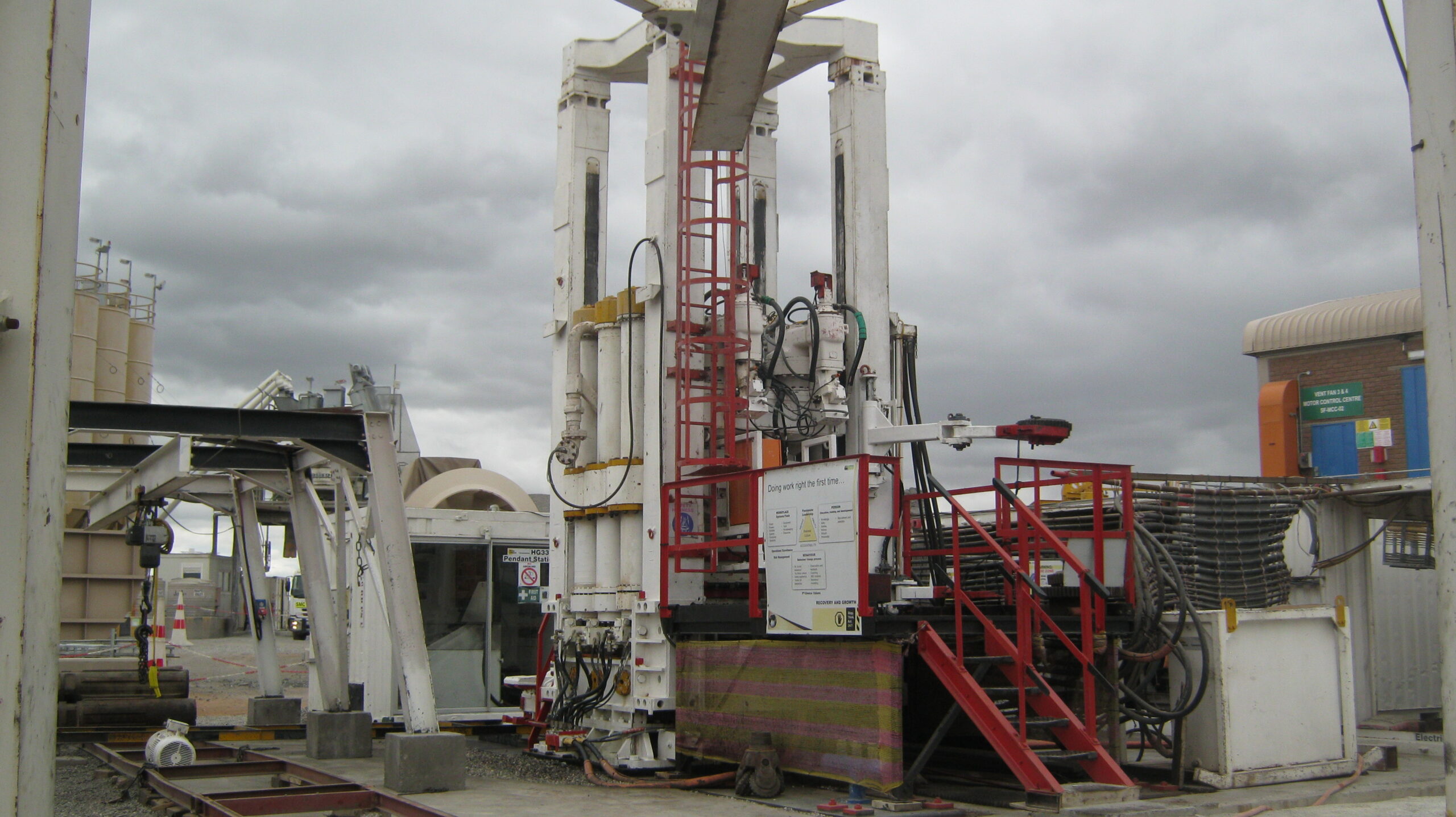
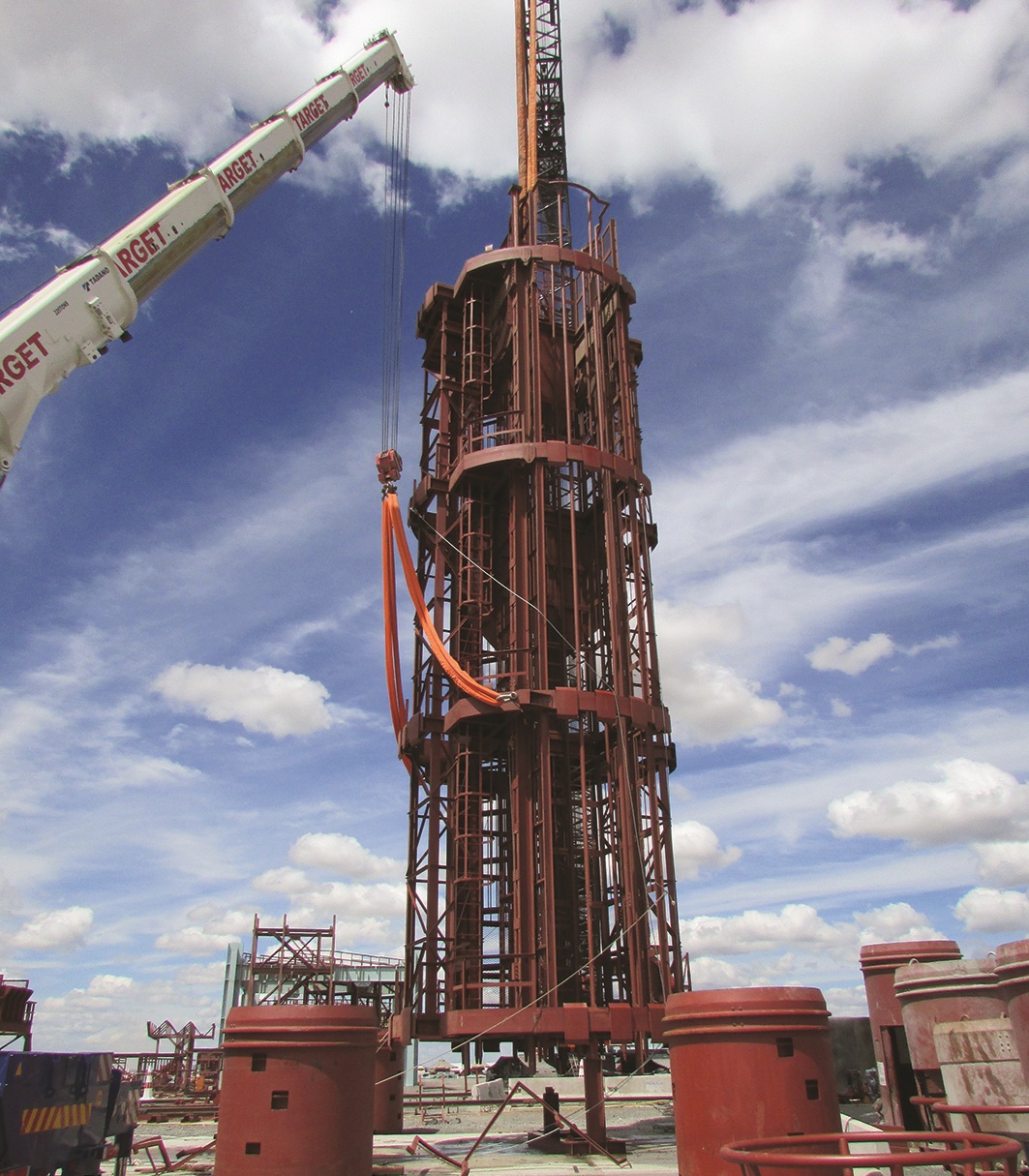
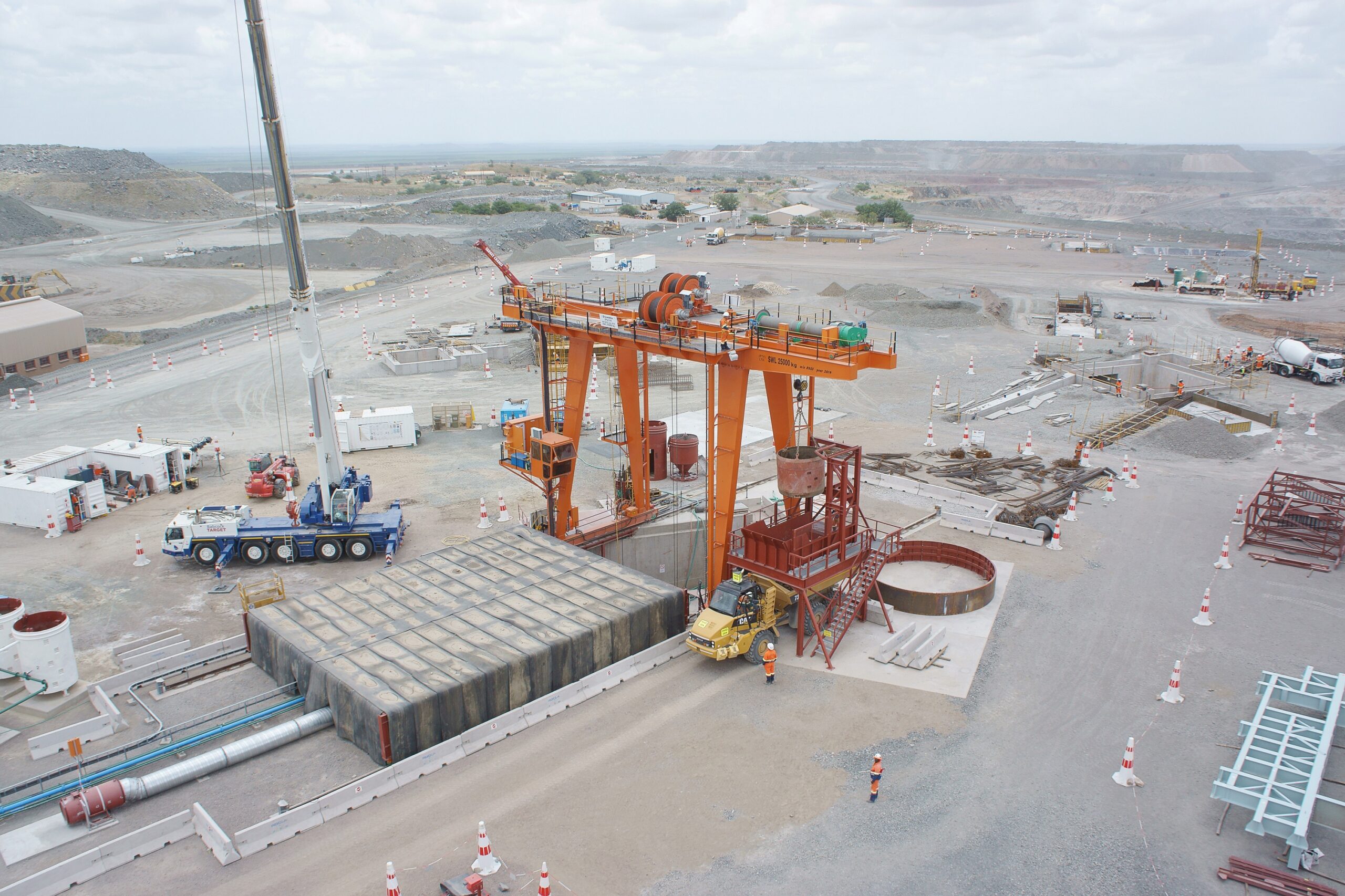
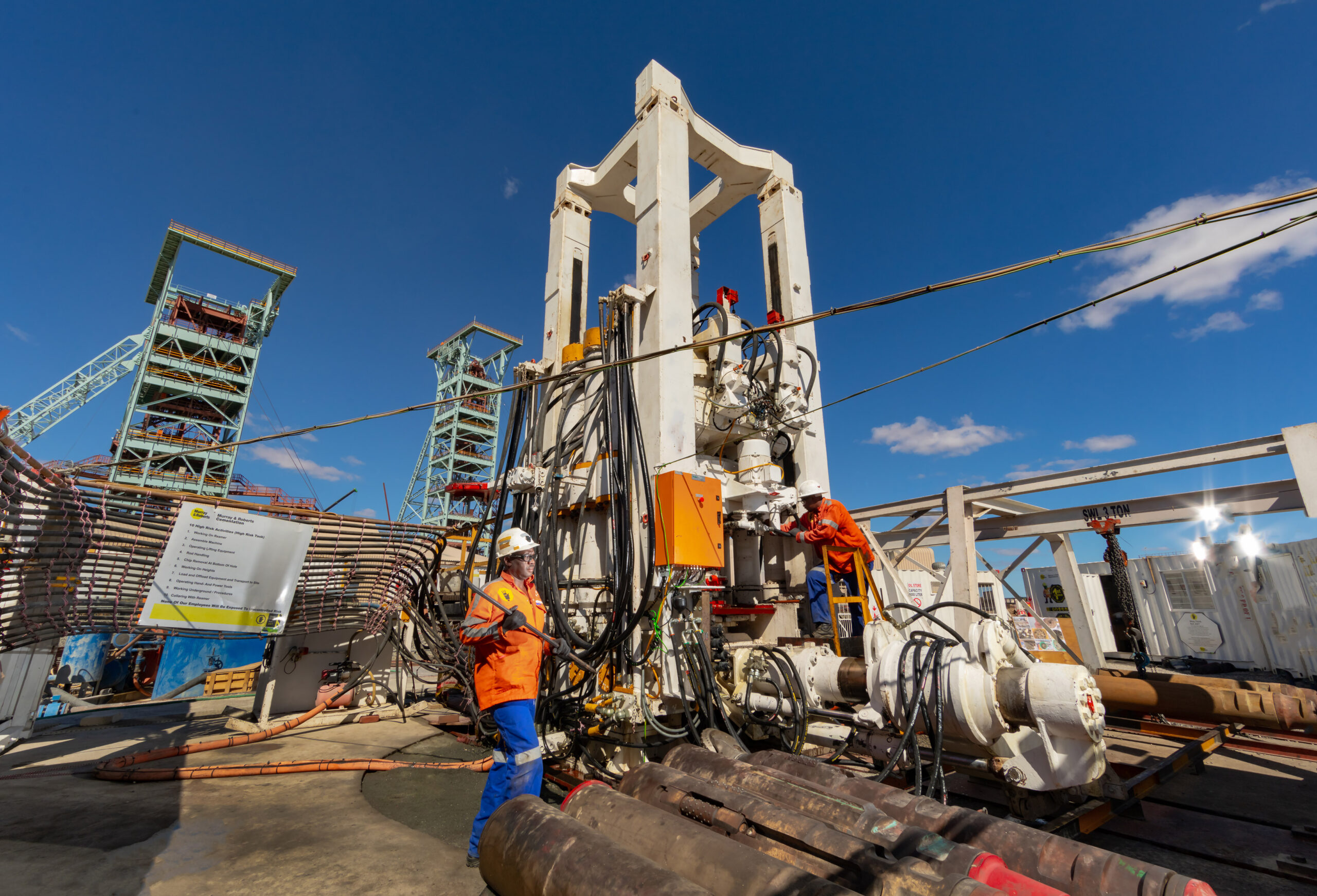
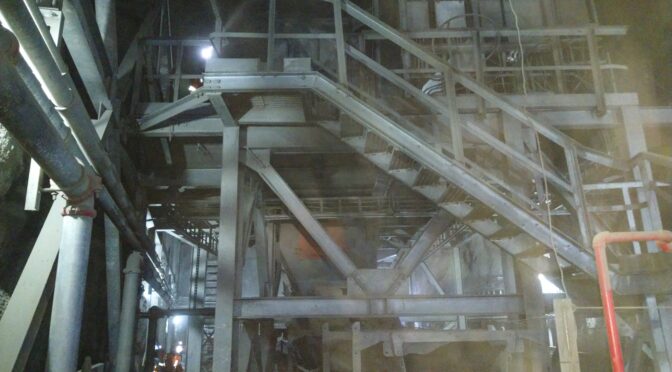
Combining its expertise as a shaft sinking and underground mining contracting contractor with its engineering capabilities and resources, Cementation Africa underpins the pace and safety of its projects with cost effective fleet management. 

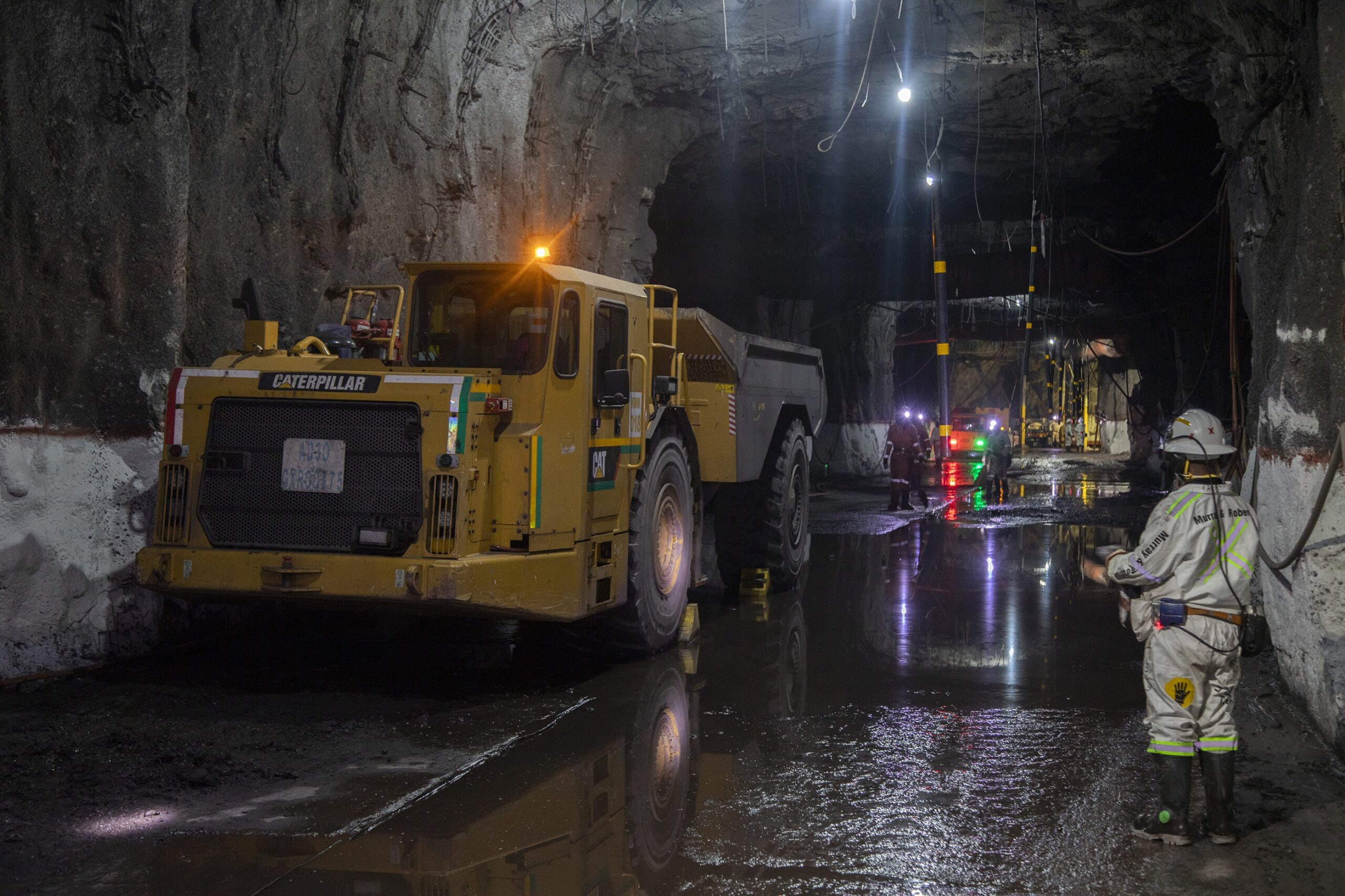
According to Arthur Adams, Manager Engineering at Cementation Africa, the company’s strategic fleet allows it to respond rapidly to specific project needs – while maintaining a high level of control over safety and performance standards. 
“The balance between owning this strategic fleet and operating client-owned machinery gives us flexibility without the financial burden of depreciation of an underutilised equipment base,” Adams says. 

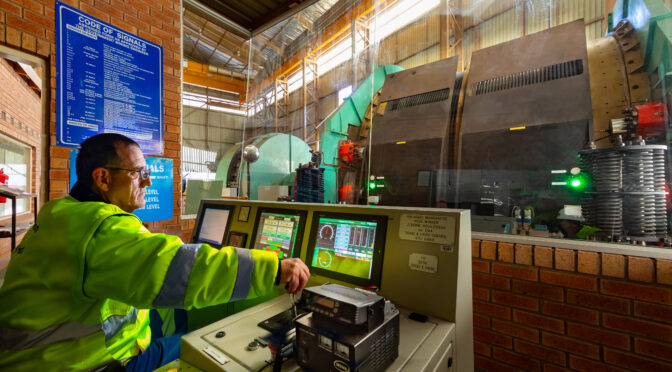
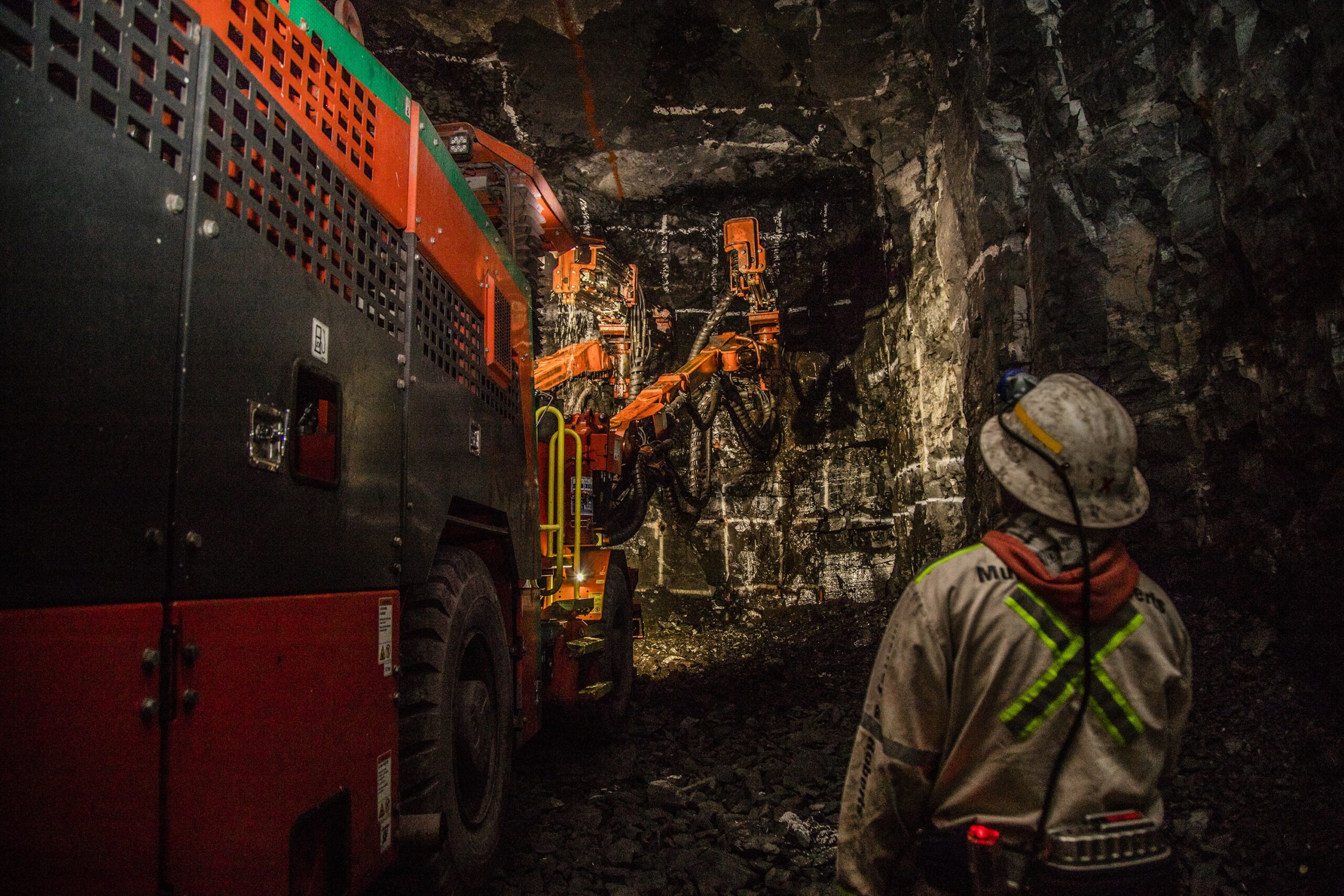
The strategic fleet comprises a set of key assets that support infrastructure and shaft access work including winders and flameproof equipment for specialised applications such as box-cut development in coal mining. 

“This disciplined approach directly supports our goal of achieving the best total cost of ownership for the fleet,” he says. “Intermediate and major rebuilds are timed strategically to maximise uptime while controlling long-term capital and operating costs.”

He highlights that the company uses its historical data and established formulas for its manning levels and maintenance cycles – fleet practices that contribute to productivity while controlling costs. 

Significantly, Cementation Africa operates its own well-equipped engineering services and rebuild facilities, where refurbishment of both its own and clients’ machines is done to OEM specifications. This facility near Carletonville in Gauteng is also where the company’s world class Cementation Africa Training Academy is situated. 

Cementation Africa’s approach is project-specific and collaborative, according to New Business Director, Graham Chamberlain, so the operating model does not rely on maintaining a centrally owned contract fleet. 
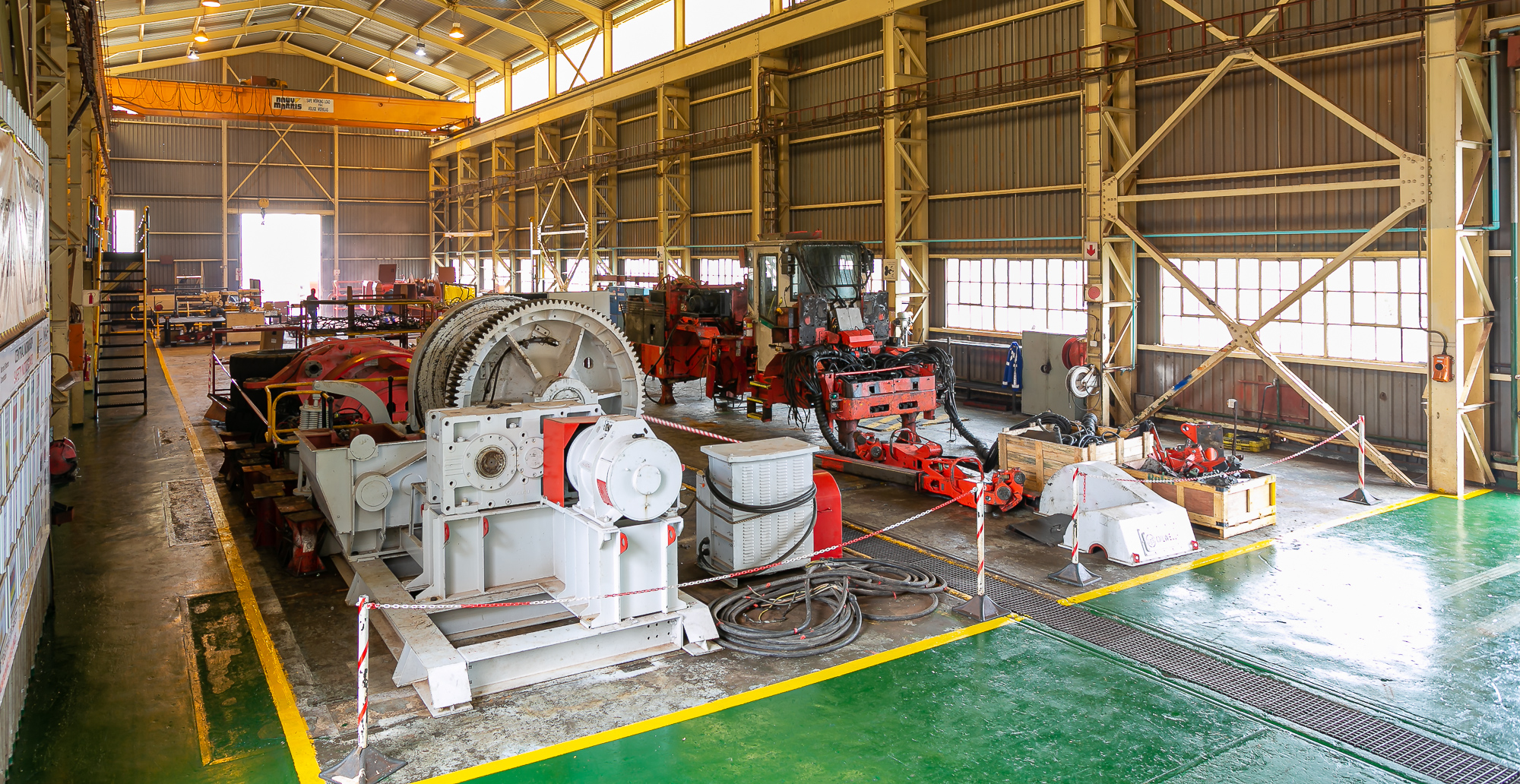
“For each contract, we assess the mining method, production requirements and site conditions before selecting the most suitable equipment in conjunction with the client,” Chamberlain says. “In some cases, we purchase the equipment on behalf of the client, while in others the client procures this directly and we operate the equipment on their behalf.”

Ultimately, he explains, the equipment vests with the client since they fund its acquisition, but the Cementation Africa team’s input ensures that the machinery is optimally matched to the job at hand. 

“There is usually a waiting period for new equipment so we build this into our project planning,” he says. “When clients do not have early access to equipment, we use ‘bridging’ equipment which are typically used items – and can often negotiate with OEMs for the timeous supply of equipment.”


SEW-EURODRIVE SETS THE PACE WITH POWER PACKS IN AFRICAN MINING

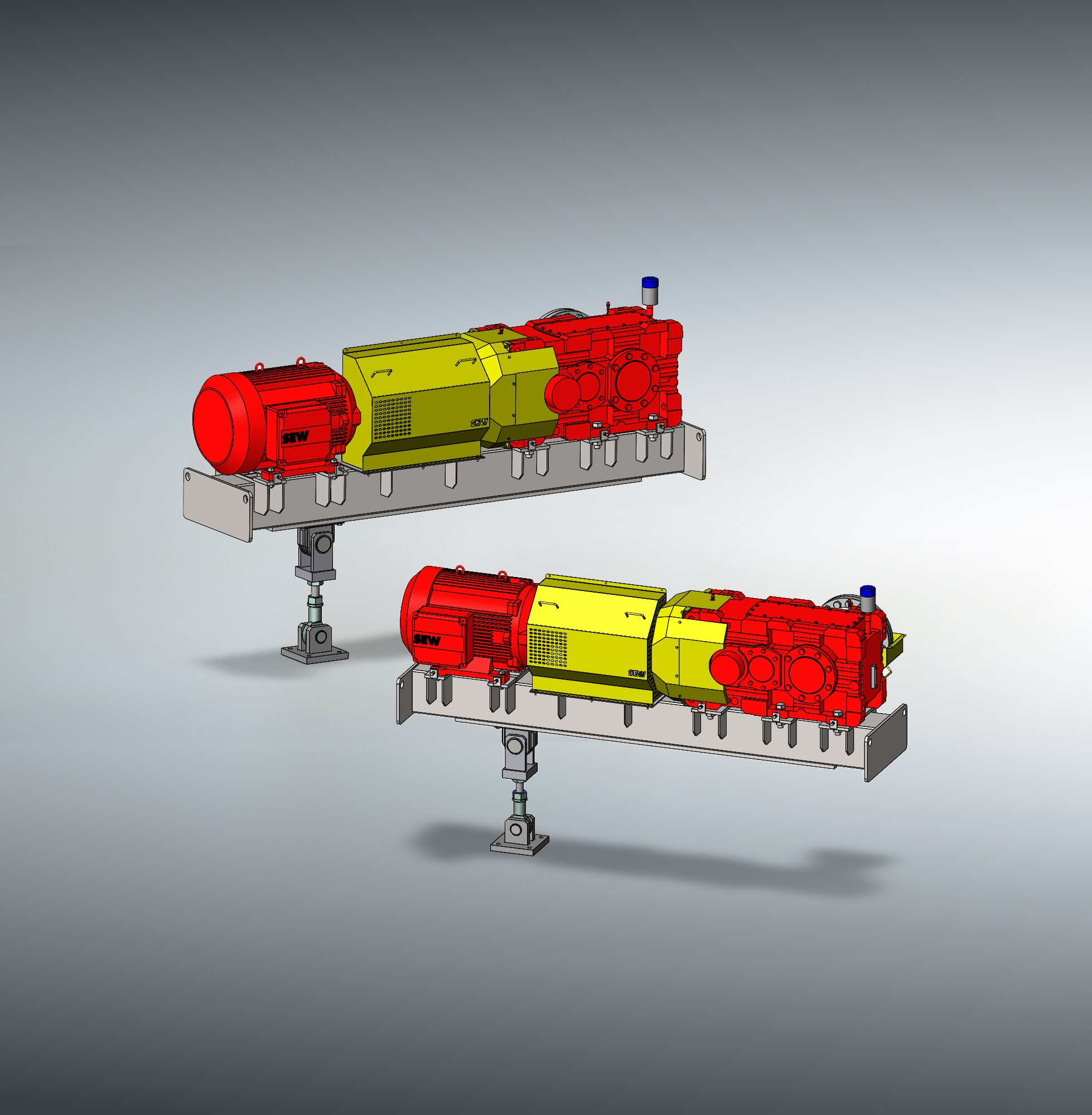
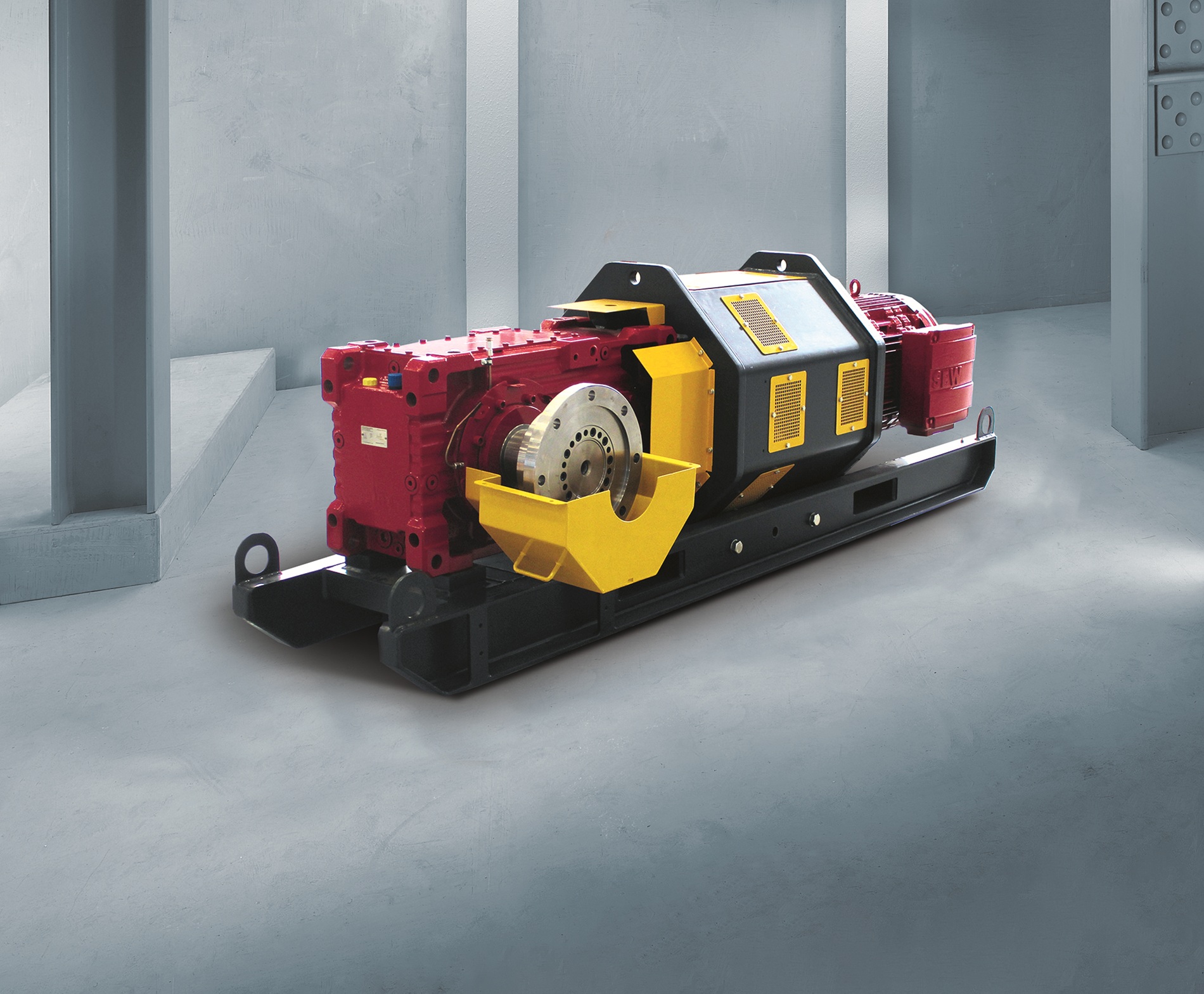
Comprehensively supporting the mining sector with commodity-specific drive train solutions, SEW-EURODRIVE has cemented its reputation as a trusted partner to the industry – a testament to its customer-centric approach, says National Sales and Marketing Manager Jonathan McKey.

“Twenty years ago, we secured our first major power pack contract for a platinum mine in Limpopo,” McKey recalls. “That project marked the beginning of our deep involvement in mining and today our gearboxes, motors and coupling combinations are operating in almost every mining environment across the continent.”

From platinum and gold to coal, copper and beyond, SEWEURODRIVE’s engineered drive train solutions have become integral to mission-critical applications, underscoring the company’s strong track record and ongoing commitment to the mining sector.

“As in every industry we serve, the success of our power packs lies in a systematic responsible approach that begins with a clear understanding of what the customer really needs,” McKey explains. “We don’t just develop application-specific solutions  – we take it a step further by building a sustainable cost effective supply chain and long term support ecosystem to back those solutions well into the future.”

McKey notes that SEW‑EURODRIVE takes a deliberate and strategic approach when entering new sectors, ensuring that each move is carefully planned, focused and sustainable. “We prioritise focus,” he says. “It is about understanding the landscape before we enter – not just from a technical standpoint, but also from a long term support and capacity perspective.”

With mining, the company’s journey began in the platinum sector, where SEW‑EURODRIVE developed gearbox solutions specifically engineered for the prevailing conditions on site.

“It was vital to understand the gear ratios, power requirements and velocities commonly used in platinum operations,” explains McKey. “That insight allowed us to rapidly grow our footprint in that segment expanding into neighbouring operations and quickly growing our customer base. From there, we moved into chrome mining.”

As SEW‑EURODRIVE expanded into new mineral commodities, it applied the same principle – understand the application first, then develop fit-for-purpose drive train systems. In chrome, this meant developing a new  stocking standardised gear ratios and power ratings for its power packs. When coal mining became the next target segment, the unique characteristics of that environment called for yet another redesign, this time with lighter material and faster conveyor speeds requiring adapted solutions.

“Today, we are arguably the dominant force in mining across Africa when it comes to industrial gearbox solutions,” says McKey. “That position wasn’t built overnight. It was the result of a highly informed, step-by-step expansion that has seen the company entering each commodity with a clear operational plan and investing heavily in building our local capacity to support it.”

That investment began with local assembly, first introduced at SEW‑EURODRIVE’s Nelspruit facility in 2006. Over time, this evolved into a significantly expanded local production and warehousing operation at the company’s head office in Aeroton, Johannesburg – where a Phase 2 expansion is now nearing completion.

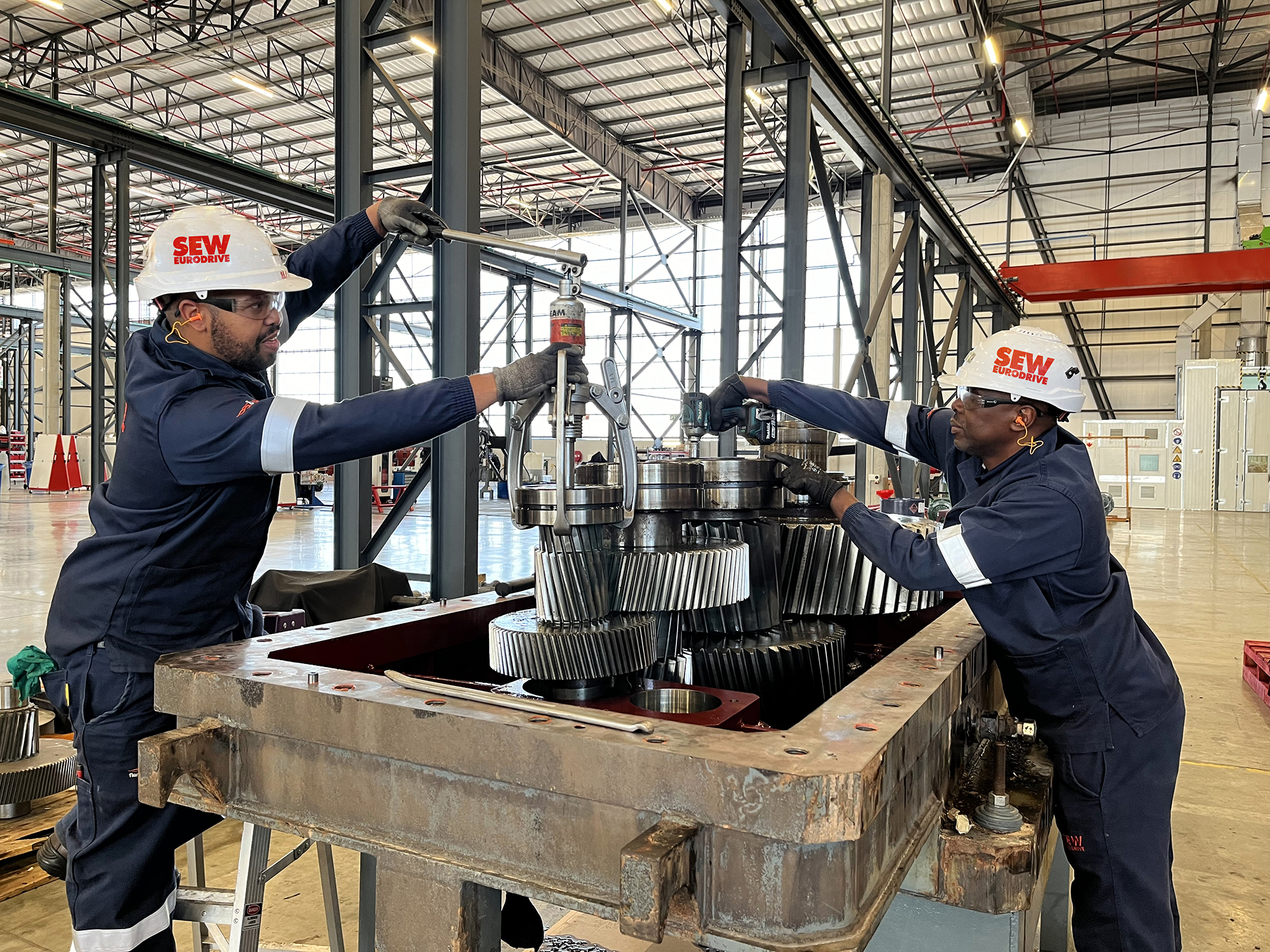
Service and technical support have always been at the heart of SEW‑EURODRIVE’s value proposition, and the mining sector was no exception. “We knew early on that delivering quality products wasn’t enough – we had to match that with world class aftersales service,” McKey says. “That meant upskilling local service teams and embedding our global standards into everything we did on the ground.”

“Alongside our new designs, local assembly and upscaled stockholding, we brought in additional service staff and trained them extensively,” he continues. “We never enter a sector lightly. When we commit, we invest and this is to ensure every customer is fully supported across the entire lifecycle of their equipment.”

“Today, SEW‑EURODRIVE is not only a trusted partner for electro-mechanical drive solutions, but is also helping customers embrace smart mining with the introduction of automation and digital control technology,” McKey says. 

“The traditional combination of motor, gearbox and fluid coupling for controlled start-up is evolving,” he notes. “Now, customers want flexible drive systems with precise speed control and the ability to adjust production rates on demand – and our technology is delivering that.”

In addition to its core gearmotor offering, SEW‑EURODRIVE also provides full open gearing solutions for mills and other critical applications. This includes girth gears, main mill motors and gearboxes, pinions and related components; all of which can be manufactured and delivered quickly, offering a reliable drop-in replacement for competitor systems.

WEBA CHUTE SYSTEMS DELIVERS DECADE-LONG PERFORMANCE AT PALABORA COPPER MINE

More than a decade after installation, the custom engineered transfer chutes supplied by Weba Chute Systems to Palabora Copper Mine (PMC) continue to operate with virtually no maintenance – a testament to the power of purpose-built design and engineering precision in demanding underground environments.

Located in Limpopo Province, South Africa, PMC’s underground block-cave operation required a specialised approach to materials handling. The original scope of supply saw Weba Chute Systems design and install transfer chute systems capable of handling coarse copper ore – up to 220 mm after crushing – within a high capacity conveyor network operating at belt speeds of 3 to 4 metres per second. The systems were specified for a throughput of around 5,000 tonnes per hour, servicing 20 production cross-cuts and 320 drawpoints in a compact mining footprint 650 metres below surface.

The Weba Chute Systems solution was unique due to its alignment with the site’s operating realities. “We didn’t just supply chutes,” Mark Baller, Managing Director at Weba Chute Systems, says. “We delivered engineered flow control solution.,” 

“We carefully analysed the fragmentation profile, belt speeds, spatial constraints and impact zones, and designed systems that optimised flow while protecting infrastructure,” he explains. 

At the heart of Weba Chute Systems’ success is its patented “super tube” design which controls the direction, velocity and impact of material as it flows through the chute. Unlike conventional chutes, so often generic in design and prone to wear, blockages and dust, Weba’s transfer point solutions are engineered using Discrete Element Method (DEM) simulations to model and optimise flow behaviour. This reduces turbulence, prevents build-up and dramatically limits wear on liner surfaces.

Durability was further ensured through strategic material selection. High impact zones were lined with high chromium cast iron and ceramics, while structural components were fabricated from high strength steel using precision welding and advanced surface treatments. The result, Baller says, is a system that has withstood over a decade of harsh underground operation with only minor spares required.

“Our 2025 site inspection confirmed the Weba Chutes at PMC are still in excellent condition,” he says. “The customer feedback has been outstanding and they have reported significantly reduced spillage and dust, improved flow control and no unplanned downtime from chute failure.”

This performance has not gone unnoticed in the mining sector. Weba Chute Systems is actively leveraging the PMC success story to support new underground projects, especially in block-cave mines, where controlled material flow and long-term reliability are critical. Through technical presentations, case studies and field demonstrations, Weba Chute Systems continues to expand its footprint across commodities industries such as gold, platinum and iron ore.

“PMC is a notable benchmark project for us,” Baller notes. “It proves that when you engineer for the application, performance and longevity follow. We are proud to be helping mines around the world shift from reactive maintenance to engineered reliability.”

SANDVIK CH865I UNLOCKS MAJOR PRODUCTION GAINS AT GHANA GOLD MINE

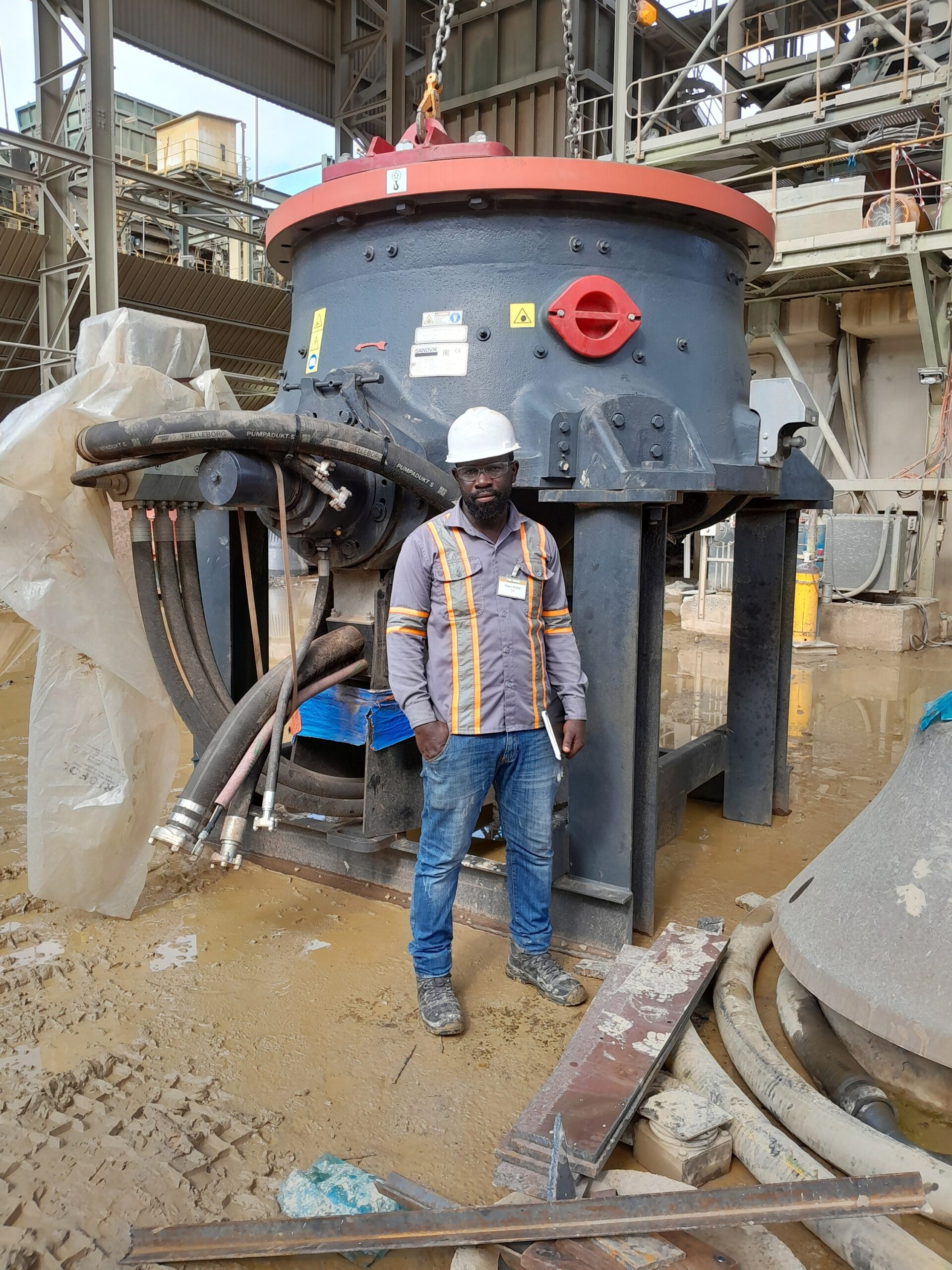
Production at a gold mine in Ghana was recently ramped up with the help of the advanced Sandvik CH865i cone crusher, following close collaboration with the Sandvik Rock Processing team in Ghana to identify the optimal solution for the site’s specific conditions.

The need to raise throughput levels at the mine had become pressing, with the mine’s stockpile quickly depleting due to the strategic demand for more ore. According to Michael Okunola, Service Manager for Sandvik Rock Processing West Africa, the solution also had to account for space limitations within the plant.

“The mine was considering adding another cone crusher to the existing lineup of three crushers in the plant but with limited space available, we began exploring other options,” says Okunola. “Ultimately, the team was guided by the fact that the second of the three tertiary crushers was handling the bulk of the throughput, and we realised we could make a significant impact by addressing the capacity opportunities at that point in the circuit.”

The mine was already operating three Sandvik CH660 cone crushers in the tertiary circuit and turned to Sandvik Rock Processing for a solution that would deliver the same exceptional performance and reliability, he says. 

“Under the mine’s previous production regime, the Sandvik CH660s comfortably met the required capacity,” he explains. “However, with the new production targets, a crusher with higher throughput capacity was needed.”

In this application, the Sandvik CH865i is capable of delivering up to 400 tph – nearly double the previous throughput – significantly boosting the mine’s overall production.

“The optimal solution was achieved by replacing the second – or middle – CH660 cone crusher in the mine’s tertiary circuit with a Sandvik CH865i model,” says Okunola. Once the new unit’s components arrived on site, Sandvik Rock Processing’s technical team collaborated closely with the mine’s team to implement the necessary adjustments within the plant.

These modifications included installing a new locally manufactured hopper to accommodate the taller dimensions of the Sandvik CH865i crusher. The installation had to be carried out while the plant remained operational, requiring special measures to manage dust and maintain a safe working environment.

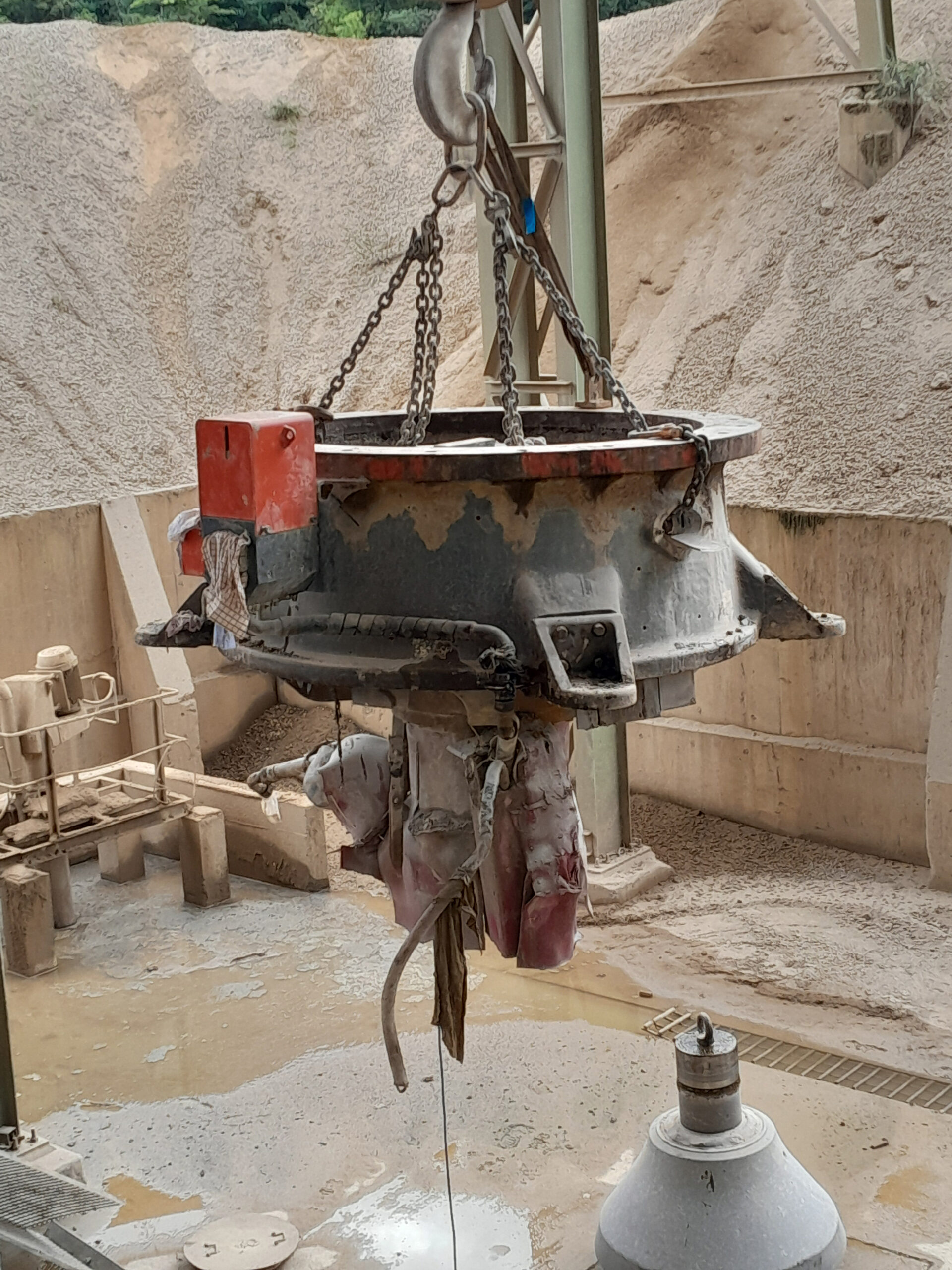
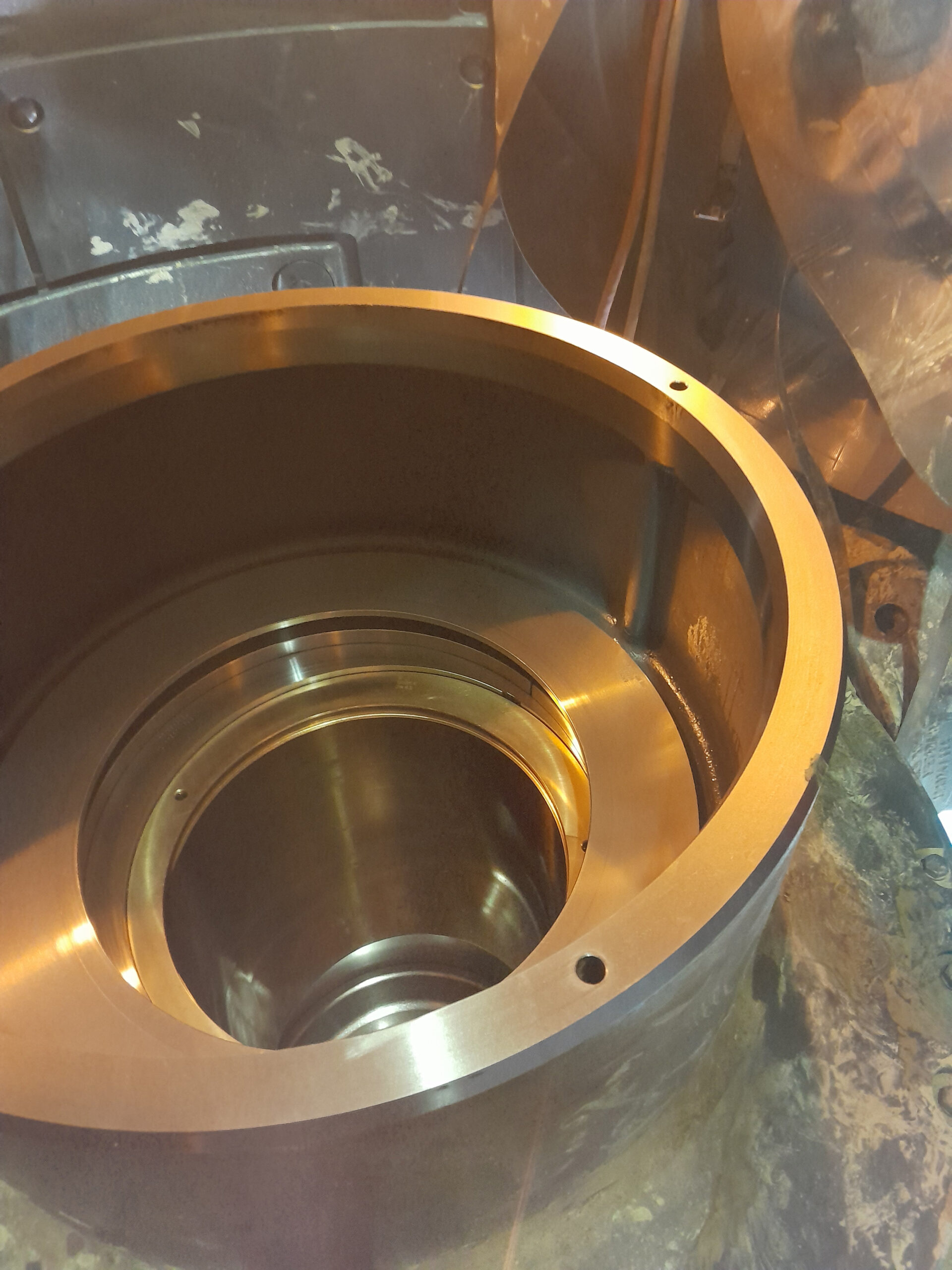
“We worked with the mine to decommission the existing unit and implement the necessary concrete, steelwork and other critical infrastructure for the new crusher,” he explains. “The Sandvik Rock Processing team then assembled the Sandvik CH865i on site using the delivered components – including the sub-frame assembly, top shell, bottom shell and main shaft assembly – all in line with our strict OEM standards.”

“Following successful commissioning, the increase in output delivered a rapid return on investment for the customer confirming that the decision was the correct one,” says Okunola. To further support ongoing performance, the mine also entered into a service level agreement with Sandvik Rock Processing, ensuring that a dedicated engineer is based on site to maintain and optimise equipment efficiency. 

“Our team is on hand to closely monitor the condition and operation of our crushers, and to ensure that maintenance such as liner replacement and lubrication are regularly performed,” he says. “Our OEM procedures and attention to detail give the customer peace of mind that the new crusher is delivering as expected, with no unplanned downtime to disrupt production.” 

Among the benefits that the Sandvik CH865i cone crusher brings is its ease of operation and maintenance, he adds. For instance, it does not need the application of casting compound when replacing liners which also represents a significant cost saving. 

Equipped with the hydraulic Hydroset™ system for safety and setting-adjustment functions, the unit is also intelligent – ready to be connected to Sandvik’s Automation & Connectivity System (ACS). This automatically adapts the crusher to varying feed conditions ensuring the best performance constantly.

“The value of ACS lies in its ability to monitor key aspects of the crushing process including the electric motor’s power draw, hydrostatic pressure, closed-side setting and oil temperature,” says Okunola. “It also tracks the performance of individual components such as the lubrication pump and the Hydroset™ pump as well as rotation speeds and feed rates. All of this enhances operational transparency by flagging any deviations from normal performance.”

He highlights that, after the commissioning of the new Sandvik CH865i unit, Sandvik Rock Processing conducted on-site training for the mine’s team, on both operation and maintenance.

“Our training also emphasises the safety aspects of working with our equipment, as our strong safety focus supports the mining sector’s drive towards zero harm,” Okunola concludes.

TRU-TRAC LEVERAGES AI TO BRING REAL-TIME ACCURACY TO CONVEYOR BELT SCALES

As the industrial sector undergoes rapid digital transformation, conveyor systems – once regarded as passive infrastructure – are emerging as intelligent data sources. Shaun Blumberg, COO of Tru-Trac, notes that at the centre of this shift is the belt scale.

“This technology was historically focused on weighing material flow but is now transforming into a strategic tool for real-time production visibility, process optimisation and predictive analytics,” he says.

Tru-Trac’s AccuTrac™ AI-enabled Belt Scale platform represents the leading edge of this evolution. Rather than being a retrofit of outdated hardware, it has been designed around the principle that mass flow measurement should be dynamic, contextual and adaptive – not static and reactive. Developed in partnership with Germany-based SHG, the system fundamentally changes the way material flow is measured and managed in industrial environments.

Blumberg explains that conventional belt scales rely on assumptions such as constant belt speed, consistent loading geometry and stable mechanical conditions. In reality, these factors vary: belts stretch, rollers wear unevenly and bulk density fluctuates. This leads to drift in measurement accuracy, frequent recalibrations and reduced confidence in the data.

“The Tru-Trac AccuTrac AI Belt Scale does not rely on static assumptions. Instead, it continuously learns from the conveyor’s operating behaviour and compensates for factors such as drift, vibration and anomalies in the load profile in real time,” Blumberg says.

At the core of the system is a fusion engine that processes inputs including belt speed, load cell output, vibration patterns and environmental conditions. Adaptive algorithms then generate a normalised computational mass flow that more accurately reflects true material movement in demanding environments.

The intelligence is embedded at the edge rather than in a remote server, allowing the system to respond immediately without relying on constant connectivity. This provides operations teams with real-time information and alerts such as early indications of belt tension changes, density fluctuations or idler failures.

“Unlike traditional systems that provide delayed or averaged readings, the Tru-Trac AccuTrac AI Belt Scale delivers contextual data that can be acted upon immediately,” Blumberg adds.

Beyond mass flow measurement, the scale also performs diagnostic functions. It can identify belt slip or stretch, uneven loading, mechanical wear and systemic inconsistencies. By combining these roles into one device, the system reduces the need for additional sensors and infrastructure, simplifying installation and maintenance while lowering potential points of failure.

Calibration, often a challenge with conventional belt scales, is managed through intelligent auto-calibration. The Tru-Trac AccuTrac™ AI Belt Scale system references historical data, production baselines and throughput values to optimise its internal models, improving accuracy with use rather than degrading over time.

The platform is also designed for integration with plant control systems using standard protocols. This allows belt scale data to feed into wider process control loops, such as adjusting feed rates based on downstream capacity or modifying loading geometry in response to live conditions.

In this way, the system moves the belt scale from a static measurement device to an embedded intelligence platform, delivering operational insights across industries such as mining, cement and ports.

“Our AccuTrac AI Belt Scale is designed to adapt continuously to real operating conditions. By embedding machine learning into the system, we can deliver reliable mass flow measurement and diagnostics that support more accurate, efficient and responsive operations,” Blumberg concludes.

CONCOR ADVANCES MAJOR UPGRADE OF THE VIEW AT FOURWAYS MALL

Significant progress is being made on Concor’s major refurbishment project at The View, an existing section of Fourways Mall that borders Witkoppen and Cedar Roads. The project forms part of a comprehensive upgrade to both the interior and exterior of the mall, together with the reconfiguration of tenant spaces – all aimed at delivering a more modern, seamless and pleasant shopping experience.

Martin Muller, Contract Manager at Concor, says the transformation will create an exciting contemporary layout that will accommodate new tenants. “This project is all about future-proofing the centre and improving the retail environment. The modernised finishes, improved flow and enhanced comfort levels will elevate the overall experience for shoppers and the incoming tenants.”

The refurbishment includes a complete upgrade of the building façade, featuring recycled timber cladding and performance glazed shopfronts. The high performance glazing has been selected for its ability to reduce glare and heat, ensuring a comfortable indoor environment for shoppers. New balconies with glass balustrades are also being added, together with Alubond architectural elements that contribute to the sleek modern exterior aesthetic.

Externally, the parking area – a crucial part of any retail destination – is undergoing extensive refurbishment. Large sections of the parking surface have been uplifted and layer works re-established before being surfaced with asphalt. All parking upgrades are being executed in carefully planned phases due to the live nature of the mall, with Concor taking every measure to minimise disruption to shoppers and tenants.

Inside the centre, the upgrades include modernised ablution facilities, expanded family bathrooms and new baby-changing amenities to meet the needs of diverse shopper groups. The reconfiguration of tenant spaces varies according to each retailer’s requirements, with Concor delivering anything from grey-box to white-box handovers.

Further enhancements include the installation of new energy efficient escalators to improve vertical movement throughout the mall and the rollout of energy efficient lighting systems to reduce operational costs and environmental impact.

Muller emphasises that Concor’s teams are well recognised for their flexibility and meticulous planning when working in live environments. “A project of this nature requires absolute precision. We are upgrading a busy retail area without negatively affecting the daily shopping experience. Our teams are maintaining the high workmanship standards that Concor is known for, while taking extraordinary care to protect shoppers, tenants and all stakeholders.”

Safety remains a top priority, with ongoing communication and strict protocols in place to ensure a safe environment for all.

The project is scheduled for completion in March 2026, with Concor committed to delivering a revitalised future-ready retail destination for the Fourways community.