Concor’s safety culture was in the spotlight at the recent Master Builders Association (MBA) North regional safety competition, with the company winning five coveted awards.
Margaret Dube, Concor’s Health, Safety and Environment (HSE) Manager, was crowned the Construction HSE Manager of the Year, while the company’s Safety Representative, Mduduzi Mamba received the award for the Construction HSE Representative of the Year. Concor’s projects were also honoured in the ceremony: it earned first place in category F (projects valued at R100 to R250 million) for its Fourways Mall New Roof and Solar Project; second place in category G (R250 to R450 million) for the Oxford Parks Block 2A Phase 1 Project and third place in category E (R40 to R100 million) for its Ga-Rankuwa City Centre Project.
Concor Contracts Manager Martin Muller highlights the significance of this recognition in a sector where fast tracking of building projects has become the norm. The considerable deadline pressure on such projects has the potential to compromise safe working practices.
“This is why safety needs to remain at the centre of our working culture every day, and why we prioritise the training and support that is given to our safety officers and representatives, our on-site team and our subcontractors,” Muller says. “It is a real honour to see our safety team being recognised for their contribution – as their approach and commitment is critical to the success of our projects.”
Dube says her award has been a boost not only to her personal motivation as a safety manager, but a collective achievement for Concor’s entire safety team.
“An award like this really motivates everyone and reinforces our commitment towards further improving our safety and project execution,” she says. “It also affirms the valuable contribution we are making to the construction sector as a whole.”
She emphasises that safety is not just about policies, systems and discipline – but equally about a shared culture of safety among colleagues who are concerned for each other’s well-being. While acknowledging that a safety officer needs to have a strong character to perform their duties, Dube says their role is to empower and educate the team.
Mamba concurs, saying that he joined the Concor safety team in 2016 to help build an approach to safety where site safety personnel are not just viewed as ‘traffic officers’ to be feared and obeyed. He notes that one of his main areas of focus is to ensure that colleagues do not confuse work experience with safety awareness.
“Even though a person has many years of experience on a construction site, they can still make mistakes if they do not embrace our safety culture,” he explains. “Our approach is to encourage everyone in our team to point out potential hazards and to help find and apply solutions.”
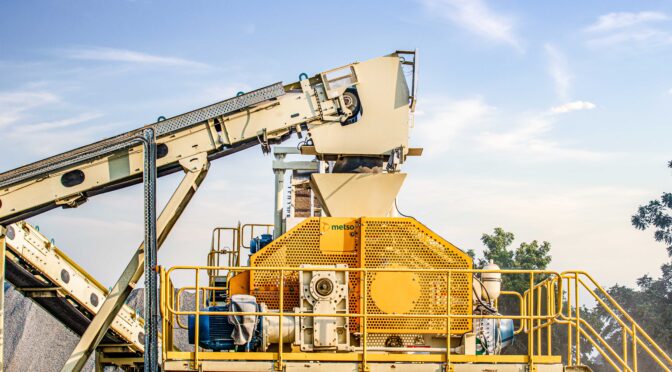
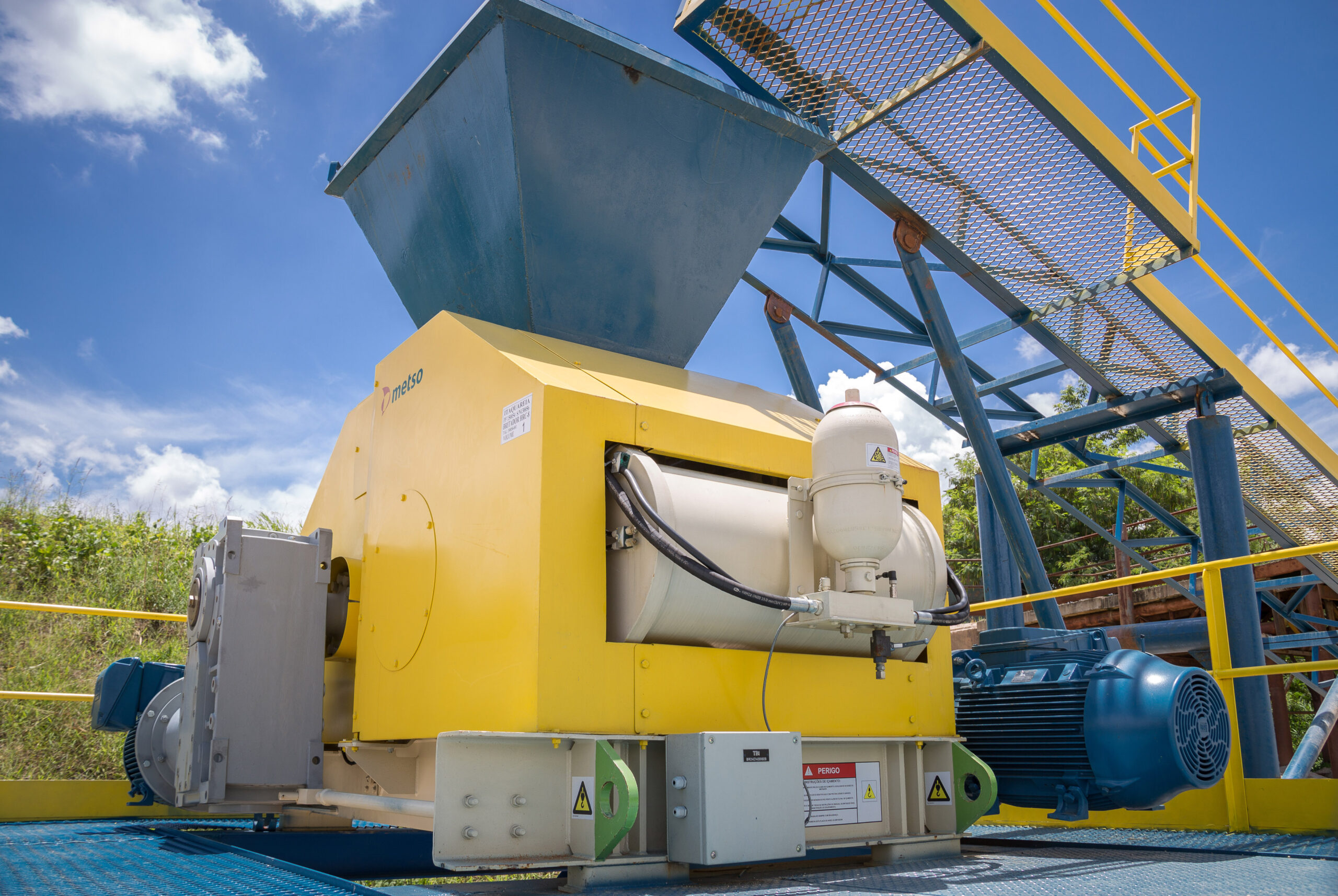
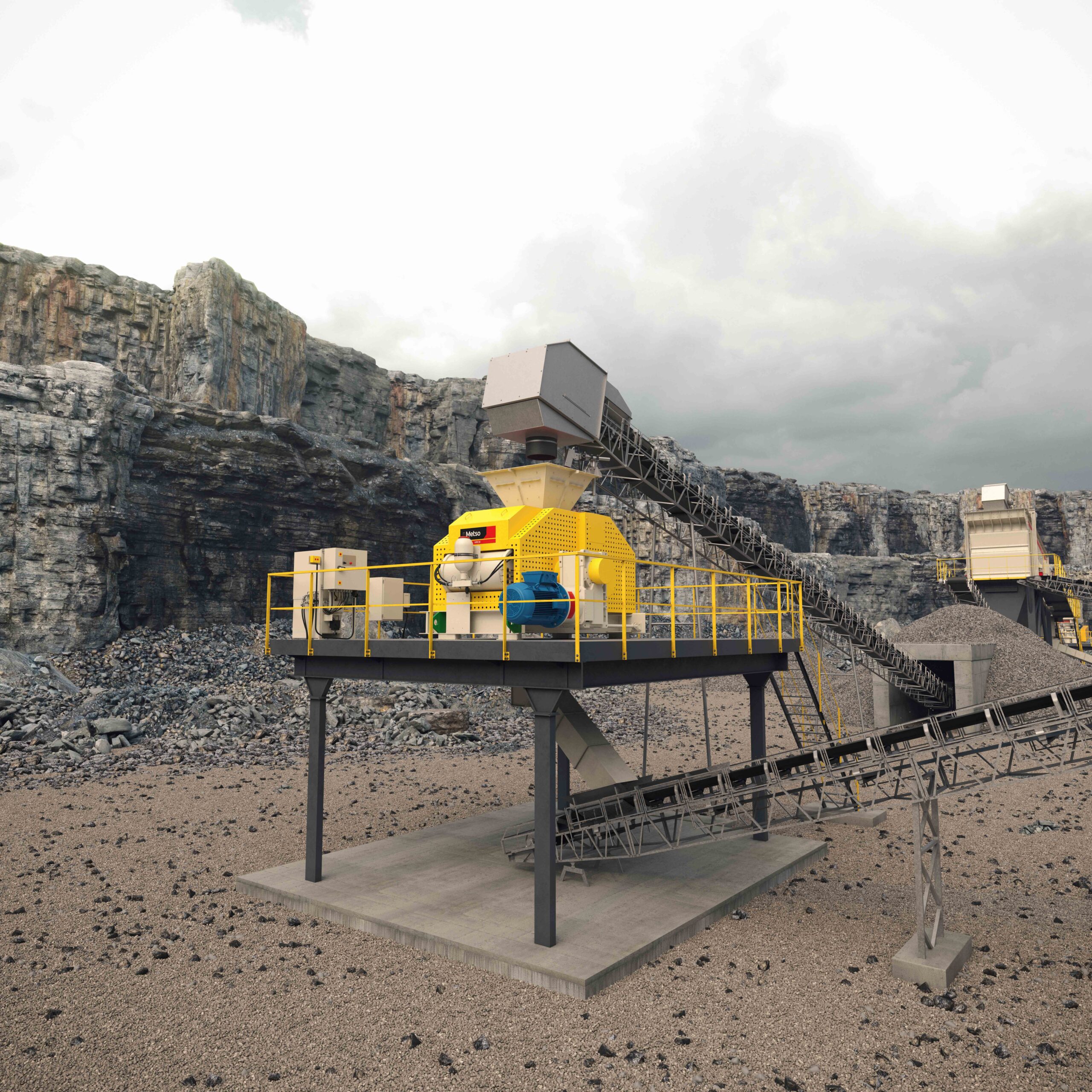
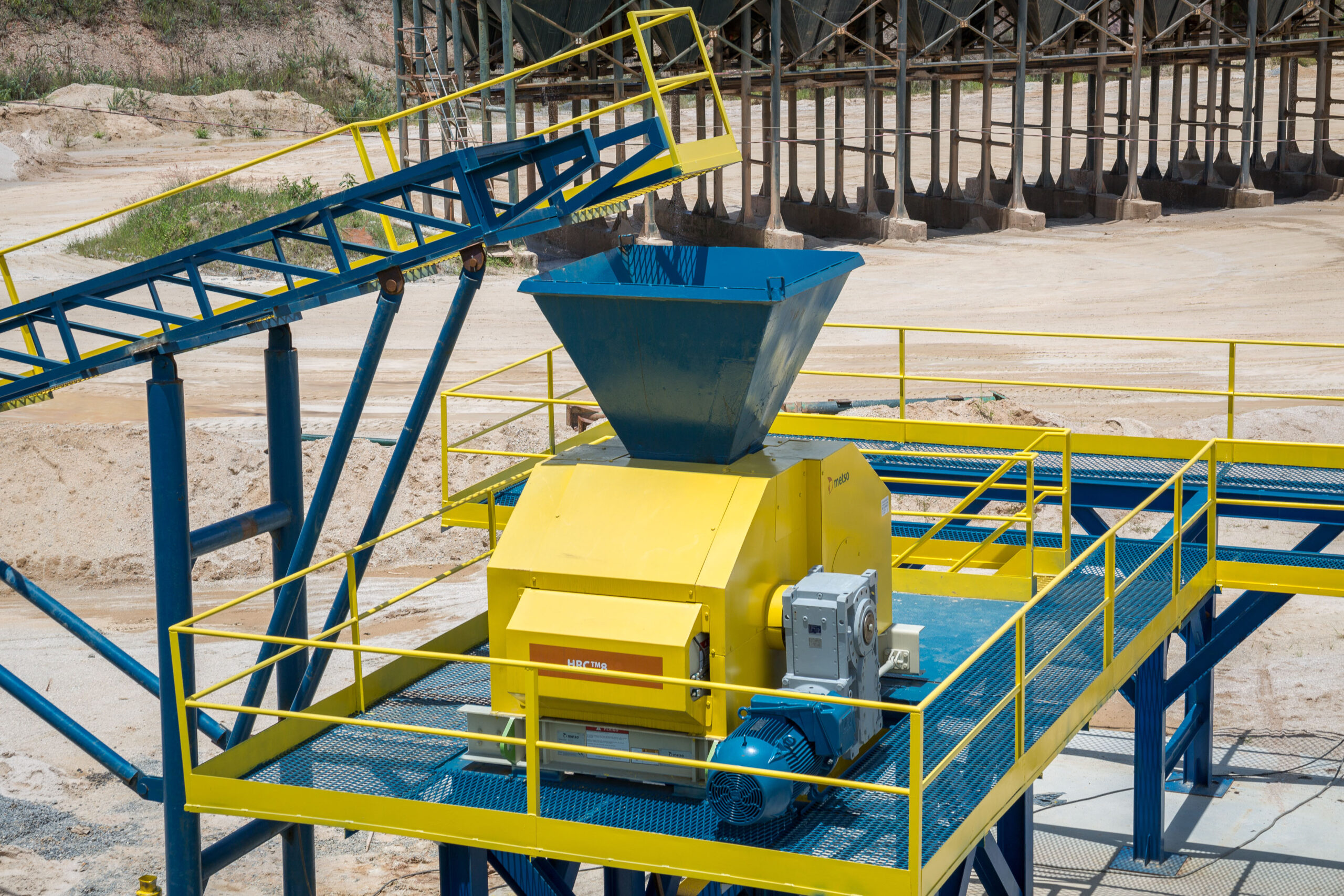
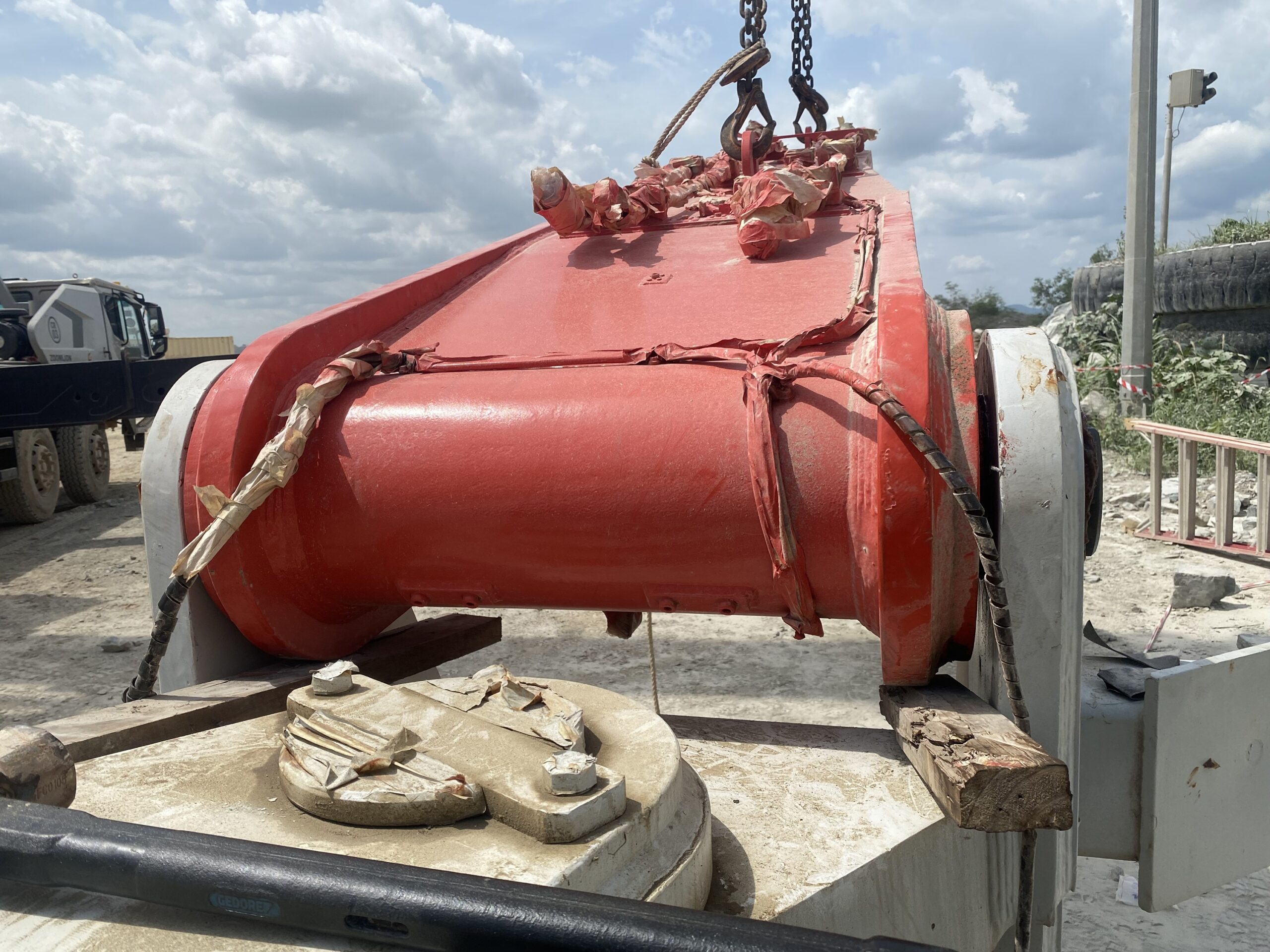
With demand rising for high quality manufactured sand and pressure mounting to reduce unsaleable materials and environmental impact, Metso’s HRC™ 8 high pressure grinding roll (HPGR) is proving to be a gamechanger. Distributed in southern Africa by Pilot Crushtec, the HRC™ 8 is specifically designed to deliver exceptional crushing efficiency, shape and gradation in the most demanding sand and aggregate applications.
Francois Marais, Sales and Marketing Director at Pilot Crushtec, says the HRC™ 8 is opening new opportunities for producers to make the most of their feedstock. “This is not just about improving performance – it’s about rethinking what’s possible,” he explains. “Whether you are working with hard abrasive materials, high fines content or even moist and clay-bound feed, the HRC 8 can turn that into a high value saleable product.”
The technology behind the HRC™ 8 is based on inter-particle comminution where feed material is drawn into a bed between two rotating rollers – one fixed and one floating – and subjected to high pressure. This intense even crushing action is not unlike the force of a nutcracker and results in reduced energy consumption, a lower wear rate and excellent product shape.
Marais highlights the machine’s suitability for manufactured sand. “The HRC 8 produces a consistently cubical product which is ideal for asphalt and concrete applications. It also allows for precise adjustment of gradation; this means customers can meet tight specifications without the need for excessive screening or reshaping.”
Environmental benefits are also a strong selling point. With natural sand reserves becoming increasingly scarce and regulated, the HRC™ 8 helps producers reduce reliance on virgin resources.
The sand produced requires less water and cement in downstream concrete and asphalt mixes, supporting more sustainable construction practices, by reducing the amount of unwanted ultra fines produced in the crushing process. The ability to repurpose unsaleable materials from previous crushing and screening processes into high quality output further reduces the carbon footprint of a site.
“In many cases, the HRC 8 allows operators to take what was once a stockpiled liability – typically low-grade or oversized byproduct – and turn it into a profitable revenue stream,” says Marais.
Designed for high reliability and easy maintenance, the HRC™ 8 features Metso’s patented Arch-frame with anti-skewing functionality ensuring even load distribution and protecting critical components from misalignment. Adjustable hydraulic cylinders and variable speed capability allow operators to tailor pressure and throughput to match specific material characteristics and application needs.
The feed chute is engineered for choke-fed operation ensuring even wear across the roll surface and consistent crushing conditions. Meanwhile, robust wear components, such as long-life manganese tyres, minimise the need for intervention and Metso’s split shaft design allows fast replacement of rolls without full machine disassembly.
The machine’s versatility allows it to excel in a wide range of applications including manufactured sand, gravel pits, re-crushing unsaleable material, asphalt and concrete sand and even certain industrial minerals. Where other technologies may falter due to high abrasiveness, low crushability, moisture or fines, the HRC™ 8 delivers.
“The ability to adjust product gradation on the fly by regulating pressure – rather than changing the roll gap – means unmatched flexibility,” Marais says. “You can optimise for output, energy efficiency or product quality depending on your operational goals.”
He adds that the HRC™ 8 also stands out for its energy performance. “Compared to other technologies, it can achieve energy efficiencies of up to 90%, depending on configuration. And because the machine reduces circulating loads, you are not wasting energy on reprocessing material.”
From its ability to handle difficult feed to its contribution to circular economy principles, the HRC™ 8 delivers on multiple fronts: performance, sustainability, cost efficiency and safety. It is not just another crusher; it is a solution that enables a new way of thinking about sand and aggregate production.
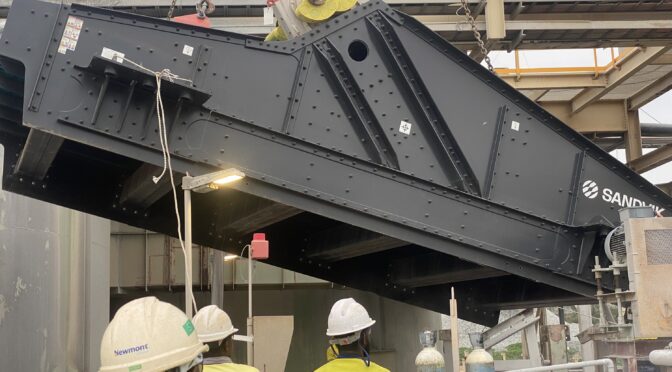
West Africa has long established itself as one of the continent’s most exciting regions for exploration and mining, and Sandvik Rock Processing continues to build on its strong footprint of technical support for its crushing and screening solutions. Notably the company’s product offering includes stationary crushers, screen and feeders, mobile crushers and screens and rockbreakers.
From on-site engineering services to parts warehousing, training and condition monitoring, the company has built a responsive multi-tiered support system designed to ensure smooth reliable operations for its customers.
“We understand the pressure in the mining sector for increased operational uptime, safety and productivity,” says Michael Okunola, Service Manager for Sandvik Rock Processing West Africa. “As supply partners to the industry, this can only be achieved through our continued investment in human and material resources on the ground – close to customers for rapid response.”
On-site support
As part of the company’s suite of support services, Okunola highlights the various levels of its on-site engineering support programme. Customers can select from a range of offerings, including having Sandvik Rock Processing engineers on the mine for 365 days a year. Depending on how remote the mine’s location is, the management may prefer an engineer to visit the site on a monthly, bi-monthly, quarterly or annual basis.
“Our services are completely tailored to customers’ needs,” he emphasises, “but the primary focus is generally the same: to closely monitor the condition and operation of equipment on site and to ensure proactive maintenance and to optimise its performance.”
He explains that the company’s local service technicians are the first responders to customers’ needs providing on-site diagnostics and trouble-shooting, along with emergency work and routine maintenance. Sandvik Rock Processing also has after-market engineers who can commission equipment, and conduct visits in line with customer preferences.
Parts availability
Effective maintenance means having the necessary parts available when they are required, he points out. Sandvik Rock Processing therefore offers its support in helping mines with customised inventory management. Under a parts management agreement, the company’s team even visit mines to assess which inventory items have been used and which need replenishment.
“Under our vendor-managed inventory (VMI) system, for instance, we monitor stock levels on behalf of the customer and ensure timely replenishment,” he explains. “We try as far as possible to help the customer to avoid running out of parts, which can lead to delays and downtime.”
This may require moving critical spares onto customer sites as consignment stock, so they can be stored for immediate access. Okunola highlights that Sandvik’s SAM digital service plays a valuable role in facilitating operational excellence in the region’s crushing and screening plants.
“Our SAM platform helps our technical personnel – and even the customer – to monitor the consumption of parts and facilitate procurement,” he explains. “Our technical team use SAM to track the daily operation of our equipment, analysing data to diagnose issues before they become critical; we can then advise the customer what actions are required to ensure that machines are always running efficiently and at the lowest lifecycle costs.”
Regional presence
Underpinning its commitment to parts availability is Sandvik Rock Processing’s strategically located regional facilities, with a West African hub in Kumasi, Ghana. This includes a warehouse and workshop facility from which the company supports customers throughout the region.
“We also have a facility with a warehouse in Bamako in Mali, and in Ouagadougou in Burkina Faso,” he says. “A recent addition to our footprint in the region is our warehouse in Abidjan in Cote d’Ivoire. Each of these sites has their own team to provide technical support and logistical coordination to customers.”
The workshop facilities provide refurbishment services for key equipment as well as component rebuilds and routine preventative maintenance. He highlights that the company’s presence in these locations enables rapid response times, reduces lead time on deliveries and generally enhances customers’ operational uptime.
Building local capacity
Recognising the importance of skilled operators and technicians in West Africa, Sandvik Rock Processing invests heavily in skills development and training initiatives. These can be conducted on site or remotely and include tailored modules based on specific types of equipment as well as technical refresher training to keep customers up to date with the latest technologies and best practices.
Among the most important capacity building offerings is operator maintenance training which is most useful when conducted in a real-life practical environment. When customised for specific mines, this training can focus on the actual equipment installed on the site.
“We also run ‘train-the-trainer’ programmes which empowers supervisors to share knowledge internally,” he says. “Trainees receive certificates of competence, strengthening their career development and enhancing local skills in the process.”
Sandvik Rock Processing also supports apprenticeships as part of its local talent development initiatives. This includes internships and partnerships with technical schools. The company’s e-learning platform further expands its reach, allowing customers to access training on topics such as equipment operation, preventative maintenance and safety procedures.
“Our local technicians are well-trained, and benefit from continuous upskilling through regular visits to the company’s facilities,” says Okunola.
He concludes that the company’s growth plans in West Africa are a clear signal of its commitment to the market in the region, ensuring that its technical support is close at hand and fully resourced.
Across the mining industry, a notable trend has emerged where original equipment manufacturers (OEMs), engineering, procurement and construction management (EPCM) contractors and mine operators are increasingly calling on Weba Chute Systems to assist in resolving process flow issues that impact plant performance. These challenges typically arise when new or existing screens, crushers or feeders underperform due to inefficient material transfer between stages in the processing circuit.
Transfer points – often the hidden bottleneck
While new equipment installations are generally well specified, the transfer chutes linking different units of process equipment are frequently overlooked. These transfer points can become the source of major bottlenecks, leading to issues such as uncontrolled material velocity, excessive impact, spillage, uneven feed distribution or accelerated wear. The result is often premature failure of liners or vibrating equipment, increased downtime and overall loss of plant efficiency.
According to Mark Baller, Managing Director of Weba Chute Systems, the company is often called in once other avenues have been explored and the source of the problem remains unresolved.
“In many cases, the mine or project team initially focuses on the mechanical or structural performance of the upstream equipment,” Baller explains. “However, when the problem persists closer inspection often reveals that the root cause lies in the uncontrolled manner in which the material is being transferred from one point to another.”
He emphasises that even small deviations in material flow trajectory, velocity or impact angle can have a significant influence on how effectively downstream equipment performs.
Experience and engineering insight
With one of the largest global reference bases of custom-engineered chute systems, Weba Chute Systems has extensive experience across a wide range of commodities – from iron ore, coal and manganese to platinum, gold and copper – and across virtually every part of the process flow sheet.
This depth of experience enables the company’s engineers to quickly identify where transfer conditions are contributing to a problem and to propose targeted solutions based on proven designs and data. Each investigation typically begins with a detailed site assessment and data collection phase, followed by discrete element modelling (DEM) simulation to replicate material behaviour under actual operating conditions.
“Through these simulations,” Baller explains, “our team is able to visualise material trajectories, particle interactions and wear patterns to pinpoint exactly where problems occur – whether this involves excessive material build-up, misalignment or uncontrolled impact. This scientific approach ensures that any redesign is not based on trial and error but on quantifiable evidence.”
Case studies from the field
In one example, an EPCM contractor overseeing a manganese screening plant upgrade approached Weba Chute Systems after newly installed screens began suffering frequent pegging and uneven feed distribution. DEM analysis revealed that the existing transfer chute design was creating a concentrated material stream, overloading one side of the screen and causing vibration imbalances.
Baller says that by redesigning the chute with an optimised internal geometry to control the flow trajectory and distribute the feed evenly, the Weba Chute Systems team eliminated the pegging problem and restored screen performance. The result was more stable operation, improved product grading and reduced maintenance costs.
In another instance, a platinum concentrator experienced repeated blockages and severe liner wear in a transfer point feeding its secondary mill. Although the mill itself was mechanically sound, DEM simulation confirmed that material was entering the mill feed chute at excessive velocity, leading to impact wear and uneven distribution. Weba Chute Systems designed a replacement chute incorporating energy absorption and flow control features, resulting in over a threefold increase in liner life and a significant reduction in unplanned downtime.
Systemic improvement, not isolated fixes
Baller notes that the company’s approach is always holistic. “We seldom treat a transfer point as an isolated component,” he says. “Each chute interacts with the process upstream and downstream. Our objective is to stabilise the entire system – ensuring that equipment such as screens, feeders and mills are protected and operate within their design parameters.”
This systems-based philosophy has proven particularly valuable to EPCM teams, who are often tasked with ensuring plant performance guarantees. By engaging Weba Chute Systems early in the design or optimisation process, they can reduce commissioning risks, achieve smoother start-ups and deliver plants that perform reliably from day one.
Reliable solutions across the flow sheet
From primary crushing and screening to secondary milling, flotation and concentrate handling, Weba Chute Systems’ designs are engineered for each application. The company’s solutions have become industry benchmarks for controlled material flow, reduced dust generation, improved wear life and higher availability.
“Every mine is under pressure to maximise throughput and minimise downtime and our role is to ensure that material transfer – a seemingly minor aspect of the plant – does not become the limiting factor in achieving those goals,” Baller concludes.
Conveyor systems are the backbone of material handling in mines, quarries and bulk processing plants. They move massive volumes of material across long distances and through complex circuits, linking each stage of production. When they operate reliably, they underpin productivity. When they falter, the knock-on effects can halt operations and drive up costs within minutes. Issues such as spillage, carryback, misalignment, premature belt wear and safety incidents can escalate quickly and recovering from them is seldom straightforward.
Against this backdrop, monitoring technologies have developed rapidly over the past decade. What began with basic mechanical indicators has now evolved into sophisticated real-time digital systems capable of providing continuous insight into the performance of the entire conveyor line. This evolution reflects a broader trend across heavy industry with the shift from reactive maintenance to condition-based and predictive strategies. For plant operators, the opportunity lies not simply in collecting more data but in taking an integrated approach that combines mechanical excellence, instrumentation and actionable intelligence. And, critically, the success of that integration is best achieved when supported by a reputable conveyor systems OEM such as Tru-Trac.
The evolution of conveyor monitoring
Monitoring once meant responding to failures after they had already disrupted production. A tripped motor or overheated bearing was the signal that something was wrong and maintenance teams were left scrambling to diagnose and repair the issue. While this reactive model kept belts running, it also locked plants into cycles of unplanned downtime, expensive repairs and higher safety risks.
The first significant change was the move from single-point alarms to broader visibility. Traditional setups might flag motor temperature or belt speed anomalies but these offered only a narrow window into what was happening along the conveyor’s length. Subtle but critical upstream issues – idler failures, belt wander, loading inconsistencies or fugitive material at transfer points – remained invisible until they caused real damage.
Today’s systems integrate multiple data streams across the conveyor line. Belt tracking status, idler vibration, chute and skirt performance, scraper effectiveness, bearing temperatures, power draw, belt thickness and cover wear and load profiles can all be measured and correlated. By piecing these signals together, operators can see how small deviations trigger cascading problems – for example belt wander leads to edge damage which worsens misalignment which in turn drives spillage, cleanup costs and eventual belt replacement.
Equally important is the trend toward placing monitoring closer to the source of the problem. With the arrival of edge computing, low power devices can now process vibration, thermal and acoustic data directly on idler frames or pulley housings. Instead of waiting for anomalies to surface hours later in the plant’s historian system early signs of wear or friction are flagged immediately, allowing for targeted intervention before a catastrophic failure occurs.
The final, and perhaps most transformative, stage of evolution has been the shift from raw data to actionable intelligence. Monitoring platforms increasingly translate sensor values into clear prioritised recommendations such as which idlers to replace, where to re-tension a scraper or when to inspect a chute liner. Integrating these outputs with a plant’s computerised maintenance management system (CMMS) ensures that the right work orders are raised, the correct spares are allocated and technicians arrive on site equipped for the task. This closes the loop from detection to intervention.
Monitoring and mechanical excellence go hand in hand
Despite the sophistication of today’s monitoring technology, the fundamentals of conveyor performance remain mechanical. Belts must track true, loading must be controlled, chutes must flow smoothly and material must be cleaned effectively. If these fundamentals are neglected, even the best monitoring system cannot prevent failures.
This is where a holistic approach comes into play. Hardware such as Tru-Trac belt trackers, primary and secondary scrapers, skirting systems, impact beds and slider cradles continue to form the foundation of reliable conveyor operation. Monitoring enhances these investments by confirming their performance, providing measurable proof of reduced carryback or improved alignment and highlighting when adjustments are required. The fusion of mechanical excellence with digital oversight delivers results that neither approach could achieve alone.
The sustainability and safety dimension
Monitoring also addresses the increasing emphasis on sustainability and safety across mining and materials handling. Conveyor belts consume substantial amounts of energy and misalignment or poor cleaning only increases friction and power draw. By keeping belts centred and return strands clean, operators can achieve measurable energy savings. Extending belt life also reduces the frequency of costly replacements, lowering both material usage and waste.
From an environmental standpoint, reducing spillage and dust directly supports compliance with community and regulatory expectations. Cleaner conveyors mean cleaner plants, safer walkways and reduced reliance on dust suppression systems. Meanwhile, improved diagnostics for pull-cords, emergency stops and guarding systems provide reliable assurance for both employees and regulators that safety measures are in place and functioning as intended.
The business case for integration
The economic benefits of integrated monitoring are clear. Unplanned downtime on a production-critical conveyor can cost tens of thousands of rand per hour. By identifying issues early, plants can act before small problems escalate into major disruptions. Replacing an idler identified as running hot costs little compared to repairing belt edges or recovering from a derailment.
Energy savings are another driver. A belt that is properly aligned and free from excess material runs with lower resistance, drawing less power and reducing stress on motors and drives. Over time, these savings add up to significant reductions in operating costs. Planned maintenance also becomes more efficient. With accurate wear data, spares can be ordered in advance and repairs scheduled during planned shutdowns eliminating the need for costly emergency interventions.
“An integrated approach to monitoring is no longer optional,” Shaun Blumberg, COO of Tru-Trac says. “You cannot look at sensors in isolation or mechanics on their own. The real value comes when you combine proven hardware with smart monitoring, so you can prevent issues before they escalate and keep the operation running at peak efficiency.”
Why an OEM partner matters
While the technology is compelling, the true success of any monitoring initiative depends on execution. This is where a reputable OEM such as Tru-Trac makes all the difference.
Firstly, an experienced OEM ensures that monitoring is built on a solid mechanical foundation. Tru-Trac’s belt trackers and cleaning systems are designed to withstand the realities of dust, moisture, misloading, misalignment and heavy duty operating conditions. By addressing the mechanical root causes of issues, they create the conditions in which monitoring can deliver meaningful insights.
Secondly, a trusted OEM provides lifecycle support. From correct commissioning and baseline audits to regular follow-up inspections, an OEM partner ensures that performance standards are maintained and that monitoring data is correctly interpreted. They can validate root causes when alarms are raised and implement permanent fixes rather than leaving operators to battle recurring symptoms.
Thirdly, integration is made practical. Rather than overwhelming plants with excessive sensors and data streams, a partner like Tru-Trac identifies the critical monitoring points that deliver the most value. This ensures that monitoring remains focused, manageable and aligned with operational priorities.
Finally, the reliability of ongoing support cannot be overstated. In regions where logistics and skills shortages can undermine uptime, having a partner who can supply spares, provide training and deliver rapid technical assistance is crucial.
A roadmap to success
For operators looking to embark on this journey, the starting point is a baseline survey of conveyor performance. This assessment highlights the key problem areas – whether mistracking or misalignment on a long overland conveyor, recurring idler failures in a curved section or persistent carryback at a wet transfer point. Mechanical improvements such as upgraded trackers, scrapers or impact systems are implemented first, followed by targeted monitoring to verify performance gains and catch regressions.
Over time, the monitoring architecture can be expanded across the conveyor network. Clear alarm thresholds, direct integration with maintenance systems and monthly review sessions with the OEM partner ensure that monitoring remains relevant and effective.
Conveyor monitoring has progressed far beyond isolated alarms to become a discipline of integration. By combining mechanical excellence, digital intelligence and structured response, operators can reduce downtime, optimise energy consumption, extend asset life and strengthen safety. The role of a reputable OEM such as Tru-Trac is pivotal in making this integration practical and sustainable, ensuring that both hardware and monitoring are designed, implemented and supported to deliver lasting results.
“In an era where efficiency, sustainability and safety are under constant scrutiny, conveyor systems can no longer be managed in silos. With Tru-Trac as a partner, operators are empowered not only to track their belts but to take full control of their operations, achieving consistent and predictable performance across the life of the conveyor,” Blumberg concludes.
From apprentices to graduate engineers, the FLS Training Academy in Chloorkop, Gauteng, has been building its capabilities and linkages to strengthen the mining sector’s skills base – not only in South Africa but across Africa and the globe.
Demonstrating FLS’s commitment to skills development is the facility’s recent accreditation by the National Artisan Moderation Body (NAMB) as an official assessment centre for artisan testing. According to Steve Parkinson, Head of the FLS Training Academy, this has been another important step in its mandate to “develop exceptional skills in Africa for Africa”.
FL Smidth Engineering works JohannesburgFL Smidth Engineering works JohannesburgFL Smidth Engineering works Johannesburg
“This accreditation allows us to conduct full testing for three vital trade categories: fitters, turners and fitter-and-turners,” Parkinson explains. “It means we can now train, assess and qualify both FLS apprentices and those from other companies in the region, creating a regional hub of technical excellence.”
He notes that this status positions the FLS Training Academy as a key player in training and qualifying artisans for the mining and minerals sector – not only within FLS but across the broader industry. The outcome is the culmination of years of focused investment in technical capability and educational quality.
Established in 2018, the FLS Training Academy has become central to the company’s business strategy and a cornerstone of its social responsibility commitments. Beyond producing a pipeline of skilled artisans, the well-equipped facility supports FLS’s goal of maintaining its BBBEE Level 1 status and advancing its Women in Mining initiative.
“We are proud that over half of our learners are women,” he says. “It is part of our commitment to diversity and empowerment, ensuring that technical careers – especially in traditionally male dominated industries like mining – are accessible and attractive to everyone.”
In 2025, for example, 33 of the 61 students were women and a majority of the total were from historically disadvantaged backgrounds. At any given time, the Chloorkop facility hosts between 60 and 90 learners, offering a wide range of programmes – from apprenticeships and learnerships to graduate internships, employee development and customer training.
FL Smidth Engineering works JohannesburgFL Smidth Engineering works JohannesburgFL Smidth Engineering works Johannesburg
“Our technical apprenticeships focus on trades such as mechanical fitting and metal machining, providing practical, real-world experience across the FLS workshop, machining and field services departments,” Parkinson says. “Learners spend their first 11 months at the facility gaining foundational skills before moving into operational environments.”
Partnerships also play a key role in the FLS Training Academy’s impact, he explains. For instance, it collaborates with private vocational training college Sol-Tech, hosting millwright apprentices for practical field experience. The facility’s two-year commercial apprenticeships – known as learnerships in South Africa – include specialisations in supply chain, information technology, business administration and health and safety.
“Our apprentice programme has become well recognised within FLS, to the extent that we have been requested to assist other regions with their apprenticeship programmes,” he says. “There is also scope to deploy our apprentices in other FLS service centres globally, as and when required.”
defaultFL Smidth Engineering works JohannesburgFL Smidth Engineering works Johannesburg
Wherever possible, the latest digital technologies are leveraged to enhance the learning experience, including ‘virtual reality welding’ through sophisticated equipment that records results as if a conventional welder were being used.
The FLS Training Academy is also making advances in the professional registration of graduate engineers. Collaboration is ongoing with the Engineering Council of South Africa to become an accredited training facility for the development of professional engineers.
“We have already designed a development programme and logbook for this purpose,” he says. “Our aim is to ensure that graduates receive systematic support for their engineering careers in the mining industry – but also for general industry.”
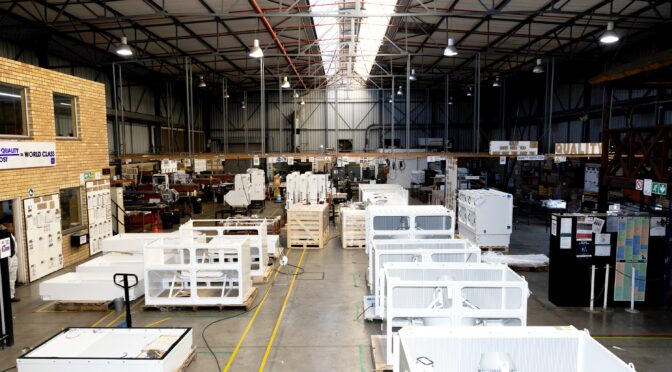
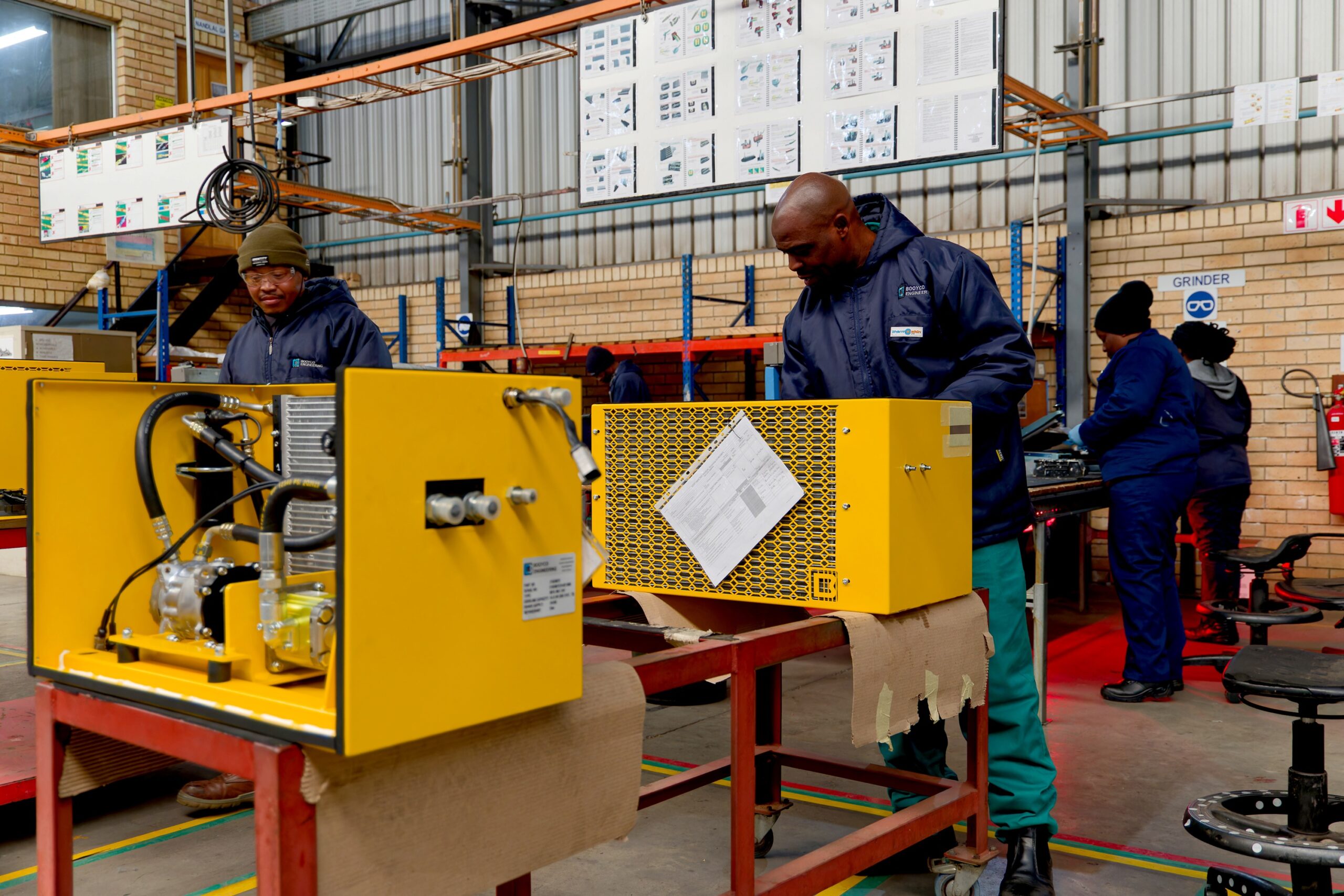
With over 40 years of specialised expertise, Booyco Engineering continues to lead the way in climate control solutions for South Africa’s mining and quarrying sectors – industries where airborne pollutants and extreme thermal conditions pose serious occupational health hazards.
Recognised as a key contributor to the South African economy, the mining sector faces mounting pressure to ensure safer healthier working environments – especially in the face of stringent legislation. The Mine Health and Safety Act (MHSA), Act 29 of 1996, requires that every mine must be designed, constructed and equipped to facilitate safe and healthy operations.
More recently, industry efforts have shifted from reactive to proactive occupational hazard management – with growing emphasis on the monitoring, control and reporting of worker exposure to environmental risks.
“Mobile machinery operators are often confined to enclosed cabs for extended periods in high risk areas where dust, heat and toxic gases such as CO₂ can quickly compromise their health,” Brenton Spies, Managing Director of Booyco Engineering, explains. “Addressing this challenge has been the cornerstone of our business for decades and today we can offer a fully integrated HVAC solution that aligns with international standards, including ISO 23875, to ensure that operators remain protected at all times.”
ISO 23875 specifically governs air quality in enclosed cabs, with key performance criteria including the provision of fresh air into the cab, positive pressurisation to prevent ingress of contaminated air and effective control and management of CO₂ levels.
While these requirements may be straightforward in on-road vehicles, achieving compliance in harsh mining and quarrying environments is far more complex. High levels of airborne particulates, diesel fumes and fluctuating ambient temperatures all add layers of technical difficulty when it comes to implementing effective climate control systems.
Booyco Engineering’s HVAC systems are engineered to meet these exacting standards. The company’s bespoke solutions incorporate Sy-Klone filtration technology to introduce clean filtered air into the system. This air is cooled and distributed into the cab while maintaining the required internal pressure and limiting CO₂ buildup.
“We don’t just build air conditioners – we engineer environmental control systems that protect the health of machine operators and provide mines with actionable data,” Spies says. “Our integrated system continuously monitors cab air pressure, dust concentrations, CO₂ levels and particulate contaminants, ensuring a controlled internal atmosphere at all times.”
Crucially, this real-time data can be downloaded for analysis, enabling mines to track operator exposure levels, demonstrate compliance with health and safety standards and improve overall risk management. This also supports broader ESG (Environmental, Social and Governance) initiatives which are becoming increasingly important for both investors and regulatory authorities.
Booyco Engineering’s approach is not only preventative but also performance-driven – enhancing machine uptime, reducing maintenance downtime due to clogged filters or overheating and ultimately improving productivity across mine and quarry sites.
“By aligning our engineering capability with global health and safety benchmarks, we are empowering mines and quarries to be both compliant and competitive. It is about going beyond compliance – it is about safeguarding people and performance,” Spies concludes.
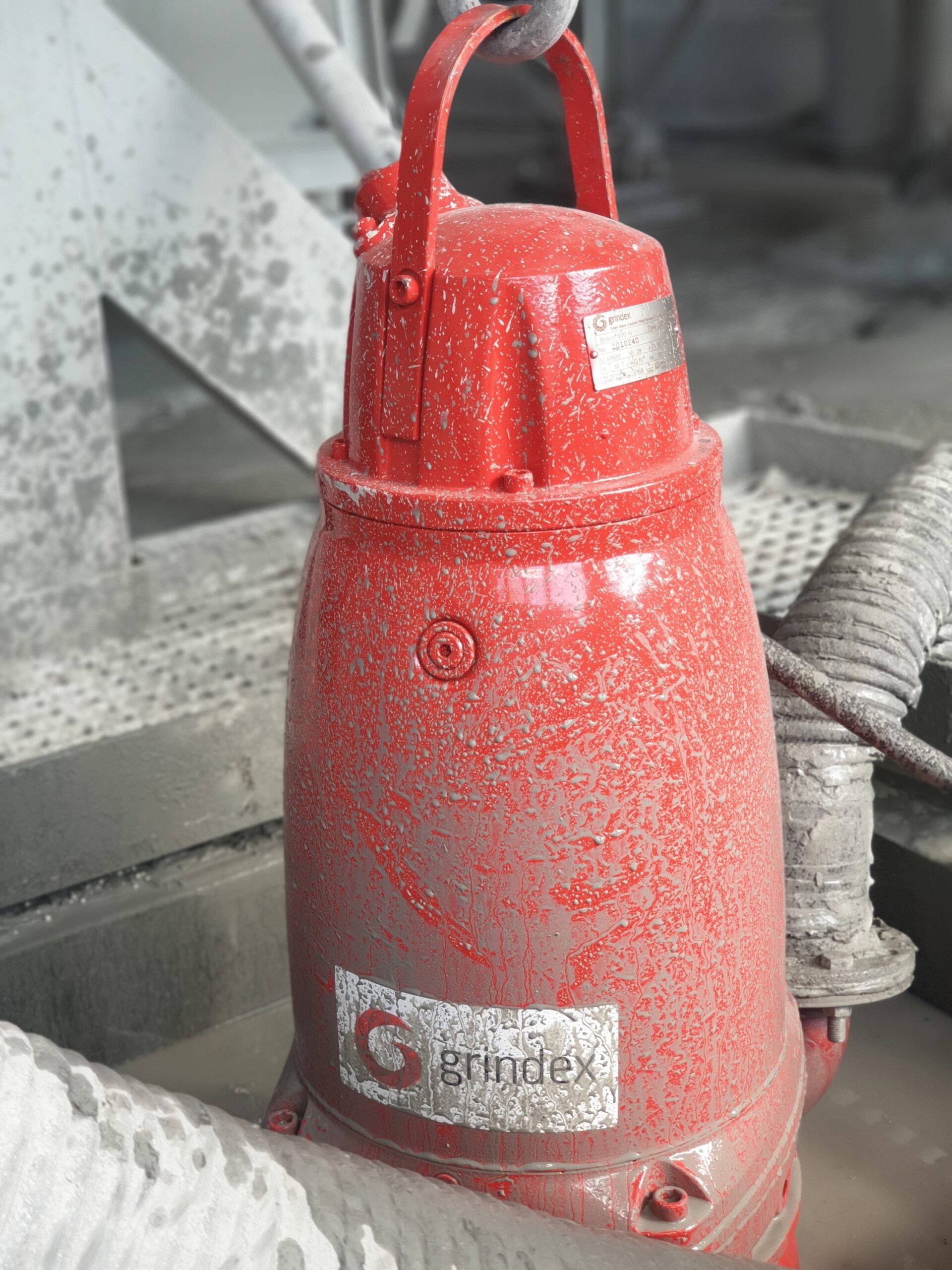
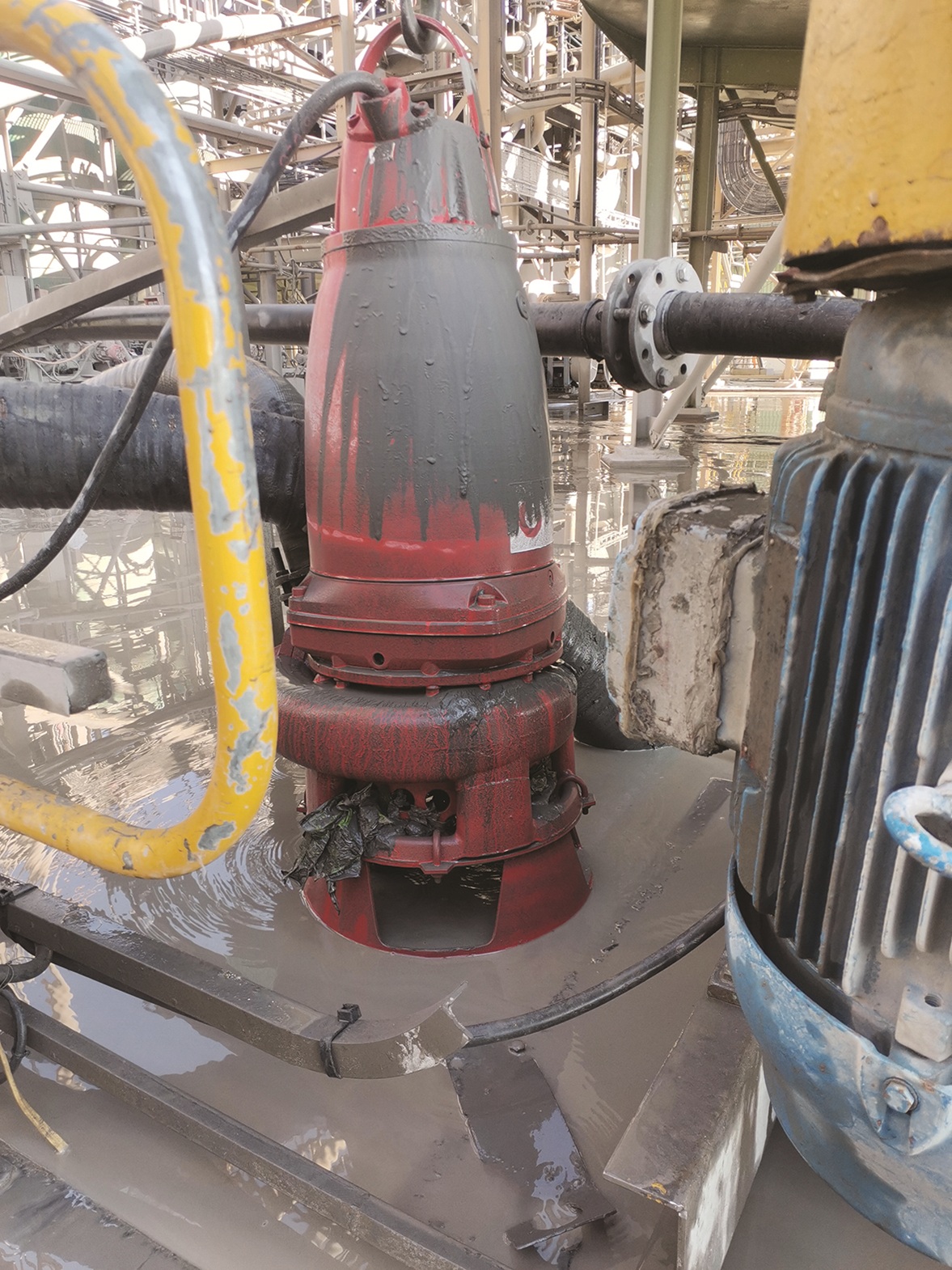
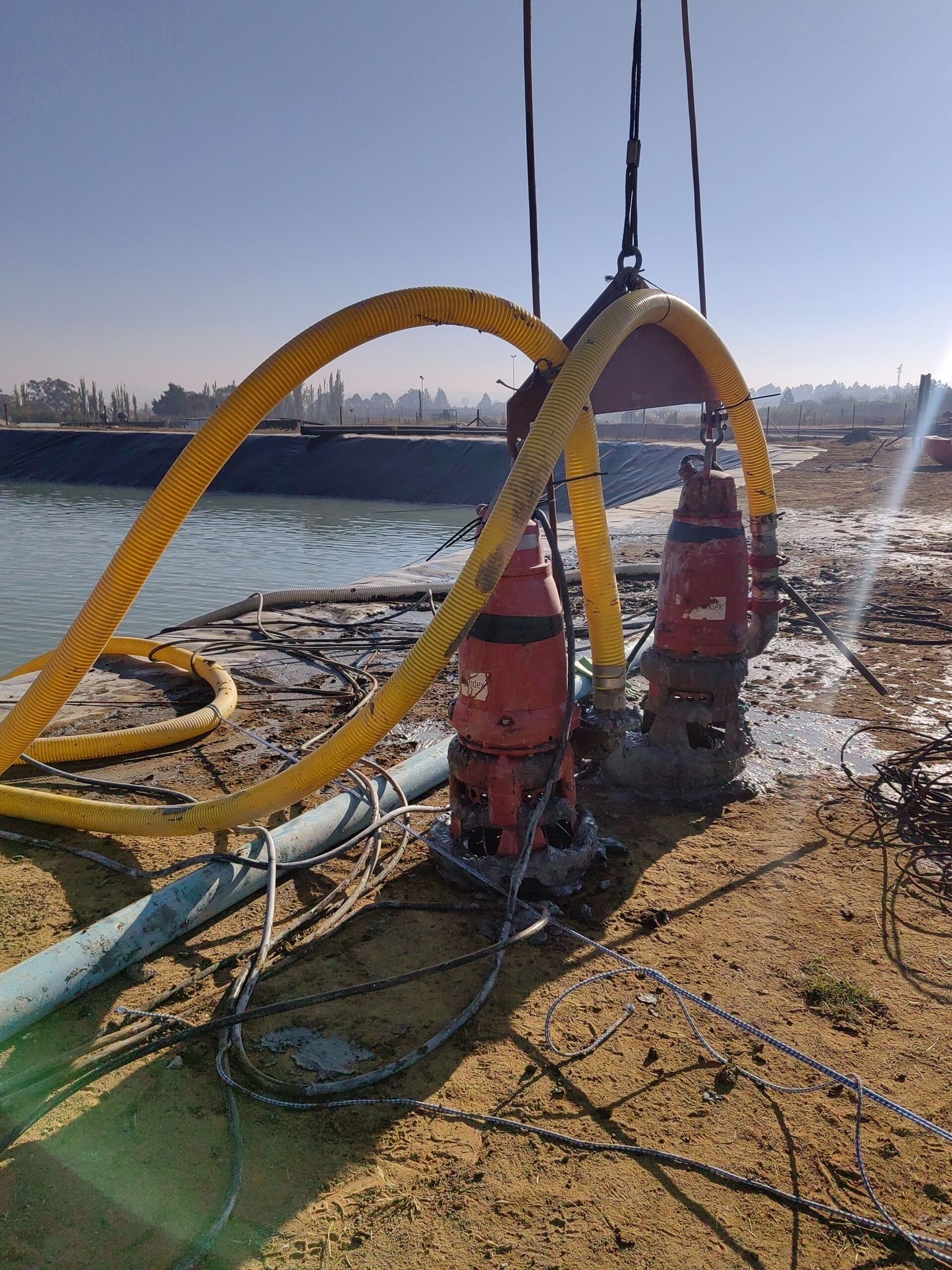
Meeting the demanding conditions of Zambia’s Copperbelt head-on, Integrated Pump Technology’s range of Grindex dewatering, slurry and sludge pumps continues to gain traction among mining companies.
Highlighting the diverse capabilities of Grindex submersible pumps, Alfred Kelsey, Sales Manager at Integrated Pump Technology, notes the significant success in applications such as desludging underground dams. A recent standout example, facilitated through Kitwe-based distributor IES, saw the 14 kW Grindex Bravo 400 effectively tackling severe sludge accumulation.
“Our customer faced a serious challenge, with sediment accumulation drastically reducing the capacity of their underground dams,” Kelsey explains. “Conventional dewatering pumps aren’t designed for handling this slurry density, but the submersible Grindex Bravo 400 proved ideal.”
With its robust hard-iron construction, abrasion resistance and integrated agitator, the Bravo 400 effectively re-suspended settled material, allowing efficient pumping out of sludge. Its IP68 ingress protection further enables safe operation at depths of up to 20 metres.
Demand for Grindex submersible dewatering pumps is also rising sharply across the Copperbelt, Kelsey says.
“The reliability and quality of Grindex pumps are major drawcards, complemented by the integrated smart systems on the 2.2 kW to 18 kW models, offering genuine plug-and-play functionality,” Kelsey notes. “This feature allows for fully automatic operation with comprehensive built-in protections.”
For higher-capacity Grindex units ranging from 25 kW to 90 kW, Integrated Pump Technology supplies external control and monitoring panels. Kelsey highlights the pump range’s versatility in addressing varying abrasive conditions.
“Customers can specify nitrile rubber or polyurethane linings to handle highly abrasive environments,” he adds. “A popular choice is internal polyurethane inserts paired with a lightweight, corrosion-resistant stainless steel casing.”
The stainless steel construction notably reduces weight which is a crucial benefit for underground operations where pumps often need manual transport and handling. The split handle design also enhances portability, enabling two-person carrying.
“Our rapid response capability sets us apart in the Copperbelt region,” Kelsey emphasises. “Through our close partnership with IES, we ensure technicians remain highly skilled, aligned with OEM standards and equipped with a first-class workshop.”
This proactive approach means fast turnaround times for repairs – from complete rebuilds to minor cable repairs – and even on-site technical support when needed. Kelsey also highlights the strategic management of local inventory levels, ensuring continuous availability of essential spare parts for efficient workshop operations.
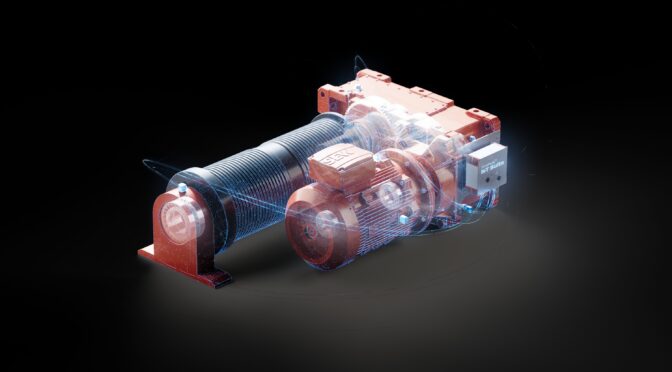
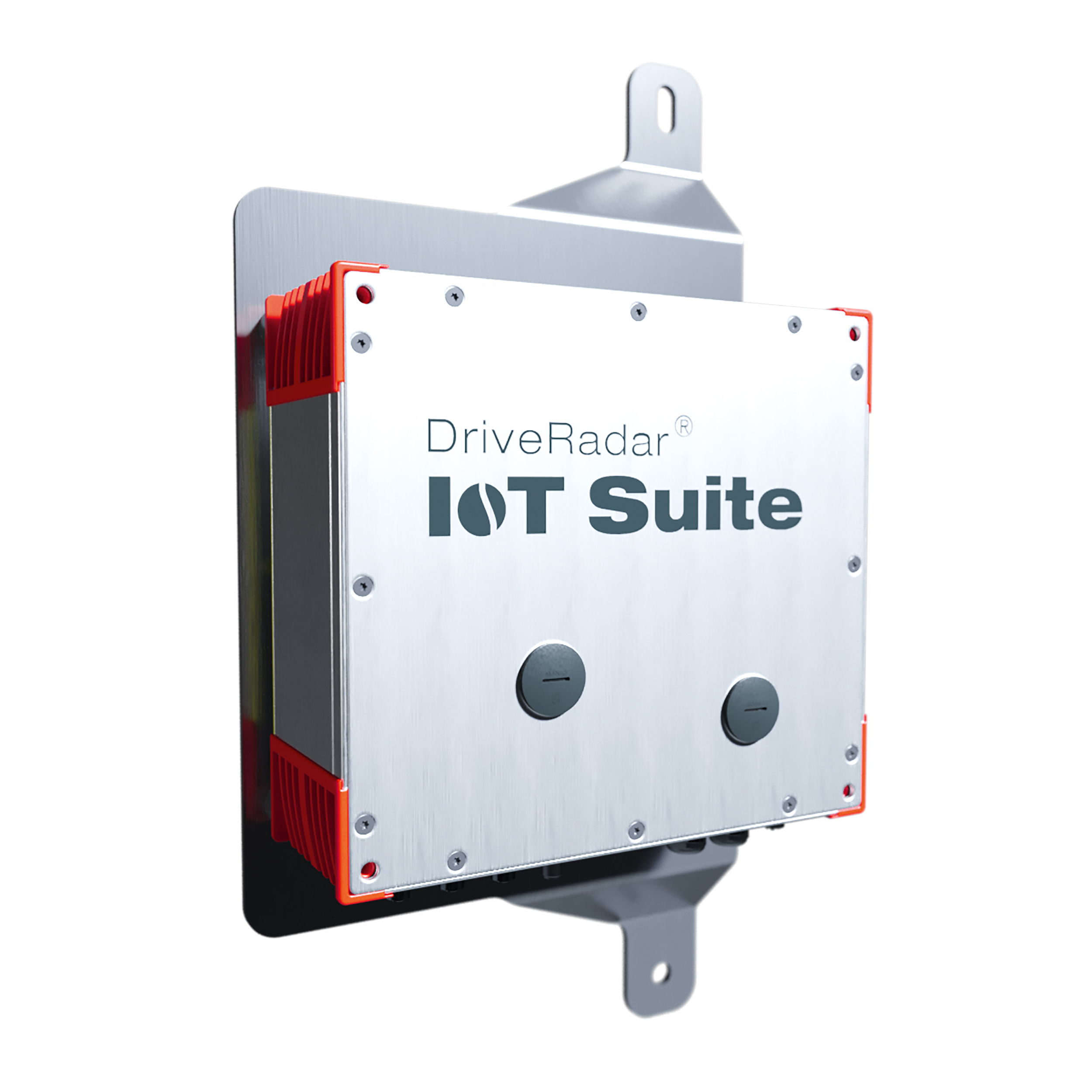
As industries intensify their efforts to cut downtime, reduce maintenance costs and operate with greater energy efficiency, the ability to anticipate equipment issues before they occur has become essential. Predictive maintenance, once considered an emerging technology, is now a core requirement for modern operations and SEW-EURODRIVE is driving this evolution with its advanced DriveRadar® IoT Suite.
Across sectors ranging from mining and automotive to agriculture, ports, airports, and food and beverage production, reliable drivetrain performance remains non-negotiable. Willem Strydom, Business Development Manager for Electronics at SEW-EURODRIVE, says the market is moving rapidly towards smarter asset intelligence. Customers increasingly want deeper, real-time insights into their operations and DriveRadar® provides exactly that through an ecosystem of intelligent sensors, edge devices and cloud-based analytics offering complete operational visibility.
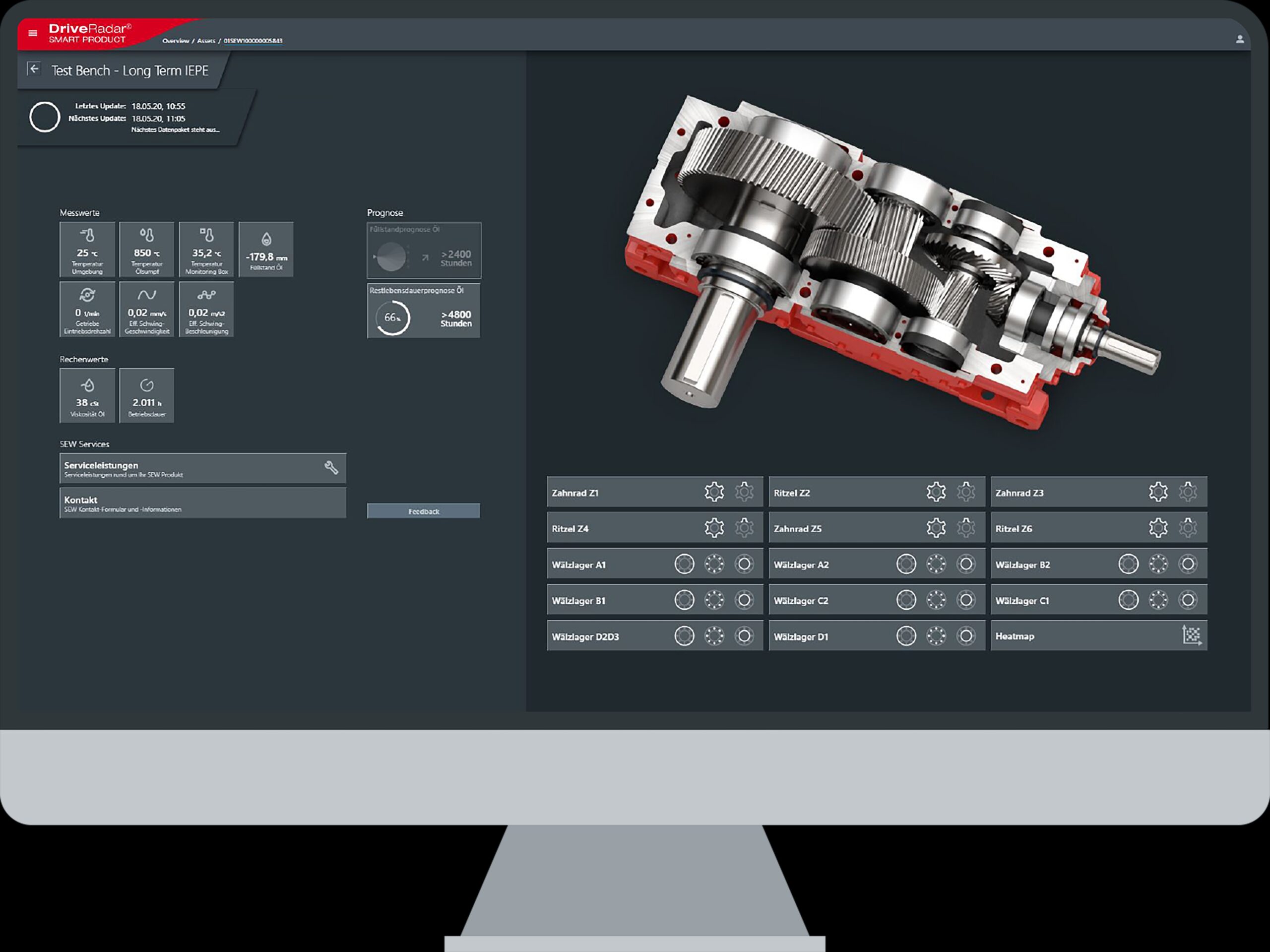
Traditional maintenance practices such as manual plant surveys are proving inadequate in today’s dynamic production environments. Werner Engelbrecht, Works Manager Megatronic at SEW-EURODRIVE, notes that these surveys often become outdated quickly as equipment is replaced or repaired. DriveRadar®, by contrast, captures every new item added to the plant, offering a live, accurate and continuously updated asset overview. As plant layouts and equipment evolve, this real-time accuracy becomes vital for effective decision-making.
The benefits extend beyond visibility, with predictive capability at the heart of preventing failures. Engelbrecht explains that operators who respond to the system’s insights can avoid catastrophic breakdowns entirely. This also reduces the need for personnel to conduct repetitive physical inspections, freeing human resources for more strategic maintenance work.
A key differentiator of DriveRadar® is its reliance on SEW-EURODRIVE’s integrated drivetrain ecosystem rather than third-party add-on sensors. Strydom highlights that the company’s frequency inverters function as highly accurate, multi-function sensors. Each inverter measures time of operation, energy consumption, load and torque and detects vibrations or shocks – generating hundreds of parameters per device.
With additional motor sensors and advanced vibration sensors where required, DriveRadar® collects data such as temperature, ambient conditions, oil levels and ageing indicators, load variations and vibration signatures extracted directly from motor harmonics.
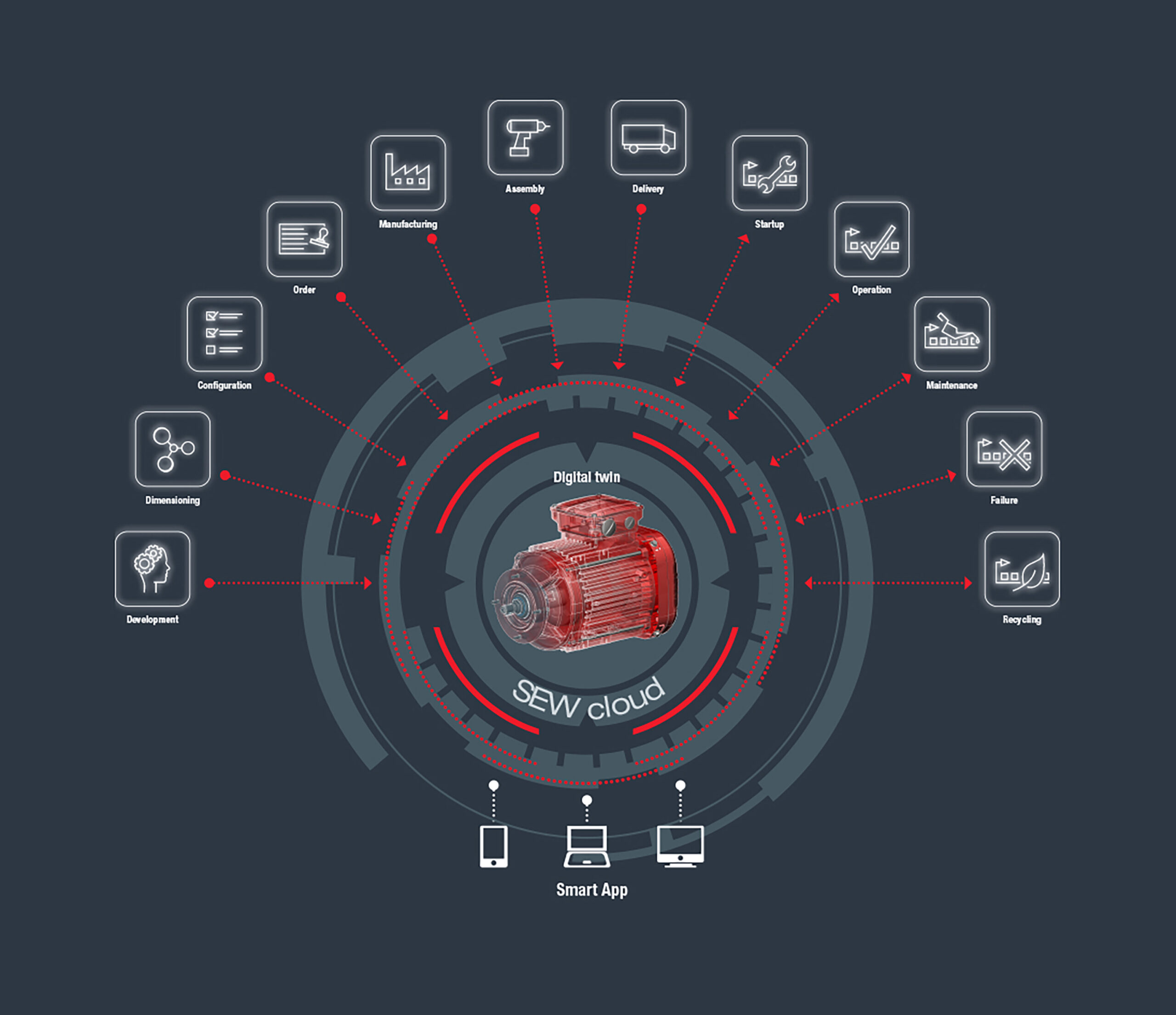
All this information is combined to create a digital twin of each drivetrain. The digital twin uses AI-driven models to learn normal operating behaviour from the moment equipment is commissioned. Any deviation from this baseline is detected immediately, enabling early identification of bearing damage, prediction of brake lining life, forecasting of oil change intervals, detection of structural faults and identification of load inefficiencies. Importantly, the system is capable of monitoring non-SEW-EURODRIVE components as well, making it suitable for entire applications such as conveyors or pick-and-place machinery.
Accessibility is another major advantage. DriveRadar® allows data to be stored in the SEW-EURODRIVE cloud, the customer’s private cloud or local servers and can integrate with existing SCADA systems. Users can access full equipment data and generate reports from mobile devices, including in remote regions using GSM or SIM-based communication. This mobility is particularly valued by maintenance teams who can identify issues immediately without physically walking the plant.
To support customers in adopting these advanced tools, SEW-EURODRIVE has invested extensively in training. The company now offers training both on site and through its Drive Academy in Johannesburg.
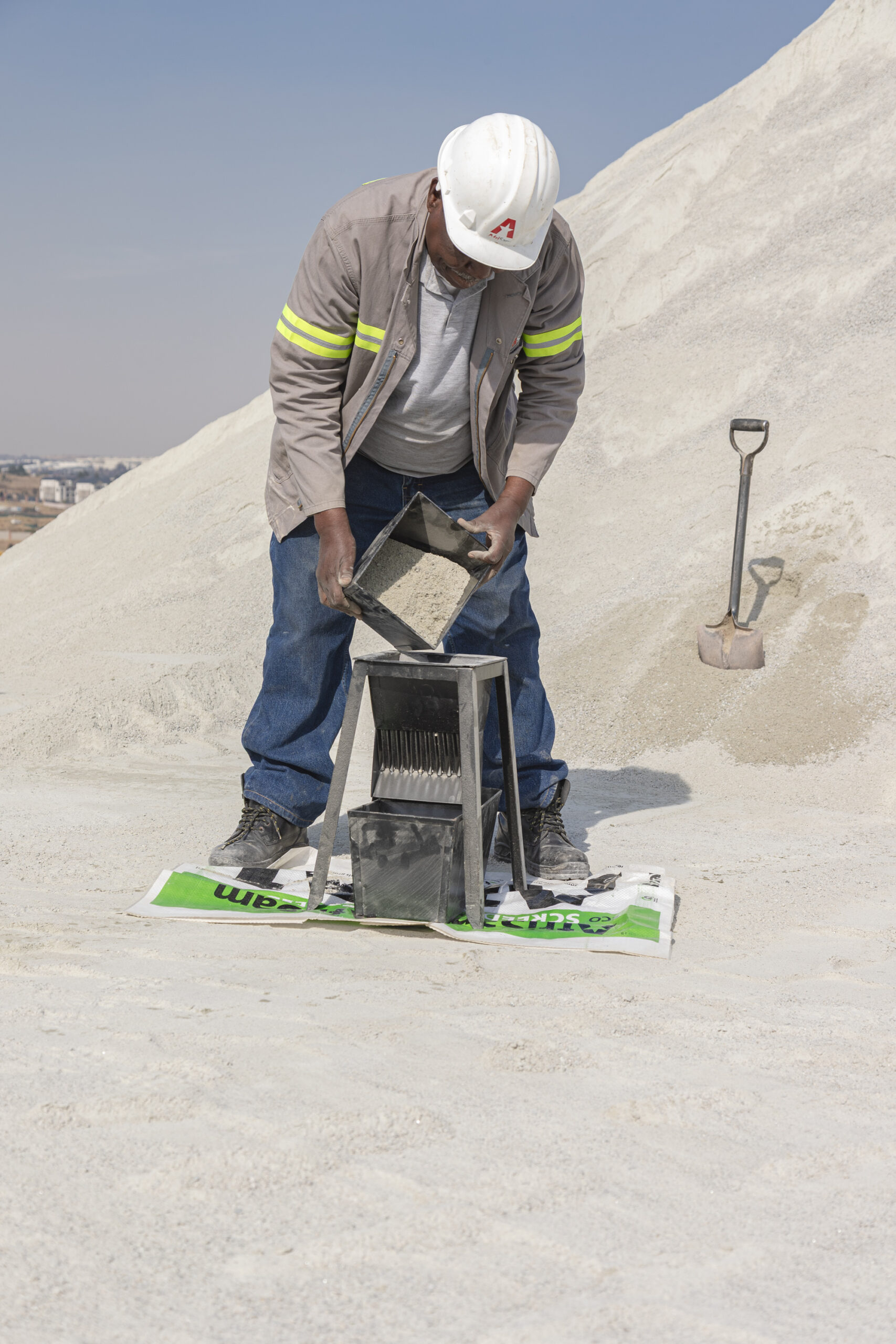
In the world of construction, the quality of materials directly determines the strength, durability and long term performance of any structure. Among these materials, aggregates – whether used in concrete, asphalt or base layers – play an essential role. Ensuring that aggregates are correctly sized and properly graded is not just a technicality – it is a vital factor in achieving structural integrity, performance consistency and compliance with design specifications.
“Aggregate grading is about more than just particle size,” Amit Dawneerangen, Construction Materials Executive: Sales & Product Technical at leading construction materials supplier, AfriSam explains. “It determines how the material compacts, how concrete mixes perform and how well load bearing structures can handle stress over time.”
When aggregates are incorrectly sized or poorly graded voids can occur within the mix, reducing density and compromising strength. This often leads to issues such as cracking, shrinkage and water ingress – all of which can shorten the lifespan of roads, buildings or infrastructure.
Conversely, well-graded aggregates create dense cohesive mixtures that enhance workability, reduce cement or binder demand, and ensure more uniform compaction and stability.
Beyond physical performance, consistent aggregate quality ensures that engineers and contractors can meet design standards and regulatory specifications. Projects designed around specific grading envelopes depend on accurate and repeatable aggregate properties to perform as intended.
However, achieving this level of precision requires technical expertise, process control and rigorous testing which is why working with a reputable quarry or construction materials supplier is critical. Trusted suppliers operate under strict quality management systems, implement regular laboratory testing and maintain calibrated crushing, screening and blending processes to ensure product consistency.
“Partnering with an established, credible supplier provides confidence that every load delivered meets specification,” Dawneerangen adds. “It also means access to reliable technical advice and traceability – from the source rock right through to the final product.”
Reputable suppliers invest heavily in quality assurance infrastructure, from advanced testing laboratories to on-site quality control technicians. Their focus extends beyond supply – they actively collaborate with engineers and contractors to ensure that the correct material is selected for each layer or mix design, reducing the risk of costly rework and ensuring long term performance.
In a market where quality, compliance and sustainability are non-negotiable, correct aggregate sizing and grading are the cornerstones of successful construction. “Working with a trusted technically capable supplier is therefore not just a purchasing decision – it is a quality assurance choice that safeguards the integrity and longevity of every project,” Dawneerangen concludes.