TRAFO POWER SOLUTIONS STRENGTHENS PRESENCE IN AFRICAN MINING WITH TRANSFORMER SUPPLY TO MOZAMBIQUE

Providing tailored electrical power solutions to the African market has positioned Trafo Power Solutions as a key player in the region. The company’s success is rooted in its deep expertise, extensive experience and thorough understanding of the needs of mining operations across the continent. This has enabled Trafo Power Solutions to meet the unique challenges associated with electrical power supply in these harsh and demanding environments.

One of the company’s latest projects highlights its ability to provide specialised transformer solutions suited to the rigorous conditions of mining applications. Trafo Power Solutions recently supplied nine transformers to an electrical contractor for installation at a mineral sands operation in Mozambique. 

This delivery included seven 800 kVA transformers designed for skid mounting, ensuring ease of mobility across the expansive mining site. The remaining two units, rated at 160 kVA, will be pole-mounted. All transformers in this order are rated at 22 kV to 415 V, aligning with the site’s specific voltage requirements.

David Claassen, Managing Director of Trafo Power Solutions, explains that this latest order follows a previous successful supply of four dry-type transformers directly to the mining operation. The earlier batch included 3150 kVA transformers, also rated at 22 kV to 415 V, and installed within IP23 enclosures. These transformers were equipped with the necessary control and protection equipment to ensure robust performance in the highly corrosive operating environment of the mineral sands mine.

“The mineral sands mining environment is particularly harsh, with high humidity and salinity levels that can accelerate corrosion. Our transformers are specifically designed to withstand these conditions, ensuring longevity and reliability in such an aggressive setting,” says Claassen.

A key factor in this repeat business was the mine’s confidence in the performance of the previously supplied transformers. “When the need arose for additional transformers, the customer specifically requested Trafo Power Solutions, which underscores our commitment to delivering quality solutions that meet the exact needs of mining operations,” Claassen adds.

One of the critical design considerations for these transformers was minimising electrical losses while ensuring the ability to handle large non-linear loads from the mine’s Variable Speed Drives (VSDs). These transformers were engineered according to SANS 780 Edition 5.1 standards to achieve the lowest possible losses. Additionally, due to the site’s known voltage supply instability, the transformers were designed to withstand fluctuations while maintaining consistent and reliable power.

Aside from the technical specifications, the project also posed significant logistical challenges. The remote location of the mine required careful planning to ensure the seamless transportation and installation of the transformers. “Logistics is always a key factor when supplying equipment to mining operations in remote areas. We worked closely with our partners to ensure a smooth delivery process despite the challenges,” says Claassen.

Further reinforcing its relationship with the electrical contractor and the mine , Trafo Power Solutions has secured an additional order for 18 transformers, which are scheduled for delivery by the third quarter this year. This ongoing partnership underscores the company’s reputation as a trusted supplier of high quality, purpose-built transformers tailored for mining applications in Africa.

As Trafo Power Solutions continues to expand its footprint across the continent, its commitment to delivering reliable, durable and efficient electrical power solutions remains at the forefront of its strategy. With a strong focus on engineering excellence and a deep understanding of mining conditions, the company is well-positioned to support the sector’s evolving power infrastructure needs.

MOMENTUM BUILDS AT CONRADIE PARK WITH LAUNCH OF THE SIGNAL BY CONCOR

Concor has commenced groundwork on The Signal, a new residential block within the Conradie Park mixed-use development next to Pinelands, Cape Town. This latest addition will comprise 263 studio units, expanding the estate’s residential offering.

According to Sebastian Dieperink, Junior Project Manager at Concor, the units are designed to appeal to both young homeowners and buy-to-let investors. The Signal will be strategically located above The Pines Shopping Centre and four other residential blocks within Conradie Park – Castle Rock, Arch Rock and Lion’s Head – further enhancing the integrated lifestyle the development offers.

The Signal will feature a ground floor retail level, a parking deck on the first floor and six residential floors above. In line with Concor’s innovative and sustainable construction approach, the building has been designed to be 20 to 25% lighter than a conventional structure this has allowed Concor to reduce the extent of piling required for the building, says Dieperink. 

Piling began in May 2025 and involved the installation of 105 concrete piles, ranging in diameter from 350 mm to 600 mm. These were constructed using a 35 MPa compressive strength concrete mix and were driven to depths of between 8 and 10 metres.

Work on The Signal will also contribute to the precinct’s broader goals of training and skills development across various trades and disciplines, with a strong emphasis on empowering and upskilling local youth.

Construction of The Signal is set to begin in the fourth quarter of the year and will feature a reinforced concrete frame with post-tensioned concrete floors. The building is expected to be ready for occupation – either by owners or rental customers -by October 2026.

WEBA CHUTE SYSTEMS WARNS AGAINST OVERSIMPLIFYING CHUTE DESIGN

In the world of materials handling, transfer chute design is often underestimated – sometimes with costly consequences. While it may seem like a simple task, it is in fact one of the most complex aspects of materials handling design, as some of the world’s largest equipment suppliers have discovered to their detriment.

Mark Baller, Managing Director of Weba Chute Systems, says the company’s more than four decades of experience have highlighted a consistent misunderstanding across the mining sector – that anyone can build a chute. “Over the years, we have seen a number of big-name global players try to enter the market, only to withdraw when they realised that chute design is not a bolt-on activity. It demands highly specialised expertise,” he says.

The problem, says Baller, is the widespread perception that chutes are little more than simple platework structures. This belief has led many companies to assume that designing and manufacturing transfer chutes is a relatively low-risk and low-skill endeavour – when the reality is the opposite. 

“Each transfer point must be custom engineered to suit the application, considering factors like particle size, density, velocity and trajectory. A standardised or off-the-shelf approach simply doesn’t work,” he explains. 

Weba Chute Systems has spent decades building a deep understanding of material flow and applying that knowledge to bespoke chute design. “We don’t just design chutes to move material. Our solutions are engineered to control the flow which protects downstream equipment, reduces dust and spillage and, importantly, improves overall plant performance,” explains Baller.

A well-designed and engineered chute can significantly enhance the performance and lifespan of costly equipment like conveyor belts. Poorly designed chutes, on the other hand, can result in excessive wear, environmental hazards, unplanned downtime and in severe cases, bring entire operations to a standstill.

To ensure each chute is fully optimised, Weba Chute Systems uses advanced simulation tools such as discrete element modelling (DEM), which allows engineers to model the behaviour of individual particles and understand how they interact with the chute structure. “This technology gives us insight into particle flow dynamics and allows us to precisely control flow direction and velocity,” says Baller. “We can engineer solutions that deliver real measurable improvements in safety, productivity and operating cost.”

He points out that with almost 5,000 chutes installed globally, the company’s solutions have been proven in the field across a range of demanding applications, environments and commodities. “Our designs are backed by hard-won experience and continuous innovation. This is not something you can replicate overnight by simply buying design software or completing a short training course.”

While Baller welcomes healthy competition in the industry, he cautions that entering the chute market without deep technical knowledge and a long term commitment can lead to poor outcomes for both the supplier and the customer. “When chutes underperform or fail, the impact on mining operations can be significant. It makes far more sense for mines to partner with experienced specialist providers who understand the nuances of material flow.”

He concludes by reiterating the critical role that chutes play in plant performance. “Despite being a relatively small capital item, a chute’s failure can halt production entirely. That is why our approach is rooted in delivering engineered quality and reliability – because when it comes to chute design, getting it wrong is simply not an option.”

BCCEI SECURES NEW THREE-YEAR AGREEMENTS TO STRENGTHEN CIVIL ENGINEERING SECTOR

The Bargaining Council for the Civil Engineering Industry (BCCEI) has concluded a new three-year settlement for two of its collective agreements in the civil engineering sector. Officially signed on Monday 4 August 2025, by employer organisations – the Consolidated Employees Organisation of South Africa (CEO) and the South African Forum of Civil Engineering Contractors (SAFCEC) – together with trade unions – the Building, Construction and Allied Workers Union (BCAWU) and the National Union of Mineworkers (NUM) – this milestone comes at a time when South Africa’s economy is under pressure and infrastructure investment remains constrained. It provides much-needed stability and certainty for both employers and employees.

The two agreements – the Wage and Task Grade Collective Agreement and the Conditions of Employment Collective Agreement – will take effect once gazetted by the Minister of Employment and Labour and remain in place for three years. These agreements are expected to reinforce industrial stability, safeguard jobs and enable more effective long term planning. The current agreements which will expire on 31 August 2025 have been extended to 28 February 2026 and will be superseded by the new ones upon promulgation.

Kevin Moodley, Acting General Secretary of the BCCEI, says the conclusion of negotiations and the signing of these agreements reflect the maturity of industrial relations in the sector. He emphasises that this outcome gives employers the confidence to plan ahead, while ensuring that workers’ employment conditions are protected during what remains a highly challenging period.

The negotiation process was marked by extensive engagement between employer organisations and organised labour. Driven by a shared objective, the parties worked toward a balanced outcome that supports sustainability, affordability and fairness, ensuring the sector remains resilient in the face of economic headwinds.

In terms of wage adjustments, all employees covered by the new Wage and Task Grade Collective Agreement will receive an across-the-board increase of 6% in the first year, followed by increases of 5.5% in the second and third years, respectively.

Changes to the Conditions of Employment Collective Agreement include a reduction in the eligibility period for maternity benefits from 24 months to 18 months, with all other terms of this benefit remaining unchanged. The agreement also introduces a food component into the living out allowance, while the sleepout allowance has been increased.

Moodley notes that the agreements have been welcomed by the employer constituency as a vital enabler of business continuity. In an industry that is both highly competitive and unpredictable, multi-year agreements are seen as essential for maintaining stability and supporting operational planning. This outcome, he says, strengthens business viability and helps preserve employment.

Labour representatives have similarly endorsed the agreements for upholding workers’ rights while supporting recovery and retention. Moodley adds that the agreements protect employees’ interests while recognising the economic challenges the industry continues to face. He describes the outcome as forward-looking, one that enhances job security and supports the future of the sector.

As a statutory body established under the Labour Relations Act, the BCCEI plays a vital role in regulating employment conditions, fostering social dialogue and maintaining a stable labour environment within the civil engineering sector. The Council remains committed to promoting sectoral growth and compliance through transparent and inclusive engagement.

The new agreements will be available on the BCCEI website for reference. Once gazetted by the Department of Employment and Labour these will become binding and the updated versions will also be published online. 

BOOYCO ENGINEERING FULFILS MAJOR HVAC ORDER FOR TANZANIAN MINING SECTOR

Booyco Engineering has successfully fulfilled a significant order for Tanzania, supplying a total of 20 HVAC systems to a mining operation in that country. Comprising ten of its A009 4kW 24VDC evaporator units and ten of its B009 7kW 24VDC condenser units, the scope of supply included installation kits and compressors. 
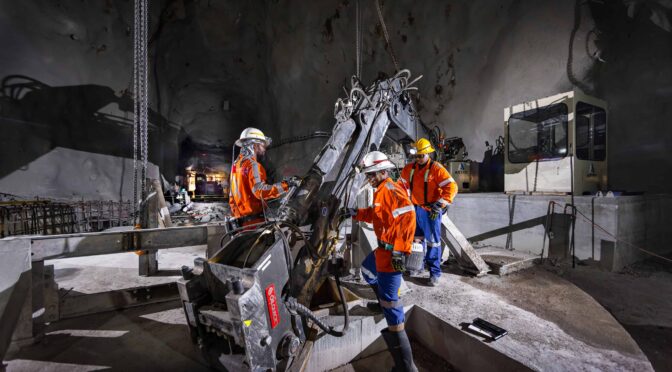
Brenton Spies, Managing Director at Booyco Engineering, says that Tanzania’s mining industry, largely operated by international companies, adheres to stringent health, safety and operational standards. “Given the high temperatures and humidity levels in that region, having a reliable HVAC system is crucial for both operator comfort and equipment performance, and this is where Booyco Engineering’s HVAC solutions were the ideal choice to ensure optimal machine performance and operator safety,” he says. 

These locally manufactured HVAC systems will be installed on heavy-duty mobile mining and construction equipment including CAT349 75-ton excavators, Komatsu 325 dump trucks and CAT770G haul trucks.

“Additionally,” Spies continues, the remoteness of Tanzanian mining operations necessitates highly reliable HVAC systems that minimise downtime and maximise equipment availability. Our solid track record in delivering proven solutions tailored for harsh environments played a key role in securing this order.” He points to the fact that Booyco Engineering, which celebrates its 40th anniversary this year, has extensive experience in supplying mobile HVAC systems for extreme conditions. 

To ensure the longevity and optimal performance of these HVAC systems, Booyco Engineering has provided the mining operation with critical spare parts supported by technical backup. 

Strengthening Booyco Engineering’s Footprint in East Africa

Spies says that this order aligns with Booyco Engineering’s broader strategy of expanding its presence in East Africa, particularly within the SADC and Great Lakes regions. “By delivering specialised HVAC and air filtration solutions tailored for African mining conditions, we continue to reinforce our position as a trusted HVAC equipment and service provider.”

DE BEERS SETS BOLD PACE FOR GREATER FEMALE REPRESENTATION IN MINING

As the mining industry continues to evolve, De Beers Group is leading the charge in reshaping what inclusion and representation look like across its operations. In a sector traditionally dominated by men, De Beers is purposefully dismantling barriers to ensure that women not only participate but thrive.

Driven by the belief that gender equity is integral to long term business success, De Beers is committed to increasing female representation across its workforce. In South Africa, the company is already showing measurable progress with women making up 33% of Top Management and 36% of Senior Management – figures that significantly exceed current industry averages.

“Transformation is not just a compliance obligation for us, itis a business imperative,” Coral Wheelock, Senior Vice President – People Partnering, Mining and Discovery at De Beers, says. “Gender diversity improves innovation, strengthens safety outcomes and builds high performing teams.”

To accelerate its progress, De Beers has taken a strategic and holistic approach. This includes a longstanding partnership with UN Women through the HeForShe Alliance, with a focus on growing female representation in technical and leadership roles. 

Locally, targeted talent acquisition and development initiatives are central to the strategy. These include prioritising women for apprenticeships, awarding bursaries to female students and launching leadership and mentorship programmes tailored to women at various career stages.

Importantly, De Beers recognises that inclusion must be embedded in the workplace culture and infrastructure. The company has introduced gender-sensitive PPE, improved on-site facilities, implemented flexible work policies and provided enhanced maternity support. Safety is also a priority, with upgrades to lighting, transport and security on mine sites.

“Mining has historically been an exclusionary space for women,” Wheelock says. “We have had to be deliberate in changing that – creating environments that support women’s participation and growth, both in the field and at the leadership table.”

Beyond its internal workforce, De Beers is extending its gender equity efforts into its supply chain by promoting women-owned businesses through procurement policies. The company is also investing in the future pipeline, having awarded over 100 STEM bursaries to young women in Canada and engaging more than 6,700 girls globally through education outreach.

Wheelock’s own career journey – rising through the ranks of De Beers – exemplifies the opportunities that inclusive leadership can unlock. Under her guidance, together with collective leadership accountability, the company has embedded equity, diversity and inclusion into its culture.

“True transformation demands more than good intentions. It takes sustained action, accountability and leadership,” she says. “We are committed to creating pathways for women to lead and succeed, because the future of mining depends on it.”

BASELINE RISK ASSESSMENT KEY TO EFFECTIVE PDS IMPLEMENTATION, SAYS BOOYCO ELECTRONICS

As the pioneer of Proximity Detection System (PDS) technology in South Africa, Booyco Electronics continues to play a leading role in helping mines align with evolving safety legislation. According to CEO Anton Lourens, a critical foundation for implementing any PDS strategy is an up-to-date baseline risk assessment, which forms the cornerstone of legal compliance and operational readiness.

Without a current assessment, it becomes difficult for mines to determine how and where PDS will be most effective. Lourens highlights that the Mine Health and Safety Act now requires mines to comply with Level 9 safety standards which demand that PDS trigger an engineering control to intervene automatically in hazardous scenarios by slowing down or stopping vehicles to avoid collisions.

“The law obliges mines to identify significant machine-related risks and apply measures that eliminate or reduce these risks,” he explains. “Baseline assessments help identify high-level threats – such as those posed by trackless mobile machines (TMMs) – and support the development of more detailed issue-based risk assessments.”

A key part of this process involves understanding the exact conditions and locations where vehicle-related risks exist including interactions between machines and between machines and pedestrians. Mines must also comply with the Machinery and Occupational Safety Act, now incorporated into the Occupational Health and Safety Act, which requires a detailed traffic management plan.

“This plan outlines which vehicles present significant risk, directly tying back to the baseline risk assessment,” says Lourens. “It also incorporates a traffic flow analysis detailing vehicle routes, frequency, speed, surface conditions, lighting and ventilation – all essential to identifying areas of highest interaction between people and machines.”

The next step for mines is identifying which defined traffic scenarios are most applicable to their site, as these will determine where most operational risk resides. This understanding allows for realistic technology trials on site, where PDS solutions can be tested in collaboration with mobile equipment OEMs.

“These trials can now be conducted practically and measured against regulated performance standards,” explains Lourens. “This includes monitoring the PDS activation time, the TMM’s reaction, and stopping distances – all of which are vital to demonstrating compliance and improving site safety.”

GODWIN PUMPS KEEP ZAMBIAN GEMSTONE MINE DEWATERED DURING RAINY SEASON

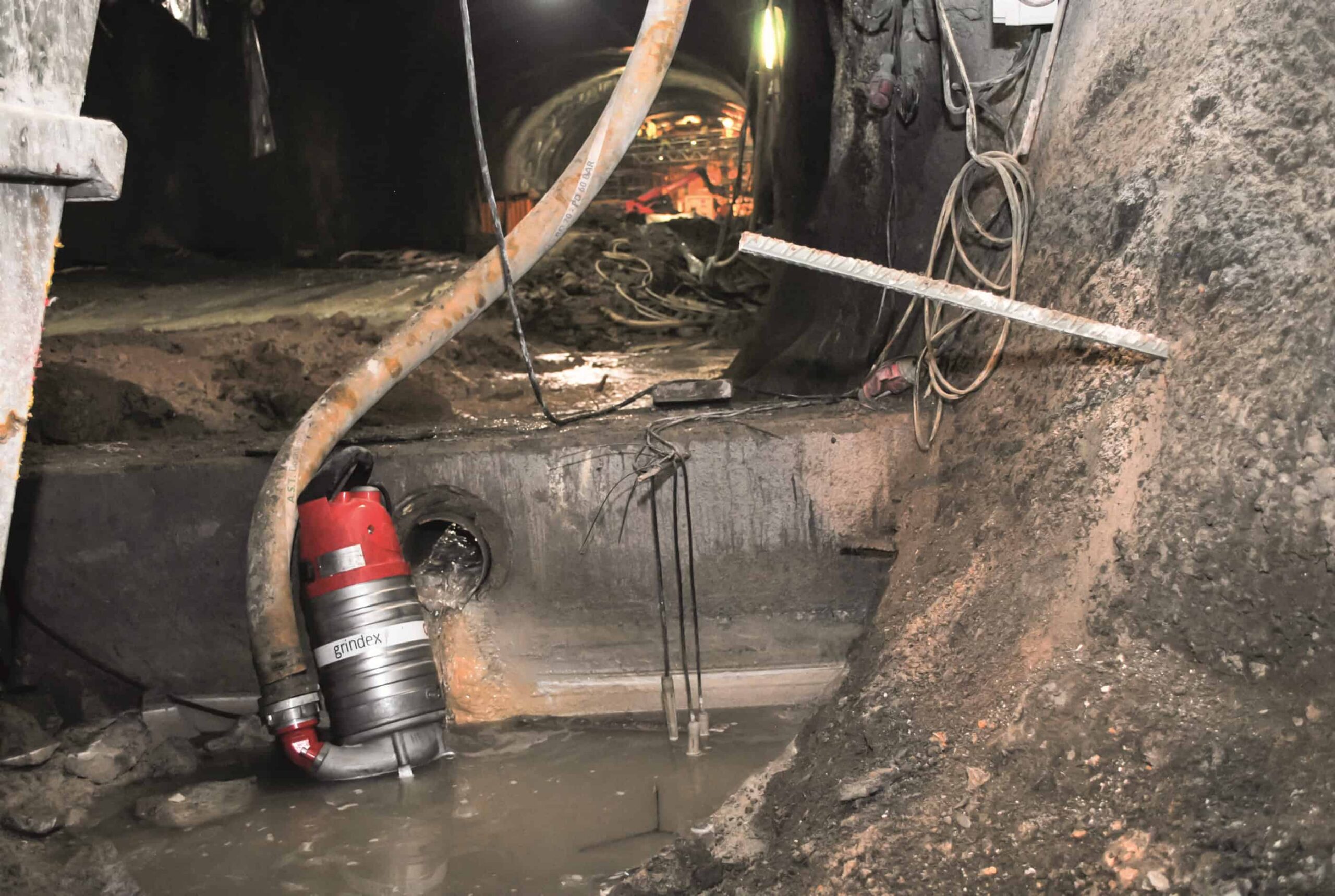
At a gemstone mine in Zambia, dewatering is critical to keeping the open pit both safe and productive. Two Godwin Dri-Prime HL160 pumps from Integrated Pump Technology have enabled mining operations to continue uninterrupted – even during the demanding rainy season.

JD Nel, Godwin Product Manager at Integrated Pump Technology, explains that the site’s existing pumps were no longer able to manage the volumes required to keep working areas dry. In collaboration with local distributor IES, the company specified the appropriate pump solution to meet the mine’s duty requirements.

“Together with IES, we conducted a site visit to assess the conditions and engage directly with the customer,” says Nel. “Wherever possible, we also train customer staff to gather the right data for accurate pump selection – something the team on site greatly valued.”

In this application, the pumps needed to move approximately 300 m³ of water per hour to a discharge head of 130 to 140 metres. Integrated Pump Technology and IES also reviewed the pipeline and accessory requirements to ensure these were correctly specified for optimal performance.

“While assessing the current conditions, we also considered the future deepening of the pit,” says Nel. “This is why we recommended the Godwin HL160 units; they are more than capable of handling increasing discharge heads over the next two to three years.”

Compact yet powerful, the Godwin HL160 pumps used at the site are driven by 403 kW Perkins C15 diesel engines and deliver flows of more than 480 m³ per hour with discharge heads approaching 190 metres. Nel highlights that local assembly in South Africa significantly reduces delivery times.

“Bringing these units in from Europe could take 22 to 24 weeks,” he notes. “With Integrated Pump Technology’s local production capabilities, we were able to shorten that lead time by 10 to 15 weeks and get the dewatering pumps and associated equipment operational within four to six weeks.”

This was a key consideration for the Zambian mine, as the rainy season posed a serious risk to production.

“Our technical specialists were also on site to assist with setup and commissioning and to provide additional training so the customer’s team could operate the units with confidence,” Nel concludes.

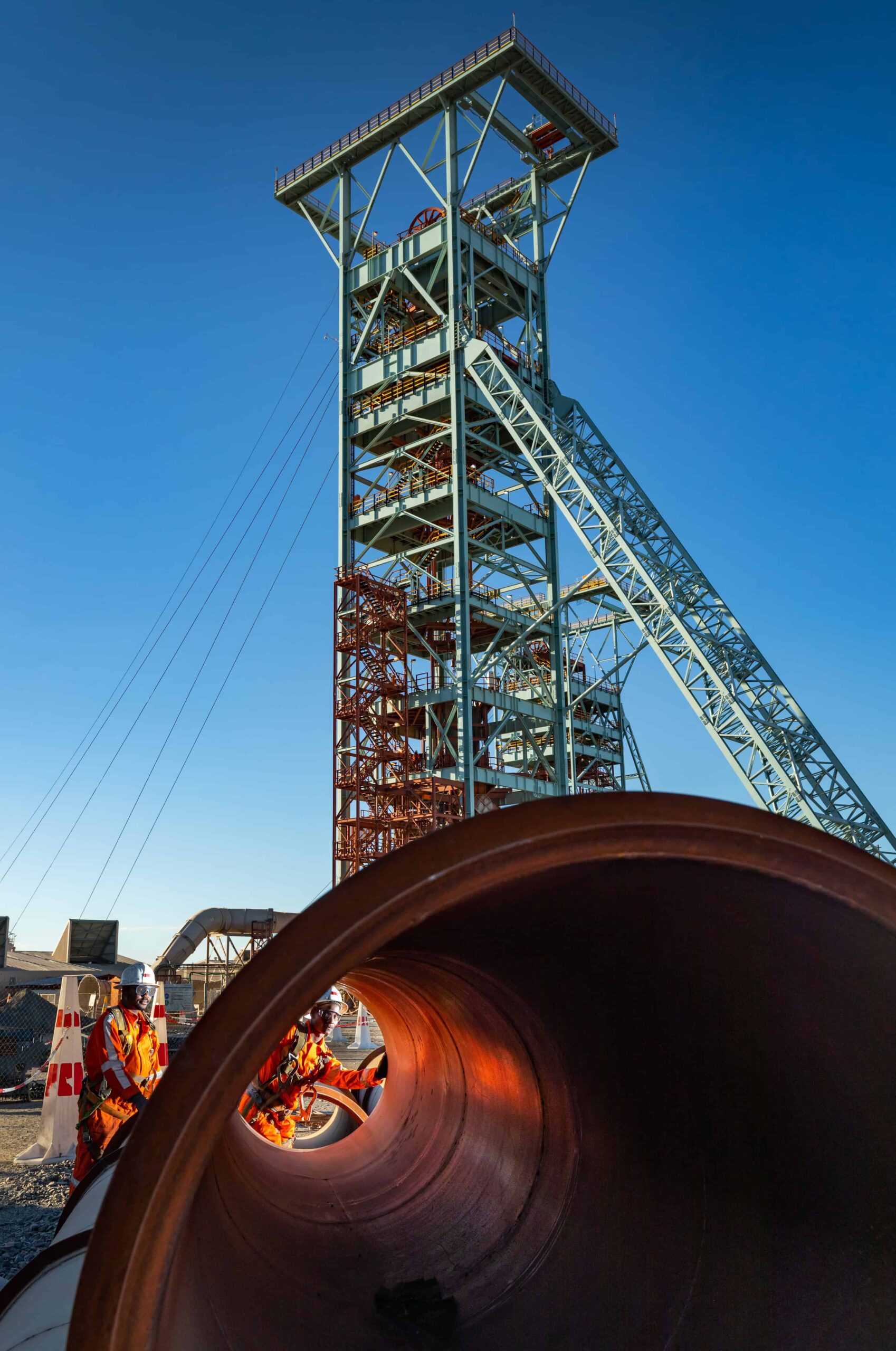
EXPERIENCE-DRIVEN INNOVATION POWERS CEMENTATION AFRICA’S UNDERGROUND SOLUTIONS

Innovation in challenging mining applications such as shaft sinking and mine development stems not only from experience and institutional knowledge but is also driven by close client partnerships built on trust and confidence.

Graham Chamberlain, New Business Director at Cementation Africa (previously known as Murray & Roberts Cementation), emphasises that the company’s brand and reputation have always been built on successfully delivering quality projects under demanding conditions. 

Formed through the merger of Murray & Roberts RUC and The Cementation Company (Africa), the company marks its 21st year with a new chapter as it becomes Cementation Africa from 1 July 2025, following its acquisition by a consortium of investors led by Differential Capital. While the name changes, Chamberlain affirms that the team remains fully committed to providing the same high performance underground mining solutions as it embraces this exciting new phase.

“Our many years in the mining industry, where we work on complex and lengthy projects, have taught us that collaboration is always the most effective way to overcome the challenges that every project presents,” says Chamberlain. “It is often through these close working relationships that innovative solutions emerge, keeping us at the forefront of safety and productivity in underground mining.”

He notes that understanding and mitigating risk lies at the core of the company’s work, whether developing shafts, constructing underground infrastructure or undertaking strategic rehabilitation of critical elements like ore passes. Much of this success, he explains, is driven by applying proven technologies and equipment in new ways – a capability that has become increasingly valuable amid the decline of research capacity within the local mining sector.

“We combine our rockface knowledge with a deep understanding of the tools and equipment we use, allowing us to imagine and share ideas on how these technologies can be advanced and improved,” he explains. “This makes us valuable partners to original equipment manufacturers (OEMs), with whom we collaborate closely to enhance safety and efficiency across our operations.”

This approach is especially important given that every project presents a unique combination of factors – from natural ground conditions to corporate culture and operating environment. These variables require tailored solutions, reinforcing the need for collaboration, adaptability and innovation at every stage.

“Within each specific scenario, there are invariably unexpected aspects that arise and it is the ability to deal constructively with these ‘curve balls’ that makes for successful projects,” he notes. “No mining project is ever plain sailing and that’s where our experience becomes invaluable – as there are always lessons from past projects that help guide the way forward in a structured and positive manner.”

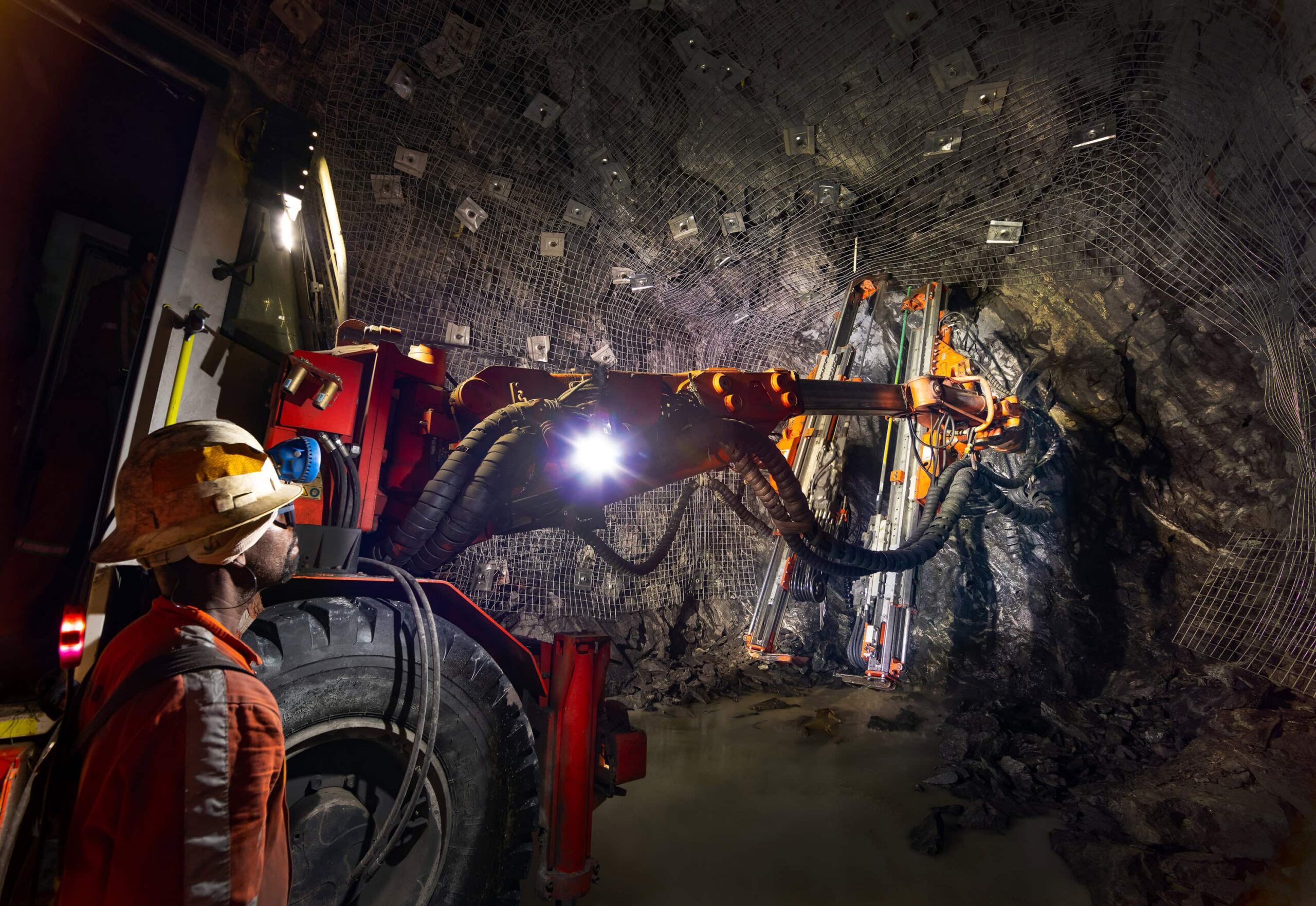
Among the many advances in best practice is the integration of directional drilling into the raiseboring process, significantly improving accuracy, reducing risk and providing greater financial predictability. On a South African platinum project, for example, the company successfully drilled a 950 m pilot hole to intersect with horizontal development, achieving an exceptional deviation of just 0.05% or 500 mm off centre.

Safety has also been elevated through the use of remote shotcrete lining technology for shaft concrete lining, which removes workers from high risk contact areas and enhances overall operational safety.

“We have significantly evolved the way we use drill rigs in our shaft sinking operations,” he notes. “For many years, foot-mounted drill rigs were the standard; but in our drive to remove people from hazardous, high-energy zones, we now suspend the drill rigs beneath the shaft-sinking stage.”

These rigs have progressed from pneumatic and hydraulic models to fully electro-hydraulic systems in the Cementation Africa fleet, now in its fourth generation of technological development and equipped with a host of safety and efficiency features. Mucking has also seen significant innovation, contributing to the company’s exceptional safety performance – highlighted earlier this year by the achievement of 8 Million Fatality Free shifts across its shaft sinking and related projects.

“Traditionally, the cactus grab was a common tool for mucking blasted material from a shaft bottom,” he explains. “However, our safety analyses over the years made it clear that we needed a safer alternative to this – as well as to the over-shoulder loader.”

The solution was found in adapting the well-established hydraulic excavator design, with the arm and bucket mounted to the bottom of the stage and operated remotely to enhance safety. In addition, the pneumatically operated Brutus clamshell mucker – widely used in North America – was introduced by Cementation Africa into common use in southern Africa. 

The company continues to share knowledge and best practices with its sister operations, Cementation in Canada and the US, strengthening its innovation capacity through global collaboration.

An essential aspect of shaft sinking and mine development is the concrete used to line shafts, haulages, and other critical mine infrastructure. Chamberlain highlights that advancements in cement and concrete technologies, along with improved methods of material transfer, have been effectively harnessed to enhance performance, safety and efficiency on site.

“While ordinary Portland cement was used in earlier days, we have taken full advantage of the many scientific advances in the cement industry, including admixtures  and plasticisers, to achieve superior results in the placement and final strength of concrete,” he says. “Even our placement methodologies have evolved significantly, with the use of receptacles now replacing traditional slick-lines for improved efficiency and control.”

While slick-lines were once seen as a quick and simple method for transferring concrete, they often caused separation of the concrete’s components, requiring remixing in a kettle at the destination level before application. Today, this issue is effectively addressed through the use of modified kibbles, which maintain the integrity of the concrete mix even at depth.

“As we apply these innovations across Africa, we are also seeing our partner OEMs expanding their regional presence to align with national expectations for in-country service delivery,” he says. “Our strategy has been to establish regional hubs that bring solutions closer to our customers, while also reducing the complexities of cross-border logistics and administration.

“Over time, building trust with clients leads to relationships where Cementation Africa is given insight into the ‘full picture’ of an upcoming project,” he says. “This allows us to contribute meaningful input at an early stage, supporting the client’s vision and planning from the outset.” 

“This is where our experience and innovation add real value to a mining project,” says Chamberlain. “It allows us to engage in a two-way conversation with the client to identify the safest and most efficient solutions for the medium to long term.”

WEIR’S NEXT PAVES INTELLIGENT PATH TO OPTIMISED MINING

Delivering highly engineered solutions for over 150 years, Weir is unlocking even more potential with three focused value packages in its NEXT Intelligent Solutions. 

“We maintain a close connection with our customers to ensure our solutions evolve with their changing needs and deliver real value to their operations,” says Marina Eskola, Director of Digital Solutions Management at Weir. “This customer-centric approach also guides how we digitally enhance our equipment and systems – clearly reflected in the value-driven packages within our NEXT Intelligent Solutions.”

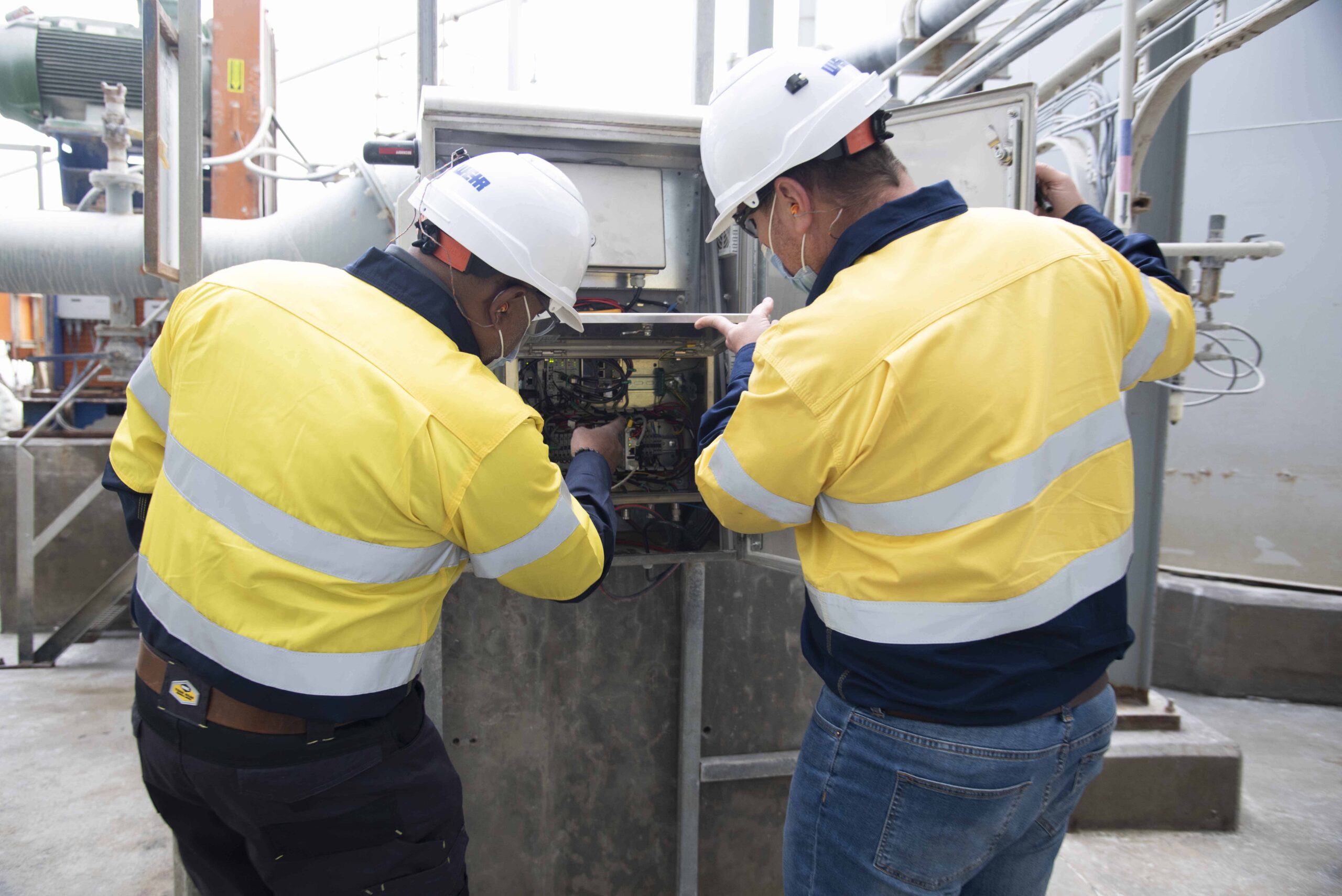
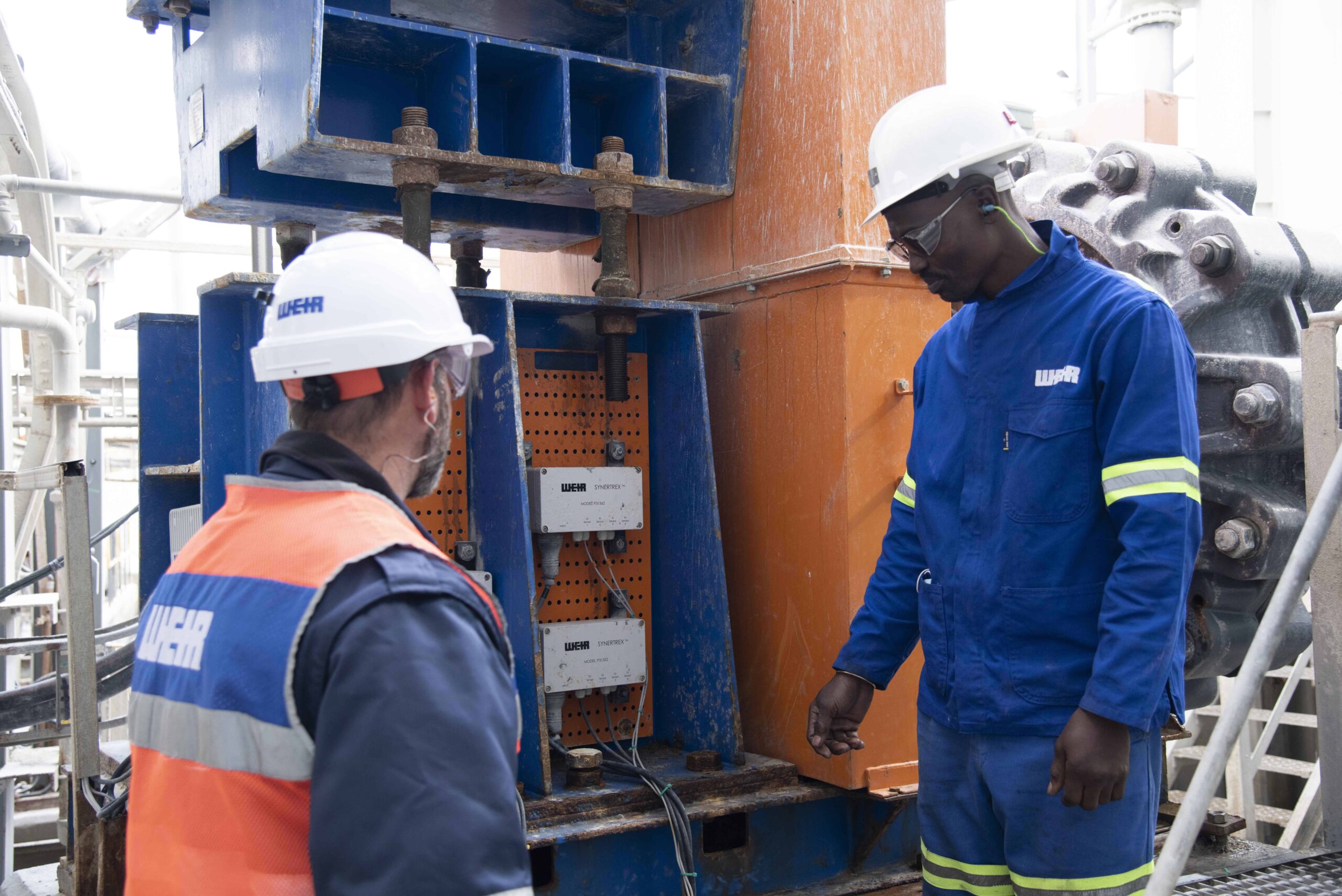
The NEXT packages – Insight, Uptime and Production – align with the journey that customers can take in partnership with Weir to leverage real-time data in making informed decisions, applying cutting-edge sensing technologies and boosting operational efficiency.

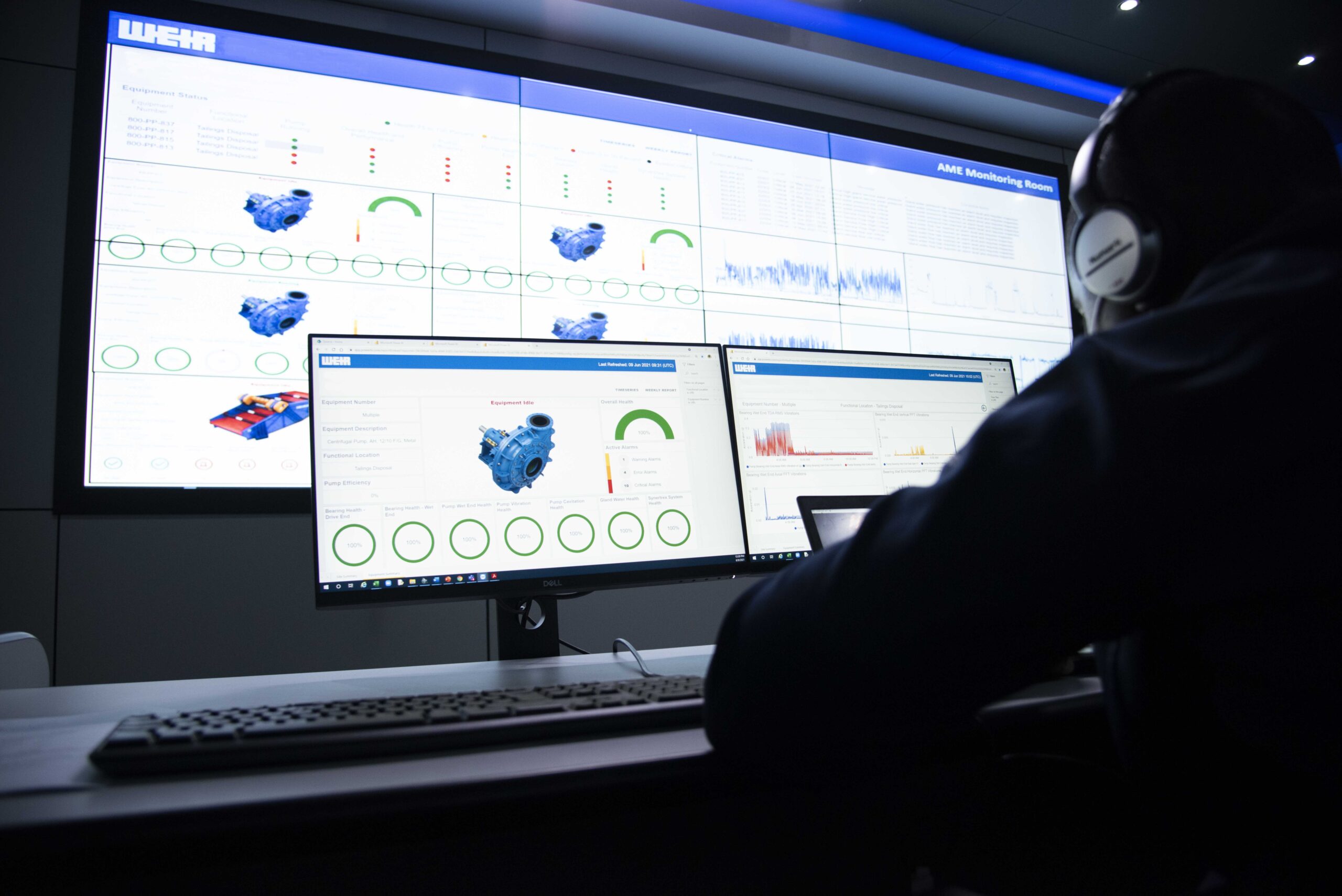
“The three packages highlight the focus at each key step of this journey, allowing the customer to steadily gain more value from this intelligent technology as they progress through the stages of implementation,” she says. “At the foundation is our Insight package, which gives the customer access to vital information about the performance and condition of their equipment in real time – through a web interface based dashboard.”

With Weir’s in-depth technical understanding of all its equipment, supported by extensive data on historical trends and parameters, it also includes key performance indicators and algorithms as part of this application to assist in the decision-making process.

“An important differentiator between NEXT and other condition monitoring systems is that we go beyond just alerting the user to any potential issue,” she adds. “We are also able to recommend a course of action for the customer to follow, to address the issue being flagged.”

This leads her to the next package in the customer journey: Uptime. While the goal of the Insight package is to provide visibility across the operation, she explains, the aim of the Uptime package is to extend the operational lifetime of the equipment itself. 

“This is where we add predictive capabilities so that we can forecast the remaining useful lifetime of the critical components,” she says. “This in turn allows the customer to run the components for longer – until their actual condition demands replacement.”

This is a significant improvement on using a time-based replacement schedule, which is often the norm when there is no visibility of the components’ wear. By achieving a longer life for components, customers can also reduce the equipment’s total cost of ownership while still mitigating the risk of downtime. 

“Another solution in the Uptime package is automated adjustment, allowing certain parameters on our equipment to be adjusted quickly and without the manual intervention of any operators,” she says. “On a slurry pump, for example, the gap between the throatbush and the impeller can be adjusted automatically, reducing wear on critical components while improving hydraulic efficiency.”

This extends the life of this component, with the added benefit of improving on-site safety by removing personnel from the proximity of the pump. 

The third element in NEXTIntelligent Solutions is the Production package, according to Mauricio Vega, Head of Process Optimisation Technology at Weir. This allows customers to maximise their process efficiency with AI-powered optimisation.

“The NEXT Production package includes an intelligent assistant that we are rolling out this year,” says Vega. “This takes all the data gathered through the Insight and Uptime packages, and gives recommendations to metallurgists, process engineers and operators based on their operational priorities.”

Every mine has its particular targets and imperatives, he notes, so this package helps to guide decisions to achieve those goals, such as a production target or a desired product size for the classification circuit. The intelligent assistant does this by combining Weir’s depth of historical data from equipment operating globally, with the site data from the customer’s control room.

“We also recognise the customer’s constraints – such as energy usage limits – which the intelligent system can take into account,” he says. “This helps pave the way to smart and efficient mining, which is very much the focus of the mining industry today.”