FLS REINFORCES LIFECYCLE STRATEGY FOR AFRICAN MINING FOLLOWING ELECTRA MINING AFRICA

The conversations at Electra Mining Africa highlighted a clear shift taking place across the continent's mining industry. Faced with ageing processing infrastructure, constrained capital budgets and growing pressure to improve productivity, reliability and sustainability, mining companies are increasingly focused on extracting greater value from existing assets rather than investing in major greenfield developments.

For FLS, these priorities reinforce its evolution from an equipment supplier into a long-term lifecycle partner, combining full flowsheet expertise with regional service capability, optimisation solutions and local technical support to help customers improve plant performance throughout the life of mine.

According to Bernard Kaninda, President of Sales and Services for Africa at FLS, discussions with customers at Electra Mining Africa confirmed that operational improvement has become a higher priority than large capital projects.
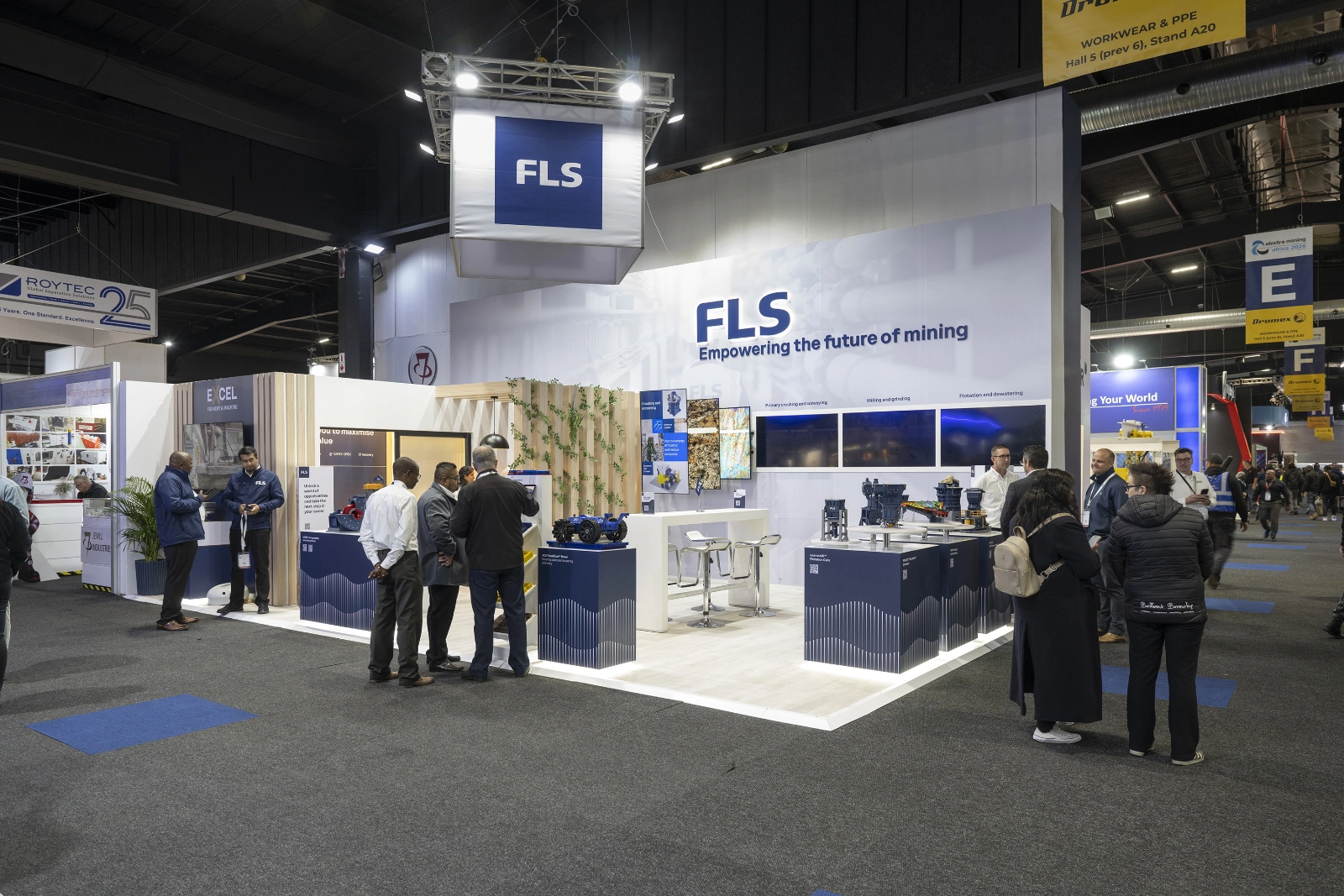
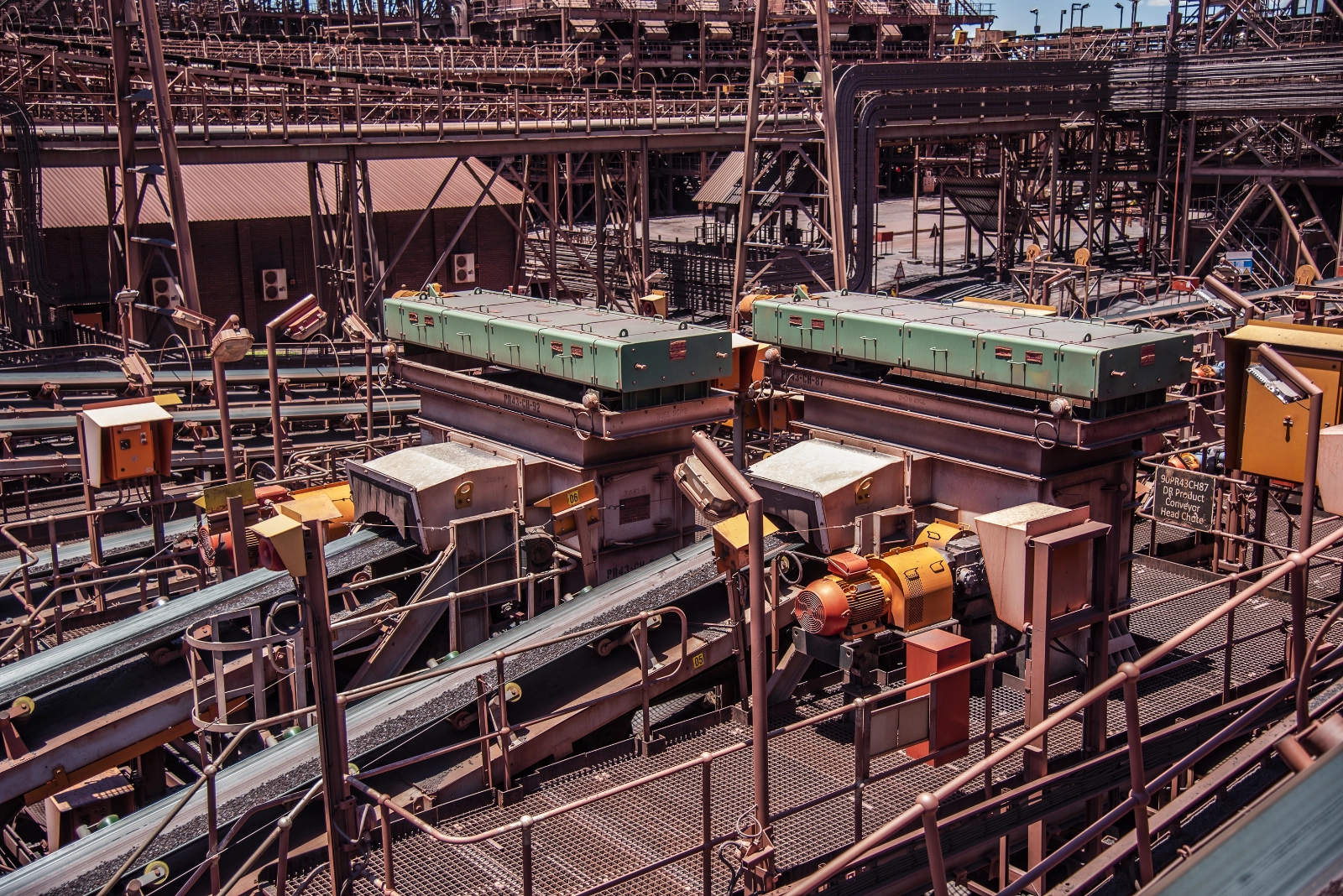
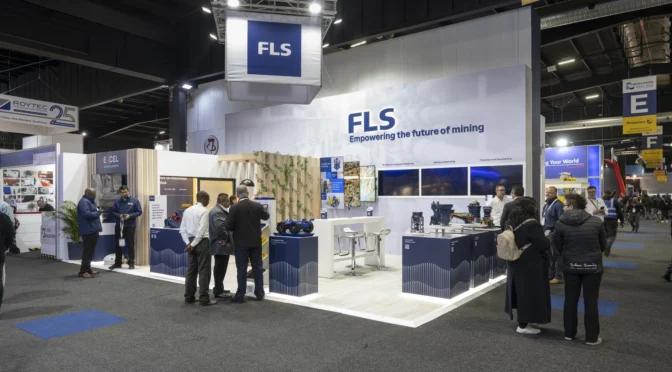
The FLS stand at Electra Mining Africa showcased the company’s broad portfolio of technologies and solutions supporting efficient, reliable mineral processing operations.

"Many operations are looking to increase throughput, improve recovery and extend plant life without committing to significant capital expenditure," Kaninda says. "That places greater emphasis on service-led interventions such as process optimisation, audits, upgrades, retrofits and lifecycle support that allow customers to unlock additional value from assets already in operation."

He says this represents a fundamental evolution in how FLS works with its customers. "Our objective is to become a long-term lifecycle partner rather than simply an equipment supplier. We work alongside customers throughout the life of mine to improve plant performance, minimise downtime and reduce operating costs while supporting their long-term production objectives."
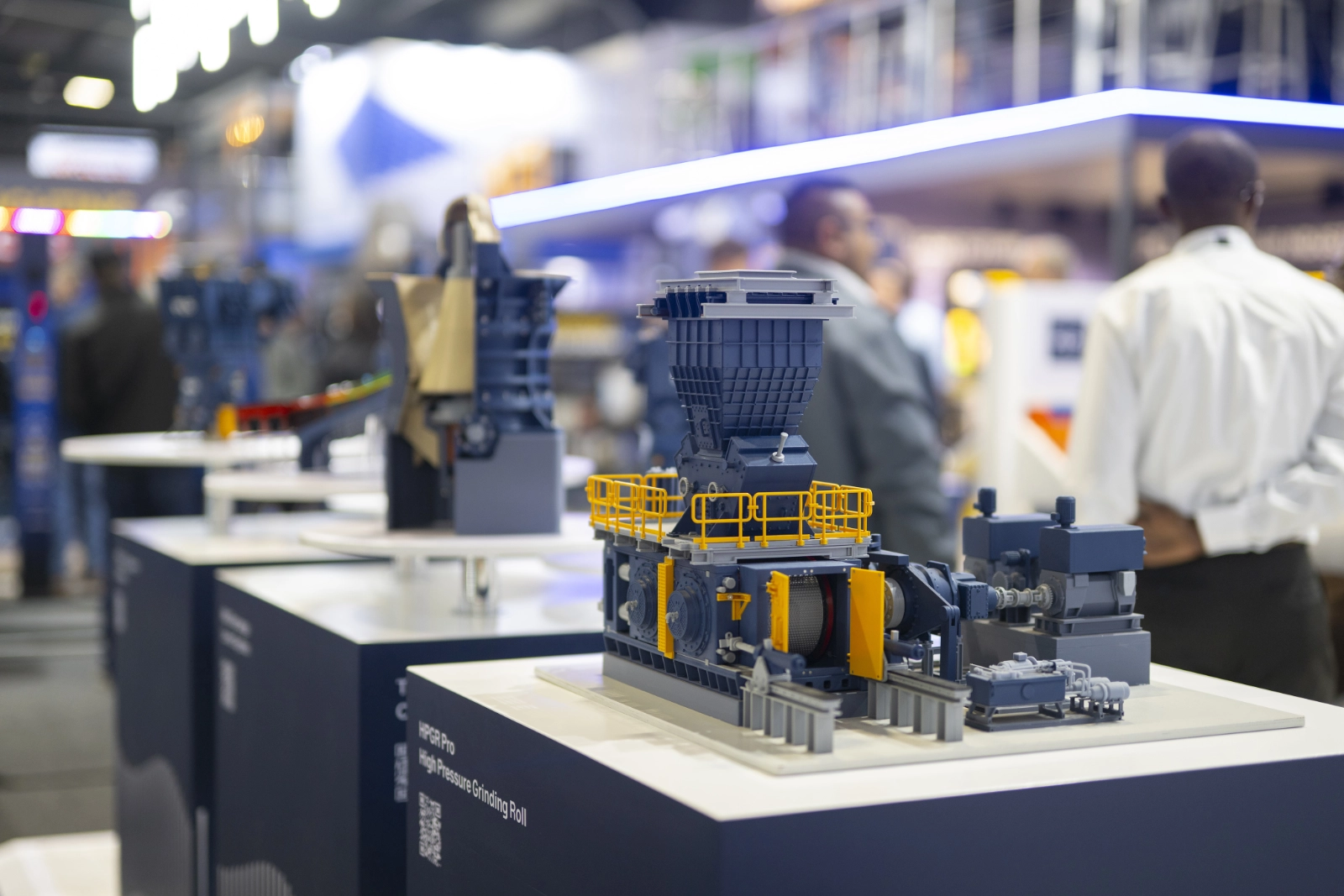
The HPGR Pro model on the FLS stand at Electra Mining Africa highlighted the company’s advanced high-pressure grinding roll technology for efficient and sustainable comminution.

This approach is particularly relevant across Africa where ageing installed equipment, constrained investment budgets and increasingly complex orebodies require more sophisticated operational support than traditional maintenance contracts.

According to Alistair McKay, Vice President Capital Sales, Europe, Arabia and Africa, Africa's exceptional geological diversity also demands a different approach to mineral processing.

"The continent encompasses Copperbelt copper-cobalt operations, West African gold, South African platinum group metals, iron ore and numerous other commodities, each presenting unique processing challenges," McKay says. "Supporting this diversity requires far more than individual products. It requires the ability to engineer and optimise complete mineral processing flowsheets tailored to each orebody and operating environment."
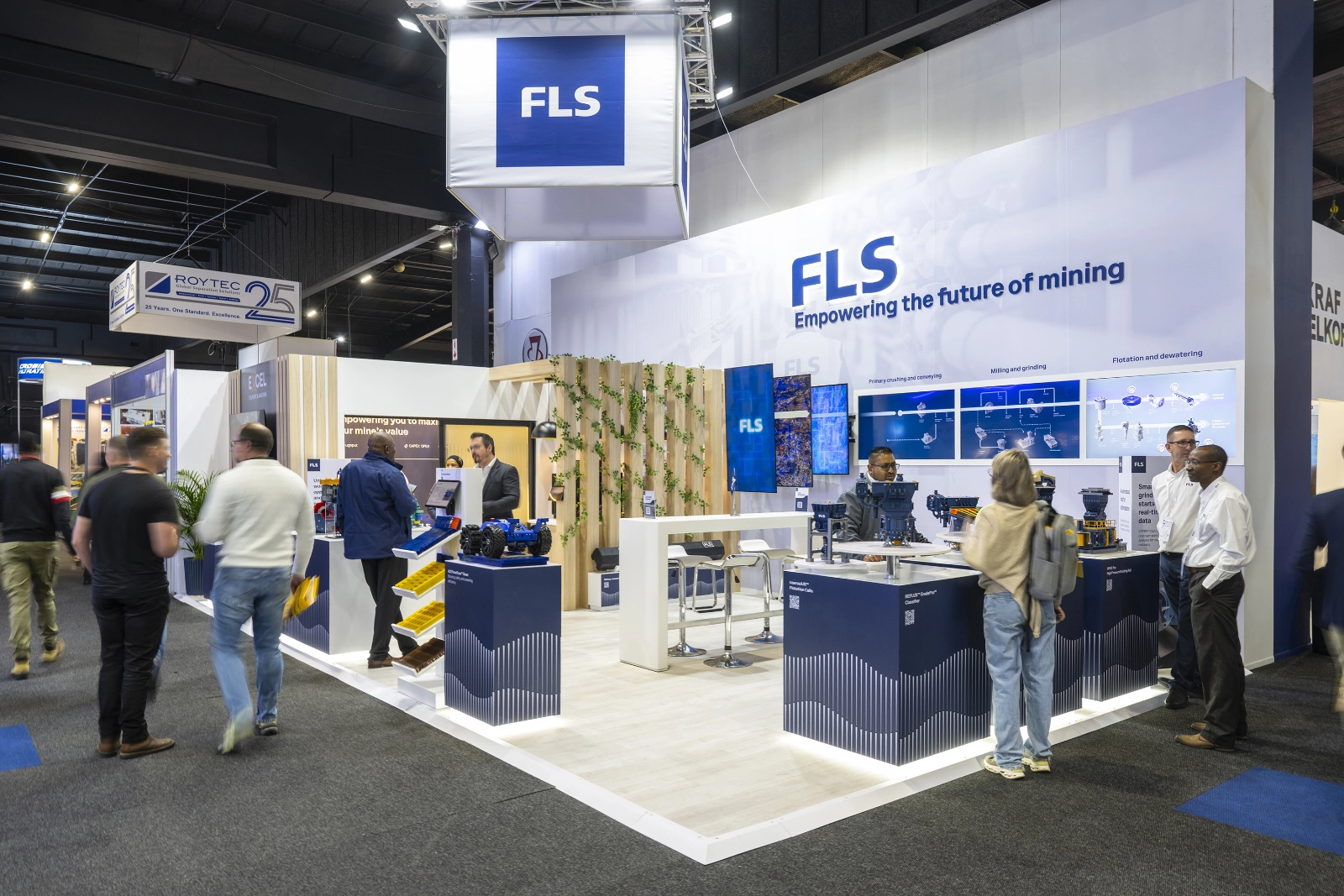
Visitors to the FLS stand at Electra Mining Africa had the opportunity to engage with specialists and explore solutions designed to improve productivity and performance across mining operations.

He explains that the challenge extends well beyond metallurgy. "Many African mines operate in remote locations where long supply chains, customs delays and logistical constraints mean equipment reliability becomes inseparable from service capability. Maintaining operational continuity requires local technical support, regional parts availability and lifecycle partnerships that minimise production interruptions."

As operators seek to improve performance without replacing entire processing circuits, modernisation has become an increasingly important part of that strategy.
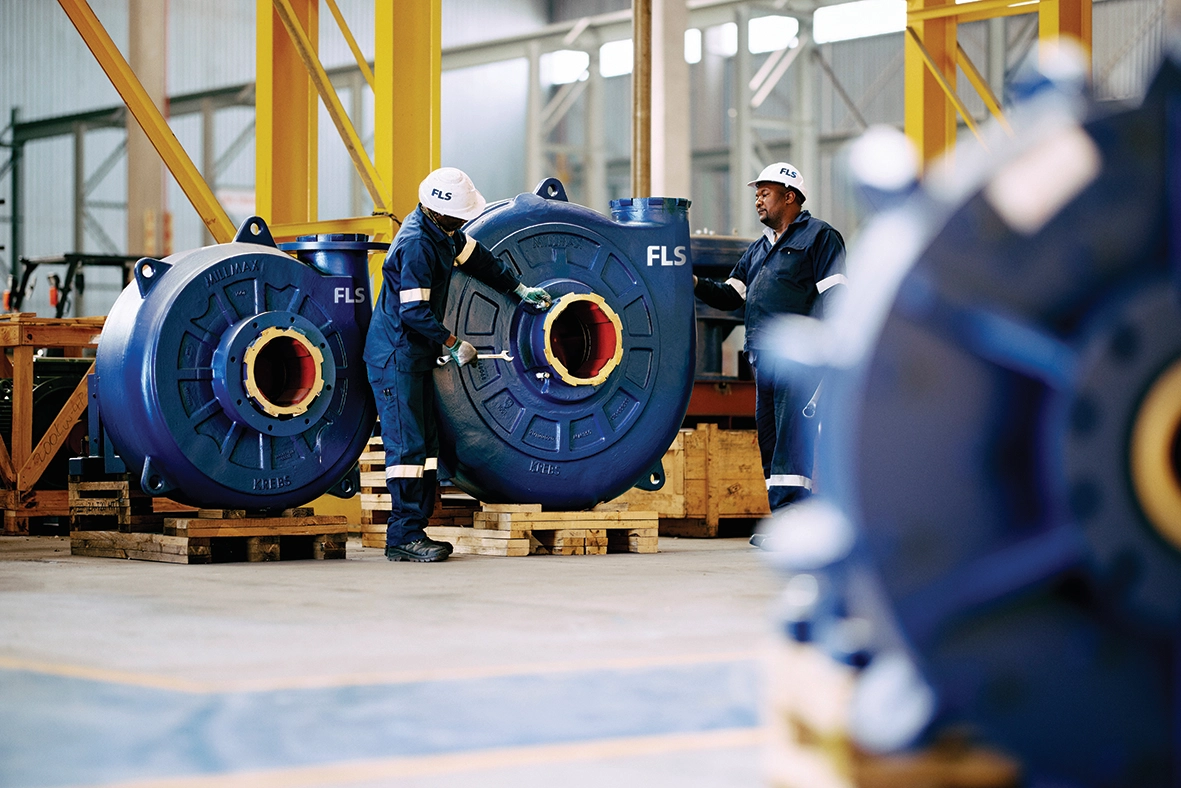
Detailed quality inspections on KREBS® millMAX™ pump housings at the FLS Stormill Service Centre help verify dimensional accuracy and component integrity before the units return to service.

"Many mines are extending the operating life of existing assets through rebuilds, retrofits and targeted upgrades," Kaninda adds. "These solutions often deliver significant improvements in throughput, energy efficiency and reliability while requiring substantially lower capital investment than complete equipment replacement."

Asset optimisation is also playing an increasingly important role in overcoming the challenges associated with geographically dispersed mining operations.

"Remote condition monitoring, predictive maintenance and digital diagnostics allow customers to identify potential issues before they develop into failures," he says. "These technologies are particularly valuable at isolated operations where specialist technical resources are not always immediately available."
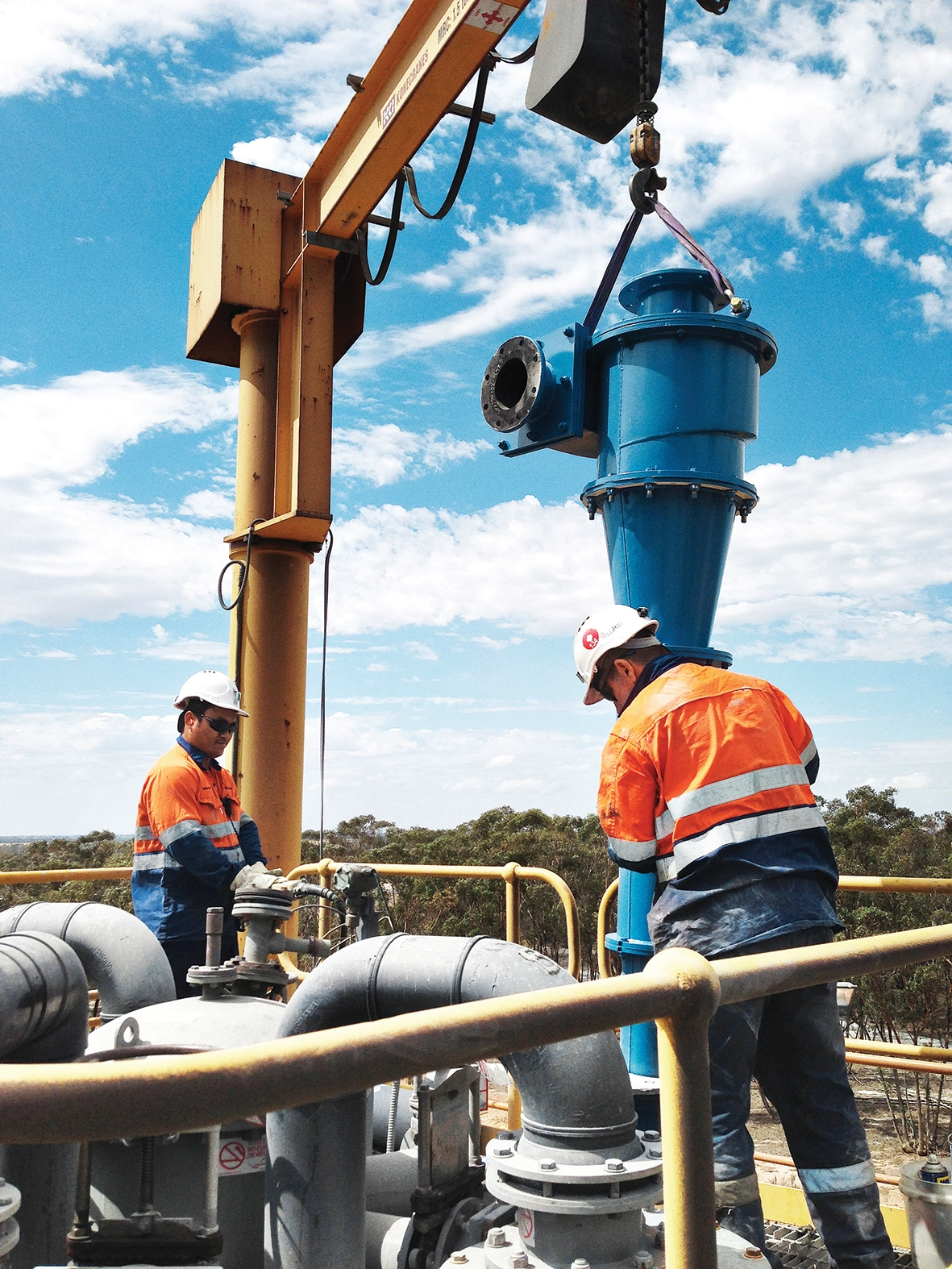
The installation of a KREBS® gMAX® cyclone at a mine site supports efficient classification performance and helps optimise mineral processing operations in demanding conditions.

Supporting this lifecycle strategy is FLS's continued investment in regional service capability across Africa. Kaninda says investments such as the expansion of the Chloorkop service centre in South Africa and the establishment of a new service centre in Accra, Ghana, are designed to bring engineering expertise, repairs, spare parts and technical support closer to mining operations.

"Reducing downtime is not simply about responding quickly when equipment fails," he says. "It is about ensuring customers have immediate access to skilled technicians, specialist repair capability, critical spare and wear parts and engineering expertise within the region. Local proximity significantly shortens response times and reduces dependence on lengthy overseas supply chains."

He adds that this strategy is driven by regional teams working directly alongside customers. "Our strategy is built around people on the ground who understand local operating conditions and customer requirements. That local knowledge enables faster decision-making, stronger customer relationships and more effective technical support."
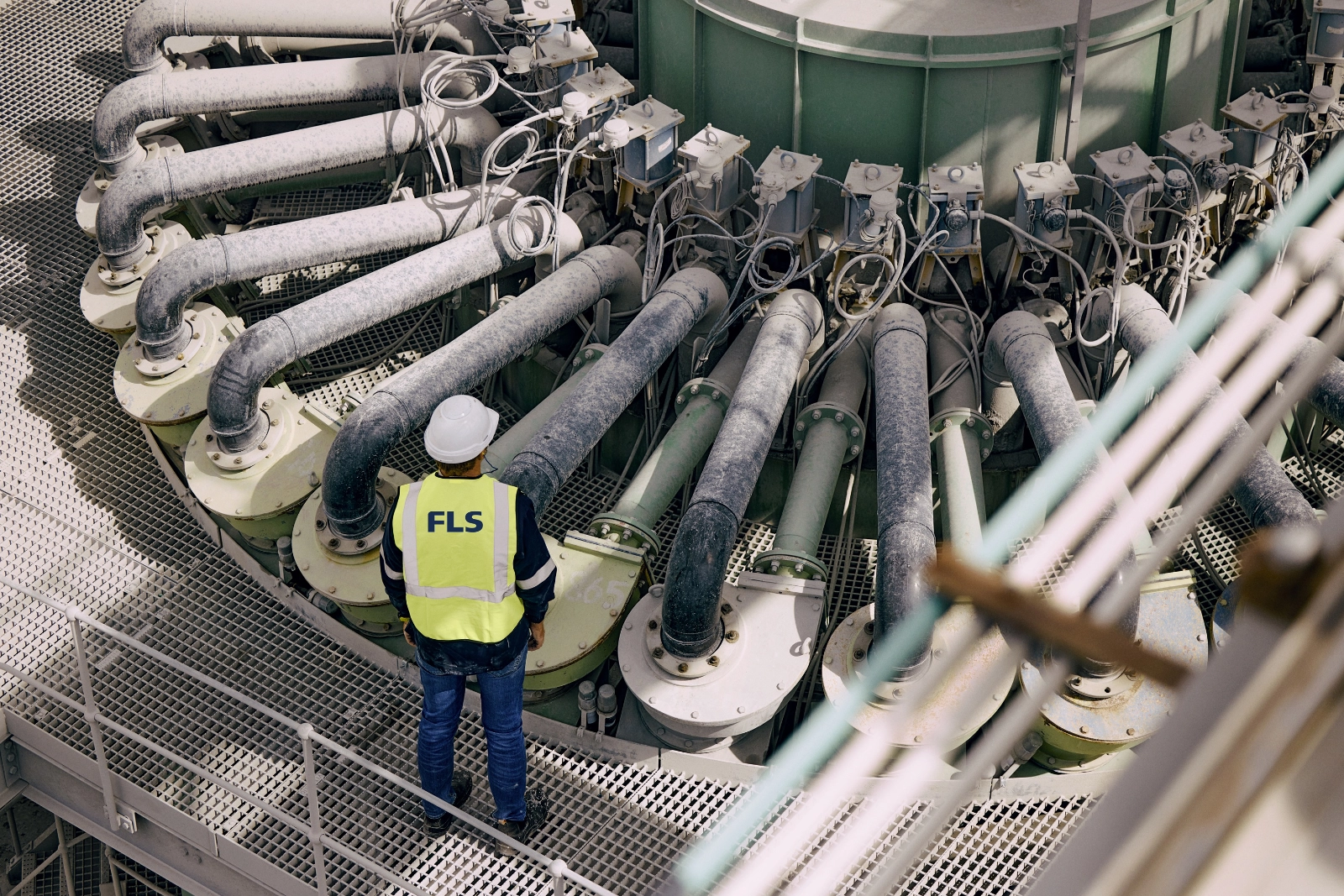
The KREBS® gMAX® cyclone manifold is engineered for high-throughput classification, supporting efficient separation and consistent performance in demanding mineral processing circuits.

For Nico Erasmus, Vice President and Head of Pumps, Cyclones and Valves (PCV), Africa, equipment reliability must also be considered within the realities of African mining logistics.

"In many parts of southern and central Africa, uptime depends not only on equipment performance but also on the ability to support that equipment quickly and effectively," Erasmus says. "A pump or valve failure can stop production for an extended period if replacement parts or repair capability are not readily available. Reliability therefore means resilience across the entire support ecosystem."
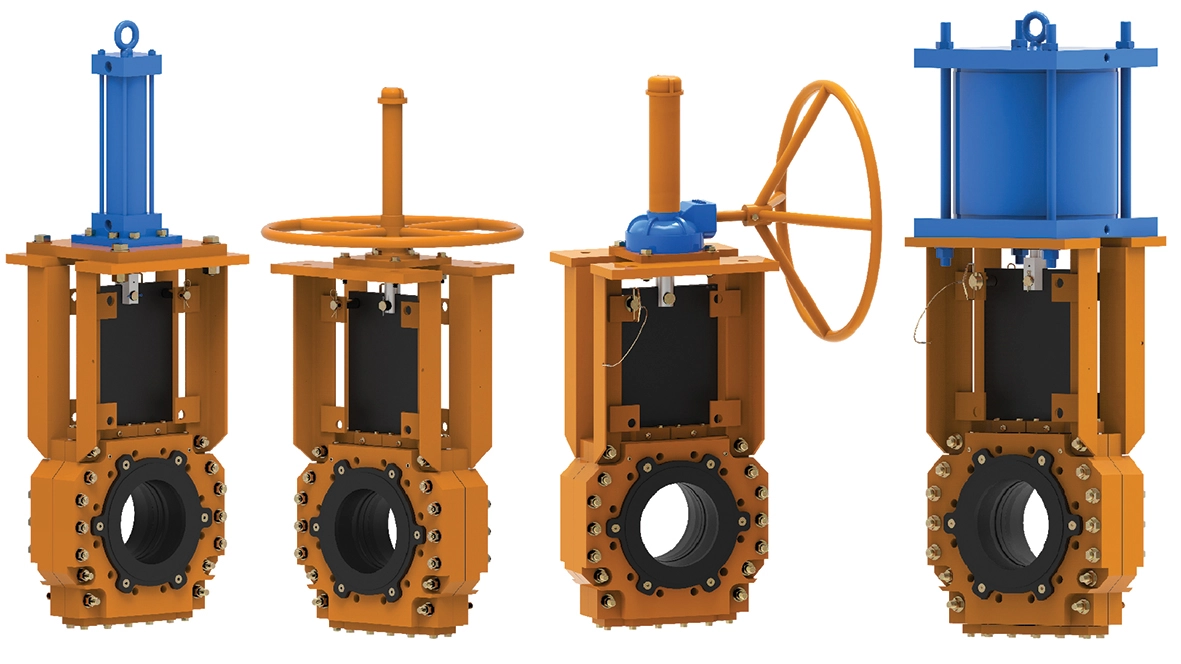
FLS KREBS® heavy-duty valves are engineered to withstand highly abrasive slurries, delivering reliable flow control and durability in demanding mineral processing applications.

This philosophy underpins the role of the FLS Stormill PCV Service Centre, which provides specialised repair, refurbishment and technical support for pumps, cyclones and valves within the region.

"Having local service capability allows us to restore critical equipment much faster than relying solely on overseas facilities," he says. "It also creates opportunities to develop local technical expertise and strengthen skills within the African mining industry."

Erasmus notes that rebuilds and upgrades are becoming increasingly valuable as operators contend with import costs, currency volatility and extended lead times for replacement equipment.
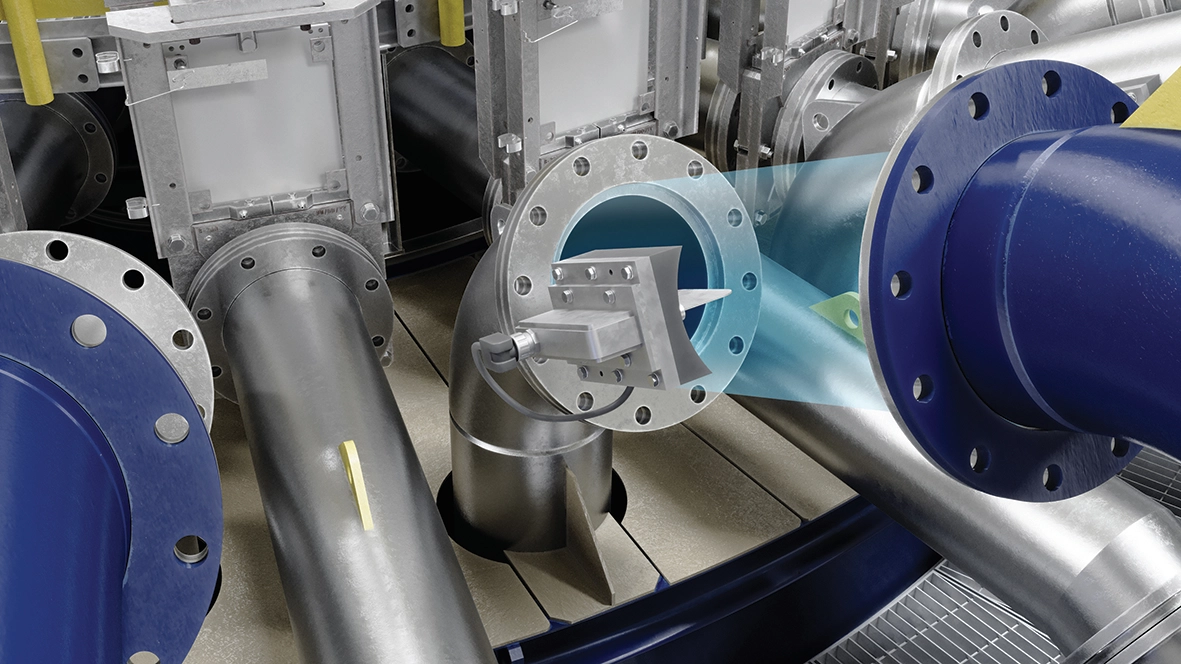
The KREBS® OSA provides real-time particle size measurement directly in the process stream, giving operators continuous data to support improved process control and optimisation.

"Rebuilding and upgrading existing equipment often provides a more cost-effective solution than importing new assets, while extending equipment life and maintaining operational performance."

He adds that resource efficiency has become another important focus area. "In many African mining regions, water availability and energy security have become operational constraints. Improving slurry transport efficiency not only lowers operating costs but also reduces water and energy consumption, delivering measurable productivity and sustainability benefits simultaneously."
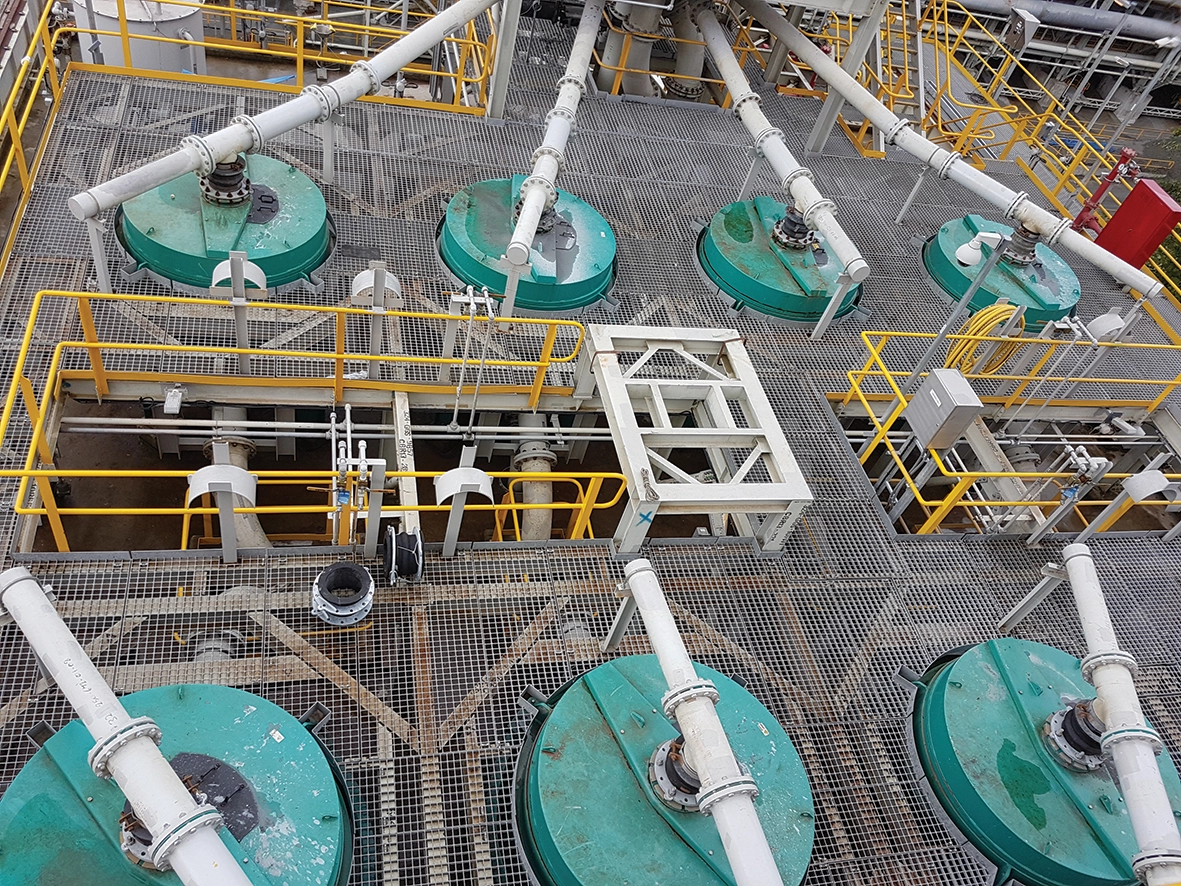
Knelson® gravity concentrators are engineered for high-efficiency recovery of both coarse and fine gold, helping maximise valuable mineral recovery across a wide range of processing applications.

Kaninda says this aligns closely with FLS's global CORE’26 strategy. "In Africa, sustainability and productivity are closely linked. Improving resource efficiency strengthens both mine economics and operational resilience, particularly in regions facing water scarcity or unreliable power supply."

McKay concludes that one of the strongest messages emerging from Electra Mining Africa was that mining companies are increasingly looking for integrated, long-term partnerships rather than standalone equipment purchases.

"Africa's mining industry is focused on extracting greater value from existing operations while building more resilient, efficient and sustainable processing plants," he says. "Delivering that outcome requires more than supplying equipment. It requires long-term partnerships supported by local expertise, engineering capability and service infrastructure that remain close to our customers throughout the life of their operations."

FLOAT CONCRETE BUILDS GLOBAL MOMENTUM WITH AFRISAM SUPPORT

After a decade of product development and ongoing technical support from AfriSam’s Centre of Product Excellence (CPE), South African precast manufacturer Float Concrete is taking its innovative lightweight concrete panels and 3D tiles to international markets.

Based in Krugersdorp, Float Concrete has evolved from a specialist concrete flooring and furniture business into a manufacturer of high-performance architectural concrete products that are increasingly being specified by architects, designers and developers both locally and abroad.

Drawing inspiration from mineral formations, soil, stone and weathered landscapes, FLOAT offers six standard colours developed to complement both architecture and the surrounding environment. The finishes preserve the natural tonal shifts, subtle variations and depth characteristic of authentic cast concrete.

The company’s lightweight concrete panels and sculptural 3D tiles replicate the appearance of fair-faced concrete while offering greater consistency, reduced weight and easier installation. Through continuous refinement of its proprietary concrete mix designs, Float Concrete has developed products that are lighter, stronger and more durable than conventional concrete alternatives.

“From the beginning, it has been a constant process of improving the mix, making it lighter and stronger,” says Float Concrete Co-Founder and CEO Waldo Meyer. “In recent years, we have focused entirely on developing our panel and 3D tile ranges while scaling up production to meet growing international demand.”

Meyer explains that the products were originally developed in response to architects seeking a reliable alternative to in-situ concrete finishes.

Float cladding achieves its exterior durability through a carefully engineered concrete mix. High-grade cement, pozzolanic binders, fine mineral aggregates and performance-enhancing admixtures combine to form a dense, low-porosity matrix that resists moisture ingress, weathering and prolonged environmental exposure.

“Architects wanted a guaranteed concrete finish that could be specified with confidence,” he says. “Our panels provide the authentic appearance of concrete while giving architects greater control over colour, texture and quality.”

Float Concrete’s Manufacturing Director, Francois Pretorius, says the company’s ability to advance its lightweight concrete technology has been significantly strengthened through its long-standing relationship with AfriSam.

In this technology company’s commercial office, concrete provides a strong visual focal point. Natural pitting and subtle variations in tone give the panels an authentic mineral quality, adding texture and contrast to the otherwise precise, engineered interior.

“The journey to develop a lightweight, high-strength product has involved extensive testing and refinement of materials and mix designs,” says Pretorius. “AfriSam has been willing to work with us as we investigated new materials and processes, helping us source products, test them and evaluate the results.”

He notes that the consistency of AfriSam’s cement products has been particularly important as even small variations can affect the final appearance and performance of the finished products.

“The quality and consistency of AfriSam’s cement have been excellent and we have also received exceptional service and technical support,” he says.

The bakery wall at SPAR in George is treated as an architectural feature in its own right. EQUAL 3D concrete tiles establish a bold geometric pattern, while Gunmetal Grey finishes and copper metallic accents add warmth, visual depth and a distinctive identity to the space.

AfriSam Technical Consultant Bheki Makhathini says the company’s Centre of Product Excellence has assisted Float Concrete with testing, mix design evaluation and product performance assessments, including compressive and flexural strength testing.

“We assisted in evaluating different cement options and worked with Float Concrete to improve durability, consistency and production efficiency,” says Makhathini. “These products represent a highly specialised application of concrete technology.”

Set against open vegetation and the dramatic Winelands landscape, this residence balances its setting with long-term performance. Float concrete panels create a durable, inherently non-combustible exterior skin, combining the visual depth of cast concrete with lasting weather resistance and material-level fire safety.

He emphasises that the products offer benefits beyond aesthetics. “Far from being a standard concrete product, this is a specialised architectural solution that delivers durability, aesthetic appeal and thermal benefits,” he says. “The company has continually improved its manufacturing processes and product performance, and it is rewarding to see the progress they have made.”

The collaboration has also enabled Float Concrete to benefit from AfriSam’s broad cement portfolio including High Strength Cement and the company’s premium Rapid Hard Cement.

According to AfriSam Territory Sales Manager for Concrete Product Manufacturers, Abdullah Hajee, the partnership demonstrates the company’s commitment to supporting innovation throughout the construction value chain.

Reinforcement within the concrete matrix combines both micro- and macro-fibres. The micro-fibres assist with fine-scale stress distribution, while the macro-fibres improve flexural toughness, impact resistance and the transfer of loads across the panel.

“When we first engaged with Float Concrete, we immediately recognised the potential of what they were doing,” says Hajee. “They are ambitious, innovative and constantly looking for ways to improve their products. As AfriSam, we are proud to support that journey through reliable cement supply and access to the technical expertise within our Centre of Product Excellence.”

Hajee believes the partnership highlights how local innovation can create opportunities beyond South Africa’s borders. “Float Concrete is developing products that are attracting growing international attention, and we are excited to be part of that success story,” he says. “Together, we are demonstrating what can be achieved when quality materials, technical expertise and entrepreneurial innovation come together.”

DEEP EXPERTISE GIVES CEMENTATION AFRICA THE EDGE IN UNDERGROUND MINING

As Africa's mining industry moves deeper, targets increasingly complex ore bodies and responds to rising global demand for critical minerals, the role of specialist underground mining contractors has never been more important. Successful project delivery now depends not only on construction capability but also on engineering expertise, technical innovation and the ability to manage risk throughout the mine development lifecycle.

According to Graham Chamberlain, New Business Director at Cementation Africa, mining companies are placing far greater emphasis on partnering with contractors that can deliver certainty on technically challenging projects.

Cementation Africa delivers specialist underground mining solutions that combine engineering expertise, technical innovation and safe project execution across Africa.

"Today's mining projects demand considerably more than conventional contracting capability," Chamberlain says. "Clients are looking for partners with proven engineering expertise, extensive underground experience and the ability to execute safely and efficiently under increasingly demanding conditions. The complexity of modern underground mining means technical competence has become a critical project differentiator."

Cementation Africa has established itself as one of the continent's leading underground mining contractors through decades of specialist experience in shaft sinking, mine development, raiseboring and underground mine infrastructure. The company's integrated approach combines engineering design, project management, construction, mechanical and electrical installations, commissioning and operational support into a single delivery model.

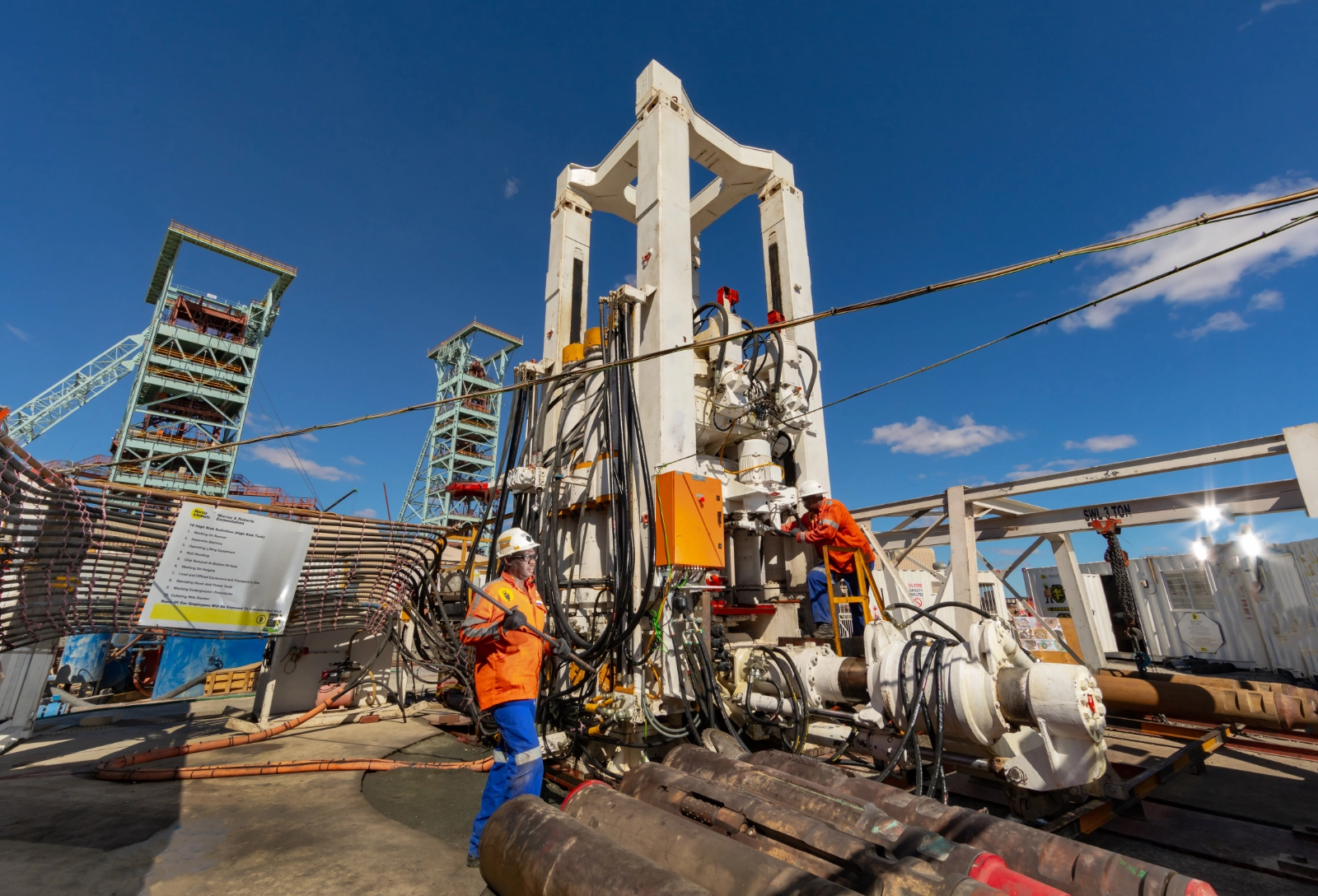
Cementation Africa's specialist raiseboring expertise delivers accurate, efficient excavation for ventilation, ore passes and other critical underground infrastructure.

This multidisciplinary capability enables mining companies to reduce interface risks while benefiting from a contractor that understands every phase of underground mine development.

"Underground mining projects are among the most technically demanding engineering undertakings in the resources sector," Chamberlain explains. "Every project presents unique geological conditions, different mining methods and specific operational requirements. Success depends on developing engineered solutions that are tailored to each project rather than relying on standard methodologies."
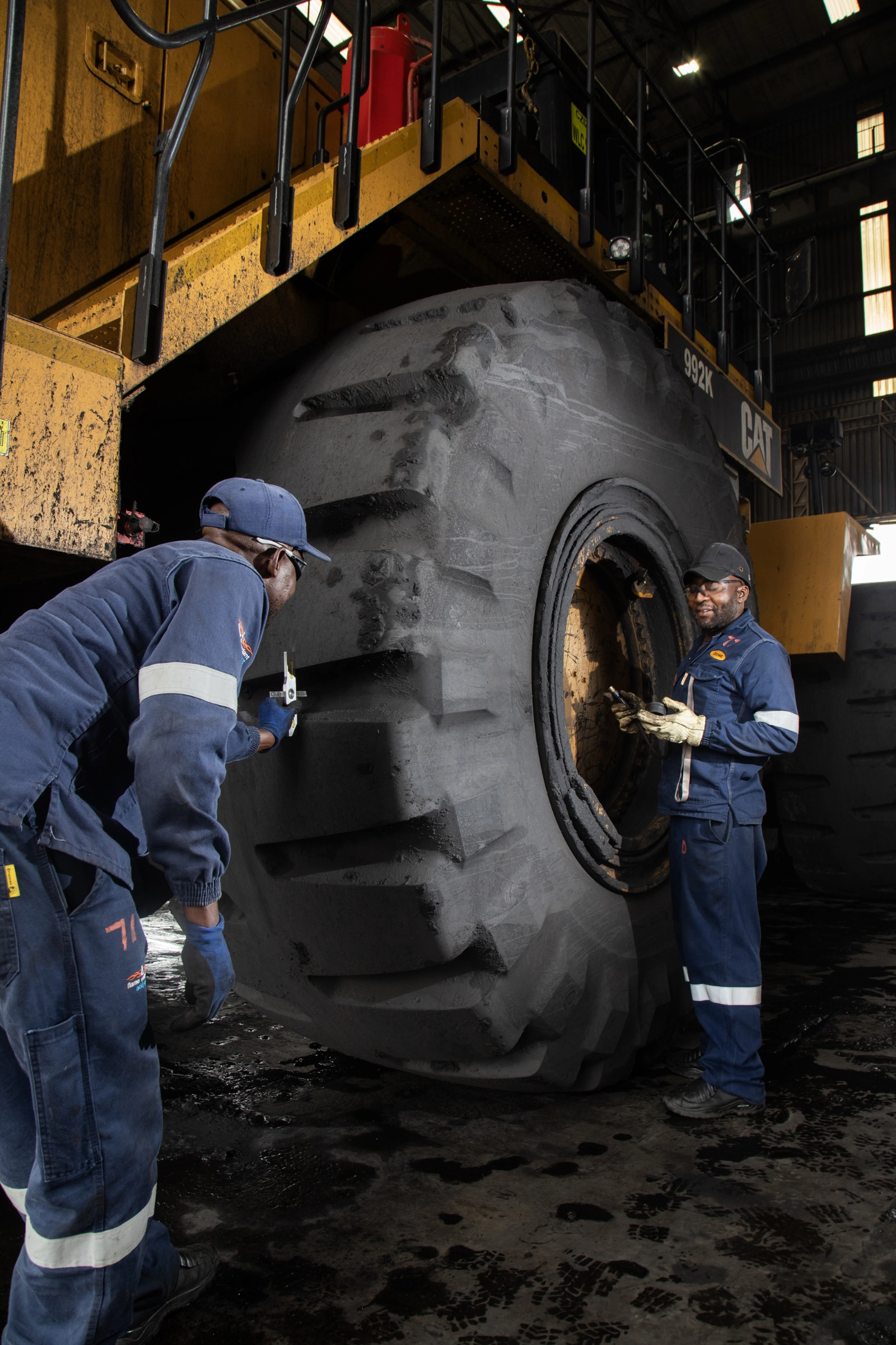
Decades of underground mining experience enable Cementation Africa to manage complex shaft sinking and mine development projects with confidence.

The company's track record reflects this depth of expertise. Since 2001, Cementation Africa has successfully completed 25 shafts across the continent, including 10 since 2012. During this period, it has sunk more than 10 000 metres of vertical shaft infrastructure, completed over 72 000 metres of raiseboring and drilled 93 holes using the Rotary Vertical Drilling System (RVDS) and accumulated 8.5 million Fatality Free Shifts.

According to Chamberlain, these achievements represent far more than operational milestones. "They demonstrate accumulated technical knowledge, practical experience and the ability to solve complex engineering challenges underground. Every project builds on the expertise developed on previous projects, allowing us to continually refine our methodologies, improve efficiencies and enhance safety."
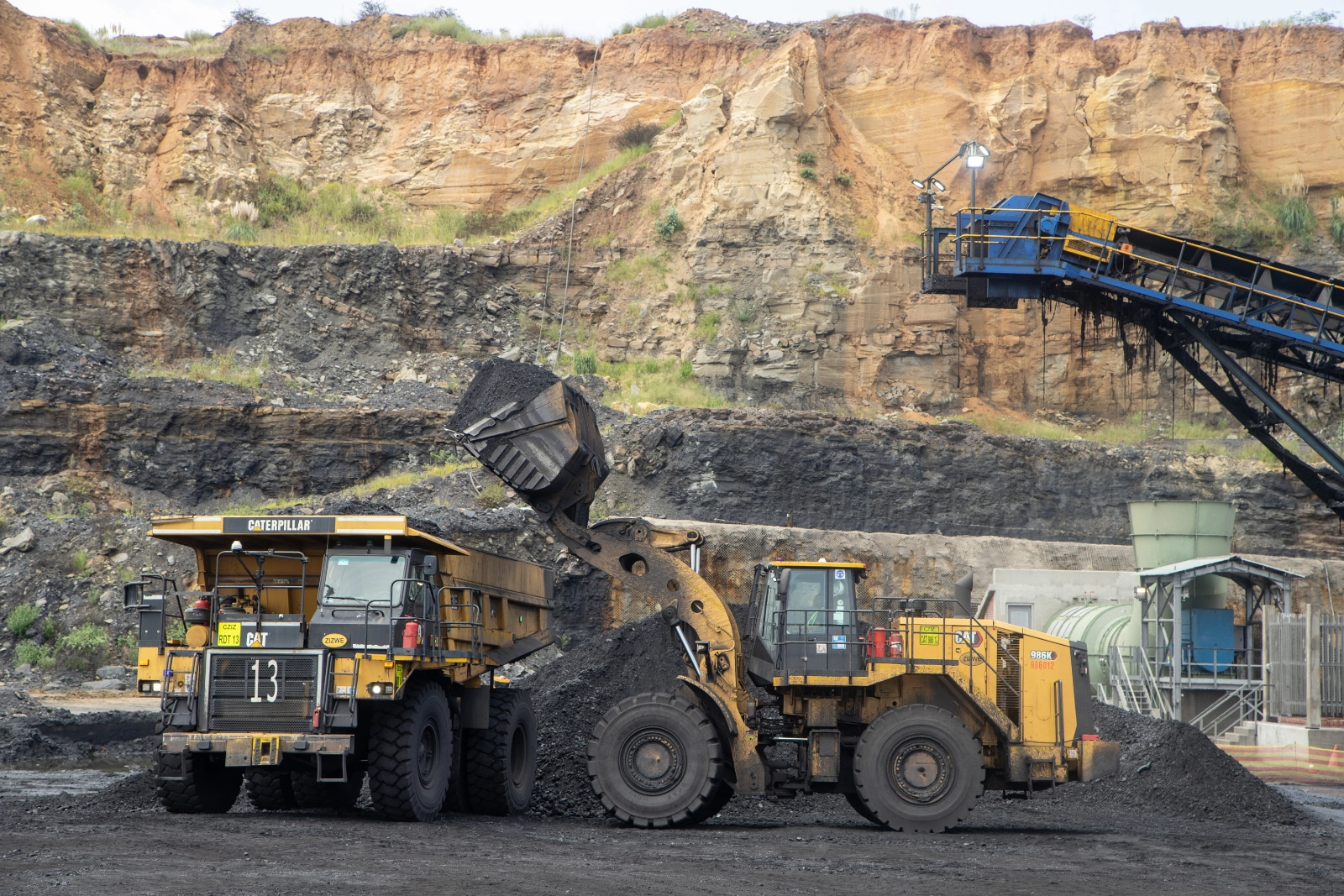
As mining operations pursue deeper deposits and increasingly complex developments, integrated project delivery has become an important advantage. Chamberlain says that the company’s engineering, procurement and construction teams work collaboratively throughout the project lifecycle, enabling faster decision-making, improved coordination and greater flexibility when underground conditions change.

Integrated engineering, procurement and construction capabilities help Cementation Africa reduce project risk and improve delivery certainty for mining clients.

"In underground mining, conditions rarely remain exactly as anticipated," Chamberlain says. "Having engineering, construction and project management expertise working together allows us to respond quickly to changing circumstances while maintaining programme, quality and safety objectives. That integration creates real value for our clients."

Innovation also continues to shape the company's approach to underground mining. Cementation Africa continues to invest in advanced shaft sinking methodologies, specialised equipment, digital engineering technologies and modern project management systems to improve productivity, optimise project execution and reduce operational risk.

Advanced shaft sinking methodologies support the safe and efficient development of the deep underground mines that will supply tomorrow's critical minerals.

However, Chamberlain believes that technology alone is not enough.

"Technology is a powerful enabler but it delivers the greatest value when combined with experienced people who understand underground mining. Our strength lies in bringing together engineering excellence, practical construction knowledge and a culture of continuous improvement to deliver predictable outcomes on some of Africa's most demanding mining projects."

Proven raiseboring technologies enable Cementation Africa to complete complex underground excavations safely while supporting faster mine development.

With global demand for copper, platinum group metals and other critical minerals continuing to drive investment across Africa, Chamberlain expects demand for specialist underground expertise to increase.

"The future of African mining will depend on developing increasingly complex underground operations safely, efficiently and sustainably," he concludes. "That requires contractors with the technical depth, engineering capability and proven execution experience to deliver critical underground infrastructure with confidence. Cementation Africa has built its reputation on precisely those strengths, and we remain committed to setting the benchmark for underground mining excellence across the continent."

CEMENTATION AFRICA DRIVES ZIBULO NORTH SHAFT SUCCESS THROUGH INNOVATION AND UNDERGROUND EXPERTISE

Cementation Africa’s recent completion of Thungela Resources’ Zibulo North Shaft decline project has demonstrated the value of experience, collaboration and innovation – despite demanding underground conditions.

According to Peter Mazibuko, Project Manager at Cementation Africa, the team was even able to deploy a continuous miner at a key stage of advancement to streamline activities and improve the rate of development.

“In all aspects of the project, from dealing with poor ground conditions and considerable water ingress to harnessing innovative methodologies, the relationship with the client was critical,” Mazibuko says. “We were working towards a common goal: to access the coal seam safely, efficiently and as quickly as possible.”

Peter Mazibuko, Project Manager at Cementation Africa.

Located near Emalahleni in South Africa’s Mpumalanga province, the Zibulo colliery is Thungela’s highest producing operation. The Zibulo North Shaft project was designed to unlock further reserves by reducing underground travel times and enabling more efficient production access. Cementation Africa’s role centred on developing a double-barrel decline shaft system extending from a boxcut on surface to the S2 coal seam – a technically demanding undertaking executed under variable and often adverse conditions.

Decline development

At its core, the project required the development of two parallel declines, each extending roughly 367 m from the brow to the production panels, with a gradient of 8° flattening to 2° toward the seam. Decline A, at 8 m wide, accommodates both a conveyor and trackless mobile machinery while Decline B, at 5.5 m wide, serves as a travel roadway.

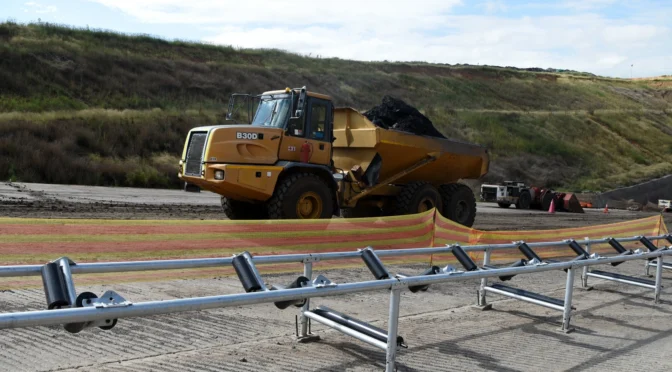
Ore handling systems, including articulated dump trucks (ADTs), LHD cleaning operations and temporary conveyor structures.

Cross-cuts at regular intervals link the two declines, creating a functional and ventilated system capable of supporting long-term production. The shaft sinking design also incorporated substantial concrete works including reinforced 250 mm footwalls and shotcrete application at the brow alongside bulk material handling infrastructure.

“Initially, we conducted the development using conventional drill-and-blast methodology in which we have extensive experience,” Mazibuko explains. “From the outset, however, we knew the geology would dictate how we progressed.”

Challenging ground conditions

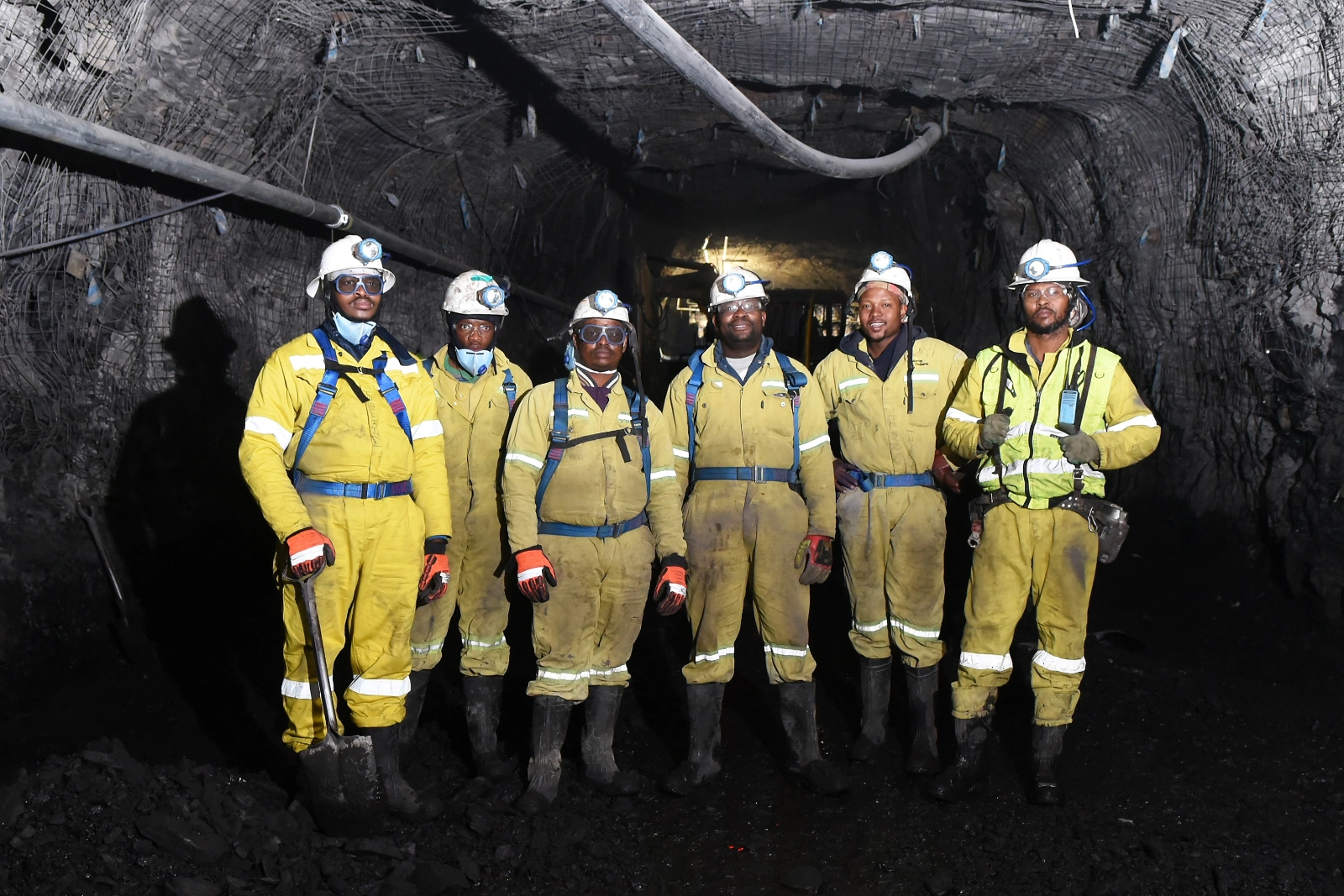
A strong commitment to safety, teamwork and disciplined execution ensured project schedules were achieved.

The ground conditions encountered along the decline alignment were highly variable, comprising interbedded siltstone, sandstone, shale and coal with much of it weathered and structurally weak. These conditions resulted in scaling, delamination and instability, particularly in the hanging wall and ribs.

“Some areas were extremely blocky, making it difficult to achieve a clean profile,” he says. “Blasting conditions would often lead to overbreak or loose material that needed immediate attention.”

To maintain stability, Cementation Africa implemented an intensive support regime that included full-column resin bolts, cable anchors, welded mesh and shotcrete.

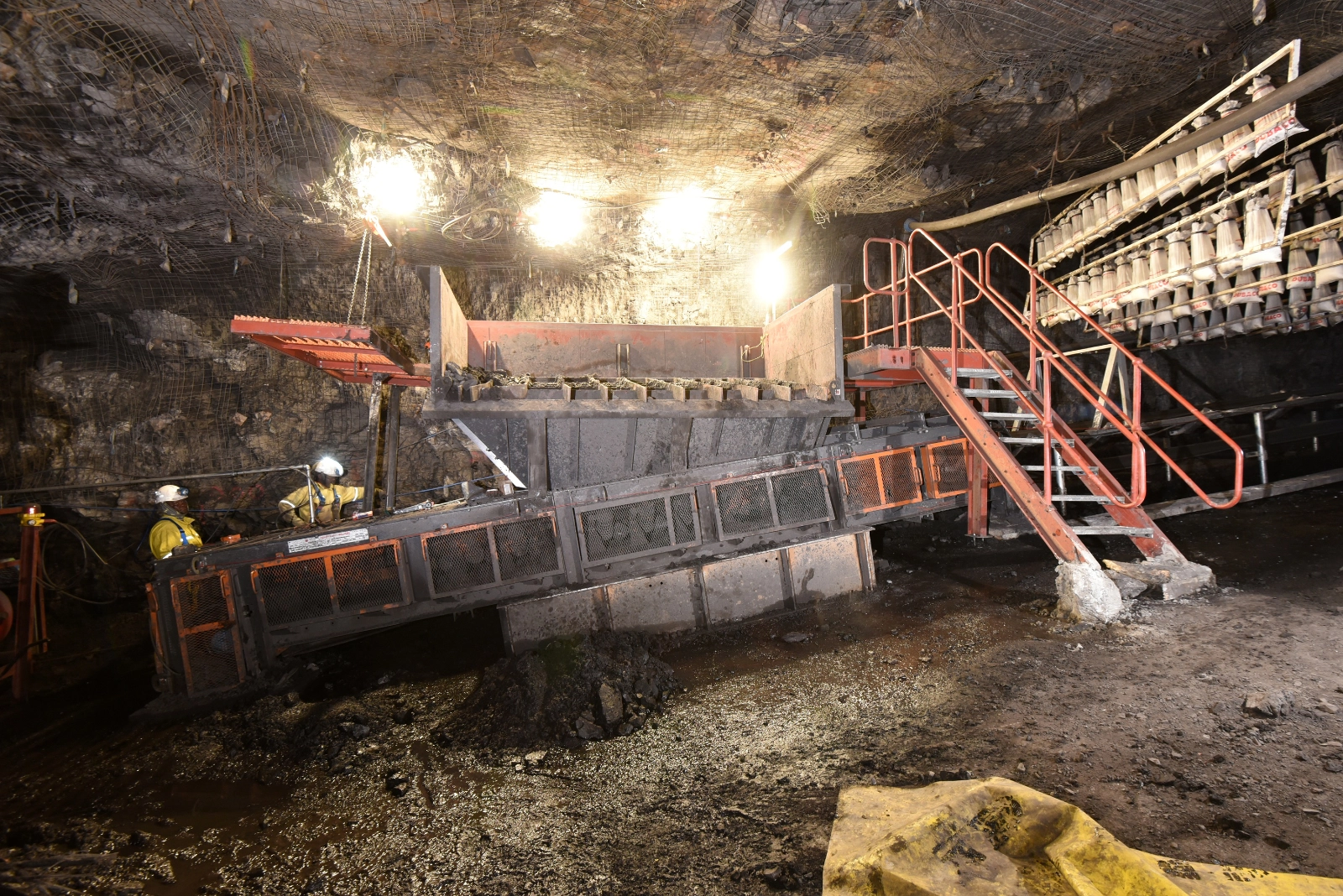
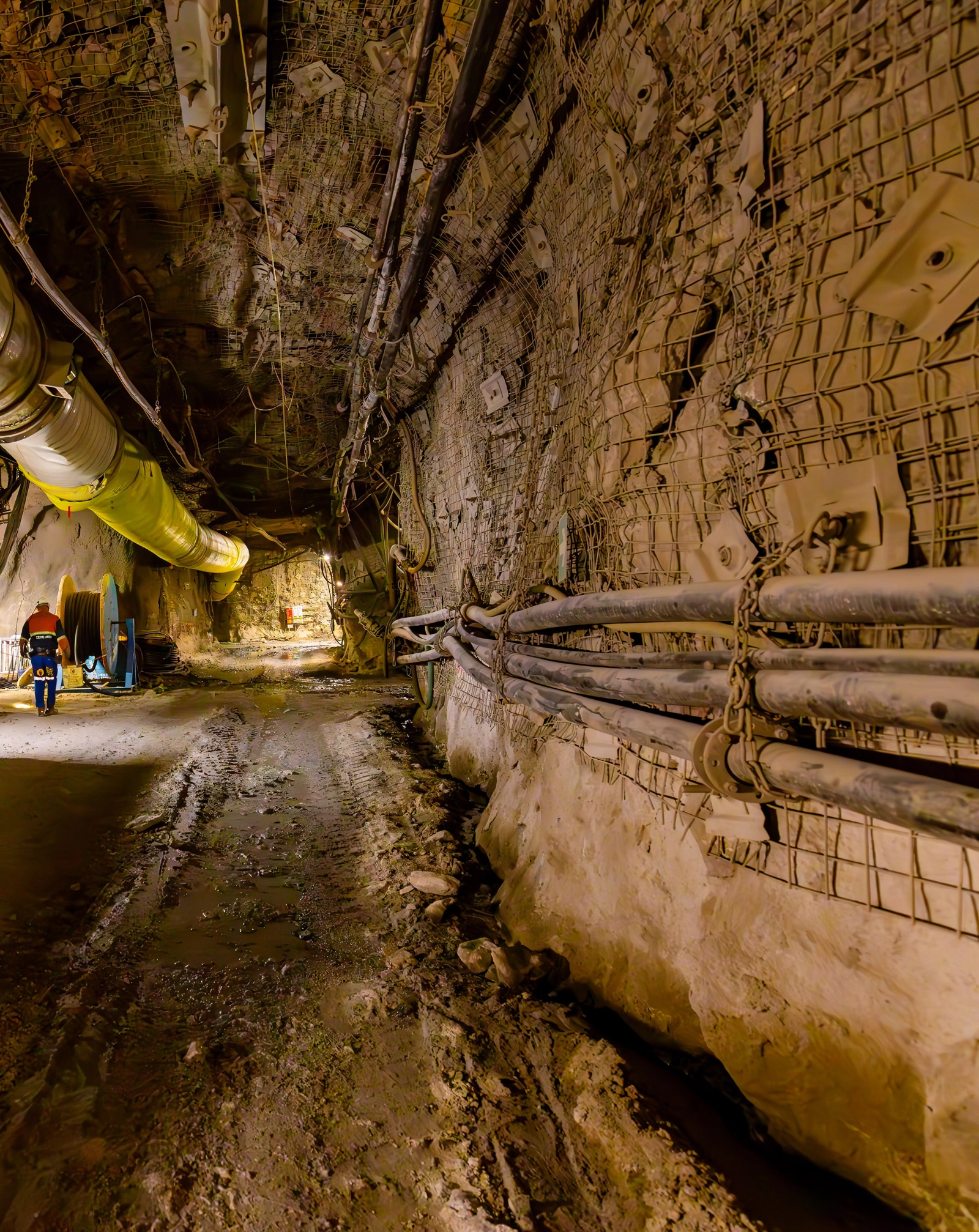
An underground tipping point with a temporary conveyor structure installed to support decline mining. The stone dust barrier on the right provides a critical safety measure to mitigate the risk of underground coal dust explosions.

“The brow was a particularly sensitive transition zone, so support density was significantly increased,” he explains. “We applied layered reinforcement and 100 mm of shotcrete to stabilise the opening.”

The variability of the rock mass required constant adaptation with blast designs being repeatedly modified. This included the introduction of additional holes and kneeholes to control footwall levels and minimise overbreak.

“The blast design could not be static,” Mazibuko explains. “It was necessary to continuously adjust these designs to match what we encountered underground.”

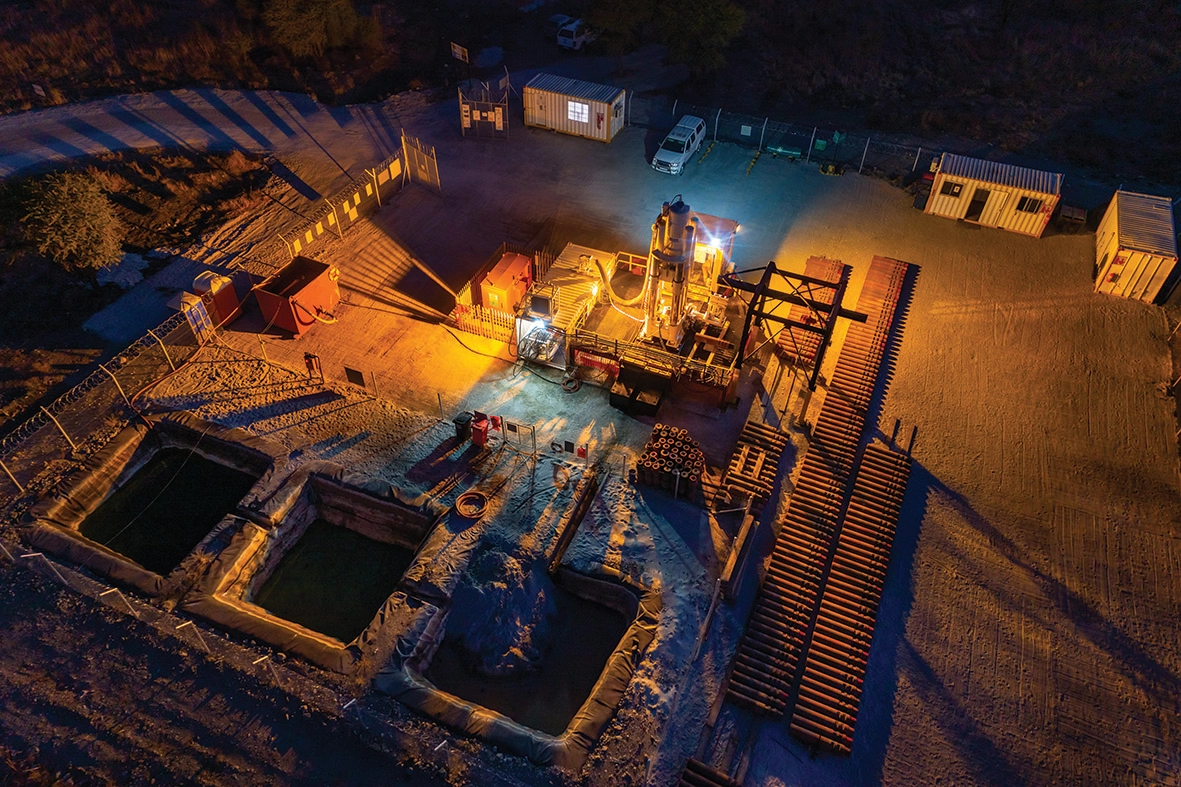
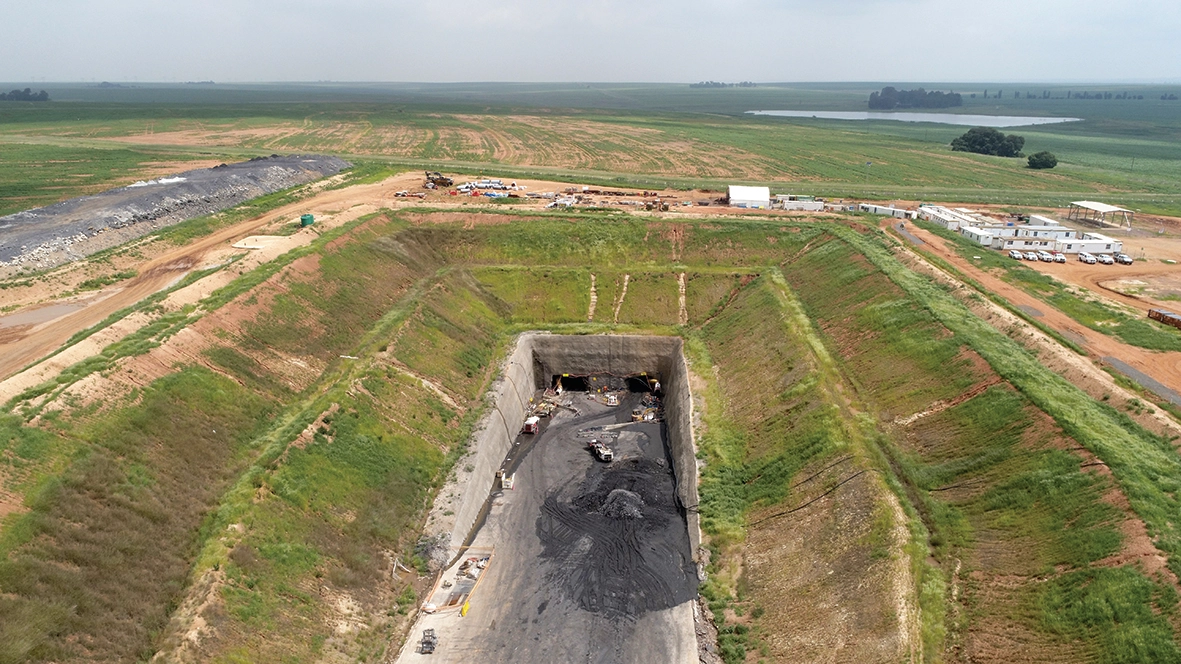
Aerial view of the Zibulo box cut, showing the portal entrances that provide access to the underground mining operation.

These conditions had a measurable impact on productivity with face cycle times being extended to allow for scaling and the installation of additional support.

Managing water

Water ingress emerged as another major operational hurdle particularly during the rainy season. Seepage from the rock mass, combined with surface runoff entering the boxcut, created sustained inflows that affected productivity.

“The high levels of ingress required additional systems to be engineered as part of our integrated water management strategy,” he says. “This included a dedicated sump at the first split of the decline which was created by blasting the floor to a depth of about 1.5 m across the full footprint of the excavation.”

Cementation Africa's site offices overlook the Zibulo boxcut, providing a strategic operational base in close proximity to this critical mine access development.

The sump served as the primary collection point for water flowing from the face, roof seepage and surface ingress via the boxcut. It was equipped with a 37 kW submersible pump to enable efficient dewatering and integration into a staged pumping system. Berms along the decline directed water toward the sump, improving control and reducing flooding risk to stabilise working conditions.

The staged pumping system comprised multiple pumps of varying capacities to transfer large volumes of water, approaching 1,000 m³ a month, to surface pollution control dams. Steel dams were introduced as both storage points and silt traps, improving system reliability and reducing pipe blockages.

“Water management became a full-time operation – as critical as the mining itself,” Mazibuko notes. “We had dedicated teams maintaining pumps, clearing silt and extending columns and our ability to respond dynamically proved essential in maintaining the project’s momentum.”

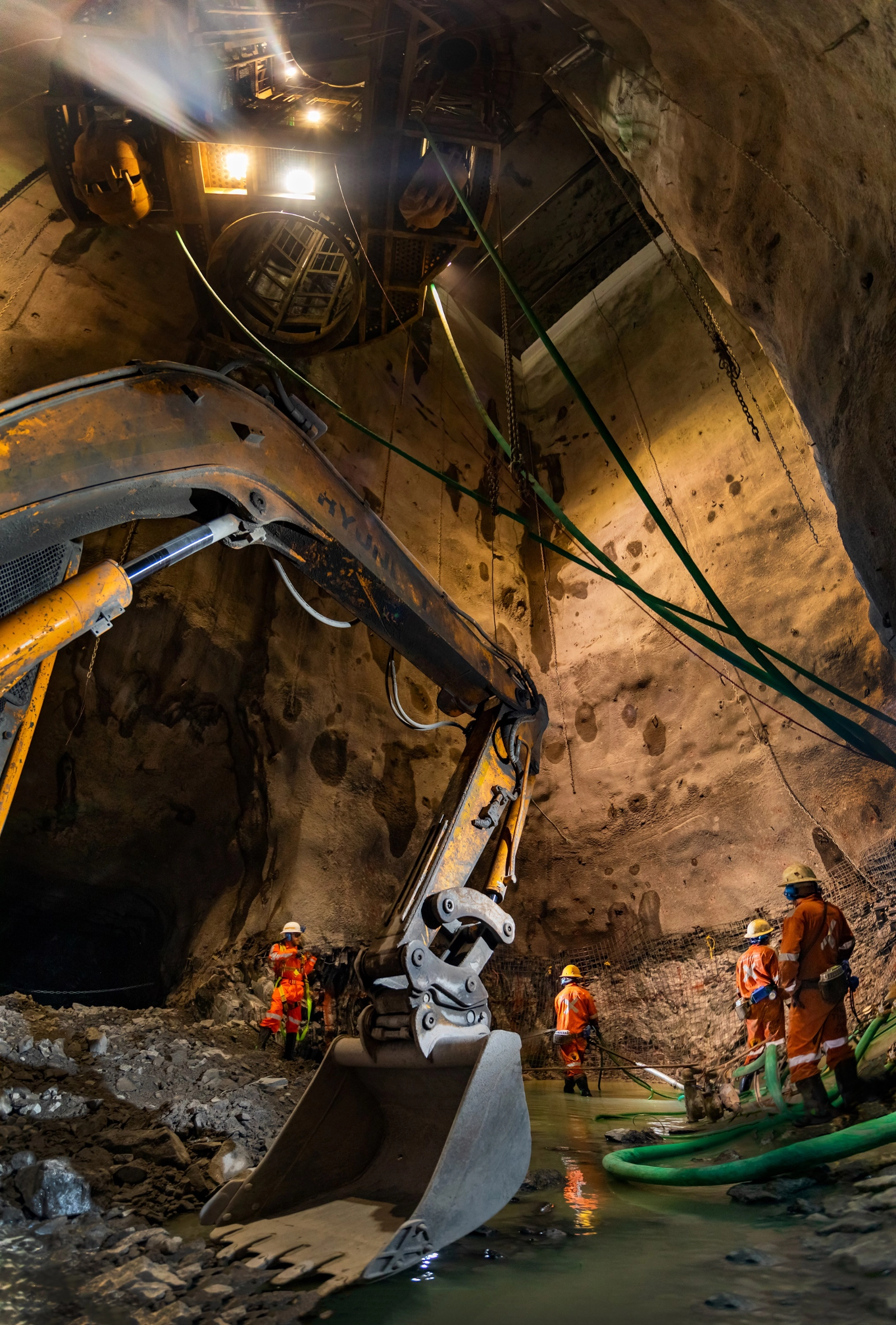
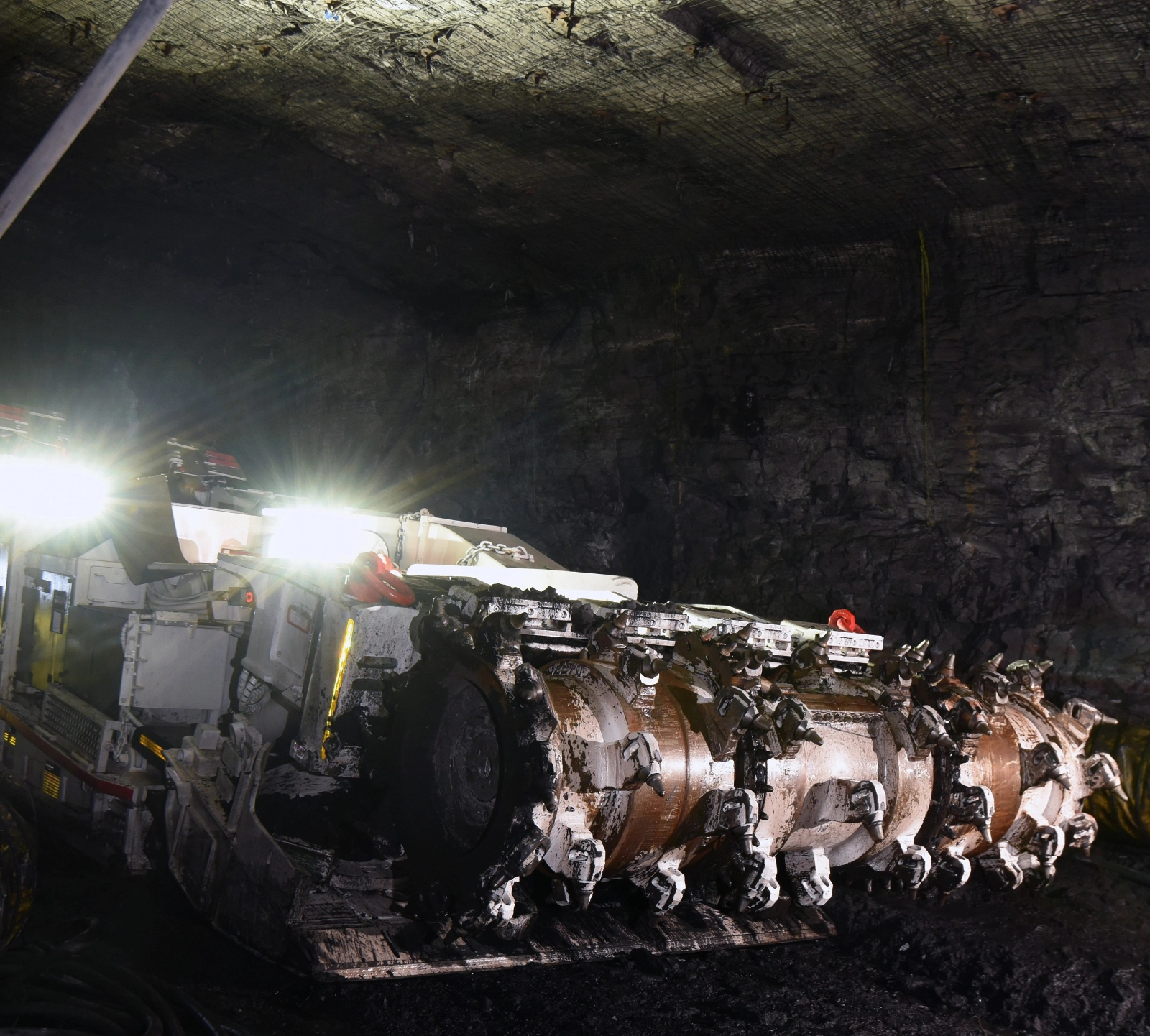
A continuous miner was used during the overrun section at Zibulo to establish the coal front, enabling safe and efficient access for subsequent underground development.

Materials handling efficiency

As development progressed deeper underground, increasing tramming distances had a direct impact on load-haul-dump (LHD) productivity, extending cycle times and reducing overall efficiency. To overcome this constraint and maintain haulage efficiency, Cementation Africa installed a temporary conveyor system as a practical and highly effective solution.

The 900 mm wide conveyor – extended to more than 250 m – allowed blasted material to be transported directly from underground to surface stockpiles, significantly reducing reliance on truck haulage and shortening cycle times. The system was later integrated into the broader materials handling strategy as the project evolved, setting the stage for a more fundamental shift in development methodology.

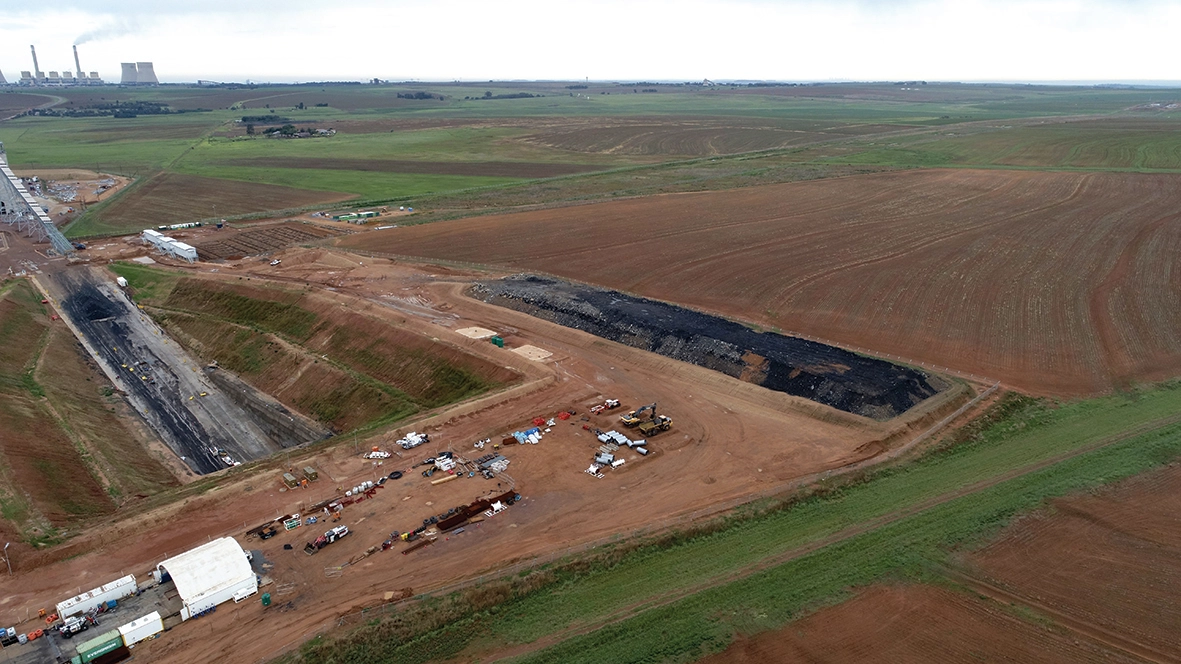
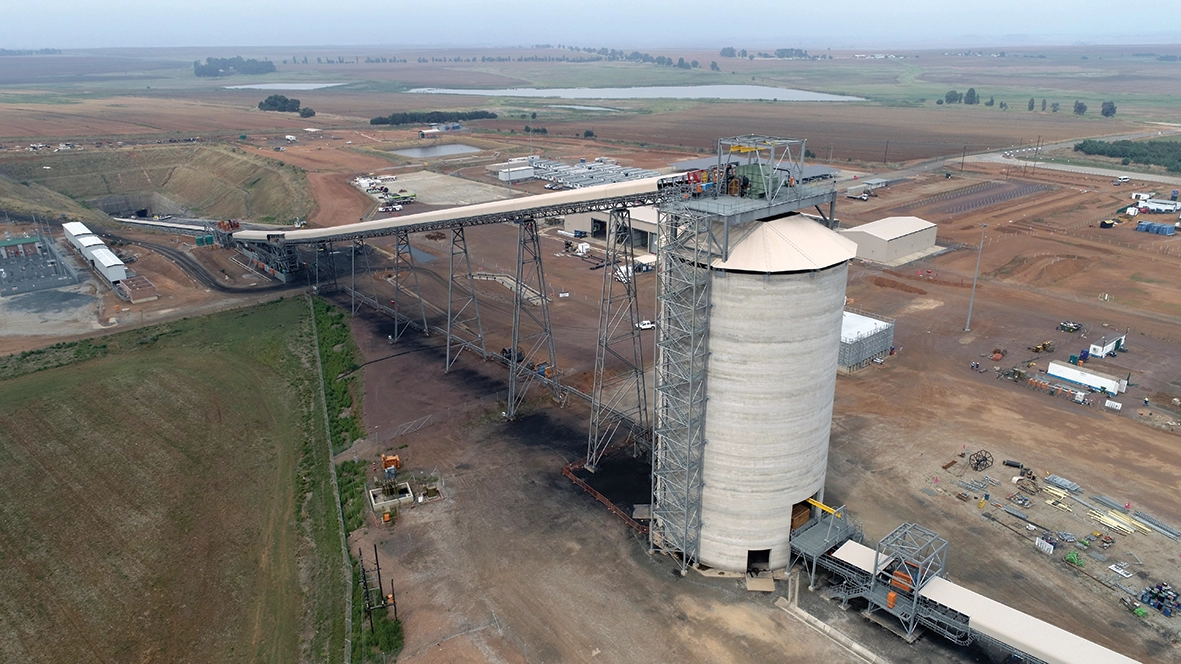
Aerial view of the completed decline at Zibulo, providing critical underground access and supporting safe, efficient movement into the mine’s developing workings.

Continuous miner

Perhaps the most significant innovation on the project was the mid-stream introduction of a continuous miner to accelerate development towards the coal seam. The transition from drill-and-blast to mechanical excavation was made 220 m into the decline.

“This introduced a new way of working, so there was a learning curve which we managed carefully with additional training and redeployments,” Mazibuko says. “Putting the continuous miner to work meant a comprehensive reconfiguration of the operation including new personnel, equipment and workflows.”

Looking towards the newly completed decline at Zibulo, marking a significant milestone in the development of the underground mining infrastructure.

Shuttle cars, feeder breakers and specialised operators were brought in with the continuous miner initially working in tandem with LHDs and the temporary conveyor system. Once the permanent conveyor was commissioned the process became significantly more streamlined, with direct loading from the continuous miner to the conveyor via a feeder breaker.

“The impact on productivity was immediate and substantial,” he explains. “Where we were advancing around 2.6 m a day, we accelerated up to 6 m and, in some cases, up to 12 m.”

In addition to increased advance rates, the continuous miner reduced disturbance to the rock mass resulting in improved ground stability and a reduction in secondary support requirements. Among the changes made to accommodate the continuous miner was improved ventilation including the installation of high-capacity fans to increase air velocity.

Melissa Hallquist-Waites, Capital Project Manager at Thungela.

Flexible approach

Mazibuko concludes that a flexible and adaptive approach, in close and supportive collaboration with Thungela’s team at Zibulo, was key to success in this complex environment.

“It was important to manage the difficult ground conditions and persistent water ingress while still seeking opportunities for innovative solutions which we needed to support our advance rate and meet project timelines,” he says. “We are proud to have achieved this with our customary commitment to Zero Harm, achieving 281 Lost Time Injury Free days and maintaining strong alignment with client objectives.”

BOOYCO ELECTRONICS STRENGTHENS UNDERGROUND EMERGENCY RESPONSE WITH INTELLIGENT MISSING PERSON LOCATOR

Booyco Electronics has developed its Missing Person Locator (MPL), an intelligent personnel tracking solution designed to strengthen underground emergency response and support compliance with evolving mine safety legislation.

According to Vashalen Naidoo, Electronic Engineer at proximity detection specialist Booyco Electronics, the MPL was developed to overcome critical limitations in traditional emergency response procedures.

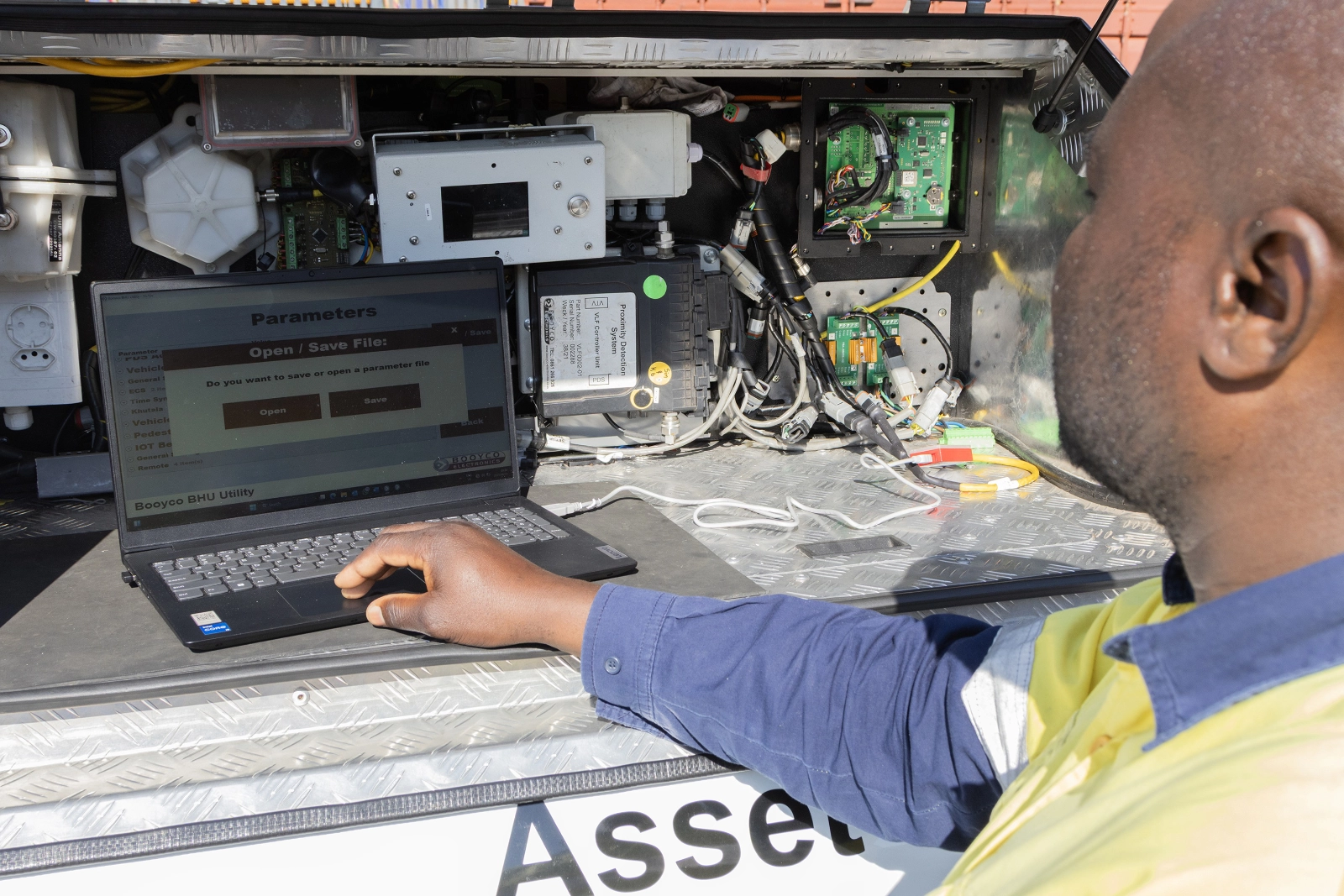
Booyco Electronics continues to advance underground safety through intelligent personnel monitoring technologies.

“In the critical hour after an underground incident, such as a rockfall or fire, traditional manual roll-call systems can be too slow and are prone to human error,” Naidoo explains. “If communication infrastructure has been damaged, rescue teams are often left without accurate information about where personnel were last located.”

He notes that conventional tracking methods provide only limited location information and dependent on infrastructure.

“This creates an urgent operational need for an active high-frequency verification lifeline for miners,” he says. “The MPL uses a compact radio frequency (RF) transceiver integrated directly into each miner’s cap lamp.”

Technology is playing an increasingly important role in supporting safer and more effective underground emergency response.

Fixed communication anchors installed throughout the underground workings continuously receive signals from the cap lamp devices, creating an accurate record of each miner’s location while enabling two-way communication between underground personnel and the surface control room through the mine’s communication infrastructure.

“The tags continuously broadcast location data through the underground network to provide an accurate log of every miner’s last known position,” Naidoo says. “Importantly, messages can be transmitted back to the miner’s cap lamp, allowing the miner to acknowledge the alert.”

Booyco Electronics’ personnel safety solutions are designed to provide mines with greater visibility during critical situations.

A response confirms to the control room that the individual is responsive, while the absence of an acknowledgement could indicate that assistance may be required. This allows emergency responders to bypass time-consuming manual roll calls and proceed directly to the last recorded location of affected personnel, significantly improving the speed and effectiveness of rescue operations.

The importance of this capability has been reinforced by amendments to Chapter 16 of South Africa’s Mine Health and Safety Act (MHSA), which require underground mines to implement systems capable of locating missing workers. Booyco Electronics CEO Anton Lourens says this legislative requirement has been a key driver behind the company’s development of the MPL.

“The new requirement of the MHSA deals specifically with locating missing people in operations,” Lourens says. “Our MPL solution can either operate alongside an existing proximity detection system or function as a standalone system to meet that legal requirement.”

Reliable personnel information can make a significant difference when mines need to respond quickly to an underground incident.

Beyond emergency response, the MPL also delivers operational value during routine mining activities. One practical application is during blasting cycles, when every worker must be accounted for before blasting can commence. While lamp room checks remain standard practice, Naidoo says the MPL provides an additional level of verification.

“It doesn’t replace the existing roll-call process during blasting, but it gives mines another level of confidence by minimising the possibility of human error and verifying that nobody remains underground before blasting begins,” he explains.

Connected safety technologies are helping underground mines strengthen both emergency preparedness and operational awareness.

The system has been designed for flexible deployment across a wide range of underground mining environments. Depending on site requirements, it can integrate with existing mine communication infrastructure or be installed with its own dedicated communications backbone.

Lourens believes personnel location technology is becoming an increasingly important element of connected digital mine safety systems, with future developments extending well beyond post-incident location tracking.

“We see personnel tracking evolving from isolated, passive location systems towards a fully unified, predictive safety ecosystem,” he says. “By combining personnel location, machine telemetry and behavioural information with data analytics, mines will increasingly be able to identify risks hopefully before incidents occur. This could then evaluate worker wellbeing in real time and guide personnel along the safest evacuation routes during emergencies.”

Booyco Electronics develops practical electronic safety solutions suited to the demanding conditions of underground mining.

Lourens concludes that the MPL strengthens Booyco Electronics’ broader approach to electronic mine safety.

“By enabling mines to find every person faster, we are reinforcing the core principle that no worker should ever be unaccounted for underground,” he says.

BCCEI URGES MINING CONTRACTORS TO ADDRESS GROWING COMPLIANCE BLIND SPOT

As mining companies continue to outsource operational activities to specialist service providers, the line between mining and civil engineering work is becoming increasingly blurred – and many contractors are exposing themselves to serious compliance risks without even realising it.

According to Bargaining Council for the Civil Engineering Industry (BCCEI) Operations Manager Lindie Fourie, contractors operating on mines often incorrectly assume that all work performed within a mining environment automatically falls under the mining sector. In reality, many activities routinely outsourced by mines – including bulk earthworks, loading, hauling and dumping, access road construction and maintenance, rehabilitation, dust suppression and infrastructure-related services – are legally classified as civil engineering work and therefore fall within the jurisdiction of the BCCEI.

“The physical location of the work is not what determines jurisdiction,” Fourie explains. “What matters is the nature of the activity being performed. If that activity falls within the registered scope of the civil engineering industry, then the contractor has a legal obligation to register with the BCCEI and comply with its collective agreements.”

Lindie Fourie, Operations Manager at BCCEI.

As a statutory council established under the Labour Relations Act, the BCCEI is responsible for regulating labour relations within the civil engineering industry and ensuring compliance with sector-wide collective agreements. Once these agreements are negotiated and gazetted by the Minister of Employment and Labour, they become legally binding on all employers and employees operating within the council’s scope – regardless of whether they belong to employer organisations or trade unions represented within the council.

For contractors servicing the mining sector, this is not a minor administrative issue. Non-compliance can carry significant operational, legal and commercial consequences.

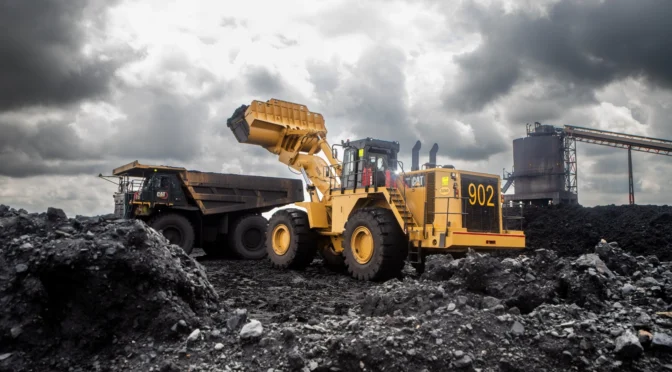
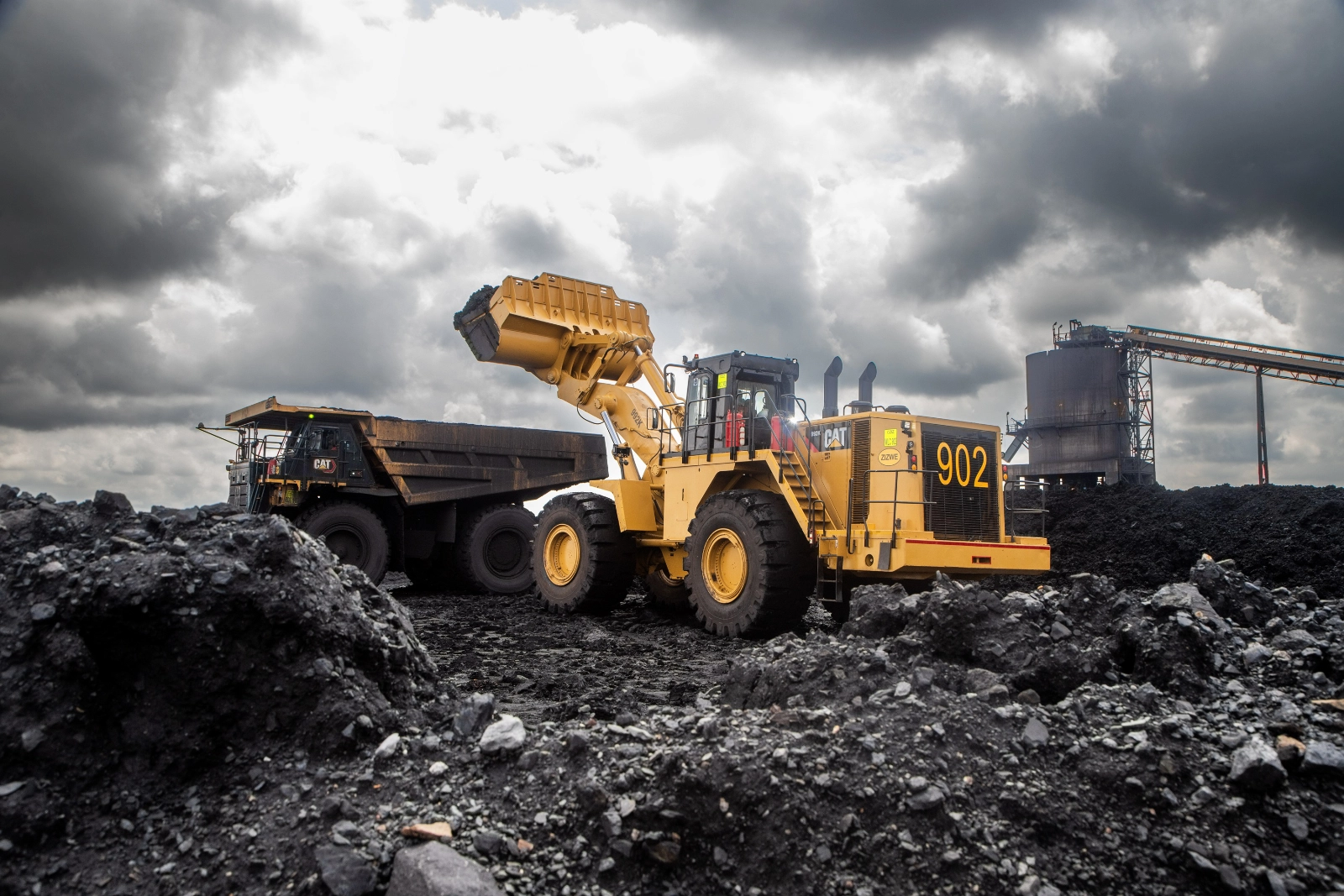
As more companies pivot to contract work in opencast mining, the BCCEI reminds all load-and-haul contractors that registration is a legal requirement under civil engineering regulations.

Beyond the risk of enforcement action and labour disputes, non-compliant contractors may also find themselves at a disadvantage during procurement and tender evaluation processes, where proof of compliance and labour stability is increasingly scrutinised by mining houses and principal contractors.

Fourie says that while some contractors view compliance as a burden the reality is that structured labour compliance creates stability, predictability and a more sustainable operating environment.

“In mining, downtime is extremely expensive and labour instability can have immediate operational and financial consequences,” she says. “The BCCEI bargaining framework helps prevent fragmented wage negotiations and site-specific disputes by creating nationally negotiated agreements that apply consistently across the industry.”

Even when operating on mines, activities like excavation, hauling and dust suppression fall under the BCCEI’s scope and require full compliance.

Under the council’s centralised bargaining model, wages and employment conditions are negotiated nationally and fixed for the duration of the collective agreements. This allows contractors to forecast labour costs accurately, budget effectively and avoid the uncertainty associated with ad hoc wage demands and unstructured labour negotiations.

The council’s agreements also extend beyond wages to include pension fund, medical aid, funeral benefits and other employment protections aimed at improving worker welfare and reducing labour conflict.

Registration with the BCCEI is not optional - it ensures legal compliance, labour stability and access to sector-wide benefits for contractors.
Registration with the BCCEI is not optional – it ensures legal compliance, labour stability and access to sector-wide benefits for contractors.

According to Fourie, this framework helps create a more professional and competitive contracting environment where businesses compete on operational excellence and service delivery rather than by driving down labour standards.

“Companies should be winning work because of their capability, safety performance, technical expertise and reliability – not because they are bypassing labour obligations,” she says.

Contractors registered with the BCCEI also gain access to specialist dispute resolution systems designed specifically for the civil engineering and construction environment. The council provides industry-focused support structures, digital case management systems and formal mechanisms aimed at resolving disputes efficiently and transparently.

The BCCEI plays a critical role in protecting fair labour practices by levelling the playing field through centralised bargaining and dispute resolution.

Importantly, compliant companies receive letters of good standing confirming adherence to the council’s collective agreements and obligations – documentation that is becoming increasingly important in both public and private sector procurement processes.

Despite this, Fourie says many contractors operating within mining supply chains remain unaware that their activities may fall within the BCCEI’s scope, particularly smaller contractors and subcontractors that have entered the sector as outsourcing continues to expand.

Contractors who earn a fee but have no financial stake in the minerals extracted must be registered with the BCCEI to remain compliant with labour legislation.

Rather than focusing purely on enforcement, the Council continues to prioritise industry engagement, education and support to help contractors better understand their obligations and avoid unnecessary noncompliance.

The BCCEI also offers support structures for companies facing financial or operational difficulties including an independent exemptions committee and appeal board that consider special applications on a case-by-case basis.

In addition, the council works with various stakeholders, including the Sector Education and Training Authority, Department of Employment and Labour and the South African Police Service, on broader industry priorities such as training, safety and tackling construction-site extortion.

Designated agents from the BCCEI are available nationwide to help contractors assess their obligations and guide them through the registration process.

As outsourcing models become increasingly entrenched within South Africa’s mining sector, Fourie believes contractors can no longer afford to assume that mining legislation alone governs their operations.

“The industry needs to understand that labour compliance is not optional,” she concludes. “It is a legal requirement, but it is also a critical component of building stable businesses, protecting workers and creating a more professional and sustainable contracting environment across the sector.”

AUDIT TRANSFER POINTS BEFORE EXPANDING PLANTS, ADVISES WEBA

Before investing in larger equipment to increase plant throughput, Weba Chute Systems recommends that mines first evaluate whether inefficient transfer points are preventing existing assets from delivering their full performance.

Mark Baller, Managing Director of Weba Chute Systems, explains that many operations have untapped production potential that can be unlocked by addressing one of the most overlooked components in the processing circuit: the material transfer point.

Weba bifurcated chute engineered to split and control material flow efficiently between two discharge points.

“Plant managers understandably focus on the more capital intensive equipment, but we often find that the real bottleneck is how material is transferred between crushers, screens and conveyors,” Baller says. “Optimising those transfer points can often deliver significant production improvements before expanding the plant.”

This philosophy has become more relevant as mining operations pursue higher throughputs and improved operating efficiencies. While transfer chutes represent relatively modest investments in a mineral processing plant, he explains, they influence almost every downstream process.

“Poorly controlled material flow can result in uneven screen loading, accelerated liner wear, excessive impact on receiving equipment, belt mistracking, spillage, dust generation and recurring blockages,” he says. “These issues increase maintenance costs but more importantly prevent costly process equipment from operating at its intended capacity.”

The lower section of a Weba split chute is engineered to guide material efficiently and accurately to the receiving equipment.

Baller highlights that today’s transfer points operate under more demanding conditions than ever. Higher conveyor speeds, increased belt widths, larger production volumes and increasingly variable ore characteristics have fundamentally changed the engineering requirements for effective material handling.

“Even just ten years ago, most conversations were about stopping blockages and limiting wear,” he says. “Today, mines want verifiable improvements in availability, energy use, dust emissions and safety; at the same time, chutes must handle faster belts, larger ore volumes and more variable moisture content.”

A Weba head chute at an iron ore mine is engineered to manage high volumes of abrasive material under demanding operating conditions.

This puts transfer points at the centre of productivity and sustainability, he points out. Operators often underestimate the consequences of simply increasing equipment capacity without considering how material enters the next stage of the process.

“A larger crusher cannot compensate for poorly controlled feed distribution,” he explains, “Similarly, installing faster conveyors may actually worsen spillage and belt wear if transfer trajectories are not engineered correctly.”

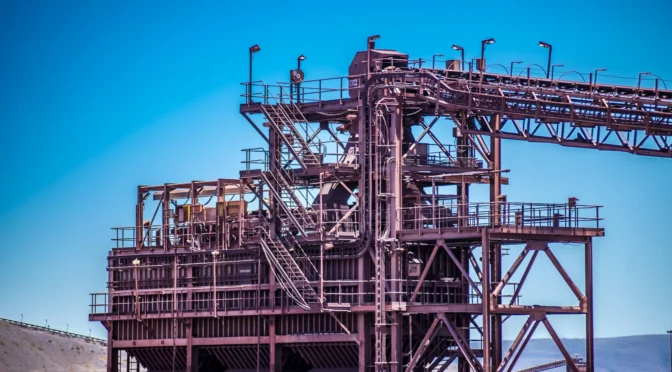
A complete Weba transfer point incorporates the head chute, screens and surrounding processing equipment to support efficient material handling.

Achieving these improvements may require modified chute geometry or heavier wear liners, Dewald Tintinger, Technical Manager at Weba Chute Systems says, but effective optimisation really begins with understanding how the material itself behaves.

“The success of a custom engineered transfer chute starts with understanding the movement of a specific material at the transfer point,” Tintinger explains. “The designs for handling sticky manganese ore, cohesive clay or abrasive run-of-mine ore is likely to be different, so a one-size-fits-all rule cannot be applied.”

A view through the inspection door shows controlled material flow over the engineered lips of a Weba chute.

In its design process, Weba Chute Systems analyses the flow characteristics of representative material samples under varying moisture contents, pressures and flow angles. These results are then combined with decades of practical field experience accumulated from more than 5,000 chute installations worldwide. While discrete element modelling (DEM) has become an increasingly valuable visualisation tool, he emphasises that simulation alone cannot replace sound engineering judgement.

“DEM is valuable for validating and illustrating material behaviour,” he says. “However, understanding how materials behave over extended operating periods – and how factors such as moisture, fines generation and changing operating conditions influence flow – still rely on engineering experience and proven design methodology.”

This systems-based approach distinguishes transfer point optimisation from isolated equipment upgrades. Rather than treating a chute as a standalone component, Weba Chute Systems evaluates the interaction between conveyors, crushers, screens, feeders and mills to ensure stable material flow throughout the processing circuit.

Two Weba sampler chutes are engineered to provide controlled and consistent material flow within the sampling system.

“Each chute interacts with the process upstream and downstream,” says Baller. “Our objective is to help stabilise the entire system so that every piece of equipment operates within its design parameters.”

This holistic approach is also changing how mines evaluate capital investment decisions, he notes. Looking beyond equipment purchase costs, operators are placing greater emphasis on total cost of ownership, alongside availability, maintenance requirements, energy efficiency and long-term operational reliability.

AFRISAM INVESTS IN CLEANER COOKING TO DELIVER CARBON AND COMMUNITY BENEFITS

AfriSam is extending the impact of its carbon management strategy beyond its own operations by investing in verified local carbon offset projects that combine greenhouse gas reductions with tangible environmental and socioeconomic benefits.

As part of this approach, the construction materials company partnered with The African Stove Company (TASC) to purchase carbon offsets for its 2025 carbon tax year. AfriSam has also signed an offtake agreement for carbon offsets covering the next phase of South Africa's Carbon Tax from 2026 to 2030.

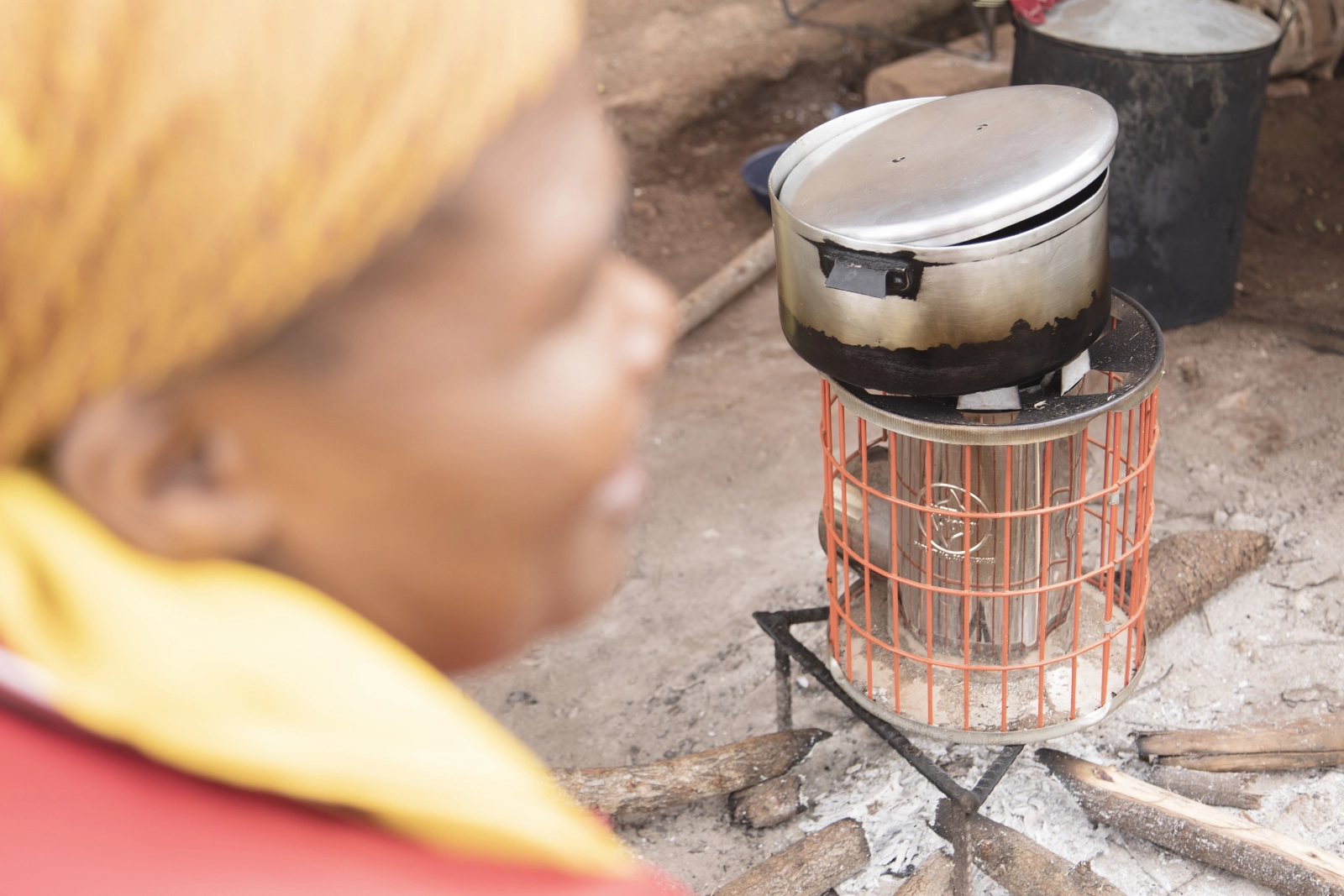
An energy-efficient cookstove distributed through The African Stove Company (TASC) project, helping to reduce firewood consumption, carbon emissions and household air pollution.

According to Marieta Buckle, Process Technology Manager at AfriSam, the initiative demonstrates how a regulatory mechanism such as carbon offsets can be used to support projects that generate broader and measurable benefits.

"Reducing the carbon impact associated with our operations remains an important focus for AfriSam, and verified carbon offsets provide us with an opportunity to complement these efforts by supporting credible South African projects," Buckle says. "Importantly, the value extends beyond carbon reduction as these projects can improve people's everyday lives while also delivering meaningful environmental benefits."

81,146 tonnes of wood saved, representing a substantial reduction in biomass consumption and helping to conserve forests while reducing greenhouse gas emissions associated with unsustainable wood harvesting.

South Africa introduced its Carbon Tax in 2019 and AfriSam has been paying tax on its greenhouse gas (GHG) emissions since its implementation. The legislation allows qualifying carbon offsets generated by approved projects to be used to reduce a portion of a company's carbon tax liability.

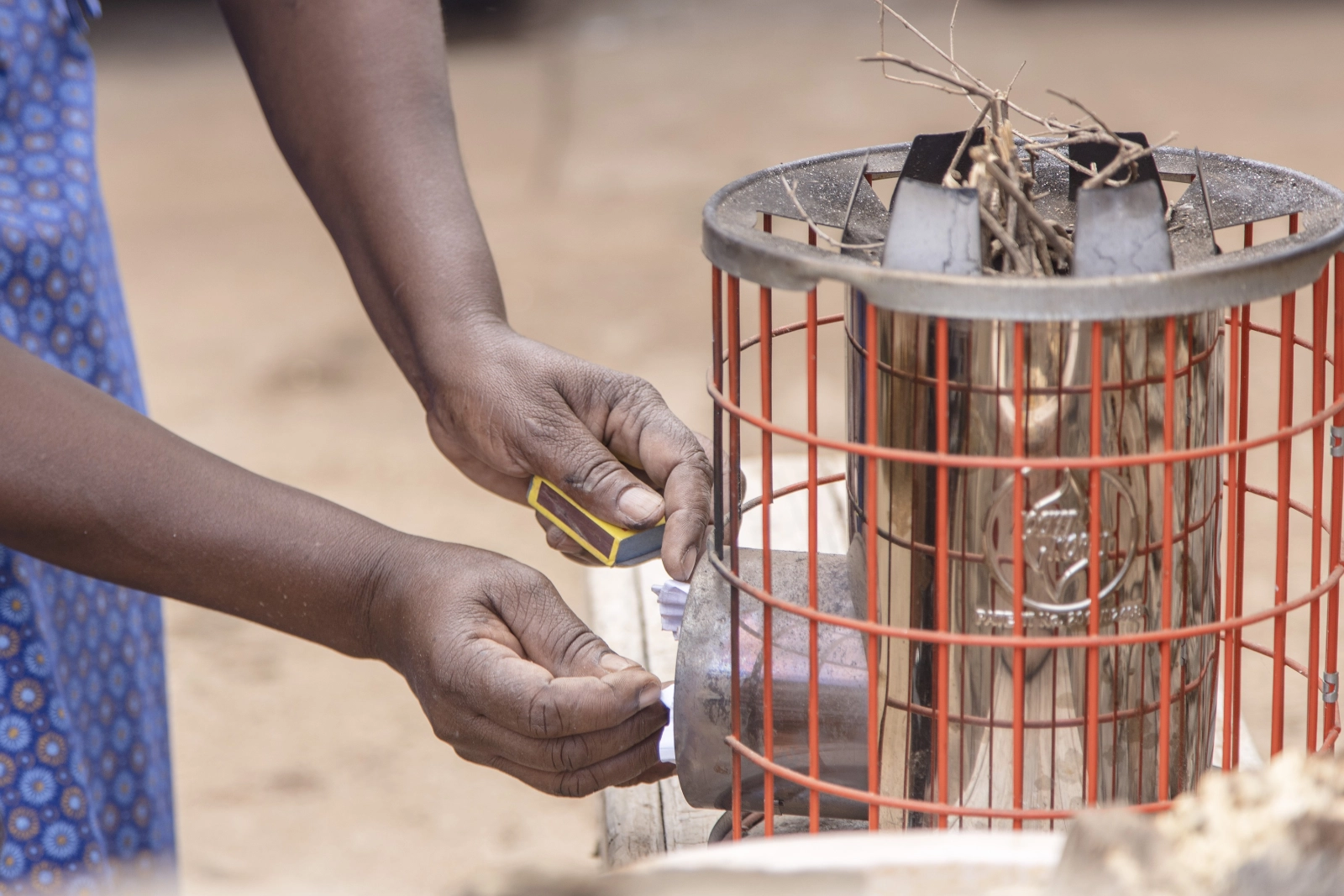
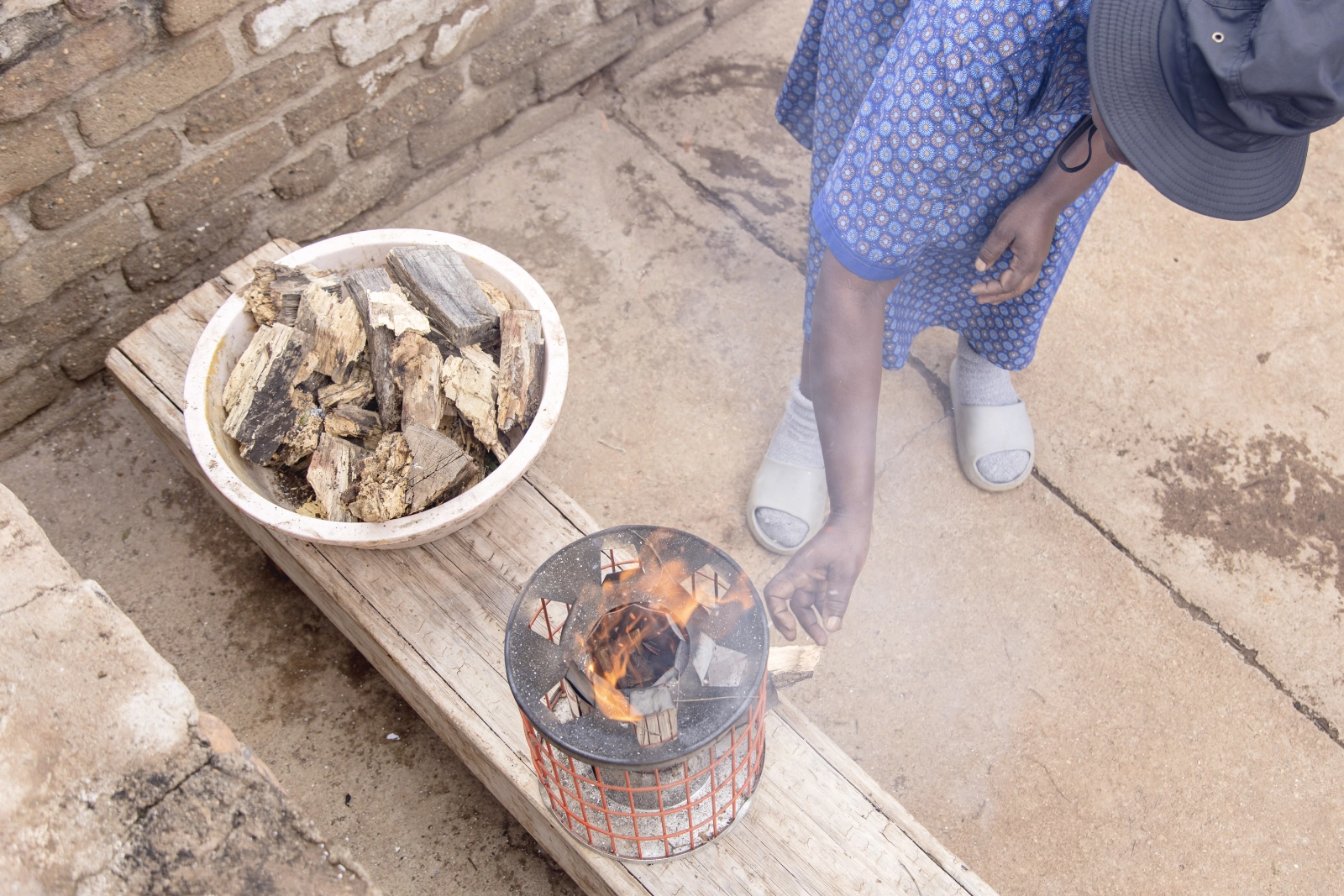
A beneficiary fuels a cookstove, demonstrating how energy-efficient cooking technology reduces firewood consumption, lowers emissions and improves household air quality.

To qualify, carbon offset projects must deliver measurable and verifiable greenhouse gas reductions and comply with the requirements of recognised standards. Projects used within the South African Carbon Tax framework must also meet the applicable local eligibility requirements.

The offsets purchased by AfriSam for the 2025 tax year were generated through a TASC project distributing energy-efficient cookstoves to low-income communities. AfriSam purchased 112,000 tonnes of carbon credits helping finance the rollout of cleaner and more efficient cooking technology to thousands of households.

The energy-efficient cookstove supports cleaner cooking while generating verified carbon reductions and community benefits.

The need for cleaner cooking solutions remains significant. More than 700 million people across Africa still rely on wood or charcoal for cooking, often using traditional open fires that burn fuel inefficiently and generate harmful household air pollution.

TASC has distributed more than 940,000 improved cookstoves across the Kruger, Waterberg and Vhembe regions of South Africa. Replacing a traditional open cooking fire with a Rocket Works Zama Zama stove can reduce wood consumption by approximately 60% and carbon dioxide emissions by up to five tonnes per household annually.

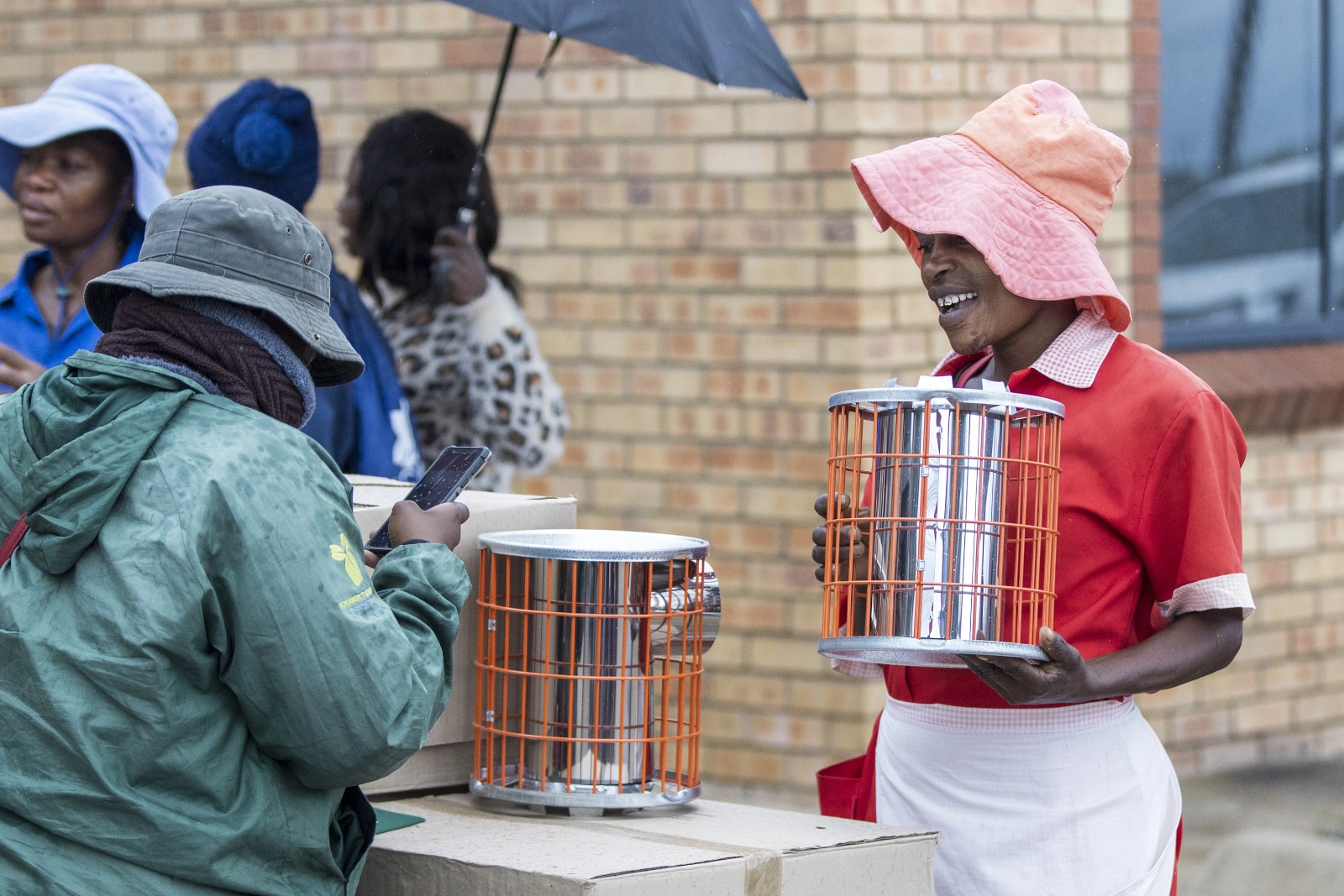
Cookstoves are distributed as part of TASC’s clean cooking and carbon reduction initiative.

The more efficient combustion process also reduces smoke by an estimated 50%, lowering household exposure to harmful air pollution. This is particularly important for women and children, who are typically most exposed to smoke generated by household cooking fires.

The carbon offsets purchased by AfriSam have supported a 112,000 tonne reduction in greenhouse gas emissions, while 27,695 households have received and used the energy-efficient cookstoves. An estimated 116,319 people are benefiting from cleaner cooking, reduced exposure to household air pollution and a lower burden associated with collecting cooking fuel.

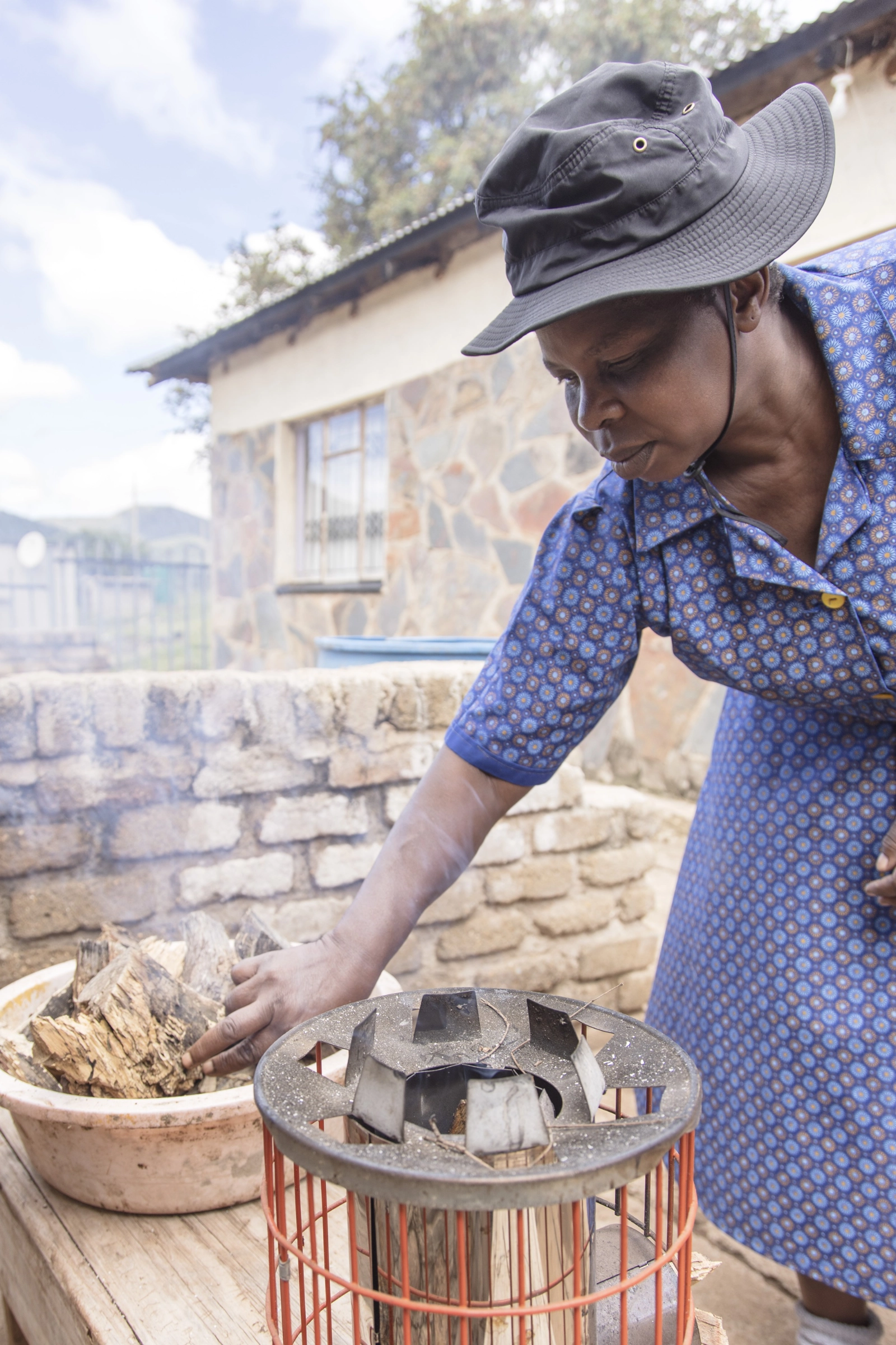
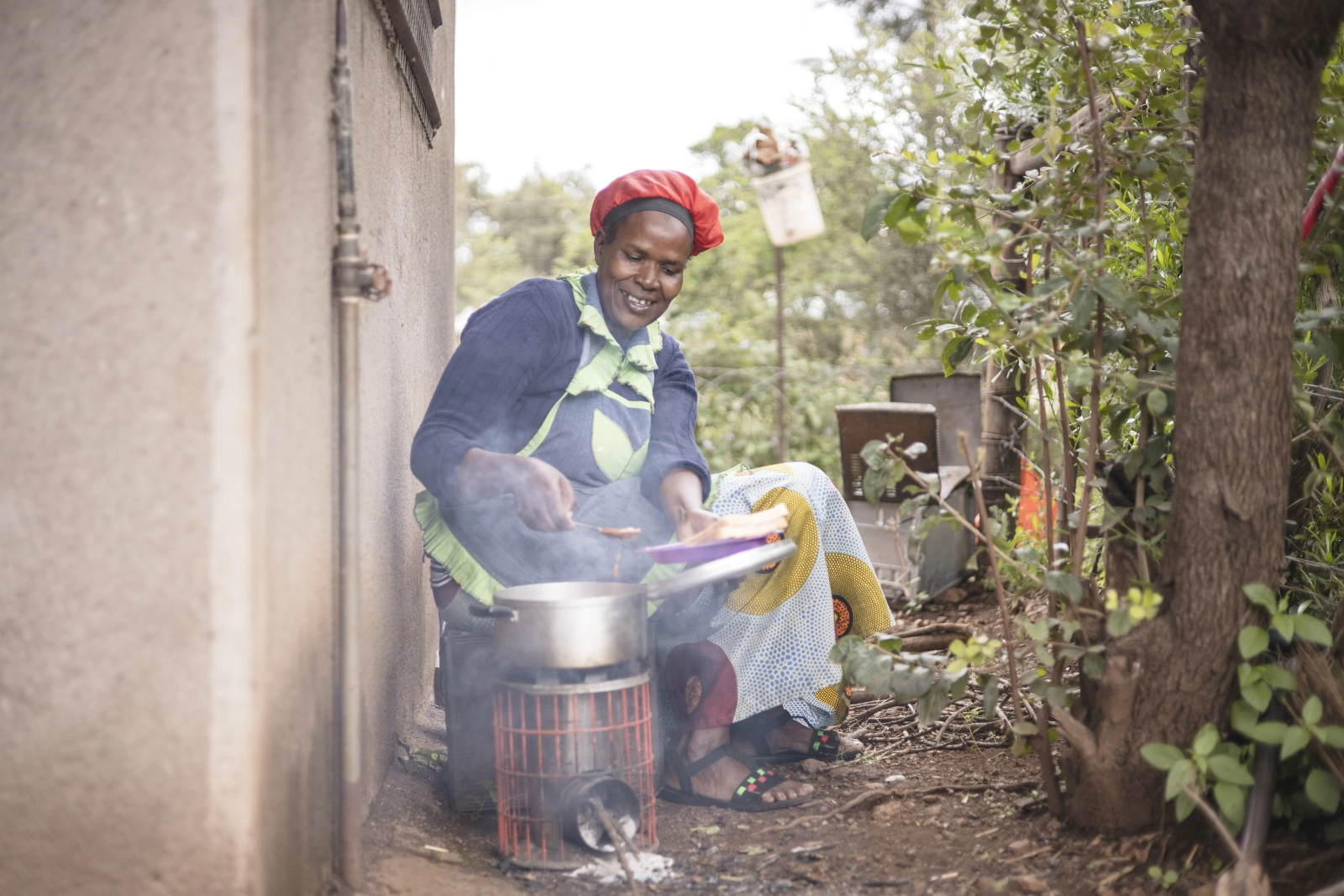
Cooking with an energy-efficient cookstove that uses less fuel and produces fewer emissions.

There is also a substantial reduction in wood consumption. Each household using an efficient stove saves approximately 2.93 tonnes of firewood annually, resulting in an estimated 81,146 tonnes of wood being saved across the households associated with AfriSam's carbon credits.

"These figures demonstrate the multiplier effect that can be achieved when carbon investment is directed into well-managed and independently verified projects," Buckle says. "The carbon reduction is measurable, but so too are benefits such as reduced wood consumption, cleaner household air and less time and effort spent collecting firewood."

An energy-efficient cookstove in use, demonstrating how cleaner cooking technology can help households reduce firewood consumption by up to 60% while lowering carbon emissions and indoor air pollution.

Reducing wood consumption also eases pressure on natural resources and lowers greenhouse gas emissions associated with unsustainable biomass harvesting.

The fuel-efficient cookstove helps reduce household emissions and supports carbon offset projects in South Africa.

AfriSam's longer-term offtake agreement with TASC will provide further support for the development and expansion of qualifying carbon offset projects. This includes a project aimed at restoring grasslands through improved livestock and land management practices.

While purchasing eligible offsets reduces AfriSam's direct Carbon Tax liability, Buckle says the company sees considerably wider value in directing this expenditure towards credible local initiatives.

Each household using one of these efficient cookstoves saves approximately 2.93 tonnes of firewood every year, reducing the pressure on people to collect firewood.

"Carbon offsets should not simply be viewed as a tax mechanism," she says. "When they are supported by rigorous verification and deliver genuine additional carbon reductions, they provide an opportunity for investment to contribute simultaneously to environmental protection, community wellbeing and sustainable economic activity."

For AfriSam, the initiative forms part of its broader focus on managing and reducing its carbon impact while supporting practical interventions that contribute towards a lower-carbon and more sustainable future.

SLR CONSULTING BUILDS ENGINEERING SKILLS PIPELINE FOR THE FUTURE

Nurturing specialised engineering skills for the business, the consulting sector and the broader local economy has become a strategic function for SLR Consulting.

According to Thembi Montsho, Regional HR Business Partner at SLR Consulting, the company is investing in graduate development, mentoring and management capability to address the engineering sector’s skills pipeline.

“The scarcity of specialist engineering skills is placing increasing pressure on consulting businesses to develop their own technical capability,” Montsho says. “It is no longer possible to rely on recruiting experienced professionals from an already limited pool.”

This has made skills development a strategic business priority, extending from university bursaries and graduate programmes to mentoring and leadership development. By supporting students through their university studies and augmenting this learning with vacation work, SLR Consulting paves the way for graduates to enter its Early Careers Development Programme.

Thembi Montsho, Regional HR Business Partner at SLR Consulting.

“This addresses the important gap between academic qualifications and the practical demands of consulting,” she explains. “Our 12-month programme currently supports between 18 and 25 people annually in South Africa, combining internal on-the-job development with external training and career guidance.”

SLR Consulting views this investment as contributing to the wider engineering and environmental skills base, rather than solely as a recruitment mechanism. Where the business cannot accommodate all its graduates, it helps place as many as possible so they can gain further industry experience – in some cases with clients.

“This approach ensures we help grow the pipeline in the industry,” Montsho says. “These skills are vital to the country and the industries we serve, so it is important to keep nurturing them.”

The skills development challenge does not end once young engineers have developed technical competence. As specialists progress, they are increasingly expected to manage projects, teams and client relationships – responsibilities for which technical expertise alone may not provide adequate preparation.

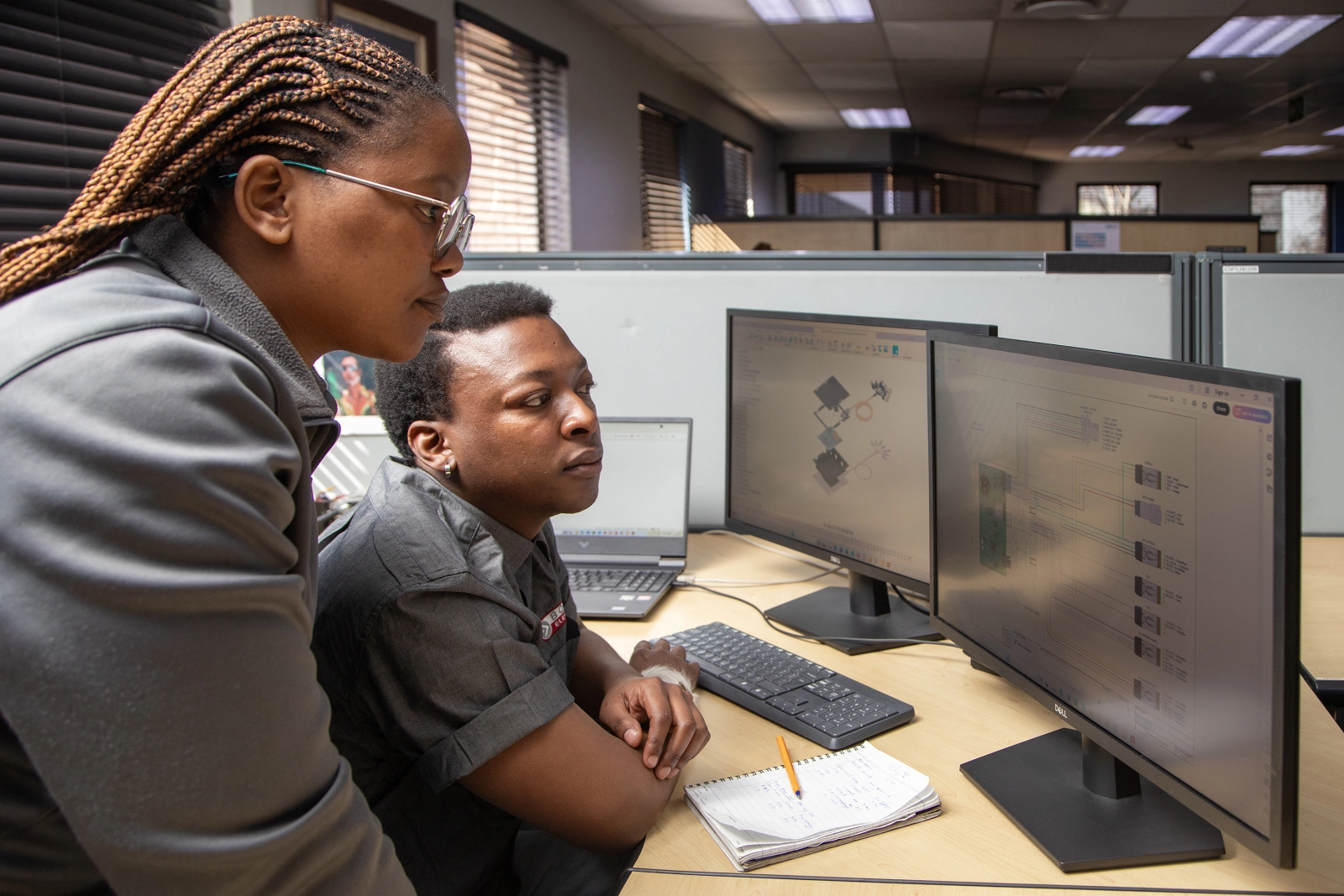
SLR Consulting is strengthening South Africa’s specialist engineering and environmental consulting skills through graduate development and mentoring.

SLR Consulting has therefore introduced an Emerging Managers Programme to address a gap identified among technically strong professionals moving into management.

“We have many technical people coming from an engineering or environmental sciences background,” Montsho explains. “As they grow within the business, they are increasingly expected to lead people.”

The programme develops people management and performance management skills, as well as expertise in employee support. Mentoring and knowledge transfer provide another important link between experienced specialists and the next generation.

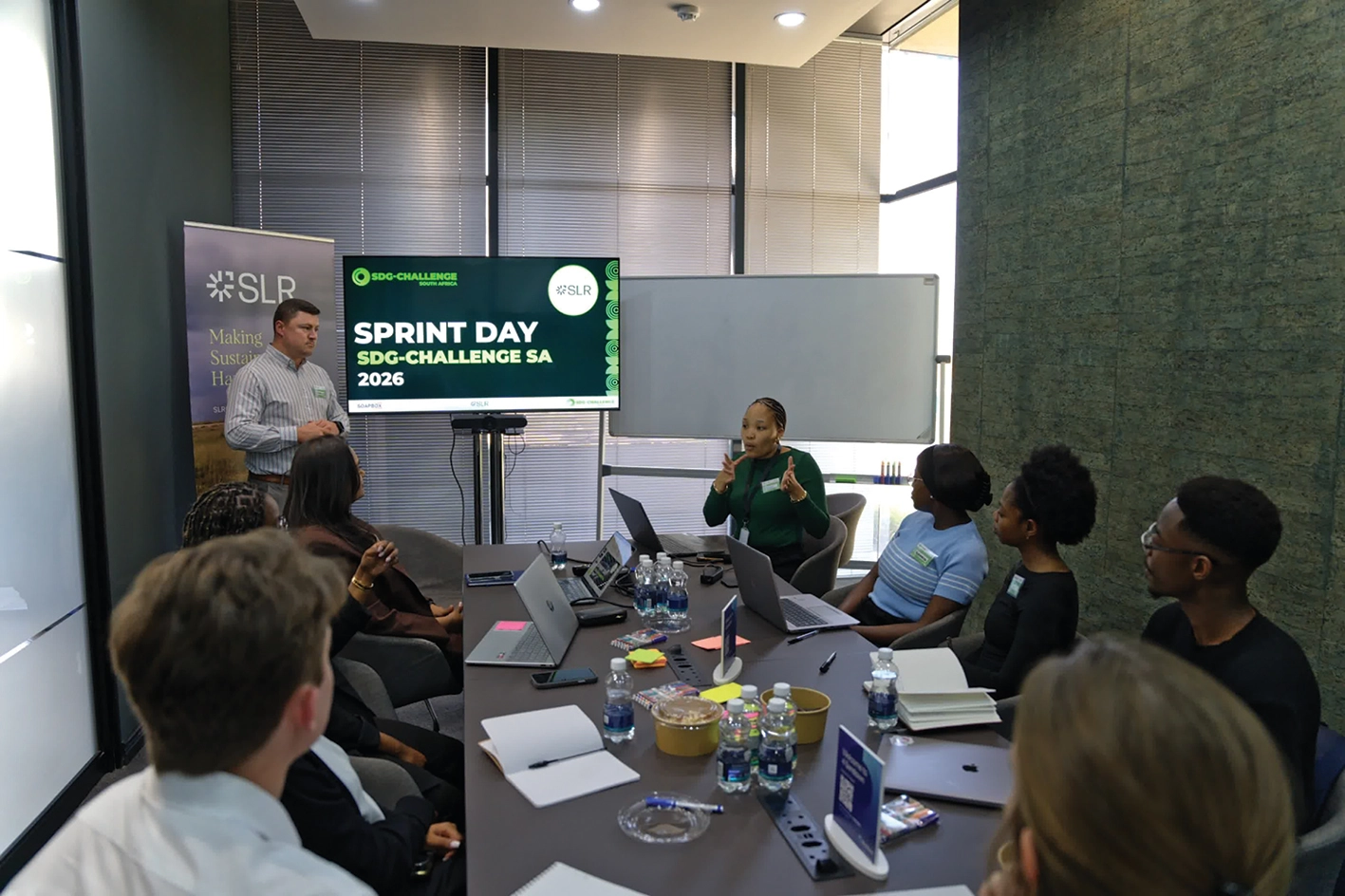
SLR Consulting is developing technical, leadership and management skills to build capability within the business and broader industry.

SLR Consulting currently has structured mentoring within its Early Careers Programme and is working towards a more formal approach that can also support junior consultants and emerging managers.

“All our efforts are working towards making sure that skills development is sustainable – providing a measurable return on investment in terms of growing the consulting skills within the industry and within the business,” Montsho says.

She highlights that key economic sectors rely on engineering consultants for technical insights based on scarce specialist expertise. This demands a level of experience developed over decades rather than years.

“The future capability of engineering consultancies depends not only on finding skilled professionals, but on deliberately growing them,” she concludes.