Category Archives: Client Focus

LABOUR COMPLIANCE BY SMALL SUBCONTRACTORS IS CRITICAL FOR SMOOTH PROJECTS

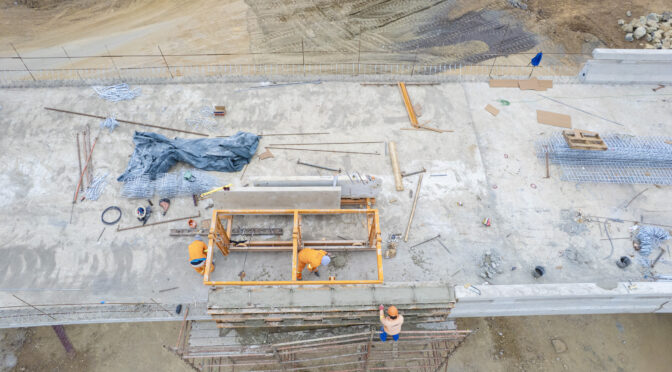
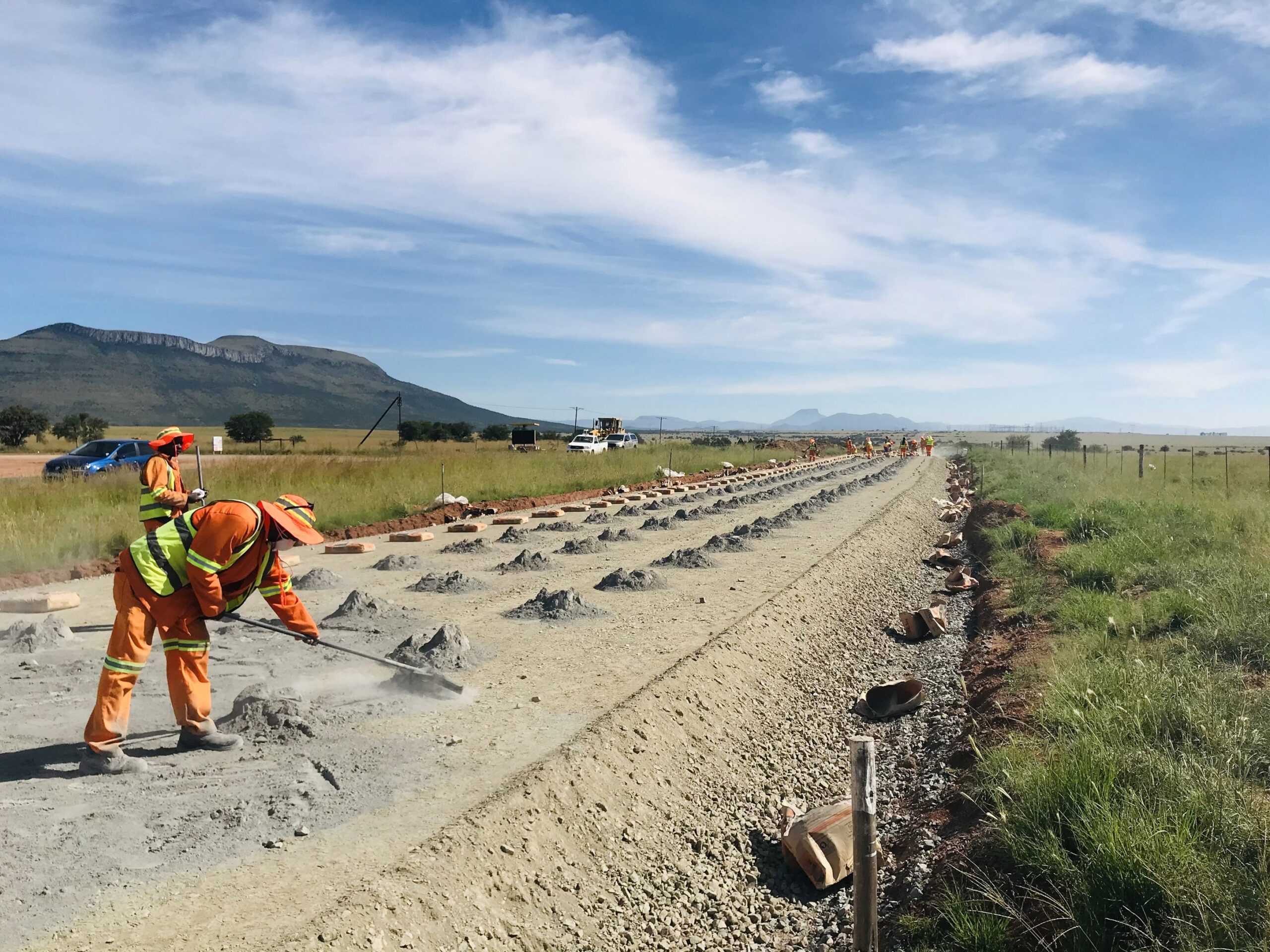
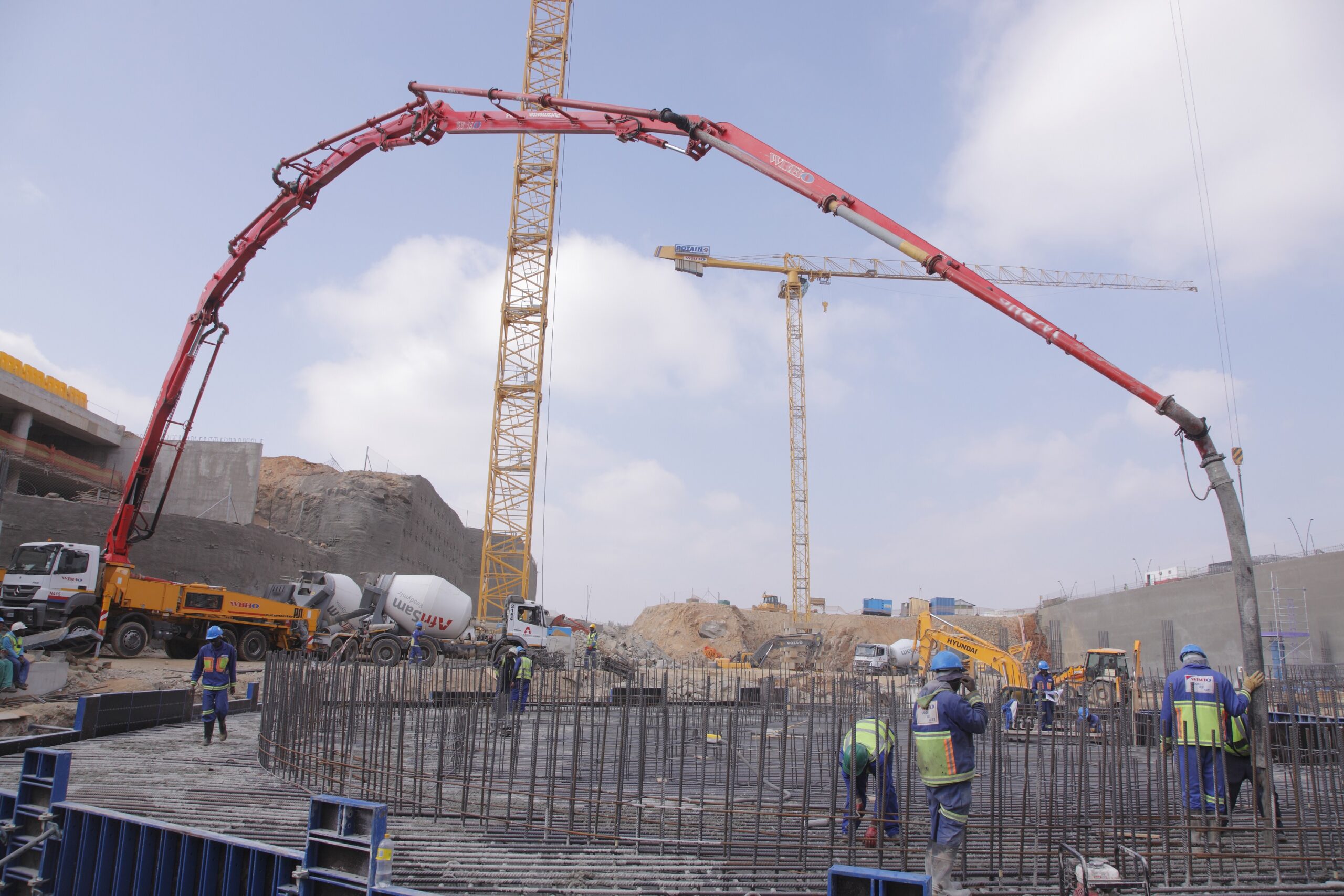
As a labour-intensive industry, civil engineering has long played a pivotal role in stimulating the growth of small businesses and subcontractors. However, while the sector creates opportunities for emerging contractors, labour compliance can present a significant barrier to entry – particularly where both large and small players do not actively embrace it as a shared responsibility.

According to Lindie Fourie, Operations Manager at the Bargaining Council for the Civil Engineering Industry (BCCEI), many emerging contractors lack the systems and administrative capacity required to manage labour compliance effectively and, in addition, may not fully understand the scope of their obligations.

“Due to their size, they often don’t have dedicated human resources to handle compliance duties,” Fourie says. “Their focus is on securing work and delivering on site, so administrative requirements can easily become secondary.”

Despite these challenges, labour compliance remains a non-negotiable pillar of the civil engineering sector, regardless of company size. Importantly, it does not have to be a burden for smaller subcontractors, as structured support mechanisms are already in place.

“The sector is committed to transformation and localisation, so there is no reason for small businesses to be excluded or non-compliant,” Fourie explains. “The BCCEI provides guidance and support and many larger contractors run supplier and enterprise development programmes that assist emerging subcontractors.”

Labour compliance includes adherence to collective agreements, minimum wages, benefits and reporting requirements. The BCCEI is mandated to regulate labour relations within the sector, providing a structured platform for organised labour and employers to negotiate collective multi-year agreements.

“The issue of minimum wages is critical to sector stability as it ensures a level playing field for all companies,” Fourie says. “Collective agreements set the minimum standards so that every employee receives a fair wage and the BCCEI ensures compliance through its inspection processes.”

A key focus of the BCCEI’s awareness initiatives is ensuring that smaller subcontractors understand and apply these minimum wage requirements when preparing their tenders and paying their employees. On a civil engineering project, all contractors and subcontractors are expected to operate under the same rules. This protects workers across the value chain, whether they are employed by the main contractor or a subcontractor.

“Compliance is vital,” she adds. “Without it, companies could undercut competitors by paying unfair wages. Given how labour-intensive construction activities are, wages represent a significant portion of project costs.”

Fourie highlights the important role that larger contractors can play in strengthening compliance through enterprise and supplier development programmes. These initiatives typically include mentoring, supervision and structured support to help emerging subcontractors build capacity, improve governance and operate sustainably.

“If contractors raise awareness about labour compliance and the BCCEI within their subcontractor base, projects are far more likely to run smoothly,” she explains. “Subcontractors need to understand compliance requirements before they even submit a formal quotation so that they can budget accurately for minimum wages and related obligations.”

She stresses that meaningful transformation extends beyond awarding work to smaller firms. It requires equipping them to operate lawfully and sustainably within a regulated environment.

“Labour compliance must form part of procurement and enterprise development strategies,” Fourie says. “Without compliance, subcontractors risk fines, back-pay liabilities and, in severe cases, being unable to complete the work. This can lead to job abandonment and disrupt the broader project.”

Where compliance failures result in subcontractor withdrawal, the consequences can ripple through the entire project – causing delays in service delivery, additional procurement costs and reputational risk for larger contractors.

CEMENTATION AFRICA TO EQUIP MINDOLA SHAFT FOR THE FUTURE OF NKANA MINE

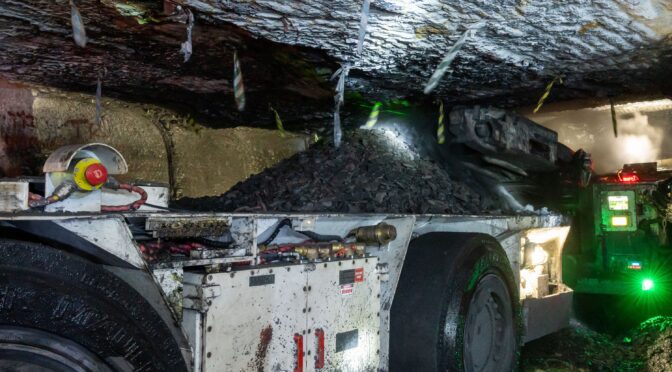
Cementation Africa is leveraging its decades of experience in shaft sinking and underground mining at Mopani Copper Mines’ Mindola shaft in Zambia – paving the way to extend the life of the Nkana mine at Kitwe and to improve its mining efficiencies. 

The scope of work comprises construction and erection of the permanent headgear including the rope-up and commissioning of the winders to enable detailed 3D scanning of the shaft to determine alignment correction and structural reinforcement to ensure safe and efficient conveyance operation. In addition, the project also includes the Installation and commissioning of an overland conveyor system. 

According to Ben Adendorff, Cementation Africa’s In-Country Executive for Zambia, the focus is on readying the Mindola shaft for production – by sliping and equipping the remaining 500 metres. 

“To determine the exact degree of misalignment, Cementation Africa will complete a 3D scan of the complete shaft,” Adendorff says. While another contractor raisebored this particular shaft, Cementation Africa successfully completed the sinking and equipping of Mopani’s Synclinorium and Mufulira Henderson shafts over a decade ago. The sinking and equipping of the 1,280 m Synclinorium shaft – at 7 m diameter – was conducted between 2011 and 2014 and was then equipped for commissioning and handover in 2016 The sinking and equipping of the 1,580 m Mufulira Henderson shaft – at 6 m diameter – was commissioned in June 2020.

“Our current work at Mindola includes the removal of the sinking headgear and winders, and the installation of a new permanent headgear, after which we can rope-up and commission the new winders,” he explains. “This will allow us to scan the shaft from top to bottom with specialised equipment, including the length of shaft already equipped above a depth of approximately 1,000 m.”

This will allow the verifying of the correctness of the existing steel members that will guide the conveyances down the shaft, and addressing of any issues  identified. Below the 1,000 m mark. The bottom 500 m of the shaft barrel will then be sliped and lined to ensure a true vertical line through which the conveyances can travel safely. 

“We will the proceed with the equipping of the shaft and construction of  the loading box steelwork at the shaft bottom,” he says. 

The company’s legacy in some of Africa’s deepest and most challenging shaft-sinking projects has been key to its success and reputation in Zambia, according to Hercilus Harmse, Engineering Services Executive at Cementation Africa. He points to southern African projects such as the 1,200 m shaft at Palabora Mining Company – safely reaching its final depth in 2024 – and the 2,750 m ventilation shaft at South Deep. 

“Many of our projects are conducted in environments where there are poor ground conditions or where extensive de-stressing of rock is required,” Harmse says. “We bring this experience into our designs and execution ensuring that we can apply innovative solutions – using our fleet of specialised equipment for rigging, winding and shaft sinking.”

Safety remains a cornerstone of Cementation Africa’s reputation in Zambia and globally, highlights New Business Director Graham Chamberlain. Over the last 12 years of shaft sinking and mine development, the company has achieved over eight million fatality free shafts.

“This is the result of consciously building a safety culture on every site and prioritising safety in all our planning and design work, using industry experience to learn from every incident,” Chamberlain says. “Particularly with equipment that is critical to safe operations, we develop and apply duplicate systems so there is always a backup. With winders, for instance, we ensure that an electronic system will be duplicated by a mechanical system in case of failure.”

Adendorff notes that, while technical capability and experience have made Cementation Africa the preferred contractor in its field in Zambia, the company has also made an important community contribution through its long presence in the country. This includes the building of a school for the deaf in 2016 – which today caters to over 100 children – and an orphanage feeding scheme.

“Our history in Zambia has also made us an employer of choice, as everyone knows our value system and the respect with which we treat our employees,” he concludes. 

BOOYCO ENGINEERING STRENGTHENS GLOBAL DEFENCE FOOTPRINT WITH MISSION-CRITICAL HVAC SOLUTIONS

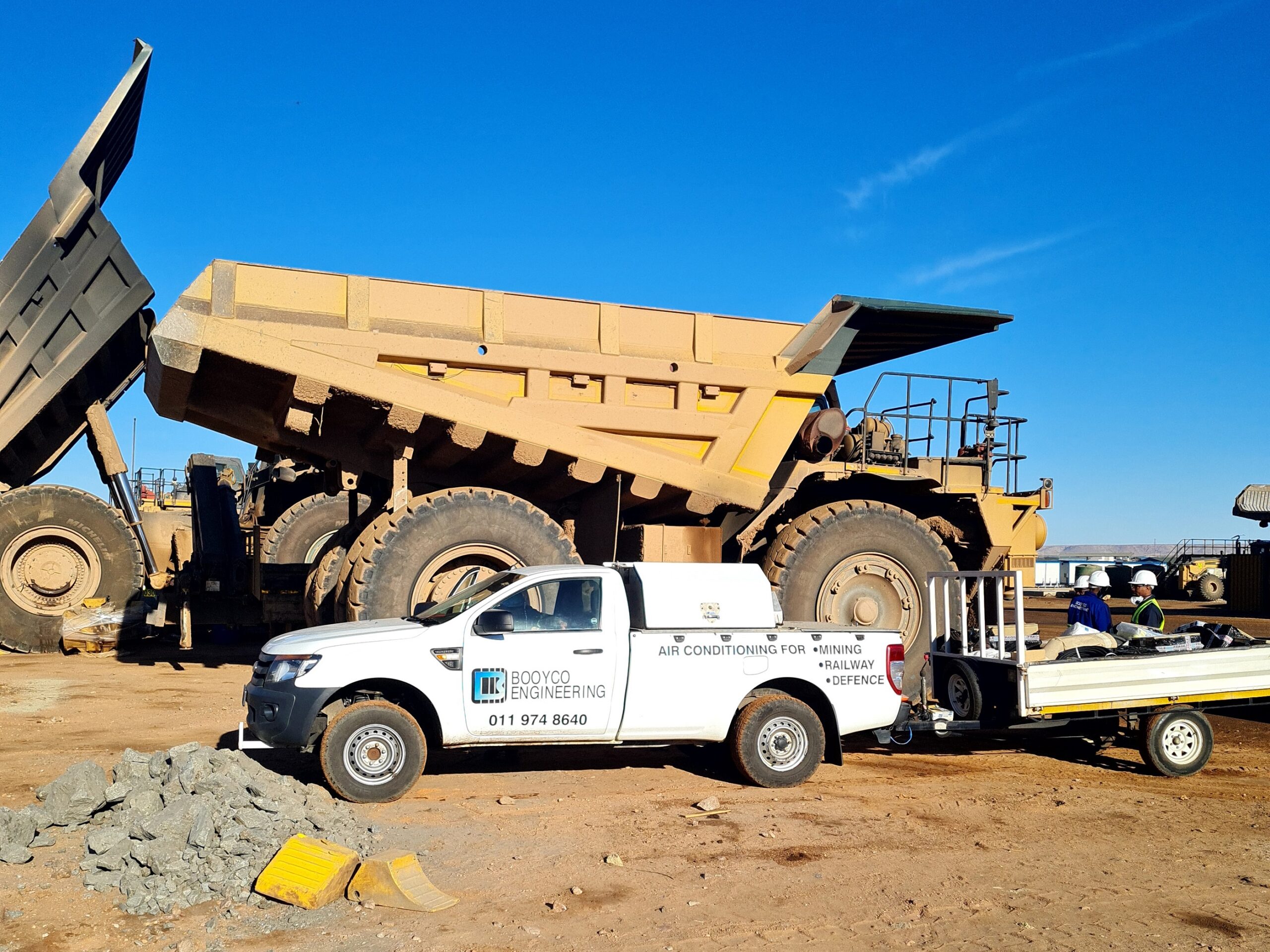
As geopolitical uncertainty drives renewed defence investment in many regions, South Africa-based Booyco Engineering is providing specialised industrial HVAC solutions to a global customer base. 

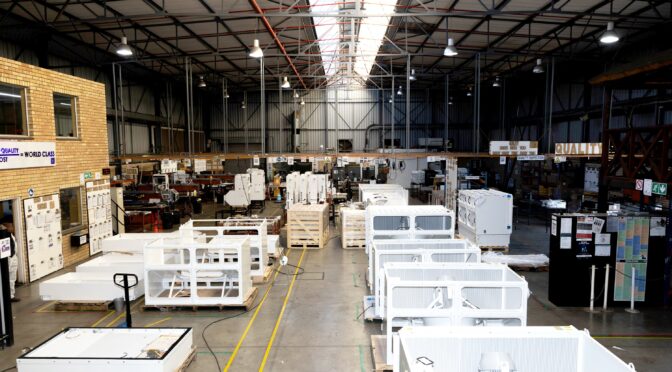
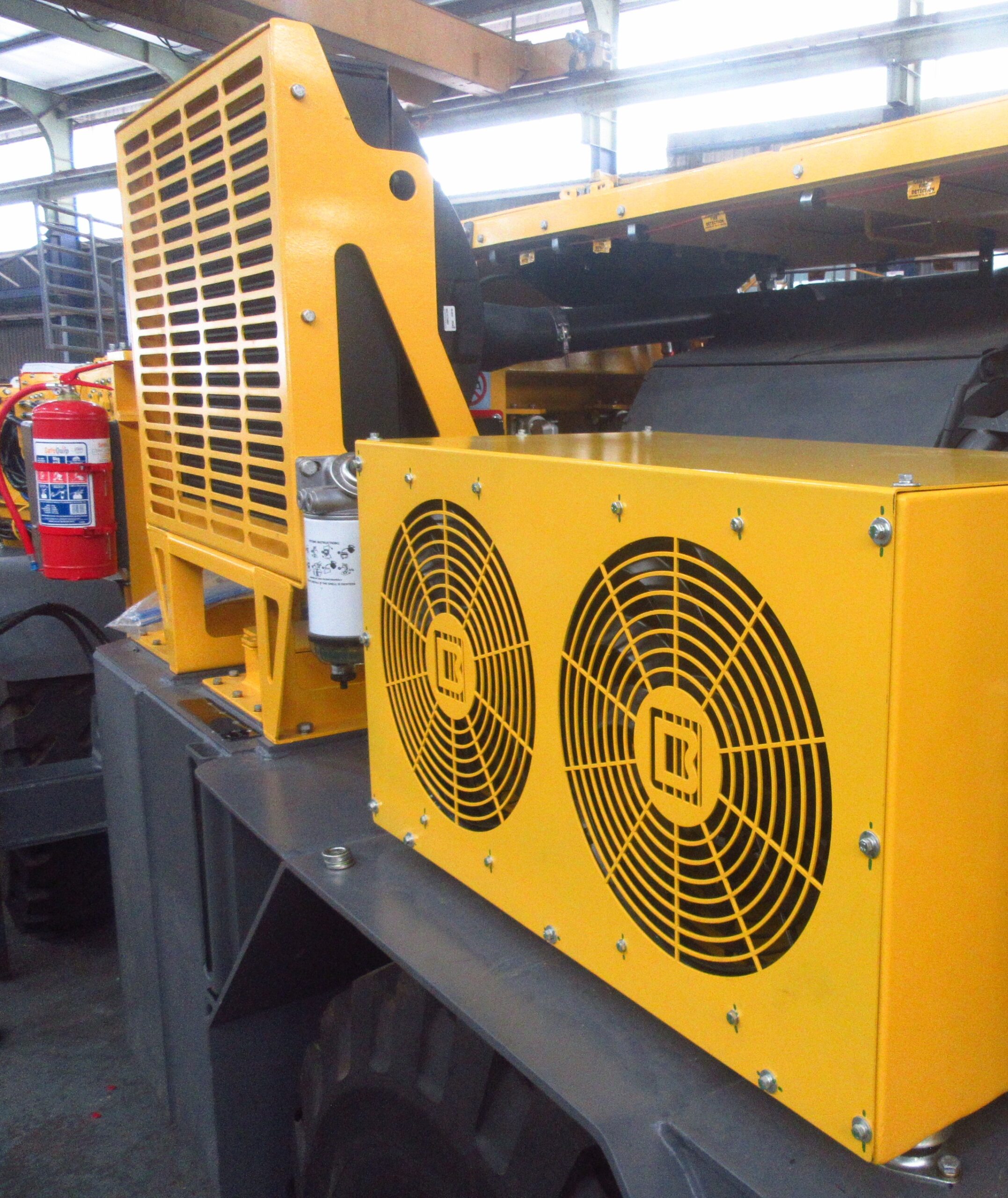
Among its recent projects have been the design and manufacture of complex cooling systems for radar jamming shelters as well as for leading edge military amphibious vehicles. According to Grant Miller, Executive Director at Booyco Engineering, the company’s decades of engineering experience and proven track record in mission-critical HVAC solutions has built its reputation in the defence sector.
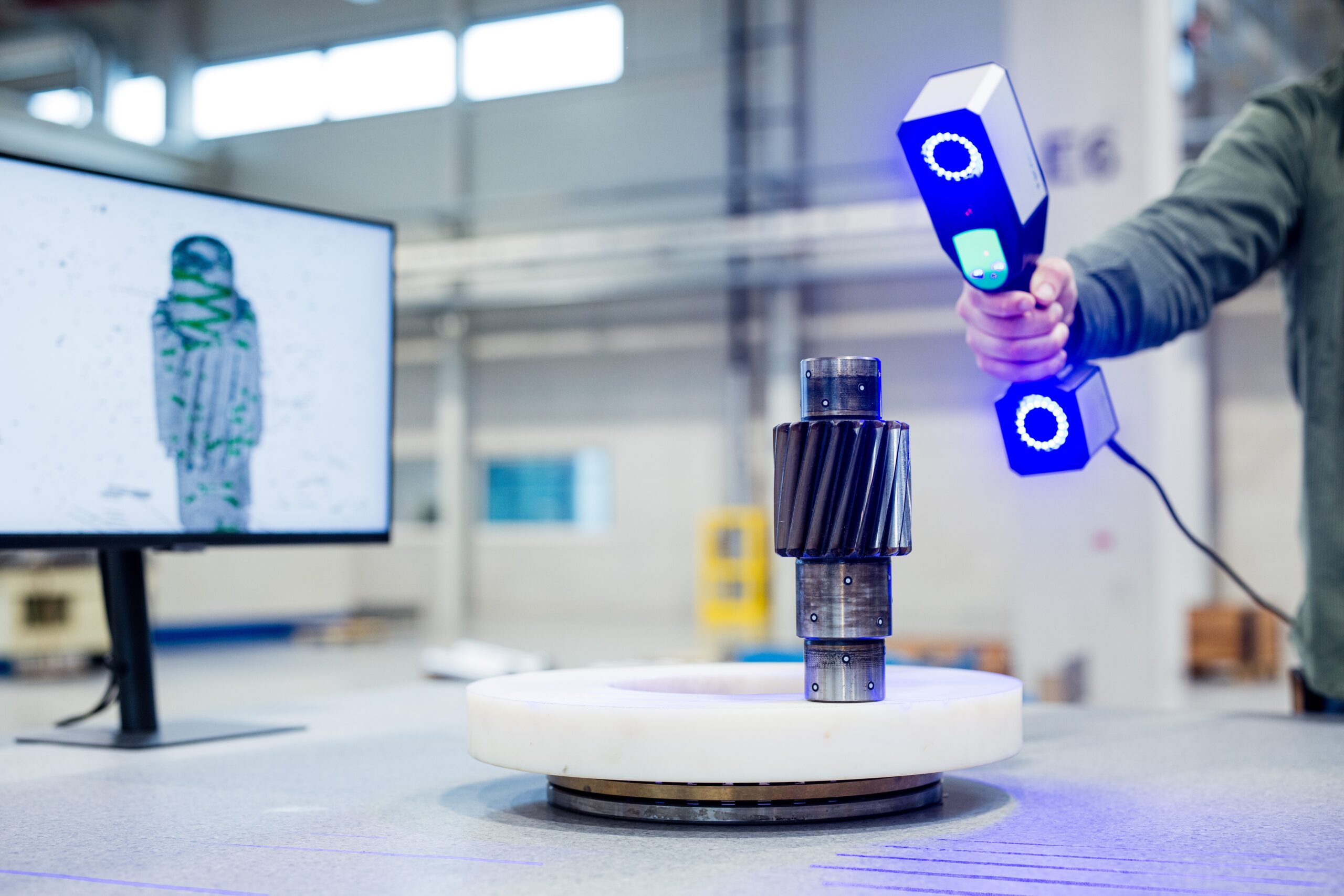
“We engineer our systems to suit the particular demands of complicated military equipment, designed for the harshest conditions while still meeting onerous specifications,” Miller says. 

In one recent project, these custom engineered solutions are being fitted to specialised hard-skinned radar jamming shelters – manufactured in South Africa by ADG Mobility for export. Built on an ISO-container footprint, these shelters house sensitive electronic systems, radar-interference technology and ballistic protection rated to withstand light arms fire.

“This environment creates severe thermal and electromagnetic demands,” he explains. “Not only must the HVAC system maintain stable internal temperatures for both personnel and electronics, but it must do so while complying with rigorous electromagnetic interference (EMI) standards.”

To meet the demanding electromagnetic compatibility requirements, Booyco Engineering designed the system in accordance with US military standards 461F, which governs electromagnetic interference in military environments. 

“When you are dealing with radar-related systems even small emissions can compromise performance – so the HVAC unit itself must be part of the protection strategy,” he says. “Acoustic considerations are also important, to ensure a quiet working environment; our system therefore operates at around 50 dB, significantly quieter than a typical office unit.”

To meet the extreme thermal specifications imposed by the shelters, the HVAC system is engineered for operating temperatures from minus 40°C to plus 55°C, with a maximum cooling output of 9 kW and heating of around 6,5 kW. The HVAC design must also accommodate the challenging shock and vibration demands of mobile military platforms, aligning with both MIL-STD-810G and the AECTP-400 requirements for mechanical stresses.

“These shelters are mounted on military trucks that move over rough terrain, so the system must endure the same treatment,” Miller says. “It is not a plant room system; it has to survive real military deployment.” 

Other features of the system include chemical, biological, radiological and nuclear (CBRN) filtration as well as cyclonic dust filtration for high particulate environments. There are also built-in test functions and sensors such as onboard carbon dioxide monitoring and advanced digital scroll compressors that ensure tight thermal stability for sensitive equipment. Despite the system’s complexity, Booyco Engineering designed and developed the shelter HVAC in an accelerated timeframe, he notes.

“It has been a rapid development programme, made possible by the foundation of knowledge and experience Booyco Engineering has built up from previous systems engineering,” he says. 

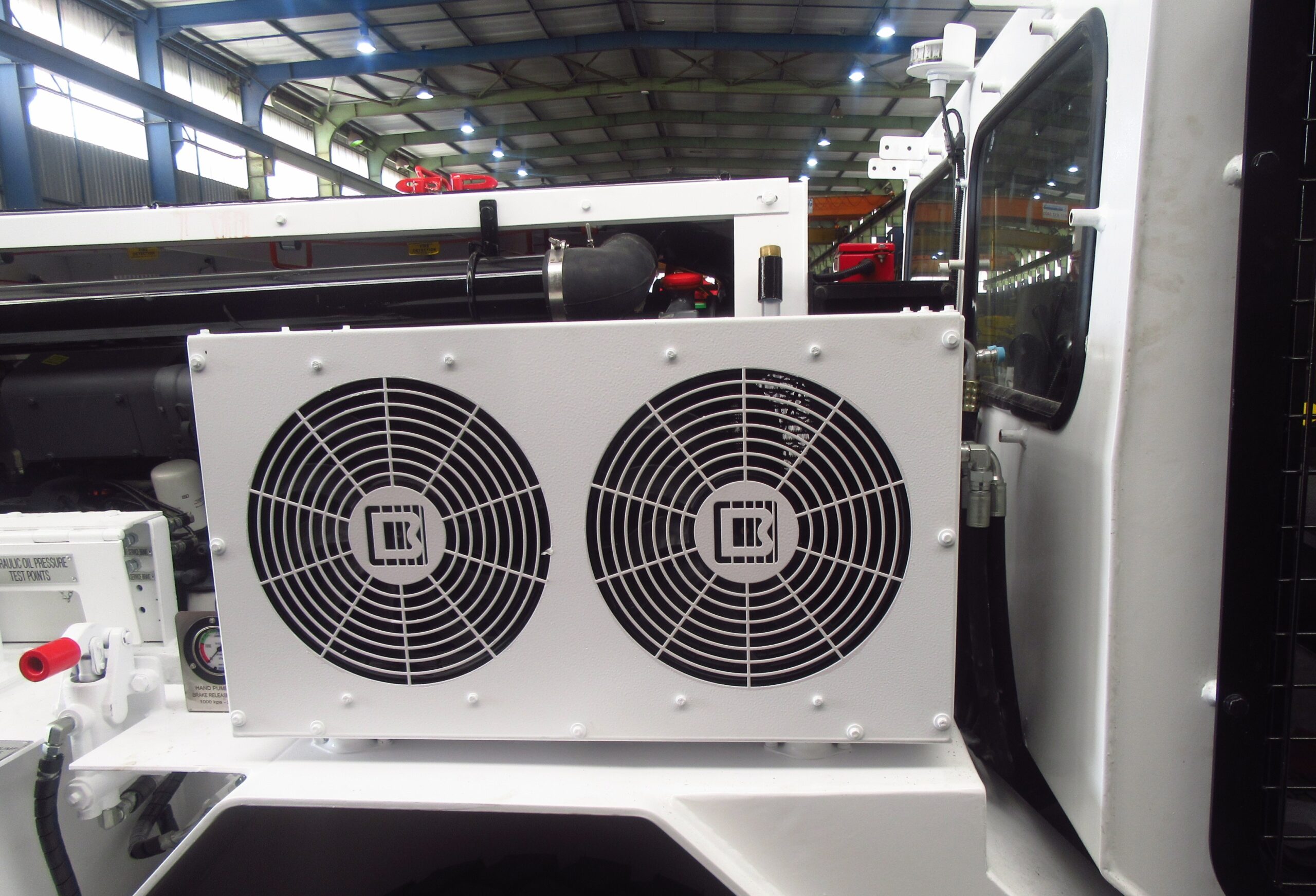
In a separate contract with a southeast Asian government, Booyco Engineering is supplying a dedicated HVAC solution for a latest generation 8×8 amphibious infantry fighting vehicle. Rated for operation up to 49°C and down to minus 10°C, the Booyco HVAC unit integrates CBRN filtration and advanced environmental protection. 

“The CBRN system protects occupants of the vehicle from harmful gases or chemical agents,” Miller explains. “The filtration activates and removes harmful particulates and gases through high efficiency particulate air (HEPA) and carbon filters to protect both the crew and the vehicle’s electronics.” 

Having built a strong relationship with this customer over almost 15 years, Booyco Engineering has successfully developed systems that withstand exceptionally harsh climatic and operational conditions. In amphibious applications, for instance, humidity and salinity – as well as rapid thermal shifts and continuous vibration – create a uniquely demanding environment for climate-control systems, he says. The project includes a full prototype as well as several pre-production units to undergo qualification testing. 

NEXT-GENERATION LOKOTRACK LT400J DELIVERS HIGH-OUTPUT, ENERGY-EFFICIENT PRIMARY CRUSHING TO AFRICA

Africa’s mining, aggregates and construction sectors will gain a productivity and efficiency boost with the arrival of the Metso Lokotrack LT400J – now available through Pilot Crushtec.

The advanced high-capacity Metso LT400J marks the next generation of Metso Lokotrack EC range, according to Charl Marais, Sales Manager at Pilot Crushtec. Featuring a diesel-electric drive system, it makes operating costs even more economical.

“The LT400J is designed as a true production machine,” Marais says. “It is built to run for long periods with minimal interruption, while maintaining high throughput and reliability in demanding applications.”

Typical production rates range between 300 and 600 tonnes per hour, depending on application conditions, making it suitable for primary crushing circuits on mines as well as large quarrying or recycling operations. Its energy efficiency and reliability underpin longer work cycles, he explains.

The C120 jaw crusher’s nip angle can be adjusted and with three nip angle adjustments linear utilisation is improved in various feed material conditions and production rates. 

“This machine can operate for up to 50 hours before refuelling which reflects a significant fuel saving compared with conventional diesel-hydraulic machines,” he says. “Lower fuel consumption of course also directly reduces operating costs.”

Operational economy is further enhanced by flexibility in power sourcing, as operators have the option to connect directly to grid electricity, reducing fuel usage and emissions even further.

Wayne Warren, Africa Sales Manager at Pilot Crushtec, notes that having all the main process functions electrically driven improves overall efficiency while helping to deliver more consistent performance over time.

“Electric drive systems maintain stable performance regardless of temperature variations, as there is less efficiency loss associated with hydraulic oil heating or component wear,” Warren explains. “This translates directly into improved operational consistency which is a key factor in maintaining steady production rates.”

A major step forward in the Lokotrack LT400J is its expanded digital control architecture, significantly enhancing usability and operational precision. Warren highlights the redesigned remote-control system as one of the most noticeable upgrades.

“The remote is no longer just a basic control unit,” he explains. “It now features an LCD screen that allows the operator to see machine functions in real time and make adjustments directly from where they are standing.”

This reduces the need for two-person coordination during setup or adjustment; traditionally, one operator would be stationed at the machine and another on the controls. With the Metso LT400J, a single operator can monitor and manage key functions more safely and efficiently. The interface is also more intuitive, aligning well with younger operators accustomed to digital devices and touch-based navigation.

Marais adds that the machine’s intelligent remote monitoring systems incorporates more sensors than previous models.

“There is a higher level of feedback from the machine,” he says. “That allows operators to adjust parameters such as crusher settings and conveyor positions without physically intervening which is a significant time-saver and an added safety benefit.”

The digital controls support improved production consistency and preventative maintenance by providing clearer operational data and system status information. Customers can respond more rapidly and conduct quicker troubleshooting, reducing unnecessary stoppages and limiting downtime.

The significant technological advances in the LT400J – in terms of software, sensors and control philosophy -call for a high level of technical understanding for both operation and maintenance. Typical customers are therefore expected to be sophisticated operators with the necessary skills and resources.

“Our strategic relationship with Metso ensures that Pilot Crushtec continuously develops its aftersales support, training and technical readiness for new technologies,” Warren says. “We invest in ensuring that both our teams and our customers are equipped to manage the advanced digital and electrical systems on the crushing solutions we provide.”

For the arrival of the Metso LT400J in South Africa, two senior Metso master technicians, including one from the factory where it was built, were hosted at Pilot Crushtec’s Jet Park facility to conduct in-depth training sessions with the local technical and workshop teams.

“Working directly with the factory specialists allows our technicians to fully understand the machine, its capabilities and its complexities,” he says. “With any new generation machine, there is always an element of training.”

He emphasises that the Pilot Crushtec team is also well equipped to assist customers with upskilling their operators and maintenance teams so they can extract full value from the technology.

Marais highlights how the improvements in design impact both operation and maintenance, reflecting Metso’s broader design philosophy of integrating real-world operational feedback into equipment development. He points to the redesigned extended discharge conveyor as an example.

“The discharge conveyor can operate at three different angles,” he explains. “You can raise it to build a higher stockpile, lower it to feed directly into the next unit in the crushing circuit or drop it horizontally to the ground for maintenance access.”

This last function is particularly significant as it allows technicians easier access to the underside of the jaw crusher – an area that often becomes difficult to inspect or service on conventional machines.

“Liner changes have also been simplified,” he notes. “The LT400J incorporates dedicated lifting tools and improved access around the fixed jaw end, making the removal and replacement of wear liners safer and more efficient.”

In addition, the bypass chute behind the jaw crusher is hydraulically adjustable, allowing it to move away from the service area and improve working space during maintenance. Warren adds that the machine was effectively redesigned from the ground up.

“Every aspect was reviewed and improved where it could be,” he says. “There is now enhanced engine access through large gull-wing doors, for instance, providing clear unobstructed access to service components.”

Combined with reduced hydraulic complexity – including a much smaller hydraulic tank used primarily for tracking and setup – these design improvements help shorten service times, reduce maintenance effort and ultimately increase machine availability in demanding African applications.

Enhancing the value of mobility in crushing, the Metso LT400J’s track-mounted design allows rapid relocation within a site or between sites, enabling operators to respond quickly to changing production requirements.

FACT BOX – METSO LOKOTRACK LT400J

  • Track-mounted mobile jaw crusher
  • Part of the Metso Lokotrack EC range
  • Available in Southern Africa through Pilot Crushtec
  • Diesel-electric drive system
  • Optional connection to grid electricity
  • Production capacity is ±300 to 600 tph (application dependent)
  • Up to 50 hours operating time before refuelling
  • Electrically driven main process functions
  • Advanced digital control architecture with LCD remote
  • Expanded sensor integration for real-time monitoring
  • Three-position extended discharge conveyor
  • Hydraulically adjustable bypass chute
  • Reduced hydraulic complexity for simplified maintenance
  • Designed for primary crushing in mining, quarrying and recycling applications

INTEGRATED PUMP TECHNOLOGY CONTINUES TO STRENGTHEN SOUTH AFRICAN MINING SUPPORT

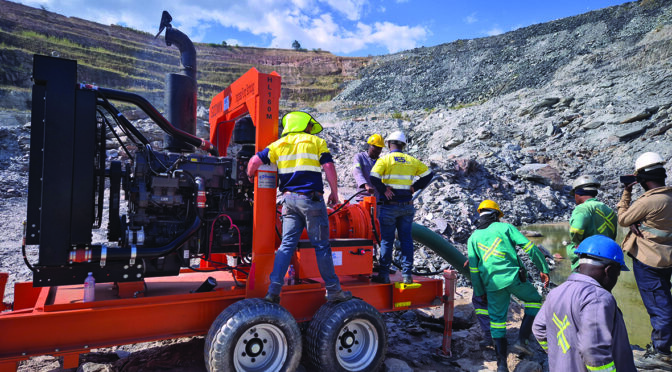
While Integrated Pump Technology has achieved remarkable growth across Africa, the company continues to place strong emphasis on supporting South Africa’s mining sector with world class dewatering pump solutions.

Founded in 2014 as the official Grindex submersible pump distributor for southern Africa, the company has steadily expanded the footprint of this globally respected brand. Grindex pumps are now well established in both underground and surface mining operations throughout South Africa, trusted for their reliability and performance in demanding dewatering conditions.

In recent years, Integrated Pump Technology added the well-known Godwin diesel-driven pump range to its offering – and demand has been exceptional. Managing Director Jordan Marsh attributes the success of both product lines to the company’s responsiveness, depth of technical expertise and its strategically positioned distributor and reseller network.

“Our strength lies in ensuring that customers have easy access to the right pump for their application, backed by the highest level of aftermarket support,” Marsh says. “We have invested significantly in building technical competence across our network so that customers, wherever they are located, receive world class service and support.”

This extensive network covers all major mining regions of South Africa including the North West, Northern Cape, Limpopo and Mpumalanga and extends into neighbouring countries such as Botswana, Namibia, Zambia and the Democratic Republic of Congo (DRC). Each distributor has been carefully selected for their technical capability and understanding of local mining conditions, enabling Integrated Pump Technology to respond rapidly to customer needs and provide localised support without delay.

Marsh explains that correct pump selection is critical for effective dewatering especially in mining where the consequences of downtime are costly. “The temptation to select the cheapest option can prove shortsighted. Each dewatering application is unique and ensuring that the pump is correctly matched to its duty requires input from skilled personnel who understand the operating environment.”

To this end, Integrated Pump Technology frequently deploys its own technical specialists to conduct on-site assessments for customers, ensuring that every installation is engineered for optimum performance and reliability.

“We pride ourselves on being more than a supplier – we are a solutions partner,” Marsh adds. “Our role is to help mines achieve safe, efficient and continuous operation through dependable dewatering systems that are correctly specified and properly supported.”

Through this combination of technical depth, customer focus and reliable product brands, Integrated Pump Technology continues to set the benchmark for dewatering excellence – both within South Africa and across the African continent.

MULTI-DISCIPLINARY INTEGRATION VITAL TO SUCCESS OF GREEN HYDROGEN PROJECTS, SLR CONSULTING

The emerging green hydrogen economy holds significant promise for the global energy transition. However, these developments present considerable challenges  – particularly in managing systems complexity and integration risk across disciplines, geographies and regulatory regimes.

According to Stuart Heather-Clark, SLR Consulting’s Power Sector Lead for the Middle East and Africa, a large-scale green hydrogen development differs fundamentally from a standalone wind or solar project.

“A typical green ammonia export scheme, for instance, is a complex chain of interdependent infrastructure, with elements that can stretch across 300 to 500 kilometres,” he explains. “Each element carries its own technical, environmental and social risk profile which must be managed by specialists across multiple disciplines working in close collaboration.”

He notes that some proposed schemes involve renewable energy capacities at a scale not yet realised elsewhere in the world. Once projects move into the 5 to 7 GW range, they exceed the benchmark of most existing wind or solar installations.

“Scale alone multiplies risk,” he says, “as land take expands dramatically, transmission distances increase and cumulative impacts become more difficult to predict and manage.”

The integration challenge begins at the engineering level. Wind farm designers, transmission line engineers, electrolyser specialists and ammonia process engineers must align their respective approaches. In addition, port designers, marine engineers and desalination experts introduce further technical assumptions and constraints.

“Environmental consultants cannot operate independently of these engineering teams,” he emphasises. “Infrastructure footprints may be determined by engineering logic – such as proximity to substations or optimal wind regimes – but without early interrogation, those decisions can inadvertently embed environmental and social risk.”

A technically ideal flat site near a grid connection for a solar installation may support subsistence farming, contain cultural heritage resources, wetlands or key biodiversity features. Transmission corridors may intersect bird migration routes while coastal intake structures can affect sensitive marine ecosystems.

“Green hydrogen projects operate simultaneously across multiple ecological domains,” he notes. “A single development can involve terrestrial biodiversity – birds, bats and vegetation – alongside freshwater systems and marine ecology while also introducing air emissions, noise impacts and industrial safety risks.”

Heather-Clark describes this convergence as a “perfect storm” for environmental practitioners. Baseline studies for wind components may require one to two years of bird and bat monitoring before layouts are finalised. Marine assessments demand specialist surveys, while industrial hydrogen and ammonia plants introduce hazardous materials whose risk must be assessed alongside ecological considerations. The geographical dispersion of assets further compounds coordination risk.

“Renewable generation may be located inland, desalination on the coast and export facilities at a port,” he explains. “Infrastructure corridors connect them, so impacts are not confined to a single footprint. They can accumulate across regions and even across jurisdictions.”

In cross-border contexts, developers must navigate and apply different regulatory frameworks while aligning local environmental legislation with international lender standards.

“The consequence is that green hydrogen developments cannot be managed as linear projects,” he says. “They are systems projects where decisions in one subsystem ripple through others.”

For example, a change in the layout of a renewable power installation can alter transmission routing which may affect biodiversity impacts. This could necessitate additional mitigation at higher capital expenditure, influencing the project’s financial model. If financial constraints arise, design optimisation may be triggered – restarting the cycle.

Heather-Clark stresses that the solution lies in early, integrated engagement. Engineers, environmental specialists and financiers must align during the concept and pre-feasibility stages. By thoroughly interrogating infrastructure footprints before designs are finalised, teams can apply the mitigation hierarchy – avoid, minimise, restore and offset – more effectively.

“This proactive approach enables greater front-end loading,” he concludes, “reducing the risk of appeals, redesigns and lender non-compliance later in the project lifecycle.”

TRAFO POWER SOLUTIONS DELIVERS FUTURE-READY ELECTRICAL INFRASTRUCTURE FOR EVOLVING MINE NEEDS

The ability to design and scale electrical infrastructure for mines’ changing needs has become a critical competitive advantage for Trafo Power Solutions, allowing customers to avoid costly re-engineering as their mines evolve.

“Mining is dynamic by nature, and this fundamentally shapes our approach to designing transformers, modular substations and other solutions for the sector,” David Claassen, Managing Director of Trafo Power Solutions, explains. “Mines often need to move equipment around, for instance, and even the load requirements may change over time – so we design with that in mind.” 

This requires that Trafo Power Solutions be engaged with the customer from the very earliest stages of a mining project, often even before formal feasibility studies begin. Mines typically require high-level estimate numbers during concept or desktop studies and this is where the company begins helping mines to shape their longer-term electrical strategy.

“We get involved at pre-feasibility or even concept stage,” Claassen says. “Our tender and proposals department is geared to provide indicative costing very quickly – using our wide reference base where we have detailed data on our extensive installed footprint.”

By entering the process early, the company can add technical value to foundational decisions, to avoid costly re-designs at a later stage. Customers are guided through the available options in aspects such as transformer sizing, substation placement and modular configurations – aligning not only with initial load requirements but with the entire life-of-mine plan.

“By talking to customers early and asking the right questions, we develop an understanding of what their future plans are and can design accordingly,” he explains. “Instead of providing a 2 MVA transformer, we might suggest a 3 MVA unit that fits the same footprint, to avoid the cost and operational disruption of upgrading.”

This approach can also help to control initial start up costs, while providing flexibility as the project evolves. He notes that containerised modular substations are increasingly favoured by mining customers for their mobility, scalability and reduced civil works requirements. In contrast to brick-and-mortar substations, modular units can be moved as the mine develops, supporting phased expansions or shifting production priorities.

“Modular substations lend themselves to flexibility because of their plug-and-play design,” Claassen says. “Our skid-mounted or mobile options are ideal for mining operations where relocation is expected, whether underground or on surface.”

This lifecycle-focused mindset allows Trafo Power Solutions to align electrical infrastructure with long-term operational realities rather than short-term project constraints. It ensures that mines can increase production, shift layouts or accelerate expansion plans without being constrained by equipment designed only for the initial build.

“Our aim is to give our clients the best possible experience at all levels – and at every stage in the life of their project,” he concludes. “We take responsibility, we ask the right questions and we make sure the infrastructure we supply keeps supporting them long into the future.”

AFRISAM BUDGET BREAKFAST HIGHLIGHTS ECONOMIC UPSIDE FROM COMMODITY PRICE SURGE

The strong rally in commodities such as gold, platinum, rhodium and palladium is creating significant windfall opportunities for South Africa to support its economic turnaround.

Speaking at AfriSam’s annual Budget Breakfast event in Sandton in February, Econometrix Chief Economist Dr Azar Jammine said the exceptional surge in commodity prices could have an “absolutely enormous” impact on the South African economy.

This year marks the eighth consecutive year that AfriSam has hosted its Annual Budget Breakdown Breakfast, bringing together key stakeholders from across the construction sector. The value of the event is reflected in the steadily increasing number of attendees each year, highlighting its growing importance as a platform for industry insight and engagement.

Dr Jammine pointed to an estimated inflow of about R350 billion into the country from commodity sales, arriving just as the economy began showing signs of recovery toward the end of last year. This follows a prolonged period during which South Africa lagged behind global growth levels, resulting in a decline in living standards of between 6% and 7% over the past eight years.

He noted that the key opportunity now lies in government directing this windfall toward higher levels of fixed capital formation through targeted investment in infrastructure, thereby creating an environment in which business can thrive.

“If this can be converted into real investment in new exploration and development in the mining sector, the knock-on effects through the rest of the economy could be unbelievable,” he argued.

Dr Jammine highlighted that the third quarter of 2025 saw a modest uptick in fixed investment of 1.1% – the first positive movement in two and a half years. The Medium-Term Budget Policy Statement released in November 2025 also indicated that the Government of National Unity was beginning to produce “some positive results,” particularly through its commitment to fiscal discipline.

Higher commodity inflows have also contributed to a stronger rand against the US dollar, helping to reduce inflation to around 3.5%. This supports government’s lower inflation target of 3% and has helped shift inflation expectations downward.

“This has meant that long-term interest rates have declined, resulting in considerable savings for government in terms of interest payments on its debt,” Dr Jammine said.

Improving economic prospects have also been recognised internationally, with ratings agency S&P Global upgrading South Africa’s credit rating for the first time in 16 years.

Turning to the construction sector – which is closely aligned with AfriSam’s core business as a leading construction materials supplier – Dr Jammine reminded the audience that the industry remains under severe pressure due to years of underinvestment in fixed capital.

“Construction, comprising both building and civil engineering, is still about 30% below where it was in 2010,” he said. “By contrast, the agricultural sector is about 70% higher than its 2010 level.”

Employment in construction has also declined, falling by around 5% compared with 2019 levels, making it one of the weakest performing sectors in the economy. Dr Jammine attributed much of the decline in gross fixed capital formation to the deterioration of state-owned enterprises.

“They have seen the decimation of the country’s infrastructure, much of which relates to the era of state capture,” he said. “There has been a rape of our resources to benefit a handful of people interfering with procurement processes and standing in the way of proper service delivery and infrastructure investment.”

This situation is closely linked to crime and corruption, he added, noting that these challenges must be decisively addressed.

While private sector investment “has not been stellar,” Dr Jammine acknowledged that it has at least continued to grow gradually over time.

Reflecting the weak state of the construction industry, the number of residential building plans approved remains subdued, at around 40 to 50% below its peak. However, he believes there are signs that this trend may be reaching a turning point.

“Non-residential building plans passed show an even weaker trend, down about 85% from the peak a decade ago,” he said. “Arguably there was an oversupply in the middle of the last decade, and the Covid-19 pandemic then dealt the sector a further blow.”

Despite these challenges, Dr Jammine noted that renewed investment in infrastructure and mining development would provide an important boost for the construction materials sector, creating opportunities for companies such as AfriSam that play a key role in supplying cement, aggregates and readymix concrete to major infrastructure and development projects.

INDUSTRY ALIGNMENT WILL DEFINE AFRICA’S PDS JOURNEY, SAYS BOOYCO ELECTRONICS

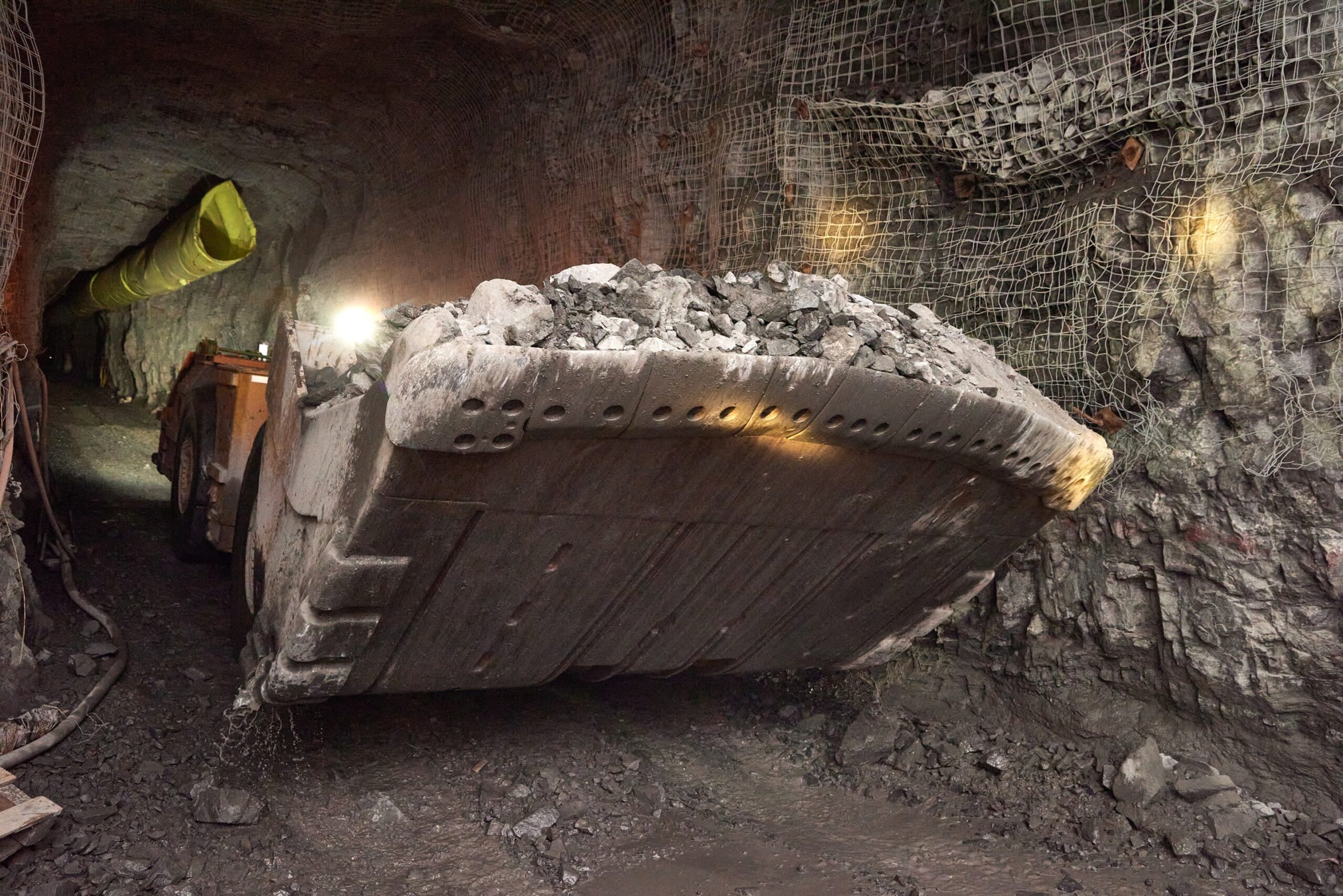
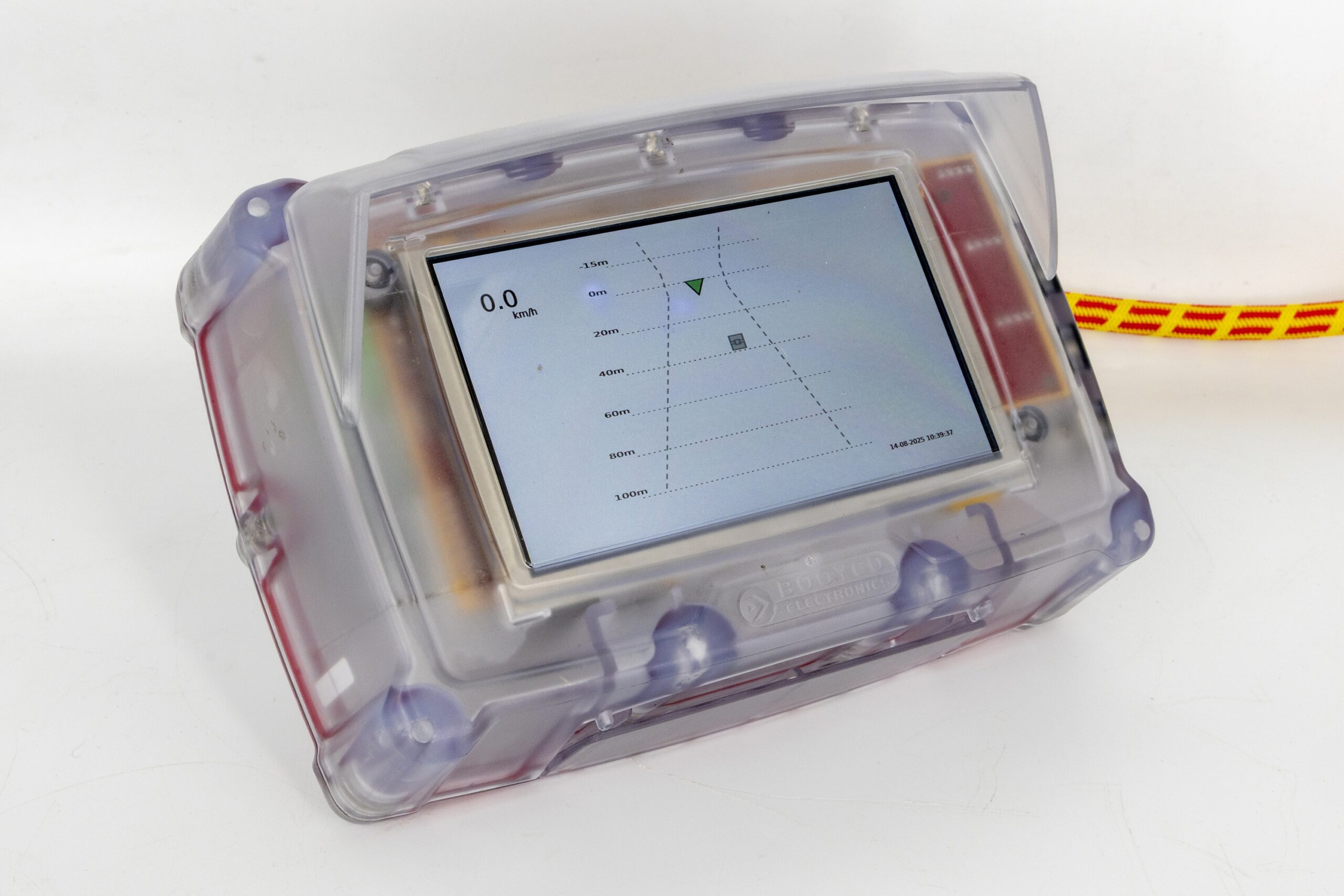
As African mines advance toward higher safety standards and respond to tightening regulations and rapid technological change, Booyco Electronics says the future of proximity detection systems (PDS) will be shaped by strong long-term industry collaboration.

Booyco Electronics CEO Anton Lourens stresses that aligned effort across the mining value chain is essential. “Effective PDS rollout only happens when technology suppliers, OEMs, mines and regulators work in step,” he says. “We have seen real progress but the industry must deepen these partnerships if we want sustainable long term success.”

Reflecting on nearly two decades of innovation, Lourens notes that Booyco Electronics has grown alongside the sector. “When we first introduced what were then called collision warning systems, the technology and regulatory landscape looked very different,” he says. “Our close work with OEMs and mines over the years has ensured that our solutions evolve with their real-world operational needs.”
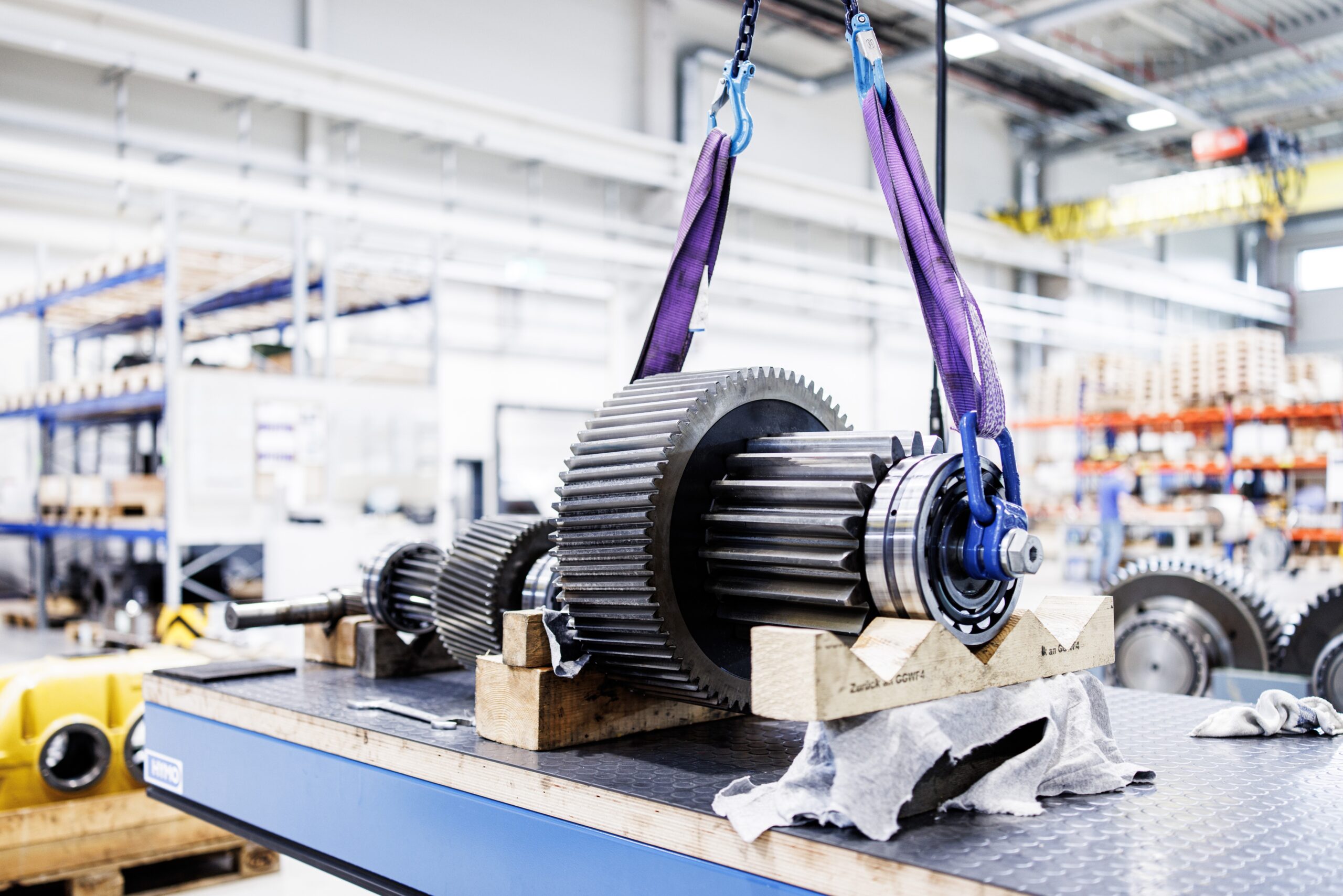
A central pillar of PDS success, he explains, is structured change management. “Phased implementation works,” he says. “When operators, supervisors and management understand the system and buy into the process, you get safer more responsive environments and far fewer disruptions.”

The introduction of South Africa’s Level 9 vehicle intervention requirement has intensified the need for collaboration. “Level 9 has accelerated conversations across the industry,” Lourens explains. “But technology alone cannot overcome challenges around operator resistance, production concerns or fears of nuisance trip-outs. Those issues require engagement, communication and shared commitment.”

He emphasises that mines involving all key departments from the outset see the best outcomes. “When production, engineering, finance, HR and safety sit around the table from day one, implementation is smoother and acceptance is higher,” he says.

Risk-led planning, he adds, is non-negotiable. “A PDS can only protect people if the mine’s baseline risk assessment is current and aligned to its traffic management plan,” Lourens states. “Without that foundation, you cannot determine meaningful intervention zones or identify the highest risk equipment.”

Operational readiness has emerged as another critical success factor. “We often find that mines have the hardware on site but the people, processes and infrastructure aren’t ready,” he says. That misalignment leads to bypassing, delays and low acceptance. The operational readiness assessments help close that gap before deployment even begins.
Lourens says the shift toward sensor fusion will depend on even greater industry cooperation. “Mixed fleets need interconnected technologies,” he explains. “Standardised interfaces are a step forward, but genuine supplier-to-supplier collaboration is what will unlock full fleet-wide protection.”

He concludes with a clear message: “PDS touches everything – compliance, mine planning, equipment design and behaviour on the ground. No single stakeholder can deliver all of that alone. Partnerships remain the backbone of a future-ready Zero Harm mining environment.”

INDUSTRY ALIGNMENT WILL DEFINE AFRICA’S PDS JOURNEY, SAYS BOOYCO ELECTRONICS

As African mines advance toward higher safety standards and respond to tightening regulations and rapid technological change, Booyco Electronics says the future of proximity detection systems (PDS) will be shaped by strong long-term industry collaboration.

Booyco Electronics CEO Anton Lourens stresses that aligned effort across the mining value chain is essential. “Effective PDS rollout only happens when technology suppliers, OEMs, mines and regulators work in step,” he says. “We have seen real progress but the industry must deepen these partnerships if we want sustainable long term success.”

Reflecting on nearly two decades of innovation, Lourens notes that Booyco Electronics has grown alongside the sector. “When we first introduced what were then called collision warning systems, the technology and regulatory landscape looked very different,” he says. “Our close work with OEMs and mines over the years has ensured that our solutions evolve with their real-world operational needs.”
A central pillar of PDS success, he explains, is structured change management. “Phased implementation works,” he says. “When operators, supervisors and management understand the system and buy into the process, you get safer more responsive environments and far fewer disruptions.”

The introduction of South Africa’s Level 9 vehicle intervention requirement has intensified the need for collaboration. “Level 9 has accelerated conversations across the industry,” Lourens explains. “But technology alone cannot overcome challenges around operator resistance, production concerns or fears of nuisance trip-outs. Those issues require engagement, communication and shared commitment.”

He emphasises that mines involving all key departments from the outset see the best outcomes. “When production, engineering, finance, HR and safety sit around the table from day one, implementation is smoother and acceptance is higher,” he says.

Risk-led planning, he adds, is non-negotiable. “A PDS can only protect people if the mine’s baseline risk assessment is current and aligned to its traffic management plan,” Lourens states. “Without that foundation, you cannot determine meaningful intervention zones or identify the highest risk equipment.”

Operational readiness has emerged as another critical success factor. “We often find that mines have the hardware on site but the people, processes and infrastructure aren’t ready,” he says. That misalignment leads to bypassing, delays and low acceptance. The operational readiness assessments help close that gap before deployment even begins.

Lourens says the shift toward sensor fusion will depend on even greater industry cooperation. “Mixed fleets need interconnected technologies,” he explains. “Standardised interfaces are a step forward, but genuine supplier-to-supplier collaboration is what will unlock full fleet-wide protection.”

He concludes with a clear message: “PDS touches everything – compliance, mine planning, equipment design and behaviour on the ground. No single stakeholder can deliver all of that alone. Partnerships remain the backbone of a future-ready Zero Harm mining environment.”