Tag Archives: SLR Consulting

SLR CONSULTING HIGHLIGHTS ENERGY AS A STRATEGIC GROWTH DRIVER FOR MINING

Energy is fast becoming one of the most influential strategic considerations in modern mining, moving well beyond its traditional role as a utility service to become a key factor in project viability, cost competitiveness and long-term sustainability.
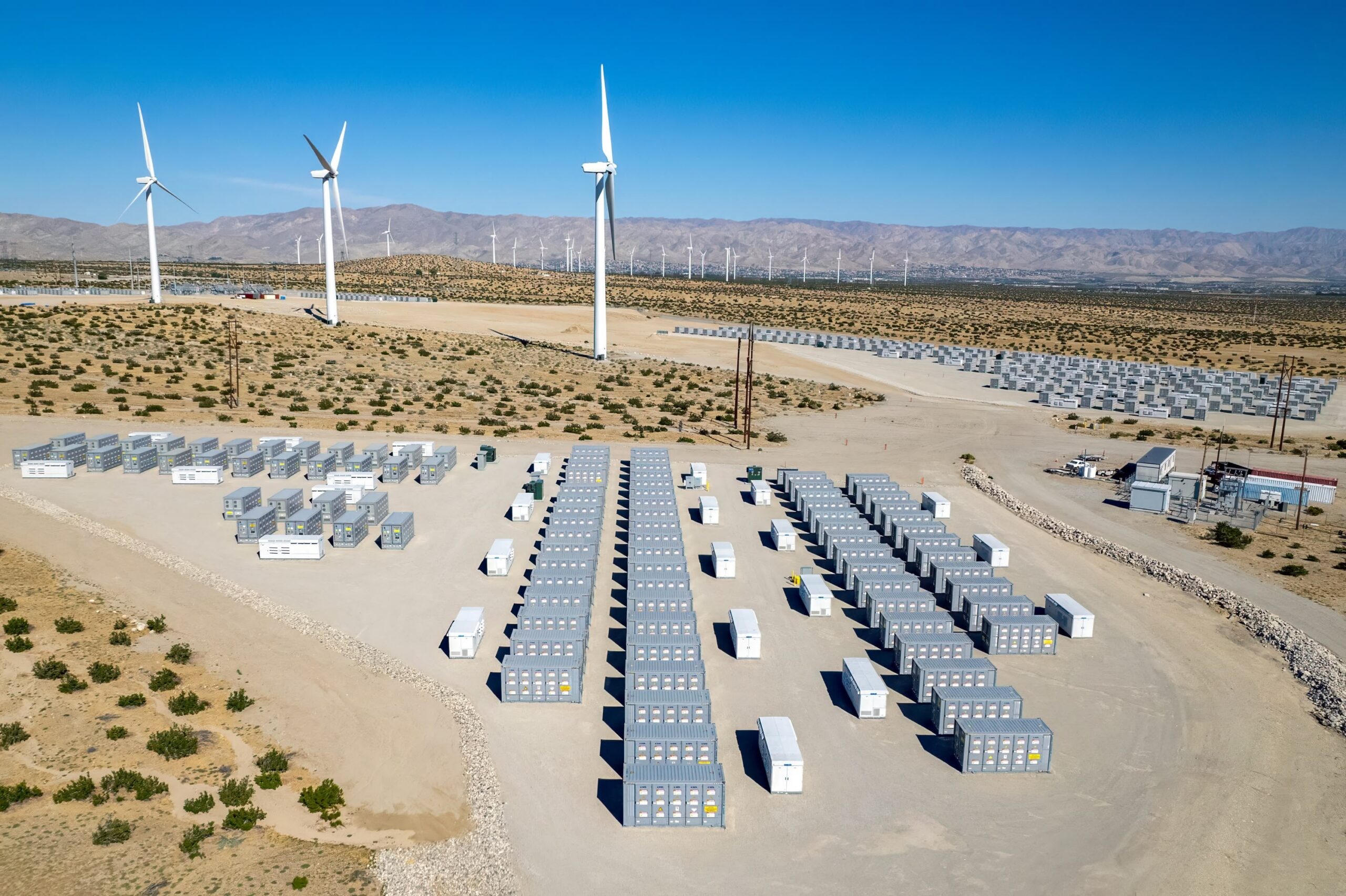
By combining technical expertise with climate risk insight, SLR Consulting supports mining companies in building resilient and future-focused operations.

According to SLR Consulting, the shift is being driven by rising energy costs, pressure to decarbonise operations and the growing need for secure resilient power supply across mining jurisdictions in Africa and globally.

Tasman Graham, Managing Director at SLR Consulting, says mining companies are increasingly recognising that energy decisions now sit at the heart of both operational performance and future growth strategies.
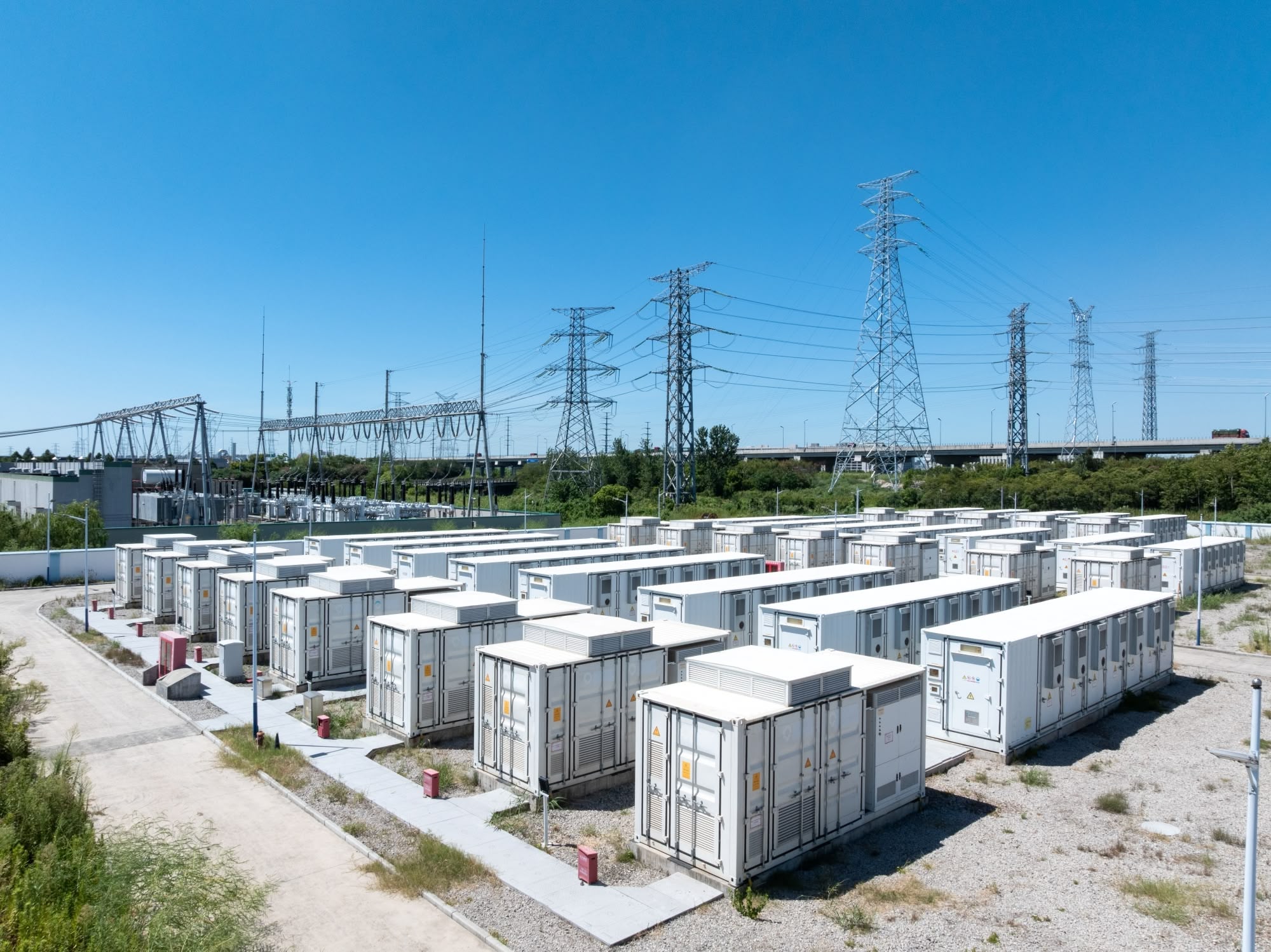
According to SLR Consulting mining companies are rethinking energy strategies to strengthen resilience, improve sustainability and optimise long-term operating costs.

“Energy has become a significant business risk within the mining sector, with direct implications for both capital and operating costs,” Graham says. “At the same time, it presents a major opportunity to unlock efficiencies, strengthen resilience and support sustainability objectives.”

He notes that the rapid improvement in renewable energy economics is reshaping how mines approach power supply, with solar and onshore wind, supported by battery storage, now frequently emerging as the most cost-effective solution.

SLR Consulting provides integrated advisory services spanning energy, environmental, engineering and sustainability solutions for mining projects.

“In many applications, hybrid energy systems are now the lowest cost option even before climate considerations are taken into account,” he explains.

This trend is particularly relevant in Africa, where many mining operations face grid instability, escalating tariffs and long lead times for new transmission infrastructure. As a result, behind-the-meter energy solutions are gaining momentum, with mines investing in combinations of solar photovoltaic systems, wind generation, battery storage and diesel or gas backup.

These systems not only reduce dependence on diesel but also enhance energy security and deliver attractive payback periods.

Hybrid energy solutions are enabling mines to reduce reliance on diesel generation while improving energy security and operational efficiency.

Beyond operational gains, Graham highlights the wider developmental role that mining-led energy infrastructure can play.

“Power solutions developed for mining projects can also support surrounding communities and local economic activity, strengthening the mine’s social licence to operate while contributing to regional development,” he says.

According to SLR Consulting, successful energy strategies require an integrated approach that considers engineering, environmental, social, regulatory and commercial factors from the earliest project stages.
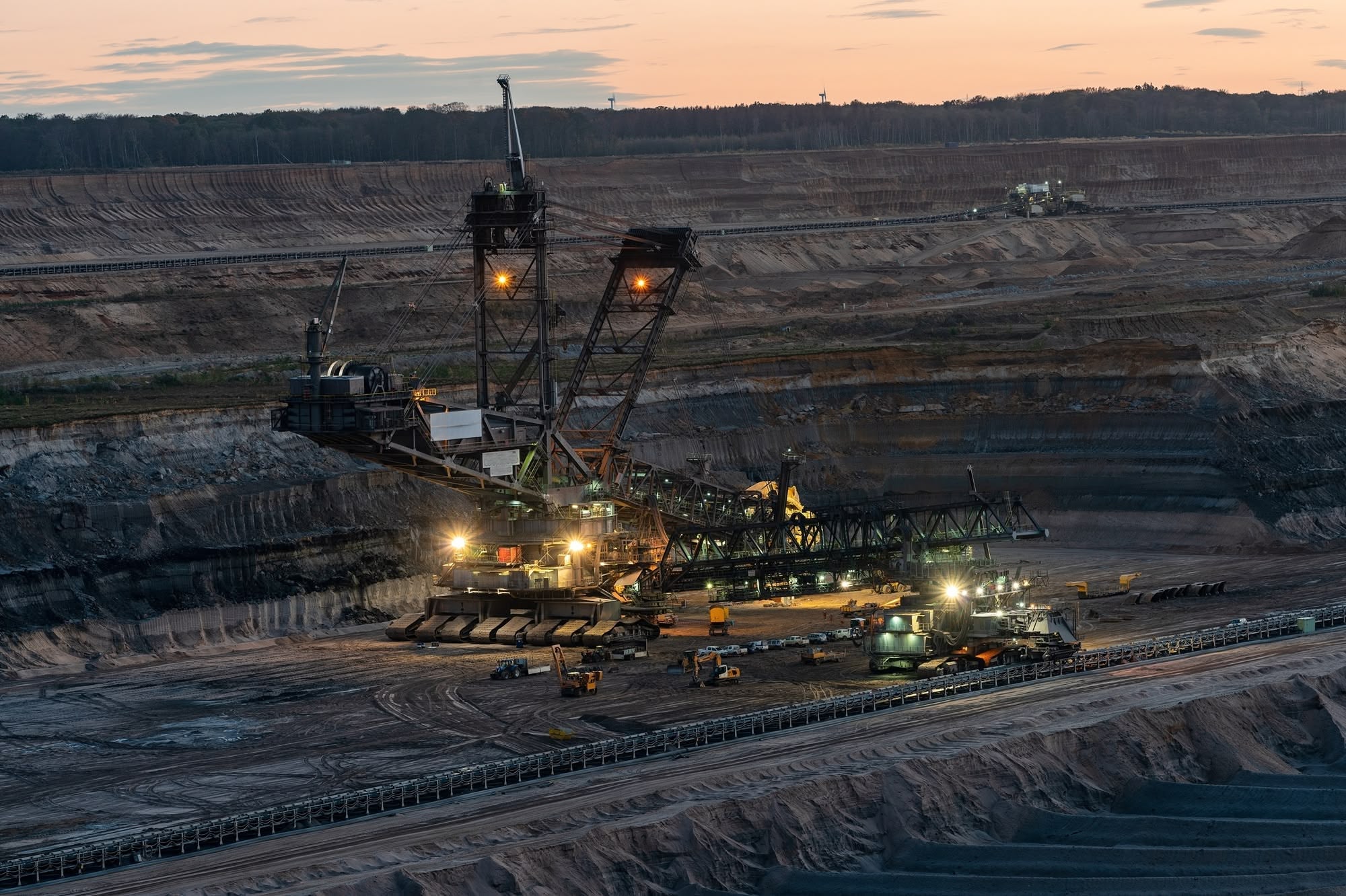
Energy is increasingly emerging as both a strategic business risk and a key growth enabler for mining operations worldwide.

The company supports mining clients across the full project lifecycle, combining expertise in energy advisory, environmental performance, water management and climate risk modelling to help deliver commercially sound and sustainable outcomes.

Looking ahead, Graham believes the greatest opportunities lie in flexible, site-specific hybrid energy solutions that align with life-of-mine requirements.

“The future of mining energy lies in pragmatic, well-structured systems that balance cost, reliability and sustainability,” he concludes.


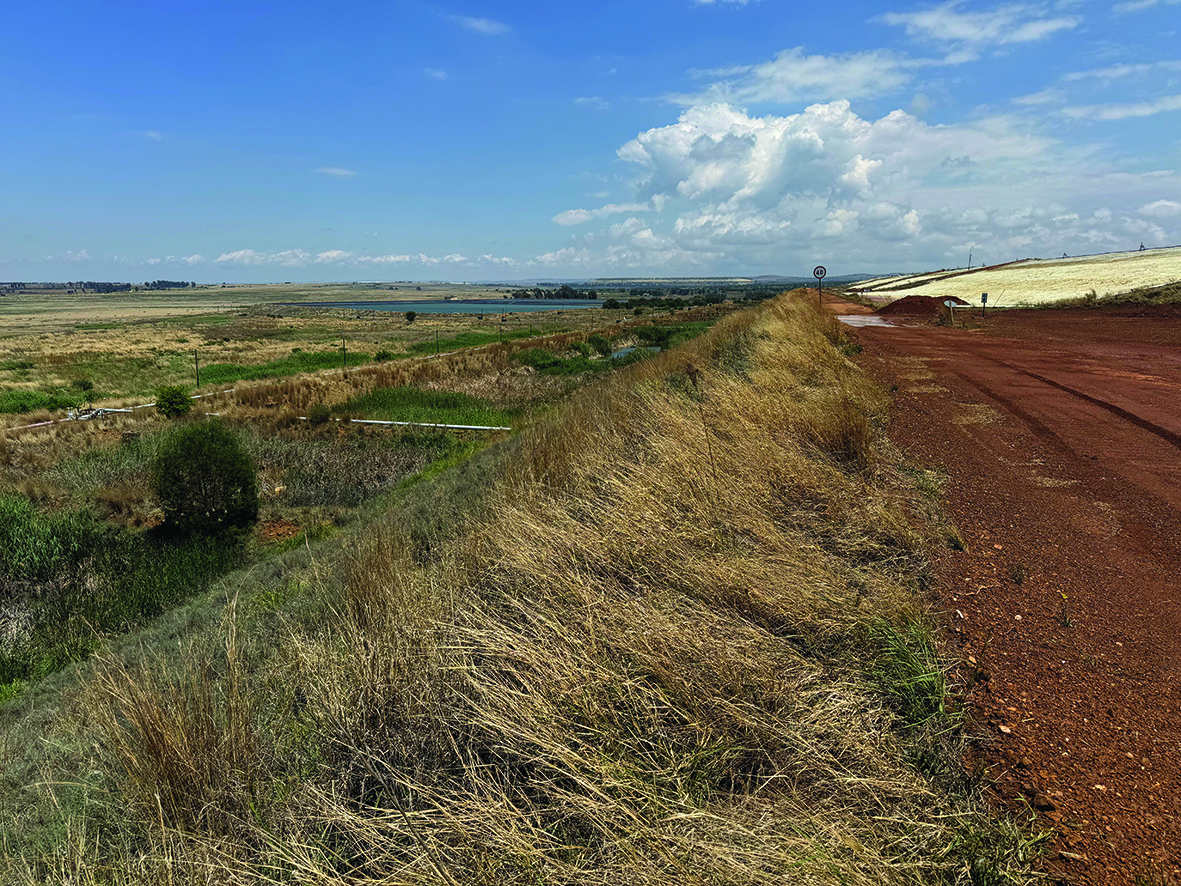
SLR CONSULTING: TSF RETREATMENT TURNS LEGACY ENVIRONMENTAL RISK INTO LONG-TERM MINING VALUE

The retreatment of tailings storage facilities (TSFs) is emerging as one of the mining industry’s most compelling opportunities to unlock value while addressing legacy environmental risks.

According to Danie Otto, Asset Transition and Closure Business Lead at SLR Consulting, the opportunity is being driven by significant shifts in the scale, technology and regulatory context surrounding tailings management. Otto, who is also President of the Land Rehabilitation Society of Southern Africa, says retreatment enables a fundamental reset in environmental compliance.

“When historic tailings are reprocessed and relocated, they must be deposited in facilities designed to meet modern regulatory requirements, including the Global Industry Standard on Tailings Management,” he explains. “This represents a step change from older TSFs which were established under far less stringent standards.”

Modern facilities can now be designed, constructed and managed using today’s professional expertise and the latest pollution control technologies. These include engineered liners, drainage systems and water recovery infrastructure that significantly reduce seepage risks.

“In effect, retreatment allows companies to upgrade their legacy environmental risks into assets that comply with current best practice,” Otto says. “This is something that would be far more difficult to achieve in situ with an old TSF.”

While TSF retreatment remains strongly driven by economics, many historic dumps still contain valuable recoverable minerals. Gold, in particular, has become increasingly attractive as commodity prices have strengthened. However, the financial upside extends well beyond mineral recovery.

“By removing legacy deposits and relocating material to modern facilities, mining companies can significantly reduce long-term environmental liabilities,” he says. “This reduces the liability of continuous seepage treatment and continuous dust prevention, for instance, as these features are more efficiently built into the new systems.”

Advances in technology are further supporting this transition. Otto highlights developments in geosynthetic materials and liners as one of the most important innovations shaping modern TSFs.

“An important field of development is in geosynthetic materials and liners which form the backbone of pollution control in modern TSFs,” he says. “These systems prevent contamination by capturing and recycling seepage from the TSF, preventing it from infiltrating the surrounding environment.”

At the same time, erosion control technologies such as biodegradable netting are transforming rehabilitation efforts. These nets reduce wind force, minimise dust pollution and create more favourable conditions for vegetation to establish and thrive. Because they are made from organic materials, they biodegrade over time and contribute positively to the surrounding ecosystem.

“On the biological front, innovations in phytoremediation and microbiology are pushing the boundaries even further,” Otto continues. “Scientists are now able to deploy bacteria and plants that actively neutralise pollutants, absorb heavy metals and improve soil conditions.”

Using bacteria that consume acid, professional scientists have been able to extract sulphates and generate carbonates from TSFs, effectively producing alkaline conditions from acidic environments. Similarly, certain plant species act as hyper-accumulators, drawing contaminants from tailings and storing them in biomass that can then be removed from the system.

“While it is difficult to render tailings completely inert, these technologies significantly reduce environmental risk and improve ecological outcomes,” he says.

Beyond containment and remediation, modern TSF strategies are also aligning with broader sustainability goals such as biodiversity restoration and carbon sequestration.

“Relocating tailings and creating new storage facilities opens the door to modern interventions that support vegetation growth, prevent erosion and encourage ecological succession,” Otto explains. “This makes it more viable to gradually transform engineered landscapes into functioning ecosystems.”

In some cases, these efforts may also generate additional revenue streams through carbon and biodiversity credits, further strengthening the commercial case for rehabilitation.

Despite ongoing challenges around compliant mine closure – particularly mine closure certification – Otto emphasises that TSF retreatment remains one of the most practical and impactful pathways for addressing mining’s environmental legacy.

“By combining economic incentives with technological innovation and stricter regulatory frameworks, retreatment offers a rare alignment of interests between industry, regulators and society,” he concludes. 

MULTI-DISCIPLINARY INTEGRATION VITAL TO SUCCESS OF GREEN HYDROGEN PROJECTS, SLR CONSULTING

The emerging green hydrogen economy holds significant promise for the global energy transition. However, these developments present considerable challenges  – particularly in managing systems complexity and integration risk across disciplines, geographies and regulatory regimes.

According to Stuart Heather-Clark, SLR Consulting’s Power Sector Lead for the Middle East and Africa, a large-scale green hydrogen development differs fundamentally from a standalone wind or solar project.

“A typical green ammonia export scheme, for instance, is a complex chain of interdependent infrastructure, with elements that can stretch across 300 to 500 kilometres,” he explains. “Each element carries its own technical, environmental and social risk profile which must be managed by specialists across multiple disciplines working in close collaboration.”

He notes that some proposed schemes involve renewable energy capacities at a scale not yet realised elsewhere in the world. Once projects move into the 5 to 7 GW range, they exceed the benchmark of most existing wind or solar installations.

“Scale alone multiplies risk,” he says, “as land take expands dramatically, transmission distances increase and cumulative impacts become more difficult to predict and manage.”

The integration challenge begins at the engineering level. Wind farm designers, transmission line engineers, electrolyser specialists and ammonia process engineers must align their respective approaches. In addition, port designers, marine engineers and desalination experts introduce further technical assumptions and constraints.

“Environmental consultants cannot operate independently of these engineering teams,” he emphasises. “Infrastructure footprints may be determined by engineering logic – such as proximity to substations or optimal wind regimes – but without early interrogation, those decisions can inadvertently embed environmental and social risk.”

A technically ideal flat site near a grid connection for a solar installation may support subsistence farming, contain cultural heritage resources, wetlands or key biodiversity features. Transmission corridors may intersect bird migration routes while coastal intake structures can affect sensitive marine ecosystems.

“Green hydrogen projects operate simultaneously across multiple ecological domains,” he notes. “A single development can involve terrestrial biodiversity – birds, bats and vegetation – alongside freshwater systems and marine ecology while also introducing air emissions, noise impacts and industrial safety risks.”

Heather-Clark describes this convergence as a “perfect storm” for environmental practitioners. Baseline studies for wind components may require one to two years of bird and bat monitoring before layouts are finalised. Marine assessments demand specialist surveys, while industrial hydrogen and ammonia plants introduce hazardous materials whose risk must be assessed alongside ecological considerations. The geographical dispersion of assets further compounds coordination risk.

“Renewable generation may be located inland, desalination on the coast and export facilities at a port,” he explains. “Infrastructure corridors connect them, so impacts are not confined to a single footprint. They can accumulate across regions and even across jurisdictions.”

In cross-border contexts, developers must navigate and apply different regulatory frameworks while aligning local environmental legislation with international lender standards.

“The consequence is that green hydrogen developments cannot be managed as linear projects,” he says. “They are systems projects where decisions in one subsystem ripple through others.”

For example, a change in the layout of a renewable power installation can alter transmission routing which may affect biodiversity impacts. This could necessitate additional mitigation at higher capital expenditure, influencing the project’s financial model. If financial constraints arise, design optimisation may be triggered – restarting the cycle.

Heather-Clark stresses that the solution lies in early, integrated engagement. Engineers, environmental specialists and financiers must align during the concept and pre-feasibility stages. By thoroughly interrogating infrastructure footprints before designs are finalised, teams can apply the mitigation hierarchy – avoid, minimise, restore and offset – more effectively.

“This proactive approach enables greater front-end loading,” he concludes, “reducing the risk of appeals, redesigns and lender non-compliance later in the project lifecycle.”

SEEING THE WHOLE MINE : SLR CONSULTING DRIVES SUSTAINABILITY THROUGH FULL-VALUE-CHAIN INSIGHT

Navigating mining’s fast changing sustainability landscape begins with a full understanding of the entire value chain, says SLR Consulting’s Angus Bracken, Mining Sector Lead for Africa and the Middle East. Whether a project is at conceptual scoping, operational execution or preparing for closure, he argues that consultants deliver the greatest value when they can see, interpret and advise on every stage of the process.

Central to SLR Consulting’s mining advisory model is its integrated structure of eight Communities of Practice aligned to the mining cycle. These span strategic advisory, resource development, environmental, social and governance (ESG), climate change, water management, tailings and mine closure. This multidisciplinary approach allows the company to bring the right blend of expertise to each project.

“Clients don’t want advisers who only see one slice of the project,” Bracken says. “They want teams who understand the whole value chain – from strategy and financing to environmental performance and community engagement – and who can walk with them from the earliest concept right through to closure.”

He notes that full cycle visibility strengthens technical decision-making and supports the collaborative relationships that mining projects depend on. “Meaningful partnership is only possible when you understand what each stakeholder needs, including operators, investors, regulators, lenders and communities,” he continues. “That requires seeing the entire landscape, not just your own discipline.”

SLR Consulting has expanded rapidly in recent years. The company now employs 4,500 people across 135 offices in 28 countries, with a growing presence across key African markets including Morocco, Egypt, Ghana, the Democratic Republic of Congo, Rwanda, Kenya, Namibia and South Africa. 

To reinforce integration across its network, the business recently combined Africa, the Middle East and Europe into a single ‘super-region’ to promote seamless collaboration and technical exchange. Bracken highlights that investors in the Middle East are increasingly focusing on African mining opportunities, making the company’s office in the United Arab Emirates  strategically important.

“Our model prizes local understanding paired with deep global expertise,” he explains. “We want the right team – local and global – around the table for every project; that is how we bring depth, context and perspective.”

Dieter Rodewald, SLR Consulting’s International Environmental and Social Impact Assessment (ESIA) Lead for Africa and the Middle East, stresses that building a mining project that is financially viable, operationally robust and socially responsible requires early and continuous alignment among all stakeholders.

“This is where SLR Consulting positions itself not just as a technical consultant, but as a strategic partner,” he says. “People often think environmental and social assessments are just compliance exercises. However, our work starts much earlier, helping clients navigate ESG imperatives from day one so that sustainability becomes embedded in decision-making rather than added as an afterthought.”

Rodewald notes that early partnership is increasingly vital as mining jurisdictions across Africa tighten and modernise their regulatory frameworks. At the same time, international financiers are imposing more rigorous ESG standards for funding approvals.

“If a client wants access to capital, they need to meet global good practice, not just national regulations,” he explains. “Financial institutions want assurance that the full range of project risks are understood and managed from the start.”

Many mining projects also face legacy issues that require careful handling. Rodewald recalls a case where SLR Consulting supported a client attempting to revive a project burdened by socio-political challenges inherited from previous owners. The new project team urgently need to reach financial close, finalise engineering designs and complete ESG baselines – but community mistrust threaten progress.

“We had to work with the client to take a step back and help them rebuild trust,” he says. “The solution was a grassroots engagement strategy that reset expectations and re-established transparent communication. Over just a few months, we saw marked improvement in community confidence.”

This experience underscores a critical lesson – social licence cannot be rushed and project timelines must account for community realities.

Looking ahead, Bracken notes that technology is opening powerful new avenues for mining in Africa – but only if the right partners are brought in early. He points to renewable energy integration as an area where early engagement allows independent power producers and mining operations to work together to reduce carbon footprints and secure long-term power supply.

“Digital innovation and artificial intelligence can transform monitoring and planning, through digital twins, predictive analytics and hyperspectral imagery, for example,” he adds. “Remote sensing and advanced satellite data can now support improvements in everything from exploration to tailings monitoring and biodiversity assessment.”

For both Bracken and Rodewald, the message is consistent – sustainability in mining requires strategic partnership, whole-of-value-chain insight and early engagement across disciplines. With this approach, mining projects can achieve more resilient operations, stronger ESG performance and deeper trust with the stakeholders who ultimately shape their success.