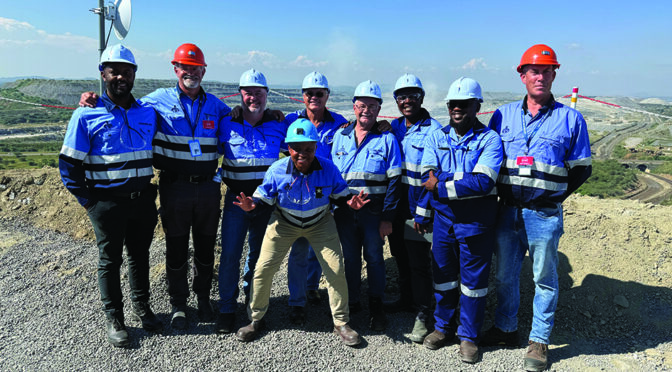
The strategic ownership transition of Cementation and Terra Nova Technologies (TNT) has been concluded, strengthening their position for continued growth and ongoing delivery of high-quality mining solutions across their global operations. The new ownership structure places the group on a far stronger footing, backed by substantial capital support from major institutional investors with a clear long-term strategic focus.
The process, which began in June 2025, establishes a new ownership structure that supports collaboration and synergies between Cementation Americas, Cementation Africa, and TNT while preserving their distinct operations and reinforcing a shared commitment to safety, innovation, performance, and project execution. The group continues to value the support of its clients and people, especially during this transition, and remains well-placed to serve leading mining houses while being a leading employer of skilled talent in the mining industry.
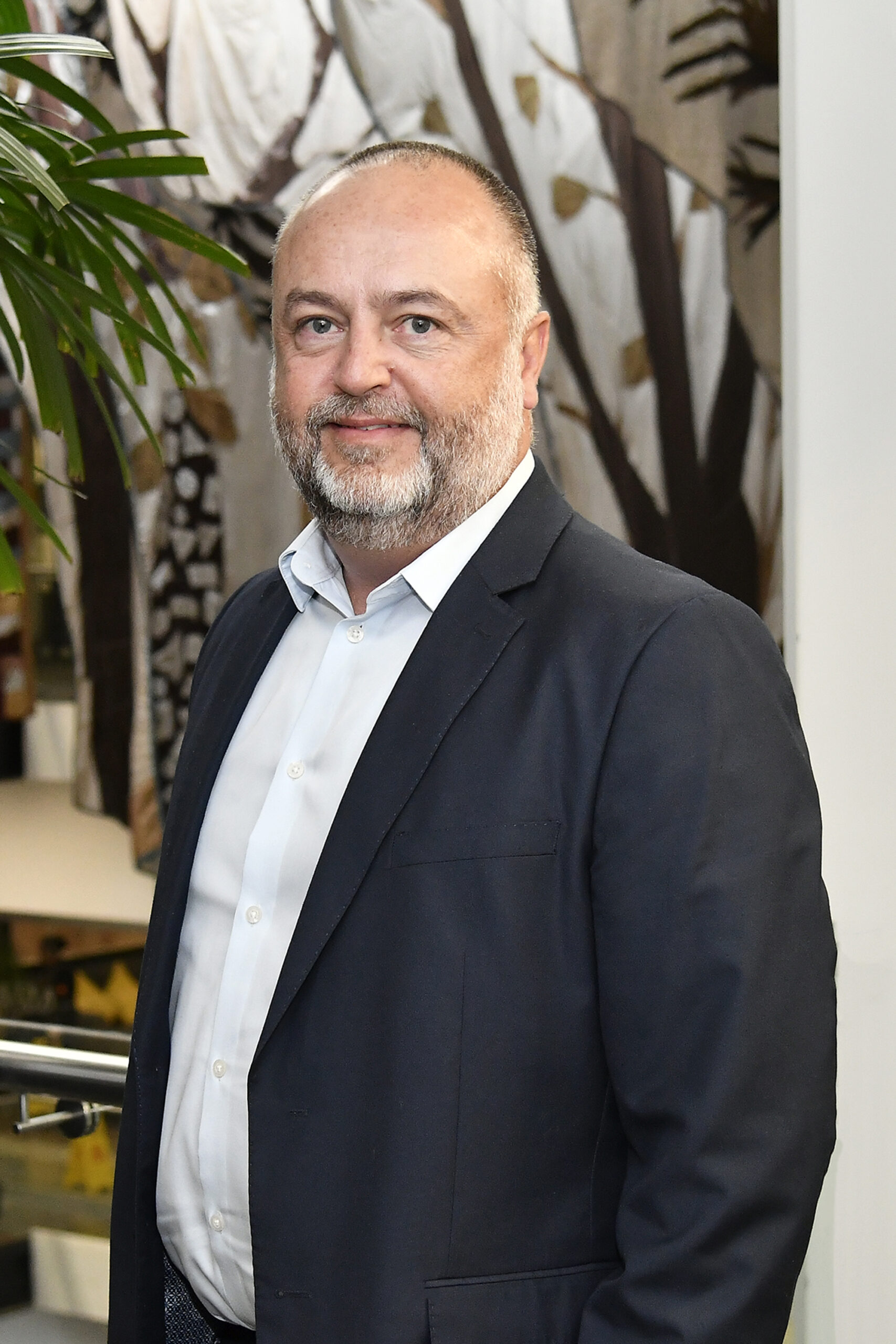
“This conclusion of the transition marks an important step forward for Cementation,” said Japie du Plessis, Managing Director at Cementation Africa. “It sharpens our focus, reinforces our competitiveness, and enhances our capacity to grow with our clients by expanding both the depth of our expertise and our operational capabilities.”
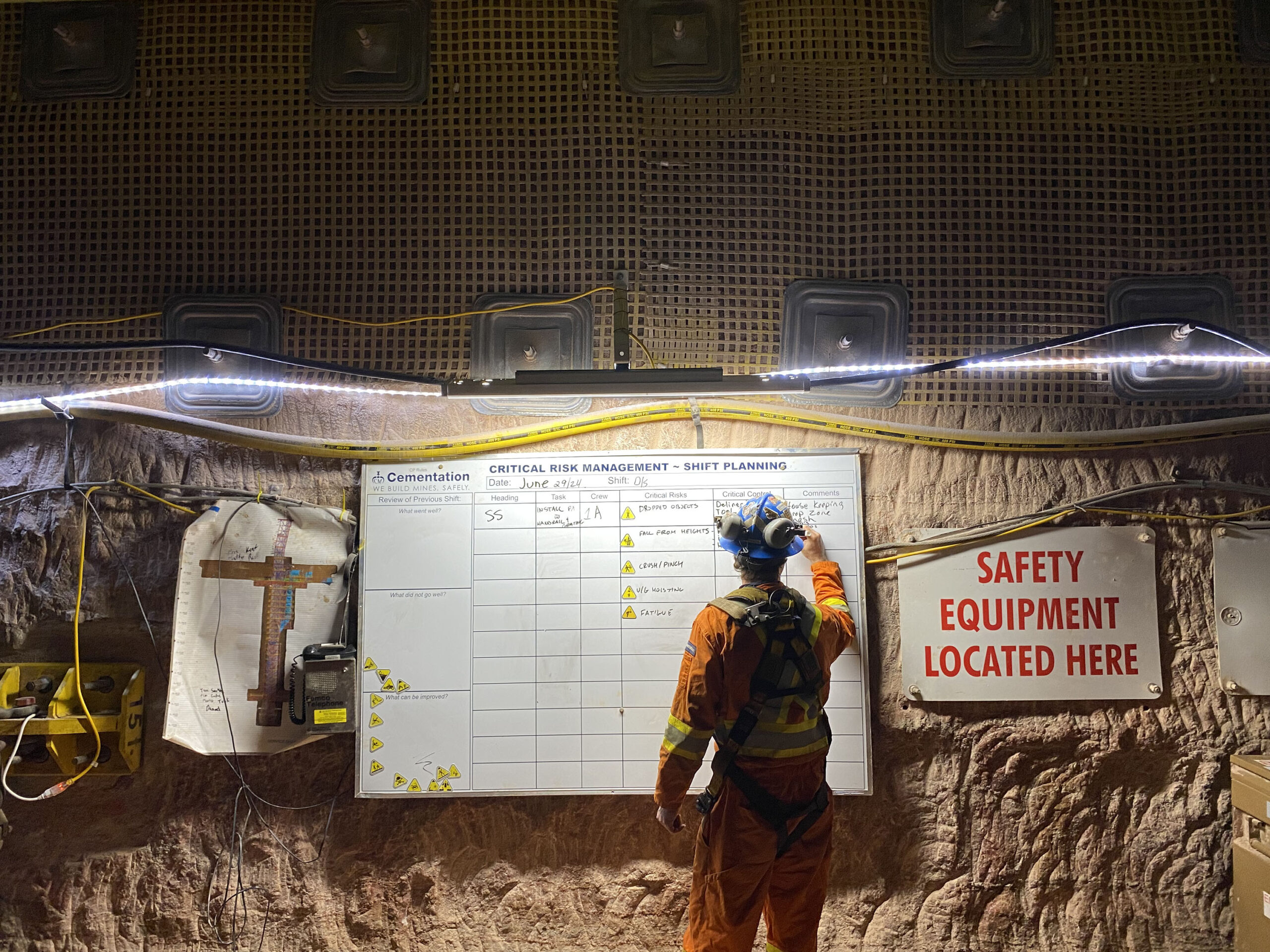
The new structure drives a more focused approach to underground mining services while improving alignment across engineering, construction, and operations. Together, this enables consistent project outcomes and optimized production performance for clients. Operations will continue without disruption, with no changes to project teams, client relationships, or project commitments.
“This development advances how we operate across our regions while preserving the strengths of each business,” said Eric Smith, Managing Director at Cementation Americas. “With our people at the center of everything we do, it allows us to drive greater consistency in meeting client needs, while advancing collaboration and providing greater value to our partners through a more connected and consistently high-performing organization.”
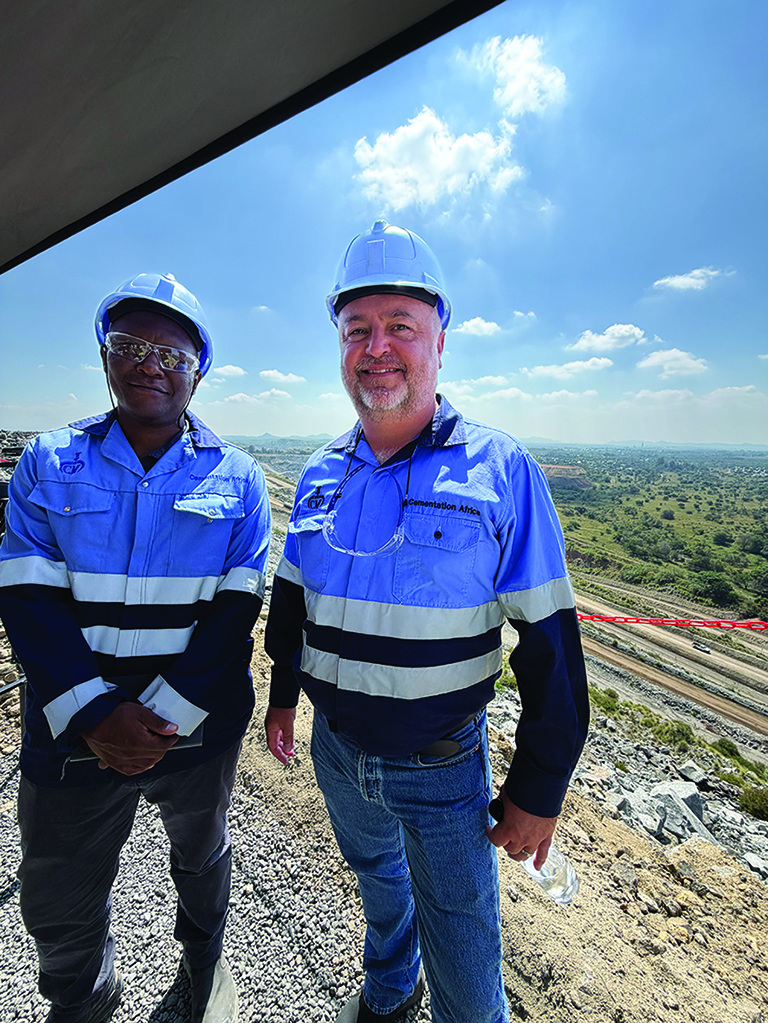
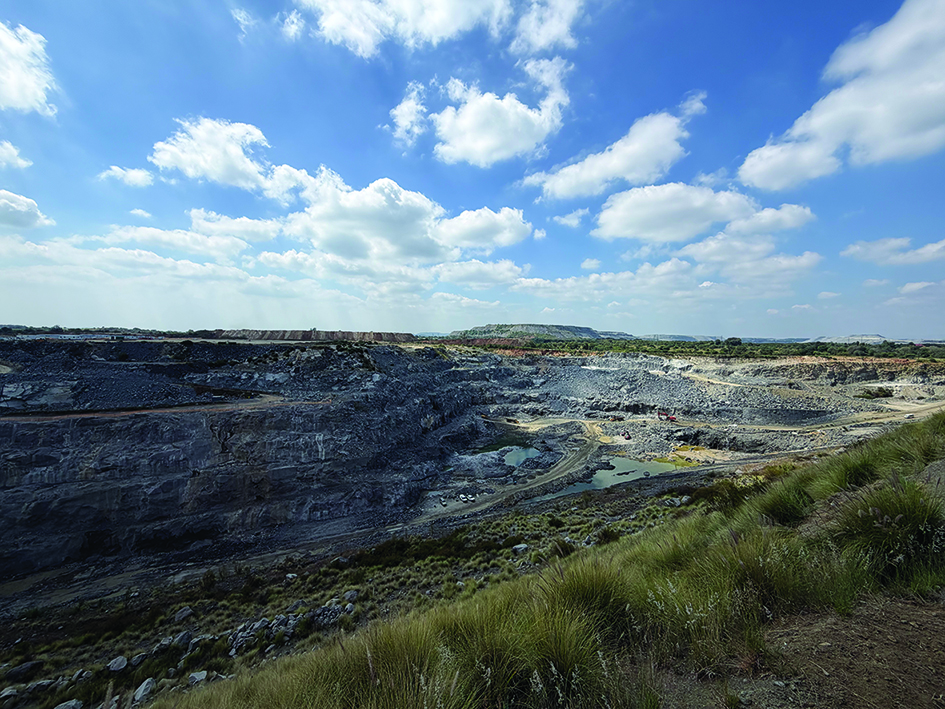
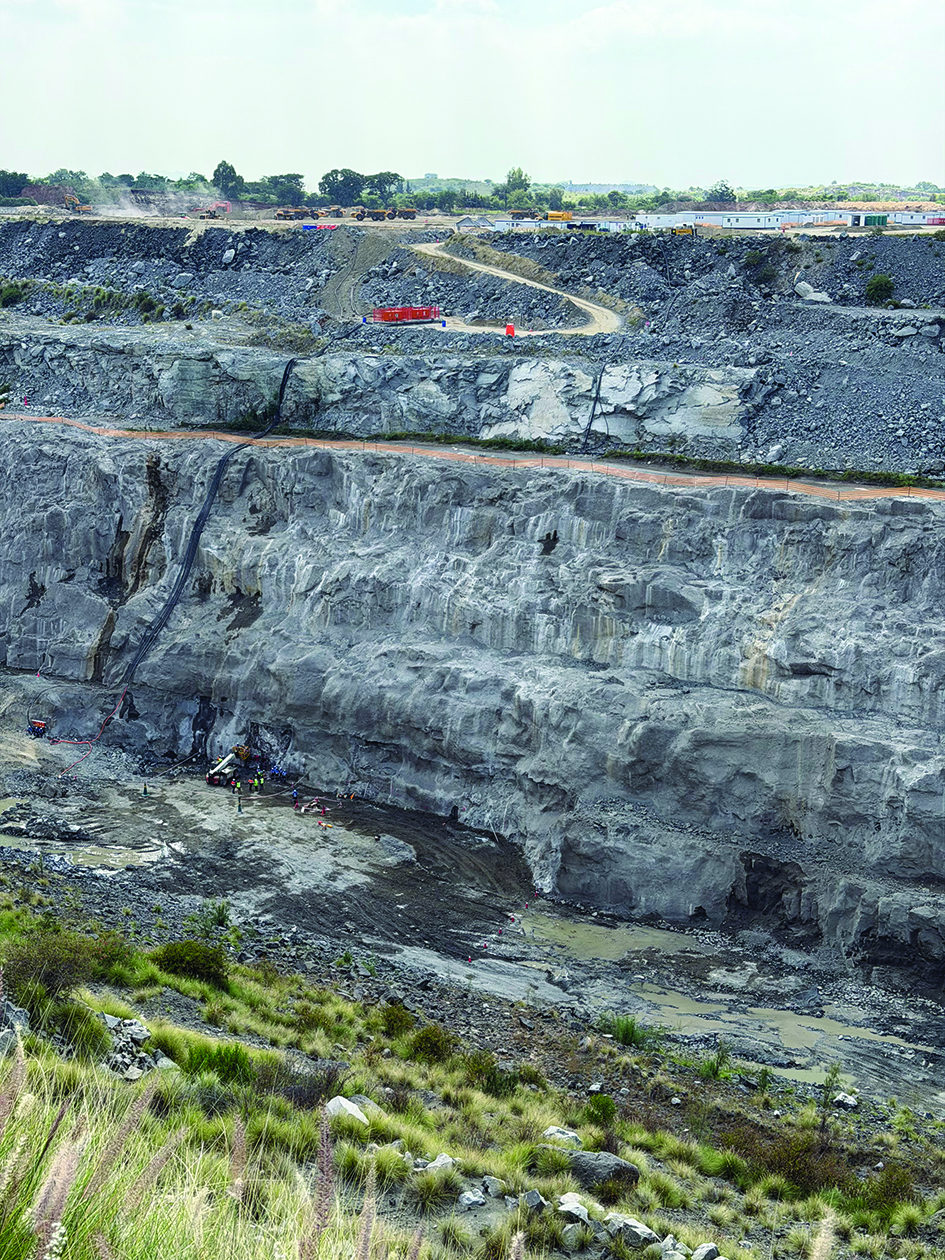
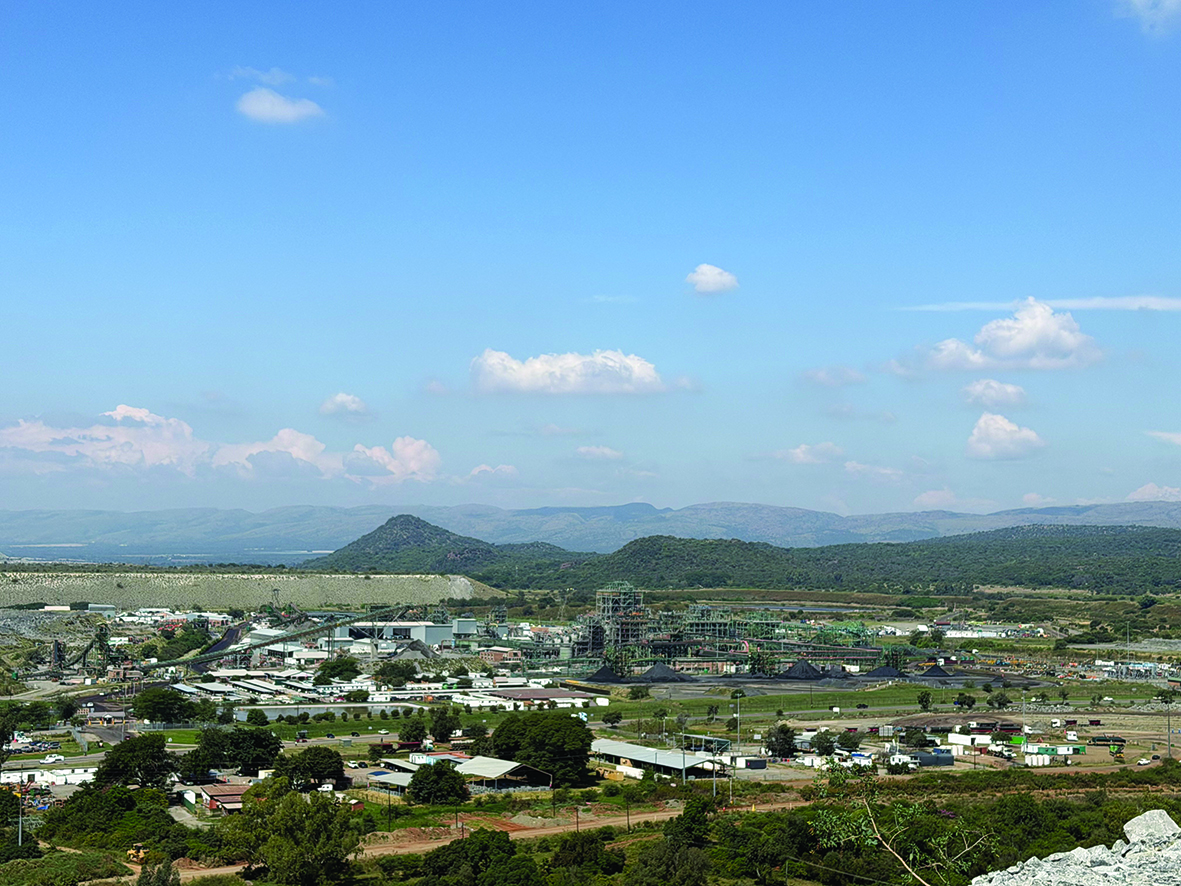
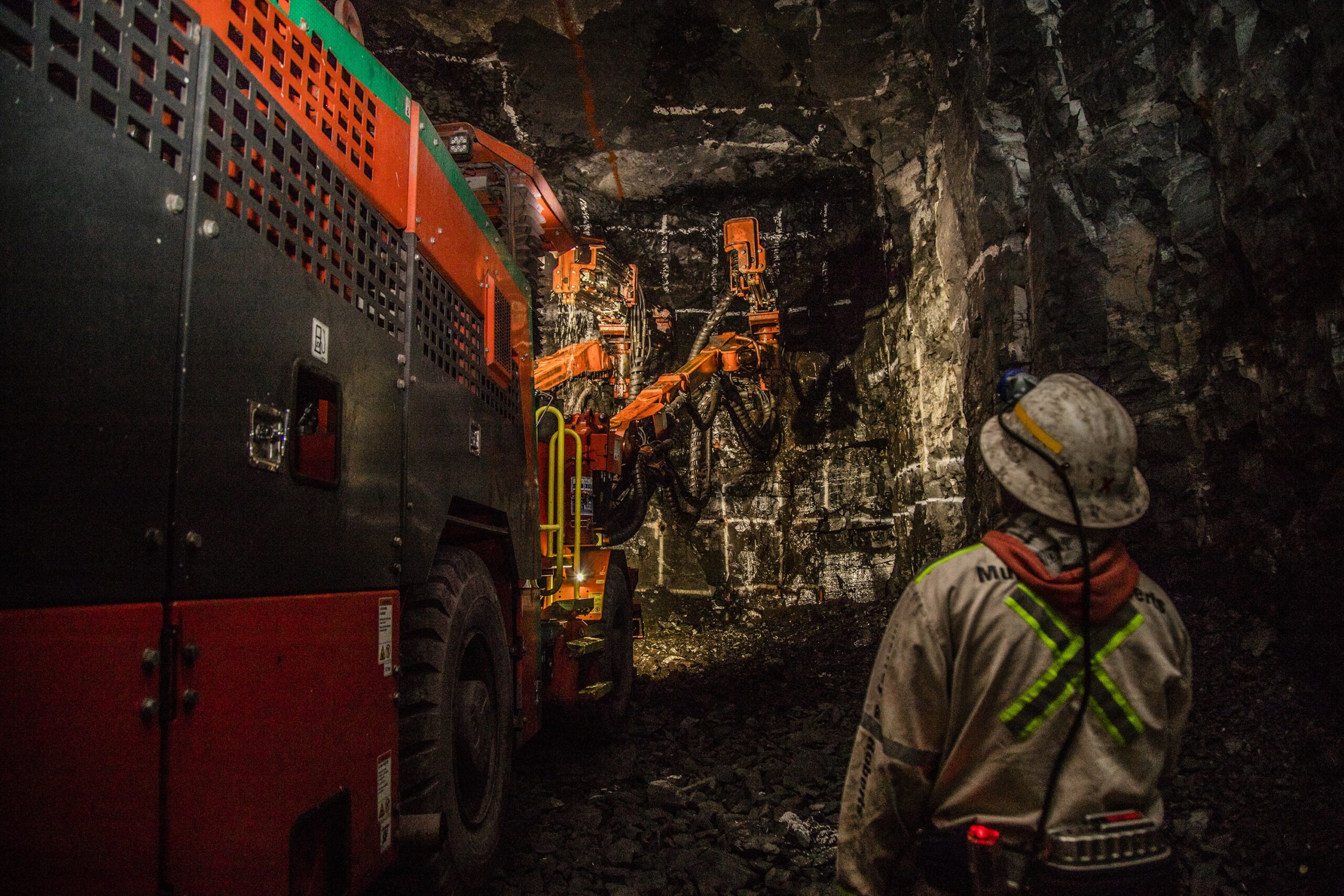
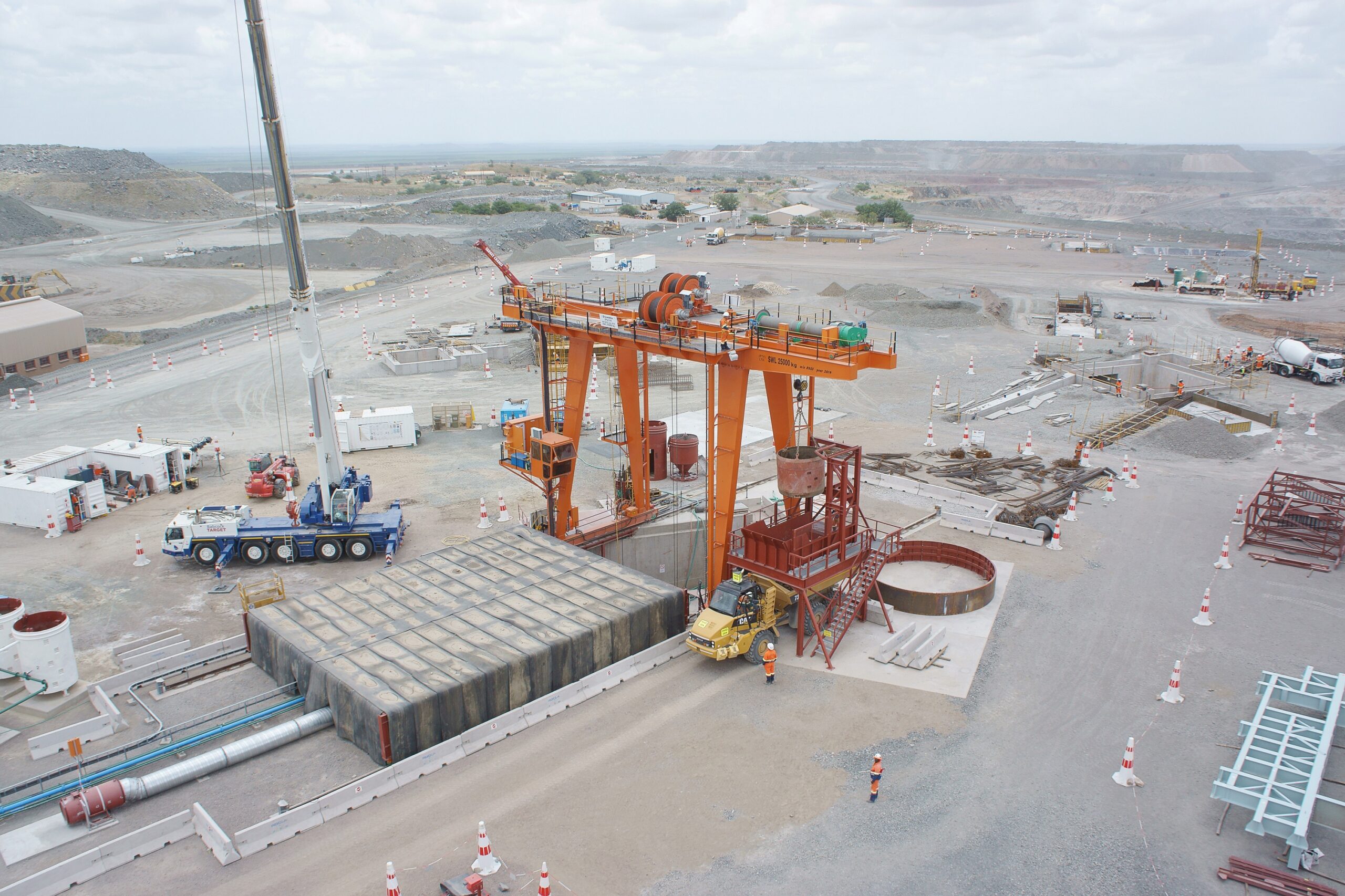
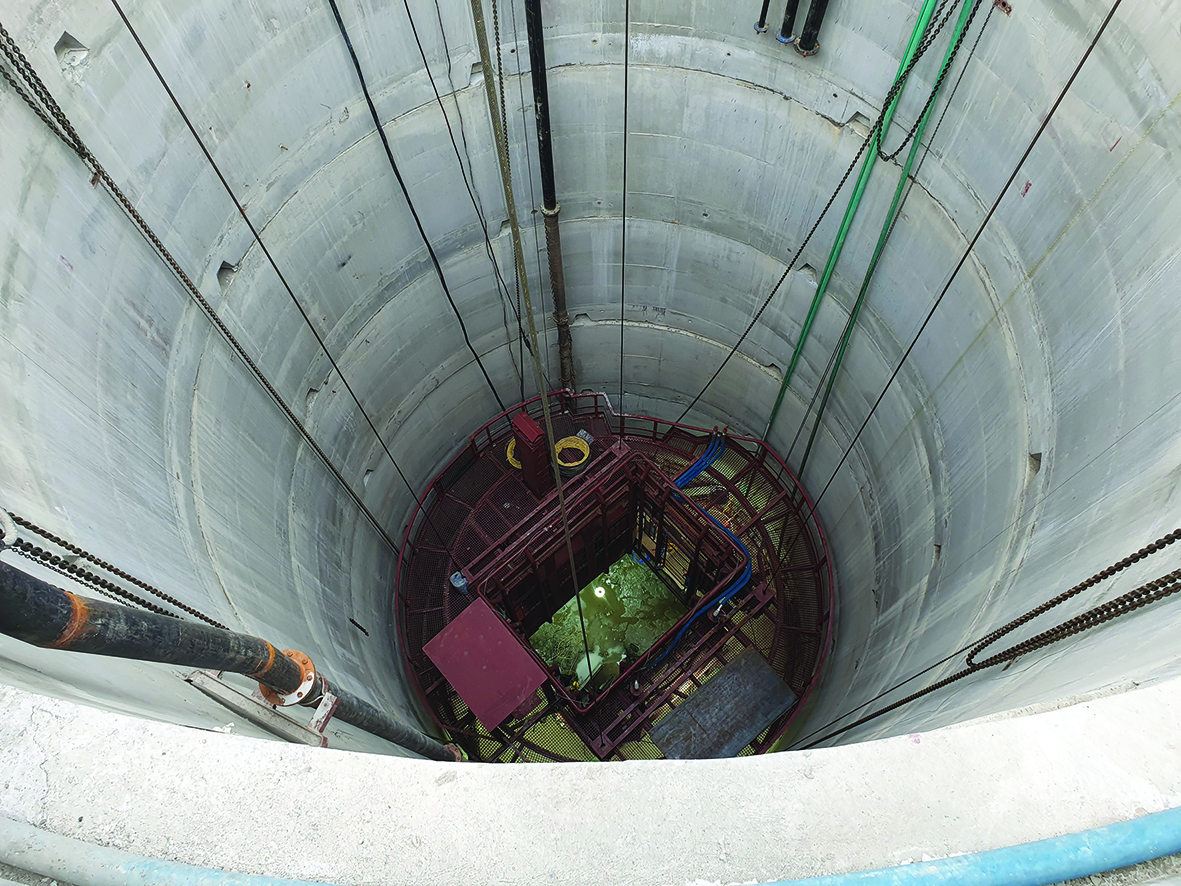
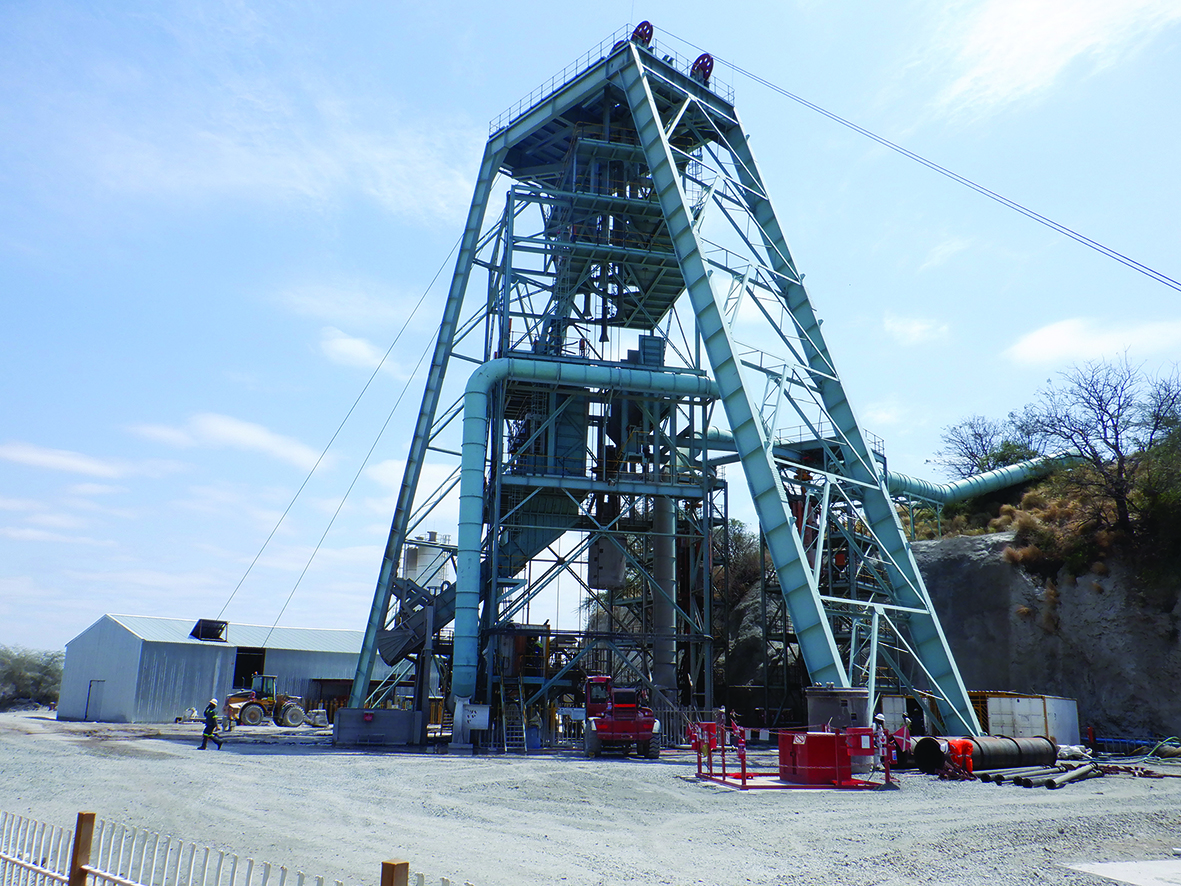
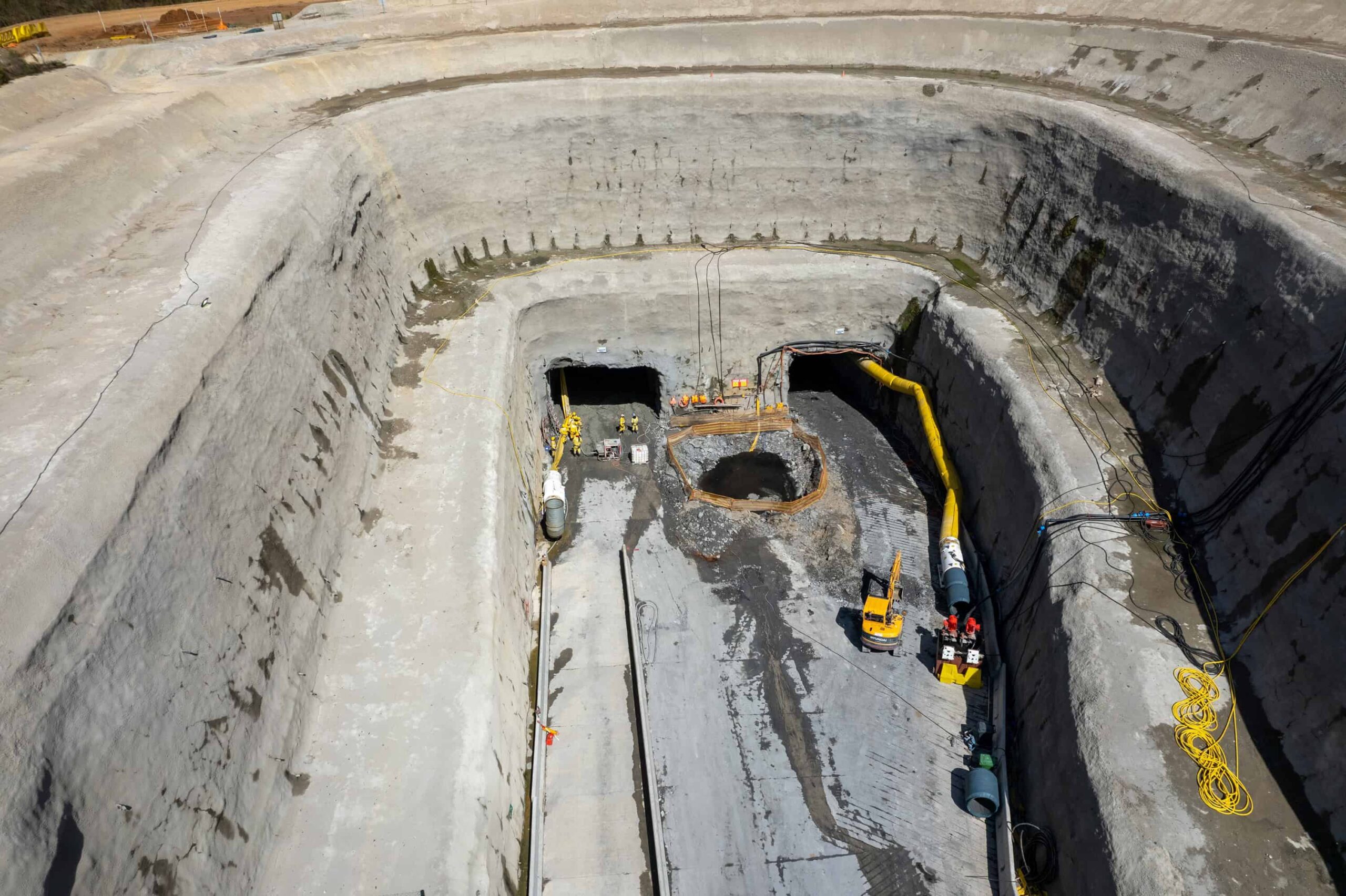
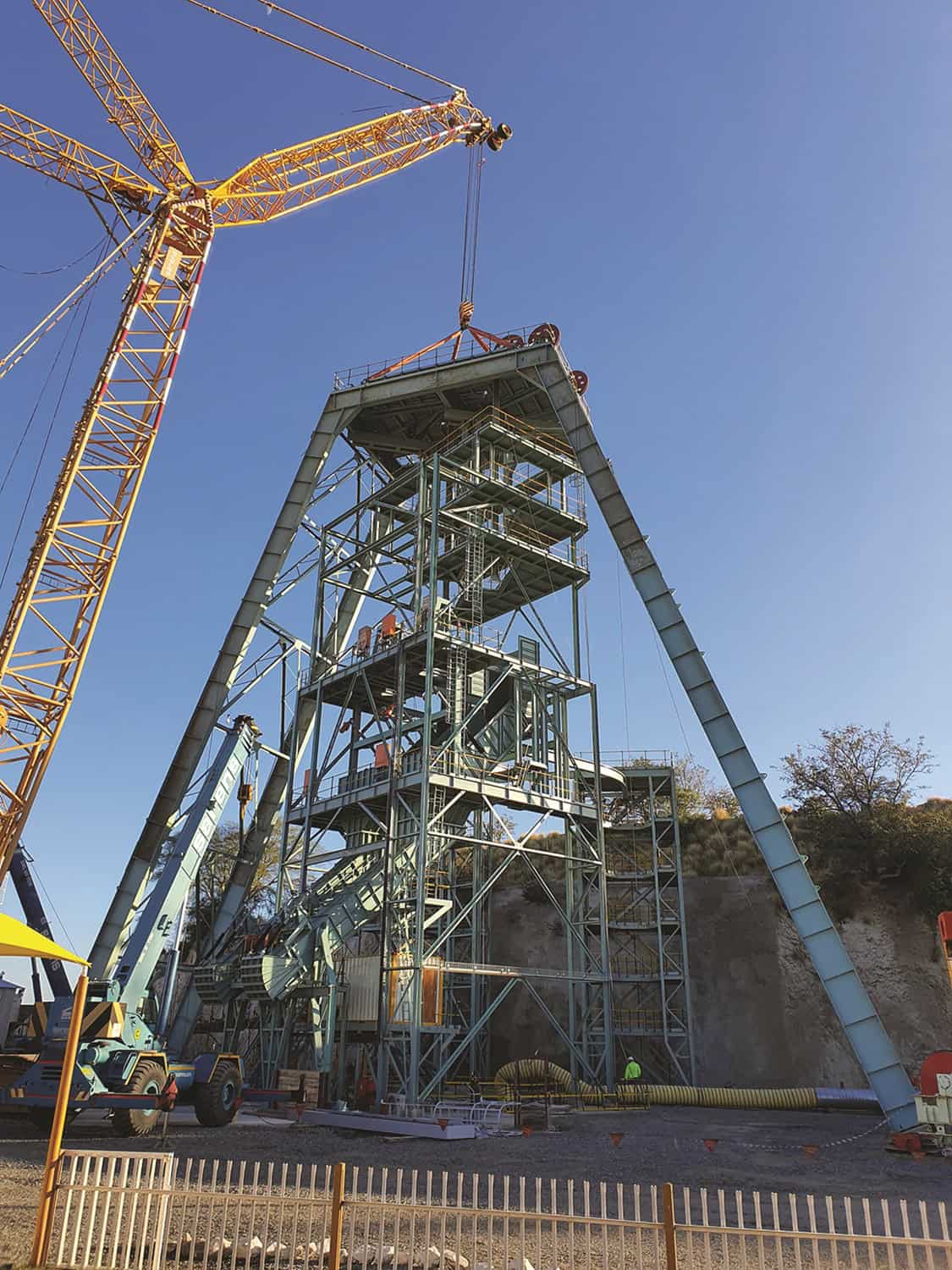
Venetia Mine
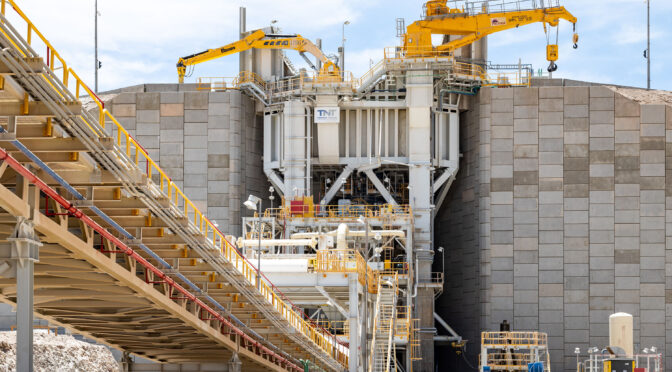
The new ownership structure also supports the growth of Terra Nova Technologies in reliable and cost-effective material handling products and systems for mining projects.
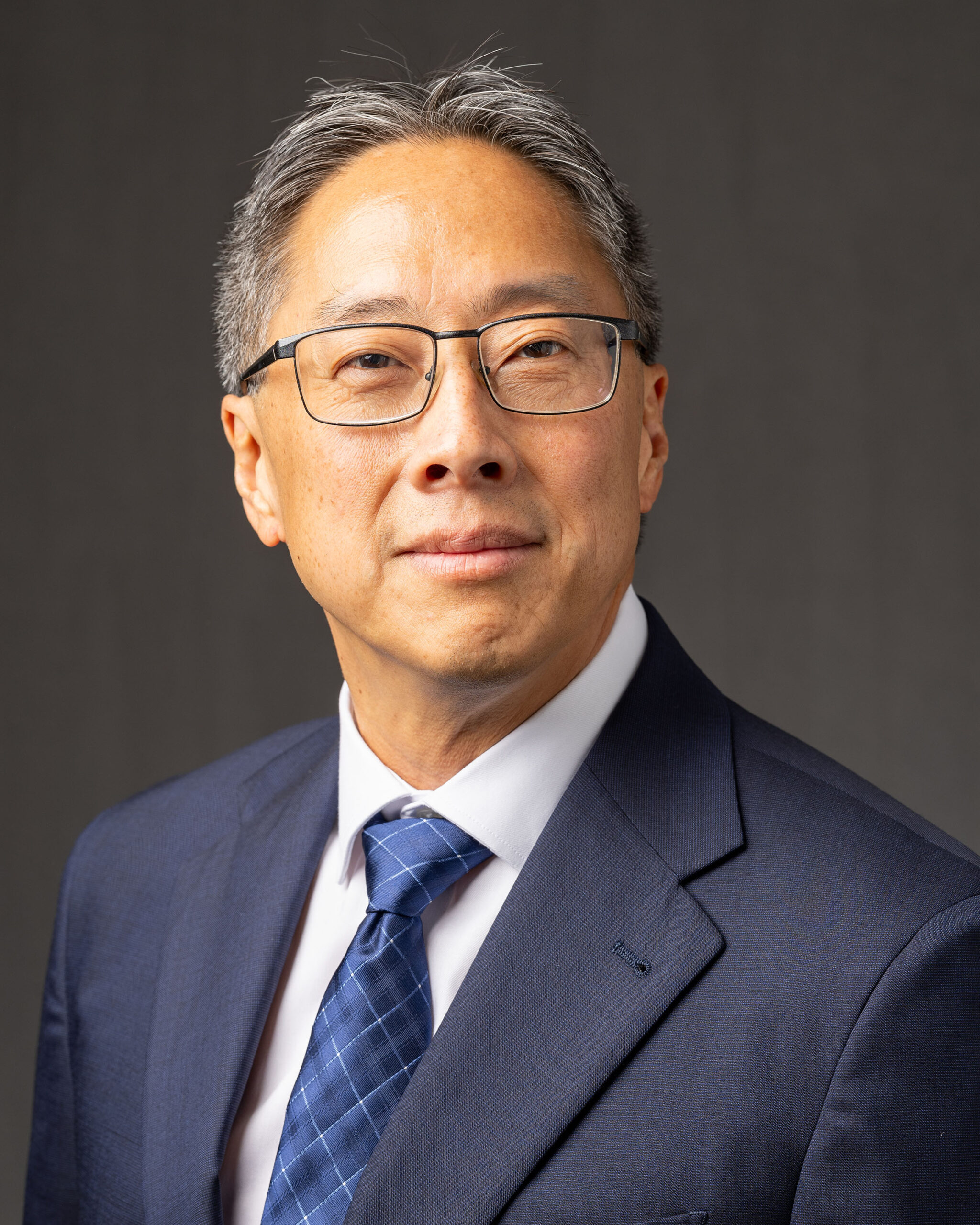
“Being a key part of this redefined structure allows us to expand our innovative crushing, conveying and stacking products as well as our full EPC capabilities while working closely with our Cementation partners to create greater value for our clients,” said Steve Kou, Managing Director of Terra Nova Technologies. “There is a strong foundation to build on and a real sense of momentum in how we move forward together. We are well equipped to deliver smarter, more efficient and more sustainable solutions.”
Backed by long-term capital investments, Cementation and TNT are advancing technical capabilities and increasing capacity to meet growing demand driven by critical minerals and global infrastructure development.
The companies remain focused on providing value-added solutions across the full lifecycle of mining projects, with an emphasis on safety, operational excellence, and long-standing partnerships.
Cementation and TNT extend their appreciation to Differential Capital for its support throughout this transition. The companies also recognize Red Inc. for its contribution to this process.
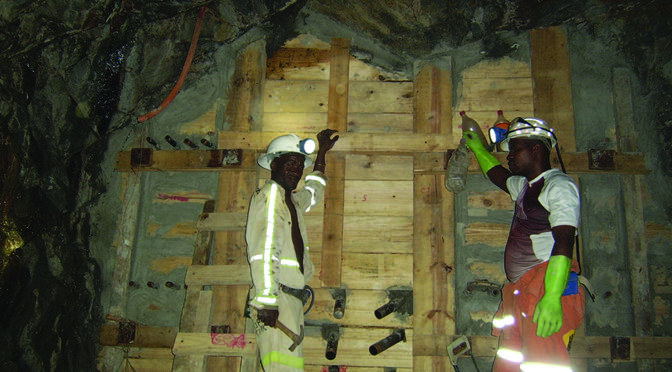
Managing groundwater ingress is one of the most complex technical challenges faced in underground mining. Water-bearing fissures, fractured rock formations and unexpected inflows can disrupt operations, compromise safety and delay development schedules. Addressing these risks requires specialised engineering expertise and proven methodologies – capabilities that Cementation Africa has developed through its extensive experience in underground mining projects across the continent.
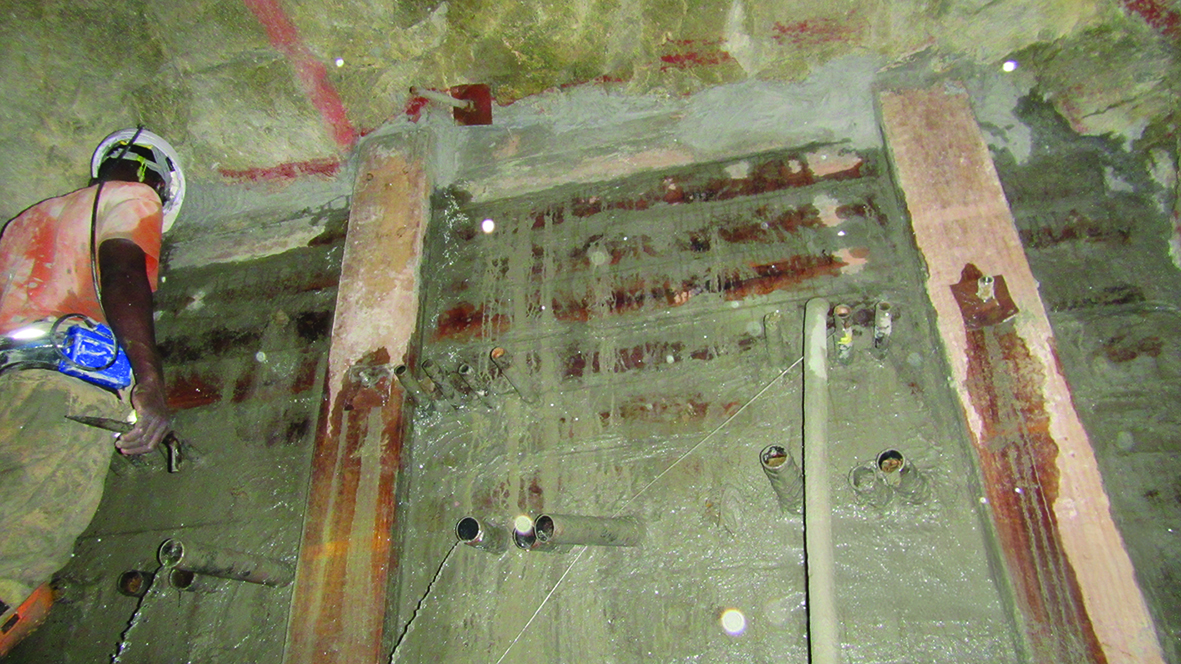
Sealing water fissures underground is a highly specialised discipline that demands a combination of geotechnical understanding, advanced drilling techniques and carefully selected grouting technologies. Each water ingress scenario is unique, requiring a tailored approach based on geological conditions, pressure levels and the location of the inflow within the underground workings.
Cementation Africa has built a strong reputation in this field by delivering engineered water-sealing solutions that stabilise underground environments and allow mining operations to continue safely and efficiently. The company’s in-house engineering expertise enables it to assess the geological conditions surrounding the water-bearing structures and design sealing strategies that are both effective and durable.
These interventions often involve precision drilling to intercept fissures followed by the injection of specialised grouting materials designed to penetrate fractures and create a permanent barrier against water ingress. Depending on the conditions encountered, different types of cementitious or chemical grouts may be used to achieve the desired sealing performance.
A key differentiator for Cementation Africa is the integration of engineering design, project planning and site execution within a single team. This ensures that water-sealing interventions are not treated as isolated tasks but are incorporated into the broader underground development strategy. By combining technical design with practical underground experience, the company is able to implement solutions that minimise disruption to mining operations while effectively controlling water inflows.
Successful sealing of water fissures not only protects underground infrastructure but also plays a critical role in maintaining production schedules. Uncontrolled water ingress can slow development, damage equipment and create hazardous working conditions. By addressing these challenges quickly and effectively, specialised sealing interventions help mines maintain operational continuity.
Across numerous projects, both on the African continent and internationally, Cementation Africa has demonstrated its ability to tackle complex groundwater challenges in demanding underground environments. Its established track record reflects both the technical expertise of its engineering teams and its commitment to delivering practical solutions that support safe and efficient mining operations.
As mines continue to operate at greater depths and encounter increasingly complex geological conditions, the ability to manage water ingress will remain a vital component of underground mining success. With its specialist capabilities in water fissure sealing, Cementation Africa continues to play an important role in supporting the sustainability and safety of underground mining projects across Africa.
Tharisa Minerals has officially commenced the next phase of its mining journey with the inaugural blast at its underground project on Tuesday, 31 March 2026, marking the start of a significant transition from open pit to underground mining at its world-class chrome and platinum group metals (PGM) operation in South Africa’s Bushveld Complex.
The milestone signals the beginning of a strategic underground development programme that will extend the life of the mine well beyond the expected depletion of open pit resources in 2034. The new bord and pillar operation on the tabular reef is designed to sustain production at 5,6 Mtpa (with headroom to 6,2 Mtpa) and secure the long-term future of one of the country’s key mining assets.
Cementation Africa has been appointed as the key development partner for the underground project and will, over the next 5 years, be responsible for the early works, the main development programme as well as the production ramp-up to circa 255 kt per month.
Commenting on the milestone, Japie du Plessis, Managing Director of Cementation Africa, says the inaugural blast represents a significant moment for both the client and the broader mining sector.
“The inaugural blast marks the start of an important new era for Tharisa and is a major milestone in extending the life of this world-class mining operation,” du Plessis says. “We are proud to have been selected as the development partner for this project and to play a leading role in supporting Tharisa’s transition to underground mining.”
He explains that the appointment follows a period of technical and commercial engagement between the two companies.
“This is a strategically important project for the South African mining sector,” he says. “The collaboration with Tharisa to date has been highly professional and forward-looking, which is essential for a project of this scale and complexity.”
The early works phase at the Apollo portal complex includes the development of three portals with a total advance of approximately 140 metres. These works include critical ground support measures, arch-set installations and shotcrete application to ensure long-term stability and safe access to the underground workings.
Following the completion of this phase, the project will move into a five-year main development and stoping contract, paving the way towards steady-state underground production.
Du Plessis notes that Cementation Africa’s role extends beyond mine development and excavation to include the establishment of the systems, governance structures and safety frameworks required for underground operations.
“Successful underground mining depends on much more than physical development,” he says. “It requires robust governance, comprehensive safety systems and the right operational procedures to support long-term production.”
As one of the continent’s leading underground mining contractors, Cementation Africa brings extensive experience in underground mine development, raiseboring and shaft sinking, and has been instrumental in transitioning a number of large open pit mines to underground operations.
“Our ability to take mines from early development through to steady-state production is a key strength,” du Plessis says. “This institutional knowledge, combined with our technical capability and training infrastructure, is a major value-add for clients undertaking complex transitions such as this.”
The project also includes significant skills development and workforce mobilisation. Through its Training Academy near Carletonville, Cementation Africa will support the reskilling of personnel as the operation transitions from an open pit environment to mechanised underground mining.
The underground mine geometry is well suited to mechanised bord and pillar mining methods, supported by a fit-for-purpose fleet of trackless mining machinery including load haul dumpers, underground trucks, drill rigs, bolters, scissor lifts, shotcrete machines and graders.
Du Plessis adds that innovation and collaboration with OEM partners will also form part of the project’s long-term success, including the adaptation of proven technologies to improve ore handling and operational efficiency.
“This project reflects the future of mining in South Africa, where innovation, technical excellence and strong partnerships are essential to unlocking long-term value,” he concludes.
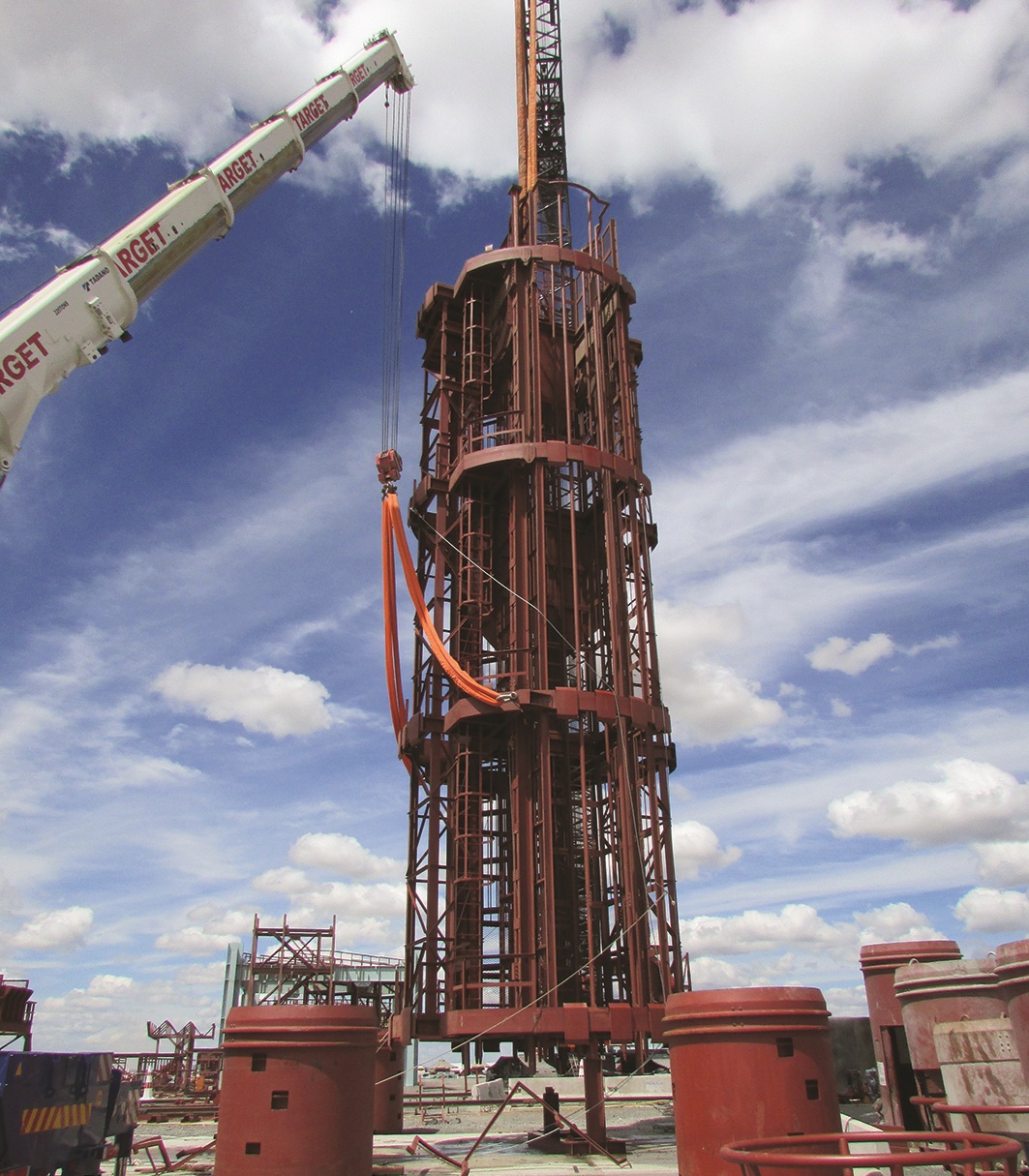
Cementation Africa is leveraging its decades of experience in shaft sinking and underground mining at Mopani Copper Mines’ Mindola shaft in Zambia – paving the way to extend the life of the Nkana mine at Kitwe and to improve its mining efficiencies.
The scope of work comprises construction and erection of the permanent headgear including the rope-up and commissioning of the winders to enable detailed 3D scanning of the shaft to determine alignment correction and structural reinforcement to ensure safe and efficient conveyance operation. In addition, the project also includes the Installation and commissioning of an overland conveyor system.
According to Ben Adendorff, Cementation Africa’s In-Country Executive for Zambia, the focus is on readying the Mindola shaft for production – by sliping and equipping the remaining 500 metres.
“To determine the exact degree of misalignment, Cementation Africa will complete a 3D scan of the complete shaft,” Adendorff says. While another contractor raisebored this particular shaft, Cementation Africa successfully completed the sinking and equipping of Mopani’s Synclinorium and Mufulira Henderson shafts over a decade ago. The sinking and equipping of the 1,280 m Synclinorium shaft – at 7 m diameter – was conducted between 2011 and 2014 and was then equipped for commissioning and handover in 2016 The sinking and equipping of the 1,580 m Mufulira Henderson shaft – at 6 m diameter – was commissioned in June 2020.
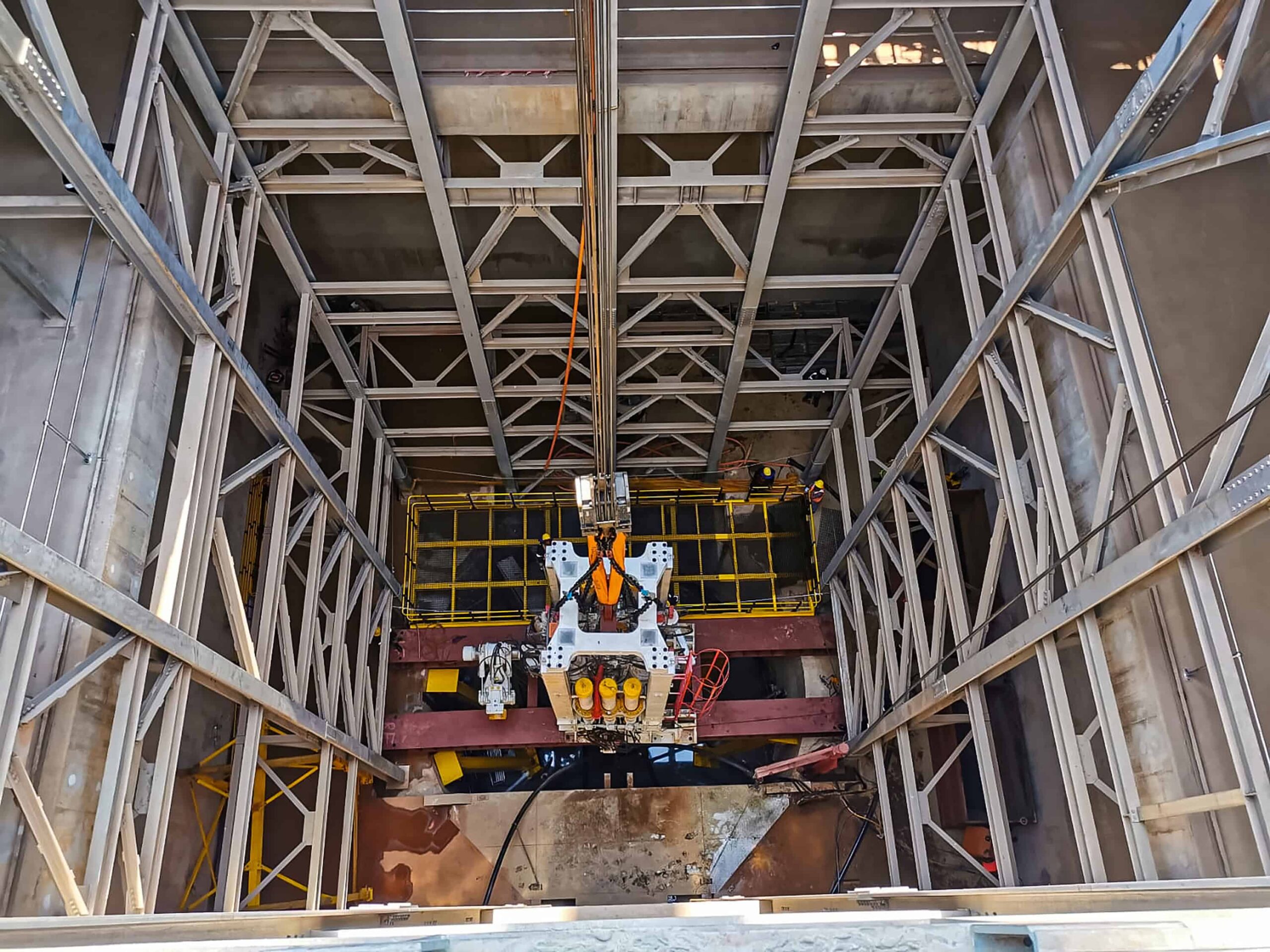
“Our current work at Mindola includes the removal of the sinking headgear and winders, and the installation of a new permanent headgear, after which we can rope-up and commission the new winders,” he explains. “This will allow us to scan the shaft from top to bottom with specialised equipment, including the length of shaft already equipped above a depth of approximately 1,000 m.”
This will allow the verifying of the correctness of the existing steel members that will guide the conveyances down the shaft, and addressing of any issues identified. Below the 1,000 m mark. The bottom 500 m of the shaft barrel will then be sliped and lined to ensure a true vertical line through which the conveyances can travel safely.
“We will the proceed with the equipping of the shaft and construction of the loading box steelwork at the shaft bottom,” he says.
The company’s legacy in some of Africa’s deepest and most challenging shaft-sinking projects has been key to its success and reputation in Zambia, according to Hercilus Harmse, Engineering Services Executive at Cementation Africa. He points to southern African projects such as the 1,200 m shaft at Palabora Mining Company – safely reaching its final depth in 2024 – and the 2,750 m ventilation shaft at South Deep.
“Many of our projects are conducted in environments where there are poor ground conditions or where extensive de-stressing of rock is required,” Harmse says. “We bring this experience into our designs and execution ensuring that we can apply innovative solutions – using our fleet of specialised equipment for rigging, winding and shaft sinking.”
Safety remains a cornerstone of Cementation Africa’s reputation in Zambia and globally, highlights New Business Director Graham Chamberlain. Over the last 12 years of shaft sinking and mine development, the company has achieved over eight million fatality free shafts.
“This is the result of consciously building a safety culture on every site and prioritising safety in all our planning and design work, using industry experience to learn from every incident,” Chamberlain says. “Particularly with equipment that is critical to safe operations, we develop and apply duplicate systems so there is always a backup. With winders, for instance, we ensure that an electronic system will be duplicated by a mechanical system in case of failure.”
Adendorff notes that, while technical capability and experience have made Cementation Africa the preferred contractor in its field in Zambia, the company has also made an important community contribution through its long presence in the country. This includes the building of a school for the deaf in 2016 – which today caters to over 100 children – and an orphanage feeding scheme.
“Our history in Zambia has also made us an employer of choice, as everyone knows our value system and the respect with which we treat our employees,” he concludes.
Combining its expertise as a shaft sinking and underground mining contracting contractor with its engineering capabilities and resources, Cementation Africa underpins the pace and safety of its projects with cost effective fleet management.
According to Arthur Adams, Manager Engineering at Cementation Africa, the company’s strategic fleet allows it to respond rapidly to specific project needs – while maintaining a high level of control over safety and performance standards.
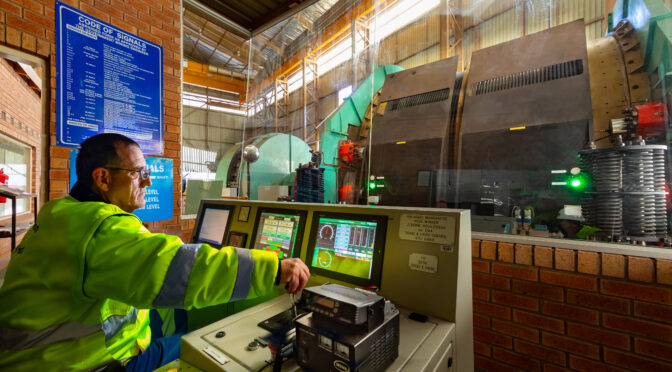
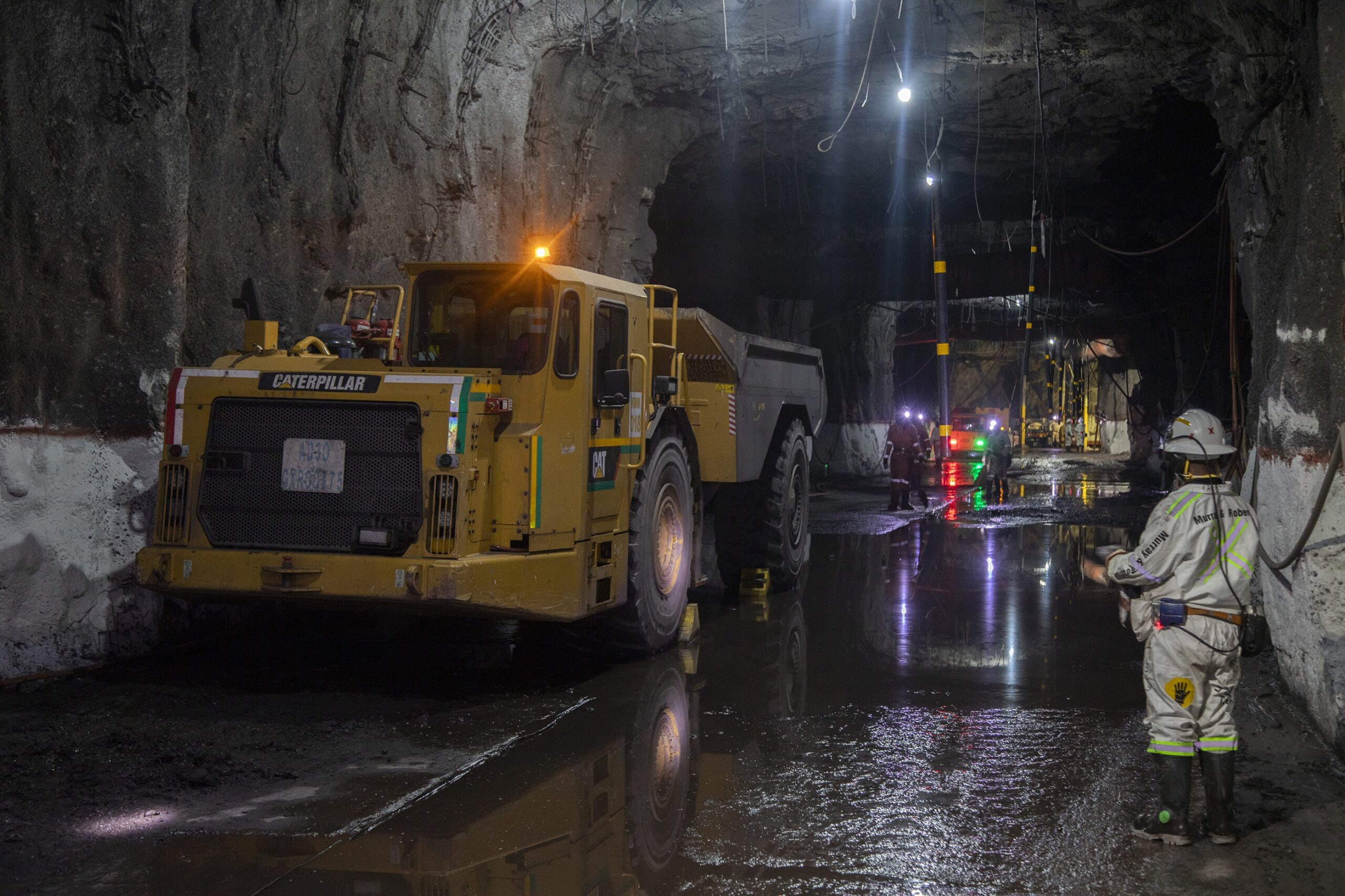
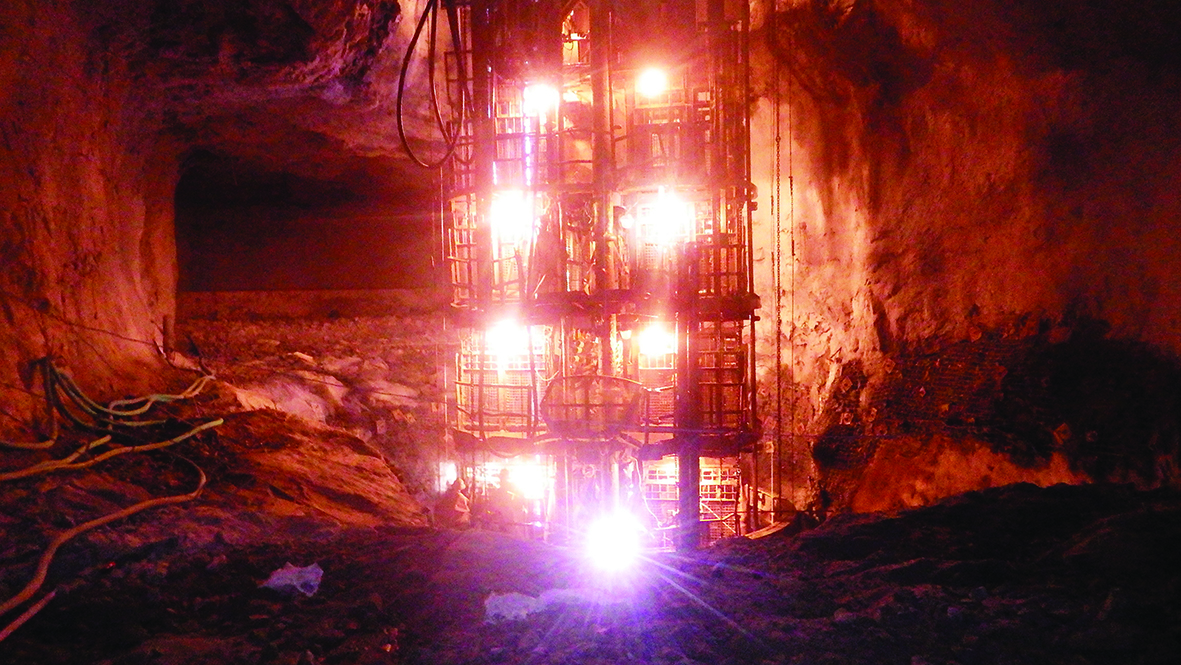
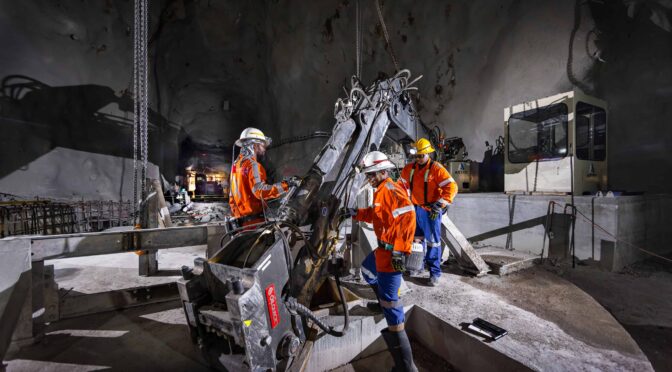
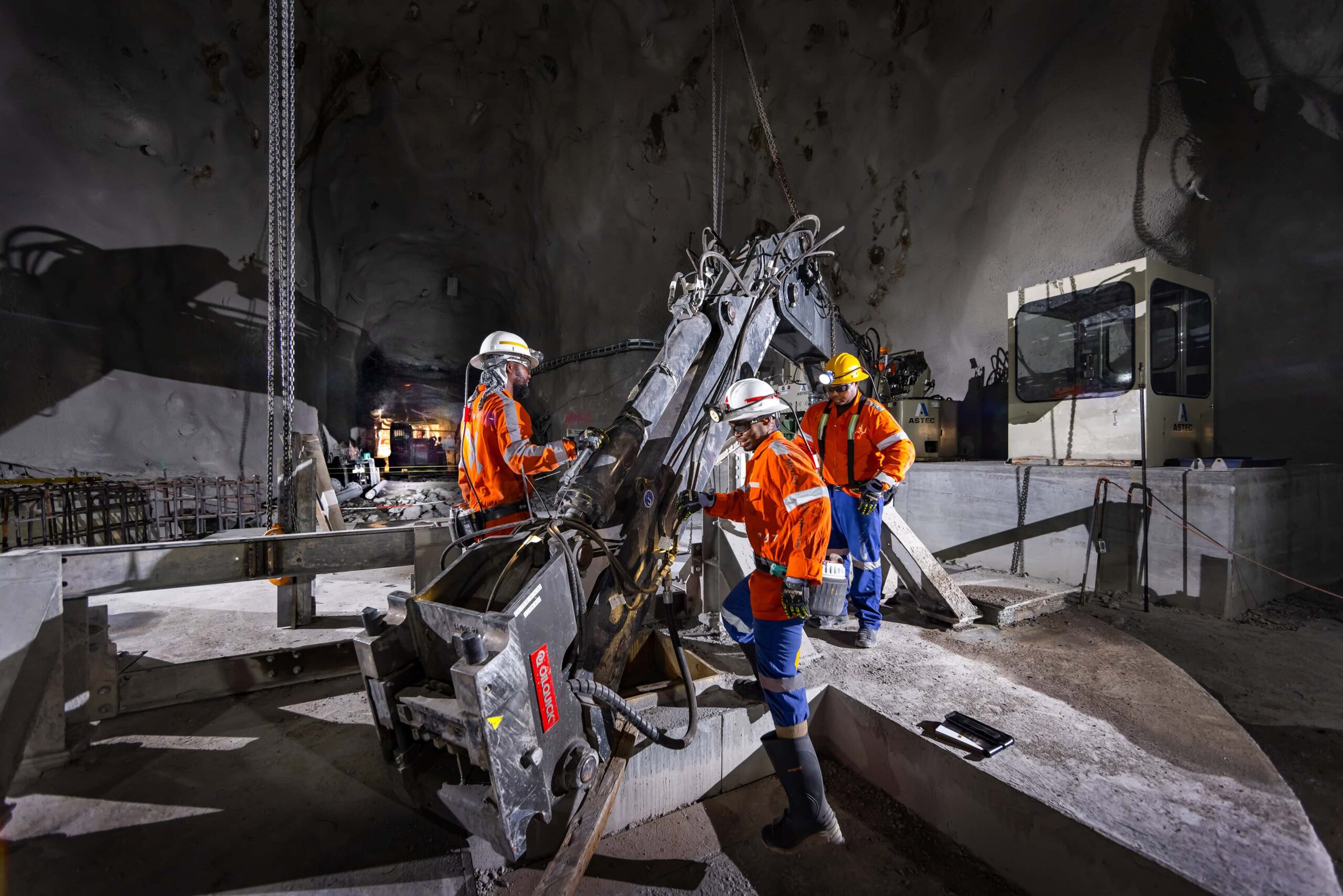
Murray and Roberts Cementation – Venetia. Underground. 94 Level. Rockbreaker Installation
“The balance between owning this strategic fleet and operating client-owned machinery gives us flexibility without the financial burden of depreciation of an underutilised equipment base,” Adams says.
The strategic fleet comprises a set of key assets that support infrastructure and shaft access work including winders and flameproof equipment for specialised applications such as box-cut development in coal mining.
“This disciplined approach directly supports our goal of achieving the best total cost of ownership for the fleet,” he says. “Intermediate and major rebuilds are timed strategically to maximise uptime while controlling long-term capital and operating costs.”
He highlights that the company uses its historical data and established formulas for its manning levels and maintenance cycles – fleet practices that contribute to productivity while controlling costs.
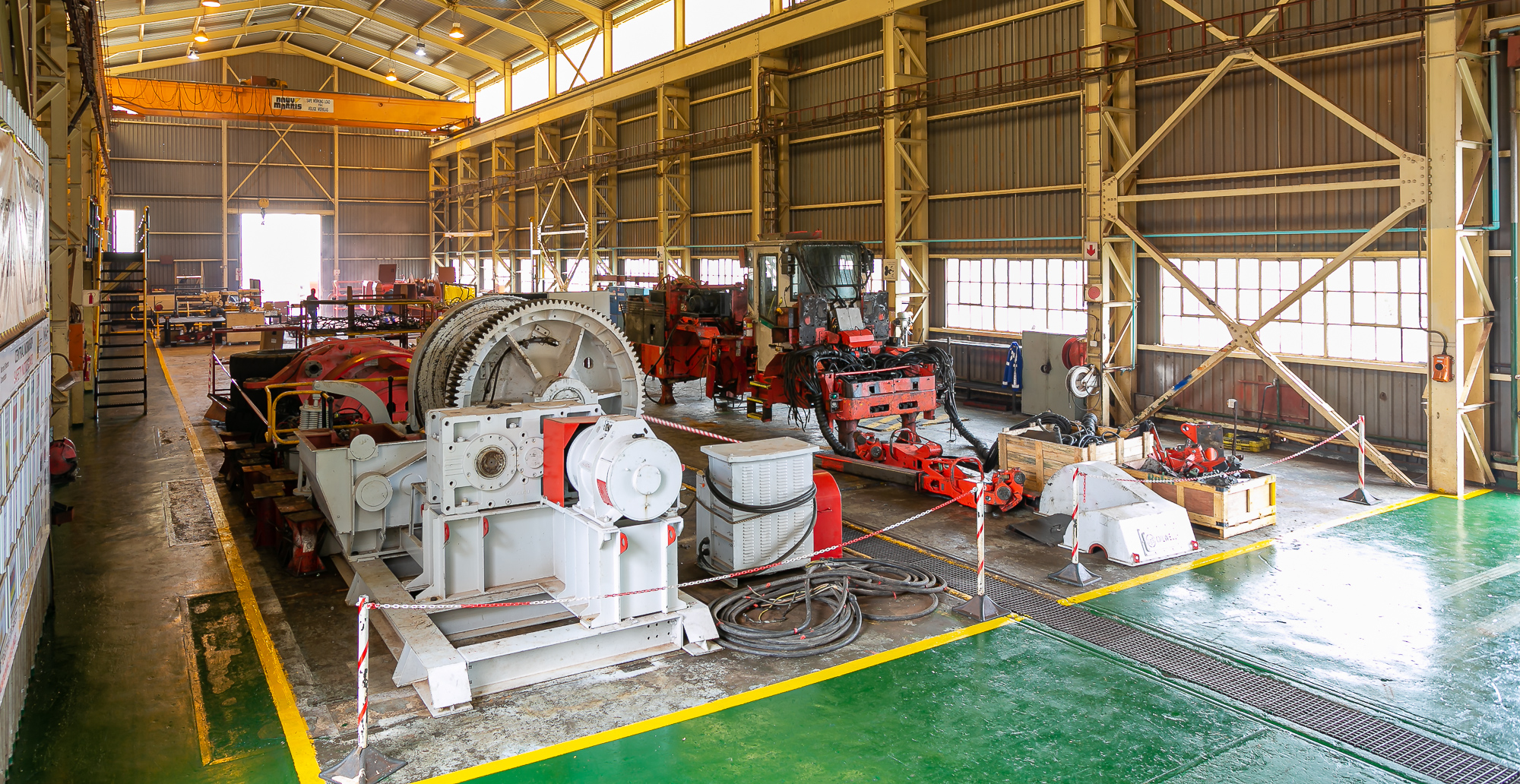
Significantly, Cementation Africa operates its own well-equipped engineering services and rebuild facilities, where refurbishment of both its own and clients’ machines is done to OEM specifications. This facility near Carletonville in Gauteng is also where the company’s world class Cementation Africa Training Academy is situated.
Cementation Africa’s approach is project-specific and collaborative, according to New Business Director, Graham Chamberlain, so the operating model does not rely on maintaining a centrally owned contract fleet.
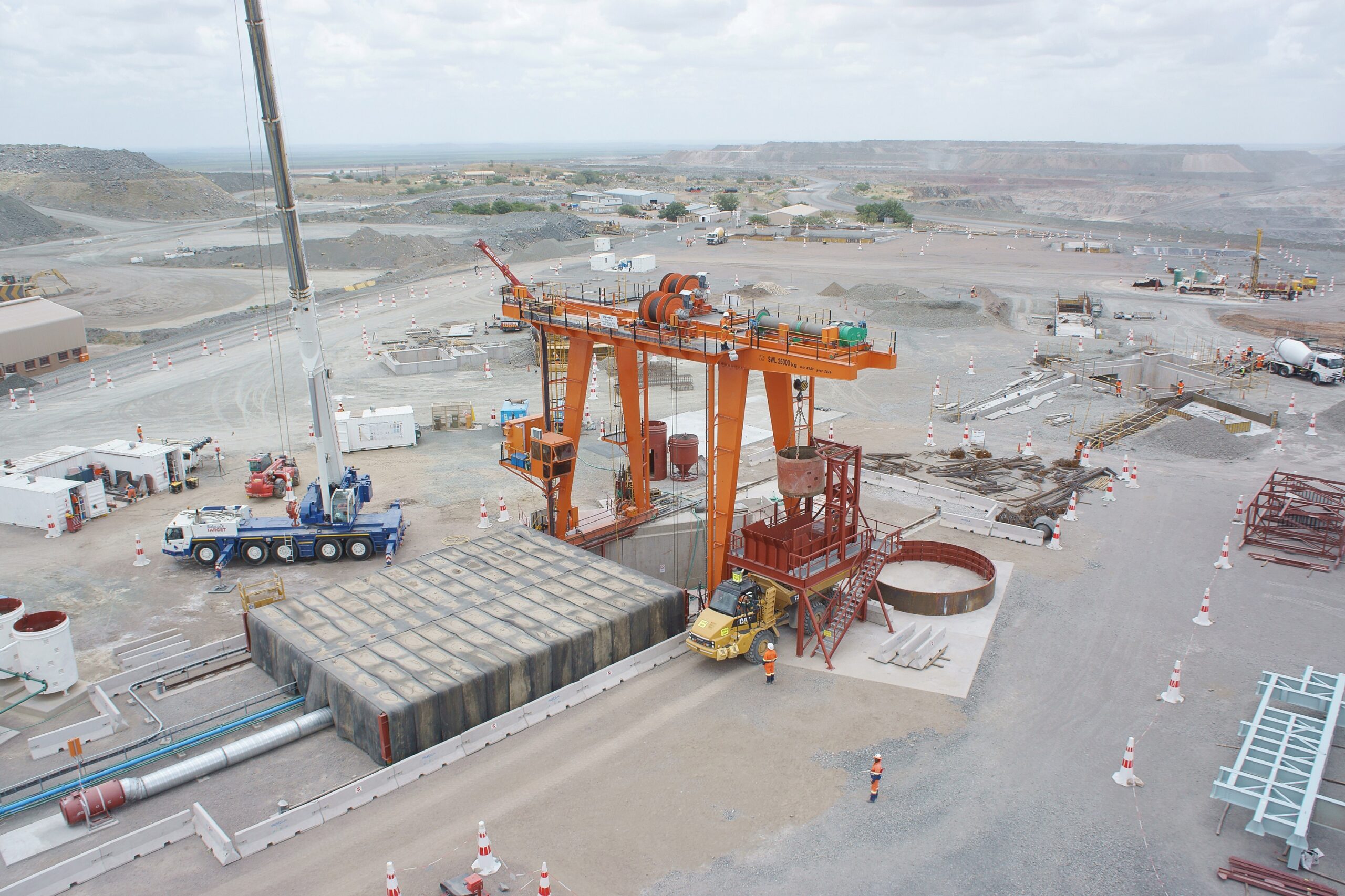
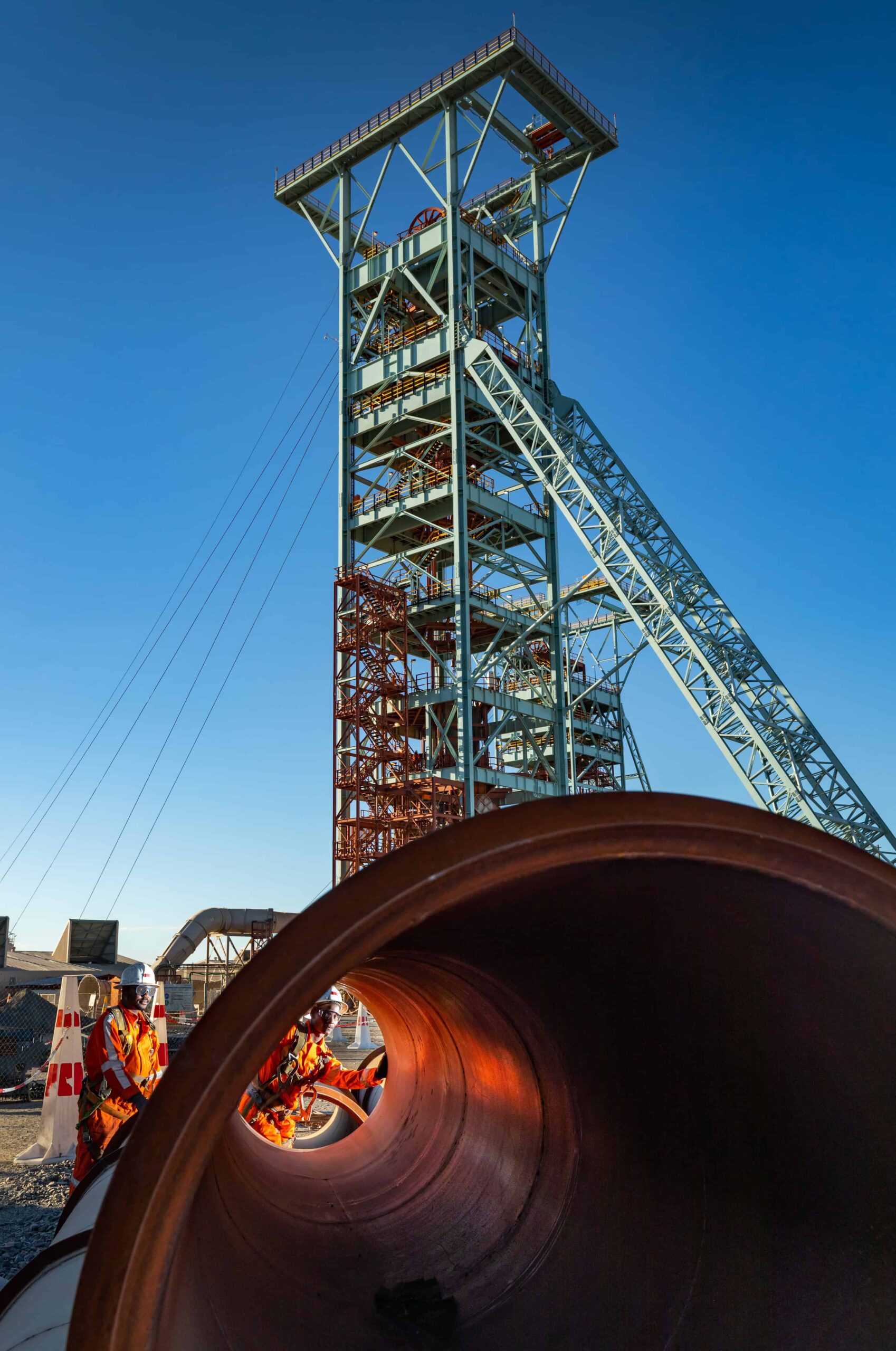
Venetia Mine
“For each contract, we assess the mining method, production requirements and site conditions before selecting the most suitable equipment in conjunction with the client,” Chamberlain says. “In some cases, we purchase the equipment on behalf of the client, while in others the client procures this directly and we operate the equipment on their behalf.”
Ultimately, he explains, the equipment vests with the client since they fund its acquisition, but the Cementation Africa team’s input ensures that the machinery is optimally matched to the job at hand.
“There is usually a waiting period for new equipment so we build this into our project planning,” he says. “When clients do not have early access to equipment, we use ‘bridging’ equipment which are typically used items – and can often negotiate with OEMs for the timeous supply of equipment.”
At Cementation Africa, safety is not treated as a checklist item, rather it is the very foundation of how the company designs, plans and executes its projects. This mindset is rooted in a philosophy that safe working environments must be engineered, not just managed.
Having evolved beyond compliance-driven approaches, Cementation Africa has embedded safety into its operational DNA. While procedures, training and behavioural programmes play an essential role, the company emphasises that safety starts with design – and it is here that its in-house mine engineering team has made a measurable difference.
“Too often, safety is seen as a system to be followed instead of a culture to be owned,” says Trevor Schultz, Risk Executive at Cementation Africa. “We have taken deliberate steps to make safety intrinsic to the way we engineer our working environments, especially in high-risk activities like shaft sinking and underground development.”
This shift began more than 21 years ago, when the company brought together two operations with different safety systems and cultures. “We recognised that procedures alone don’t save lives – people do,” Schultz says. “And people are empowered to make the right decisions when they work in environments that are designed to eliminate hazards at the source.”
Cementation Africa’s in-house mine engineering team is tasked not only with technical excellence, but with designing solutions that inherently reduce exposure to risk.
“Our design philosophy is simple,” John Goulding, Study Manager in the Mine Engineering department at Cementation Africa , says. “We aim to enable the environment for people to work safely. That means thinking about safety at the concept stage – not as a retrofit once something has gone wrong.”
Backed by an in-depth understanding of the underground mining environment, the mine engineering team brings decades of hard-earned expertise to every project. “There is deep knowledge and practical experience within our team,” says Goulding. “But what sets us apart is how we apply that knowledge, through an innovative mindset and the integration of new technologies that enhance both safety and efficiency.”
From innovative shaft sinking methods to mechanised systems that limit human interaction in hazardous zones, the goal is to create conditions where safe work is the default. “If you engineer the task with safety at its core, you remove reliance on human behaviour as the first line of defence,” Goulding adds. “That is the real power of design – it prevents incidents before they can even occur.”
Cementation Africa has also shifted from a reactive to a proactive safety approach, supported by real-time reporting and a culture of accountability at all levels. “Our teams are encouraged to raise anything that makes them feel unsafe – without fear of blame. These leading indicators allow us to respond before something goes wrong,” Schultz says.
Key to embedding this culture is what the company calls Visible Felt Leadership (VFL) – where safety leadership is demonstrated daily, not just declared. “It is not about enforcing rules from the top down,” Schultz explains. “Rather it is about everyone, from executives to supervisors to frontline crews, actively owning the safety philosophy and leading by example.”
This culture also extends to Cementation Africa’s subcontractors and partners. Every specialist brought onto a project is required to align with the company’s systems and safety expectations. “You can’t have a double standard on safety. If you are working on our site, you follow our way,” Schultz explains.
Ultimately, engineering for safety is not a single initiative but an ongoing commitment – an approach that continues to evolve alongside technology, data and operational experience.
“It is a journey that we take every day, through every project,” Goulding says. “And it starts with smart safe design and engineering.”
Cementation Africa’s reputation as a global leader in shaft sinking and mine development is underpinned by decades of engineering experience and deep technical capability, residing with the company’s Mine Engineering team.
The company’s strong design and engineering foundation enables it to engage at any stage of the project life cycle – from concept and feasibility through to detailed design and execution. According to John Goulding, Study Manager in the Mine Engineering department at Cementation Africa (formerly Murray & Roberts Cementation), the early integration of multiple engineering disciplines significantly enhances both design quality and project execution.
“Our expertise allows us to collaborate with clients from the outset, supporting concept studies, trade-offs, feasibility analysis and detailed design,” Goulding says. “We bring a broad skillset to the table, combined with a collaborative approach to find optimal solutions for each unique challenge.”
He emphasises the value of iterative design and client engagement. “Design is inherently an evolving process. We apply our professional integrity to ensure each option is evaluated thoroughly – always focused on achieving the best possible outcome.”
A key strength lies in the depth of institutional knowledge within the team. In the Mine Engineering department alone, nine out of ten professionals have over ten years of service with three-quarters having spent more than 15 years with the company. This depth of experience delivers significant value to clients through innovative thinking and practical problem solving.
“Our structural, civil, electrical and mechanical engineers are not only technically proficient but deeply familiar with implementation realities on site,” says Louis du Plessis, Project Engineer in Mine Engineering at Cementation Africa. “They bring insight into not just the ‘what’ and ‘why’, but the ‘how’ – which is critical to successful project delivery.”
Cementation Africa has the capacity to handle a broad spectrum of projects, from large-scale developments for Tier 1 miners to more focused interventions for junior operations. In one major project, the team produced over 3,000 detailed drawings, all subject to rigorous review by client engineers at both site and head office level.
“But the same standards apply to smaller jobs,” notes Du Plessis. “For example, a recent project involved designing a two tonne skip for a Zimbabwean mine producing just a few hundred tonnes per day. Our size and close-knit structure mean we can respond quickly, even to unexpected changes.”
The company’s engineers use 3D intelligent software to create digital twins and interactive 3D models. These can be accessed online via QR codes by site teams and fabricators to improve drawing interpretation. Importantly, fatal risk protocols are embedded directly into these models to support safety during fabrication and construction.
“In one large South African platinum project, we went from concept to detailed design in under two years – a timeline that required fast-tracking solutions and closely integrating procurement with execution,” says Du Plessis.
Cementation Africa’s engineering depth has been built through years of innovation and successful project delivery. The company has also played a role in growing the sector’s knowledge base, regularly contributing to industry journals and conferences locally and abroad.
“We are committed to sharing our learnings and best practices,” he concludes. “It is part of how we live our values of Care, Ownership, Integrity, Innovation, Partnership and Resilience, and how we continue to deliver value to our clients and the broader mining industry.”
Innovation in challenging mining applications such as shaft sinking and mine development stems not only from experience and institutional knowledge but is also driven by close client partnerships built on trust and confidence.
Graham Chamberlain, New Business Director at Cementation Africa (previously known as Murray & Roberts Cementation), emphasises that the company’s brand and reputation have always been built on successfully delivering quality projects under demanding conditions.
Formed through the merger of Murray & Roberts RUC and The Cementation Company (Africa), the company marks its 21st year with a new chapter as it becomes Cementation Africa from 1 July 2025, following its acquisition by a consortium of investors led by Differential Capital. While the name changes, Chamberlain affirms that the team remains fully committed to providing the same high performance underground mining solutions as it embraces this exciting new phase.
“Our many years in the mining industry, where we work on complex and lengthy projects, have taught us that collaboration is always the most effective way to overcome the challenges that every project presents,” says Chamberlain. “It is often through these close working relationships that innovative solutions emerge, keeping us at the forefront of safety and productivity in underground mining.”
He notes that understanding and mitigating risk lies at the core of the company’s work, whether developing shafts, constructing underground infrastructure or undertaking strategic rehabilitation of critical elements like ore passes. Much of this success, he explains, is driven by applying proven technologies and equipment in new ways – a capability that has become increasingly valuable amid the decline of research capacity within the local mining sector.
“We combine our rockface knowledge with a deep understanding of the tools and equipment we use, allowing us to imagine and share ideas on how these technologies can be advanced and improved,” he explains. “This makes us valuable partners to original equipment manufacturers (OEMs), with whom we collaborate closely to enhance safety and efficiency across our operations.”
This approach is especially important given that every project presents a unique combination of factors – from natural ground conditions to corporate culture and operating environment. These variables require tailored solutions, reinforcing the need for collaboration, adaptability and innovation at every stage.
“Within each specific scenario, there are invariably unexpected aspects that arise and it is the ability to deal constructively with these ‘curve balls’ that makes for successful projects,” he notes. “No mining project is ever plain sailing and that’s where our experience becomes invaluable – as there are always lessons from past projects that help guide the way forward in a structured and positive manner.”
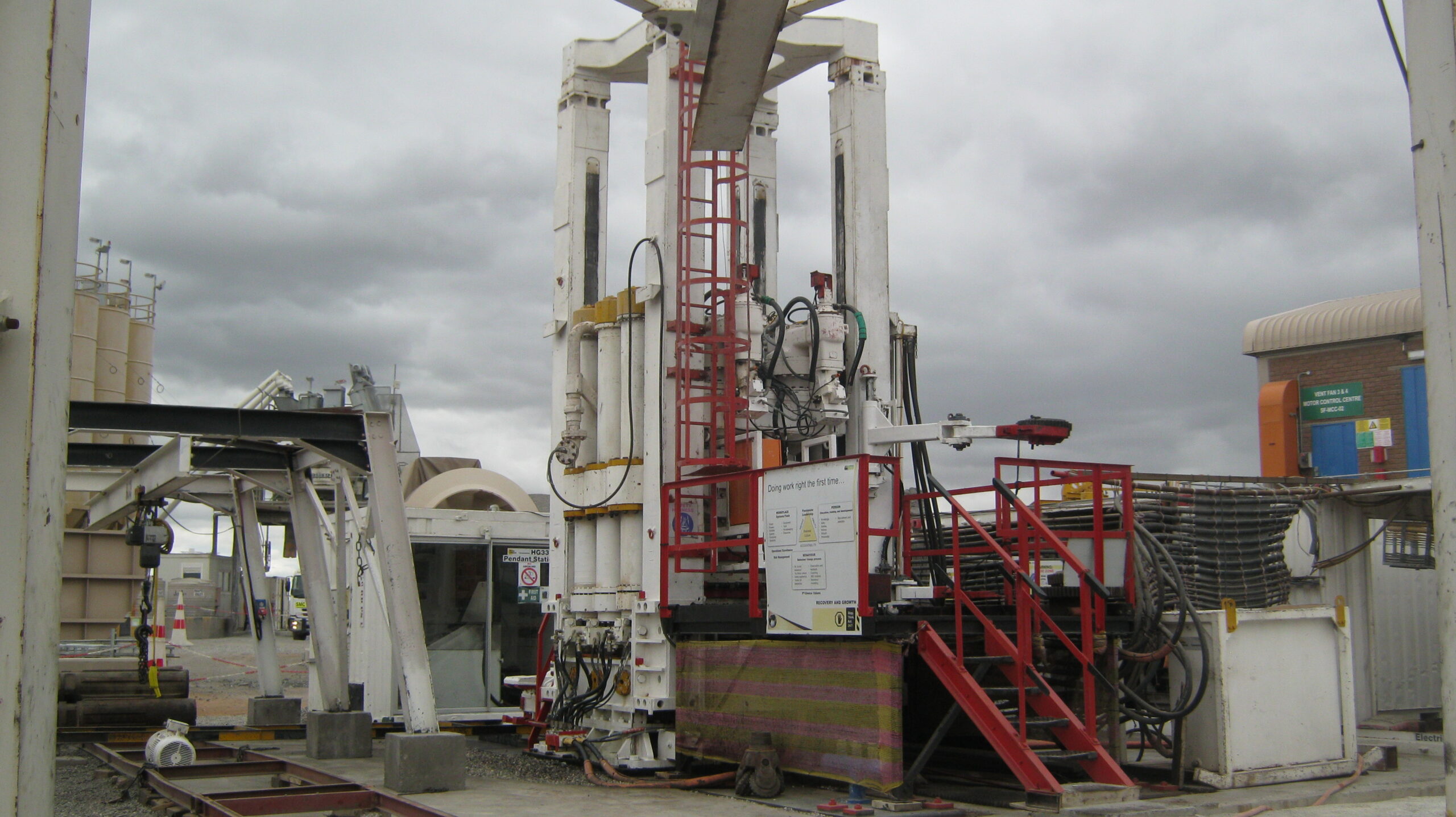
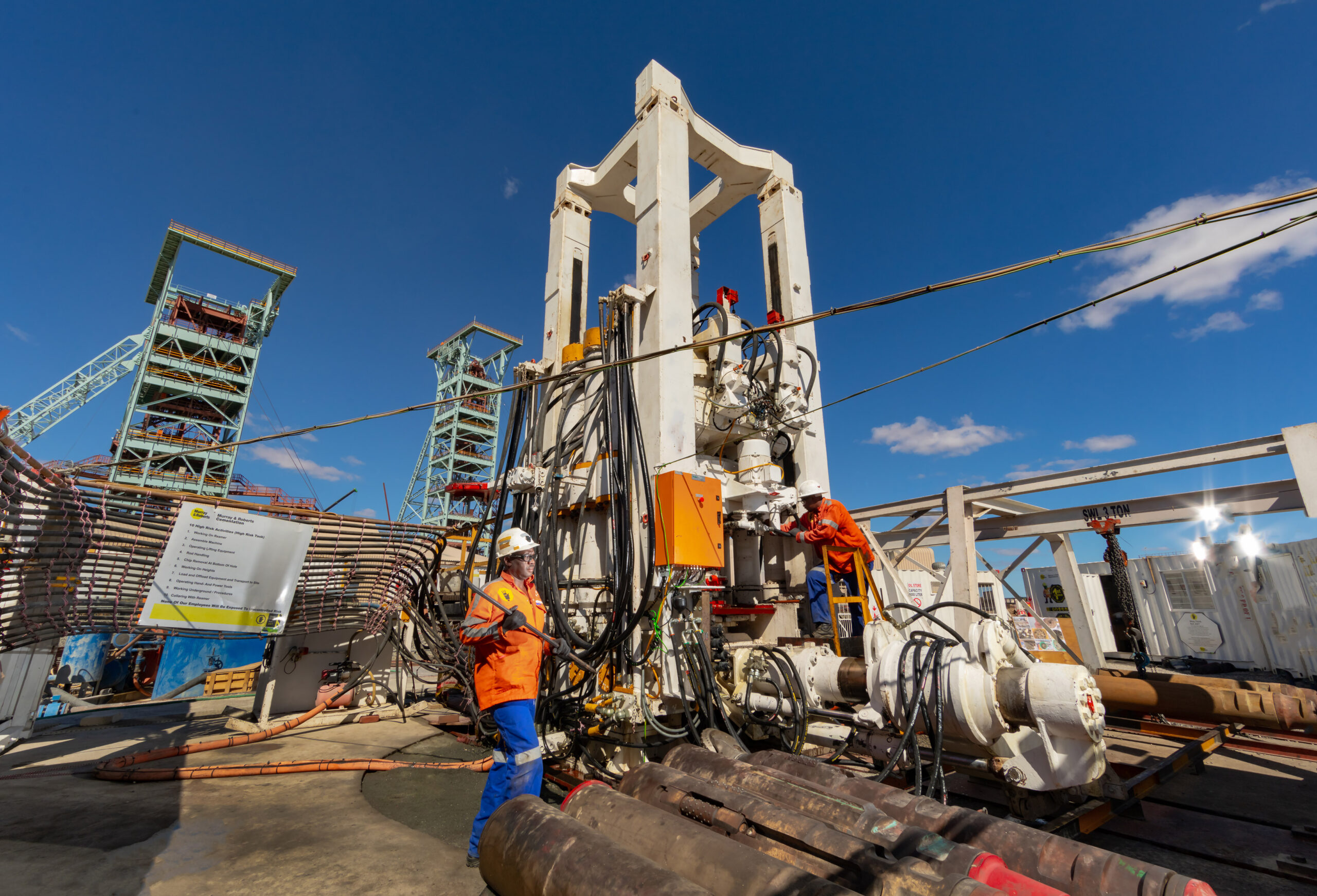
Among the many advances in best practice is the integration of directional drilling into the raiseboring process, significantly improving accuracy, reducing risk and providing greater financial predictability. On a South African platinum project, for example, the company successfully drilled a 950 m pilot hole to intersect with horizontal development, achieving an exceptional deviation of just 0.05% or 500 mm off centre.
Safety has also been elevated through the use of remote shotcrete lining technology for shaft concrete lining, which removes workers from high risk contact areas and enhances overall operational safety.
“We have significantly evolved the way we use drill rigs in our shaft sinking operations,” he notes. “For many years, foot-mounted drill rigs were the standard; but in our drive to remove people from hazardous, high-energy zones, we now suspend the drill rigs beneath the shaft-sinking stage.”
These rigs have progressed from pneumatic and hydraulic models to fully electro-hydraulic systems in the Cementation Africa fleet, now in its fourth generation of technological development and equipped with a host of safety and efficiency features. Mucking has also seen significant innovation, contributing to the company’s exceptional safety performance – highlighted earlier this year by the achievement of 8 Million Fatality Free shifts across its shaft sinking and related projects.
“Traditionally, the cactus grab was a common tool for mucking blasted material from a shaft bottom,” he explains. “However, our safety analyses over the years made it clear that we needed a safer alternative to this – as well as to the over-shoulder loader.”
The solution was found in adapting the well-established hydraulic excavator design, with the arm and bucket mounted to the bottom of the stage and operated remotely to enhance safety. In addition, the pneumatically operated Brutus clamshell mucker – widely used in North America – was introduced by Cementation Africa into common use in southern Africa.
The company continues to share knowledge and best practices with its sister operations, Cementation in Canada and the US, strengthening its innovation capacity through global collaboration.
An essential aspect of shaft sinking and mine development is the concrete used to line shafts, haulages, and other critical mine infrastructure. Chamberlain highlights that advancements in cement and concrete technologies, along with improved methods of material transfer, have been effectively harnessed to enhance performance, safety and efficiency on site.
“While ordinary Portland cement was used in earlier days, we have taken full advantage of the many scientific advances in the cement industry, including admixtures and plasticisers, to achieve superior results in the placement and final strength of concrete,” he says. “Even our placement methodologies have evolved significantly, with the use of receptacles now replacing traditional slick-lines for improved efficiency and control.”
While slick-lines were once seen as a quick and simple method for transferring concrete, they often caused separation of the concrete’s components, requiring remixing in a kettle at the destination level before application. Today, this issue is effectively addressed through the use of modified kibbles, which maintain the integrity of the concrete mix even at depth.
“As we apply these innovations across Africa, we are also seeing our partner OEMs expanding their regional presence to align with national expectations for in-country service delivery,” he says. “Our strategy has been to establish regional hubs that bring solutions closer to our customers, while also reducing the complexities of cross-border logistics and administration.
“Over time, building trust with clients leads to relationships where Cementation Africa is given insight into the ‘full picture’ of an upcoming project,” he says. “This allows us to contribute meaningful input at an early stage, supporting the client’s vision and planning from the outset.”
“This is where our experience and innovation add real value to a mining project,” says Chamberlain. “It allows us to engage in a two-way conversation with the client to identify the safest and most efficient solutions for the medium to long term.”
In a defining moment for one of Africa’s most respected underground mining contractors, Murray & Roberts Cementation has officially rebranded as Cementation Africa. This new name signals the start of an exciting and independent future, following the company’s acquisition by a consortium of investors led by Differential Capital.
Coinciding with its 21st anniversary, the rebrand reflects not only a proud legacy but also a renewed drive to innovate, expand and deliver even greater value to the continent’s mining sector.
“Turning 21 is not just a symbolic coming of age – it is a powerful inflection point for the business,” says Japie du Plessis, Managing Director of Cementation Africa. “As an organisation we have a solid foundation built on more than five decades of trust, technical excellence and safe project delivery. Now, as Cementation Africa, we step into the future with greater agility, independence and focus.”
While the name has changed, the company’s leadership team, skilled personnel and values remain firmly in place. Clients and partners can continue to expect the same high standards of safety, performance and professionalism for which the company is known.
Formed in 2004 through the merger of Murray & Roberts RUC and The Cementation Company (Africa), the business has grown well beyond its origins as a conventional mining contractor. Over the past two decades, it has delivered more than 15,000 metres of vertical shaft sinking and 72,000 metres of raiseboring, averaging 300 metres per month. These achievements have been made possible through the use of advanced technologies, such as the Rotary Vertical Drilling System (RVDS).
A standout application of this technology is the 950 metre deep ventilation shaft at Ivanplats’ Platreef project in Limpopo, which recorded a deviation of just 0.5% over nearly a kilometre -a world class result.
The company’s in-house Mine Engineering team plays a critical role in shaping these outcomes. From mine design and infrastructure layout to construction sequencing and execution planning, the team ensures every project is underpinned by robust technical and operational foundations. Their close integration with project teams and use of digital modelling tools enables smarter faster decision making and reduces risk across the project lifecycle.
Cementation Africa has also built a strong reputation for its role in complex greenfield mining projects, supporting clients from development through to operational readiness. “These transitional contracts are complex and challenging, and we take great pride in having completed several of them successfully,” adds du Plessis.
The company’s fully accredited Training Academy at Bentley Park remains central to its strategy and social investment. As the only facility of its kind on the continent, it plays a vital role in addressing skills shortages across the sector – offering training for artisans, supervisors and managers, and hosting blasting ticket examinations on behalf of the Department of Mineral Resources.
To further boost safety and productivity, Cementation Africa actively partners with original equipment manufacturers (OEMs) to test and implement the latest technologies. One example is its collaboration with Herrenknecht of Germany which has introduced mechanised caisson shaft sinking using roadheaders allowing for shaft development of up to 300 metres without a single worker entering the shaft.
“We are focused on technologies that remove people from high risk areas while increasing deployment speed,” says du Plessis. “From mechanised reef extraction to blind boring with mobile rigs, it is all about safer, faster and smarter mining.”
This forward-thinking approach extends to training where simulation and virtual reality are incorporated alongside underground mock-up facilities to enhance learning and preparedness.
Safety remains non-negotiable. Du Plessis emphasises that it is a value embedded in every aspect of the business. The company recently celebrated an industry-leading 8 Million Fatality Free Shifts over a 12 year period – a milestone that reflects Cementation Africa’s rigorous protocols, investment in people and culture of shared accountability.
Looking ahead, Cementation Africa is actively expanding its footprint across the continent with fully incorporated business structures already in place in key markets. “We are strategically positioning ourselves to support more mining clients in countries such as Zambia, Botswana, Namibia and Ghana,” concludes du Plessis. “While our name has changed, our commitment to performance, partnership and people remains as strong as ever.”
Murray & Roberts Cementation is celebrating 21 years of growth and transformation since the merger of Murray & Roberts RUC and The Cementation Company (Africa) in July 2004. Over the past 21 years, the company has evolved into a global leader in contract mining services expanding beyond traditional contracting to a high-tech value-driven provider of mining solutions.
New Business Director, Graham Chamberlain, reflects on the company’s bold direction highlighting its commitment to adopting cutting-edge technologies, enhancing safety and continuing to expand its footprint across Africa. Today, Murray & Roberts Cementation operates in Zambia, Botswana, Namibia and Ghana, ensuring a robust presence to serve the continent’s growing mining sector.
“As a leader in the contract mining sector and in particular in shaft sinking operations, we have a strong safety record,” Chamberlain says. As an indication of its safety commitment, in December 2024 Murray & Roberts Cementation achieved 8 million fatality free shafts – spanning a dozen years.
Further since 2001, Chamberlain says that the company has sunk 21 shafts—15 of them since 2012—totalling an impressive 15,000 metres of vertical sinking. Additionally, it has completed 72,000 metres of raise drilling, averaging 300 metres per month.
A key component of this success is the Rotary Vertical Drilling System (RVDS), which has been deployed on 93 projects. This advanced drilling technology achieved 99.95% accuracy on a 950 metre ventilation shaft at Ivanplats’ Platreef project in Limpopo, with only a 500 cm deviation.
Pioneering New Mining Technologies
With the decline in mining sector R&D investment over the past two decades, Murray & Roberts Cementation has proactively partnered with Original Equipment Manufacturers (OEMs) to test and apply the latest safety and efficiency technologies. A standout collaboration is with Herrenknecht, a global leader in mechanised tunnelling, to develop caisson shaft sinking methods with a roadheader. This approach enables pre-sinking or shallow shaft sinking up to 300 metres deep and 20 metres wide – without human presence in the shaft.
The company is also advancing mechanised tabular reef extraction and blind boring, focusing on rapid deployment and minimising worker exposure. Training methodologies have been modernised through the use of simulation, virtual reality and underground mock-up facilities to enhance skills development at the Murray & Roberts Training Academy at Bentley Park, near Carletonville.
Training the Next Generation of Miners
“A core element of our success is the company’s commitment and dedication to training, through our world class training academy. This facility plays a crucial role in bridging skills gaps in the mining sector, offering artisanal, supervisory and management training including the courses necessary for the blasting ticket and other government tickets of competency,” Chamberlain says.
This world class facility also hosts official blasting ticket examinations conducted by the Department of Mineral Resources and Energy (DMRE).
Delivering Sustainable Mining Solutions
Beyond its technical and operational excellence, Murray & Roberts Cementation remains committed to social initiatives with various education-focused initiatives conducted over the years – from hardware in schools to supporting sanitary pads campaigns in poor communities, so that girls do not miss any schooling. Investments have been made in borehole drilling for groundwater and even a mobile science and mathematics laboratory for schools – made available through the whole Murray & Roberts group.
“As Murray & Roberts Cementation continues to expand its African footprint, we remain dedicated to innovation, safety and skills development. With fully incorporated structures in key mining regions, we are well-positioned to meet the evolving needs of the mining sector and drive sustainable growth in the years to come, Chamberlain concludes.