Tag Archives: Booyco Engineering

BOOYCO ENGINEERING EXTENDS SITE-WIDE HVAC SERVICE AGREEMENT TO INCLUDE LDV FLEET AT SOUTH AFRICAN COAL MINE

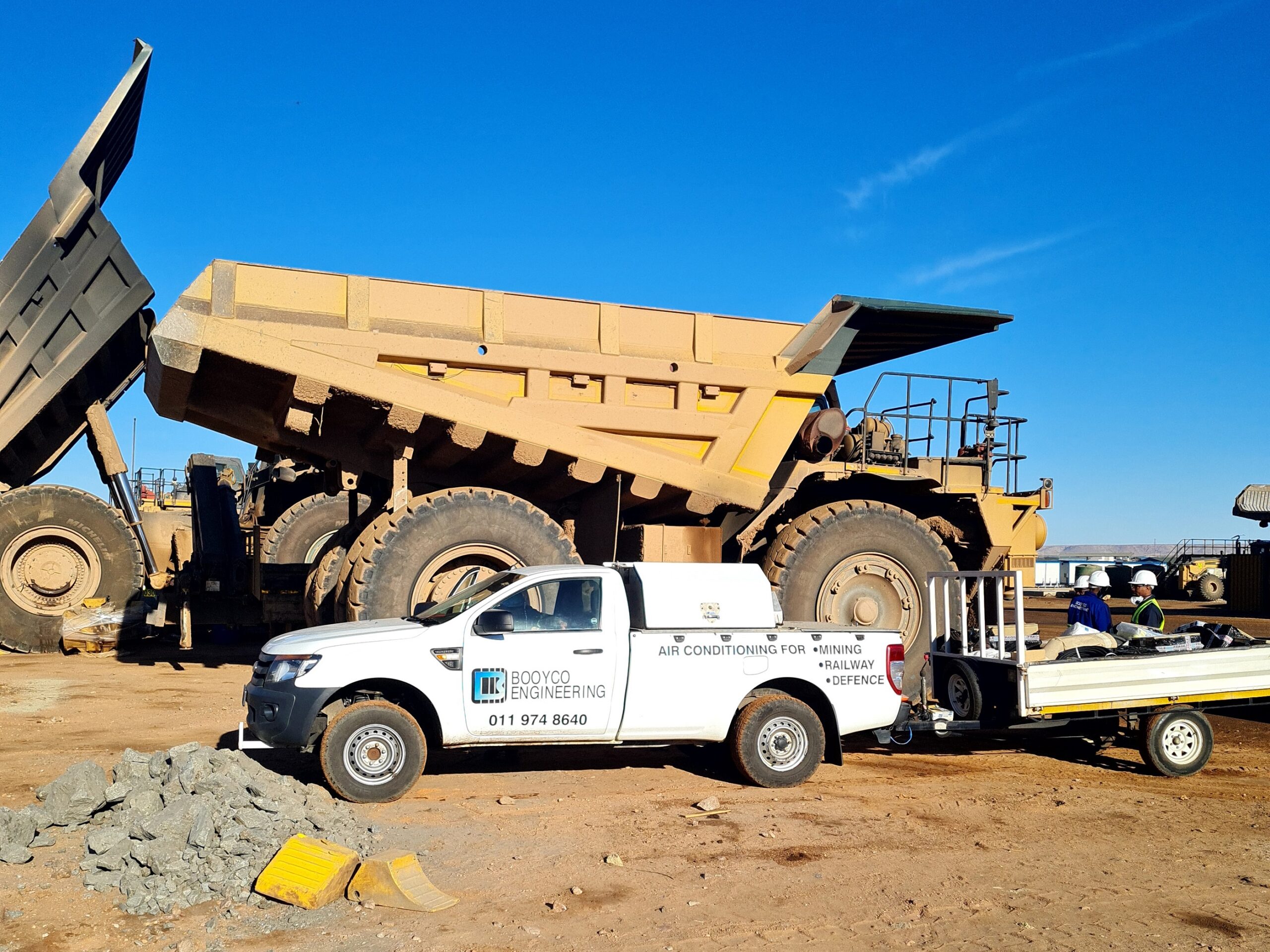
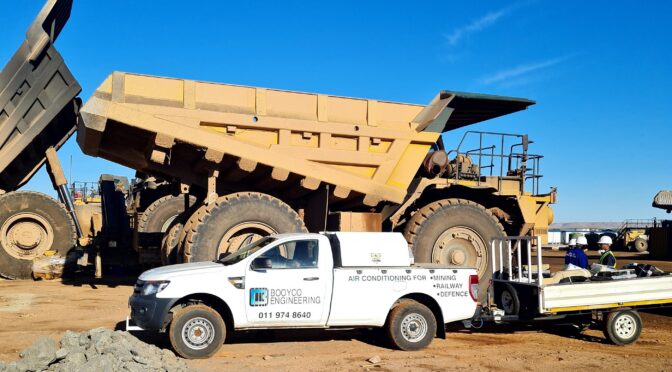
Booyco Engineering has expanded an existing Service Level Agreement (SLA) at a major South African coal mining operation to now include all light duty vehicles (LDVs) on site, further strengthening its role in supporting fleet reliability, operator comfort and safety across the mine’s full mobile equipment portfolio.

Reliable HVAC systems contribute to operator wellbeing, reduced fatigue and safer working conditions in demanding mining environments.

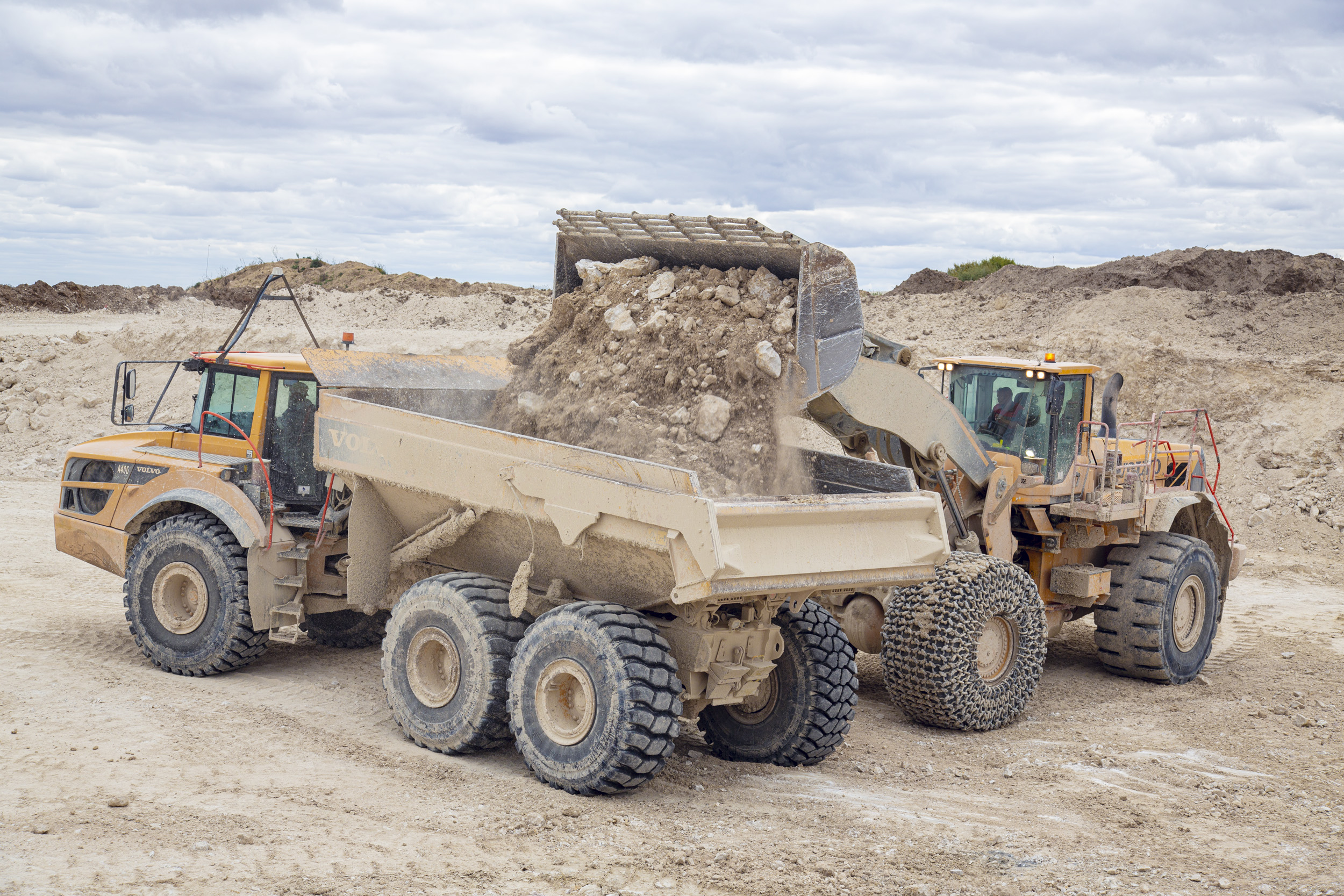
The agreement previously covered the yellow metal component of the mine’s fleet including rigid frame and articulated dump trucks as well as loading equipment. The expanded scope now brings the site’s LDV fleet under the same structured maintenance programme, ensuring a consistent approach to HVAC system performance across all mobile assets.

According to Brenton Spies, Managing Director of Booyco Engineering, the extension reflects the growing recognition that HVAC system performance is critical across all categories of mining equipment.
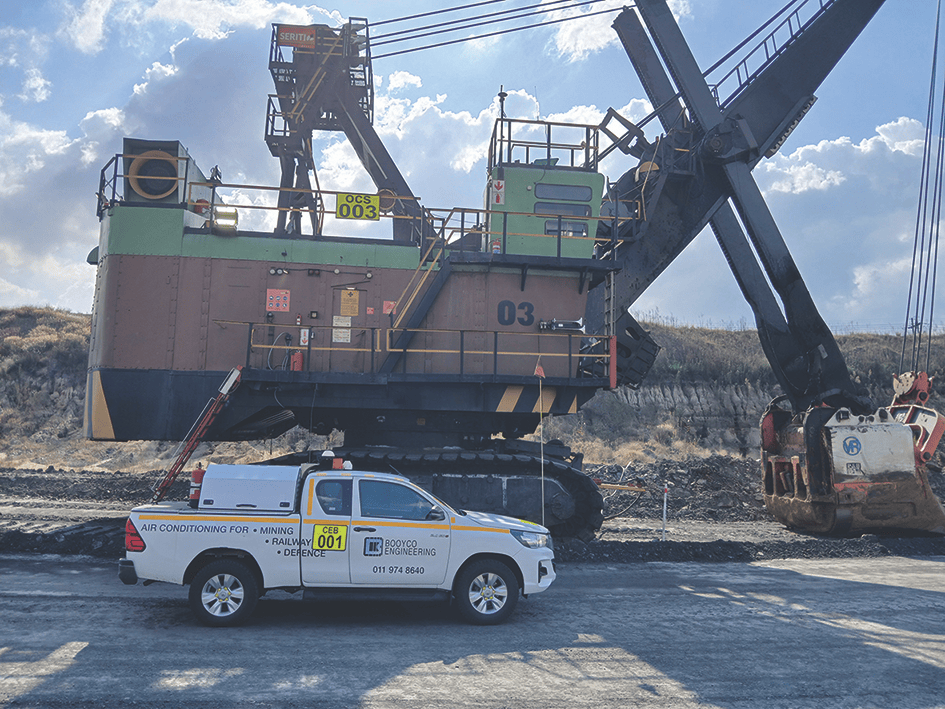
Effective HVAC maintenance plays a critical role in supporting productivity, equipment uptime and workforce comfort across modern mining operations.

“HVAC systems play a vital role in maintaining a safe and comfortable working environment for operators and personnel across the site,” Spies says. “This directly supports productivity, reduces fatigue and contributes to overall operational safety, particularly in demanding mining conditions where equipment operates for extended periods.”

Spies explains that Booyco Engineering’s SLAs are never generic but are carefully customised to align with the specific operating requirements of each customer’s site.
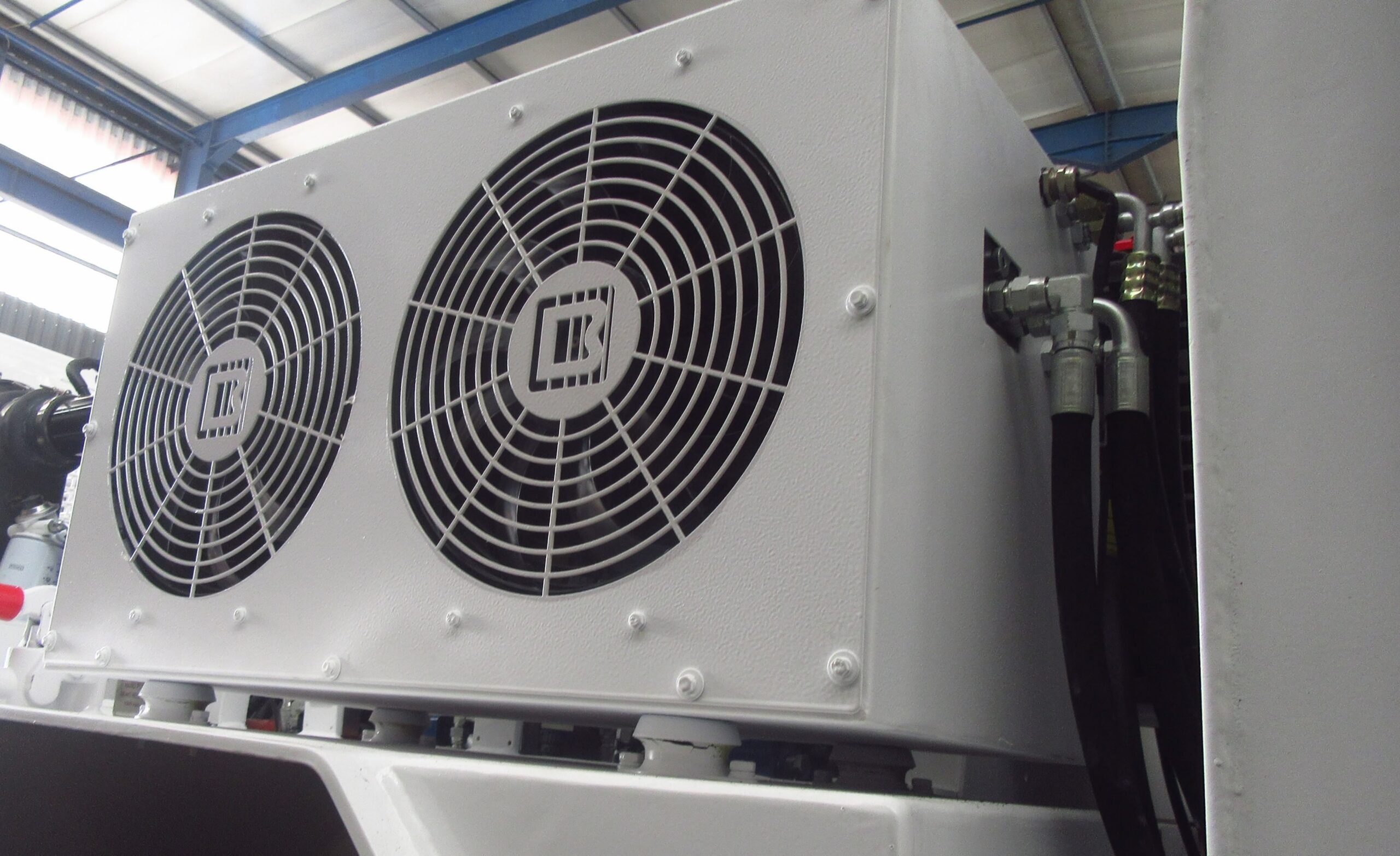
Booyco Engineering’s tailored service level agreements help mining operations maximise HVAC reliability, equipment availability and operator comfort across diverse mobile fleets.

“Every mining operation has its own fleet composition, operating cycles and environmental conditions which means maintenance programmes need to be tailored accordingly,” he says. “Our SLA model is built around the customer’s specific requirements to ensure reliable performance and to create opportunities for early detection of potential issues before they develop into costly failures.”
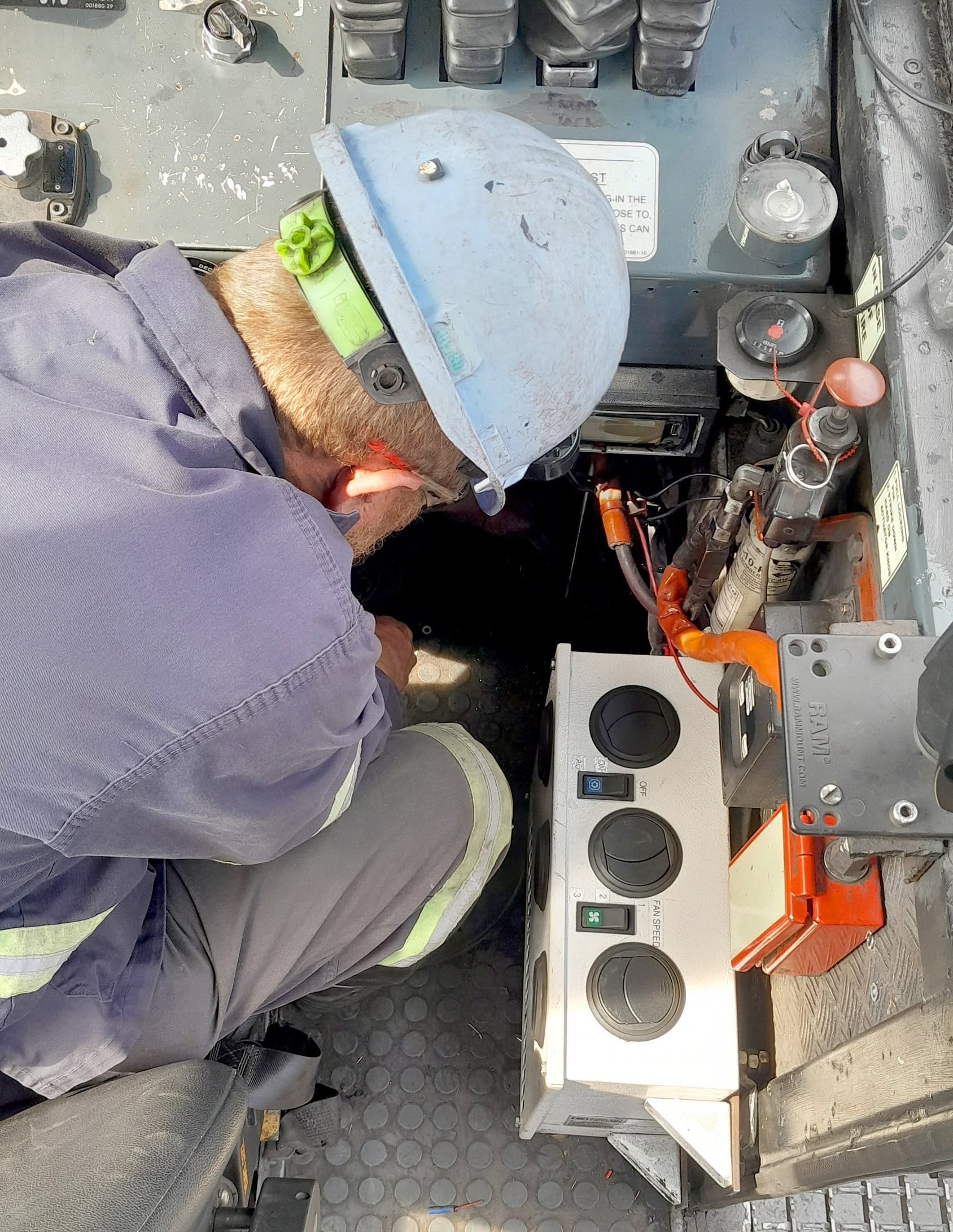
Effective HVAC maintenance plays a critical role in supporting productivity, equipment uptime and workforce comfort across modern mining operations.

This proactive maintenance approach enables Booyco Engineering to identify early warning signs that may indicate wear, reduced cooling efficiency or the need for repairs, allowing planned interventions that minimise unplanned downtime.

“The best option is normally to have a dedicated technician permanently on site,” Spies says. “This gives the customer access to a skilled resource who follows a structured maintenance schedule designed around every piece of equipment operating on that particular site.”

By embedding technical capability directly at the operation, Booyco Engineering ensures rapid response times, consistent preventative maintenance and improved equipment uptime.

Proactive HVAC maintenance enables early fault detection, reducing unplanned downtime and supporting improved fleet performance.

The expanded SLA further demonstrates the company’s commitment to supporting the mining sector with engineered HVAC solutions and service models that are aligned with the operational realities of modern mining fleets.

“As mines continue to focus on productivity, equipment availability and workforce wellbeing, properly maintained HVAC systems remain a critical part of fleet performance,” Spies concludes.
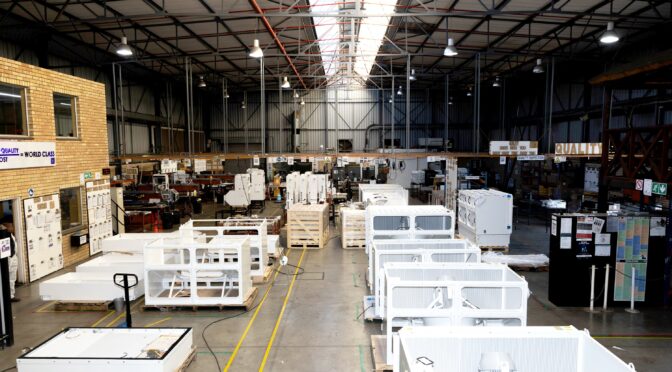
BOOYCO ENGINEERING TO SHOWCASE PROVEN HVAC SOLUTIONS AT ELECTRA MINING AFRICA

Booyco Engineering will place its specialised HVAC systems firmly in the spotlight at Electra Mining Africa 2026, inviting visitors to engage directly with its team and discover why its cooling and climate control solutions continue to perform reliably across both underground and surface mining operations.

In the demanding environments of mining and construction, effective heating, ventilation and air conditioning (HVAC) systems are far more than a comfort feature – they are critical to operator safety, machine performance and equipment longevity. Extreme temperatures, dust, vibration and harsh working conditions place enormous pressure on mobile equipment, making robust and reliable HVAC systems essential.

Booyco Engineering has built a strong reputation for designing and manufacturing heavy-duty HVAC systems specifically for mobile mining, earthmoving and construction machinery as well as for rail and defence applications. Engineered to withstand the toughest operating conditions, these systems are developed to deliver efficient cooling, dependable performance and long service life, even in the harshest environments.

Visitors to the Booyco Engineering stand at Electra Mining Africa 2026 will have the opportunity to engage with the company’s specialists and gain a deeper understanding of how its HVAC systems are tailored to meet the unique requirements of OEMs, fleet operators and mining customers.

“Our HVAC systems are designed for real operating conditions where downtime is costly and equipment reliability is non-negotiable,” Brenton Spies, Managing Director of Booyco Engineering, says. “Electra Mining Africa gives us the opportunity to engage directly with customers, understand their challenges and demonstrate how our solutions continue to deliver value over the long term.”

The company’s solutions support a wide range of equipment, from underground mining machines to surface haul trucks, loaders and specialised construction equipment. By combining robust design with technical expertise and responsive aftermarket support, Booyco Engineering ensures its systems continue to perform long after installation.

The exhibition also provides an opportunity for customers to better understand the company’s service capability, maintenance support and long-term partnerships approach. In mining environments where machine availability directly affects productivity, reliable HVAC performance plays an important role in protecting both operators and equipment.

At this year’s Electra Mining Africa, Booyco Engineering is encouraging visitors to move beyond simply viewing the products and instead engage with the people behind the solutions.

“The real value lies in understanding the application and designing the right solution for it,” Spies adds. “We want visitors to come and talk to us, share their operational challenges and see how proven engineering and experience translate into HVAC systems that truly stand the test of time.”

Booyco Engineering looks forward to welcoming customers, OEM partners and industry stakeholders to its stand and demonstrating why its HVAC systems remain a trusted choice across Africa’s mining sector.

Booyco Engineering – Hall 9 Stand B23

BOOYCO ENGINEERING ADVANCES MILITARY HVAC WITH THIRD GENERATION SYSTEM NOW IN FULL PRODUCTION

Booyco Engineering has moved into full production of its third generation heating, ventilation and air conditioning (HVAC) system for a customer’s latest 8×8 amphibious infantry vehicles.

This latest HVAC solution is the result of the company’s intensive research and development, aimed at addressing both environmental extremes and the stringent operational requirements of military applications. Grant Miller, Executive Director of Booyco Engineering, highlights the increasing complexity of thermal management in defence vehicles.

“We didn’t approach this HVAC development as a simple upgrade,” Miller explains. “This is a ground-up third-generation design that incorporates lessons learned from previous deployments as well as new performance requirements driven by modern vehicle architectures and mission profiles.”

The development process was characterised by extensive modelling, simulation and field validation. Rather than focusing solely on cooling capacity, the Booyco Engineering team adopted a systems-level approach, considering airflow dynamics, thermal loads from onboard electronics and crew comfort.

“One of the key innovations is how we manage thermal loads under highly variable conditions,” he says. “The system has to perform consistently, whether the vehicle is operating in extreme heat or cold; this requires a very precise balance between capacity, responsiveness and energy efficiency.”

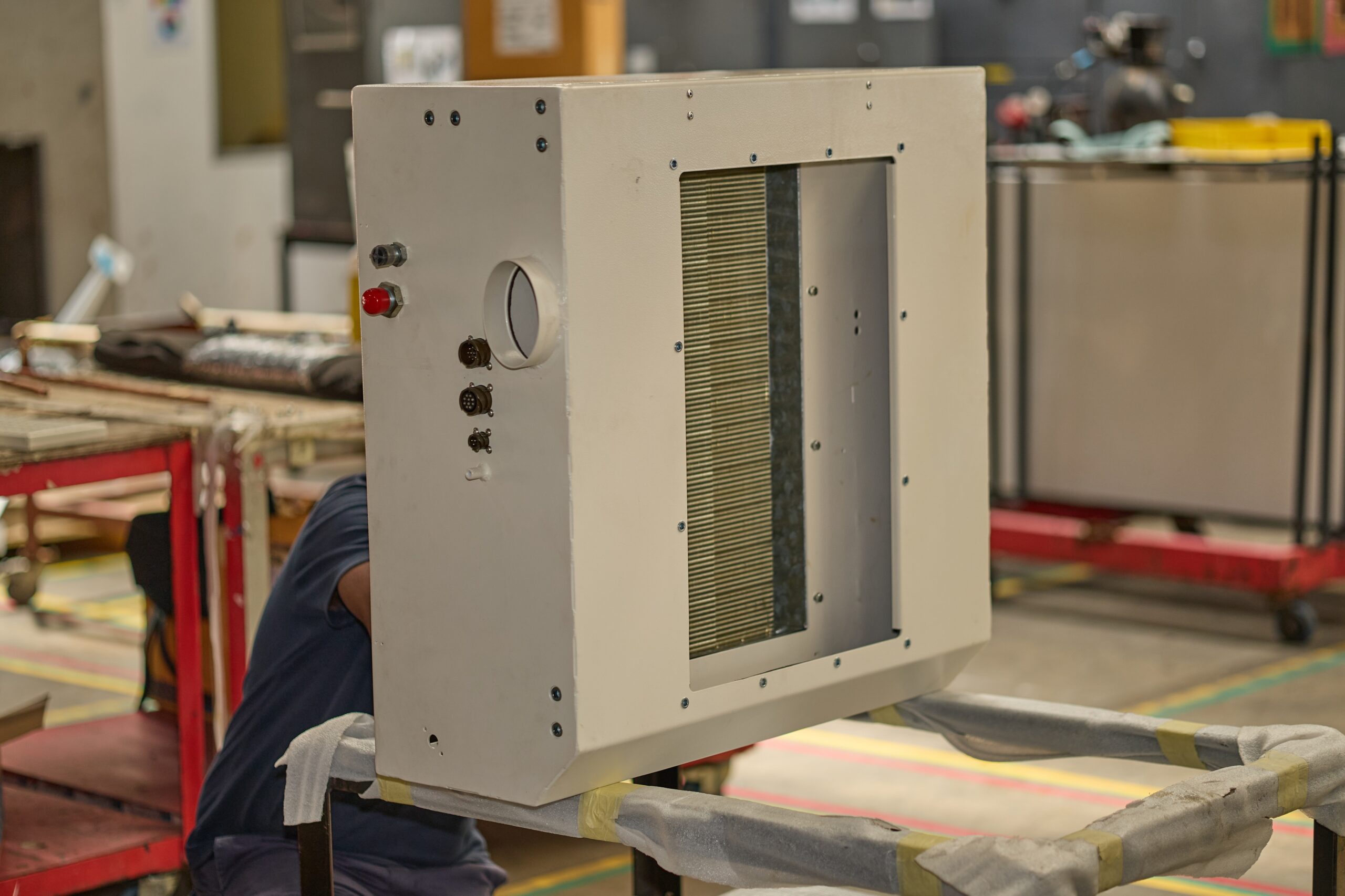
The result is a more compact energy efficient unit that delivers improved performance without imposing excessive load on the vehicle’s power systems. This is an increasingly important consideration as modern infantry vehicles incorporate more electronic subsystems. Designing an HVAC system capable of operating reliably between minus 10°C and plus 49°C presents significant engineering challenges, including material selection and component durability.

Booyco Engineering’s in-house capabilities and experience have been central to addressing these challenges. The company leverages integrated design, prototyping and testing functions to validate performance under simulated environmental conditions before systems enter production.

“Leveraging our previous experience together with extensive in-house testing allows our team to test and refine designs internally, ensuring systems are pushed to their limits and ensure they meet military-grade requirements before they ever reach the field,” Miller says. 

This vertical integration also enables rapid iteration during development, reducing the risk of performance issues emerging later in the production cycle. Now, as the company conducts full-scale manufacturing of the new-generation HVAC systems, it applies rigorous quality control processes to ensure consistency and compliance.

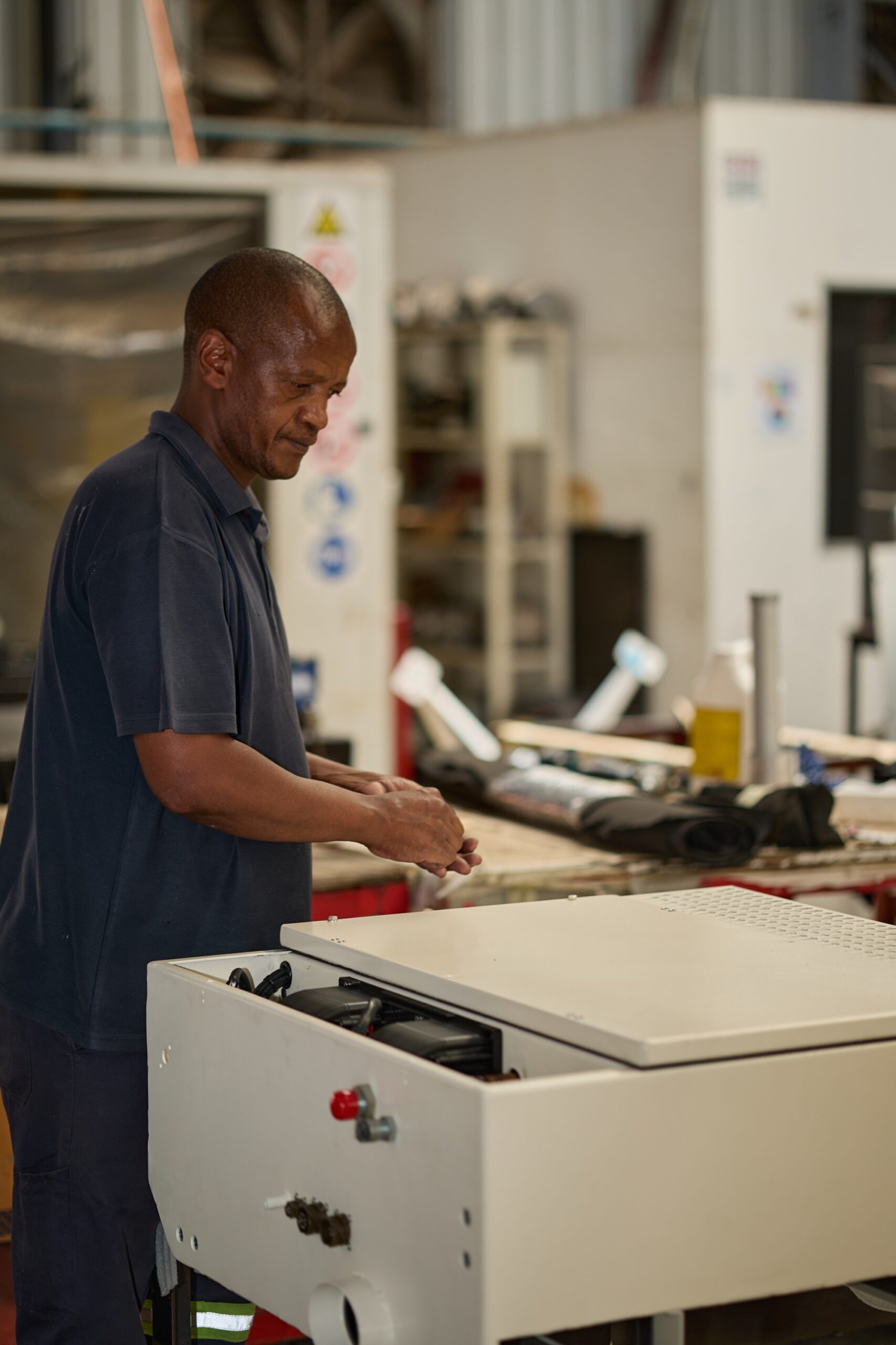
“The defence sector demands a very disciplined approach to manufacturing,” Miller says. “We have structured processes in place for assembly, inspection and testing at every stage.”

Each unit undergoes comprehensive assessment to verify performance against specification including pressure testing, thermal performance validation and functional checks. Traceability is also a key requirement with detailed records maintained for all components and processes.

“Traceability and repeatability are fundamental,” he notes. “We need to be able to demonstrate that every unit meets the same high standard, not just in terms of performance but also in terms of compliance with stringent specifications.”

Beyond the immediate contract, the project reflects Booyco Engineering’s broader strengths across research and development, engineering design, manufacturing and quality assurance.

“This programme is a good example of what we’re capable of as an organisation,” Miller says. “It brings together our design expertise, our testing capabilities and our ability to manufacture complex systems to very high standards.”

It also positions Booyco Engineering as a credible partner for future military vehicle programmes, where thermal management is becoming increasingly critical as platforms grow more sophisticated.

“Modern military vehicles are carrying more electronics, more systems and operating in more demanding environments,” he concludes. “This places greater emphasis on HVAC performance, both for comfort and for system reliability and mission effectiveness.”

BOOYCO ENGINEERING DRIVES SAFER, MORE PRODUCTIVE OPERATIONS THROUGH CAB COMFORT AND AIR QUALITY

Maintaining safe and comfortable working conditions in the cabs of construction, earthmoving and mobile mining equipment is critical to both operator wellbeing and overall productivity. In demanding environments characterised by extreme temperatures, dust and airborne contaminants, effective climate control and air filtration systems are no longer optional – they are essential.

Booyco Engineering, a specialist in heating, ventilation and air conditioning (HVAC) systems for mobile equipment, continues to emphasise the importance of properly designed and maintained cab environments to support safe and efficient operations across industries.

Managing Director, Brenton Spies explains that operators often spend long hours inside machine cabs, exposed to fluctuating temperatures and harsh environmental conditions. “Without adequate temperature control, heat stress or excessive cold can impair concentration, increase fatigue and ultimately raise the risk of incidents on site,” he says.

“Comfort in the cab directly affects operator performance,” he continues. “When temperatures are properly regulated, operators are able to remain focused and alert which contributes to safer and more productive operations.”

Equally important is the role of advanced air filtration. In industries such as mining and construction, airborne dust and particulates pose a significant health risk if not effectively managed. Poor air quality can lead to respiratory issues over time and reduce the overall working life of operators as well as long term medical issues.

Booyco Engineering’s HVAC systems are designed to address these challenges by maintaining optimal temperature ranges while ensuring that clean filtered air is continuously supplied into the cab. By creating a pressurised environment these systems help prevent dust ingress protecting both the operator and sensitive onboard equipment.

Spies says that in addition to improving safety, well-maintained climate control systems can enhance equipment longevity. “Excessive heat and dust can negatively impact electronic components and control systems within the cab, leading to increased maintenance requirements and potential downtime.”

As industries place greater emphasis on health, safety and environmental standards, the expectations around operator working conditions continue to rise. Regulations and best practice guidelines are increasingly recognising the importance of air quality and temperature control in mobile equipment environments.

Booyco Engineering works closely with OEMs and end users to ensure that HVAC systems are fit for purpose, robust and capable of performing reliably in some of the harshest operating conditions. This includes solutions tailored for both surface and underground applications, where environmental challenges can differ significantly.

“Providing a controlled, clean and comfortable cab environment is not just about compliance – it is about protecting people and enabling them to perform at their best,” Spies notes. 

“By prioritising operator comfort through effective temperature control and air filtration, companies can reduce health risks, improve productivity and support safer operations across construction, earthmoving and mining sectors,” he concludes. 

BOOYCO ENGINEERING STRENGTHENS GLOBAL DEFENCE FOOTPRINT WITH MISSION-CRITICAL HVAC SOLUTIONS

As geopolitical uncertainty drives renewed defence investment in many regions, South Africa-based Booyco Engineering is providing specialised industrial HVAC solutions to a global customer base. 

Among its recent projects have been the design and manufacture of complex cooling systems for radar jamming shelters as well as for leading edge military amphibious vehicles. According to Grant Miller, Executive Director at Booyco Engineering, the company’s decades of engineering experience and proven track record in mission-critical HVAC solutions has built its reputation in the defence sector.

“We engineer our systems to suit the particular demands of complicated military equipment, designed for the harshest conditions while still meeting onerous specifications,” Miller says. 

In one recent project, these custom engineered solutions are being fitted to specialised hard-skinned radar jamming shelters – manufactured in South Africa by ADG Mobility for export. Built on an ISO-container footprint, these shelters house sensitive electronic systems, radar-interference technology and ballistic protection rated to withstand light arms fire.

“This environment creates severe thermal and electromagnetic demands,” he explains. “Not only must the HVAC system maintain stable internal temperatures for both personnel and electronics, but it must do so while complying with rigorous electromagnetic interference (EMI) standards.”

To meet the demanding electromagnetic compatibility requirements, Booyco Engineering designed the system in accordance with US military standards 461F, which governs electromagnetic interference in military environments. 

“When you are dealing with radar-related systems even small emissions can compromise performance – so the HVAC unit itself must be part of the protection strategy,” he says. “Acoustic considerations are also important, to ensure a quiet working environment; our system therefore operates at around 50 dB, significantly quieter than a typical office unit.”

To meet the extreme thermal specifications imposed by the shelters, the HVAC system is engineered for operating temperatures from minus 40°C to plus 55°C, with a maximum cooling output of 9 kW and heating of around 6,5 kW. The HVAC design must also accommodate the challenging shock and vibration demands of mobile military platforms, aligning with both MIL-STD-810G and the AECTP-400 requirements for mechanical stresses.

“These shelters are mounted on military trucks that move over rough terrain, so the system must endure the same treatment,” Miller says. “It is not a plant room system; it has to survive real military deployment.” 

Other features of the system include chemical, biological, radiological and nuclear (CBRN) filtration as well as cyclonic dust filtration for high particulate environments. There are also built-in test functions and sensors such as onboard carbon dioxide monitoring and advanced digital scroll compressors that ensure tight thermal stability for sensitive equipment. Despite the system’s complexity, Booyco Engineering designed and developed the shelter HVAC in an accelerated timeframe, he notes.

“It has been a rapid development programme, made possible by the foundation of knowledge and experience Booyco Engineering has built up from previous systems engineering,” he says. 

In a separate contract with a southeast Asian government, Booyco Engineering is supplying a dedicated HVAC solution for a latest generation 8×8 amphibious infantry fighting vehicle. Rated for operation up to 49°C and down to minus 10°C, the Booyco HVAC unit integrates CBRN filtration and advanced environmental protection. 

“The CBRN system protects occupants of the vehicle from harmful gases or chemical agents,” Miller explains. “The filtration activates and removes harmful particulates and gases through high efficiency particulate air (HEPA) and carbon filters to protect both the crew and the vehicle’s electronics.” 

Having built a strong relationship with this customer over almost 15 years, Booyco Engineering has successfully developed systems that withstand exceptionally harsh climatic and operational conditions. In amphibious applications, for instance, humidity and salinity – as well as rapid thermal shifts and continuous vibration – create a uniquely demanding environment for climate-control systems, he says. The project includes a full prototype as well as several pre-production units to undergo qualification testing. 

BOOYCO ENGINEERING STRENGTHENS GLOBAL DEFENCE FOOTPRINT WITH MISSION-CRITICAL HVAC SOLUTIONS

As geopolitical uncertainty drives renewed defence investment in many regions, South Africa-based Booyco Engineering is providing specialised industrial HVAC solutions to a global customer base. 

Among its recent projects have been the design and manufacture of complex cooling systems for radar jamming shelters as well as for leading edge military amphibious vehicles. According to Grant Miller, Executive Director at Booyco Engineering, the company’s decades of engineering experience and proven track record in mission-critical HVAC solutions has built its reputation in the defence sector.

“We engineer our systems to suit the particular demands of complicated military equipment, designed for the harshest conditions while still meeting onerous specifications,” Miller says. 

In one recent project, these custom engineered solutions are being fitted to specialised hard-skinned radar jamming shelters – manufactured in South Africa by ADG Mobility for export. Built on an ISO-container footprint, these shelters house sensitive electronic systems, radar-interference technology and ballistic protection rated to withstand light arms fire.

“This environment creates severe thermal and electromagnetic demands,” he explains. “Not only must the HVAC system maintain stable internal temperatures for both personnel and electronics, but it must do so while complying with rigorous electromagnetic interference (EMI) standards.”

To meet the demanding electromagnetic compatibility requirements, Booyco Engineering designed the system in accordance with US military standards 461F, which governs electromagnetic interference in military environments. 

“When you are dealing with radar-related systems even small emissions can compromise performance – so the HVAC unit itself must be part of the protection strategy,” he says. “Acoustic considerations are also important, to ensure a quiet working environment; our system therefore operates at around 50 dB, significantly quieter than a typical office unit.”

To meet the extreme thermal specifications imposed by the shelters, the HVAC system is engineered for operating temperatures from minus 40°C to plus 55°C, with a maximum cooling output of 9 kW and heating of around 6,5 kW. The HVAC design must also accommodate the challenging shock and vibration demands of mobile military platforms, aligning with both MIL-STD-810G and the AECTP-400 requirements for mechanical stresses.

“These shelters are mounted on military trucks that move over rough terrain, so the system must endure the same treatment,” Miller says. “It is not a plant room system; it has to survive real military deployment.” 

Other features of the system include chemical, biological, radiological and nuclear (CBRN) filtration as well as cyclonic dust filtration for high particulate environments. There are also built-in test functions and sensors such as onboard carbon dioxide monitoring and advanced digital scroll compressors that ensure tight thermal stability for sensitive equipment. Despite the system’s complexity, Booyco Engineering designed and developed the shelter HVAC in an accelerated timeframe, he notes.

“It has been a rapid development programme, made possible by the foundation of knowledge and experience Booyco Engineering has built up from previous systems engineering,” he says. 

In a separate contract with a southeast Asian government, Booyco Engineering is supplying a dedicated HVAC solution for a latest generation 8×8 amphibious infantry fighting vehicle. Rated for operation up to 49°C and down to minus 10°C, the Booyco HVAC unit integrates CBRN filtration and advanced environmental protection. 

“The CBRN system protects occupants of the vehicle from harmful gases or chemical agents,” Miller explains. “The filtration activates and removes harmful particulates and gases through high efficiency particulate air (HEPA) and carbon filters to protect both the crew and the vehicle’s electronics.” 

Having built a strong relationship with this customer over almost 15 years, Booyco Engineering has successfully developed systems that withstand exceptionally harsh climatic and operational conditions. In amphibious applications, for instance, humidity and salinity – as well as rapid thermal shifts and continuous vibration – create a uniquely demanding environment for climate-control systems, he says. The project includes a full prototype as well as several pre-production units to undergo qualification testing. 

BOOYCO ENGINEERING LEADS UNDERGROUND WITH PURPOSE-BUILT HVAC SYSTEMS

Underground mining remains one of the toughest operating environments in the world, placing extreme demands on both personnel and equipment. Heat, dust, humidity and long operating hours all contribute to conditions that require robust purpose-built climate control solutions. For more than four decades, Booyco Engineering has led the field in specialised HVAC and climate control systems engineered specifically for underground mining vehicles.

With extensive experience across South Africa and global mining markets, Booyco Engineering designs and manufactures HVAC systems that ensure operator safety, equipment reliability and compliance with stringent mine health regulations. These solutions are purpose-engineered to withstand high dust loads, corrosive atmospheres, constant vibration, tight installation spaces and extreme thermal conditions.

Booyco Engineering’s underground HVAC units are available in a range of duty ratings to suit diverse vehicle categories including personnel carriers, utility vehicles, LHDs, rock drills, scalers and telescopic handlers. Systems typically deliver cooling capacities from 5.5 kW up to 12 kW in +46°C ambients, depending on the application, while maintaining positive cab pressure and clean-air delivery through specialised cyclonic dust scavenging filtration and robust airflow designs.

A recent international application highlights the durability and reliability of Booyco Engineering’s technology. In a large underground mining operation in India, a low profile 30 man personnel carrier equipped with a Booyco climate control system operates up to 20 hours per day in high heat, high humidity conditions. 

Running continuously at this decline shaft operation, the personnel carrier transports crews to and from the working areas and also serves as an underground recuperation chamber, allowing personnel to recover from severe ambient temperatures. The HVAC system maintains safe air quality and comfortable temperatures despite the extreme duty cycle.

Central to the performance of Booyco Engineering’s underground systems is the incorporation of dual system designs and purpose engineered filtration. Units are equipped with high efficiency Sy-Klone filtration systems that remove airborne dust and contaminants before reaching the operator’s breathing zone. This ensures the quality of air inside the cab remains within mandated occupational exposure limits – a critical requirement in hot, dusty and gas-laden environments.

The rugged construction of Booyco Engineering’s HVAC units includes corrosion-protected materials, reinforced housings, sealed electrical components and vibration-resistant mounting systems. Intelligent control interfaces allow operators to adjust airflow and temperature to maintain safe and productive conditions. In addition, the systems are designed for ease of maintenance with accessible components and service intervals suited to intensive underground schedules.

“With the harsh realities of underground mining, climate control is far more than a comfort feature – it is a vital part of occupational health compliance and operational continuity,” Brenton Spies, Managing Director of Booyco Engineering, says. “Our HVAC and climate control systems are engineered to keep operators safe and equipment running, no matter how demanding the conditions.”

Across Africa, India and other global mining regions, Booyco Engineering continues to set the benchmark in purpose-designed underground HVAC and climate control technology. From personnel carriers to heavy utility machines, its solutions ensure mines can maintain safe working environments while improving productivity and reducing equipment downtime.

CUTTING CORNERS ON HVAC SPECS COULD LEAVE OPERATORS IN THE HEAT, WARNS BOOYCO ENGINEERING

As surface mining and quarrying operations grapple with rising ambient temperatures, the way HVAC systems are specified for mobile equipment is coming under increasing scrutiny. Booyco Engineering, a specialist Original Equipment Manufacturer (OEM) of HVAC systems with over 40 years of experience in these demanding sectors, is sounding the alarm on the risks of relying solely on kilowatt ratings when selecting HVAC solutions.

Brenton Spies, Managing Director at Booyco Engineering, highlights a growing trend where specifiers and procurement departments are using only an HVAC system’s kW rating as a benchmark for selection. While this may seem like a straightforward approach, it is leading to complications on site often only becoming apparent once the equipment is installed and in full operation on the mobile mining machines.

“Not all HVAC systems  with the same kilowatt rating are created equal,” says Spies. “We are encountering cases where a unit is rejected for being ‘too expensive’ compared to other products with the same kW rating – only for the customer to discover later that the chosen system cannot cope with the site’s actual ambient conditions.”

The underlying issue, he explains, is that many buyers overlook critical international standards – specifically the ISO 5151 classification – which define the temperature classes to which HVAC systems are engineered. Known in industry as T1 and T3, these classifications set clear parameters for how equipment is expected to perform under different thermal conditions.

“These standards exist to guide the design, testing and validation of systems for specific environments,” Spies explains. “The materials, cooling capacities and componentry of a T3-class HVAC system, for example, are engineered to handle far harsher conditions than those of a T1-class system. This makes a significant difference in high temperature mining environments, where system failure is not just inconvenient but can compromise safety and productivity.”

“Our air conditioning systems are ISO 5151 T3-rated, meaning they are designed to operate in ambient temperatures of at least 46°C unlike many competitor systems, which are ISO 5151 T1-rated for just 35°C ambient temperatures,” says Spies. “This higher rating ensures our products maintain the specified performance in extremely demanding environments. A system designed for T1 will simply just not perform in T3 conditions, leaving the operator exposed to hazardous conditions.”

Spies emphasises that cutting costs at the procurement stage by opting for a cheaper system based on kW rating alone can end up costing operators far more in the long run. Unsuitable HVAC systems not only underperform in extreme conditions, but they are also more likely to suffer premature wear and require frequent maintenance or replacement.

He urges those responsible for specifying HVAC systems – particularly for mobile mining and earthmoving equipment – to consider environmental conditions and the applicable temperature classes as a fundamental part of the selection process. With climate conditions becoming more extreme, especially in remote and open-pit mining environments, ensuring that HVAC units are fit-for-purpose is more critical than ever.

Booyco Engineering continues to work closely with OEMs and end-users alike, applying its decades of expertise to ensure every HVAC system it supplies meets the rigorous demands of the application – not just in theory, but in real-world conditions.

BOOYCO ANTI-IDLE APU SLASHES FUEL COSTS AND CARBON EMISSIONS FOR MINES AND QUARRIES

Surface mining and quarrying operations are under increasing pressure to reduce costs and operate more sustainably with calls to reduce carbon footprints becoming more pressing. This is where Booyco Engineering’s Anti Idle Auxiliary Power Unit (APU), developed specifically for mobile mining equipment, is already proving to be a highly effective solution – dramatically reducing fuel consumption, lowering carbon emissions and delivering real financial returns.

In operations where diesel is one of the largest cost drivers, the numbers tell a compelling story. On average, articulated dump trucks (ADTs) idle for around 30% of the time, assuming productive time of 18 hours a day, which amounts to roughly 4.5 hours per day. During this idle time, the vehicle can burn between 30 and 50 litres of diesel per hour, simply to keep systems like the HVAC running and operators comfortable. That equates to hundreds of litres of diesel wasted per truck per week and thousands of litres across an entire fleet.

Booyco Engineering’s APU changes the equation. By providing an independent power source to drive the cab’s air conditioning and essential electronics, the Booyco APU allows operators to shut off the main engine entirely during idle periods. 

Grant Miller, Executive Director at Booyco Engineering, says the APU consumes as little as 1.5 litres of diesel per hour – compared to the 35 to 50 litres burned by a full-sized engine doing the same job. “It is a massive saving and when multiplied across a fleet the cost reduction becomes a gamechanger,” he says.

More than just a cost saving device, the Booyco APU is also helping mines meet their sustainability targets. By reducing unnecessary idling, operations can significantly reduce their carbon footprint – a critical step in meeting environmental, social and governance (ESG) goals. And with the South African Revenue Service (SARS) offering rebates under Section 12L for every litre of diesel saved, the financial incentive is even greater. The payback period on the Booyco APU is short, making it an easy investment decision for mining and quarrying operators looking for quick tangible returns.

Booyco Engineering, a specialist in HVAC systems for mobile mining equipment, designed the APU to integrate seamlessly with its robust 24 Volt air conditioning units which are already widely used in the field. The unit is T3-rated for use in ambient temperatures up to 46°C, making it ideal for hot climates across Africa. It is built for tough conditions and can be customised to meet specific customer requirements, ensuring flexibility and performance in even the most demanding environments.

Safety has not been compromised in the pursuit of efficiency. The Booyco APU continues to power critical systems such as proximity detection systems and communication equipment, ensuring that operational safety is maintained at all times, even when the main engine is shut off.

“This is not just a nice-to-have; it is a strategic advantage,” says Booyco Engineering Managing Director Brenton Spies. “Mining and quarrying companies that embrace this technology can dramatically cut one of their biggest operating costs, while also demonstrating real progress in reducing emissions and energy use.”

The Booyco Anti Idle APU is already gaining traction in the market with forward-thinking operations recognising its value as both a cost-reduction tool and a sustainability enabler. It represents a smart effective response to the challenges of modern mining – where every litre of diesel saved counts, both financially and environmentally.

CELEBRATING 40 YEARS OF EXCELLENCE IN SPECIALISED HVAC

Celebrating 40 years in business, Booyco Engineering has successfully evolved its specialised heating, ventilation and air conditioning (HVAC) offerings while remaining true to its commitment to quality and reliability, says Managing Director Brenton Spies.

“As a South African company, we are proud to have thrived through the many national and global shifts and challenges of the past four decades,” says Spies. “Our achievements speak to the value customers have gained from our engineering quality and innovation over the years.”

Initially focused on HVAC solutions for demanding military applications, Booyco Engineering soon diversified into the rail, mining and other industrial sectors – driven by the robustness of its products and strong manufacturing capability. In the rail sector, its specialised HVAC units commonly last up to 20 years, providing users with the lowest total cost of ownership while reducing the indirect costs of unplanned repairs and maintenance.

Grant Miller, Executive Director at Booyco Engineering, highlights that the company’s solutions are designed for applications where conventional HVAC systems simply cannot withstand the conditions. 

“As in military applications, the rail and mining sectors require solutions that can cope with high vibration levels, dust contamination and extreme temperature variations,” he explains. “Over the years, the strength of our solutions has been proven to customers who avoid frequent replacement or repair costs. This, combined with reduced downtime, ensures the lowest total cost of ownership.”

HVAC’s Growing Role in Workplace Safety

In recent decades, industries such as mining and earthmoving have seen a tightening of health and safety regulations. Employers are now required to ensure that mobile plant operators work in comfortable conditions, necessitating HVAC systems in sealed cabs.

“In many parts of Africa and beyond, hot daytime conditions make an HVAC system in mobile machinery indispensable for outdoor work,” says Spies. “When an HVAC system malfunctions, operations can come to a halt. The reliability of our solutions is not just a health issue – it’s a production issue. This is where customers see the real value of investing in quality and certainty.”

Another challenge arising from stricter health and safety standards is the common practice of operators idling their machines when stationary – such as when trucks wait to be loaded in an open pit – just to keep the HVAC running. This increases fuel costs and carbon emissions.

“A major advantage of being in business for so long is the depth of technical expertise and experience in our company,” says Miller. “We tackled this challenge on behalf of the sector by developing a dedicated Anti-Idle Auxiliary Power Unit (APU) that keeps the HVAC system running while the engine is switched off – significantly reducing fuel consumption and emissions.”

Driving Innovation and Expanding Reach

Booyco Engineering’s strong reputation has been built on its expertise in designing bespoke HVAC solutions for demanding applications. More recently, the company has also standardised many of its systems to enhance cost competitiveness and significantly reduce lead times.

“Our ability to deliver quickly is vital for Africa’s mining sector, where projects are often fast tracked and customers do not have the luxury of waiting for a bespoke design,” says Miller. “However, where a custom solution is required, our full design and engineering team ensures an optimal outcome including finite element analysis and ducting flow optimisation.”

Spies highlights that Booyco Engineering’s success is reflected not only in Africa but also in global markets with its HVAC units operating in Europe, North America and South America.

“Our recent focus on mining is opening doors in Asia and Australia as well, where many of our OEM customers are deploying their machines with our equipment,” he says. “Our value is especially evident in remote locations, where replacements and repairs are difficult and customers can rely on Booyco Engineering for a product that performs reliably under the harshest conditions.”