Tag Archives: Weba Chute Systems

GLOBAL SHIFT TO WEBA CHUTE SYSTEMS REPRESENTS GREATER EFFICIENCY

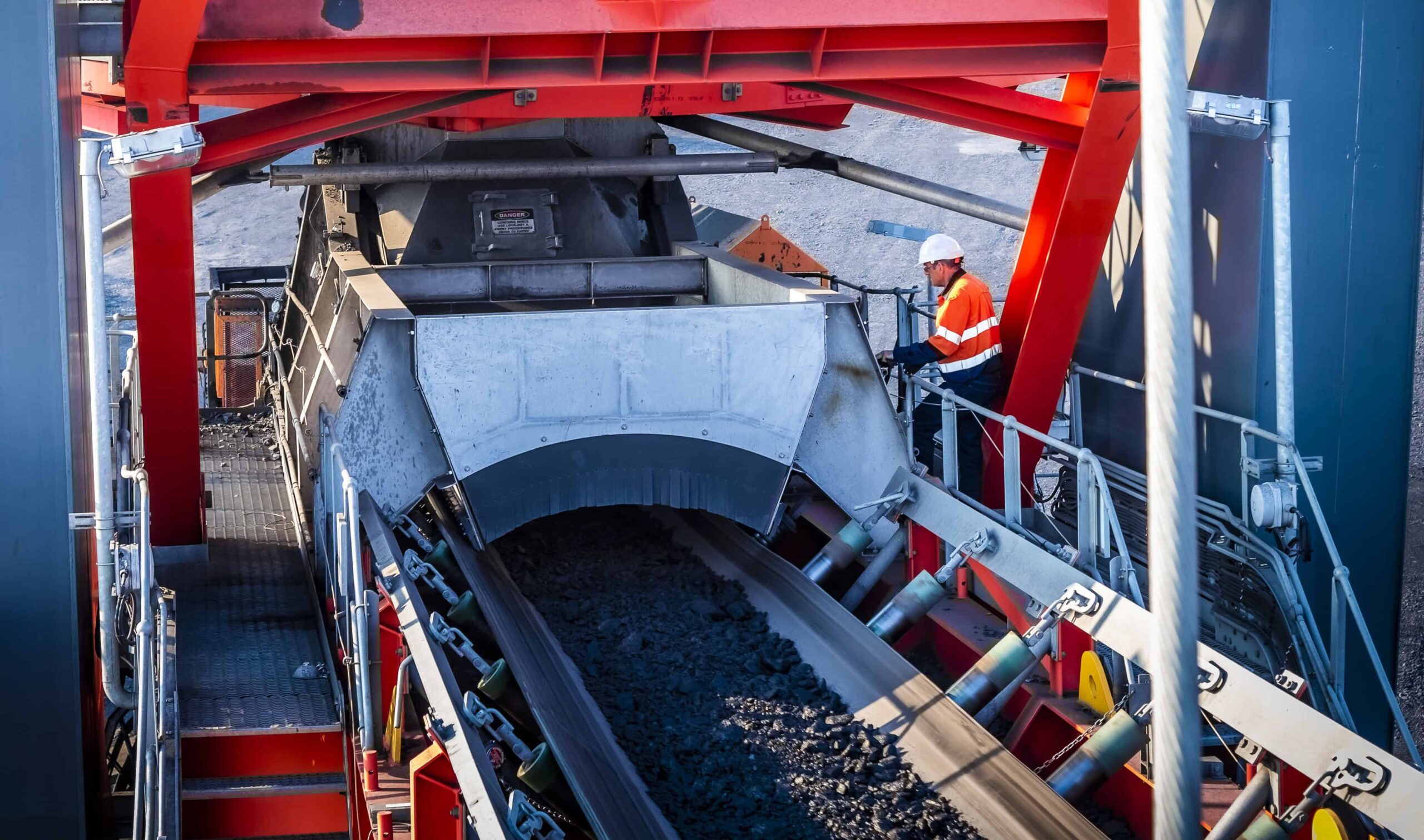
In bulk materials handling applications, the uncontrolled discharge from conventional chutes can lead to increased maintenance and replacement costs, as well as decreased productivity. Recognising these challenges, companies around the world, both large and small, have adopted Weba Chute Systems, a choice which represents a shift towards greater efficiency and less downtime.

Mark Baller, CEO of Weba Chute Systems, explains that there is a growing consensus across the globe that incorporating custom-engineered transfer chutes is paramount. “There are still some that overlook the significance of transfer points that are engineered for specific application requirements, ranking them below screens, crushers or feeders in the process hierarchy.”

Baller points out a critical misconception that undermines operational efficiency: the notion that initial savings from inexpensive inferior chutes outweigh long term costs. “This approach is flawed,” he argues, “as it inevitably leads to higher operational expenditure due to frequent maintenance, and in some cases unscheduled downtime.”

Highlighting the benefits of custom-designed solutions, Baller notes, “Proper initial design significantly lowers maintenance needs, improves material transfer, extends conveyor belt lifespan and boosts throughput. Moreover, our chutes are engineered to minimise environmental impact, reducing airborne dust and enhancing workplace health and safety.”

The Weba Chute Systems team, armed with extensive field experience and intellectual resources built up over decades of operation, approaches each project with bespoke solutions aimed at maximising return on investment. “Engaging with our clients during the design phase is crucial for tailoring solutions that not only meet but exceed expectations, and this includes both new transfer points as well as retrofits,” he continues.

Baller also sheds light on the pitfalls of retrofitting poorly designed chutes. “Correcting failures post-implementation is far from ideal. Opting for a sound design from the start eliminates such challenges, however we are often called upon to solve issues caused by poor decision making and this is where we are able to tailor make a chute system to deal with whatever challenge the customer is facing, ” he says. 

Leveraging Discrete Element Modelling (DEM) for validation, Weba Chute Systems prides itself on its engineering acumen. “DEM complements our vast engineering experience, ensuring that our transfer chutes excel in performance and durability,” Baller says.

Baller emphasises that Weba Chute Systems stands out from general fabricators, and says that the company’s proficiency goes beyond just designing transfer points. “Our team specialises in providing tailor-made solutions that improve materials handling, reduce maintenance needs and lead to considerable financial savings. The company’s dedication to high quality service is reflected in the positive feedback from customers and their achievements in operational efficiency,” he concludes. 
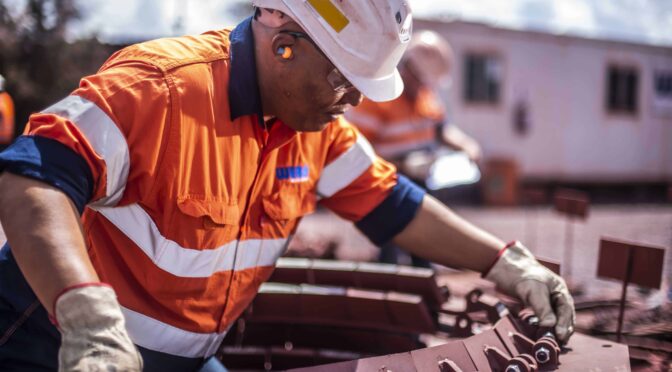
THE CRITICAL ROLE OF MAINTENANCE IN TIMES OF FINANCIAL CONSTRAINTS

In the face of declining commodity prices, the mining industry has increasingly prioritised cost saving measures, often leading to the suspension of capital expenditure (CAPEX). While such strategies may yield short-term financial relief, the importance of implementing comprehensive maintenance programmes has never been more critical. 

These programmes are essential for ensuring the reliability and performance of existing equipment, timely servicing, repairs and refurbishments, preventing failures that could severely impact operations downstream.

One of the more complex aspects of mining operations maintenance is measuring the wear life of transfer chutes, which involves tracking numerous components. The advantages of accurately gauging wear life are direct and substantial, contributing to enhanced operational uptime and, consequently, to the bottom line.

Mark Baller, CEO of Weba Chute Systems, sheds light on how the company’s customised reliability model plays a pivotal role in capturing key wear indicators for each chute. This model, when supplied with the correct data—including regular wear measurements—provides plant operators with invaluable insights into wear patterns. 

“Such insights are not just academic; they are practical, enabling predictions about which components will need replacement and the optimal timing for such replacements,” Baller explains. “This predictive capability facilitates meticulous planning, such as timely ordering of necessary parts to ensure they are on-site for upcoming maintenance windows. By adopting a proactive approach to maintenance, unforeseen stoppages are minimised, along with the accompanying disruptions and lost production time.” 

He emphasises the significant efficiency gains achieved through accurate predictions of component lifespan within their chutes. This efficiency is not confined to Weba Chute Systems’ maintenance contracts. The company extends the benefits of its reliability tool to all customers, offering the ability to request the service independently.

The application of reliability modelling allows for the generation of monthly reports, detailing the maintenance schedules required for each wear part within every chute. The model’s complexity accounts for differential wear levels across various parts of the chute, influenced by varying impact levels. This granularity enables chute owners to prioritise maintenance efforts on areas experiencing the highest wear, thereby optimising maintenance operations and ensuring continuous and reliable production.

WEBA CHUTE SYSTEMS: REVOLUTIONISING PERFORMANCE WITH SCIENTIFIC PRECISION

In the competitive and demanding world of mining, efficiency and sustainability are paramount. Mines are constantly seeking solutions that not only enhance operational effectiveness but also ensure environmental compliance and safety. Weba Chute Systems has emerged as a leader in this space, offering a scientifically-backed approach to measuring the performance improvements of their custom-engineered chute systems, ensuring customers can witness firsthand the reduction in total cost of ownership.

Weba Chute Systems stands out in the industry for its commitment to scientific accuracy and the tangible results it delivers. According to Izak Potgieter, Systems Manager at Weba Chute Systems, the company undertakes comprehensive product measurements to ascertain and validate the performance of its solutions. “Our team’s dedication to precision is unwavering,” Potgieter says. “We meticulously evaluate everything from dust levels to the wear and tear on essential components, ensuring we deliver comprehensive value.”

One of the key areas of focus is dust management—a critical concern in mining operations. Weba Chute Systems employs a detailed dust analysis programme that benchmarks its custom-engineered products against conventional chutes, offering end-users a clear picture of the improvements in terms of occupational health and safety standards. The meticulous measurement of dust particles, particularly those below 0.3 microns, underscores Weba’s ability to enhance workplace safety and environmental care.

The benefits of Weba Chute Systems extend beyond installation. The company has invested in extensive research and development to devise reliable calculation methods for maintenance planning. “Our model enables us to predict the lifespan of components with remarkable accuracy,” Potgieter notes. “This not only provides our customers with factual proof of our products’ durability but also empowers them with the knowledge they need to plan proactive maintenance, ensuring uninterrupted productivity.”

This scientific approach to both the performance measurement and maintenance planning of their chute systems sets Weba Chute Systems apart. It assures customers not only of a product that will enhance operational efficiency but also of a partnership aimed at maximising uptime and extending the life of their investment.

Potgieter says that the company’s dedication to scientific methods offers a clear message: investments by our customers in Weba chute solutions are validated by rigorous, unbiased analysis and backed by a commitment to excellence. 

“For mines looking to improve performance while adhering to the highest standards of health, safety, and environmental stewardship, we believe that Weba Chute Systems presents a compelling proposition. By reducing the total cost of ownership and guaranteeing the longevity and efficiency of transfer points, we are not just a supplier but a strategic partner in the mining industry’s quest for sustainable productivity,” Potgieter concludes. 

SUCCESS FOR WEBA CHUTE SYSTEMS IN MANAGING GLOBAL TURNKEY PROJECTS

With the promise that its customised transfer point solutions will always perform to expectations, Weba Chute Systems tackles its turnkey projects in a highly systematic and controlled manner.

The company has successfully carried out more than 25 turnkey projects in the past decade, according to Weba Chute Systems project manager Ted Cruickshank, including contracts in the mining, steel, ports and food industries. Among these substantial projects was the design, manufacture and installation of 36 chutes at a steel maker’s sinter plant in South Africa, and 11 chutes for a project house developing a mine in Zambia.

“More recently, we completed a turnkey project for a number of crusher chutes at a platinum mine in Zimbabwe,” Cruickshank says. Further afield, Weba Chute Systems has provided chute designs to accommodate a three-way conveyor in an operation in Trinidad and Tobago in the Caribbean, now awaiting execution.

Attention to detail

“It all starts with defining the project’s objectives and scope,” explains Cruickshank. “This is followed by establishing the budget so that an accurate quotation can be prepared, as well as planning a timeline that meets the customer’s schedule.”

Turnkey projects demand clear channels of communication, he emphasises, so a regular meeting schedule is agreed with the customer to ensure that all stakeholders are kept informed throughout the project cycle. This is particularly important for dealing timeously with issues so that the project’s progress is not unduly impeded.

“On some projects, we can work off the customer’s drawings, but we often go to site to conduct our own surveys, on which we base our calculations and designs,” explains Cruickshank. Chute flow designs and layouts are then completed and approved, followed by fabrication approvals – all within a stringent Quality Control Plan (QCP).

Eyes on quality

“Our efficient procurement allows fabrication to get underway without delay, and stringent quality checks are carried out at every stage of manufacture,” he says.

Cruickshank emphasises that rework needs to be avoided if projects are to run on-time and on-budget, and this means stringent quality control. Weba Chute Systems uses ISO 9001-2015 as the standard to document and control all quality related activities.

“Regular audits and certifications help maintain a high level of consistency in the quality of our products across all projects,” he says. “Quality inspections at different project locations ensures that the equipment adheres to the project’s quality standards.”

Mitigating risk

A risk assessment on each project identifies all potential hazards and is the basis for mitigation plans to reduce risk. There is also growing pressure on mines and their contractors to minimise environmental impacts.

“Noise, dust and spillage are among the main environmental risks associated with transfer chutes,” he notes. “We mitigate these impacts through optimising the flow dynamics in our tailored chute designs – accommodating the specific conditions of each application.”

This includes understanding the material’s characteristics and particle size distribution, as well as its flow rate, trajectory, velocity and points of impact. Optimised material flow decreases the turbulence at the transfer point, in turn reducing dust and noise. Smooth transfer of material to and from conveyor belts also cuts the spillage and improves health and safety conditions around the belts.

Leveraging technology

He highlights the value of project planning software to plan and monitor progress during turnkey projects. These tools enhance real-time collaboration and efficiency, with other enabling technologies including three-dimensional modelling and data management.

“We also use video conferencing and cloud-based document handling to streamline our communication with customers and other parties to the project,” he says. “This improves overall efficiency and resource coordination.”

Cruickshank concludes by highlighting the value of local suppliers, engineers and partners in the country where the turnkey project is being executed. Weba Chute Systems prioritises these links by building positive long term relationships with local partners to overcome potential barriers of culture, language, lead times and cost efficiency.

STRONG LOCAL, GLOBAL DEMAND FOR ENGINEERED WEBA CHUTES

It has been another good year for transfer chute specialist Weba Chute Systems, and signs are that it will get even better.

While demand from the mining industry can be volatile, the company has developed a solid pipeline of projects – not only in southern Africa but also abroad. Mark Baller, CEO of Weba Chute Systems, is expecting 2024 to get busier, and believes that this trend will continue into 2025. 

“As customers recognise the value of custom-engineered transfer points in their mines and plants, we have seen demand grow in various regions,” says Baller. “There are good prospects in countries like the Democratic Republic of Congo – where copper and cobalt mining is strengthening – and in platinum prospects in Zimbabwe, for instance.”

He notes that Weba Chute Systems has for many years been active in overseas markets, and is looking forward to fulfilling some large foreign projects. The company expects to supply a large package of about 50 chutes to a project in the US, and a gold mine expansion in Turkey will be supplied with up to eight custom engineered Weba chutes. 

“We continue to attract new customers who have heard about our specialised solutions, and who approach us with specific challenges they are trying to overcome,” he says. “We have had interesting engagements recently with companies operating in Jordan and Saudi Arabia – which promise to extend our reach beyond traditional markets.” 

Closer to home, Weba Chute Systems has continued to design and deliver substantial projects for Southern African customers. In South Africa, the company manufactured and installed 32 bespoke chutes for a steel plant. Through a leading EPCM company, it also supplied 10 large chutes to a platinum mine in Zimbabwe – to handle large run-of-mine material. 

“An expansion project at a local manganese producer has requested our services, so we have completed the engineering design for nine chutes and will soon begin the manufacturing process,” he says. “We have also been designing and delivering multiple chutes to three diamond mines in Botswana, and this will continue into next year.”

Baller highlights that the company has remained resilient to production disruptions such as loadshedding by the national utility in South Africa. As the owner of its design and manufacturing facility in Wadeville, south of Johannesburg, Weba Chute Systems has invested extensively in both renewable energy and backup power. This allows the facility to continue work uninterrupted, to meet customers’ deadline requirements without compromising quality. Its on-site solar power installation also assists in mitigating the rising cost of energy.

“By carefully managing our work environment and ensuring that all phases are fully resourced with the latest technology, Weba Chute Systems can deliver cost effective solutions that are tailored to each specific transfer point,” he explains. “For foreign contracts, we often have a cost advantage by conducting the design and manufacturing work in South Africa. At the same time, the value of our solutions is really measured by the extra production our customers achieve by optimising uptime through our high quality, engineered chutes.”

TRIBUTE TO WERNER BALLER – A VISIONARY AND PIONEER IN ENGINEERING (15/09/1940 – 15/12/2023)

Werner Baller, founder of Weba Chute Systems, passed away on 15 December 2023 leaving behind him a remarkable legacy. 

Werner, born in 1940 in Brotdhof, West Germany, embarked on a journey that not only changed his life but also revolutionised the bulk material handling industry across the world. With his National Diploma in Ceramic Engineering from Koblens / Rhein, Hoergrenshausen, Werner’s pursuit of excellence took him to South Africa in 1965, marking the beginning of a remarkable legacy.

The Rise of Weba Chute Systems

In 1983, Werner’s entrepreneurial spirit led him to acquire a small mining supply firm, M&J Engineering. His visionary approach transformed this company into Weba Chute Systems, a global leader in custom engineered chute systems for bulk material transfer. Werner’s innovative mindset resulted in the development of nine patented products, including the groundbreaking Weba Chute System, which revolutionised the industry with its unique ‘super tube’ or cascade design.

A Legacy Beyond Engineering

Werner was more than an entrepreneur and engineer; he was a beloved family man known for his passion, integrity and unconditional love. His legacy extends beyond his professional achievements, embodying the values of honesty and dedication in every aspect of his life.

Continuing the Legacy

Today, Weba Chute Systems, under the leadership of Werner’s son, Mark Baller, continues to be an industry leader, exemplifying the innovation and quality that Werner instilled. His induction into the International Mining Technology Hall of Fame in 2018 is a testament to his enduring impact on the industry.

A Tribute to a True Pioneer

Werner’s journey from a small German town to the pinnacle of engineering innovation is a story of determination, ingenuity and unwavering commitment. His contributions have left an indelible mark on the mining and engineering industries, and his legacy will continue to inspire future generations.

As we bid farewell to a remarkable man, we remember Werner Baller not only for his professional achievements but for the profound personal impact he had on those around him. His life’s work stands as a beacon of entrepreneurial spirit and engineering excellence.

Werner Baller (1940-2024), Founder of Weba Chute Systems, Innovator, Entrepreneur, Family Man.

MANAGING QUALITY AND MAINTENANCE FOR CHUTE RELIABIITY

Custom engineered chutes are scientifically designed and simulated prior to manufacturing by Weba Chute Systems to give customers optimal uptime – but the company has also innovated ways to keep these transfer points well maintained.

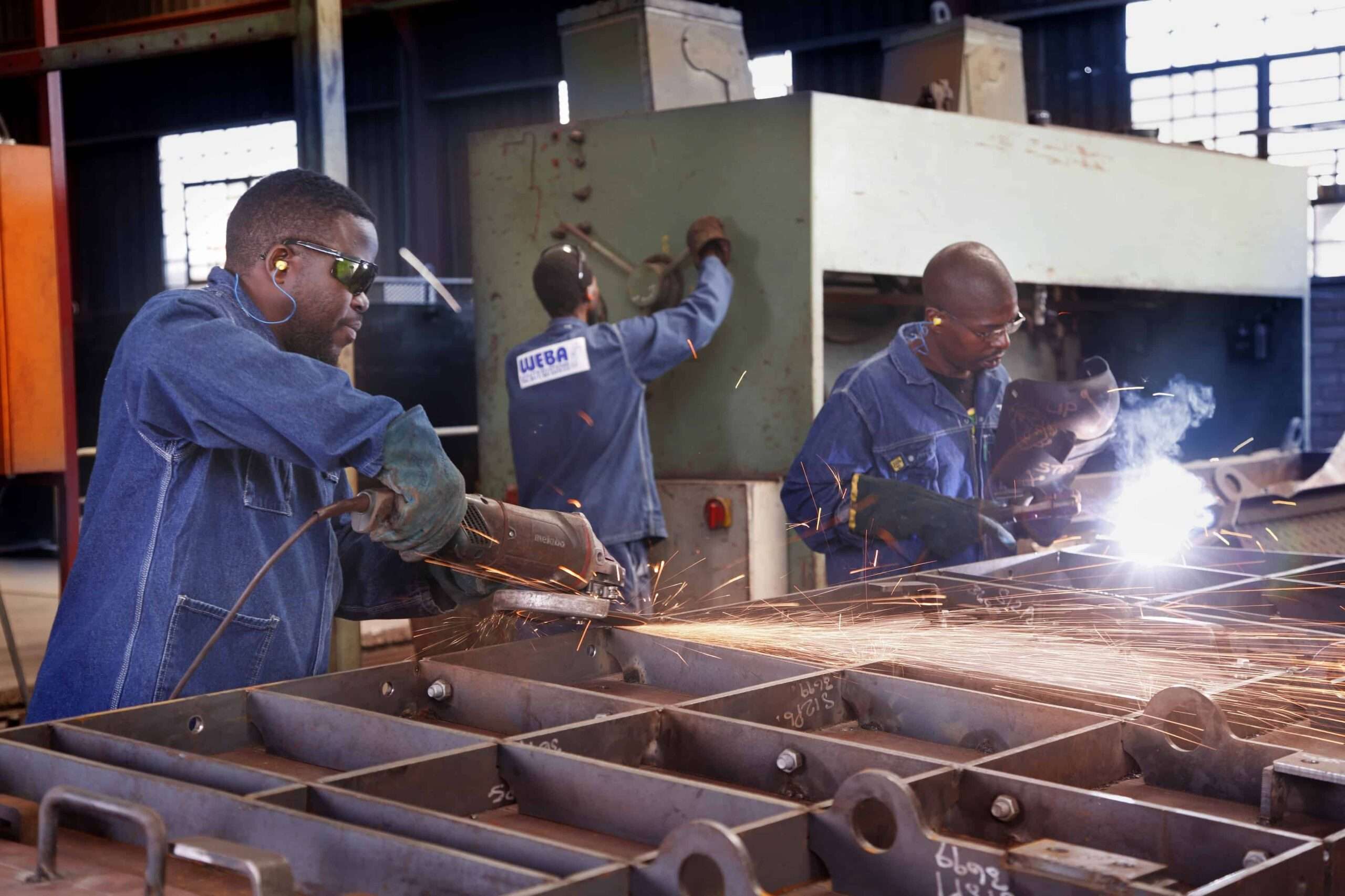
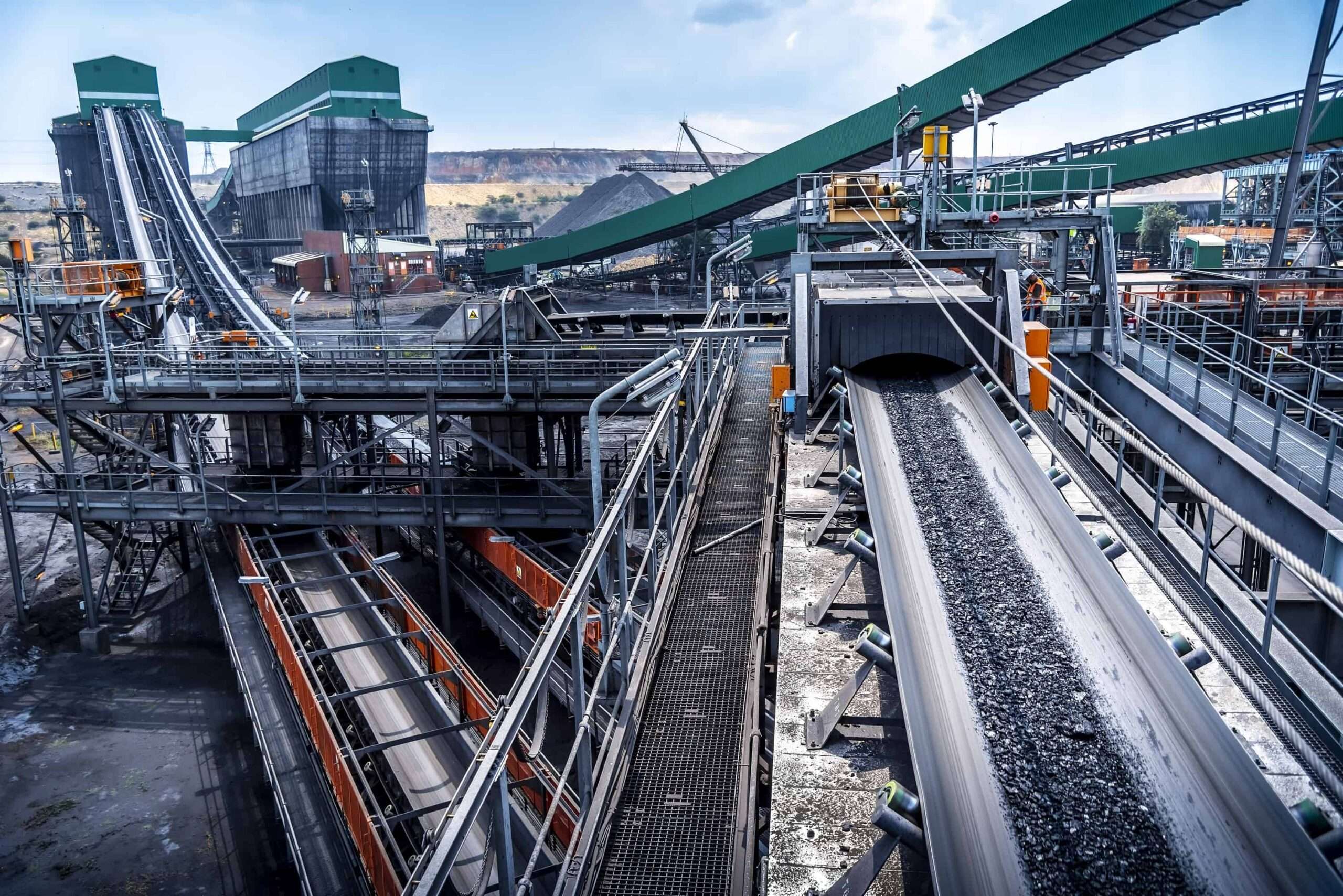
Channeling the flow of mined material is among the most onerous tasks on any mine, and Weba Chute Systems designs and manufactures its solutions to withstand these demanding applications. The considerable wear on the components in a transfer point, however, requires constant monitoring and attention. The company has therefore developed a range of responses to help customers to manage this important responsibility.

According to Izak Potgieter, ISO Systems Manager at Weba Chute Systems, a vital role is played by the company’s technical advisors, who visit customers on a regular basis to check the operation and condition of the chutes.

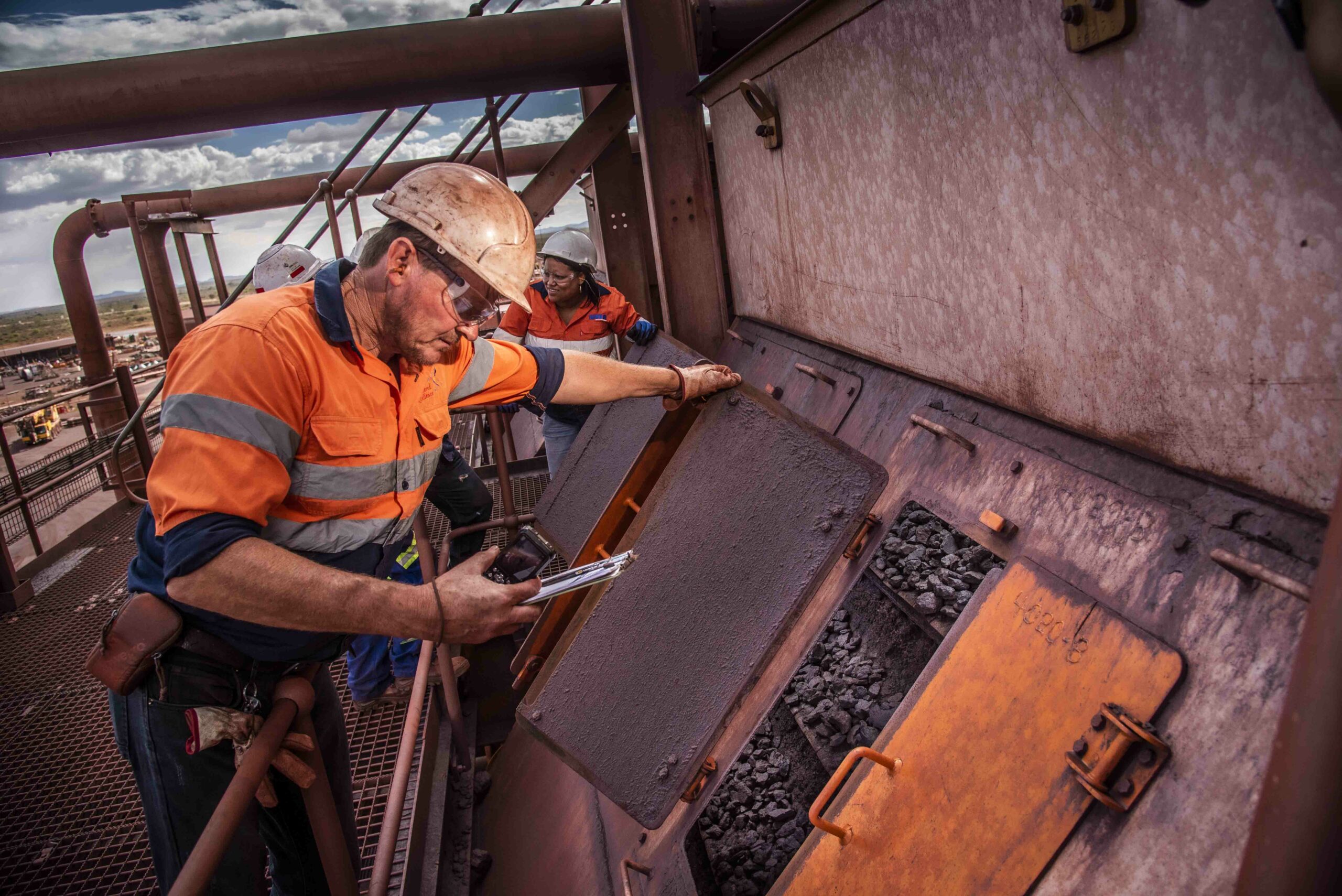
“To make their work efficient, and to quickly provide the customer with relevant information, we developed our own chute inspection app for our technicians,” says Potgieter. “This allows them to capture the necessary data and photographs from their inspection, to generate an automated report to guide the customer in their decisions.”

The company also has a reliability model which tracks the duty and condition of each chute over time, and which can inform a predictive maintenance programme. Through its decades of experience, the company has developed a detailed understanding of chutes’ wear trends under varying material conditions.

“Using these models, we can help customers to predict – weeks, months and even years in advance – which aspects of the chute will need maintenance,” he says. “This allows the necessary planning to be done, so that unexpected failures do not occur.”

He notes that Weba Chute Systems’ ISO 9001 accredited quality processes ensure that the spare parts manufactured at its advanced Wadeville facility are consistently what customers require. Collaborating with customers on their maintenance needs therefore also ensures that the right parts are available when required.

Faizel Mahomed, Client Services Manager at Weba Chute Systems, explains that mining conditions at customers’ operations can be expected to change over time. More abrasive ore, for example, or larger lump sizes, may result in faster wear on certain components.

“This makes our close contact with customers even more vital, as we can work with them to adapt to changing conditions,” says Mahomed. “Sometimes increased wear is unavoidable, and we develop innovations that meet these demands – such as our collaboration with a foundry partner to develop liners with 600 Brunel hardness for longer life.”

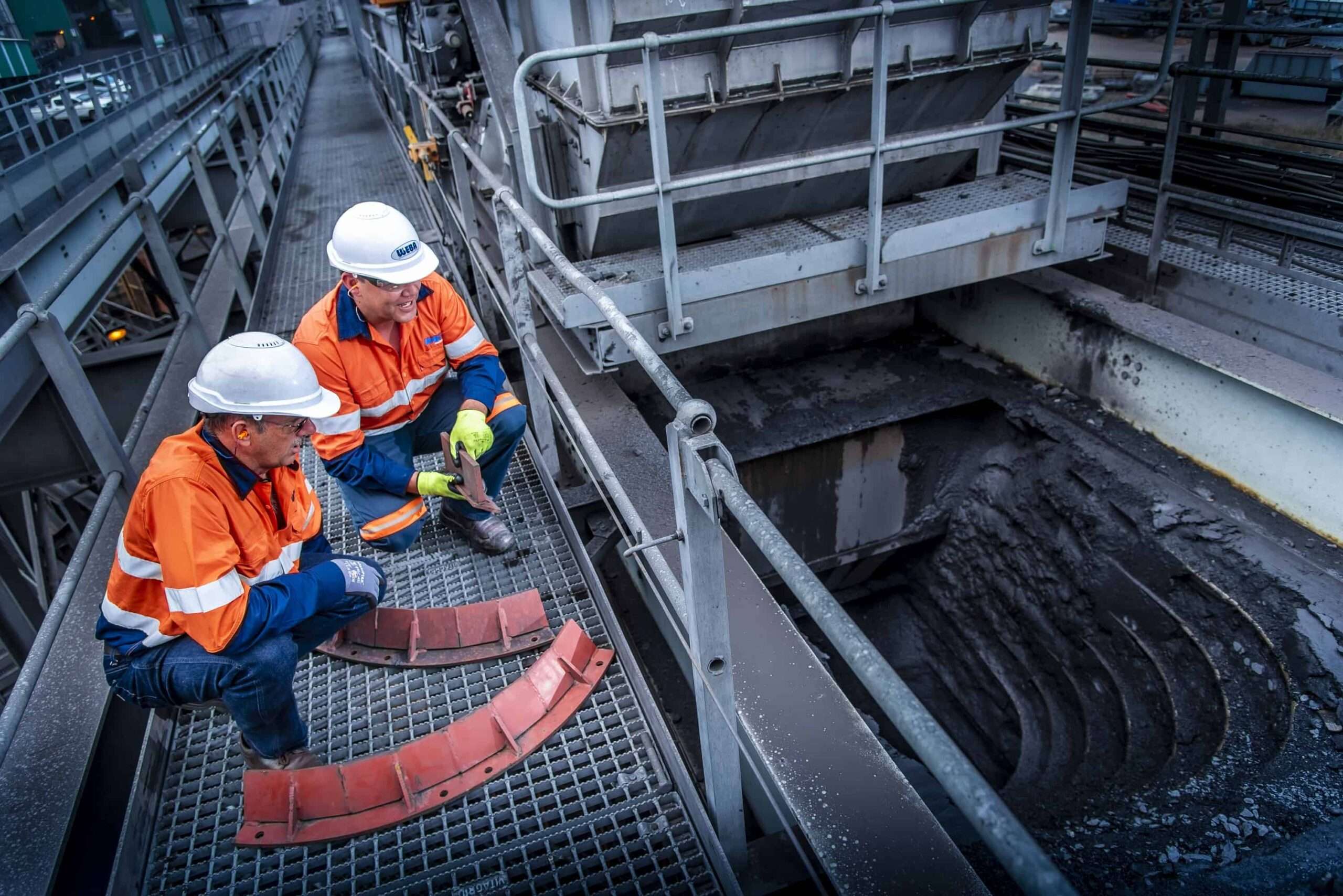
Among the faster wearing items on a chute is the lip, and to save time Weba Chute Systems has developed a quick-release lip for ease of replacement. He also points to the company’s innovation of a liner that can be replaced from the outside of the chute. This makes it safer and more efficient for the technician, who does not need to enter the chute. Chutes are often mission-critical for a mine, emphasises Potgieter, and in these cases the customer can take advantage of Weba Chute Systems’ maintenance contracts. These arrangements put a dedicated team on site to monitor and report on equipment condition, and to coordinate the necessary maintenance with the mine’s responsible officials.

WEBA CHUTE SYSTEMS HONOURED WITH SACEEC AWARD

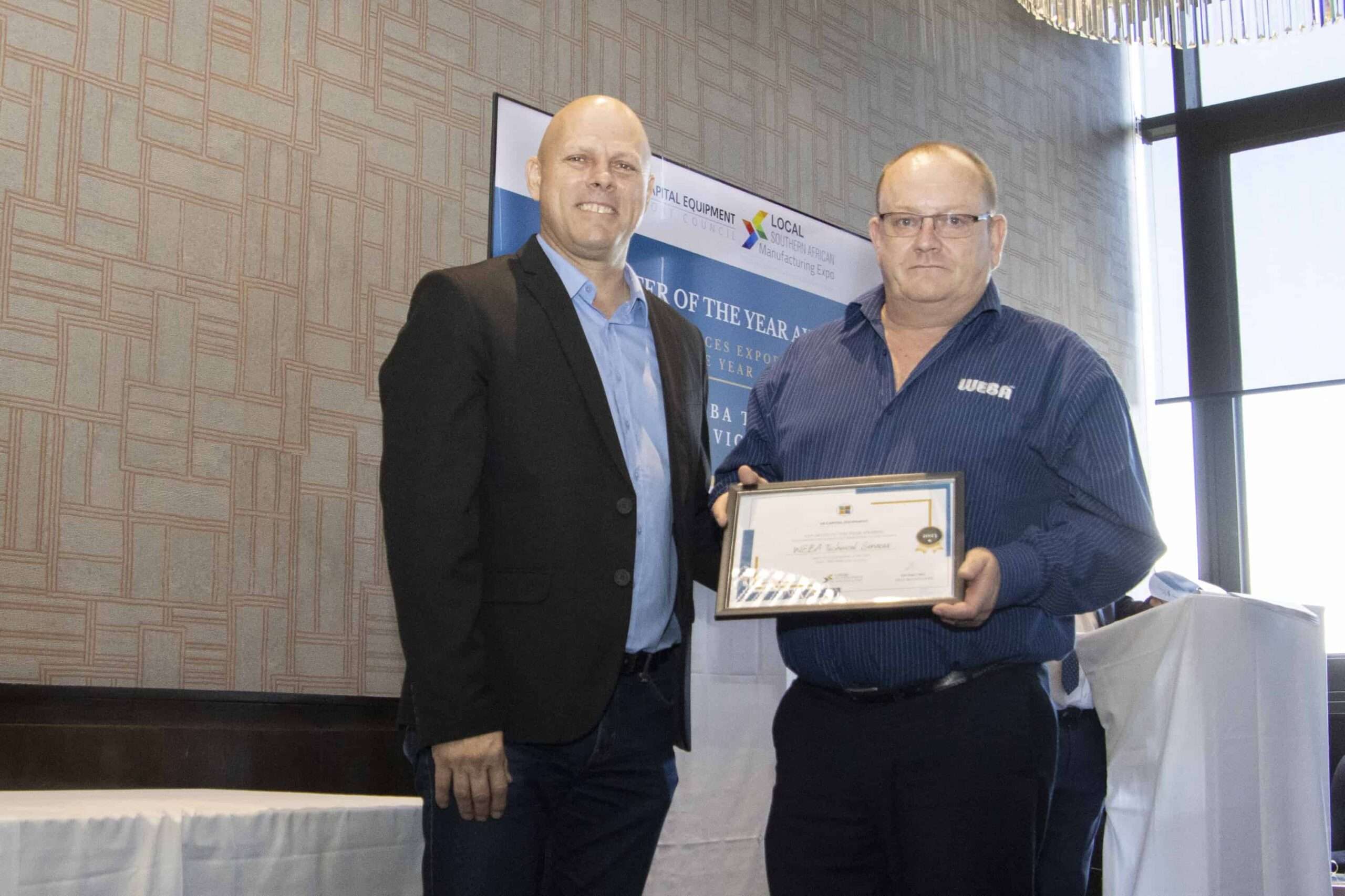
Weba Chute Systems, a South African original equipment manufacturer specialising in custom-engineered chute systems, was honoured at the Exporter of the Year Awards hosted by the South African Capital Equipment Export Council (SACEEC) on 21 November 2023. This event recognised the significant contributions of industry players, highlighting 18 companies that exported over R8.4 billion to 67 countries last year.

The companies were evaluated based on several criteria, including marketing strategy, export turnover, local content, and participation in export promotion activities. The process involved strict confidentiality and expert judgment, including site visits to finalists’ premises.

Weba Chute Systems, celebrating its 40th year of operation in 2024, has established itself as a leader in transfer point design and manufacture, boasting over 5000 chutes successfully operating worldwide. The company’s focus on quality has been a cornerstone of its success, leading to its recognition as the Allied Services Exporter of the Year 2023 for companies with a turnover between R100 million and R150 million a year. 

Commenting on the significance of the award, Ted Cruickshank, Africa Business Development Manager, says that this accolade underlines Weba Chute Systems’ significant role in the industry and its contribution to South African exports. 

“The award acknowledges the continued demand worldwide for our custom engineered transfer point solutions. We have a solid pipeline of projects including platinum prospects in Zimbabwe and a busy copper landscape in the DRC, and just as importantly we are seeing exciting growth in a number of overseas markets,” he says. 

The company is looking forward to a major project in the US in 2024, where it expects to supply a large package of about 50 chutes. In Turkey, a gold mine expansion will take up to eight of its custom engineered chutes. Cruikshank says the company continues to be approached by new customers – recently in countries such as Saudi Arabia and Jordan – who have transfer chute challenges and have seen or heard about the company’s specialised solutions. 

NORTHERN CAPE MINE SMOOTHS FLOW WITH WEBA CHUTES

Specialist transfer point company, Weba Chute Systems is working with a mine in the Northern Cape to improve material flow. The mine has ordered two custom engineered chutes from Weba Chute Systems, which are expected to improve efficiency at the transfer points. 

According to Weba Chute Systems’ Regional Manager for the Northern Cape, Arnold Archer, the contracts are for an apron feeder discharge chute and a jaw crusher feed chute. Archer says the company had previously supplied the mine with a SAG mill feed chute, and had collaborated successfully to improve performance within that application. 

With run-of-mine material at the mine including large lump sizes of 800 mm to 1,2 m, there is a high risk of blockages if the chutes are not purpose-designed, he argues. The high velocity of the material can also cause considerable damage to chutes as well as create excessive dust. 

To inform Weba Chute Systems’ designs, the company’s team uses technical questionnaires to help gather information from the customer on a range of variables. This includes factors like lump size indicators, belt speeds, feed rates, moisture content and material velocity. The application-specific data paves the way for a design that optimises flow and equipment life.

“On the apron feeder discharge chute, for instance, we designed a swing door that will absorb most of the impact of big lumps moving at high velocities,” he says. “This also helps to protect the wear plates on the jaw crusher.”

The aim of the design will be to assist the mine reduce the incidences of chute blockages, spillage and excess dust – making the process more streamlined and less labour intensive. He points out that the mine aims to achieve higher uptime through optimal chute performance. The reduction in spillage and dust also contributes to the mine’s high standards of health and safety. 

“Our philosophy is that every transfer point on a mine has its own specific challenges, so the chute for each transfer point will be different to the next one,” he says. “We work with customers to understand the detail of their material flow through these points, so that our design takes all the key factors into account.”

He notes that most mines will have the necessary data gathering systems in place to inform the correct chute design – as they have tachometers on their conveyors, blocked chute detectors and feed monitors. The issue is just that this information is not always systematically considered during chute design. 

“We are proud of the chutes we design and manufacture, and stay close to our customers to ensure that the chutes’ performance is up to expectation,” Archer explains. “Our staff is passionate about getting everything right, and being there to follow up where necessary.”

Among the improvements made on the SAG mill feed chute at the mine, for example, were changes to the liner composition and pattern. Rather than removing all the liner segments to reach the middle row, the pattern change now allows this row to be removed without loosening all the other liners, he says. 

Weba Chute Systems can also install its own chutes, but provides supervision and assistance where the mine arranges the installation itself, he concludes. 

ADVANCED WEAR LIFE MEASUREMENT TECHNOLOGY FOR TRANSFER CHUTES

Transfer chute wear life measurement, an intricate process involving meticulous tracking of multiple components, is essential for enhancing uptime in materials handling applications — a direct contributor to operational efficiency. Izak Potgieter, Quality Systems Engineer at Weba Chute Systems, says that in its relentless pursuit of innovative solutions, the company pioneered a state-of-the-art reliability model which has over time gained momentum with many plants relying on this to predict maintenance requirements. The model embodies a specialised approach to the intricate task of chute wear monitoring.

“Our custom reliability model is adeptly engineered to encapsulate pivotal wear indicators for each chute,” Potgieter explains. “This level of precision enables us to accurately predict the wear life of individual components, from liners to lips and beyond.”

For the model to function optimally, the integration of specific data is imperative—especially wear measurements obtained during regular inspections. Potgieter says that the discernment of wear patterns is of paramount significance, and that when furnished with this intel, plant operators are in a position to judiciously forecast which components necessitate imminent substitution.”

This capability is indispensable, and facilitates accurate and methodical planning, such as the timely procurement of pivotal components. It also strengthens preventive maintenance measures. The consequent elimination of unanticipated downtime safeguards a plant against disruptions and the ensuing loss of precious production hours.

“The capability to precisely predict component wear life has catapulted our maintenance paradigm to unparalleled heights, and this approach has received increased interest from customers, both those with Weba chute installations and other customer who are looking to changeover to more cost efficient transfer points,” he says. “While this tool is integral to our maintenance contracts, it merits mention that customers who do not have such agreements can still make use of this service from us.”

An auxiliary benefit of the reliability model is a comprehensive monthly dossier, providing stakeholders with timely alerts regarding maintenance requirements for each wear part within all chutes. The sophistication of this model is evidenced in its capacity to mirror differential wear levels across varied chute sections—especially those experiencing disparate impact levels. This granularity facilitates a targeted maintenance strategy, bolstering performance and longevity.