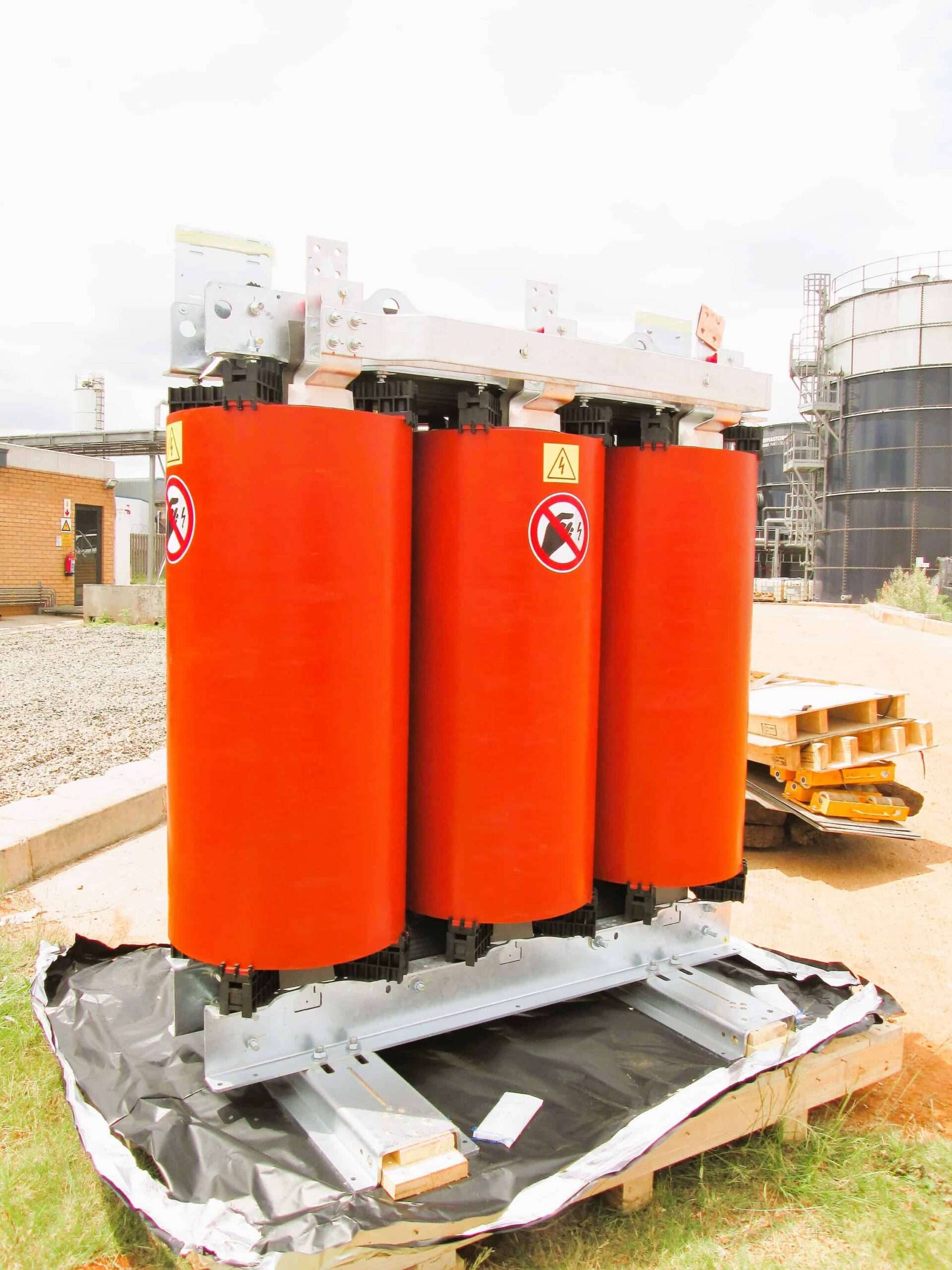
Tag Archives: Trafo Power Solutions

FOOD, BEVERAGE SECTOR SEES ADVANTAGES OF DRY-TYPE TRANSFORMERS

The absence of oil in dry-type transformers make them attractive to the food and beverage sector, where the focus is on hygienic working conditions. 

David Claassen, Managing Director of dry-type transformer specialist Trafo Power Solutions, says there has been growing demand from food and beverage companies in South Africa. Among Trafo Power Solution’s recent customers are two of the world’s largest brewers – who have sought to reduce the risk of oil leaks or environmental contamination by opting for dry-type technology. 
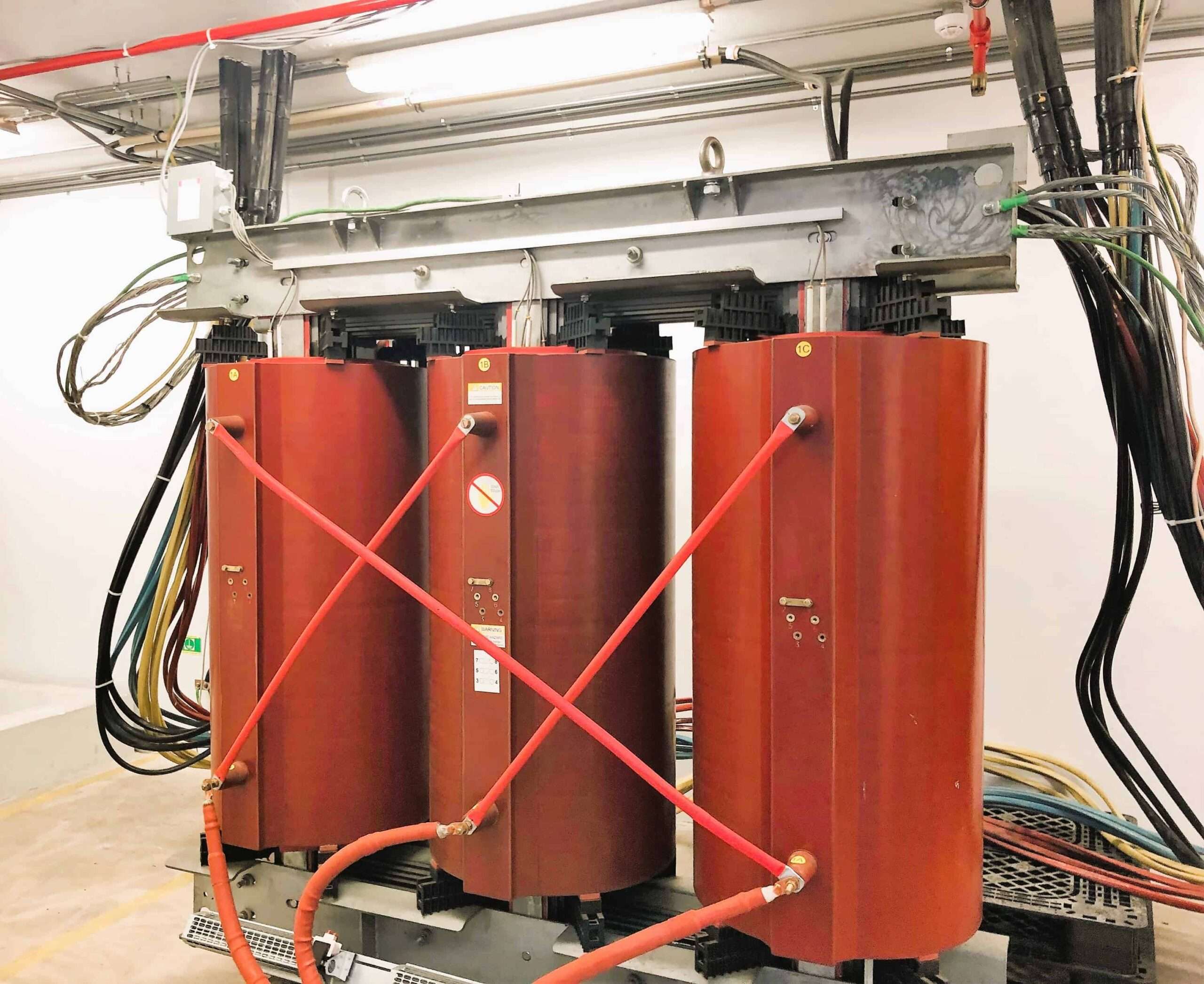
“We have also installed equipment in factories where food is processed and where soft drinks are made, where the hygiene concerns are all similar,” says Claassen. “Dry-type transformers are also Class F1-rated, signifying the highest level of safety in relation to fire risk.”

He notes that Trafo Power Solutions does not only supply the transformers, but is also responsible for control and protection systems – to protect against risks such as over temperature  and voltage surge. The transformer and related equipment are designed to suit each specific application. In a recent project for a leading brewer, Trafo Power Solutions also supplied the low and medium voltage switchgear, which included Low Voltage (LV) distribution boards, fully type tested to IEC61439 as well as IEC61641 (Internal Arc Fault) customised Ring Main Units along with transformers.

“This demands extensive consultation with all other stakeholders in these projects,” Claassen points out. “We engage with the client and consulting engineers, as well as architects and contractors if the project involves any new build aspects.”

Similar work has been conducted in various parts of Africa, where the company has demonstrated its capability to achieve the highest standards of quality in its projects. The capable project execution team, combined with considerable flexibility from the manufacturing facility, means that design changes can be readily accommodated. 

“Our priority is that, at the end of a project, the customer will have a solution that fits their operational environment and that meets their exact requirements,” he says. “This also ensures optimal performance of the electrical equipment, supporting a long life span while ensuring minimal maintenance.”

He emphasises that after sales support is focused on getting any issues resolved without delay, drawing on the expertise of Trafo Power Solutions engineers and technicians.  

GOOD REASONS BEHIND GROWING POPULARITY OF MODULAR SUBSTATIONS

Modular substations are fast becoming the format of choice in many applications from industrial sites to data centres to mining and the oil and gas sector, delivering benefits such as quick deployment, lower installation costs and more flexibility.

“The trend towards modular substations is now well established in many sectors – and for good reason,” says Trafo Power Solutions Managing Director David Claassen. “There are many different options and designs, from shipping containers to larger or more purpose-designed E-houses.”

Standard shipping containers – in either 20 foot or 40 foot configurations – provide an economical and compliant format for substations that must be transported via land or by sea, he notes. The dimensions facilitate cost effective logistics, and generally ensure quicker availability of on-board space when arranging shipping on container vessels. Indeed, the containerised concept was where the modular idea originated, as it could be moved around easily.

“More recently, though, we have seen the concept develop into much larger substation sizes – but the benefits remain,” he says. “These can generally be constructed quite simply with structural steel with fire-rated insulation to enhance the safety rating of the installation.”

When compared to constructing a normal building on site, with all the related civils work, the modular option quickly shows a range of benefits. Especially in remote locations, any building work can become complex, costly and time consuming. These costs include transporting various building materials to site over long distances, as well as finding and employing scarce skills and supervision. 

“This traditional route also involves taking all the electrical components to site – and then installing, testing and commissioning them in conditions that are often less than ideal,” he explains. “By contrast, a modular substation can be constructed for the most part in a fully-equipped factory, which is more conducive to quality and speed.”

Once shipped to site, there is minimal work to be done before the modular substation can be commissioned and put to work. Modular substations can also be designed with state-of-the-art technology for improved reliability, easier maintenance and reduced running costs.

He highlights that dry-type transformers add considerable value to the modular substation concept, as these can be installed inside a container or e-house. Claassen explains that the safety levels intrinsic to dry-type transformers mean that they do not need a separate enclosure outside the modular structure.

“Effectively, the dry-type transformer is just another aspect of the electrical arrangement in a substation that can be readily modularised,” he says. “For safety and other reasons, an oil-filled transformer would still need its own infrastructure due to the risk of fire, explosion or oil spills.”

He highlights that this is counter-productive to the modular philosophy which makes this format of substation so popular. By using a dry-type transformer instead, the installation can avoid having a separate transformer bay, fire protection and suppression facilities, and outside cabling. With a dry-type transformer inside the substation, there is also a reduction in the overall footprint size. 

LARGE DRY-TYPE MINI SUBSTATION ORDER FOR TRAFO FROM DRC COPPER GIANT

Signalling its recognised and specialist expertise in dry-type transformers, Trafo Power Solutions will this year design and deliver almost 50 mini substations to a growing copper mine in the Democratic Republic of Congo (DRC).

“This significant order is testament to Trafo Power Solutions’ experience and capability, and the value that we have created for customers over the years,” says the company’s managing director David Claassen.  

Trafo Power Solutions has a soldi track record for the design and supply of mini substations in the mining sector.

The customer’s specifications for the mini substations vary between 630 kVA and 1,600 kVA, and will be supplied in both 11 kV and 33 kV formats – with multiple configurations of low voltage output from 400 V and 690 V, including dual secondary in some cases. The design specifications will allow the units to be applied in a combination of surface and underground applications, which required compact designs and innovative approaches to cooling.

Among the benefits of dry-type transformers in underground mines are their safety features, notes Claassen. Due to the absence of oil as a cooling agent, dry-type transformers are a very low fire risk – and there is also no environmental risk of oil leakage or spillage. Maintenance is also minimised by the use of air for cooling instead of oil; this obviates the need for regular oil testing and replacement.

A 1000 kVA dry-type mini substation suitable for outdoor mining applications.

“Our experience and track record with dry-type transformers have given us a good understanding of the rigours of deploying electrical equipment like this in a demanding mining environment,” he says. “As an African company we have worked all over the continent and understand the conditions; this has developed our ability to design and manufacture mini substations for various applications.”

Trafo has supplied dry-type transformers around Africa including South Africa, Zambia, DRC, Mozambique, Sierra Leone and Zimbabwe. The units will be delivered to the DRC mine in batches over the course of 2023.

IP-RATED ENCLOSURES MAKE DRY-TYPE TRANSFORMERS POPULAR OUTDOORS

Purpose designed enclosures – rated for their ingress protection (IP) – allow dry-type transformers to be employed in outdoor applications despite high levels of dust and moisture.

“The absence of oil in dry-type transformers makes them safe and suitable for many indoor applications,” says David Claassen, managing director of Trafo Power Solutions. “However, we are now installing them increasingly in very demanding outdoor conditions due to their safety, reliability and low maintenance cost.”

This trend is not being held back by the fact that dry-type transformers are air-cooled, he explains, as the enclosures are carefully designed to facilitate adequate cooling. The temperature rise of each transformer needs to be considered in the enclosure design, alongside the customer’s available footprint – so that the dimensions of the enclosure are suitable.

“Transformers must of course be protected from water, and also from dust which can inhibit heat losses and potentially even lead to short circuits,” he says. “Our IP-rated design ensures that we meet the demands of the prevailing outdoor conditions while cooling the transformer so that it operates optimally and safely.”

IP rating is a ranking of the level of protection against ingress that an enclosure can provide. In an IP rating of 65, for example, the first digit refers to the level of solid particles being excluded – while the second digit refers to moisture levels. Trafo Power Solutions regularly designs transformer enclosures for high IP ratings such as IP65 or IP66.

“This means that we can provide a level 6 protection against dust, which is essentially dust tight,” he says. “The level 5 or 6 moisture protection demonstrates that the enclosure will protect the transformer against jets of water and even water from heavy seas.”

He notes that most enclosure designs can disperse heat by the natural flow of air. There are various levels of temperature rise associated with the transformer’s specific insulation class, however, so other technologies can also be applied. Certain applications will require a forced air system, operating in a closed loop to ensure sufficient insulation from outside conditions.

“If more cooling is needed, there are also technologies which use water as a medium to effectively remove heat from an enclosure,” he says. “There are other challenges too that we can address, such as the risk of condensation where outdoor temperatures are very cold.”

Trafo Power Solutions collaborates closely with its Italy-based technology partner TMC Transformers to design the enclosures at the same time as the transformer itself – delivering optimal results for the customer.

DRY-TYPE TRANSFORMERS GO 1,6 KM DEEP IN SA GOLD MINE

When dry-type transformer specialist Trafo Power Solutions was asked to supply three units to an underground South African gold mine, it was given a hill to climb in terms of design and logistics. 

The mine required the transformers to operate in the usual demanding conditions of dust, moisture and heat, says Trafo Power Solutions managing director David Claassen. However, there were a range of other challenges – not least the weight and height restrictions of a deep mine. While two of the transformers are relatively small – 250 kVA and 630 kVA – the third is a substantial 3150 kVA.

“The transformers are to operate at about 1km below surface, and will have to be transported through both an incline shaft and vertical shaft,” says Claassen. “Especially with the larger unit, we had to work very closely with our Italian technology partner TMC to reach a design that could be moved within these constraints.”

Trafo Power Solutions also designed the enclosures locally, in a manner that would allow them to be transported in manageable components before being re-assembled underground. The enclosure design had to ensure that while dust and moisture were kept out, there was still enough air circulation to cool the unit. The dry-type transformers will be supplying loads for a refrigeration plant. 

“Trafo Power Solutions conducted the complete designs, which were then verified and vetted by TMC,” he says. “This quality control is central to our approach in ensuring fit-for-purpose solutions.” 

He emphasised that the design and manufacture of the units was carried out according to schedule and they are on track to be supplied within the customer’s required timeframes. 

“On-time supply is an increasingly important aspect of success for mining companies,” he says. “Mines’ capital expenditure is planned according to the expected returns on any project, and supplier delays can undermine these forecasts.”

Meeting delivery expectations goes hand-in-hand with the efficiency and reliability of Trafo Power Solutions’ offerings, he explains. These factors contribute significantly towards total cost of ownership, which is of utmost importance to mining customers. 

Trafo Power Solutions also designed the specialised skid bases for the transformers, to facilitate moving the units to their operating destination. These accommodate the considerable weight of the units, particularly the 10-tonne mass of the large 3150 kVA unit. 

Delivery of the transformers is expected to take place by the fourth quarter of 2022, with Trafo Power Solutions supervising the installation and commissioning process. 

DRY-TYPE TRANSFORMERS GO 1,6 KM DEEP IN SA GOLD MINE

When dry-type transformer specialist Trafo Power Solutions was asked to supply three units to an underground South African gold mine, it was given a hill to climb in terms of design and logistics.

The mine required the transformers to operate in the usual demanding conditions of dust, moisture and heat, says Trafo Power Solutions managing director David Claassen. However, there were a range of other challenges – not least the weight and height restrictions of a deep mine. While two of the transformers are relatively small – 250 kVA and 630 kVA – the third is a substantial 3150 kVA.

The dry-type transformers were designed in such a manner as to allow them to be transported in manageable components underground and reassembled.

“The transformers are to operate at about 1km below surface, and will have to be transported through both an incline shaft and vertical shaft,” says Claassen. “Especially with the larger unit, we had to work very closely with our Italian technology partner TMC to reach a design that could be moved within these constraints.”

Trafo Power Solutions also designed the enclosures locally, in a manner that would allow them to be transported in manageable components before being re-assembled underground. The enclosure design had to ensure that while dust and moisture were kept out, there was still enough air circulation to cool the unit. The dry-type transformers will be supplying loads for a refrigeration plant.

“Trafo Power Solutions conducted the complete designs, which were then verified and vetted by TMC,” he says. “This quality control is central to our approach in ensuring fit-for-purpose solutions.”

He emphasised that the design and manufacture of the units was carried out according to schedule and they are on track to be supplied within the customer’s required timeframes.

“On-time supply is an increasingly important aspect of success for mining companies,” he says. “Mines’ capital expenditure is planned according to the expected returns on any project, and supplier delays can undermine these forecasts.”

Meeting delivery expectations goes hand-in-hand with the efficiency and reliability of Trafo Power Solutions’ offerings, he explains. These factors contribute significantly towards total cost of ownership, which is of utmost importance to mining customers.

Trafo Power Solutions also designed the specialised skid bases for the transformers, to facilitate moving the units to their operating destination. These accommodate the considerable weight of the units, particularly the 10-tonne mass of the large 3150 kVA unit.

Delivery of the transformers is expected to take place by the fourth quarter of 2022, with Trafo Power Solutions supervising the installation and commissioning process.

ELECTRA MINING SEES TRAFO’S GROWING SUPPORT FOR MINING IN AFRICA

The turnout and enthusiasm at the recent Electra Mining Africa exhibition was a reminder of mining’s strategic value to Africa – and the growing contribution being made by dry-type transformers.

David Claassen, managing director of dry-type transformer specialist Trafo Power Solutions, says safe and cost efficient mining paves the way for Africa’s economic development. As the world looks increasingly to this continent for battery minerals, for instance, it is also wanting to know that mining is conducted responsibly and competitively.

“Dry-type transformers attracted considerable interest at Electra Mining Africa, as mines recognise the safety benefits of using air rather than oil to cool this equipment,” says Claassen. “The absence of oil, combined with robust design, also adds to reliability and lowers the cost of ownership, ensuring that Africa’s mines compete with the world’s best.”

Mining’s strategic role in Africa’s growth was well demonstrated at this year’s Electra Mining Africa show, and Trafo Power Solutions was there to display its valuable contribution.

Augmenting Trafo Power Solutions’ extensive experience in Africa is a technology partner that understands the importance of designing specific solutions to meet customers’ needs. Italy-based manufacturers TMC Transformers therefore sent a senior director to Electra Mining Africa to actively engage with visitors to the Trafo Power Solutions stand. 

“As TMC, we understand the harsh and dusty conditions in mines,” says Andrea Ghidini, group marketing and sales director at TMC Transformers, speaking from the exhibition. “Our designs take account of the various technical challenges that transformers must face on mines, from vibration and jolting to the challenging environmental factors.” 

Claassen highlights that while many manufacturers focus on standard products for limited applications, the partnership between Trafo Power Solutions and TMC generates specialised designs that match customer requirements. These extend even to units suitable for coal operations – underground or surface, which must comply to stringent health and safety regulations. He also noted that a strong theme among exhibitors at Electra Mining Africa this year was sustainability. 

“As the mining sector embraces more demanding environmental, social and governance (ESG) principles, mines look for ways to reduce their footprint,” he says. “By ensuring no risk of oil leakage, dry-type transformers are making a valuable contribution to mines’ environmental sustainability targets.” 

DRY-TYPE TRANSFORMERS’ LOW RISK CAN CUT INSURANCE COSTS

Dry-type transformers have long been known for their high levels of safety, as they are cooled by air rather than oil; insurers recognise this too, and it affects their risk ratings. 

“We see a trend in commercial buildings and shopping centres, for instance, where insurers themselves are insisting on dry-type transformers,” says David Claassen, managing director of Trafo Power Solutions. “This exposes them to less risk in their coverage of these properties, and can reduce the insurance premiums paid by their clients.”

A specialist in dry-type transformers and mini-substations, Trafo Power Solutions supplies equipment with an F1 safety rating – due to its self-extinguishing and flame-retardant features.

“The fire hazard is significantly reduced by using dry-type transformers, as there is no oil that could ignite,” says Claassen. “There is also less environmental risk, as there is no oil which can potentially leak out into soil or groundwater.” 

He highlights the ways developers can reduce the insurance element of their cost-per-square-metre to construct and operate their buildings. Installing a safer transformer will not only reduce risk levels, but can reduce the costs of associated fire detection and suppression systems.

“An insurance evaluation of a building will typically include a strong focus on fire risk, especially in warehouses where valuable stock could be vulnerable,” he says. “Where insurers detect a high fire risk, they many stipulate a range of mitigation measures, the costs of which must be borne by the client.”

Indeed, the lack of specialised systems for detecting and suppressing fires may raise premiums substantially, or even render a property uninsurable, he notes. A direct and effective way of reducing the fire and environmental risk is to install a dry-type transformer. These have been proven to be safe enough to use on ships, in confined spaces inside buildings, and in areas close to human traffic. 

“By offering our customers a technical solution with close to zero risk, we open the door to tangible savings from an insurance point of view,” he says. “In addition to being flame-retardant and self-extinguishing, the F1 rating that applies to our transformers also reflects that they will not emit harmful gasses in the event of being affected by a fire in the vicinity.”

He adds that Trafo Power Solutions also offers a specialised assessment service to insurance companies and developers. Where these firms may not have in-house experts in electrical power systems, Trafo Power Solutions can conduct a formal assessment on current installations and apply their technical expertise to advise on future installations. 

“This will allow clients to achieve an appropriate, fit-for-purpose solution with high safety levels and low maintenance requirements,” says Claassen.

DRY-TYPE TRANSFORMERS PROVE WORTH IN BOOMING DATA CENTRES

The growth of data centres in South Africa has been rapid in recent years, with exacting requirements related to safety and reliability being placed on all relevant equipment. This has created special opportunities for the application of dry-type transformers. 

According to Trafo Power Solutions managing director David Claassen, there is a significant amount of data space currently being constructed in South Africa. Alongside the issue of data security, says Claassen, the top priority in these facilities is uptime – as a data centre can simply never be offline. 

“The volume of equipment in these large server rooms creates considerable heat and therefore requires extensive cooling facilities – all leading to high levels of energy demand,” says Claassen. “Transformers therefore play an important role in these operations, and they must function to the highest levels of safety and reliability.”

He notes that South Africa faces a significant additional challenge, with unreliable electricity supply from the national utility. This requires backup power facilities to be installed, so that 100% uptime can be guaranteed.

“Even aside from the power supply issues, data centres must deliver a constant service without interruption, so redundancy capacity is required should any of the system components go down,” he says. “This redundancy can effectively double the design capacity of these centres.”

In these applications, dry-type transformers are well suited in terms of safety and risk, he explains. As the units are cooled by air and not oil, there is zero risk of fire and no chance of oil leakage. These transformers have an F1 fire rating, demonstrating their resistance to flammability; they are designed to be flame-retardant, and do not generate harmful emissions. 

By not having oil as a coolant, the maintenance of dry-type transformers is also reduced substantially. Oil-cooled transformers, by contrast, experience frequent oil temperature variations as load rises and drops. This variation creates opportunities for moisture ingress, making regular oil sampling and testing vital. If this is not conducted regularly, performance becomes unreliable. 

“Dry-type transformers can be installed inside or outside of a building or substation, with no special fire protection systems needed,” he says. “As oil testing is not required, dry-type transformers need very little maintenance – adding to their cost-effectiveness.”

He explains that data centres have high levels of non-linear loading, so these transformers must be designed for a high K-factor of typically around 13. The quick pace of construction of these facilities also often favours a modular approach, to which the dry-type transformer lends itself well.

“Modular substations can be rapidly manufactured, and dry-type transformers can be readily incorporated without the need for any special fire suppression,” says Claassen. “Another important factor is efficiency, as large data centres could consume as much power as a mining operation.” 

Trafo Power Solutions designs and manufactures dry-type transformers that comply with the highest efficiency standards and lowest loss levels recognised internationally – in line with data centres’ efforts to achieve the lowest possible energy consumption. 

TRAFO’S FLEXIBILITY ON SHOW AT ELECTRA MINING  

Because of the individual nature of mines, a one-size-fits-all solution is often unfeasible. With that in mind, leading dry-type transformer specialist Trafo Power Solutions will use Electra Mining Africa 2022 to showcase its ability to customise its solutions for mine-specific conditions. 

A 3150kVA 11kV/400V cast resin transformer for a mining-specific application, installed in an indoor substation.

“Leveraging many years of experience in the mining industry, pretty much across all commodities, we have comprehended that each mine is different and has its own set of challenges,” explains David Claassen, managing director of Trafo Power Solutions. “A one-size-fits-all approach is therefore out of the question, which is why most of our products are custom designed and manufactured to specific site conditions.”

Because they use air as a medium of cooling, dry-type transformers are typically installed in indoor environments, however, Trafo Power Solutions has a wealth of experience in supplying dry type transformers for outdoor applications The design of the enclosure is therefore critical to withstand the common harsh conditions associated with high dust and moisture levels. Despite the restrictive nature of enclosures, Trafo Power Solutions’ custom design capability guarantees enough ventilation, while allowing for necessary levels of ingress protection to keep dust and moisture at bay. 

“With our in-house design capability, we are particularly able to custom engineer solutions for challenging underground applications. We are able to tailor the dimensions, weight and other factors to match the space constraints presented by using vertical shafts or decline shafts to take the transformer underground,” explains Claassen. 

Custom designed and manufactured for specific site conditions, this solution shows multiple cast resin transformers in a specialised IP55 enclosure installed outdoor for a mining application.

Amid a renewed focus on environmental, social and governance (ESG) in the mining industry, Claassen says Electra Mining Africa presents an opportunity for the company to showcase how its solutions – dry-type transformers, modular-type and miniature substations, among others – meet the growing requirement for environmentally friendly solutions. 

“There is a common understanding that sustainability represents one of the mining industry’s most significant opportunities for long-term value creation, building trust and sustainable growth,” says Claassen. “By using air as the insulating and cooling medium instead of oil, dry-type transformers allow mines to reduce their reliance on fossil fuels.” 

Cast resin transformers with various ratings housed in containerised solutions for a mine in West Africa.

Apart from sustainability, mines are continually pushing safety boundaries. In fact, one of the key drivers of dry-type transformer technology in the mining sector is the safety imperative, says Claassen. 

“Mining companies have strongly shown their commitment to continually evaluate their operating practices to work towards a workplace with Zero Harm,” says Claassen. “The absence of oil in dry-type transformers translates into reduced safety and environmental risk. It also means that there are no chances of  leakages and possible fires.”

Dry-type transformers are categorised as F1 in terms of fire resistance ratings, indicating a low level of risk. Cooling options include natural ventilation and forced ventilation, with availability of air-to-air heat exchangers and auto heat exchangers. This gives dry-type units the significant advantage of having an inherently low risk of safety and environmental impact. 

Electra Mining Africa 2022 will take place from 5 to 9 September at the Johannesburg Expo Centre. Claassen is excited that the trade show has finally come back to life after the previous event was cancelled due to Covid-19. 

“Electra Mining Africa feeds into our overall company strategy. We see the mining industry as a significant growth area for us. We are therefore looking forward to participating in-person and reconnecting with the various stakeholders, from junior and senior mining personnel to original equipment manufacturers,” concludes Claassen.