UNDERSTANDING OF MATERIAL AND FLOW UNDERPINS WEBA CHUTE DESIGN

The success of a custom engineered transfer chute begins with understanding how a specific material will behave at the transfer point – and then applying both scientific principles and practical experience to achieve the optimal design.

According to Dewald Tintinger, Technical Manager at Weba Chute Systems, it is the company’s deep focus on the science of flow, combined with decades of hands-on experience, that sets it apart in the global field of transfer point engineering.

“Whether handling sticky manganese ore, cohesive clay or abrasive lumpy run-of-mine feed, it is vital to base chute design on a detailed understanding of how materials flow, compact and interact with liners and geometry,” he says. “Every material behaves differently, so we can’t apply a one-size-fits-all rule.”

The process starts with bulk flow analysis, often conducted in the laboratory using a representative fine fraction – typically the minus 4 mm portion of the material. This sample is tested across different moisture contents, pressures and flow angles to determine flowability under realistic plant conditions.

“This lab work tells you part of the story but minus 4 mm material might only make up 20 to 30% of the actual particle size distribution,” Tintinger notes. “The real challenge is integrating that data with the larger lumpier portion of the material mix.”

This is where experience becomes essential. Drawing on insights from more than 5,000 chute installations worldwide, Weba Chute Systems’ engineers have developed robust design parameters that capture how mixed-size materials behave collectively.
“It is something we have refined over years of lessons learned,” he adds. “The data is important, but knowing how to interpret and apply it to real-world conditions is where our expertise really comes through.”

Digital visualisation also contributes to the process. Discrete Element Modelling (DEM) has become a popular tool for illustrating material flow, and while Weba Chute Systems makes extensive use of the technology, Tintinger emphasises that it is not a design tool.

“DEM is valuable as a validation and communication tool – a way to show clients how the material will behave once it is flowing,” he says. “It helps verify flow patterns, impact zones and wear areas and therefore supports our established design methodology in delivering long term reliability and low maintenance performance.”
However, DEM has limits. It can simulate 60 to 240 seconds of flow but real-world blockages or buildup may take 12 or 24 hours to form. It also cannot replicate real operational conditions such as heat, humidity or the fines generated by belt scrapers and cleaners. Understanding these nuances relies on the on-site experience of Weba Chute Systems’ technicians and engineers.

“Our core methodology remains rooted in what we call the continuum method – a traditional physics-based design approach that has been the backbone of the company’s success,” Tintinger explains.

He concludes that this blend of science and craftsmanship continues to deliver transfer chutes that outperform standard solutions across commodities – honouring fundamental engineering principles while embracing the best of modern tools.

IN-HOUSE EXCITER REPAIR UNDERPINS SANDVIK’S SCREEN LIFECYCLE SUPPORT

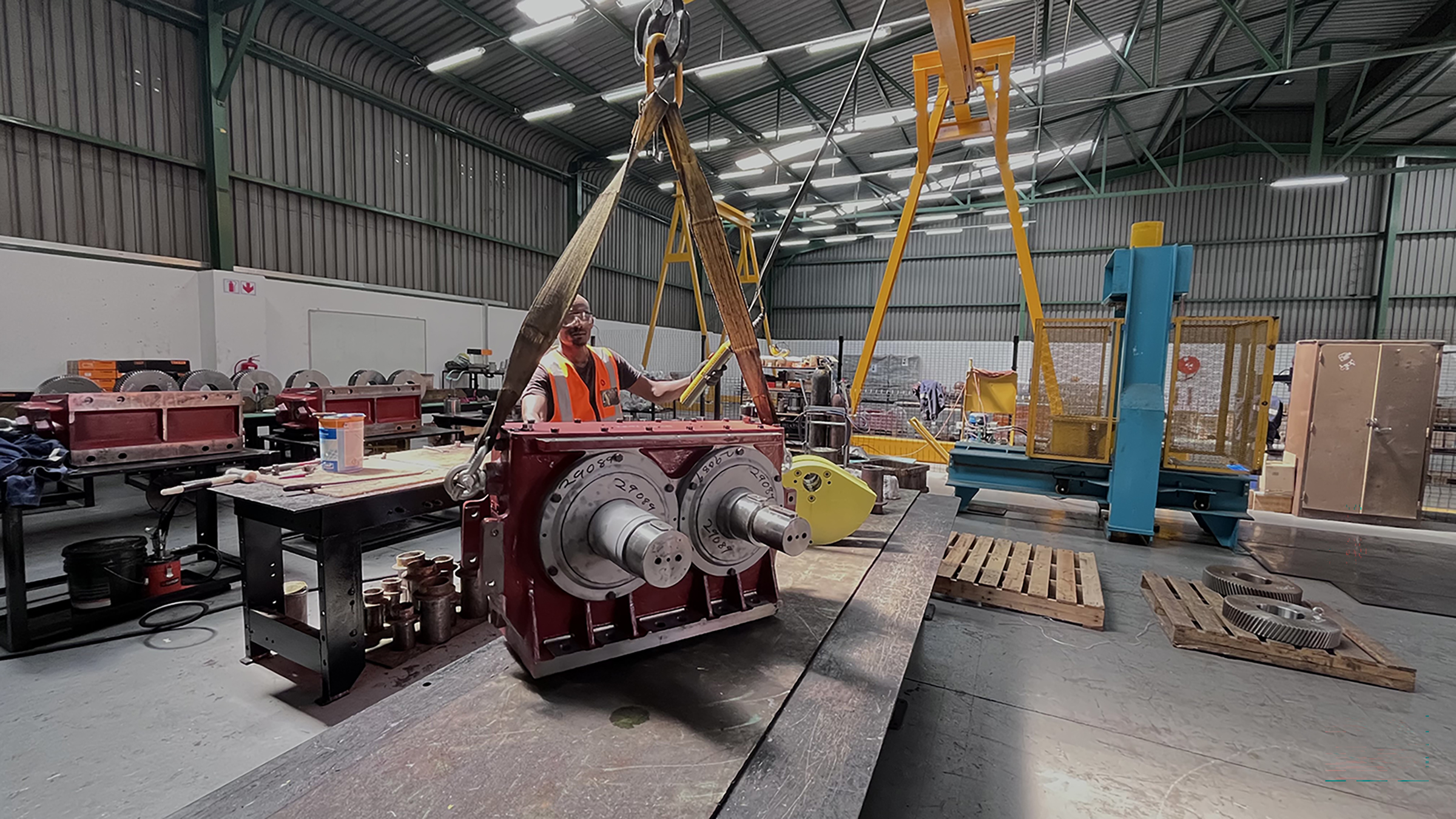
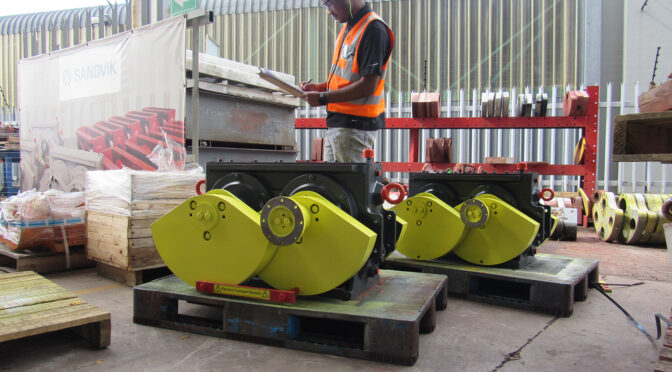
Keeping screens productive and reliable is vital to mineral processing. To support this, Sandvik Rock Processing operates a dedicated Exciter Repair and Refurbishment Facility that ensures the highest standards are applied to maximise screen uptime and performance.

According to Sydney Baloyi, Aftermarket Manager for Screening Solutions (Africa) at Sandvik Rock Processing, the facility plays a strategic role in supporting customers throughout the operational life of their screening equipment. Its specialist capability is designed to restore key vibratory components to OEM specifications, while reducing downtime and total cost of ownership.

“By repairing and refurbishing customers’ exciters locally, we can give customers rapid turnaround times without compromising our original equipment manufacturer (OEM) standards,” Baloyi says. “This aligns directly with our lifecycle focus on extending equipment life, improving reliability and reducing ownership costs.”

He highlights that the condition of the exciters – including exciter motors and gearboxes – is fundamental to the efficient operation of vibrating screens and feeders. Their ability to generate the intended controlled vibration is central to effective material separation and throughput efficiency.

“Exciters are essentially the driving force of the screen; without that vibration, the screen simply cannot perform its function,” Baloyi explains. “At the same time, exciters experience significant wear due to continuous dynamic loading.”

The refurbishment process begins with comprehensive stripping and inspection of the exciters and associated vibratory components, including motors, gearboxes and related assemblies.

“Our repairs follow strict OEM processes, designed to restore equipment to original specifications rather than applying temporary fixes,” he emphasises. “Any worn or damaged components are replaced so the unit is returned to its original condition and performance standard.”

Refurbished units then undergo the same assembly and testing procedures as new equipment, ensuring consistent performance and reliability once returned to service.

“Meeting the same performance expectations as new equipment means that refurbished exciters can fully support customers’ need for operational continuity,” Baloyi says.

This emphasis on OEM standards protects customers from premature failures often associated with non-standard repairs. However, he notes that reliability depends on more than just the right parts.

“The workmanship and the repair process are equally critical to ensuring long service life,” he says. “We rely on proven repair processes backed by skilled technicians who understand the equipment in detail. This combination of quality parts, correct processes and experienced workmanship is what protects reliability.”

Beyond productivity, correct and regular maintenance of exciters is also a safety consideration, he continues, as poorly performing vibrating equipment can affect plant stability and process control.

“The safe and consistent performance of screening equipment is dependent on reliable exciters,” Baloyi says.

He adds that the value of the Exciter Repair and Refurbishment Facility is reflected in customer feedback, with tangible operational benefits reported.

“We see reduced downtime, longer component life and greater confidence in repair quality from customers who use the facility,” he concludes. “In the end, customers want equipment that keeps their operations productive – and this facility helps us deliver exactly that.”

TRU-TRAC TARGETS HIDDEN COSTS OF MISALIGNMENT AND SLIPPAGE

Conveyor belt misalignment and roller slippage remain among the most persistent and costly problems in mining and bulk materials handling operations. While these issues are often treated as unavoidable, the real costs can be significant – from lost tonnes and spillage clean-up to premature belt replacement and emergency downtime. Leader in conveyor belt solutions, Tru-Trac continues to focus on helping mines and other operations address these hidden costs directly.

“Conveyors are the arteries of any mine and the costs of inefficiency add up quickly,” Guy Fitt, National Sales Manager at Tru-Trac, says. “When you calculate the production losses, unplanned maintenance and shortened belt life caused by misalignment the savings from properly aligned systems are substantial. Our Apex Series and Grip-Trac range are designed to pay for themselves many times over during the life of the conveyor.”

Belt mistracking is not just a maintenance issue. It can stop production, force emergency shutdowns and drive up operating costs through increased spillage, damage to structure and premature belt wear. The Apex Series trackers have been designed to minimise these risks by providing faster correction and more stable belt alignment, even under fluctuating loads and speeds.

A key feature is the use of adjustable wing rolls on the trough units, giving operators greater control in stabilising the belt path. This innovation reduces the likelihood of spillage and uneven wear while extending the working life of the belt. 

“The Apex design is a rethink of how trackers interact with the belt,” Gerhard Strydom, Technical Manager at Tru-Trac says. “It gives mines far more control in maintaining stability, which directly impacts uptime and cost reduction.”

Tackling slippage 

Slippage between belt and rollers is another major contributor to lost productivity and roller wear. Traditional lagging solutions, often relying on standard rubber or polyurethane compounds, tend to wear quickly in demanding mining conditions. Tru-Trac’s Grip-Trac lagging addresses this through a reinforced rubber compound with greater wear resistance, combined with a tread pattern specifically designed for mining applications.

The pattern improves traction, disperses water and fines and reduces heat build-up and uneven wear. It also acts as a built-in wear indicator, giving maintenance teams a clear signal for timely intervention. “This extends service life and reduces the risk of unexpected failures. It allows mines to plan maintenance, rather than react to breakdowns,” Strydom notes

Built to last

According to Franco Cloete, Manufacturing Manager at Tru-Trac, the commercial value of these products lies as much in the way they are built as in their design. “Every Apex Tracker and roller with Grip-Trac lagging is manufactured to exacting standards in our South African facility,” he says. “We focus heavily on material selection, machining tolerances and assembly processes to ensure consistent reliable performance. Our customers can trust that these are not short term fixes but rather long term solutions.”

Tru-Trac’s belt tracking and lagging technologies have been proven across multiple continents from chrome operations in South Africa to coal mines in South America and iron ore operations in Australia. The company’s global footprint demonstrates that these solutions perform reliably in diverse and demanding environments.

Sidebar / Insert Box 

The Hidden Costs of Mistracking and Slippage

Mistracking

  • Lost production tonnes when conveyors are shut down for correction
  • Belt edge damage leading to costly premature replacements
  • Spillage clean-up including additional labour and equipment time
  • Structural damage to idlers, frames and skirting systems

Slippage

  • Reduced throughput from poor belt-to-roller traction
  • Accelerated wear on rollers and lagging, increasing replacement costs
  • Heat build-up that shortens belt and lagging life
  • Unplanned downtime when rollers or belts fail unexpectedly

The Bottom Line

Even modest levels of mistracking or slippage can cost mines millions annually in direct and indirect losses. Investing in effective belt tracking and lagging solutions reduces these risks, extends equipment life and delivers measurable savings over the long term.

TURNING GLASS WASTE INTO SUSTAINABLE VALUE

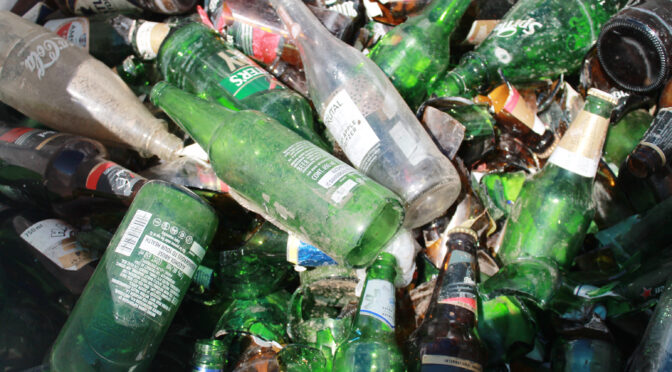
Glass is one of the most recyclable materials in the world, yet in South Africa too much of it still ends up in landfill. Every discarded bottle or jar represents not just waste but a missed opportunity to conserve resources, save energy and unlock new business opportunities.

“Unlike many materials, glass can be recycled indefinitely without losing quality,” Francois Marais, Sales and Marketing Director at Pilot Crushtec, says. “Each time we recycle glass, we are not only reducing pressure on landfills but also helping industries save energy and cut carbon emissions.”

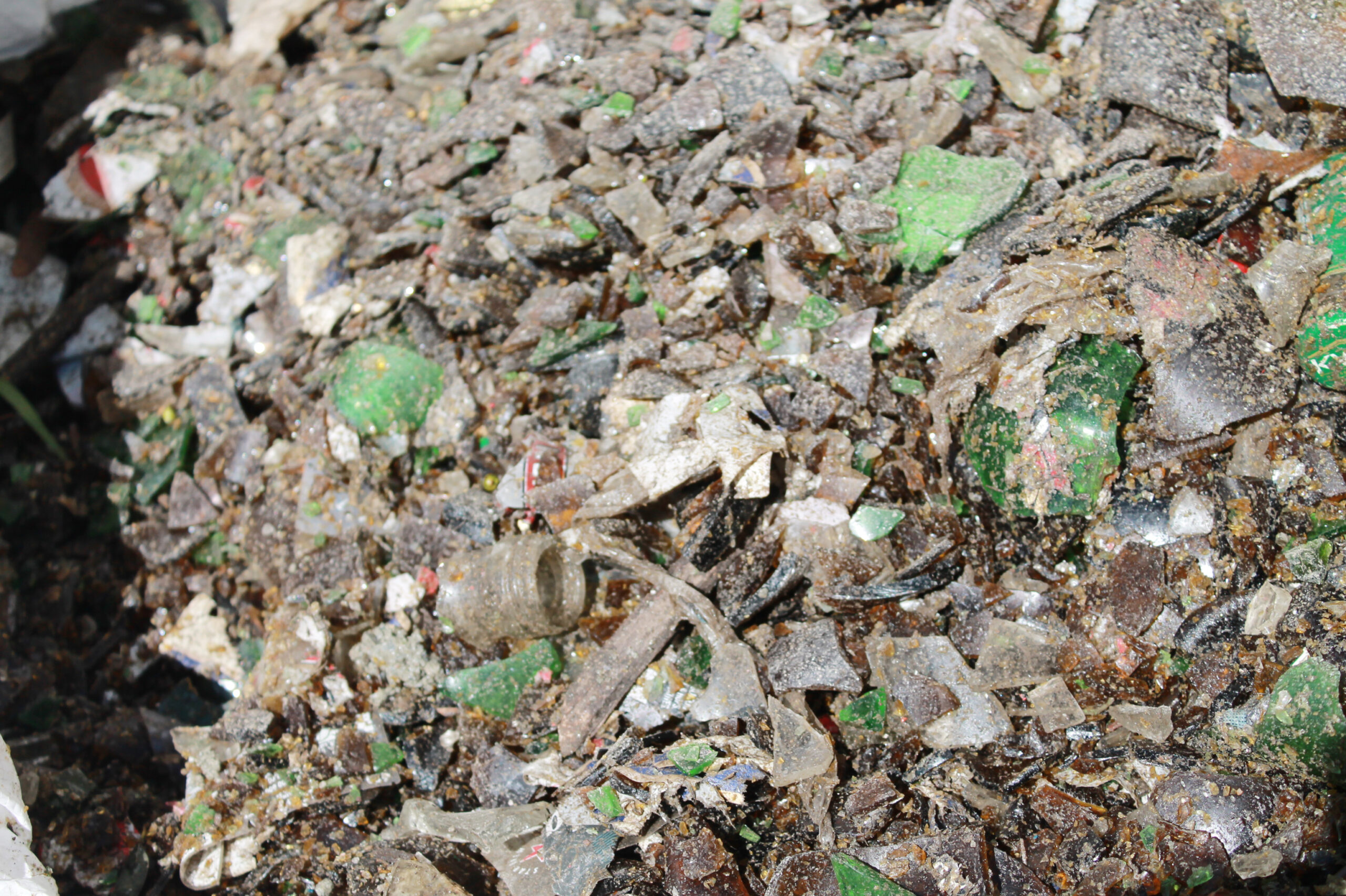
Recycling glass has an immediate environmental benefit. Melting recycled glass – known as cullet – requires less heat than melting raw materials such as silica and limestone which translates into significant energy savings. At the same time, diverting glass from landfill helps reduce environmental risk, making it a win-win for both sustainability and industry.

The uses of recycled glass extend far beyond producing new bottles and jars. Cullet is a vital ingredient in manufacturing fibreglass for insulation, while in the construction sector crushed glass is increasingly being used as a substitute for traditional aggregates in concrete and asphalt. Brick and block manufacturers are also discovering the benefits of glass cullet which can enhance both the strength and sustainability credentials of their products.

“There is a growing market for glass in construction and infrastructure,” Marais explains. “Crushed glass can strengthen road bases, add aesthetic value to concrete surfaces and even contribute to eco-friendly brick production. This opens real opportunities for businesses to innovate and differentiate themselves.”

Recycled glass is also gaining popularity in landscaping and decorative applications. Once processed, it can be used as a durable colourful mulch in gardens or as striking ground cover in pathways and water features. Beyond its visual appeal, glass cullet is proving its worth as a filtration medium in water treatment plants and swimming pools, where it outperforms traditional sand.

The potential does not stop there. Glass cullet is used in reflective road markings to improve night-time visibility and, in some regions, even to replenish eroded beaches. These diverse applications show how glass recycling contributes to both everyday life and large scale environmental solutions.

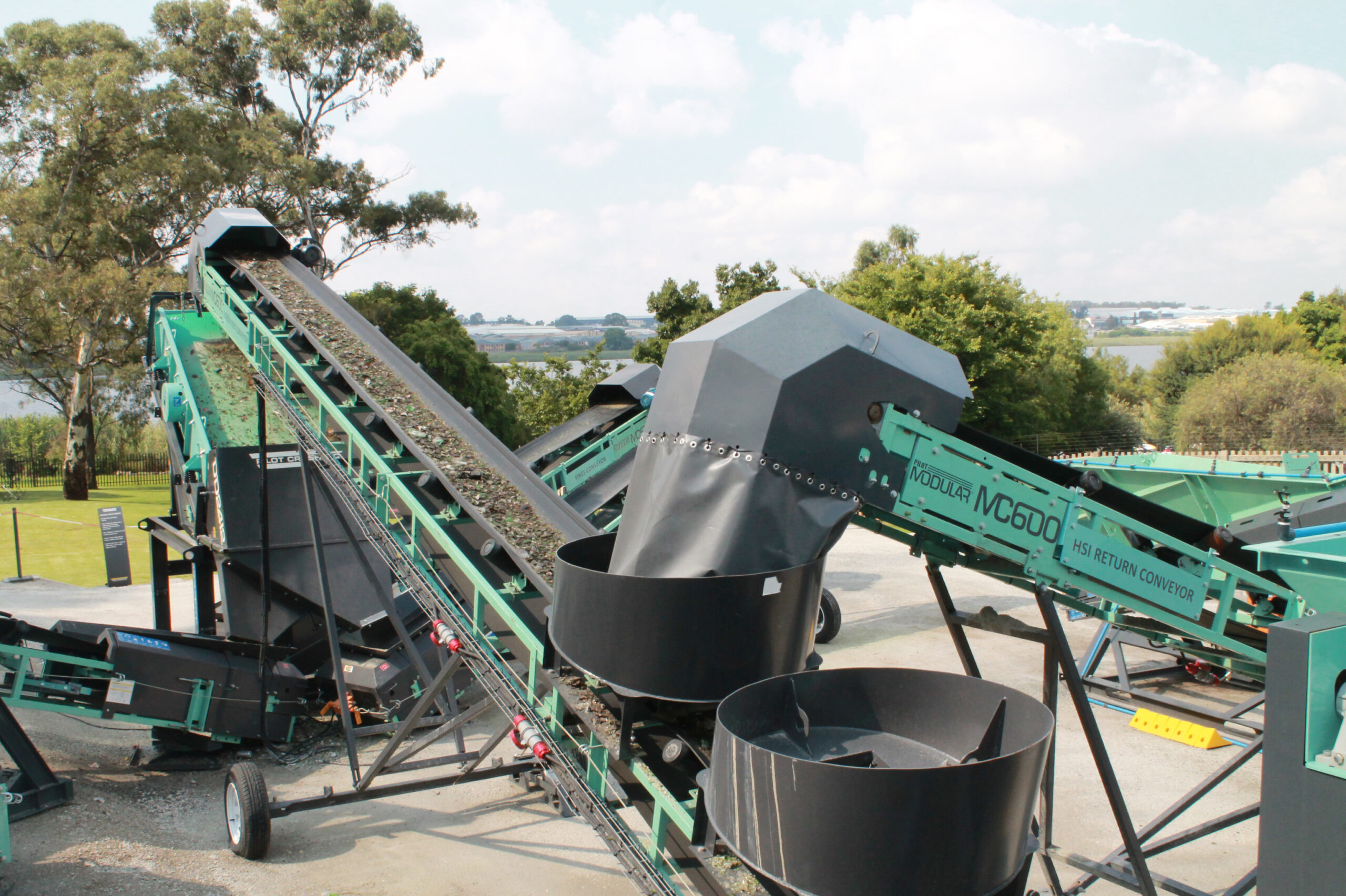
Pilot Crushtec is supporting this transition by making the processing of glass more accessible. Its range of modular crushing and screening plants allows waste glass to be efficiently converted into high quality cullet. These modular solutions are easy to deploy, cost effective and scalable, making them an attractive option for recyclers, municipalities and entrepreneurs who want to enter the growing glass recycling market.

“Glass recycling represents the perfect meeting point between sustainability and profitability,” Marais says. “It creates jobs, drives innovation and provides industries with valuable raw materials. At Pilot Crushtec, we are committed to providing the equipment that makes this possible but the real transformation will come from a broader commitment across business and society to embrace recycling as both an environmental responsibility and a business opportunity.”