SA COAL MINER PRIORITISES UPTIME WITH BOOYCO HVAC MAN-ON-SITE CONTRACT

Keeping its mobile equipment operators comfortable in hot, cold or dusty conditions is a priority for a South African coal miner, so it has renewed its man-on-site HVAC maintenance contract with Booyco Engineering for another three years.

According to Booyco Engineering Managing Director Brenton Spies, the performance of HVAC systems is operationally and legally critical for companies wanting to optimise their uptime and production levels. Regular maintenance by specialised technicians can make sure that mobile equipment owners can achieve this vital goal, says Spies. 

“The conditions on many South African mines are demanding – especially the variations in temperature and the high levels of dust,” he says. “For this reason, the law requires that working conditions do not present any physical hazards to operators – including extreme temperatures.”

He highlights that underperforming HVAC equipment can result in a contravention of the Occupational Health and Safety Act – as driver cabs have extensive window space for improved visibility. This exposes operators to considerable heat in summer, he explains, and cold in winter – as the windows provide little insulation from ambient temperatures outside.
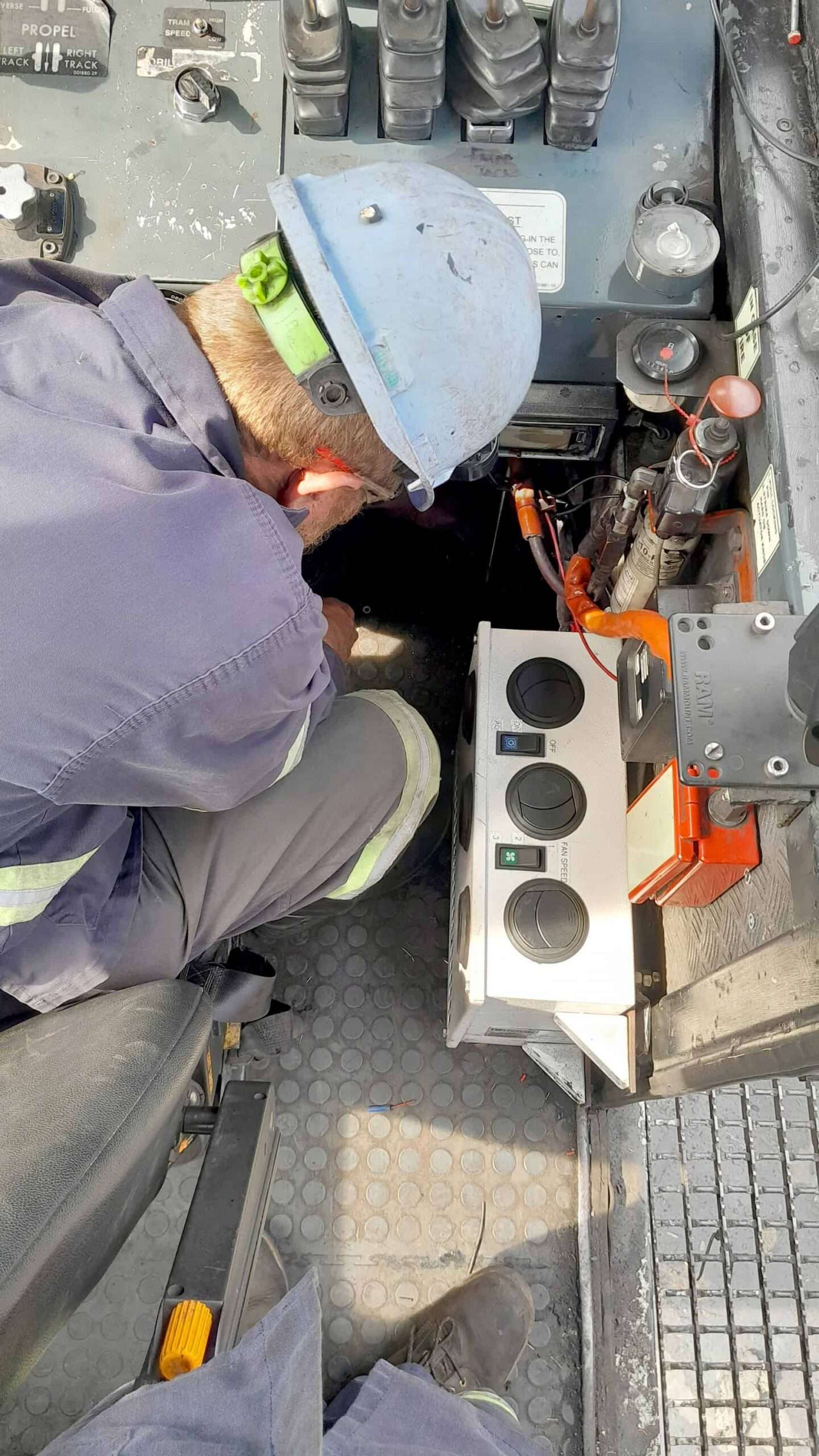
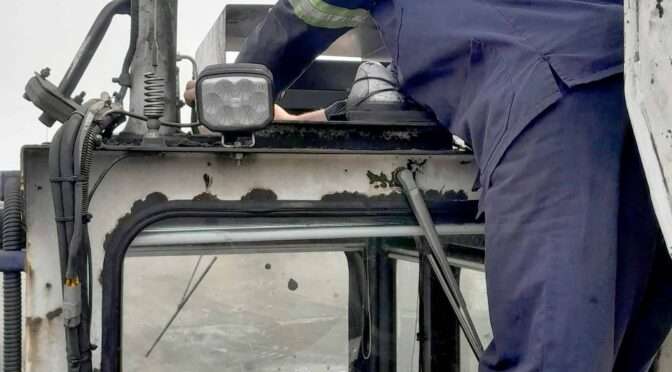
“Our man-on-site contract with this surface coal mining operation gives the customer three of our trained and experienced technicians – with vehicles – who work on the mine site to ensure ongoing maintenance is conducted,” says Spies. “This includes maintenance of the equipment’s air conditioners at intervals of 500 hours, 1,000 hours, 2,000 hours and 4,000 hours.”

Regular cleaning of HVAC systems is also important, as mines are dusty environments where these installations can be quickly blocked up by fine particles. Cleaning ensures not only better machine uptime, but also prolongs the lifespan of the HVAC system.
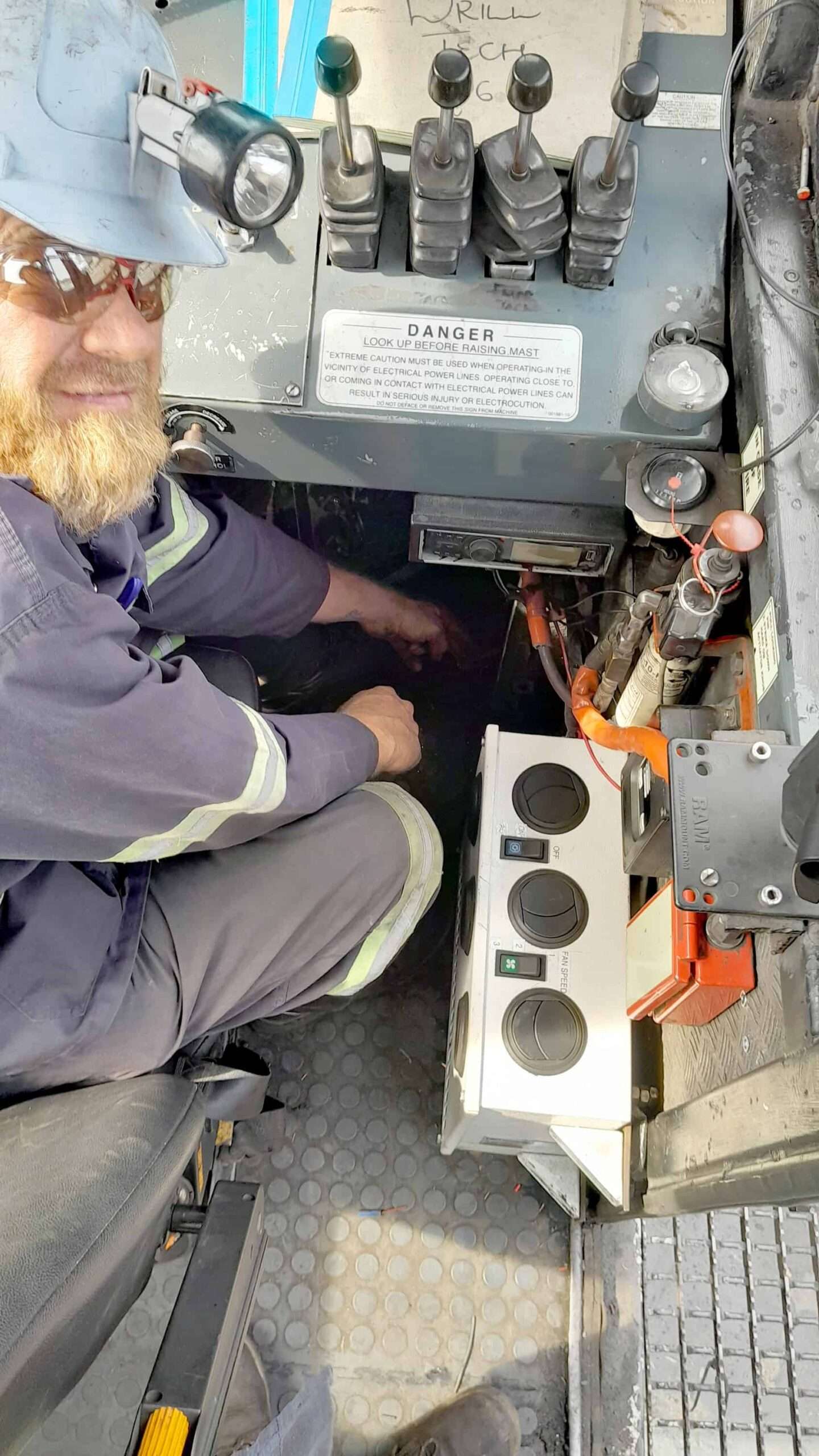
“In addition to the valuable preventative maintenance that the man-on-site arrangement allows, the technicians can also attend to any unexpected HVAC breakdowns on production equipment,” he explains. “To comply with strict health and safety regulations on mines, these technicians have passed all the mine’s medical requirements and have pit licences to drive their vehicles to where they are required – without undue delay.”

The technicians on the contract have more than 15 years of collective experience with the company, and are equipped with necessary Air Conditioning and Refrigeration Academy (ACRA) accreditations, as well as being certified for the safe handling of gases. They are also provided with the lifecycle analysis of each component in the HVAC systems on site, to enhance the impact and efficiency of their work.

“By having a specialist on site, a mine has someone who can focus on the HVAC aspects of the mission critical mobile equipment,” concludes Spies. “This allows the mine to focus on the business of mining.”

KEEPING MILL CIRCUIT PUMPS RUNNING: THE KEY TO EFFICIENT OPERATIONS

The requisite levels of support are critical to ensure optimal performance of a mill circuit, as is the correct selection of the mill circuit pump. Attention to both these aspects will facilitate cost efficient and optimum operation of the circuit; however, cautions Marnus Koorts, General Manager Pump Products at Weir Minerals Africa, each is as important as the other. 

Weir Minerals Africa has a focus on delivering reliable solutions to customers that will provide the required performance while facilitating the lowest total cost of ownership. This, Koorts says, has seen the Warman® mill circuit pump become the preferred choice across numerous plants in Africa.

Commenting further, Koorts says that the requisite support level often requires significant investment by the pump Original Equipment Manufacturer and means having the correct parts readily available on or close to a customer site. This should be backed by the technical competency required to keep the pump running, he says.  

“What is essential to understand is that a mill circuit pump is not an off-the-shelf solution. Mill circuit pumps are engineered to provide optimum performance under the arduous operating conditions on individual customer sites and need to be configured to achieve the requisite hours between scheduled maintenance shutdowns,” he says. 

“Close collaboration with customers and a comprehensive understanding of the plant’s operating parameters are crucial to ensure the solution provided will meet the operational requirements,” he says. 

One of the primary considerations when it comes to mill circuit pumps is the ability to handle large particles and high flow rates. Wear and tear in these pumps are directly proportional to the size of particles passing through, necessitating specific construction materials and design features. 

Koorts says a major differentiator is that the Warman® mill circuit pumps are physically larger for the same flow rate, reducing wear by operating at lower speeds. This strategy has paid major dividends for customers and is one of the reasons for the popularity of the Warman® brand in Africa. 

“Another crucial aspect is the engineering of the hydraulic chamber, which enhances wear resistance and increases efficiency. This is achieved through the unique design of the vanelet which significantly minimises unwanted turbulence and reduces both wear and energy consumption,” he explains. The reduced energy consumption not only contributes to the bottom line but also ensures a relatively short payback period for the capital investment.

“Material selection for mill pumps often sparks debate, but experience in the field has shown the undeniable benefits of rubber liners,” Koorts says. “Rubber liners extend wear life, handle impact associated with large particles, and are more cost effective and easier to handle.” Recognising the advantages, Weir Minerals has made substantial investments in rubber production facilities to manufacture these liners for customers. 

However, when applications demand it, a wide range of metal options are also available. Koorts says good examples would be Hyperchrome® A61 alloy which is particularly good for fine particle wear that’s often seen between the impeller and the throat bush, and Ultrachrome® A05 alloy which would be used for the shell as it works well with general coarse particle abrasion. 

“If the wear characteristics are higher than anticipated in an application, this is where the interchangeability of components plays an important role. Most of our designs allow for interchangeability between metal and rubber components based on specific wear characteristics.” 

Koorts also points out that over time, changes in the slurry composition or ore grade processed by a plant can affect pump efficiency and increase wear. He says that Warman® mill circuit pumps offer standard and low flow liner capabilities, enabling operators to adjust the flow rate as needed without compromising the original installation.

Retrofit optimisations are increasingly common as mineral processing plants evolve and seek to reduce their total cost of ownership. Weir Minerals Africa has made substantial investments in an engineering team capable of seamlessly integrating the Warman® mill circuit pumps into existing installations, and they work closely with engineering, procurement, construction management (EPCM) contractor, and project houses ensuring all stakeholders can make an informed decision regarding pump selection and configuration.

With over 20 branches across Africa and the Middle East, Weir Minerals Africa ensures local technical support is readily available to customers. This proximity allows the Weir Minerals Africa teams to gain a deep understanding of each customer’s operation and provide comprehensive support to ensure uninterrupted pump operation. To facilitate easy access to parts, the company recommends a strategic parts list and encourages customers to keep these components on-site. Critical parts are also stocked at the nearest Weir Minerals Africa branch.

FAGGIOLATI PUMPS TO POWER EFFICIENT DEWATERING AT MPUMALANGA POWER STATION

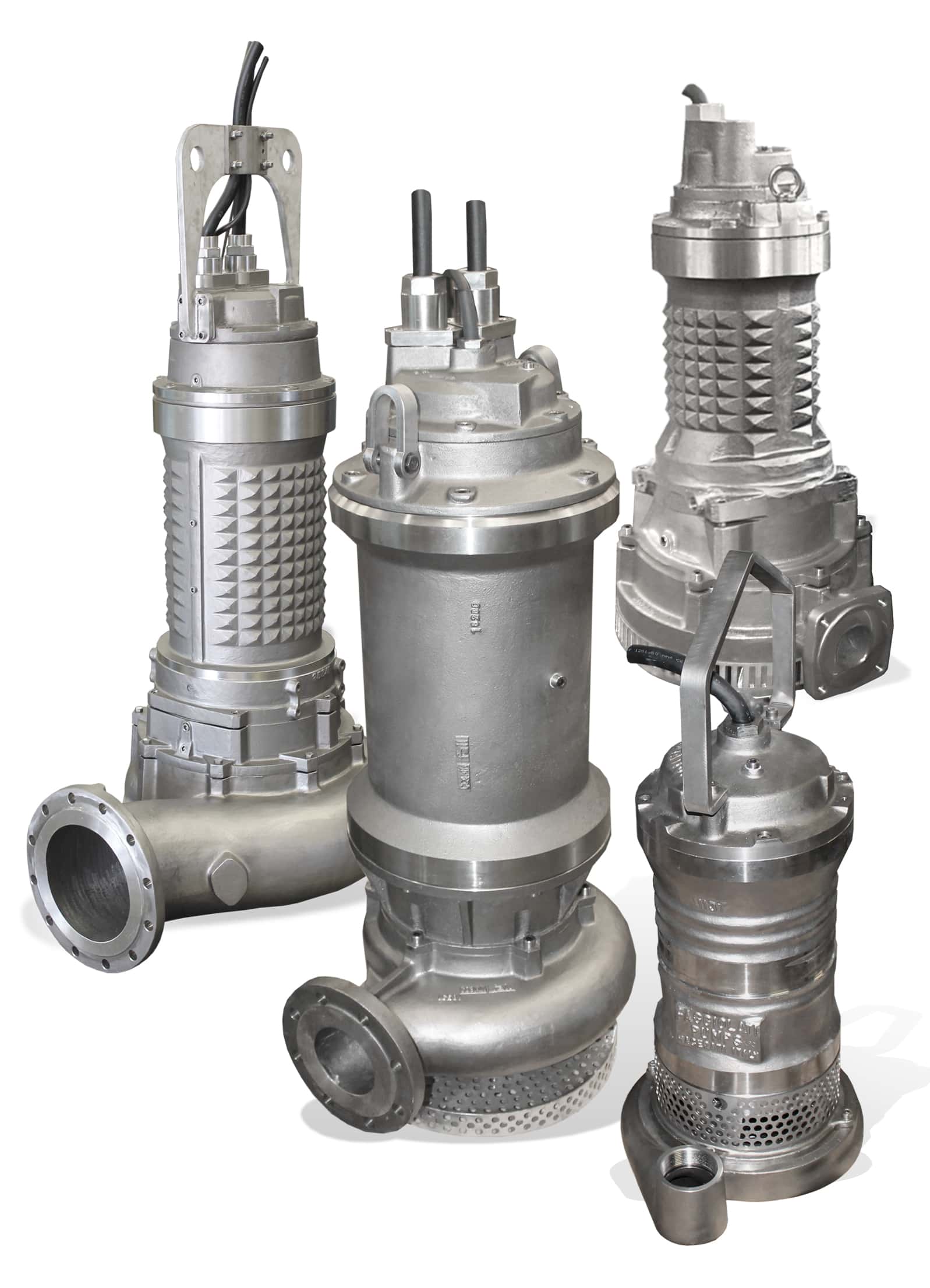
Integrated Pump Technology has successfully secured an order for three Faggiolati stainless submersible pumps to be deployed at one of the major coal fired power stations located in Mpumalanga. The order was made possible due to the company’s understanding of dewatering applications and the ability to select the correct materials of construction to meet the application’s exact requirements.

Justin Bawden, Key Accounts Manager at Integrated Pump Technology, says that the adaptability of the Faggiolati pumps allows the company to design units to suit specific application needs. This level of flexibility provides an added assurance that the pumps will meet the demanding operating parameters.

These 32 kW electrically driven 2 pole pumps will be deployed in dewatering applications at three different areas of the power station, all of which are noted to be extremely corrosive. The pumps are expected to handle dense slurry including coarse and abrasive particles.

Bawden says the high chrome content selected for the wear parts is an important factor which will contribute to reliable performance over an extended period even under these arduous conditions. “This strategic selection of materials of construction will likely extend the life of the wear parts increasing the time between replacement which will, in turn, lower the total cost of ownership for the power station.”

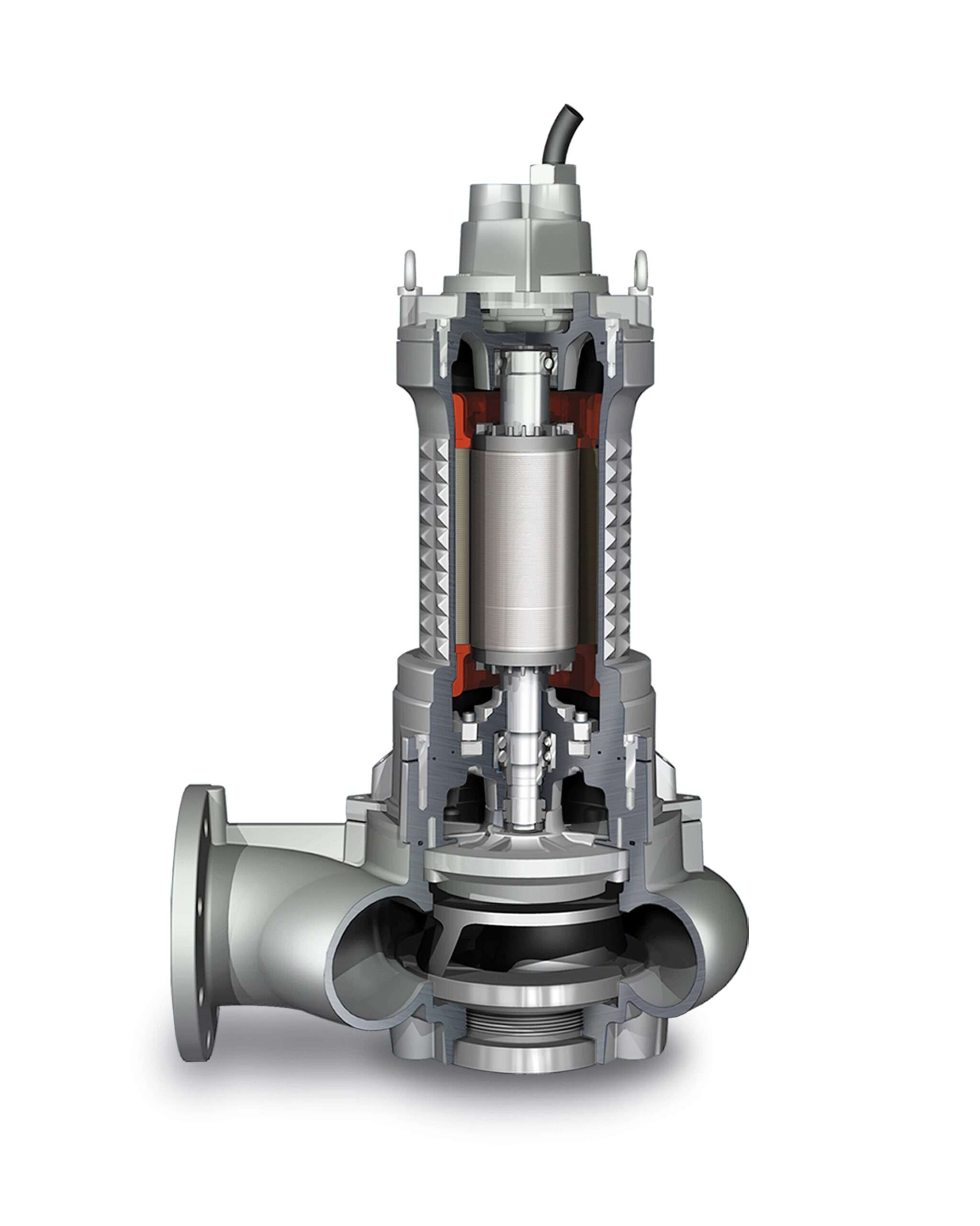
These Faggiolati pumps are capable of dewatering at a flow rate of 186 cubic metres per hour at a shut off of 65 metre head. The pumps are equipped with multi-channel stainless impellers, facilitating the movement of large volumes of slurry in this application. 

Bawden explains the benefits of the multi-channel open rotor, pointing out its high hydraulic efficiency and self-cleaning blade profile. A specially designed adjustable suction flange with grooves aids in the expulsion of solids and fibrous materials, adding another layer of efficiency and durability to these pumps.

“As a company we have extensive experience in specifying pumps for tough operating conditions, and are fully confident that this thorough understanding of application requirements as well as the strategic material selection will influence pump efficiency and lifespan,” he concludes. 

SAFETY TRAINING MUST KEEP UP WITH CHANGING TECHNOLOGIES

Training within the mining sector is a fast-changing field, driven by technological advancements, evolving safety standards and the need for a more skilled workforce. 

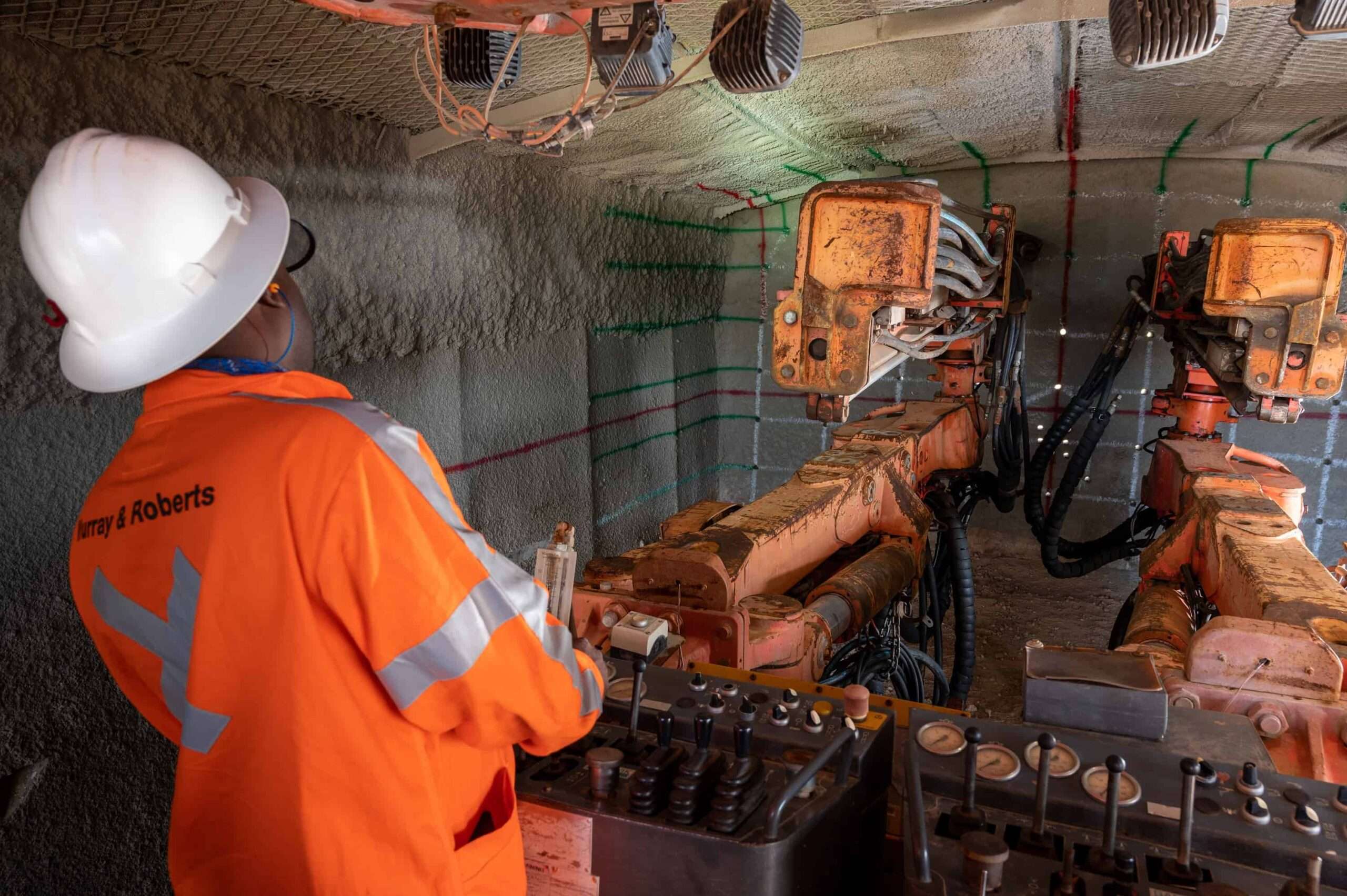
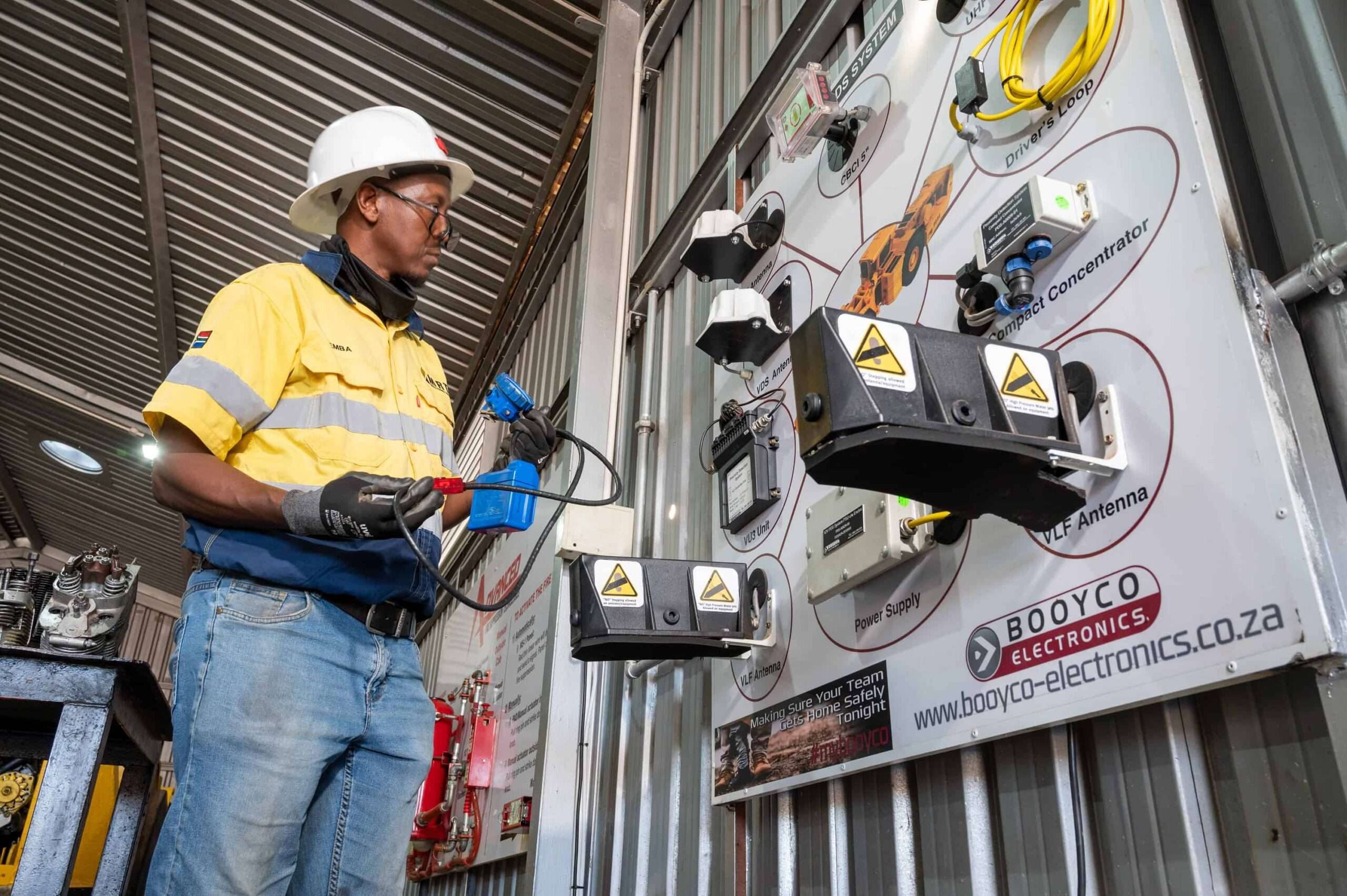
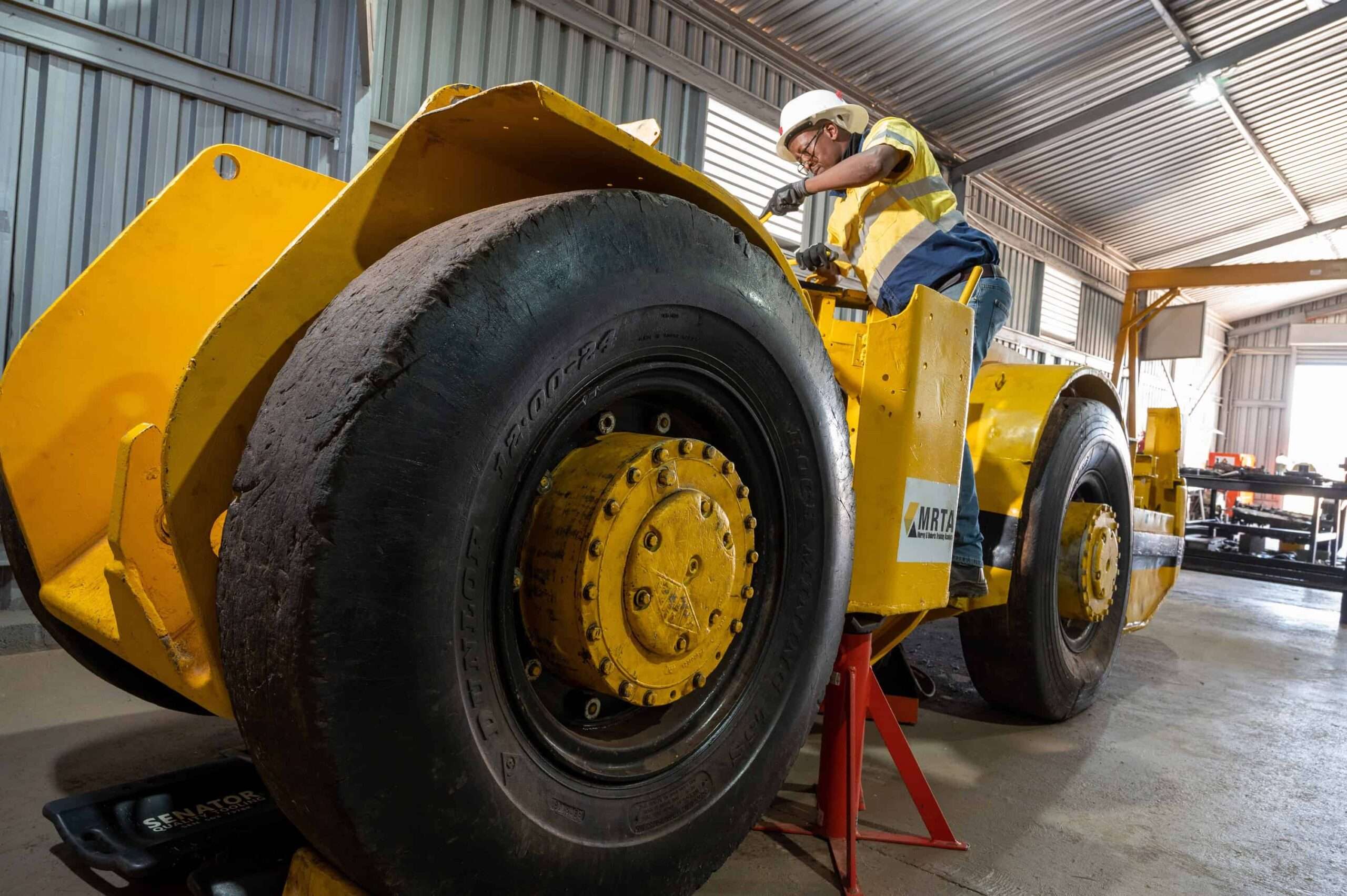
Keeping up with these demands has been the focus of the Murray & Roberts Cementation Training Academy near Carletonville, combined with ongoing attention on raising safety levels in pursuit of Zero Harm. According to Tony Pretorius, Education, Training and Development (ETD) Executive at Murray & Roberts Cementation, this has meant constantly pioneering effective strategies that build excellence and discipline in the workplace.

“An important foundation for us has been the integration of technology in our training programmes, incorporating tools such as virtual and augmented reality, e-learning, and online resources,” says Pretorius. “These technologies enhance the learning experience, improve knowledge retention, and facilitate the development of digital skills essential for working with advanced mining equipment and systems.”

At the same time, he highlights the promotion of a safety culture in mining. To achieve this, the academy places a strong emphasis on cultivating a safety-first mindset among trainees. By prioritising safety in all aspects of training, the academy helps instil a culture of vigilance, risk assessment and continuous learning – aligning with best practices for workplace safety in the mining industry.

“We also ensure that our training programmes align with relevant mining regulations,” says Pretorius. “This equips workers with the knowledge and skills to adhere to the latest safety guidelines while keeping their workplace compliant with regulatory requirements.”

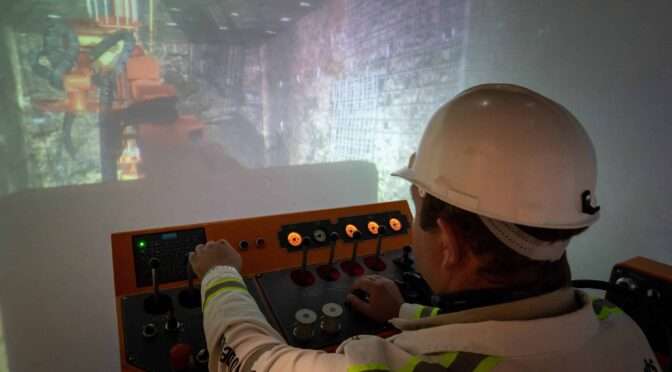
An example of how digital technology has been leveraged in the learning space, he points to the academy’s use of virtual and augmented reality in the training process. These immersive technologies allow trainees to experience realistic, risk-free simulations of mining environments and scenarios. 

“This approach not only improves knowledge retention but also enables the identification and correction of potential mistakes before they occur in real-world situations,” he explains. 

Another important aspect of the modern training approach has been towards competency-based training. Here, the focus has shifted away from the mere completion of training programmes, to the more detailed assessment of competence of workers in their specific roles. The focus, therefore, is on the development of practical skills, knowledge and attitudes that lead to improved job performance and overall safety. Pretorius also points to the vital role of what were previously referred to as ‘soft skills’ – competencies which are today proving to be as important as technical skills. 

“In addition to technical skills, the mining industry recognises the importance of developing skills such as communication, leadership, teamwork and problem-solving,” he says. “These skills are vital for maintaining a safe working environment, especially in high risk situations where effective collaboration and decision-making can prevent accidents and save lives.”

Beyond the daily work tasks, workers are also having to become more aware of sustainability and environmental issues. This is inevitable, as the mining industry faces increased scrutiny regarding its environmental impact.

“Training programmes now include modules on sustainable mining practices, resource conservation and waste management,” he says. “This helps ensure that workers are aware of their responsibilities and the role they play in minimising the industry’s environmental footprint.”

FIRST LOKOTRACK LT200HPS WITH A HANGING SCREEN WINS THE DAY FOR ZIZWE

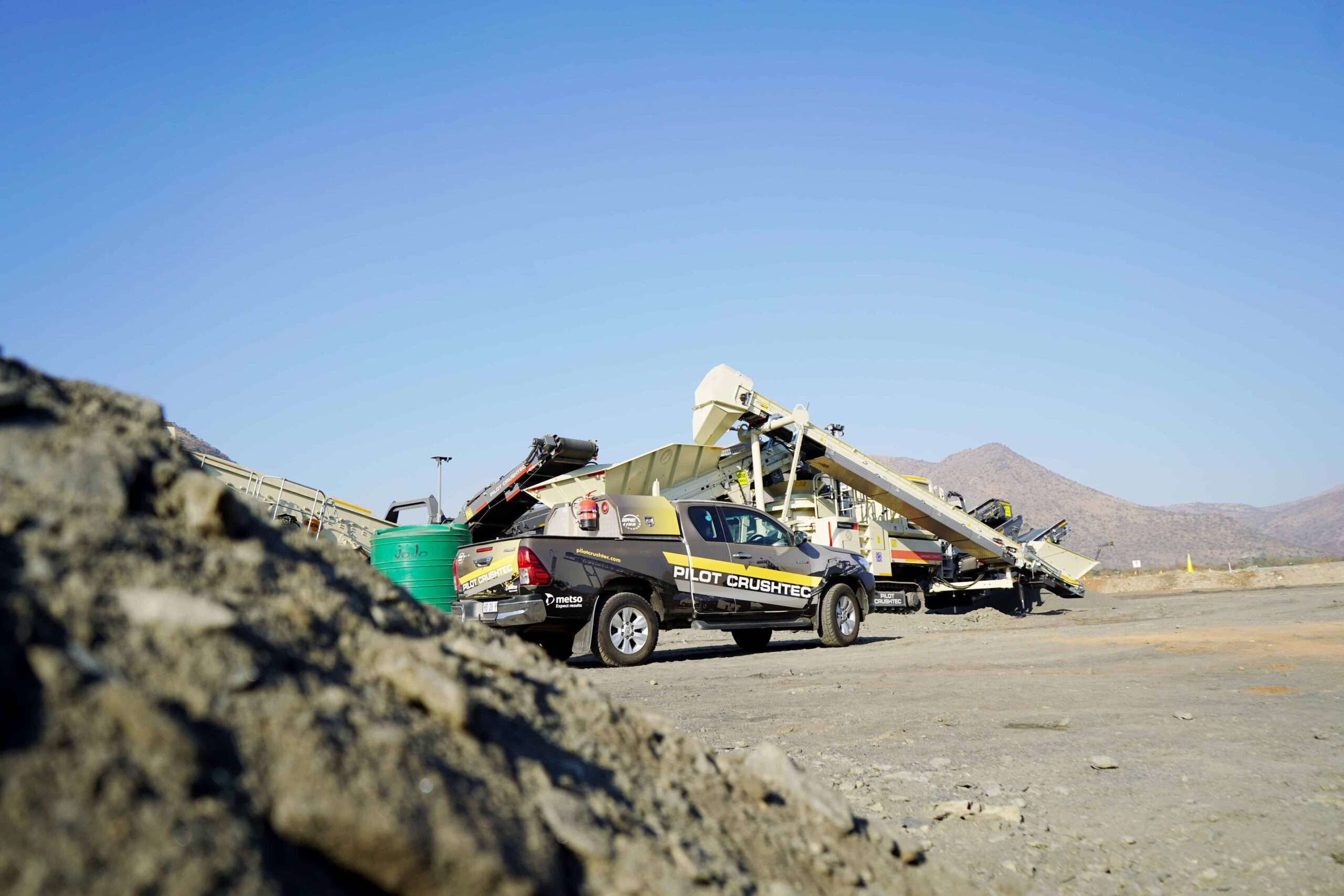
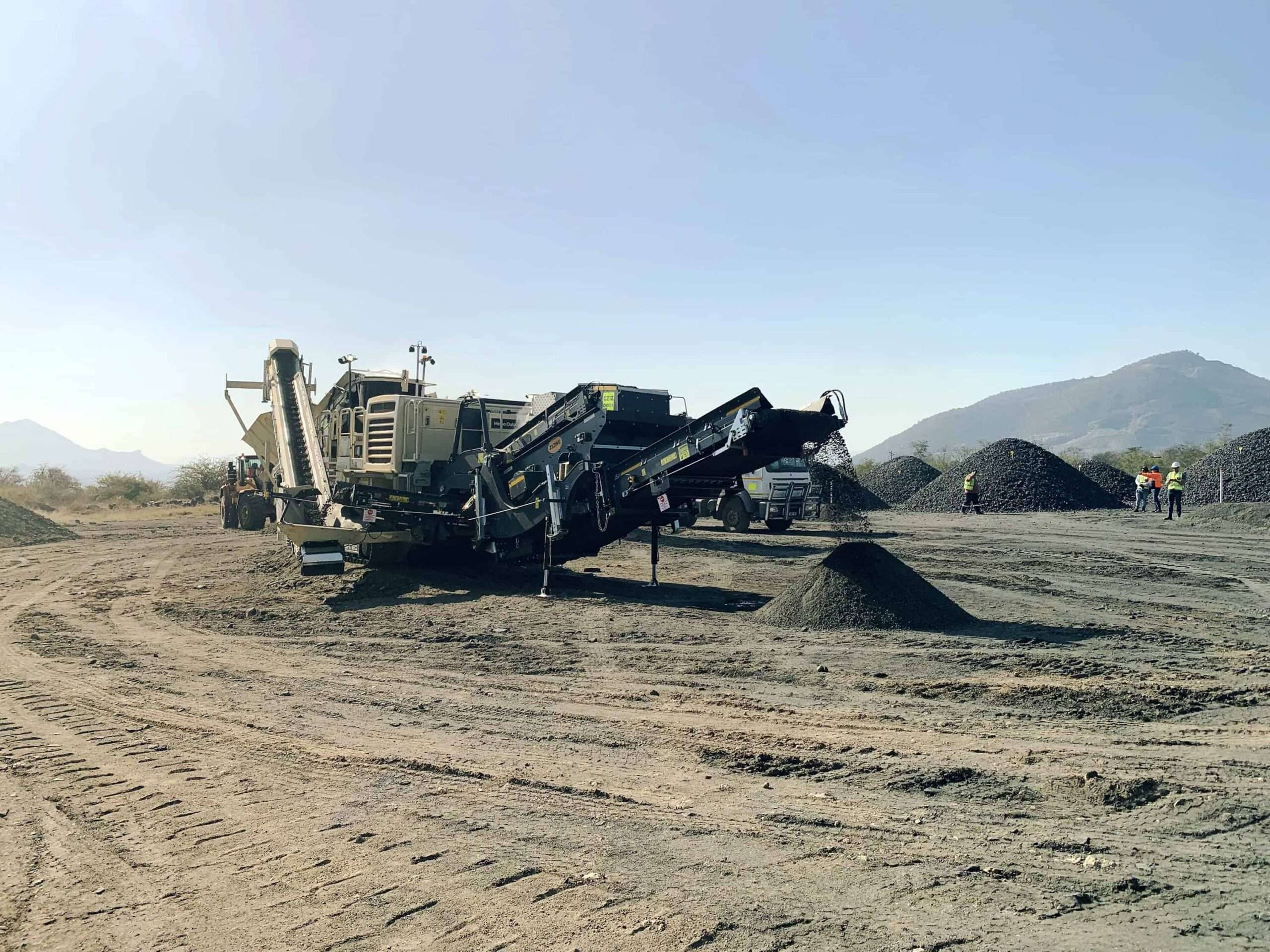
A newly acquired Metso Lokotrack® LT200HPS™ is winning the day for a leading South African mining contractor, Zizwe Opencast Mining, at one of its strategic chrome mining projects in Steelpoort, Limpopo. 

With productivity high on the agenda in a highly abrasive chrome-processing application, a three-machine train of Metso mobiles – comprising a Lokotrack® LT120™ jaw crusher, a Nordtrack® S2.11 scalping screen and a Lokotrack® LT200HPS™ cone crusher – is making light work of the 200 tonnes per hour (tph) production target.  

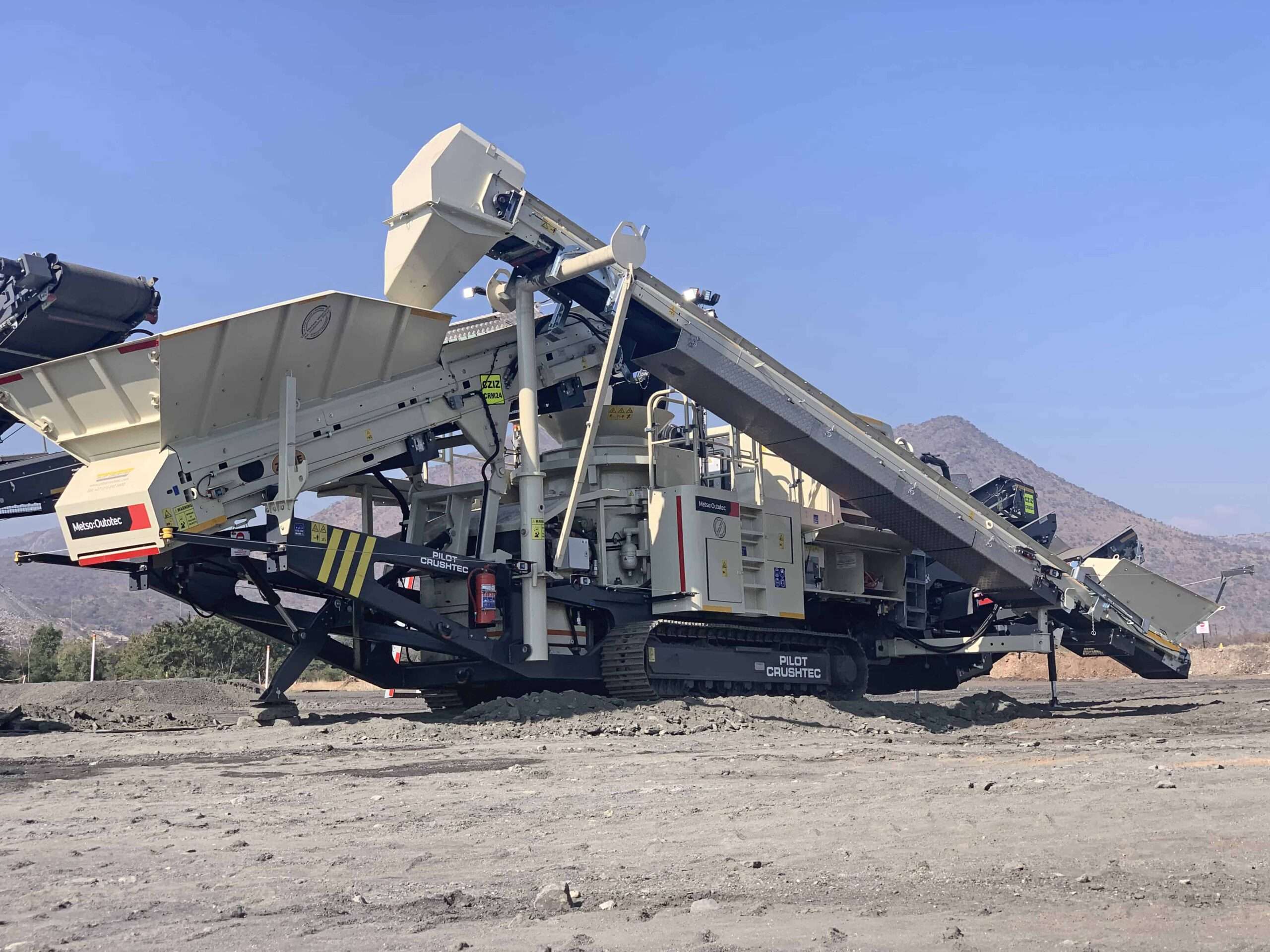
Joe de Beer, Crushing and Screening Plant Manager at Zizwe Opencast Mining, has been impressed in particular by the new Lokotrack® LT200HPS™ cone crusher, equipped with a hanging screen. By featuring a detachable screen and return conveyor on one tracked chassis, he says, the LT200HPS is basically ‘two machines in one’, thus eliminating double-handling on site. 

“The fact that the LT200HPS™does the job for two machines was central to our purchasing decision. It features a detachable screen and return conveyor which guides screened oversize material back to the cone crusher. It is essentially a cone crusher, a screen and a conveyor on one tracked chassis,” says De Beer. 

Yeshen Achary, Sales Engineer at Pilot Crushtec, explains that Zizwe Opencast Mining was looking for a single unit that could do the job of two machines. “Traditionally, we have always brought the LT200HP™ in a standard configuration. Because cone crushers by their nature are not 100% efficient, the added benefit of having a screen post the crushing chamber is that it allows for recirculation of any oversize material back to the cone crusher,” he says. 

This, explains Achary, eliminates the need for another machine to work in closed circuit with the cone crusher. Having a single machine doing the job of two machines offers significant cost benefits for the customer. 

“Apart from the obvious capital cost benefit, having the cone and screen on a single chassis means that the machine is powered by a single engine, making one less machine to maintain. Having a closed loop on a single chassis also makes it easy to transport the machine between sites,” concludes Achary.

Francois Marais, Sales and Marketing Director at Pilot Crushtec, explains that the LT200HP™ now comes in three different configurations. Apart from the standard cone crusher configuration, it is now available with a pre-screen called the HPX™, which is placed just before the crushing chamber or alternatively with an overhanging screen called the HPS™, located post the crushing chamber.  

“In traditional operations, you would need two machines – a cone crusher and a screen – to do the same job done by this single machine. In addition, you would probably have to deploy a minimum of two to three conveyor belts to recirculate oversize material from the screen back to the cone crusher,” concludes Marais. 

MODULAR DESIGN MULTIPLIES FLEXIBILITY FOR SEW GEARBOX USERS

By simplifying its configuration of components, SEW-EURODRIVE’s modular design delivers the flexibility required to achieve technically unique innovations with parts that are readily available and cost effective. 

“Our modular design allows the same part to be used in different sizes of gearboxes, which facilitates more economic production and less investment in stockholding,” explains Andreas Meid, SEW-EURODRIVE’s Head of Engineering. “By streamlining the number of parts required for a product range, this also allows improved component availability and turnaround time.”

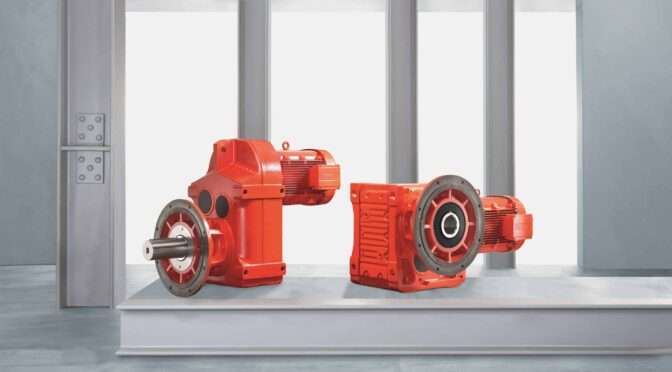
For instance, modularity gives the company’s standard gearboxes a high degree of adaptability, so they can be run in either a vertical or horizontal orientation, says Meid. The customer therefore only needs a single housing in stock as it can be used vertically for an application such as agitation or horizontally for a conveyor system. The majority of the parts are then interchangeable across various applications. 

SEW-EURODRIVE Johannesburg Sales Manager Jayson Jackson points out that most of the gearboxes’ pinion shafts would be suited to the specific gearbox size range, while the gear wheels would have more flexibility to be used in different size gearboxes. 

“This principle has allowed the production of fewer specialised parts while still giving customers access to a wide range of options when developing a solution to their requirements,” says Jackson.

Modularity also has positive impacts for the manufacturing process, which create benefits for customers in the form of cost control and availability of stock. Bruce Farthing, Project Engineer at SEW-EURODRIVE, notes that production of components can be streamlined to improve efficiencies, lead times and masses. 

“This also means we can focus our innovation efforts on a more limited number of parts, making a greater technological impact,” says Farthing. “Moreover, the modular principle makes the assembly of gearboxes simpler across a range of applications.” 

He refers to a recent example of the flexibility of SEW-EURODRIVE products, when girth gear was installed for a mining customer. The girth gear configuration requires two gearboxes – one which is orientated to a left-hand application and the other which is right-handed. 

“This is a critical item of equipment for the plant, so the customer needed on-site spares,” he says. “Due to the modularity of our design, the mine needed to only hold one set of spares as our universal housing range can be adapted to either left-handed or right-handed use.”

Jackson says the SEW-EURODRIVE range holds similar benefits for conveyor applications. Where a customer has multiple conveyors on site, they can minimise the spares inventory as the housing can be inverted to operate on either side of a conveyor. He notes that the modular design also creates useful flexibility in the servicing of gearboxes.

“If a customer calls us with an input shaft assembly is damaged, for instance, we can conduct a pre-assembly in our factory before delivering it to site,” he says. “The mine technician just needs to do a quick changeover instead of having to break the gearbox down to the bearings and gears.”

CHRYSO SOUTHERN AFRICA’S LEADING-EDGE LABORATORIES PROPEL INNOVATION AND QUALITY ASSURANCE

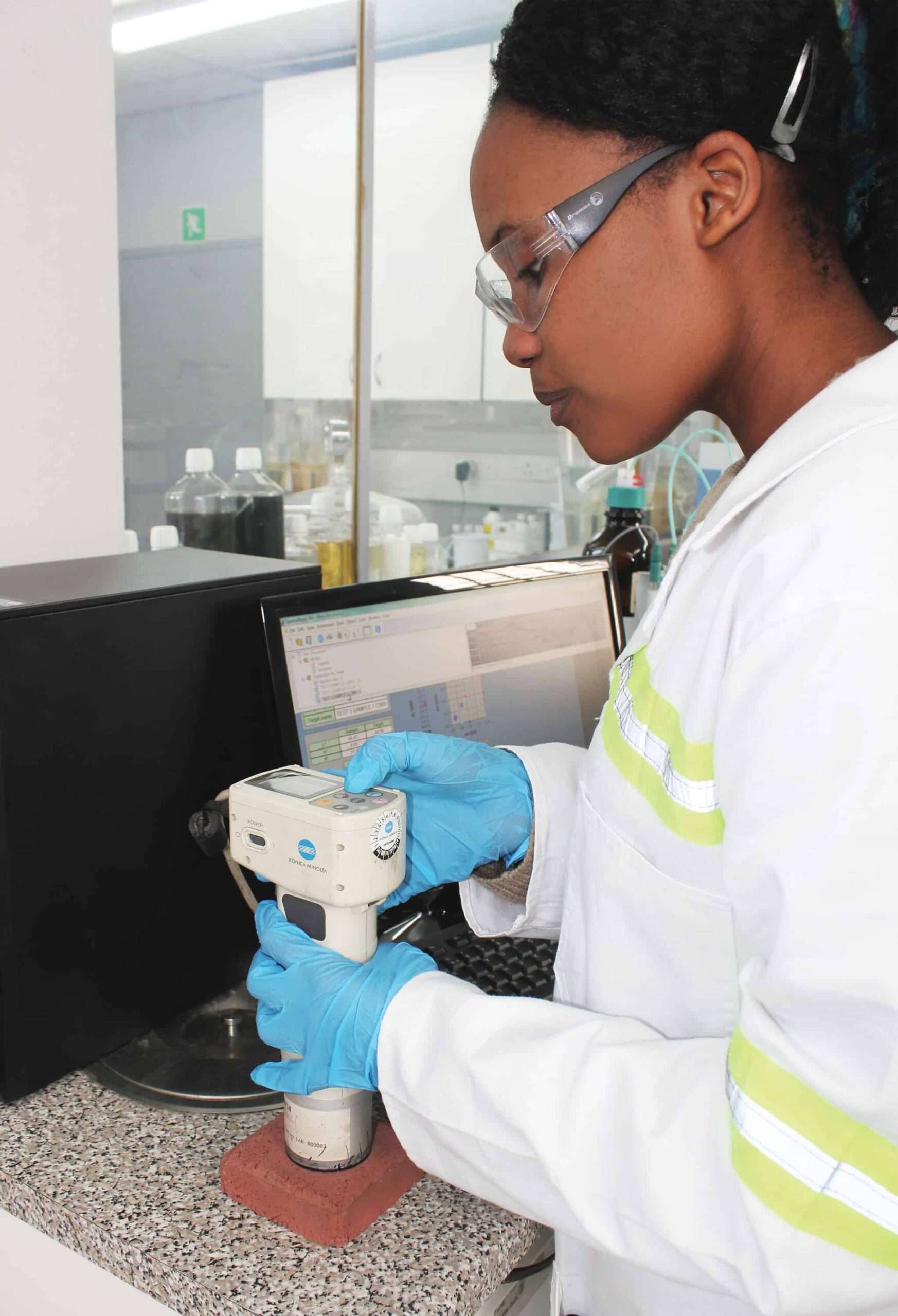
CHRYSO Southern Africa, located in Jet Park, Johannesburg, maintains two state-of-the-art laboratories that form the backbone of its operations. These facilities, the Quality Control and Research and Development Laboratory and the Concrete and Cement Laboratory, support the company’s customer across all industries by ensuring quality, safety and efficiency.

Mpumi Mlalazi, R&D Manager at CHRYSO Southern Africa, explains that the Quality Control and Research and Development Laboratory has a multifaceted role. “Firstly, it ensures quality assurance and compliance with industry standards and by doing so, strengthens our reputation of reliability and trust.”

“By driving process improvement initiatives, we enhance our efficiency and effectiveness and through this our laboratory plays a crucial role in facilitating innovation and new product development, ensuring we stay at the forefront of industry advancement,” Mlalazi says. “The laboratory also offers problem-solving expertise to our customers, ensuring issues are quickly identified and rectified, adding value to their bottom line.” 

The Concrete and Cement Laboratory also has several functions. It conducts comprehensive material testing and analysis, ensuring the quality of cement and concrete chemicals used in industry. Mlalazi explains that by evaluating strength and durability properties, CHRYSO Southern Africa ensures that the materials used can withstand the demanding conditions of the particular application where these materials are being used. 

“Our team also performs chemical analysis for compliance and optimal performance, and the laboratory engages in research and development for new chemicals and formulations. We also explore specialised applications and sustainability considerations, and doing this ensures our operations remain environmentally conscious,” she says. 

By harnessing the capabilities of these laboratories, CHRYSO Southern Africa reaffirms its commitment to delivering a customer focused service, meeting the highest quality standards and addressing the specific needs of its customers in Africa. 

Mlalazi affirms that the CHRYSO laboratories undergo annual audits to maintain its ISO certifications, further demonstrating commitment to quality, environmental responsibility and safety. “Our ISO 9001 certification is a testament to the emphasis we place on quality management principles such as customer focus, the involvement of top management, a process-driven approach and continuous improvement. Our ISO14001 certification emphasises our dedication to measuring and actively improving our environmental impact, demonstrating to company management, employees and external stakeholders our commitment to environmental responsibility.”