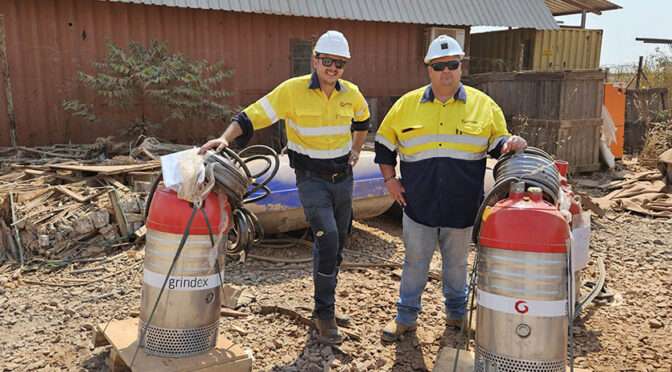
GREAT FUTURE IN STORE FOR GRINDEX PUMPS IN DRC

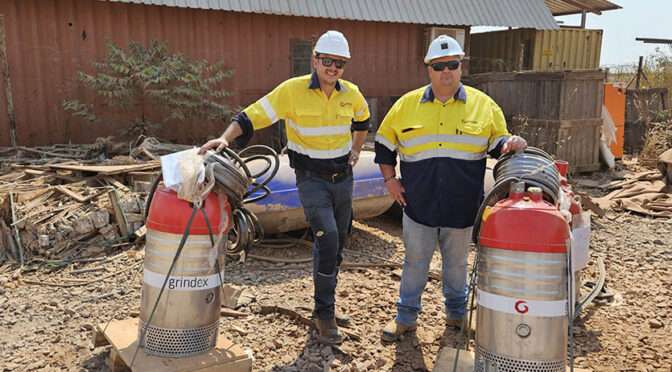
Opening the door to one of Africa’s most exciting mining regions, Integrated Pump Technology appointed Congo Pump Solutions as its sole distributor in the Democratic Republic of Congo (DRC) earlier in the year.

This important strategic step is boosting the footprint of the quality Grindex range of submersible pumps, according to Jordan Marsh, Managing Director at Integrated Pump Technology. Marsh notes that Congo Pump Solutions – as a local firm run by experienced Congolese personnel – has already made considerable headway in the country’s mining sector.
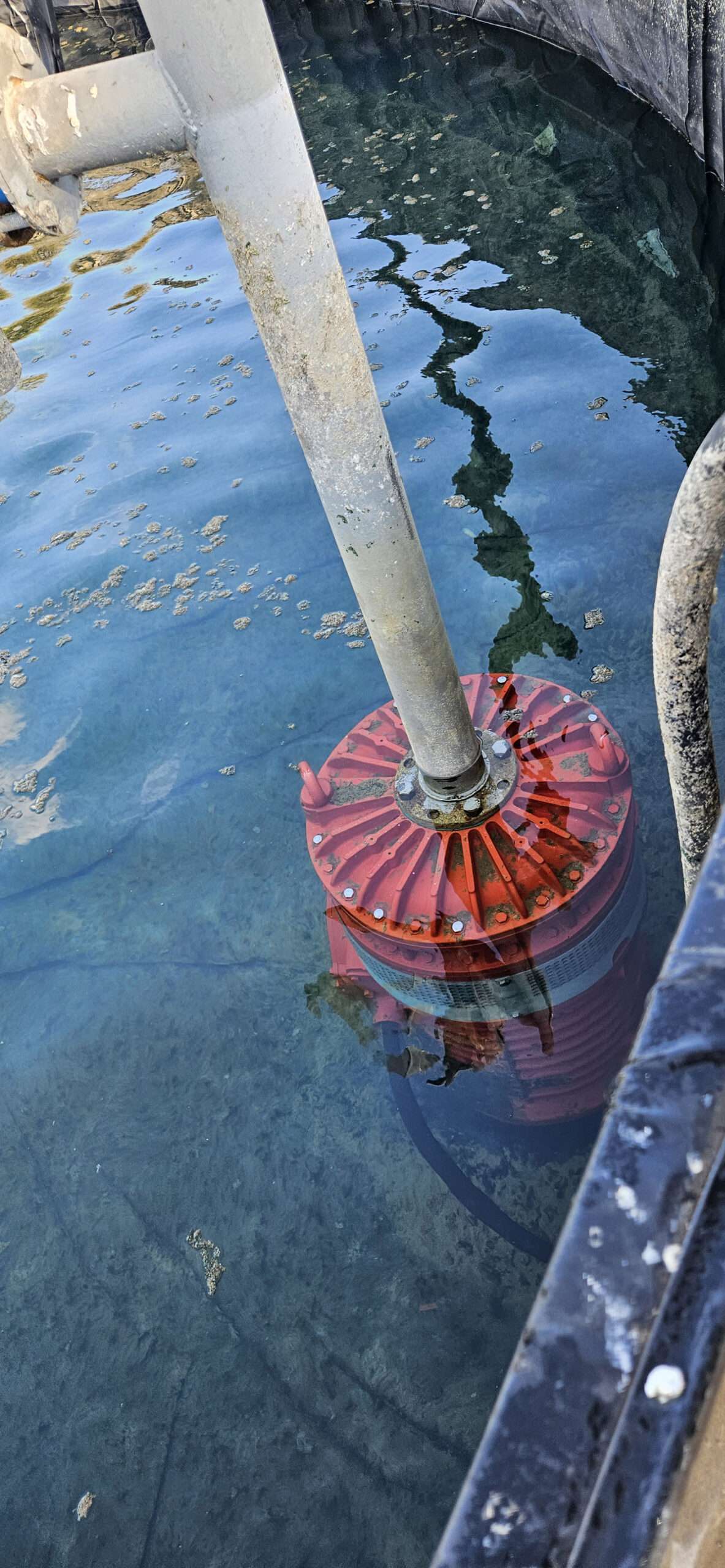
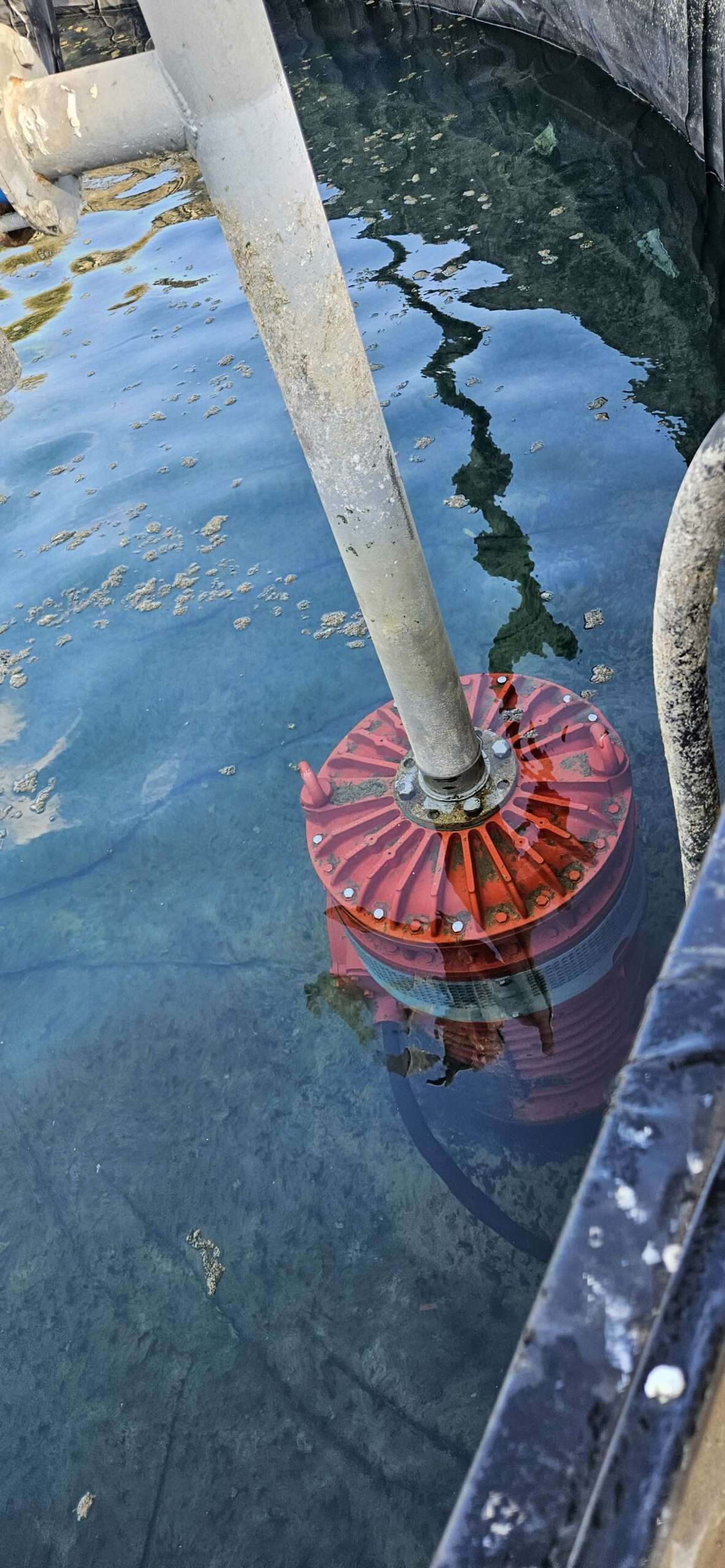
A Grindex Mega H submersible pump in a dewatering application.

“Mines in the DRC operate in one of the world’s wettest mining environments, so the performance and reliability of their submersible pumps is a priority for mining companies,” he says. “In line with the success that the Grindex range has achieved in Africa to date, we have seen a good start to the brand’s penetration into the DRC.”

Trésor Kamazani, Chief Executive Officer and Chairman of Congo Pump Solutions, highlights that one of the leading mines in the country has Grindex making up about 70% of its on-site pump population. Among the main pump features catching customers’ interest, says Kamazani, are the integrated starters on the drainage pumps which include run-dry capabilities – as well as cooling jackets and agitators on the slurry pumps.

“An important aspect of our success to date, though, is our ability to understand and anticipate what our customers will need,” he explains. “We accurately forecast demand levels, and plan for those in our operational strategy. This allows us to have the necessary stock available and to deliver fast turnaround times when customers are in need.”

To ensure solid aftermarket support, the company has set up a workshop facility on site at its largest mining customer. A multi-purpose workshop is also under development to service Grindex pumps to the same high standard as is currently achieved in South Africa.

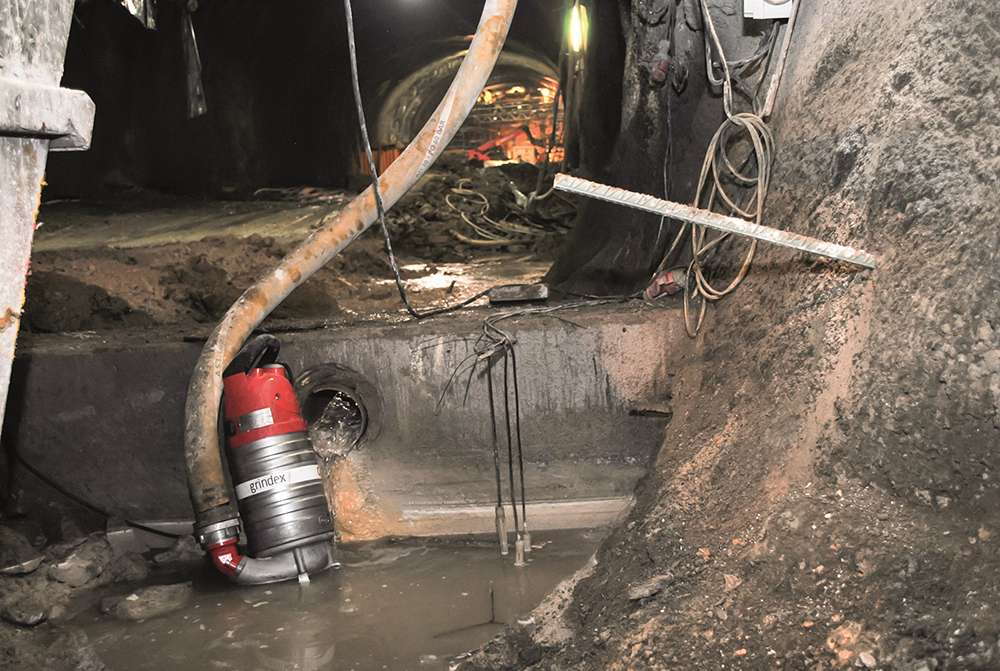
Congo Pump Solutions has supplied a range of Grindex submersible pumps mainly to DRC’s underground mines, many of which are expanding in response to growing demand for minerals globally. Popular among the underground drillers at the mining face is the Grindex Master H and Master SH 10 kW dewatering pump, and Master Inox pumps for corrosive applications where the water is acidic.

These typically pump water from the face to a collection point, where it is common for the 37 kW Grindex Maxi to be employed – pumping to a larger ‘fish tank’ repository. To dewater these, as many as six of the 90 kW Grindex Mega pumps have been put to work at a time, pumping water to a main pump station which dewaters to surface.

Kamazani also points to the take-up of Grindex pumps in slurry applications, where the Bravo range is suited for submerging in even heavy-particle slurry.

“This has made the Grindex Bravo range a good choice for using around the process plant, where they must often deal with corrosive slurry,” he says. “These pumps are known for being strong, and range from the 4,7 kW Bravo 200 to the 70 kW Bravo 900.”

The sludge pumps in the Grindex range have also seen good market reception, with customers using them extensively around underflow thickeners in their plants. He notes that the stainless steel configurations of the Grindex Salvador, Sandy and Senior models are particularly appreciated where sludge is corrosive.

CHRYSO ECO DUST MINIMISES DUST EMISSIONS

An innovative range of dust suppressants available from CHRYSO Southern Africa, continues to be a gamechanger in the mining and quarrying sectors, providing substantial benefits and enhancing operational efficiency.

Sealing a road with CHRYSO Eco Dust.

CHRYSO Eco Dust has a proven track record as an indispensable tool for industries operating in dusty environments. Michelle Fick, BU Development Manager: Concrete Aesthetics and Key Accounts, at CHRYSO Southern Africa, says this range of dust suppressants offers a comprehensive approach to sealing and maintaining dirt roads, gravel pathways, and other dusty surfaces.

“One of the major advantages of CHRYSO Eco Dust is its cost effectiveness,” Fick says. “Compared to alternatives such as paving or tarred roads, implementing the CHRYSO Eco Dust solution leads to significant cost savings. This is particularly important for operations facing challenging economic times as there is immense value in reducing maintenance expenses while achieving optimal dust control.”

She explains that CHRYSO Eco Dust provides long lasting effects, ensuring that roads and surfaces remain dust-free for extended periods. This characteristic is crucial in industries where regular maintenance and constant dust suppression efforts are time consuming and costly. By reducing the frequency of reapplication, CHRYSO Eco Dust streamlines operations and minimises disruption to daily activities.

Another major advantage offered by CHRYSO Eco Dust is its eco-friendly nature. The product is designed to be environmentally sustainable, with low volatile organic compound (VOC) emissions and UV resistance. Industries, especially those subject to stringent health, safety, and environmental regulations, have welcomed CHRYSO Eco Dust as a viable solution to ensure compliance while minimising their ecological footprint.

Fick is quick to point out that CHRYSO Eco Dust has gained traction in mining and quarrying operations. “These industries, which are often located in environmentally sensitive areas, face increasing pressure to minimise dust emissions and their impact on surrounding communities. CHRYSO Eco Dust not only helps meet regulatory requirements but also significantly reduces fuel and water consumption and carbon dioxide emissions associated with traditional dust control methods, such as water tanker spraying. The result is a greener and more sustainable approach to dust suppression.”

Moreover, CHRYSO Eco Dust improves overall safety in dusty environments. By minimising dust particles in the air, visibility is enhanced thereby reducing the risk of accidents. The improved road gripping also enhances traction for vehicles, further contributing to safety and preventing potential mishaps.

CHRYSO Southern Africa’s commitment to providing a comprehensive solution extends beyond mining and quarrying. The versatile applications of CHRYSO Eco Dust have made it a preferred choice in cement plants, precast yards, building sites, farms, game reserves, rural airfields and other areas where dirt roads and dusty surfaces require sealing and maintenance. Even less developed residential areas and sandy football pitches can benefit from the long lasting effects of CHRYSO Eco Dust.

GREAT FUTURE IN STORE FOR GRINDEX PUMPS IN DRC

Opening the door to one of Africa’s most exciting mining regions, Integrated Pump Technology appointed Congo Pump Solutions as its sole distributor in the Democratic Republic of Congo (DRC) earlier in the year.

This important strategic step is boosting the footprint of the quality Grindex range of submersible pumps, according to Jordan Marsh, Managing Director at Integrated Pump Technology. Marsh notes that Congo Pump Solutions – as a local firm run by experienced Congolese personnel – has already made considerable headway in the country’s mining sector.

“Mines in the DRC operate in one of the world’s wettest mining environments, so the performance and reliability of their submersible pumps is a priority for mining companies,” he says. “In line with the success that the Grindex range has achieved in Africa to date, we have seen a good start to the brand’s penetration into the DRC.”

Trésor Kamazani, Chief Executive Officer and Chairman of Congo Pump Solutions, highlights that one of the leading mines in the country has Grindex making up about 70% of its on-site pump population. Among the main pump features catching customers’ interest, says Kamazani, are the integrated starters on the drainage pumps which include run-dry capabilities – as well as cooling jackets and agitators on the slurry pumps.

“An important aspect of our success to date, though, is our ability to understand and anticipate what our customers will need,” he explains. “We accurately forecast demand levels, and plan for those in our operational strategy. This allows us to have the necessary stock available and to deliver fast turnaround times when customers are in need.”

To ensure solid aftermarket support, the company has set up a workshop facility on site at its largest mining customer. A multi-purpose workshop is also under development to service Grindex pumps to the same high standard as is currently achieved in South Africa.

Congo Pump Solutions has supplied a range of Grindex submersible pumps mainly to DRC’s underground mines, many of which are expanding in response to growing demand for minerals globally. Popular among the underground drillers at the mining face is the Grindex Master H and Master SH 10 kW dewatering pump, and Master Inox pumps for corrosive applications where the water is acidic.

These typically pump water from the face to a collection point, where it is common for the 37 kW Grindex Maxi to be employed – pumping to a larger ‘fish tank’ repository. To dewater these, as many as six of the 90 kW Grindex Mega pumps have been put to work at a time, pumping water to a main pump station which dewaters to surface.

Kamazani also points to the take-up of Grindex pumps in slurry applications, where the Bravo range is suited for submerging in even heavy-particle slurry.

“This has made the Grindex Bravo range a good choice for using around the process plant, where they must often deal with corrosive slurry,” he says. “These pumps are known for being strong, and range from the 4,7 kW Bravo 200 to the 70 kW Bravo 900.”

The sludge pumps in the Grindex range have also seen good market reception, with customers using them extensively around underflow thickeners in their plants. He notes that the stainless steel configurations of the Grindex Salvador, Sandy and Senior models are particularly appreciated where sludge is corrosive.

ORE PASS REHAB TECHNOLOGY ADVANCES TO KEEP MINES PRODUCING

If the lifeblood of underground mines is the ore that must find its way to surface, then it is no exaggeration to describe the ore passes as the mines’ arteries – and the innovative tube-and-fill method of rehabilitating ore passes from Murray & Roberts Cementation is proving itself safer and more durable.

When the ground condition of an ore pass deteriorates and prevents ore from moving smoothly, production invariably comes to a halt, explains Pieter Oosthuysen, Senior Project Manager Mining Services at Murray & Roberts Cementation. Ore flow within a typical underground mine is managed through an extensive system of passes, which allows ore to drop to the bottom of the mine – from where it can be transported to the surface and processed. Over time, these passes deteriorate through a combination of normal wear and tear, abrasive wear due to rock flow, changes in the stresses upon them and the quality of surrounding geology.

“Current rehabilitation methods used in the market have variable levels of effectiveness and application, but the ultimate goal is to remove people from these hazardous environments and find more innovative ways of rehabilitating these excavations,” he says.

Murray & Roberts Cementation has been doing this vital rehabilitation work for decades, all the while developing better and safer technologies. Among its most exciting innovations has been Its tube-and-fill method, first applied about seven years ago at an underground platinum mine in South Africa. The early installations have proved so successful that they are expected to outlast the normal five to 10 year lifespan of an ore pass rehabilitated in the traditional way with shotcrete.

“With a well-established legacy as an underground mining contractor, we rehabilitate a wide range of underground mining infrastructure – and ore pass rehabilitation is an essential aspect of this,” says Oosthuysen. “The work is not only challenging but can be hazardous, so we approach this work with stringent safety systems in place, while also continuously looking for ways to avoid people having to be in potentially dangerous environments in the first place.”

In the tube-and-fill method of rehabilitation, a fibreglass tube is lowered down the ore pass once the pass is drained and cleared of all obstructions. A specialised mix of self-levelling concrete is then poured in from the top. This concrete – which is high strength and resistant to shear wear – fills the outside area between the tube and sidewall, creating a new lining of the ore pass system.

“The tube is essentially a sacrificial shutter that can be lowered down  the ore pass,” he explains. “This can be done without anyone having to climb down the ore pass, so using this methodology has a significant safety advantage.”

This is an important advance on the traditional method which requires people and material to enter the system every day – leading to relatively high exposure to hazardous areas. In addition to being labour intensive, it also requires a rock engineer to inspect regularly and frequently – to give recommendations and approve the installed support.

At the heart of the tube-and-fill method are reinforced rings of special  fibreglass,   with varying diameters up to a maximum of 3.5 m. The use of relatively light fibreglass – instead of much heavier material like steel – makes it possible to easily transport the tube segments and to assemble them underground. With a tube segment weighing just 80 kg, this means that a tube for a 60 m ore pass will weigh only around 5 t.

At the same time, the reinforced design enables the fibreglass to withstand considerable hydrostatic pressure from the concrete being pumped on the outside. The concrete mix – designed in collaboration with concrete and admixture producers – is able to achieve final UCS strengths of up to 70 MPa.

“When replacing the original rock into which an ore pass has been created, we attempt to get our linings as close as possible to that rock strength,” he says. “This specialised concrete mix design allows us to achieve close to 50% of the original rock strength.”

He notes that the mass fill product also creates a more abrasive  lining when compared to the shotcrete sprayed lining.

Fanie van Emmenes, Project Manager Mining Services at Murray & Roberts Cementation highlights that the early tube-and-fill installations are proving more durable than the traditional shotcreting approach. This, points out Van Emmenes, also demonstrates that it is more cost effective over the life of the mine.

Murray & Roberts Cementation considers a range of options for customers when proposing solutions for underground rehabilitation. Another method that is used for ore pass rehabilitation is to lower a specialised robotic shotcrete unit into the ore pass, where it applies the concrete to the sidewall without the need for personnel to enter this hazardous zone. One of the limitations, however, is that the level of scaling cannot be too advanced, and this method is used for preconditioning of the ore passes immediately after being developed

The mass fill and redrilling of the ore pass is yet another option. Here, the whole ore pass is filled with low-strength concrete, and a raisebore machine redrills through the mass fill to create a new ore pass system. Irrespective of the method, he says, safety remains the priority – with Murray & Roberts Cementation’s comprehensive and proven protocols earning the company an enviable safety record.

“This includes proper ventilation systems, monitoring for hazardous gases, personal protective equipment (PPE), and emergency response plans,” he says. “We also ensure adequate training and supervision, which are essential to mitigate safety risks.” Oosthuysen concludes that the success of the tube-and-fill method would make it the company’s first choice for most applications. He argues that this approach is likely to see increased uptake as the durability of the initial installations become well known.