ROBUST HVAC SYSTEMS FOR MINING, EARTHMOVING NOW ON SHORTER LEAD TIMES

With a solid reputation for built-to-order heating, ventilation and cooling (HVAC) systems for mobile mining and earthmoving equipment, Booyco Engineering has now cut the lead time on these systems in line with trends in mining. 

“The market has shifted, and mines can no longer afford any downtime on the HVAC units in their mining trucks and other earthmoving equipment,” says Grant Miller, Executive Director at Booyco Engineering. “Our strategy has kept pace with a standard HVAC range that is available at short notice.”

Miller highlights the stringent health and safety environment in mining, where it is mandatory to provide a comfortable working environment for operators. In open pit operations in hot areas of the country, it is not unusual for temperatures to rise above 40 degrees Celsius, he notes. 

“The impact of an HVAC system failing under these conditions can be significant, as it could take the entire vehicle out of the operation cycle,” he says. “The negative effect on production – perhaps even triggering penalties for contractors – invariably has financial consequences much more serious than the cost of cooling the operator’s cab.”

Booyco Engineering is well known for the cooling performance and long lifespan of its HVAC units, and customers are sure to appreciate not having to compromise on their expectations when procuring units under time pressure. 

An advantage for customers is the standard range of HVAC systems being produced by Booyco Engineering.

“We have applied strategies to ensure that the same levels of engineering excellence are applied to each HVAC unit that we supply,” he says. “Unlike many imported products, our units are designed and manufactured to facilitate regular and ongoing maintenance – which makes them very reliable and extends their life well beyond what customers expect from most of our competitors.”

Going forward, Booyco Engineering will maintain a stockholding of fast moving spare parts allowing ready access which is especially relevant for customers with larger earthmoving fleets and will reduce lead times. The standard HVAC units come in a modular integrated format as well as split systems, to suit a wide range of mobile equipment. Depending on the application, the integrated unit is available with either an engine-driven compressor or a 24VDC electric compressor. Booyco Engineering’s trained and experienced service teams are there to install and maintain the units, and the company can also provide a ‘man on site’ package to oversee HVAC maintenance and repair.

FOOD, BEVERAGE SECTOR SEES ADVANTAGES OF DRY-TYPE TRANSFORMERS

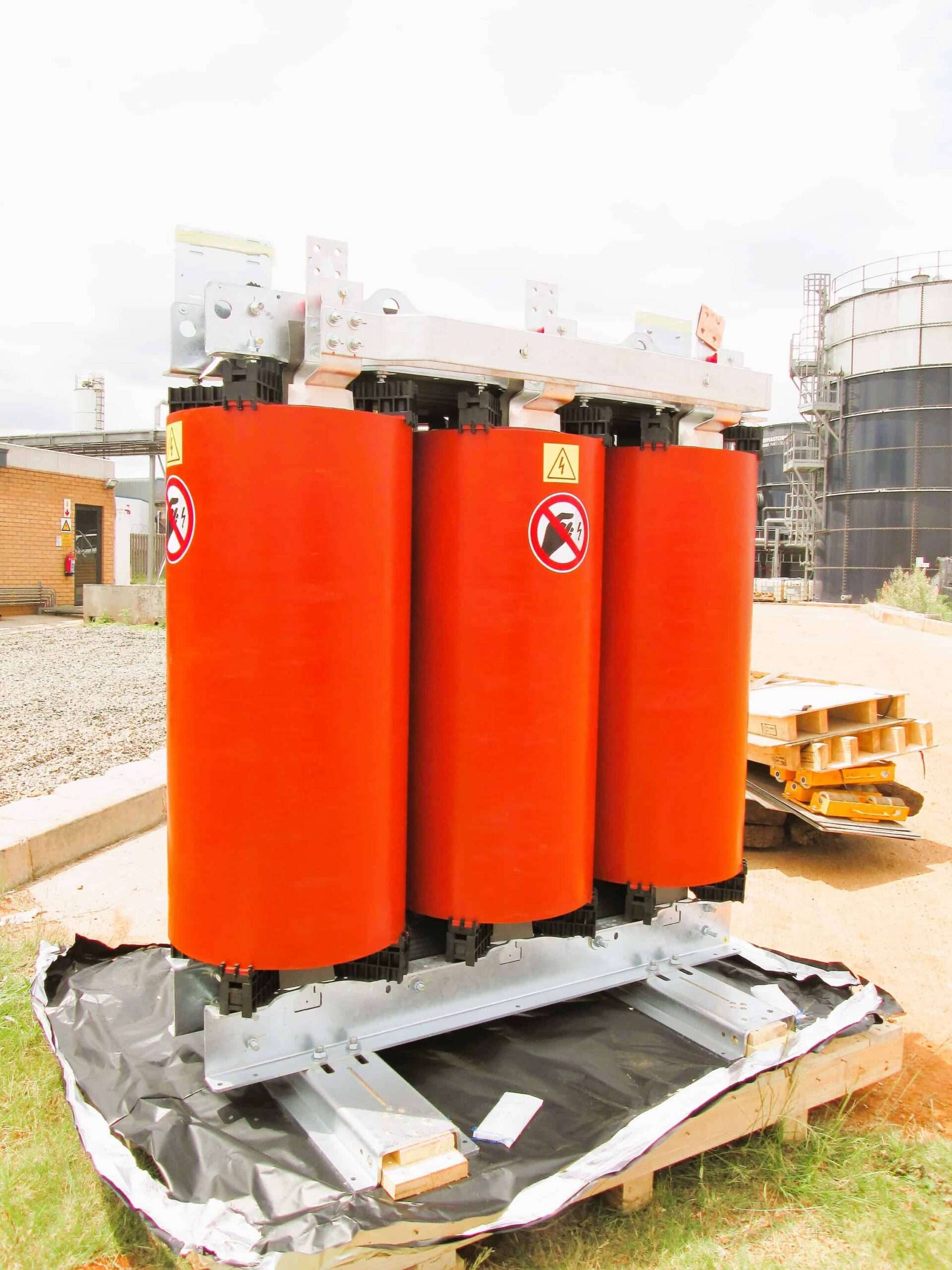
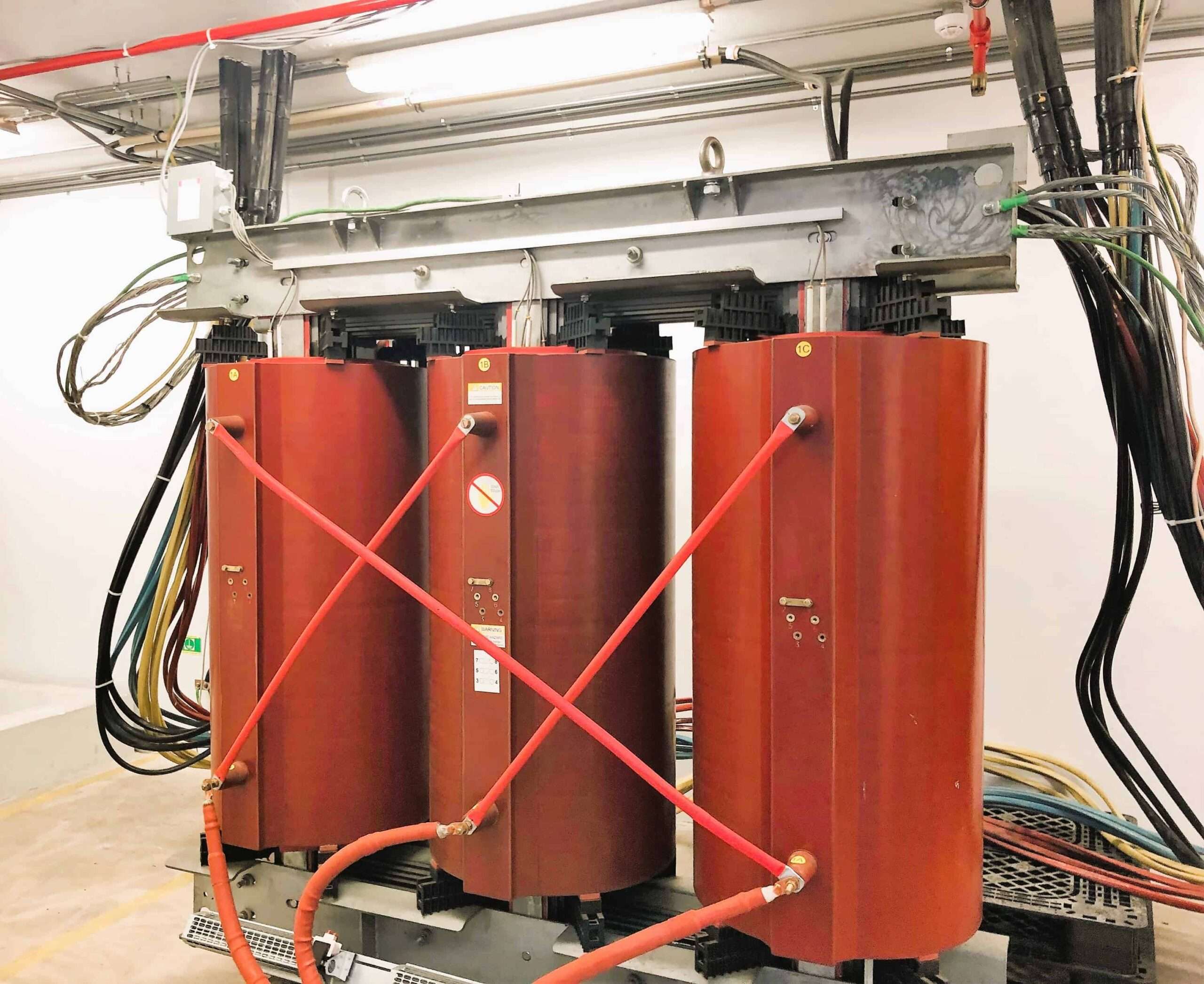
The absence of oil in dry-type transformers make them attractive to the food and beverage sector, where the focus is on hygienic working conditions. 

David Claassen, Managing Director of dry-type transformer specialist Trafo Power Solutions, says there has been growing demand from food and beverage companies in South Africa. Among Trafo Power Solution’s recent customers are two of the world’s largest brewers – who have sought to reduce the risk of oil leaks or environmental contamination by opting for dry-type technology. 

“We have also installed equipment in factories where food is processed and where soft drinks are made, where the hygiene concerns are all similar,” says Claassen. “Dry-type transformers are also Class F1-rated, signifying the highest level of safety in relation to fire risk.”

He notes that Trafo Power Solutions does not only supply the transformers, but is also responsible for control and protection systems – to protect against risks such as over temperature  and voltage surge. The transformer and related equipment are designed to suit each specific application. In a recent project for a leading brewer, Trafo Power Solutions also supplied the low and medium voltage switchgear, which included Low Voltage (LV) distribution boards, fully type tested to IEC61439 as well as IEC61641 (Internal Arc Fault) customised Ring Main Units along with transformers.

“This demands extensive consultation with all other stakeholders in these projects,” Claassen points out. “We engage with the client and consulting engineers, as well as architects and contractors if the project involves any new build aspects.”

Similar work has been conducted in various parts of Africa, where the company has demonstrated its capability to achieve the highest standards of quality in its projects. The capable project execution team, combined with considerable flexibility from the manufacturing facility, means that design changes can be readily accommodated. 

“Our priority is that, at the end of a project, the customer will have a solution that fits their operational environment and that meets their exact requirements,” he says. “This also ensures optimal performance of the electrical equipment, supporting a long life span while ensuring minimal maintenance.”

He emphasises that after sales support is focused on getting any issues resolved without delay, drawing on the expertise of Trafo Power Solutions engineers and technicians.  

TACKLING STICKY SITUATIONS : DESIGNING TRANSFER POINTS MINERALS PROCESSING PLANTS

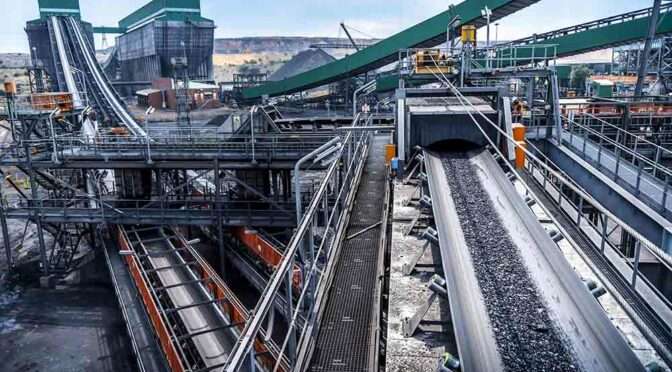
Handling sticky material in mining and minerals processing plants can be a complex challenge. These materials can cause blockages, equipment wear and increased maintenance requirements, leading to reduced efficiency and increased operational costs.

This is according to Alwin Nienaber, Technical Director at Weba Chute Systems, who says that designing transfer points to effectively handle sticky materials is crucial for optimising material flow and minimizing downtime. “There are a number of key design considerations for transfer points and it is for this reason that EPCM contractors and end-users should work closely with specialist companies such as ourselves who have the requisite expertise and legacy knowledge to deal with complicated materials transfer.”

An important consideration is material flow control, which Nienaber explains is crucial to avoid blockages and build-up of sticky materials within chute systems.

Transfer chute designer is seen meticulously scrutinising calculations with the aim of ensuring a highly efficient and viable solution.

“This is where chute geometry plays a significant role in handling sticky materials, with experience informing the design of a chute to minimise impact forces and reduce material degradation. Minimising is also important, and this can be achieved through the use of wear-resistant materials such as ceramic tiles or rubber linings, and further extend the service life of transfer points while reducing maintenance requirements,” he says.

Nienaber says it is also important to control moisture levels when handling sticky materials. Excessive moisture can exacerbate the stickiness of materials, leading to increased build-up and blockages. Implementing moisture control strategies, such as proper drainage systems, dust suppression or material conditioning systems, can help maintain optimal moisture levels and improve material flow.

Material segregation and excessive particle size can also contribute to sticky material challenges at transfer points. This, he says, is where implementing strategies to minimise material segregation, such as proper stockpile management and the use of blending systems, can help maintain consistent material properties.

“Additionally, reducing particle size through controlled crushing or screening can help improve material flow and reduce the stickiness of the material,” Nienaber adds.

Designers are carefully scrutinising 3D scanned data in comparison to their initial design.

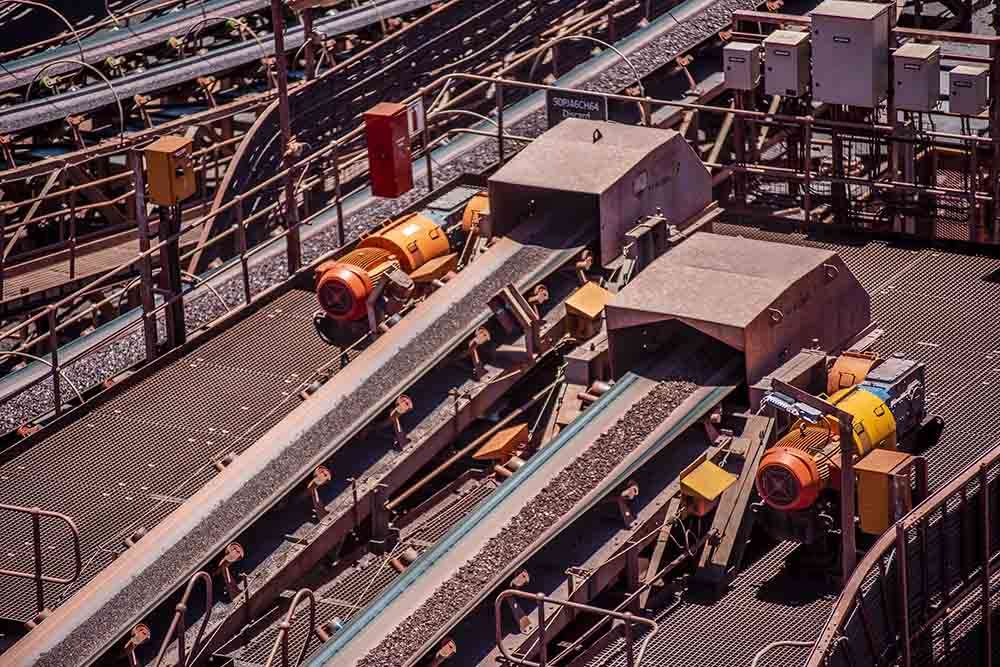
Viewing transfer points holistically should also include attention to other aspects in materials handling such as belt cleaning systems which are vital for preventing carryback and will also reduce material build-up at transfer points. Installing primary and secondary belt cleaners, along with belt tracking systems, can ensure that belts are free from sticky material carryback. This not only reduces the chances of blockages but also minimises belt wear and extends belt life.

“Implementing well-thought out design strategies from an experience transfer point OEM can certainly assist mining and minerals processing operations to optimise material flow, reduce equipment wear and maintenance requirements, and ultimately improve overall efficiency and productivity,” Nienaber concludes.

The efficient transfer of iron ore is being executed by two Weba head chutes.

MATCHING CRUSHERS AND SCREENS FOR BEST RESULTS

The careful alignment of screens and crushers in processing makes for optimal throughput and efficiency, by ensuring that all settings and parameters are ideally matched.

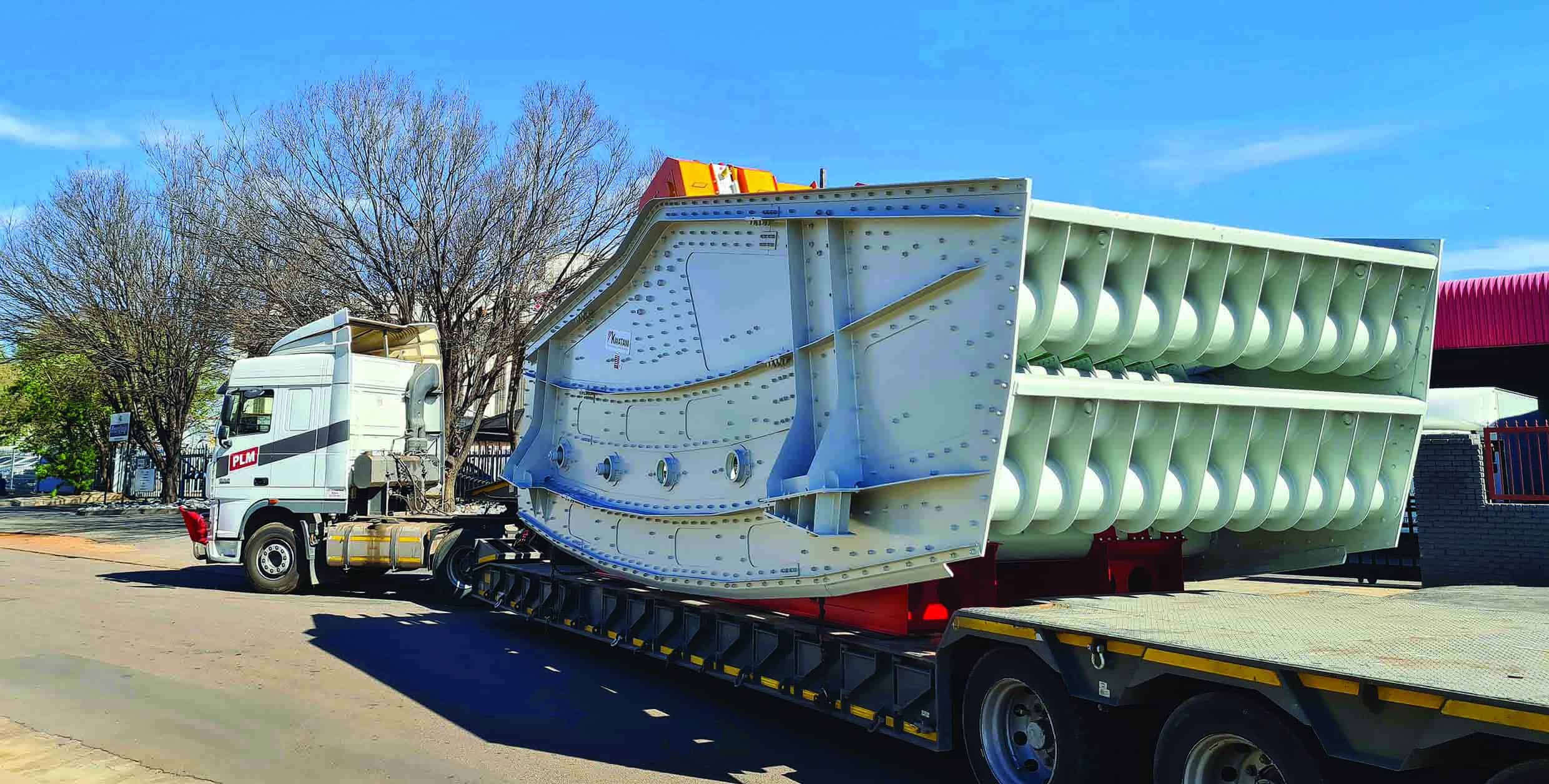
“The Kwatani product can now give their vibrating screen customers added benefits in this regard, being part of the global Sandvik group – which is well known for its crushing solutions,” says Kenny Mayhew-Ridgers, Regional Business Director at Sandvik Rock Processing Solutions South Africa. “The advantage is that the Kwatani screens can be specified and optimised with Sandvik’s range of crushers – ensuring that the key elements of the circuit are perfectly matched.”

Kwatani double deck banana screen on route to the customer.

Earlier this year, Kwatani and the mining related business of Schenck Process Group (SP Mining) were incorporated into the Sandvik group within Sandvik Rock Processing Solutions South Africa. Mayhew-Ridgers explains that the screens and crushers in any mineral processing plant are two critical lines of equipment – and they need to be well integrated to optimise the performance of both.

“There is a risk that operators and service technicians may focus on the one item without taking into account the impact of the other,” he says. “The settings and parameters on both the screens and crushers must suit the mined material, and must be perfectly aligned for best results.”

If the crusher is not delivering the required size distribution of material, for instance, the screen will not perform to expectation. The Kwatani product is now able to specify a vibrating screen along with the optimal Sandvik crusher specification, he explains. 

“With Sandvik as the OEM for both equipment lines, we bring our in-depth product insight into how the different equipment will best serve the customer’s specific requirements,” he says. 

An integrated solution is based on a careful assessment of the nature and size distribution of the material which will be fed into the crushing and screening circuit, says Gavin McLaggan, Lifecycle Services Manager for Africa at Sandvik Rock Processing Solutions South Africa. This opens the door to increased efficiency and bottom-line profitability.

“Among the improvements that can be achieved are reduced energy consumption and less wear on the crusher liners – while gaining more throughput,” says McLaggan. “Where there are changes to the orebody and resulting material, there may be an opportunity to change the particle size distribution (PSD) and raise the throughput further.”

The Kwatani product’s inclusion into Sandvik has facilitated a valuable two-way sharing of knowledge on screening technology, says Mayhew-Ridgers. This is a considerable benefit for customers as decades of research and development are combined.

FLSMIDTH’S COMMINUTION LINE-UP NOW LEADS THE PACK

Leading technology and products have been added to the FLSmidth stable with the TK Mining acquisition, arguably making FLSmidth the world leader with its comminution portfolio.

Craig Brickhill, FLSmidth’s Regional Product Line Manager – Milling and HPGR, highlights that the FLSmidth brand now encompasses the best solutions, equipment and expertise from across the flowsheet.

“On the grinding side, for instance, FLSmidth is a leader in solutions such as semi-autogenous grinding (SAG) mills, while TK Mining held decades of positive experience with High Pressure Grinding Rolls (HPGR),” says Brickhill.

FLSmidth Regional Product Line Manager – Crushing and Screening Demitri Kokoroyanis says the same applies to crushing. The company’s combined crushing technologies now put it well ahead of competitors, argues Kokoroyanis.

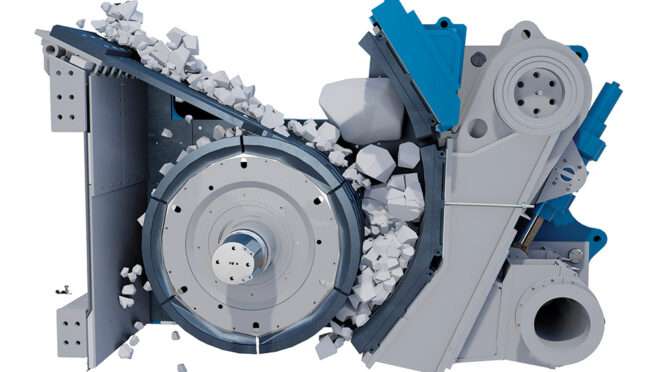
“Our Top Service Gyratory Crushers are advanced in both their ultra heavy-duty design and the way they facilitate safe and efficient servicing,” he says. He also points to company’s Eccentric Roll Crusher ERC®, which fits between the jaw and gyratory crushers in the range and this differentiates FLSmidth from the competition. The ERC® has a built-in static grizzly screen before the crushing zone to allow removal of the fine material. Large rocks are fractured at the opening of the jaw to increase throughput and reduce the power consumption.

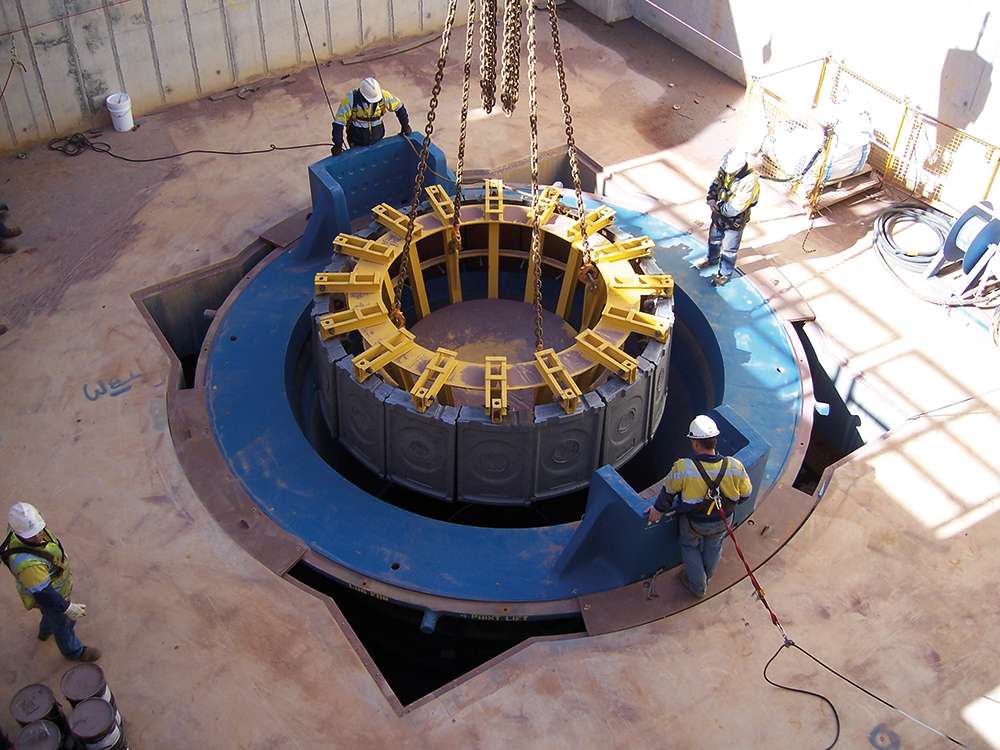
With FLSmidth’s top service range of gyratory crusher models, 95% of the servicing can be conducted from the top.

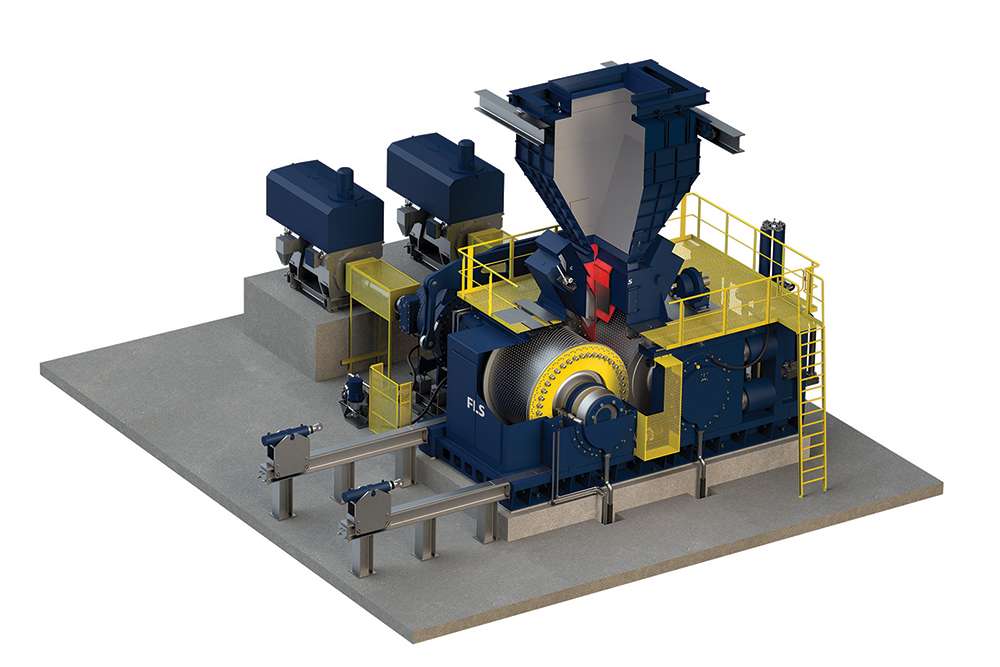
A key addition to FLSmidth’s current offering is the HPGR range, says Brickhill, with an installed population of about 160 units. The technology is an energy efficient alternative to traditional milling, as it transfers energy directly into the rock. As a dry process, it is also likely to see growing uptake as mines pursue sustainability targets that minimise water use.

The wide range of crushing offerings feeds into FLSmidth’s role as a provider of semi-mobile in-pit crushing plants – of which there are over 285 installations worldwide.

“Our plants can be designed for direct feed – usually from gyratory crushers – and also for indirect feed, which can be accomplished with an apron feeder before a gyratory, ERC®, jaw crusher, double roll crusher or double roll sizer,” says Kokoroyanis. “We can take care of everything from the truck tip to the discharge conveyor, and the plant comes complete with auxiliary equipment for a smooth operation. The plants can be relocated to a new position in the pit with the use of transport crawlers with minimum disassembly required as mining progresses.

Brickhill notes that the acquisition also means that FLSmidth’s engineering infrastructure now includes a world class engineering facility at Chloorkop, Gauteng, focused on refurbishing HPGRs. The facility also includes a test centre where material can be tested for suitability for processing by HPGR and for sizing of full-scale units.

Among the enhancements in FLSmidth’s pit-to-plant range of technology and equipment are market leading High Pressure Grinding Rolls (HPGRs).

QUAD RANGE FROM CHRYSO UNDERPINS COMMITMENT TO SUSTAINABILITY

Once again, CHRYSO is the first out of the starting blocks, having introduced its CHRYSO® Quad range of concrete admixtures to the market in 2022 – helping customers to promote sustainable practice in their use of challenging sands.

According to Patrick Flannigan, Technical Manager in the Concrete Business Unit at CHRYSO Southern Africa, the use of crusher or manufactured sand in construction has been prevalent for many years as it is a cost effective and more readily available alternative to natural sand.

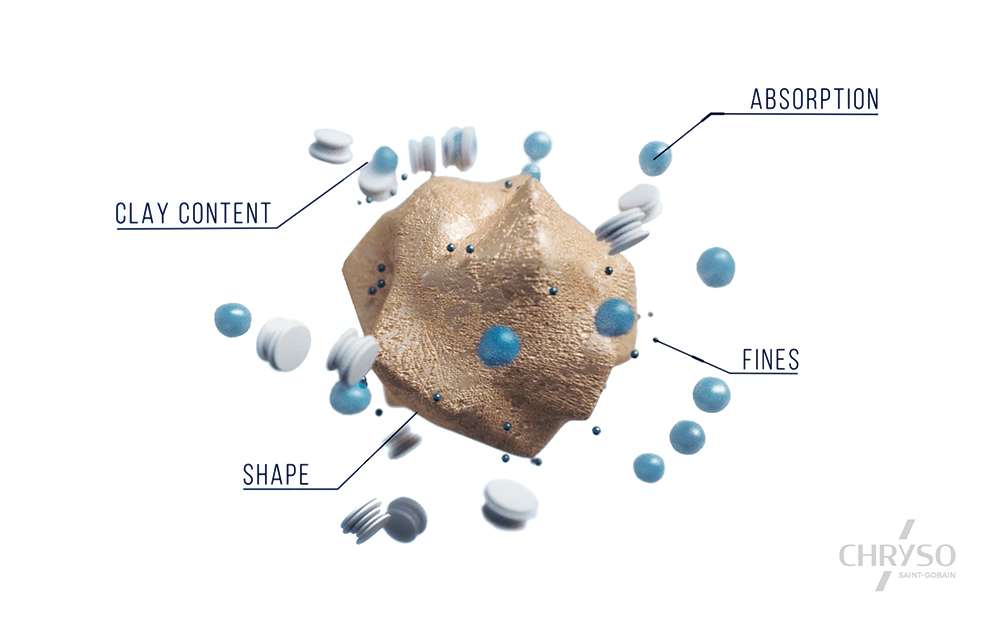
“There have, however, been issues with grading which often prompts contractors to supplement with natural sand from sources such as rivers and dunes,” he explains. “This is where the challenges lies with less availability of natural sands which increases costs as well as the presence of clays which means that less of this material can be used or it has to be excluded completely.”

“Our CHRYSO® Quad range allows customers to reduce their use of natural sand while making better use of crusher sand, without compromising the quality of their concrete mixes, and successful laboratory trials have already been concluded with customers in various market segments are already realising the benefits,” Flannigan continues.

Patrick Flannigan, Technical Manager in the Concrete Business Unit at CHRYSO Southern Africa.

“Working with customers such as contractors, readymix suppliers and precast manufacturers, CHRYSO is making significant contributions to industry sustainability and reduced carbon footprint,” he says.

He highlights that using less natural sand gives the industry a lower environmental impact on sources like rivers. Where natural sand is still being used, CHRYSO® Quad CLEAR® (Clay Enabling Admixture Response) allows a wider choice of sources – even challenging sand that contains swelling clay. This can allow contractors to source from locations closer to site, reducing the carbon footprint and cost of transporting sand over a long distance.

“The challenge is that swelling clays absorb newer generation plasticisers, thereby preventing them from delivering benefits such as water reduction or slump retention,” he says.

CHRYSO Southern Africa also offers the quick and innovative CHRYSO® CLEAR Test to identify where these swelling clays could present a problem for concrete users. Where they are identified in the source material, CHRYSO® Quad CLEAR® can be added as a liquid to the relevant plasticiser.

Another important contribution to sustainability in the construction and concrete manufacturing sectors is CHRYSO® Quad GRAFT® (Gap Gradation Fixing Technology), he notes. This can solve the challenge of an excess or lack of fines in source material – which often occurs in crusher sand.

“The industry is seeing the environmental benefit of moving away from natural sand and more toward crusher sand, but this product often has varying levels of fines,” he says. “In the past, this could have compromised the performance of concrete, but CHRYSO® Quad GRAFT® now solves this challenge.”

Because sands are unique, CHRYSO offers tailor-made solutions for both excess and lack of fines.

PACKAGING QUALITY BRANDS WITH IN-HOUSE PLANT DESIGN

Leveraging its quality brands of screens and crushers, Weir Minerals Africa has the in-house capacity to design and build complete plants for customers – cost effectively and quickly.

This has proved very valuable to customers wanting to rapidly ramp up their production in light of rising commodity prices in recent years, according to Weir Minerals Africa Product Manager for Comminution Theo Hendricks. With much of each plant’s equipment available ex-stock, and some even locally manufactured, the lead times for these plants can be considerably reduced.

“These tend to be process plants on the smaller side of the size spectrum, up to about 500 tonnes per hour capacity,” says Hendricks. “Designed in a modular format, these are fitted with any combination of our well-known Trio jaw and cone crushers, Trio feeders and Enduron vibrating screens.”

Theo Hendricks, Product Manager for Comminution at Weir Minerals Africa.

The turnkey approach includes providing all the structures for the equipment, and the conveyors to move material between different sections of the plant. Weir Minerals Africa Advanced Applications Engineer Karabo Moalamedi emphasises that best practice is applied in all aspects of the engineering and design. This ensures safety, performance and easy access for regular maintenance.

At the front end of the plant is the primary station – which usually includes a ROM hopper, a Trio® vibrating grizzly feeder, a Trio® jaw crusher and Enduron® screen. Where the material has a high clay or moisture content, a Trio® apron feeder is recommended. At the secondary crushing stage, a combination of Trio® cone crushers and Enduron® screens are usually installed, while Enduron® HPGRs are also included in the tertiary phase where finer material is required.

Enduron HPGR crushers offer a low energy consumption, low maintenance crushing solutions.

To accurately plan the design and location in existing facilities, 3D scanning is used to plot where infrastructure is already in place, says Moalamedi. The plant design itself can also be rendered in 3D, showing the customer and design team a detailed visualisation to guide final decision-making.

The plant is trial-erected at Weir Minerals Africa’s facility before being shipped to site, and its specialist technicians will supervise the on-site installation and commissioning. Ongoing technical support is then available from Weir Minerals Africa’s extensive branch network around the continent.

Karabo Moalamedi provides support during a project installation at a customer site.

BIG POTENTIAL FOR GLASS RECYCLING IN SOUTH AFRICA

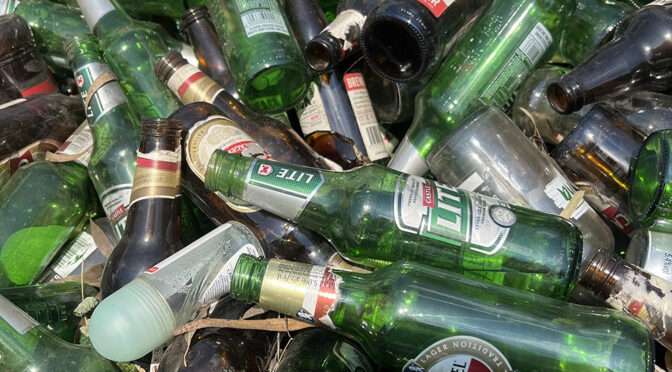
Crushing equipment specialist Pilot Crushtec has several products that are ideal for the recycling of glass. While many of the company’s overseas customers have recognised this and are using Pilot Crushtec machines very successfully to recycle glass, the local market for this application has not grown at the same pace.

One of the reasons for the slower progress in glass recycling locally is simply the fact that South Africa does not have a strong recycling culture, says Charl Marais, Sales Manager South Africa at Pilot Crushtec. “Compared to European countries and also Australasia, South Africa is lagging. The problem is exacerbated by a lack of legislative support for recycling, particularly the recycling of glass.”

Marais notes that one potentially large market for recycled glass is road building. “Recycled glass can be used for road construction and this has been pioneered in the Nordic countries, the US and Australia,” he says. “We would love to see this success emulated in South Africa but the problem is that our relevant road construction standards – the COTO Standard Specifications for Road and Bridge Works – do not allow for its use.”

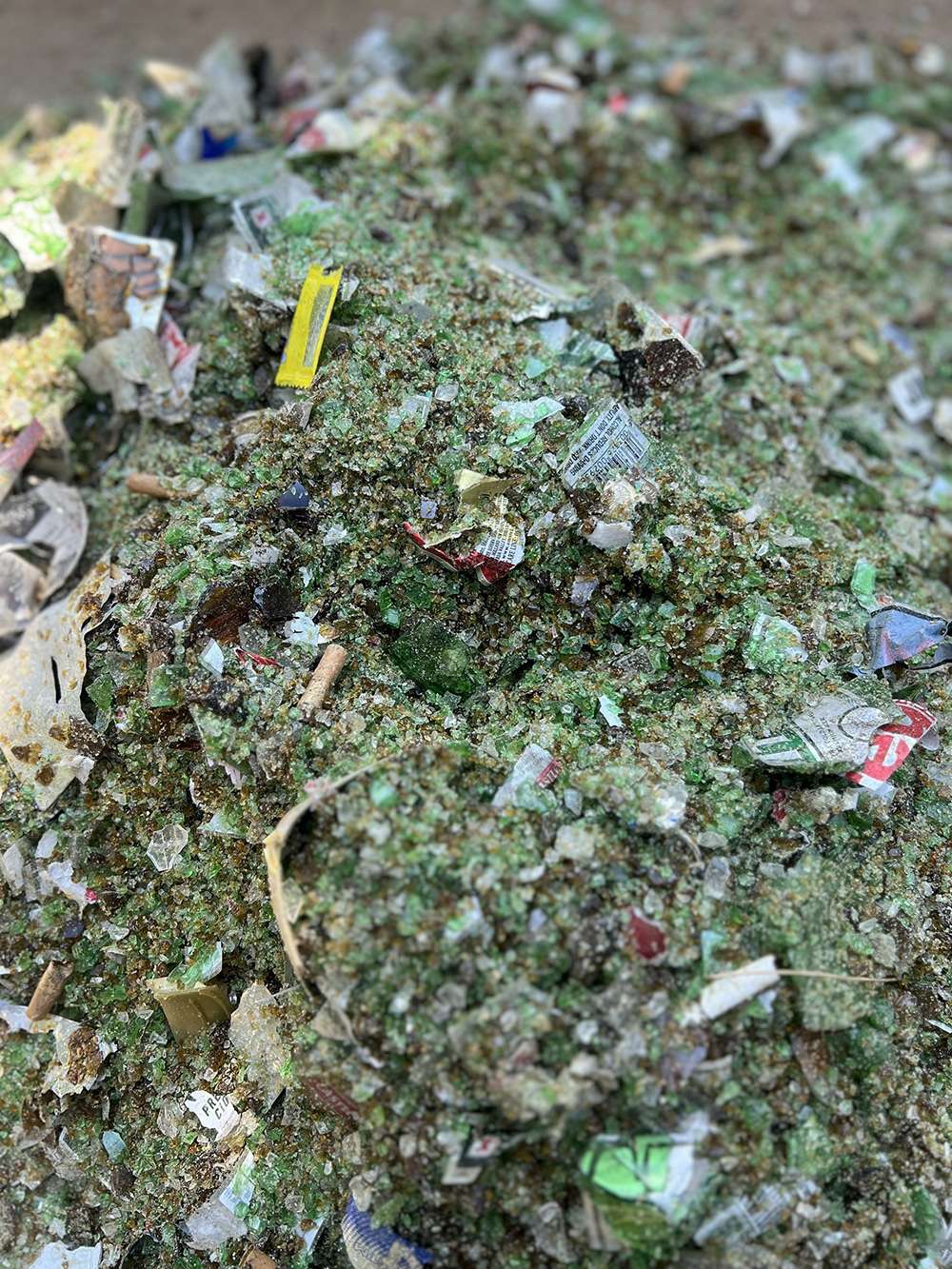
End product of crushed and recycled bottles.

He cites the case of a road upgrade in the state of Victoria in Australia. “This was a ‘green’ project designed to use recycled materials to the fullest extent possible,” he says. “The road contains recycled glass from 190 million glass bottles, which might otherwise have found their way into landfills. The road aggregate containing recycled glass was supplied by one of Pilot Crushtec’s Australian customers.”

Marais says that there are many other applications apart from road building where recycled glass can be used.

“Recycled glass is a very versatile material,” he comments. “For example, it can serve as a sand substitute in sand blasting and water filtering applications and can also be used in decorative concrete and in the building of artificial sports tracks and golf bunkers. Safety is not compromised when crushed glass is used to replace sand, as the glass crushing process gives the crushed glass a ‘sub-angular’, which means there are no sharp edges.”

Marais does point out though that recycled glass is not always competitive with sand on cost. “Sand is a plentiful natural resource and, to compound the problem, much of the sand supplied in South Africa is sourced illegally and priced accordingly.”

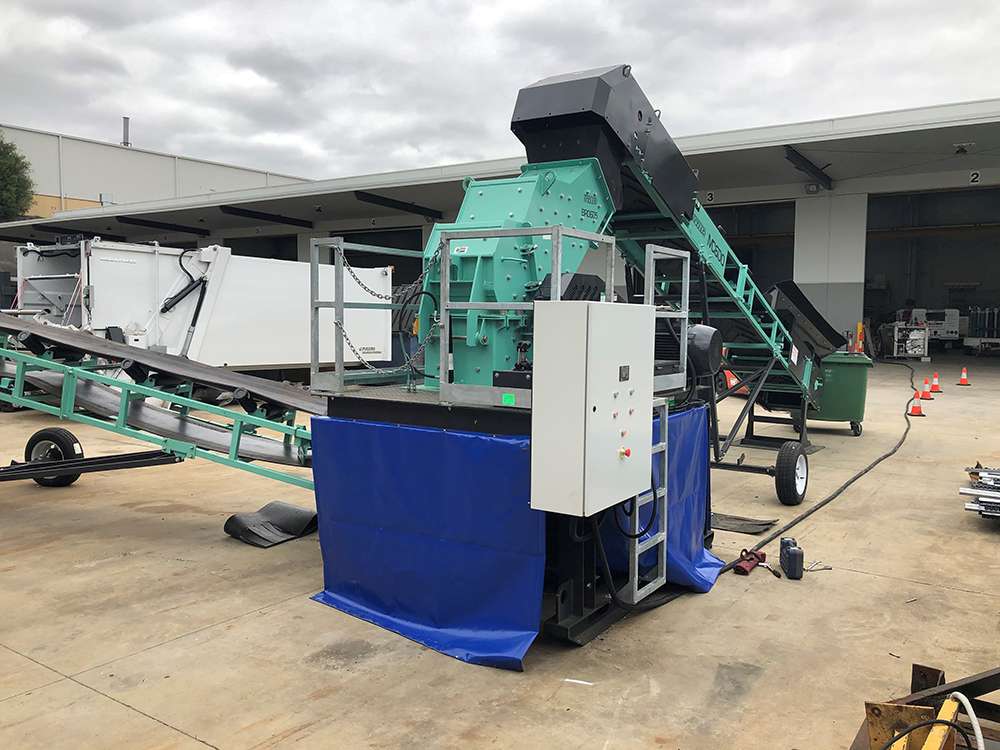
Pilot Crushtec’s entry-level machine for glass recycling is the ROMPI bottle breaker, which is hand-fed and can handle around 1 500 bottles an hour. The crushed glass is deposited into 30 litre plastic containers. The ROMPI is designed to reclaim valuable space during transportation or storage by reducing the volume of glass waste by up to 80 % and it also eliminates the safety risks associated with handling empty bottles during the crushing process.

“The ROMPI is selling well and we have about 25 of these units in the field,” says Marais. “They’re perfect for small community entrepreneurs. For example, we have one customer in Soweto who collects bottles, crushes them and then sells the crushed product to a big glass manufacturer.”

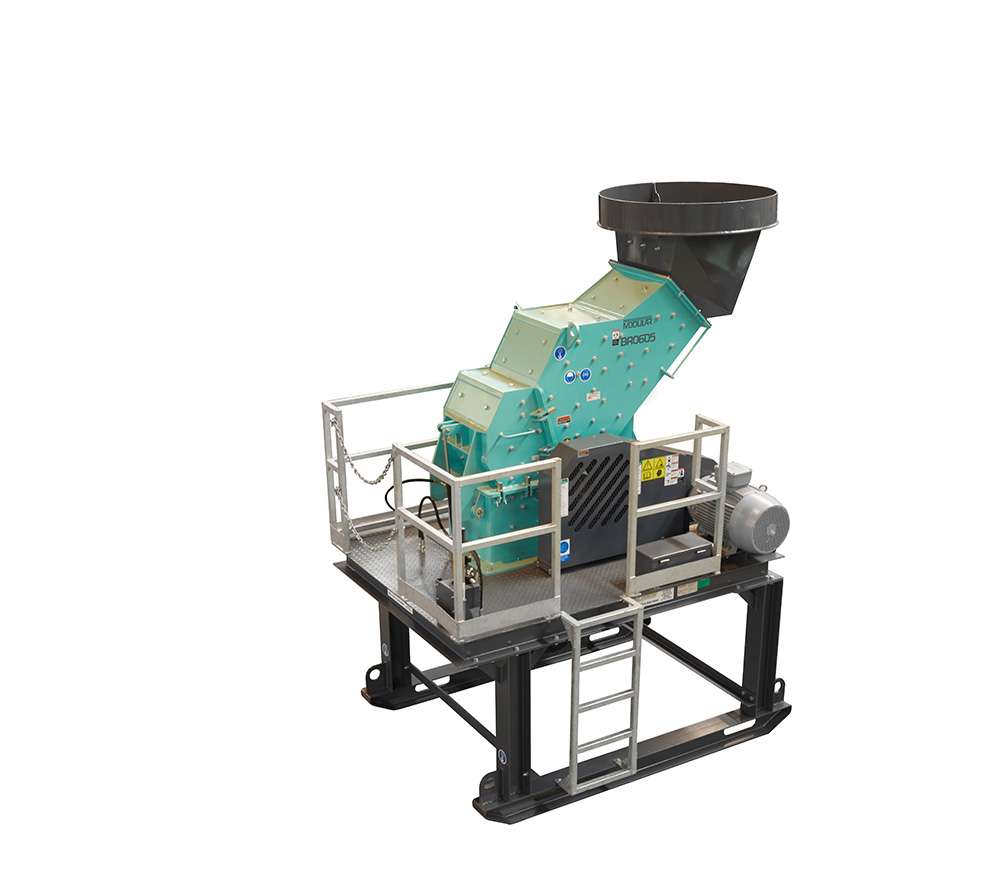
For more demanding applications where high volumes are involved, Pilot Crushtec can offer the BR0605 horizontal shaft impactor and the VS100 and VS250 VS200 vertical shaft impactors, which can crush down to 0.5 mm -1 mm. One typical large-scale application is to be found in Gqeberha where a Pilot Crushtec VSI is being used to crush rejected windscreens down to a filter sand.

On the prospects for glass recycling in South Africa, Abelho says Pilot Crushtec is determined to grow the market. “We believe the benefits of glass recycling, especially from an environmental perspective, are huge,” he says. “We have the ideal machines to make it an economic proposition and our task now is to get this message out into the marketplace.”

CONCOR EXPANDS EASTGATE SHOPPING CENTRE SOLAR CAPACITY

As South African businesses embrace the power of renewable energy, leading black owned contractor Concor is busy on another solar project that will contribute to a more sustainable future.

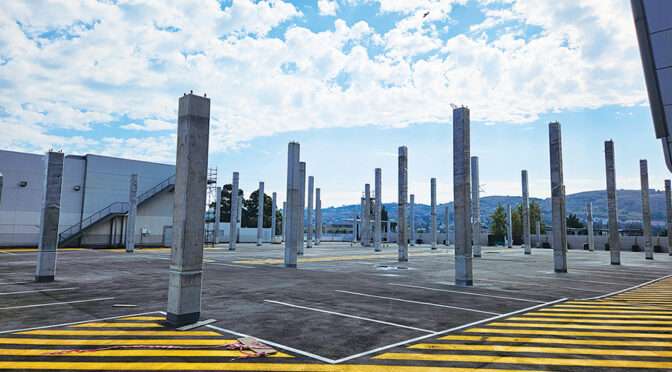
The project will add another 5.74MW (4,75 MWac) to the already existing 1MW solar power plant at Eastgate Shopping Centre in Johannesburg. This project aligns with Liberty 2 Degrees’ execution of its Net Zero 2030 targets, both reducing energy reliance from the grid as well as its focus on creating Good and Smart Spaces. According to Martin Muller, Contract Manager at Concor, this second phase project will comprise approximately 550 tonnes of structural steel roof constructed on concrete plinths on the upper parking area of the centre.

Concor has executed similar projects in both the retail and commercial office environment, as well as contributing significantly to pioneering wind energy projects around the country. This latest PV project commenced in February 2023 and is scheduled for completion by the end of January 2024.

“We will be constructing concrete columns and steelwork to hold the photovoltaic panels on the upper parking level, over an area of 31,000 square metres,” says Muller. “The panels will also create shade for shoppers parking on this level.”

The project requires the existing column heads that support the parking deck to be exposed, he explains. This will allow Concor to drill and dowel into the column heads, so that starter bars can be inserted for the stub columns to be poured – ensuring that the loads are spread onto the main columns below. Special attention is being focused on mitigating any disruption to the shopping centre’s tenants and shoppers.

“A full mitigation kit will also be applied to keep water out during construction and minimise any impact on the live shopping area below,” he says.

The concrete stub columns, most of which will be two metres in height, will be constructed from 30MPa readymix concrete. To enhance sustainability, this Green Star rated concrete will use 30% fly ash to reduce the concrete’s embodied energy. The steelwork in the project will consume some 600 tonnes of structural steel.

Concor’s experienced management team will coordinate eight subcontractors on site, where the workforce will number about 40 at the project peak. Workflow will also be carefully planned around the critical periods, so that the year’s busy shopping times are not unduly affected.