GRINDEX BRAVO 500 PUMP PROVIDES ROBUST SOLUTION FOR GOLD MINING REPROCESSING

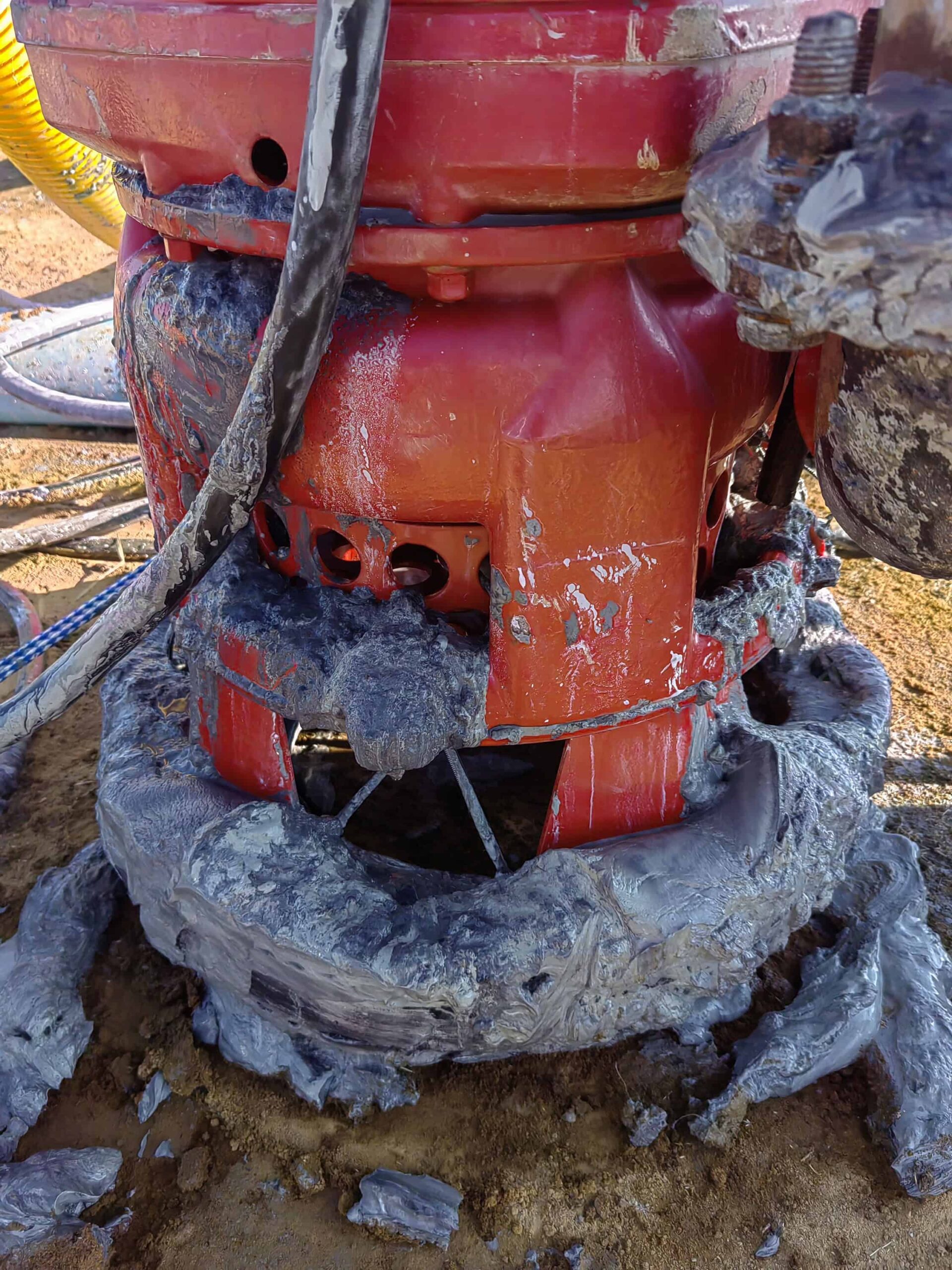
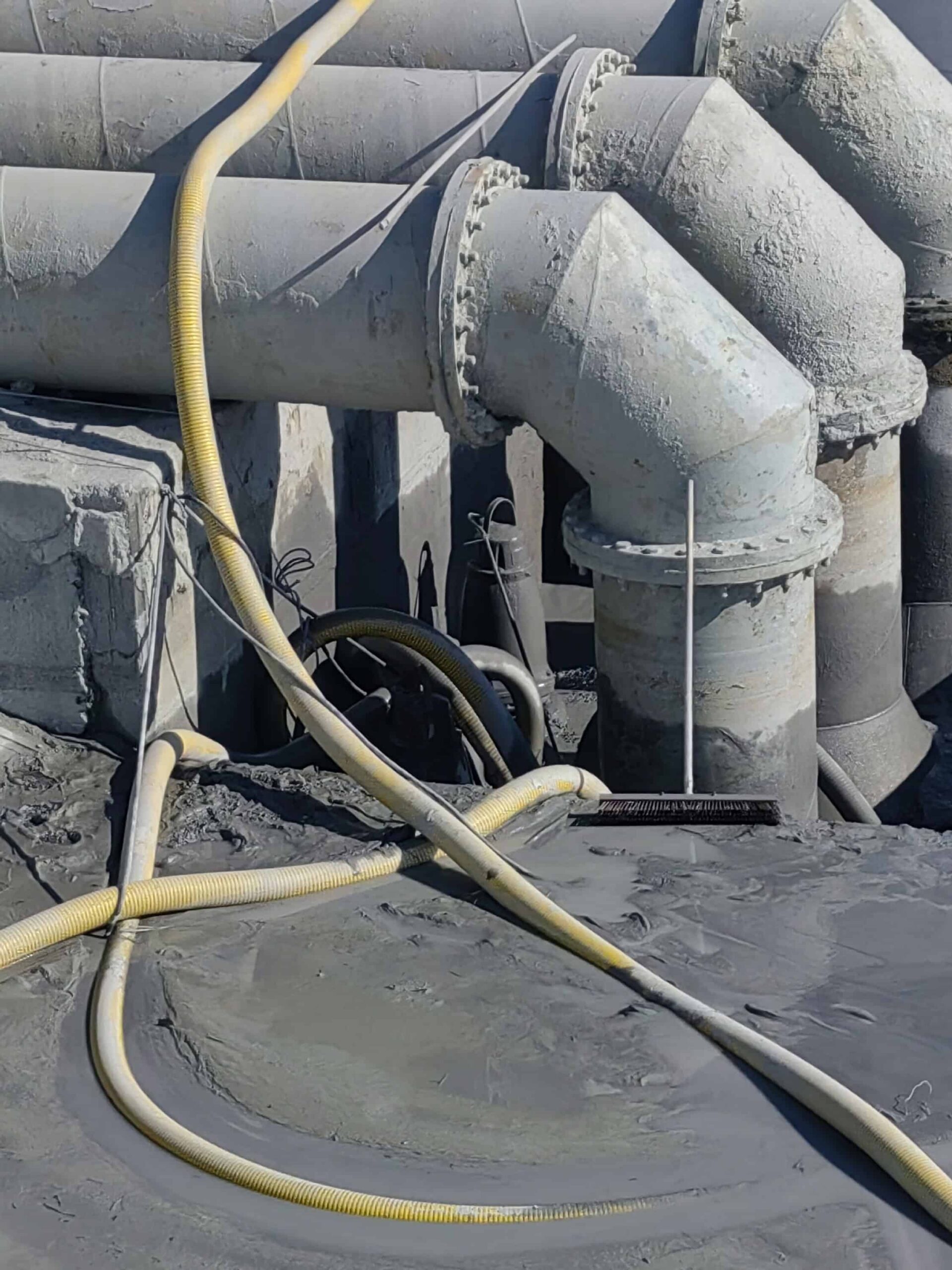
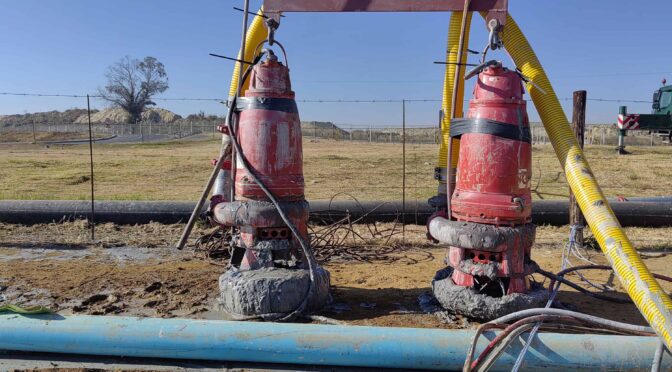
In a strategic move to optimise resource recovery, a South African gold mining operation successfully deployed Grindex Bravo 500 slurry pumps from Integrated Pump Technology to reprocess slurry from its surface return water dam. This dam, which has been used for process water storage over the past 12 years, was identified as a valuable source of gold-bearing slurry. The operation aimed to transfer this slurry back to the gold processing plant, and the Grindex Bravo 500 pumps proved to be the most appropriate solution for this task.

JD Nel, Key Accounts Manager at Integrated Pump Technology, explains that the return water dam was a crucial gold resource needed for production while underground maintenance, which temporarily halted recovery from an underground section, was underway. The return water dam resource was used to sustain gold production for the plant’s needs, but did present a challenge due to the extremely dense slurry, with a specific gravity (SG) of 1.38, which had to be pumped. 

Nel says that while it was not necessary to modify the existing process plant, as the material fed from the thickeners had a similar SG, it was important that the pumps selected would perform reliably within the application parameters. 

“Following a full assessment of the site conditions and application, we had no reservations is specifying the Grindex Bravo 500 as we knew this centrifugal pump could withstand the density of the material, but still transfer it at the required flow rate,” Nel explains. “The Grindex Bravo 500 is engineered for heavy-duty applications and its components, especially the impeller and liner, are designed to withstand the abrasive nature of dense slurries.” 

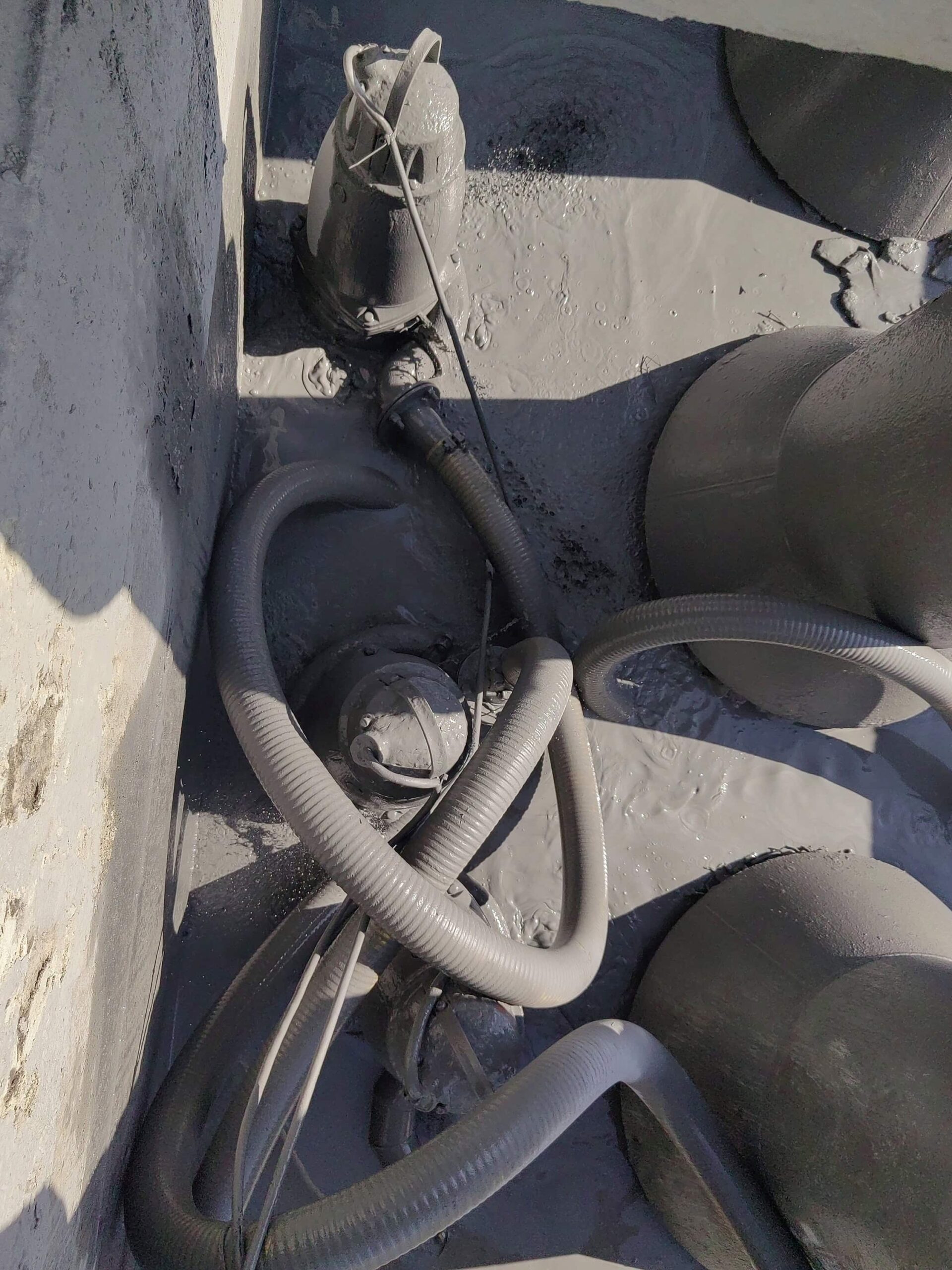
One of the critical factors in the success of this project was the impressive flow rate and reliability of the Grindex Bravo 500 slurry pumps. In this application, material is being transferred at a flow rate of 480 m3/h at a head of 18 metres. In total, three Grindex Bravo 500 pumps were employed, demonstrating their capability to handle the demanding requirements of this gold mining reprocessing effort.

Nel says the Grindex Bravo 500 is designed to handle high head pressures which is crucial for transporting dense slurries over long distances or vertical lifts. The pump’s ability to maintain consistent pressure helps in effectively moving heavy slurries through the system.

“Further,” he says, “the pump features a robust impeller designed to handle the high density and viscous nature of the gold slurry. The impeller’s design ensures efficient movement of the slurry, significantly reducing the risk of blockages and ensuring smooth operation.” 

Commenting on the construction of the pump, he says the overall design of the Grindex Bravo 500 includes heavy-duty bearings and a robust shaft to handle the stresses associated with pumping dense slurries. In addition, the pump’s design helps in minimising the risk of cavitation, a phenomenon that can be problematic when pumping slurries with high densities.

A Grindex Bravo 500 was deployed to pump clean water from the return water dam to the plant where this is being used to wash any material back into the system. 

“The deployment of the Grindex Bravo 500 slurry pumps underscores their robustness and effectiveness in handling high density slurries in mining applications,” Nel says. “This solution not only facilitates the reprocessing of valuable slurry but also highlights the operational efficiency and reliability that Grindex pumps bring to the mining industry.”

GRINDEX BRAVO 500 PUMP PROVIDES ROBUST SOLUTION FOR GOLD MINING REPROCESSING

In a strategic move to optimise resource recovery, a South African gold mining operation successfully deployed Grindex Bravo 500 slurry pumps from Integrated Pump Technology to reprocess slurry from its surface return water dam. This dam, which have been used for process water storage over the past 12 years, was identified as a valuable source of gold-bearing slurry. The operation aimed to transfer this slurry back to the gold processing plant, and the Grindex Bravo 500 pumps proved to be the most appropriate solution for this task.

JD Nel, Key Accounts Manager at Integrated Pump Technology, explains that the return water dam was a crucial gold resource needed for production while underground maintenance, which temporarily halted recovery from an underground section, was underway. The return water dam resource was used to sustain gold production for the plant’s needs, but did present a challenge due to the extremely dense slurry, with a specific gravity (SG) of 1.38, which had to be pumped. 

Nel says that while it was not necessary to modify the existing process plant, as the material fed from the thickeners had a similar SG, it was important that the pumps selected would perform reliably within the application parameters. 

“Following a full assessment of the site conditions and application, we had no reservations is specifying the Grindex Bravo 500 as we knew this centrifugal pump could withstand the density of the material, but still transfer it at the required flow rate,” Nel explains. “The Grindex Bravo 500 is engineered for heavy-duty applications and its components, especially the impeller and liner, are designed to withstand the abrasive nature of dense slurries.” 

One of the critical factors in the success of this project was the impressive flow rate and reliability of the Grindex Bravo 500 slurry pumps. In this application, material is being transferred at a flow rate of 480 m3/h at a head of 18 metres. In total, three Grindex Bravo 500 pumps were employed, demonstrating their capability to handle the demanding requirements of this gold mining reprocessing effort.

Nel says the Grindex Bravo 500 is designed to handle high head pressures which is crucial for transporting dense slurries over long distances or vertical lifts. The pump’s ability to maintain consistent pressure helps in effectively moving heavy slurries through the system.

“Further,” he says, “the pump features a robust impeller designed to handle the high density and viscous nature of the gold slurry. The impeller’s design ensures efficient movement of the slurry, significantly reducing the risk of blockages and ensuring smooth operation.” 

Commenting on the construction of the pump, he says the overall design of the Grindex Bravo 500 includes heavy-duty bearings and a robust shaft to handle the stresses associated with pumping dense slurries. In addition, the pump’s design helps in minimising the risk of cavitation, a phenomenon that can be problematic when pumping slurries with high densities.

A Grindex Bravo 500 was deployed to pump clean water from the return water dam to the plant where this is being used to wash any material back into the system. 

“The deployment of the Grindex Bravo 500 slurry pumps underscores their robustness and effectiveness in handling high density slurries in mining applications,” Nel says. “This solution not only facilitates the reprocessing of valuable slurry but also highlights the operational efficiency and reliability that Grindex pumps bring to the mining industry.”
THE ENVIRONMENTAL AND PRACTICAL BENEFITS OF USING FIBRE IN CONCRETE

In today’s construction industry, the twin imperatives of sustainability and efficiency are driving transformative innovations. One such advancement making waves is the use of fibre in concrete, replacing traditional steel reinforcement. This shift not only results in substantial time and labour savings leading to significant cost efficiencies, but also plays a pivotal role in reducing the carbon footprint associated with construction projects.

Steel reinforcement, while indispensable for its strength and durability, exacts a heavy toll on the environment. The production of steel involves substantial energy consumption and emits significant amounts of carbon dioxide (CO2). According to the World Steel Association, the steel industry accounts for approximately 8% of global CO2 emissions, making it a prominent contributor to climate change.

Michelle Fick, BU Development Manager: Concrete Aesthetics at CHRYSO Southern Africa, says that fibres, in contrast, are made from synthetic and natural materials and offer a far more sustainable alternative. Concrete containing fibres is thus easily recycled for reuse as crushed aggregates for other projects. 

The environmental benefits of this shift are significant. The production of fibre materials, particularly synthetic ones, generates considerably less CO2 compared to steel production. Additionally, the energy requirements for manufacturing fibres are significantly lower. 

“By substituting steel with fibres, construction companies can markedly decrease their carbon emissions,” Fick says. “Further unlike steel reinforcement, which often involves cutting and fitting, leading to substantial scrap material which needs to be managed, our Advil fibres can be precisely mixed into concrete, minimising waste on construction sites. This reduction in waste contributes further to the sustainability credentials of fibre-reinforced concrete.”

Beyond the environmental advantages, fibre reinforced concrete offers several practical benefits that enhance construction efficiency. Integrating fibres into concrete is straightforward and can be done during mixing, eliminating the labour-intensive steps of placing and tying steel reinforcement. 

This streamlined process significantly accelerates construction timelines. The simplicity of using fibres reduces the need for specialised labour typically required for handling and installing steel reinforcement. This not only cuts down on labour costs but also mitigates the risk of on-site injuries associated with traditional steel handling. 

Fick says that while the initial cost of fibres may be close to that of traditional steel reinforcement, the overall savings in labour, time and reduced waste translate into lower total project costs over the lifecycle of the construction project.

Fibre-reinforced concrete has been successfully deployed in numerous projects globally as well as locally, highlighting both its practical and environmental benefits. Infrastructure projects like roadways and bridges have reported enhanced durability and reduced maintenance costs due to the use of fibres. 

Moreover, residential and commercial buildings have benefited from faster construction times and improved structural performance, highlighting the versatility and effectiveness of fibre-reinforced concrete across diverse applications.

Available from CHRYSO, Adfil’s range of high quality fibre reinforcement solutions are designed to enhance the performance of concrete by improving its durability, reducing cracking and increasing its structural integrity. By integrating Adfil fibres into concrete, construction projects can achieve superior results while also benefiting from the environmental advantages of reduced carbon emissions and lower energy consumption.

Adfil offers a range of fibres tailored to various construction needs including macro-synthetic fibres, micro-synthetic fibres and steel fibres. These products are engineered to provide optimal reinforcement, ensuring that concrete structures can withstand the demands of modern construction without the drawbacks associated with traditional steel reinforcement.

“We believe that the adoption of fibre in concrete represents a paradigm shift in the construction industry, and offers contractors  a sustainable and efficient alternative to traditional steel reinforcement,” Fick says. “By reducing carbon emissions, minimising energy consumption and cutting down on waste, construction companies can significantly lessen their environmental impact while bolstering their operational efficiencies.”

“As the construction sector continues to prioritise sustainability, embracing innovative materials like fibre will be pivotal in fostering a greener future. These advancements not only align with global environmental goals but also position construction companies at the forefront of sustainable practices, driving both environmental stewardship and economic viability,” Fick concludes. 

MUCH MORE TO CHOOSE IN LOCAL RANGE OF SEW-EURODRIVE PLANETARY UNITS

As SEW-EURODRIVE in South Africa actively extends its offerings to customers, the SEW PPK and SEW P2.e industrial gearbox ranges are good examples of solutions that are well suited to the local business environment. 

“Being part of a well-established global business, we are drawing increasingly from the group’s production plants in various parts of the world,” says Jonathan McKey, National Sales and Marketing Manager at SEW-EURODRIVE. “This approach allows us to select products that have been tried and tested in sectors relevant to our own, and under operating conditions that are closely comparable.”

McKey highlights that this strategy is opening up a much larger range of choices for customers in South Africa and the rest of the continent, as the company ‘closes the loop’ by adding new offerings to complement its successful portfolio. A valuable recent addition has been the SEW PPK planetary gearbox range, originally designed and produced by SEW-EURODRIVE in Brazil – with their world class sugar industry as a key user.

“The depth of research and development capability with the group allowed Brazil to develop the SEW PPK concept, to give their sugar mills access to a low torque solution which complies with SEW-EURODRIVE’s stringent global standards and specifications,” he says. “Later, engineers in Germany additionally developed the SEW P2.e series for larger applications.”

Both the SEW PPK and the SEW P2.e ranges are now available to customers in South Africa and Africa, allowing SEWEURODRIVE to further augment its planetary offerings. He reiterates that planetary gear units are particularly valuable for those applications that require a compact solution in conditions where space is constrained, while also demanding high torque and low speed outputs.

“Our SEW PPK range is well suited to southern hemisphere markets, delivering 2 to 18 kNm of torque with a ratio range from 65 to 10,700:1,” he says. “The ratio can be further reduced by the addition of a primary reducer before the planetary head, to reach ratios up to 10,650:1 – for a much lower speed capability.”

Developed as the ‘big brother’ to the SEW PPK options, the SEW P2.e series encompasses higher torque ratings from 2 to 124 kNm with ratios from 15,2:1 to 332:1. McKey explains that the SEW P2.e was developed with all the benefits of the SEW PPK, but with a broader spectrum of diversity in its speed – up to 100 rpm – as well as in ratio and torque. While most planetary gearboxes have a three-stage design, the SEW P2.e can also be supplied in a two-stage model.

“What is exciting for local customers is that we have now brought a complementary range of both the SEW PPK and SEW P2.e to this market – giving a wide selection that will suit many new applications,” he says. “This allows us to compete well with other planetary manufacturers, as we can now offer customers most of the capabilities of other brands – all within our SEW-EURODRIVE stable.”

This means that customers can spend less time searching across different OEMs for a solution that will meet their specific needs, he emphasises. Instead, they are likely to find what they need within the expanded SEW-EURODRIVE brand offering. 

“We are the only manufacturer who allows for direct electric motor coupling to a planetary gearbox; this is unique to our SEW P2.e solution,” he points out. “Our units also accommodate radial labyrinth solutions, which many competitors do not. This provides an extra layer of protection for the sealing systems on the output shaft – a valuable feature in corrosive and dusty environments like mining.”

For customers wanting to upgrade from previous P-series models of planetary gearboxes to the new SEW P2.e, SEW-EURODRIVE has been careful to retain the same critical dimensions. Greg Lewis, SEW-EURODRIVE Sales Manager , says this allows customers to migrate seamlessly without altering their existing infrastructure. Lewis points out that the SEW P2.e is one of the only planetaries available with a cooling solution, positioned between the planetary and the motor.

“This gives us thermal ratings that are far superior to competitors,” he says. “By adding a fan on the input side to further cool the gearbox, we can considerably enhance its thermal capabilities.”

Lewis notes that, while the SEW P2.e units have directly mounted motors, the SEW PPK offers different options for coupling existing motors using our adaptors – the AD adaptor with input shaft or the AMS adaptor for the flange mounted motor.

STAGE V POWERED TWISTERTRAC UNLOCKS NEW EXPORT MARKETS FOR PILOT CRUSHTEC 

Pilot Crushtec International is introducing its new generation TwisterTrac mobile vertical shaft impact (VSI) crusher powered by a Stage V diesel engine. The move to a motor that complies with EU Stage V regulations unlocks new export prospects in highly regulated markets such as Europe and North America. 

Designed and manufactured in South Africa by Pilot Crushtec, the TwisterTrac VS350E VSI has over the years gained popularity in export destinations such as Australia and New Zealand. To provide context, since 2013, Pilot Crushtec has sold in excess of 50 units with almost 90% of these deployed into export markets. 

To further grow its export sales, the company has become one of the first South African original equipment manufacturers to build a Stage V engine powered machine. Previously driven by a Tier 3 Volvo TAD1651GE engine, the new TwisterTrac VS350E VSI now comes with a Stage V Volvo TAD1382GE motor, allowing Pilot Crushtec to offer the legendary tracked VSI in emissions-regulated markets, in particular Europe and North America, as mentioned above. 

“The Stage V project has been in the pipeline for a while as part of our export focus. Our machine development strategy has always placed greater emphasis on offering exportable products and this move allows us to unlock new markets and grow our export sales. We are excited by the prospects of growth in emission-controlled markets such as Europe and North America. In addition, this project speaks to customers in some of our traditional markets such as Australia, where there is a strong focus on adopting high emissions standards,” explains Sandro Scherf, CEO of Pilot Crushtec. 

Jorge Abelho, Director Technical Support at Pilot Crushtec, says the company opted for the 13 litre TAD1382GE from Volvo because it is a powerful, reliable and economical motor built on the dependable in-line six design. The engine incorporates a suite of advanced technologies that work together to not only reduce emissions but also deliver significant improvements in power density, performance and operating efficiency. Designed for easy, fast and most economical installation, the engine’s high-tech injection and charging system with low internal losses contributes to excellent combustion and low fuel consumption. 

“Volvo has been our preferred engine partner for a while, largely because of the efficiency of their engine technology. In addition, we find them easy to deal with in terms of information sharing and guidance on the technology. To provide context, we had a technical representative from Volvo at our Jet Park workshop for a week-long factory testing, before deploying the machine for field testing in a tough crushing application with great success,” says Abelho. 

In addition to the transition to new engine technology, Pilot Crushtec took the opportunity to redesign some areas of the machine. For example, says Abelho, the machine now comes with an integrated cooling pack and the whole power pack base has become much smaller. 

“We have also re-arranged some of the key components to make the cabling and piping shorter and simpler. For instance, we have moved the operator panel from the left-hand side to the right-hand side of the machine. This reduces the number of cables required on the machine by bringing panels closer together. We have also made the operator panel easier to use,” explains Abelho. 

In addition, the size of the hydraulic tank has been reduced and the tank has been moved closer to the pumps. These refinements were informed by knowledge and feedback gained over the last ten years of operating the TwisterTrac VS350E in the field. 

Scherf is confident that the latest developments will further entrench the TwisterTrac VS350E’s dominance in the global marketplace. Designed for tertiary and quaternary crushing applications, the TwisterTrac VS350E is renowned for its versatility, reliability and efficiency. A fully mobile track mounted VSI crusher, the machine can be easily moved between sites or within a site. Its compact design and robust construction make it suitable for a wide range of applications, including road construction, quarrying, mining and recycling.

“One of the standout features which has made this machine popular is the unique crushing concept. This uses rock-on-rock crushing principles, making it the perfect choice for producing cubical material for road and concrete aggregates. Another big advantage, which we believe will make it popular in new export markets, is that it is a diesel-electric machine, which results in increased operational efficiency, while at the same time reduces carbon emissions,” concludes Scherf. 

INNOVATIVE WEBA TRANSFER POINT SOLUTIONS REDUCE COSTS AND ENHANCE SAFETY

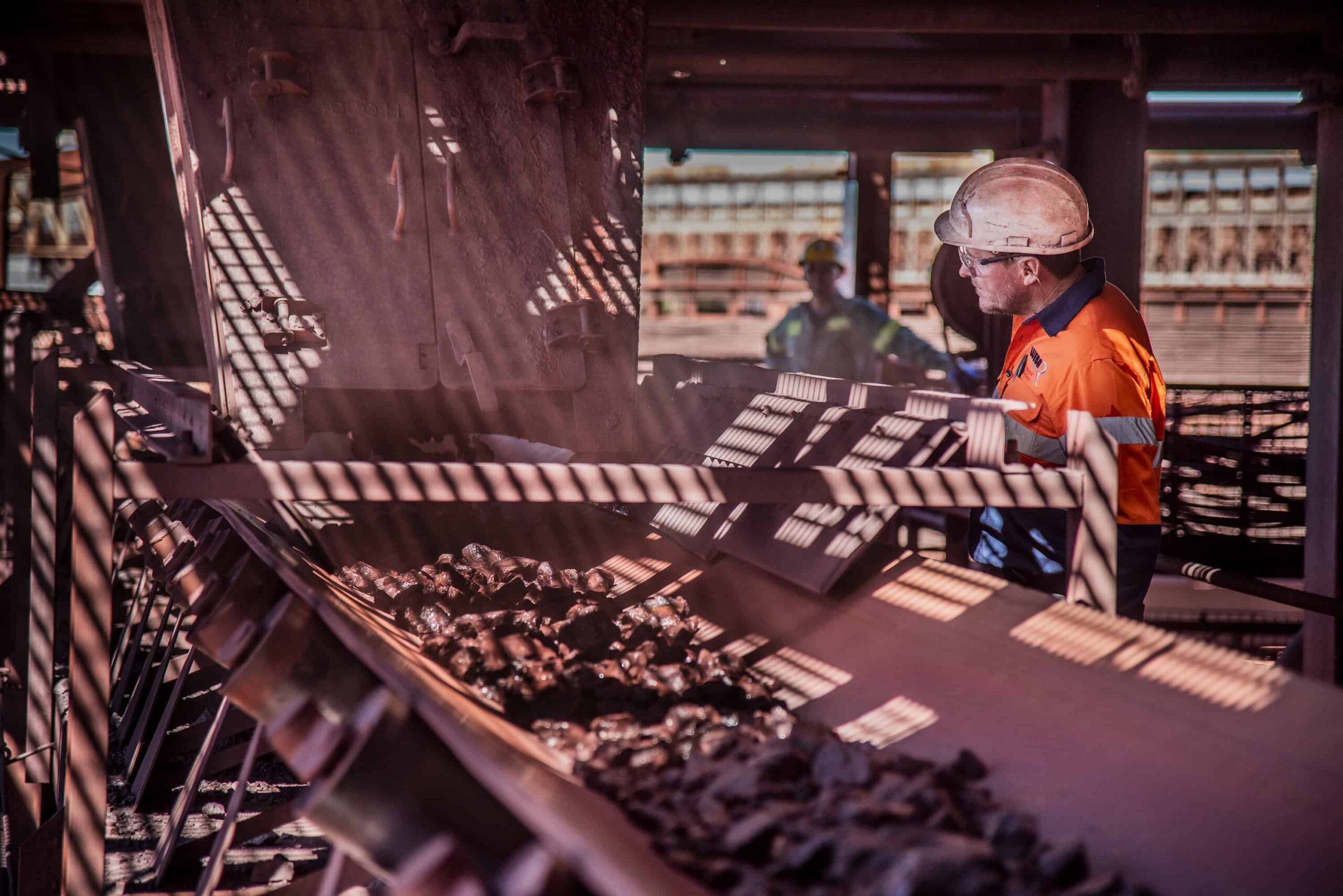
In the bulk material handling applications transfer points are critical locations where materials are moved between different conveyor belts or from conveyors to storage areas. The efficiency of these transfer points plays a pivotal role in maintaining a steady flow of materials, reducing downtime and minimising operational costs. As these applications evolve, several significant trends are shaping the design and functionality of transfer points, reflecting a focus on reducing spillage, optimising material flow and enhancing safety.

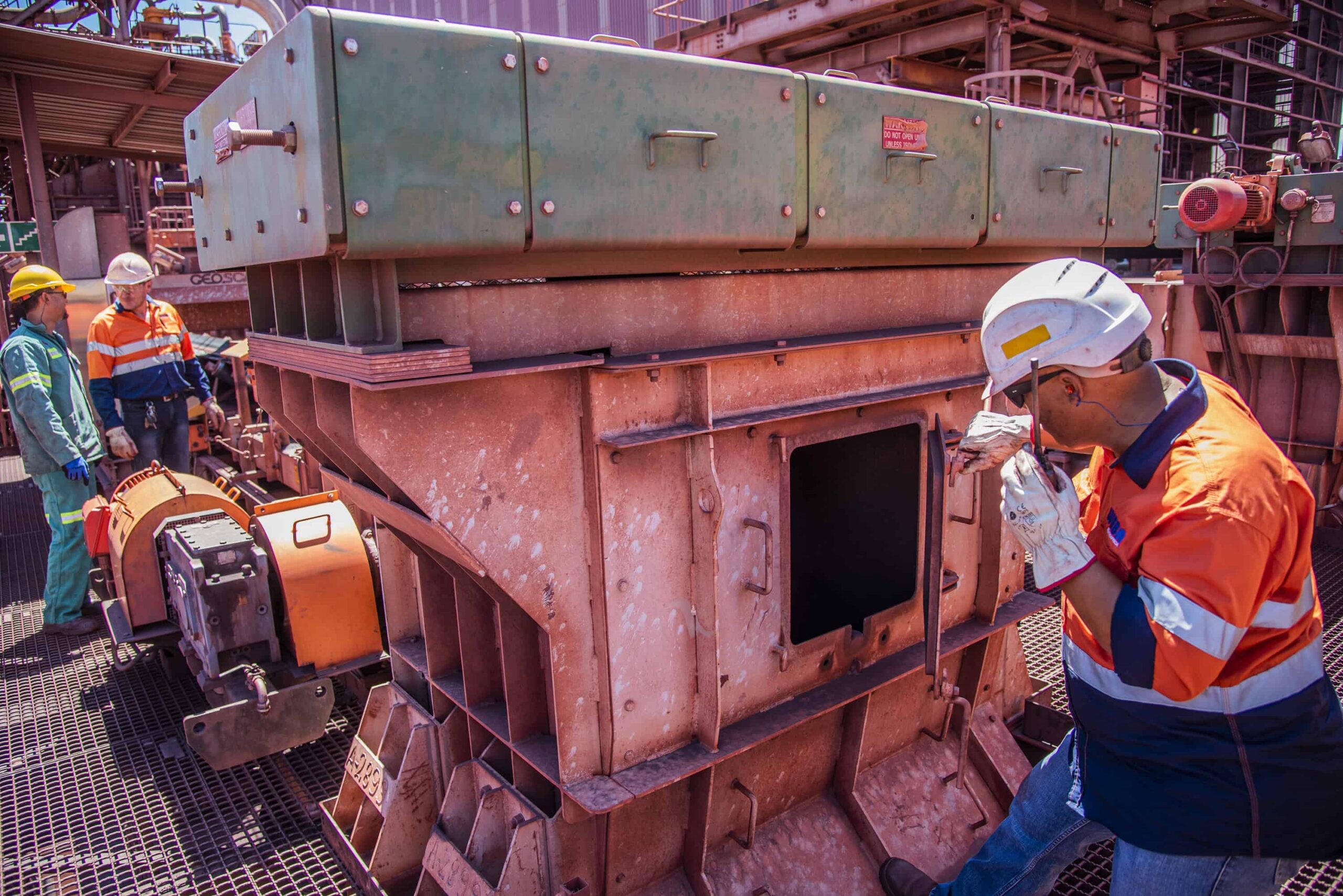
Weba Chute Systems has been at the forefront of addressing these evolving trends with its innovative approach to transfer point technology. The company’s chutes are custom-engineered to ensure smooth material flow, reducing impact angles and directing materials in a controlled manner. 

Mark Baller, CEO of Weba Chute Systems, explains that this design philosophy pioneered by his father, the late Werner Baller, minimises wear and tear on both the chutes and downstream conveyor systems, significantly lowering downtime and maintenance costs. 

Reducing material spillage is a challenge that has driven innovation in transfer point technology. Spillage not only results in material loss but also increases maintenance and poses safety risks. 

“We also incorporated advanced dust and spillage control features into our designs, and specifically the controlled flow achieved by Weba chutes reduces turbulence and material scatter help to contain dust and minimise environmental and health risks,” he says. 

Safety is another critical area where Weba Chute Systems excels, with chute designs that provide easy access for maintenance and robust safety barriers to protect workers. The integration of new technologies, such as sensors and remote monitoring systems, enables real-time data collection on chute performance, allowing operators to anticipate maintenance needs and avoid unexpected downtime.

Baller explains that the use of advanced computational fluid dynamics (CFD) modelling, something which the company has been doing for many years, allows the company’s engineers to simulate and analyse material flow at transfer points with great precision. 

“By understanding how materials behave as they pass through these junctures, our engineers can identify potential problem areas, such as blockages or high wear zones, and adjust the design to ensure a smoother, more controlled flow. This approach helps to reduce impact and abrasion, extending the lifespan of the equipment and minimising maintenance requirements,” Baller continues. 

Material choice is also a critical factor, with a growing emphasis on wear resistant materials that can withstand the harsh conditions typical of bulk material handling environments. High quality abrasion resistant steel, ceramic liners and composite materials are increasingly being used to line chutes and other components exposed to high impact or abrasive materials. These materials not only enhance the durability of the equipment but also reduce downtime due to less frequent repairs or replacements.

As the demand for more efficient, durable and safe transfer point solutions continues to grow, companies like Weba Chute Systems are well-positioned to meet these evolving requirements. By continuing to set new standards for performance and longevity, Weba Chute Systems are ensuring that material handling operations run smoothly and efficiently, maximising productivity and reducing costs for bulk materials handling operations. 

LOWER TCO FROM OEM MAINTENANCE

Achieving the best return on their plant investment is a primary goal for mines, and partnering with OEMs like Weir is a strategic way to enhance equipment performance while reducing the total cost of ownership. The company is at the forefront of helping mines transition from reactive to prescriptive maintenance approaches, ensuring sustainable and safe operations through the optimisation of technology and equipment.

“We have an extensive footprint of equipment around Africa, and focus on adding further value to these assets through the correct maintenance strategy,” says Grant Potgieter, Strategic Services Manager at Weir. “This means a constant monitoring process, where we can track performance while looking for opportunities to raise our customers’ plant availability for greater productivity.”

Plant monitoring will invariably include a regular wear analysis of components, to monitor whether such wear is in line with expectations, explains Potgieter, as well as to predict future wear and component life. Analysing this wear, however, involves a considerable amount of data from the plant operation itself, such as ore characteristics and throughput. 

“Here is it important to remember that each site will have its own variables, so it is not possible to apply a standard template without understanding the specific plant,” he says. “Operating conditions may also change over time, so the assessment requires close collaboration between our team and the plant personnel on the mine.”

This allows a foundation of data to be established, on which to base the relevant corrective action, whether this is through technology, training or other interventions. Such action may be initially prompted by data that Weir picks up in its procurement process. 

“Our years of experience in this market, and our careful documentation of component wear life, including historical and process information, allows us to estimate how long a certain component will last under predefined conditions,” he says. “By generating strategic reports from our procurement system, we can see if a customer is ordering components more frequently than they should be – suggesting that there is wear taking place.”

Technicians from Weir can then visit the site and examine the conditions more closely as part of a root cause analysis. This is most effectively done with a multidisciplinary team including process engineers and mechanical experts, to identify first-hand what the challenge is, and how best to address it.

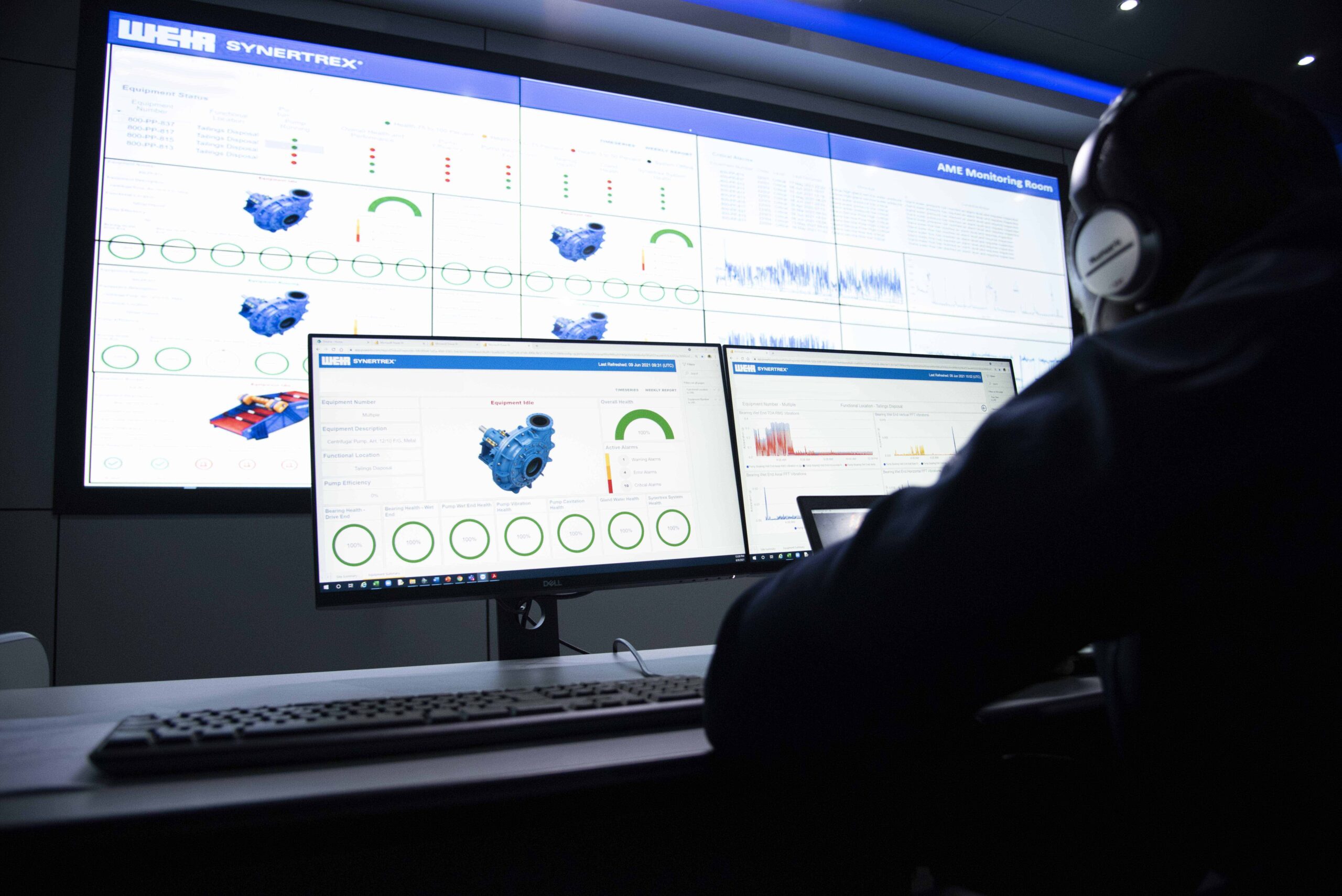
Potgieter highlights the role of accurate measurement of equipment performance and condition, pointing to the fact that this is not always constant when conducted manually. To provide a platform that would overcome human error, Weir offers its own digital platform to harvest data continuously, accurately and objectively. 

“It is significant that we developed our own system to do this, as we understand our equipment solutions better than anyone,” he explains. “Our digital platform allows us not only to gather and process the data from our equipment, but also generates recommendations which identify the actual cause of anomalies.”

As an example, if a sensor transmits a certain vibration signature from an item of equipment, a trained Weir Minerals condition monitoring expert will be able to verify system notifications. 

While technology could be one part of the solution, he says, good communication is also crucial. To avoid any lack of communication through people working in silos, Weir arranges monthly quality meetings with customers – to ensure that all stakeholders are on board.

“This has proved to be a valuable way of getting all players involved and committed to the solutions  that are agreed,” he says. “In this round table environment, everybody can be allocated a clear role, with tasks and responsibilities agreed in a transparent and accountable manner.”

This format also brings in all the necessary disciplines – from electrical and instrumentation through to mechanical and process – to reflect on the proposed solutions and ensure that the one selected is optimal. 

“The key performance indicator that is shared by everyone in these meetings is cost optimisation, so this is really our focus with our discussion and solution,” he says. “We look holistically at safety, value and technology to ensure that whatever is spent on an intervention helps to lower the total cost of ownership.”

This often involves considerable change management, says Potgieter, as long term maintenance strategies may require mine personnel to adjust their procedures. Recognised for its expertise in its aftermarket services, Weir is frequently engaged by its customers to work on strategic shifts in their operating practices to optimise aspects such as equipment turnaround time and costs of refurbishment. 

“We collaborate with customers as they adjust their own maintenance strategies,” he says. “To optimise the maintenance of rotables, for instance, we are able to provide service exchange units at regular intervals, as the customer removes a unit from service after a predetermined time.”

This avoids the higher cost of running a unit to failure before repairing, and reduces the risk of any unscheduled maintenance for breakdowns. As the OEM, Weir is then also able to refurbish equipment to their original standard, and offer the appropriate warranty.

TRENDS IN HVAC SYSTEMS FOR MOBILE EQUIPMENT IN SURFACE MINING

The landscape of HVAC systems for mobile equipment in surface mining and quarrying sectors has evolved significantly over the past decade. The shift has been towards more robust systems capable of withstanding the harsh conditions typical of these operations. Brenton Spies, Managing Director of Booyco Engineering, says that trends in HVAC systems have focused on operator safety and comfort, system reliability and environmental considerations.

“Over recent years, there has been a pronounced focus on operator safety and comfort,” Spies says. “The classification of climate as a Class A hazard underscores the importance of providing operators with comfortable working conditions. Ensuring a safe and comfortable environment is not just about individual wellbeing but also about enhancing productivity.”

“Reliable and effective HVAC systems are crucial in maintaining a safe working environment around the clock, and Booyco HVAC solutions play a vital role in improving working conditions, whether in extreme heat or cold,” he says. By ensuring a comfortable working environment, HVAC systems help maintain cognitive awareness among operators, preventing accidents. 

Booyco HVAC systems assists in preventing serious medical conditions that could jeopardise an operator’s health and safety and by combining HVAC systems with air filtration systems mitigates the risk of respiratory illnesses by removing harmful gases and particles from the operator cab. Booyco HVAC systems are designed to integrate seamlessly with Sy-Klone air filters, enhancing air quality. Booyco Engineering is an authorised distributor of Sy-Klone air filters in southern Africa.

Spies explains that maintaining uptime of equipment on a surface mining site is critical for minimising operational costs, especially given the current pressure on commodity prices. “Good working conditions are integral to this. Operators have the right to stop working if the HVAC system in their cab becomes dysfunctional, potentially causing significant interruptions to mining operations. This, again, reinforces that reliable HVAC systems are essential to ensure continuous operation.”

Mining environments are inherently extreme, with operations often located in remote areas with severe weather conditions. Dusty operating environments are common, despite dust mitigation efforts. Booyco HVAC systems are engineered to withstand these harsh conditions, with attention to detail ensuring the systems can handle extreme vibrations when traversing rough terrain. Quality components are selected during the design phases to ensure reliable performance under these extreme conditions.

“Ongoing maintenance of HVAC systems is just as crucial as selecting the most appropriate system for an application to ensure reliability, and we offer maintenance contracts and Man on Site (MOS) options that facilitate preventative maintenance and ensure optimal uptime of our HVAC systems, ensuring maximum fleet uptime.” 

A notable trend in recent years is the move towards more environmentally friendly refrigerants. Supporting the sector’s commitment to reducing its carbon footprint, Booyco Engineering has developed a fully integrated HVAC anti-idle auxiliary power unit (APU). This innovative solution significantly reduces diesel consumption during operational idle times, leading to a reduction in operating costs.

“The evolution of HVAC systems for mobile equipment in surface mining reflects a comprehensive approach to tackling the industry’s unique challenges, and Booyco Engineering has been at the forefront of these developments with continued emphasis on robust design, operator safety and comfort, reliable performance and environmental responsibility,” Spies says. “By continuously innovating, we ensure that operators work in safe, comfortable environments, enhancing productivity and operational efficiency across the mining sector.”