TRU-TRAC LAUNCHES RIP PREVENT+ AT ELECTRA MINING AFRICA

Maintaining its market leading position in conveyor solutions, Tru-Trac unveiled an innovative system at Electra Mining Africa which will have a major impact on all operations that use conveyor belts.

Early detection of potential issues on conveyor systems is crucial in mining and other materials handling applications and to address this need, Tru-Trac introduced the Rip Prevent+ system. This cutting-edge monitoring technology, which is set to disrupt the sector, identifies and mitigates conveyor belt anomalies and damages, thereby minimising downtime and enhancing efficiency and productivity.

The Tru-Trac Rip Prevent+ system, now available in Africa, allows mines to optimise their conveyor lines’ performance by preventing costly interruptions due to rip events. The system has already proven effective in global mining operations and was debuted locally at Electra Mining Africa.

Using a data-driven model and artificial intelligence (AI), the Tru-Trac Rip Prevent+ system can detect anomalies or rip events on any conveyor belt type, including metal cord, pipe and fabric belts.

The innovative system was designed to avoid the need for sensor elements inside the belt, making it versatile for all conveyor systems. The Rip Prevent+ system analyses data from the conveyor belt using an AI-based model. This AI, combined with an innovative algorithm, detects anomalies and rips, generating data and signals that allow customers to stop the conveyor line before significant damage occurs. The system’s model computes data 50 times per second and can generate a signal to the Programmable Logic Controller (PLC) within 0.2 seconds, reducing the impact of rip events.

By stopping the conveyor belt when a possible rip event is detected, the system minimises associated damage, potentially saving millions in downtime, belt replacement, and cleanup costs. The system’s data-driven model offers significant advantages over inductive, magnetic and laser-based systems including reduced wear risk, suitability for all conveyor types and lower investment costs.

The Rip Prevent+ system is web-based and accessible via an Ethernet network connection, featuring a user-friendly interface with a dashboard displaying key information. Additionally, the system incorporates several functions beyond rip detection, including mass flow calculation, condition monitoring, drive or motor monitoring, energy efficiency and electrical network analysis, aligning with predictive maintenance strategies.

The Rip Prevent+ system is also easy to install, requiring only 30 minutes to an hour, with minimal downtime for electrical connections. Commissioning the system can be completed within two to five hours, depending on preparatory work and available system parameters.

Notably, Rip Prevent+ is the first rip detection system offering a more affordable alternative through a subscription model that minimises initial capital investment.

RAPID RESPONSE IS VITAL IN DEWATERING AFRICA’S MINES

Availability of the right equipment – and the expertise to ensure ongoing performance – are proving to be important differentiators in the market for Integrated Pump Technology, as it forges further growth in Africa as a dewatering pump specialist for the mining sector.

Good stock levels are crucial in responding to customer’s urgent dewatering needs, says Jordan Marsh, Managing Director at Integrated Pump Technology – and this was once again confirmed at the latest Electra Mining Africa exhibition.

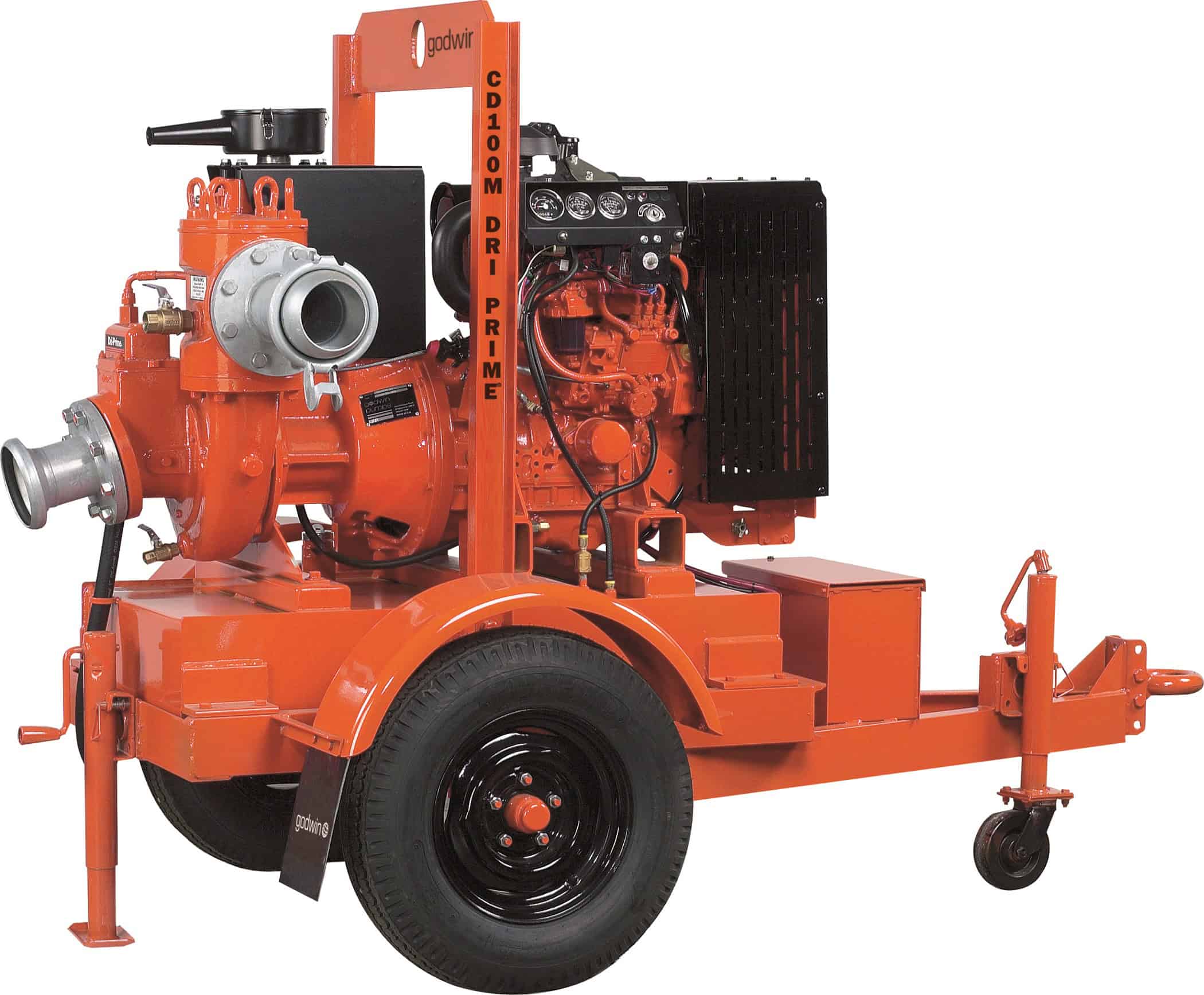
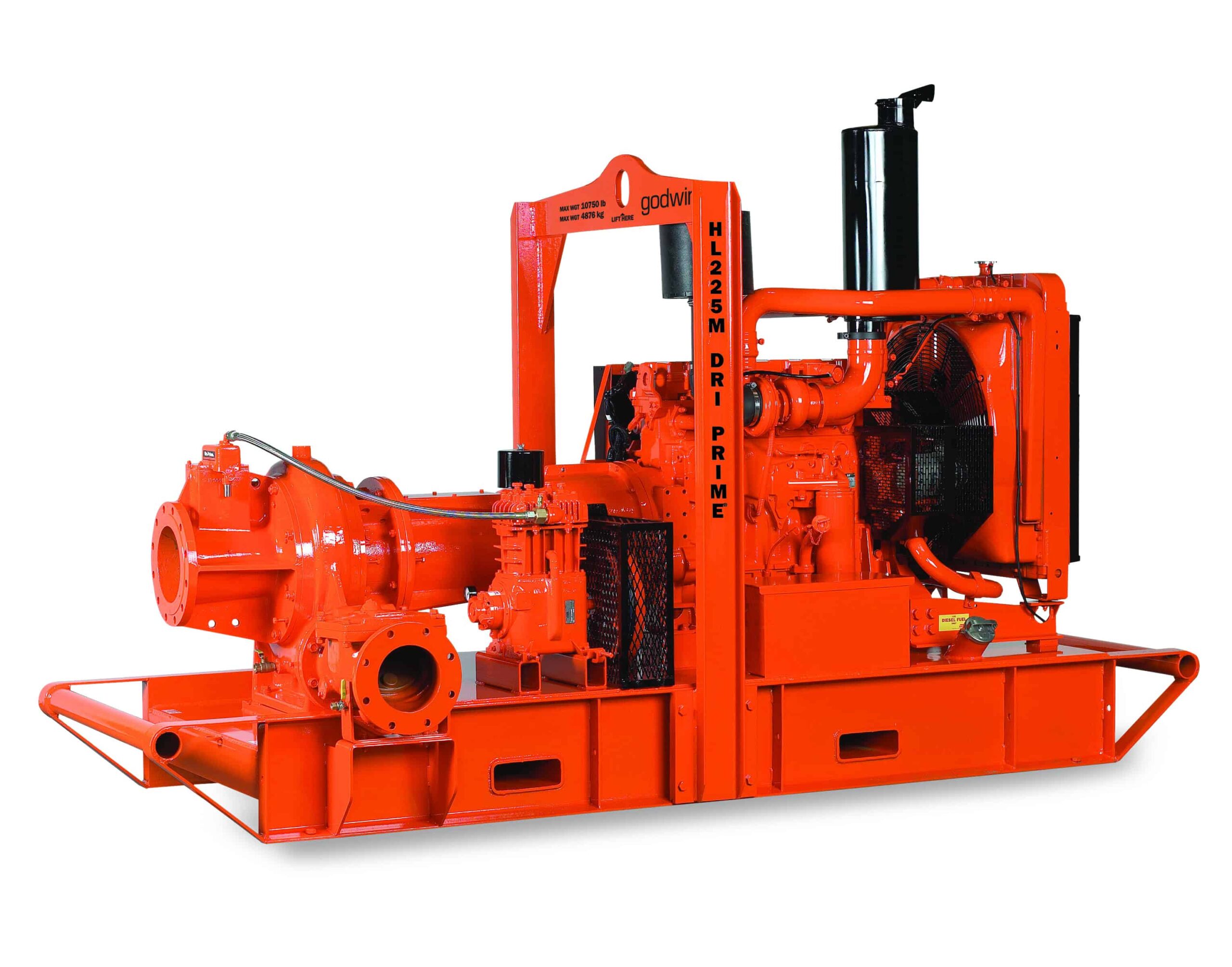
“With visitors to our exhibition stand coming from all over Africa, it was clear mining customers need a dewatering equipment partner who is responsive and has the right equipment in stock,” says Marsh. “They also need quick turnaround times on the larger diesel-powered pumps, which we can achieve with our Godwin units.”

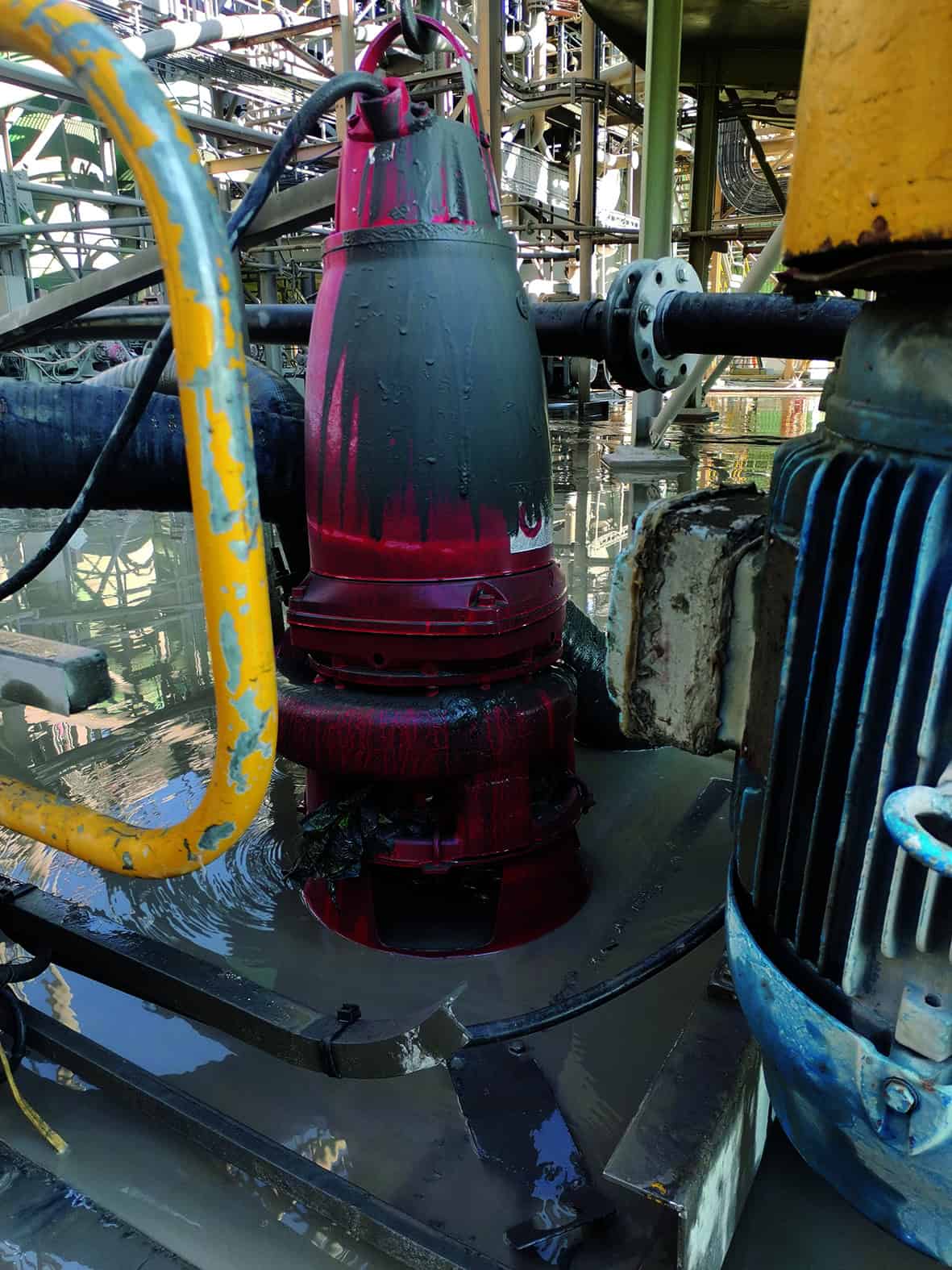
The mining regions in which Integrated Pump Technology operates have some of the wettest mines in the world, where dewatering is essential for safe and efficient operations. With its range of Grindex submersible pumps and Godwin diesel driven pumps, the company has the depth of experience and local expertise to provide the optimal dewatering solution.

“In one of our recent customer engagements in Zambia, we supplied suitable 90 kW pumps to a contractor who urgently needed to dewater a section of a mine,” he explains. “Due to our deliberate policy of holding extensive stock in-country, we could quickly get the units on site so that the customer could achieve their goal even quicker than they had planned.”

In addition to timeously receiving a quality solution, the customer also has the comfort of Integrated Pump Technology’s distributor’s high level of experience and knowledge of the product – which is further backed up by the company’s field staff who support its distributor network. Marsh highlights that the company’s localisation policy ensures local distributors are carefully chosen for their knowledge of customer needs, their regulatory compliance and their technical resources.

Holding good stock levels of relevant equipment is one aspect of being able to respond quickly to customers’ emergencies. Another important element is being able to put together pumps systems locally, he says. 

“With our well-equipped technical facilities in South Africa, we apply our ‘local build’ approach to speed up the supply of the larger self-priming diesel pumps,” he says. “We know that mines can face lead times of 22 to 30 weeks when they order a fully-assembled pump from abroad. We can do the same job in just two to three weeks, all in accordance with original equipment manufacturer (OEM) specifications.”

The long lead times for overseas builds are often due to the availability of diesel engines in the country of assembly, he points out. By leveraging its local partnerships with diesel engine OEMs, Integrated Pump Technology can rather source its engines in countries like South Africa. This allows the company to bring in only the wet end of the system, to conduct the assembly locally – and closer to the customer.

“With our strong technical capability, we provide the option of trailer or skid mounted diesel driven pumps,” he says. “The customer may also have a preference for a certain make of diesel engine, to suit their on-site skills set; we engage with a range of OEMs and can source various options for the customer.”

Marsh notes that similar priority is placed on the technical capabilities of its distributors, as Integrated Pump Technology regards their distributors’ in-country workshops as an extension of its own facilities. For this reason, these workshops are inspected and accredited, so servicing and repairs can be conducted to OEM standards. Skills development is also a key part of the process.

“When we appointed our distributor in Zambia, for instance, we brought the technical staff to Johannesburg for specialised training in working on our equipment,” he says. “This includes understanding the detailed procedures for stripping and repairing units, which they can practice hands-on in our facility.”

Integrated Pump Technology’s success in southern and central Africa is now opening doors for further expansion into west African countries, he adds. With the confidence of their OEM partners behind them, the company will soon be making its complete offering of Grindex and Godwin solutions available to the mining and other sectors in this region.

SANDVIK ELEVATES THE SCREENING MEDIA GAME IN AFRICA

Sandvik Rock Processing has always taken great pride in its innovation and developing products that last longer and provide greater efficiency to customers. A case in point is its grand entrance into the screening media market in Africa, where the mining sector has long yearned for a supplier that places value on specific customer needs and tailored solutions to help operations meet their production targets.

Although screening media is a minor cost when compared to larger capital equipment on a mine, Phumelele Motsamai, Regional Manager: Screening Media & Wear Protection – Africa at Sandvik Rock Processing, stresses that it is a crucial part of any mining operation’s profit engine.

“Screen media plays a critical role in optimising productivity and material quality in mining and quarrying. Sandvik Rock Processing recognises the uniqueness of each operation and always seeks to address the specific requirements to ensure improvement of operations,” says Motsamai.

These efforts have not gone unnoticed, with the market responding positively to Sandvik Rock Processing’s innovative approach, recognising the value of the integrated offering and the drive to provide tailored solutions. By combining advanced technology with a deep understanding of customer needs, Sandvik Rock Processing is setting a new standard in the screening media industry.

“Our entry into the screening media market has generated a lot of excitement in the mining sector in Africa. Traditionally, customers have been concerned about the lack of screen media accessibility and the ultimate lack of support in some of the regions. With four Sandvik entities across southern Africa and a total of 11 across Africa, Sandvik Rock Processing has the necessary touchpoints across the continent to keep stock close to our customers which reduces lead times and maximises uptime,” adds Motsamai.

Sandvik Rock Processing manufactures a variety of screening media including polyurethane, rubber and wedgewire panels. Each type of panel is designed to address specific challenges within the mining industry, ensuring operations can maximise efficiency and productivity.

In addition to its screen media range, Sandvik Rock Processing offers a broad range of wear protection solutions. Through its long history of materials expertise and research, the company has developed materials that meet the highest quality standards and offer advantages such as long wear life, less maintenance, reduced noise levels and a better working environment.

A case in point is the new Sandvik HX900 cast-in carbide, a unique wear material that combines the wear resistance of cemented carbide with the shock resistance, malleability and forming capability of nodular cast iron. This ideal combination provides a wear-resistant material that withstands tough environments and has a long wear life in many extreme applications.

In line with Sandvik’s commitment to sustainability, the tungsten carbides used in the Sandvik HX900 wear plates are 100% in-house recycled. Using recycled materials consumes 70% less energy and cuts overall carbon emissions by 40%.

“Based on the trials conducted to date, the Sandvik HX900 outlasts any other wear protection solution currently available on the market. It is the shining star of our range, and we are excited about its commercial rollout,” concludes Motsamai.

WEIR EXCITES ELECTRA MINING VISITORS WITH ESG AND AI SOLUTIONS

The latest technology to drive sustainability in mining – while achieving the ‘sweet spot’ in performance – was showcased by Weir at the recent Electra Mining Africa exhibition near Johannesburg. 

This sustainability focus underpins the company’s support for its customers’ strategic environmental, social and governance (ESG) goals, according to Weir’s Process and Products Director, Mufaro Muzvondiwa. The event was another important opportunity to display Weir’s leading role in helping mines to reduce consumption of energy and water – and to reduce carbon emissions. 

“At Electra Mining Africa, we were able to remind visitors how seriously we take sustainability across all our products,” says Muzvondiwa. “We displayed our WARMAN pumps with innovative WRT impeller and throatbush combination – for improved hydraulic profiles, reduced turbulence, extended wear performance and lower power consumption.”

He notes that, while Weir’s WRT® upgrade for WARMAN® pumps is not new to the market, many visitors were still discovering the value that this technology could deliver on their operations. The WRT® parts are retrofittable in the WARMAN® AH® range of horizontal slurry pumps and delivers improved hydraulic profiles, reduced turbulence, extended wear performance and lower power consumption.

Water conservation was also a growing issue for many of the mining visitors to Weir’s exhibition stand, especially in water-scarce countries like South Africa. He points out there is more awareness that mines today must increasingly balance their water demands with those of communities and other local stakeholders. 

“This also created plenty of interest in our CAVEX 2 hydrocyclones, which offer up to 30% additional capacity and improved separation efficiency, while delivering water and energy savings in mineral processing applications,” he says. 

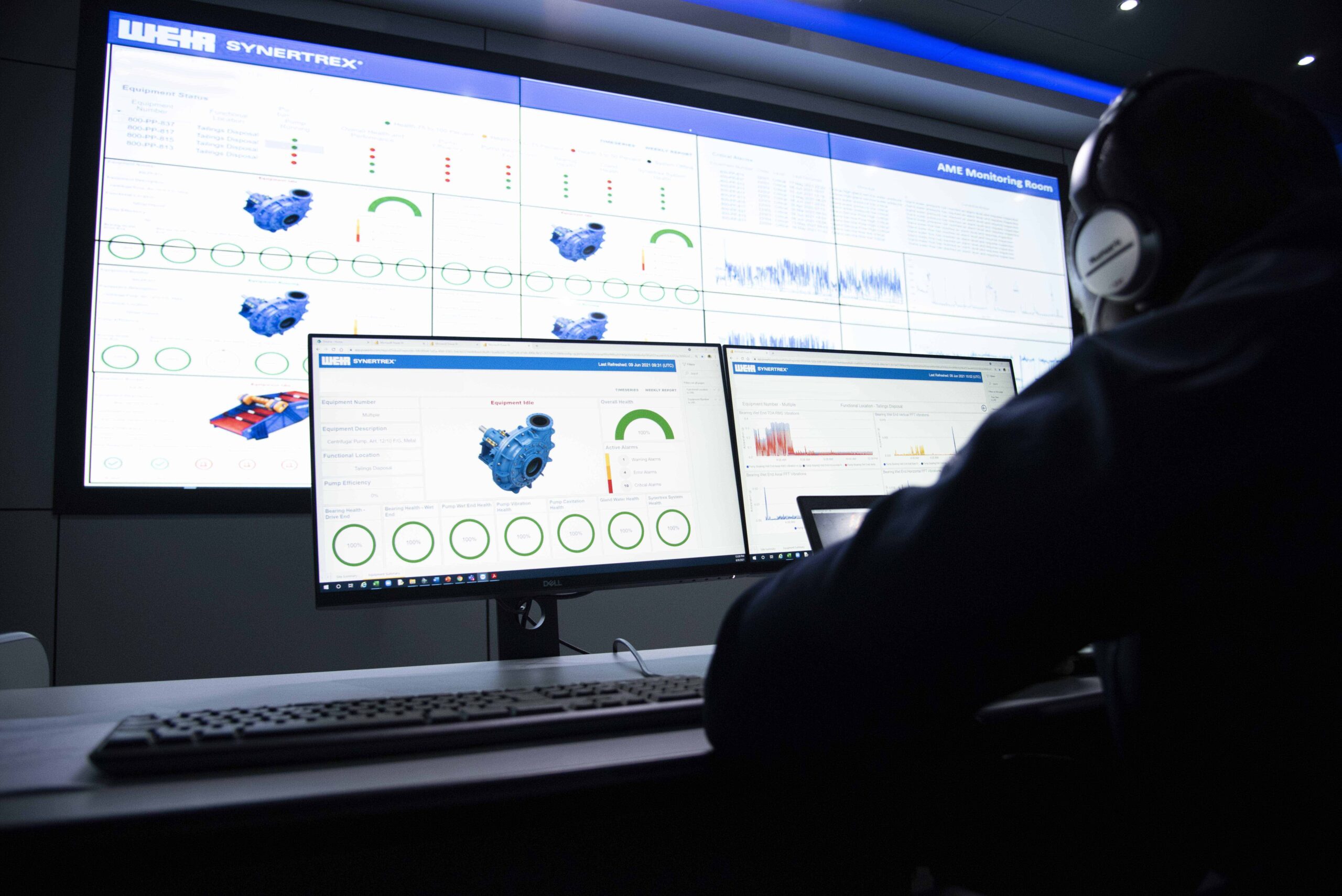
Alongside the ESG focus, visitors at Electra Mining Africa were as usual looking for ways to optimise their processes for greater productivity, Muzvondiwa explains. This is where Weir’s digital tools are playing a crucial role in facilitating smart mining.

“The only constant on mines is change; they are dynamic operations, with constantly changing geological and metallurgical conditions,” he says. “This makes it vital that the performance of our equipment is being continuously optimised – by modifying parameters to suit variables such as rock hardness, abrasiveness and chemistry.”

Building on its existing digital solutions, Weir is developing new capability to not only monitor equipment condition but to facilitate more real-time optimisation. This applies across the product range from WARMAN® pumps to ENDURON® HPGRs (High Pressure Grinding Rolls), he says. 

“We are using our deep knowledge of our equipment and processes – built upon decades of research, development and field experience – to take advantage of the latest analytical capabilities in digital technology,” he explains. “This will revolutionise how we run equipment and what the landscape of sustainable mining looks like.”

He highlights the virtuous circle that can be leveraged as equipment that is optimally run will, firstly, achieve a longer lifespan and, secondly, deliver the best throughput and recovery results. The challenge has always been that real-time optimisation must take into account many different factors, which are difficult to consolidate and analyse quickly. 

“With the advent of AI, it is now possible to gather the relevant data and process it rapidly, so that valuable and precise recommendations can be generated and applied,” says Muzvondiwa. “We have been working very hard to commercialise these solutions, and we will soon be able to share with customers the exciting opportunities which will be available to them.”

Weir’s proactive embracing of technology is enabled by pioneering skills initiatives which raise the bar for company staff and its customers. He points to the company’s Mill Circuit University, a resource which ensures that skill levels are keeping up with technological advancement. More than that, technical staff understand more about the operating context of their specific equipment range. 

“This enhances the quality of conversations between our frontline staff and customers, and improves the levels of collaboration we achieve,” he says. “While some courses can be done online, we also bring our teams together for training from around the globe; we also conduct regional training events for customers’ staff – even on their sites when required.”

In addition to learning about these services from Weir, Electra Mining Africa visitors were able to witness a modular wheeled plant solution – a fully mobile crushing and screening plant that can be transported by trailer.

“Visitors from the mines were also impressed by the extent of Weir’s local manufacturing capability, as this is an important ESG imperative for the mining sector,” he concludes. “With some 95% of our sales being supplied by our South African plants, we are proud to support the local economy and offer customers a secure supply chain.”

SEW-EURODRIVE’S GROWING LOCAL RANGE DRIVES ENTRY INTO NEW MARKETS

As its exhibition presence at Electra Mining Africa showed, SEW-EURODRIVE is rolling out an even greater selection of planetary drives as part of its strategy to ‘close the loop’ in its product offerings by expanding into more industry sectors.

Among the new ranges being introduced into South Africa are its SEW PPK series and the SEW P2.e series of planetary gear units – both showcasing new opportunities for industrial gearbox users. According to Jonathan McKey, National Sales and Marketing Manager at SEW-EURODRIVE, these new additions to the local range highlight the company’s global engineering and applications capabilities.

“The PPK series was originally developed by SEW-EURODRIVE in Brazil, for instance, to serve their large and thriving sugar sector,” says McKey. “Our design and engineering experts in Germany then further leveraged these advances when they developed the SEW P2.e series – aimed at larger applications.”

He emphasises that both series built upon the key benefits that planetary gear units present to customers: a compact solution for space-constrained conditions, alongside high torque and low speed outputs. The SEW PPK series delivers 10 to 18 kNm of torque with a ratio range from 65:1 to 390:1, while the SEW P2.e series encompasses torque ratings from 24 to 124 kNm with ratios from 15,2:1 to 332:1.

“The SEW PPK satisfies the need for a lower torque requirement, and is well suited to southern hemisphere markets,” he explains. The ratio can be further reduced by the addition of a primary reducer before the planetary head, to reach ratios up to 10,650:1 – for a much lower speed capability.

The SEW P2.e was then developed with all these benefits, but with a broader spectrum of diversity in its speed – up to 100 rpm – as well as in ratio and torque, he says. While most planetary gearboxes have a three-stage design, the SEW P2.e can also be supplied in a two-stage model.

Greg Lewis, SEW-EURODRIVE Business Development Manager for Projects, points out that the company has been careful to retain the same critical dimensions as previous SEW P-series models. This allows customers to migrate seamlessly to the more versatile SEW P2.e units without altering their operating environment or infrastructure.

Among the common applications in the mining sector for planetary gearboxes, says Lewis, are clarifiers, thickeners and apron feeders. Other industrial applications include slewing drives, screw feeders and wood panel presses.

“In the agricultural sector, sugar mills are big users of planetary units,” he says. “The SEW PPK series, arising as it did to serve the needs of sugar mills in Brazil, has exciting opportunities for application in African countries.”

McKey highlights another important aspect of these planetary ranges: their reduced weight compared to traditional technologies.

“A sugar mill’s crystalliser, for example, will conventionally have a multi-gear solution which applies considerable weight and strain on the system,” he explains. “A compact planetary unit from SEW-EURODRIVE can now deliver the same results with much less weight – within an integrated design. The benefits are also felt in less wear on components like bearings and the civils structures, which leads to less maintenance being required.”

Also, on SEW-EURODRIVE’s showcase of new products is its high performance ECO2 geared motors, designed in line with the company’s sustainability focus and the market’s growing demand for products that are more environmentally friendly in their manufacturing process. The ECO2 range boasts a coating-free design, so there are no solvents or coatings used on the outer surfaces. This makes these units efficient and reliable in indoor applications where humidity levels can reach 60%, and they can operate in temperatures between minus 20° C and 60° C. Their aluminium construction reacts with oxygen to form a thin protective layer; the ECO2 design also meets the requirements of ISO 12944 corrosive category 1.

On the automation side, a highlight of the SEW-EURODRIVE offering is the SEW MOVI-C® drive technology – a comprehensive modular automation system designed to provide seamless integration and high performance for various industrial applications.

Willem Strydom, SEW-EURODRIVE’s Manager Business Development Electronics points to applications like hoisting where MOVI-C® facilitates the use of regenerative power from braking and this energy can be fed back into the system or stored in battery packs. The MOVILINK® digital data interface (DDI) connects the drive train into the data system through a unique single hybrid cable solution

“This further allows customers to receive real-time information on a range of indices, such as energy efficiency, application performance and condition monitoring,” he says. “This differentiates us significantly in the market.

HUMAN-CENTRIC INTEGRATION UNDERPINS BOOYCO ELECTRONICS’ APPROACH TO PDS

In the mining sector, the integration of advanced technologies such as proximity detection systems (PDS) is critical to enhancing safety and operational efficiency. While the technological aspect of PDS is essential, the human factor plays a pivotal role in the successful implementation and adoption of these systems. Recognising this, Booyco Electronics has adopted a holistic approach that prioritises collaboration with end-users to ensure these systems not only function effectively but are also embraced by the workforce.

Anton Lourens, CEO of Booyco Electronics, explains that the implementation of proximity detection systems involves more than just installing devices and software. “It requires a comprehensive understanding of the mining environment, the behaviours and routines of the workforce, and the specific safety challenges faced on-site.”

“Booyco Electronics has always acknowledged that the end-users—miners and site operators—are central to the system’s effectiveness. By focusing on the human element, it is possible to ensure that the PDS solution being implemented is not only technically sound but also practical and user-friendly,” he says. 

A significant part of Booyco Electronics’ strategy is dedicated to training and education resulting in adoption. Understanding that the success of PDS relies heavily on user proficiency, Booyco Electronics conducts extensive training programmes for miners and site managers. These programmes are designed to enhance understanding, build competence and foster acceptance. Through continuous education and training, the company ensures that the workforce is not only equipped with the necessary skills but also motivated to use the PDS effectively.

Importantly, Lourens says, every mining site is unique, with distinct operational processes and safety challenges. Booyco Electronics emphasises customisation of its PDS solutions to meet the specific needs of each site. “This is achieved through collaborative assessment, tailored solutions and ongoing feedback. By involving end-users in the implementation process, we ensure that the PDS solutions are not only technically robust but also aligned with the practical realities of the mining environment.”

“It is also especially relevant to note that the adoption of PDS is not a one-time event but an ongoing process, and Booyco Electronics provides continuous support and maintenance to ensure the sustained effectiveness of the systems,” he continues. “This includes regular updates, 24/7 support and periodic reviews. By maintaining a close partnership with end-users, our teams ensure that the PDS solutions remain effective and reliable over the long term.”

Lourens says that the human-centric approach adopted by Booyco Electronics in the implementation of proximity detection systems has led to significant improvements in safety and operational efficiency in the mining sector. This collaborative effort results in a safer, more efficient mining environment, where technology and human expertise work hand in hand to achieve common goals.

The success of proximity detection systems in the mining sector hinges on the effective integration of the human factor. “Our commitment to working closely with end-users exemplifies how technology can be seamlessly integrated into complex operational environments, ensuring safety and efficiency through a partnership-driven approach,” Lourens concludes. 

NEW REGIONAL STRATEGY FOR FLS BUILDS CAPABILITY IN AFRICA

Mining customers are to benefit from the stronger regional capability being developed by FLS, which is making the company even more responsive to customer needs. 

This is one of the key outcomes of the company’s strategic evolution underway, according to newly appointed FLS President Sales and Service for Europe, Middle East and Africa (EMEA), Bernard Kaninda. As a leading full flow sheet technology company, FLS occupies a distinctive place in the market, says Kaninda, giving it a special relationship with customers.

“Being a partner through all their mineral processing requirements, FLS walks with customers throughout the lifecycle of a comprehensive range of equipment and solutions,” he says. “This engagement gives us greater impact in helping the mining industry achieve its sustainability goals.”

FLS aligns itself with industry imperatives by committing to energy and water reduction targets, and committing to reach zero emissions by 2030. To achieve these goals, he says, it was imperative to further grow the region’s capability – shifting from the previous regional definition which comprised sub-Saharan Africa, Middle East and Southern Asia to a more cohesive EMEA region.

“We believe the move to an EMEA region will better create the capabilities we are looking for, combining the strengths of Africa and Europe, and our learnings in the Middle East,” Kaninda explains. “We expect to be able to respond more quickly with services, spares and equipment, and are building local resources to achieve these improvements.”

The focus on communication and partnership is being fostered through clusters within the region, which are empowered with adequate resources for quick response times and effective support for end-users. 

“As a partner that tailor-makes solutions for our customers, we go further by guaranteeing the performance of that equipment,” he says. “This means being able to respond effectively as and when the situation demands, so we need to be in close proximity to the customers’ sites – and very familiar with the conditions they experience.”

The clusters in Africa ensure a strong presence in Southern African countries – including South Africa, Zambia and the Democratic Republic of Congo – as well as West Africa and North Africa. These are areas where FLS already has a significant footprint of equipment in operation. 

“The mining sector is dynamic, however, so we are constantly expanding our equipment footprint and will be establishing a presence wherever we have a significant installed base,” he says. “It has always been a matter of pride for us that FLS customers will receive the same close attention irrespective of where they are around the globe.”

Streamlined logistics are an important aspect of the strategic shift, which will reduce delivery times through better availability of inventory in-country. Teams in the clusters will also facilitate faster access to service and parts. 

“We are also committed to the communities in the regions where we operate, and are increasing our local employment as we develop our presence in different countries – especially in Africa,” says Kaninda. “We believe in building local capability and this is visible in our teams, in which 90 to 100% of staff are already local in the various clusters.”

These teams are supported by specialised training provided by facilities such as the FLS Training Academy at the Chloorkop service centre in South Africa. This well-equipped regional training hub underpins ongoing skills transfer to build the company’s skills base and succession pipeline, he says, ensuring all customers receive the same FLS experience. So successful is Chloorkop’s model of combining technical services with training, that the company plans to replicate such a facility in the Middle East. 

“This will allow us to upskill youth and enhance our positive economic and social impact on the community,” he explains. “There is no reason why we shouldn’t even look at another such centre in Africa, as there is growing demand for artisans and other specialised skills.”

Africa remains vital as a provider of mineral resources for the transition to a lower carbon future, concludes Kaninda, highlighting that FLS will continue to partner with customers so that mining itself becomes more responsible to the environment and community.